The best hikes from bus stations around Velebit
4.6
(2307)
11,675
hikers
10
hikes
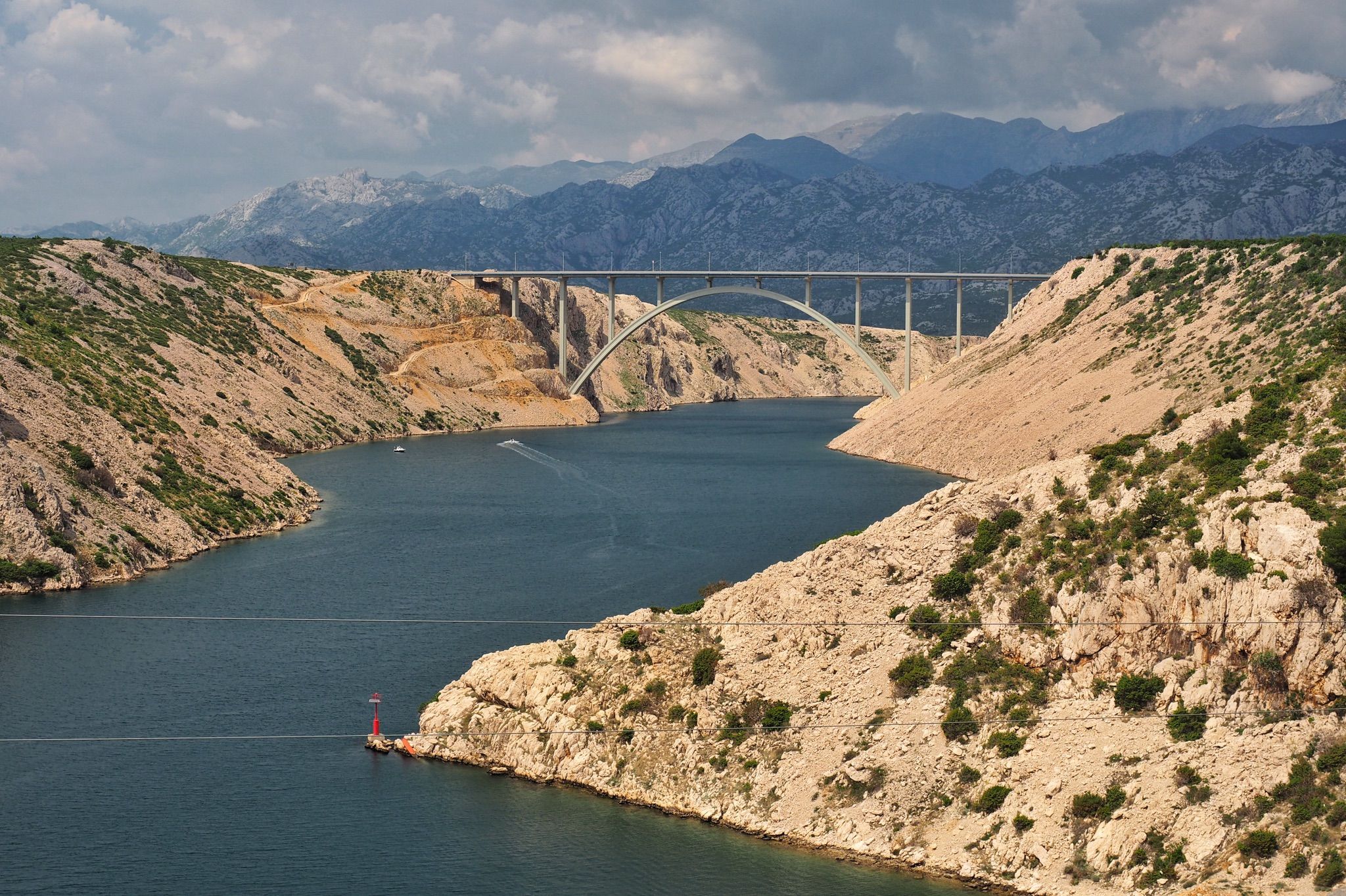
Bus station hiking trails around Velebit offer access to Croatia's largest mountain range, characterized by dramatic karst topography, deep canyons, and diverse forests. The region features a landscape sculpted by limestone and water, resulting in crags, cliffs, and numerous peaks. Hikers can experience varied terrain, from dense pine and beech forests to Mediterranean flora closer to the coast. Velebit encompasses two national parks, Paklenica and Northern Velebit, providing a wide array of natural features for exploration.
Best bus station hiking…
Last updated: June 28, 2026
4.7
(194)
820
hikers
Hard hike. Very good fitness required. Mostly accessible paths. Sure-footedness required.
4.7
(73)
388
hikers
Hard hike. Very good fitness required. Sure-footedness, sturdy shoes and alpine experience required.

Sign up for free
4.4
(34)
111
hikers
Moderate hike. Good fitness required. Easily-accessible paths. Suitable for all skill levels.
5.0
(7)
16
hikers
Hard hike. Very good fitness required. Mostly accessible paths. Sure-footedness required.
4.8
(4)
26
hikers
Moderate hike. Good fitness required. Mostly accessible paths. Sure-footedness required.
Get access to more routes and recommendations from other explorers.
Sign up for free
Already have an account?
Our route recommendations are based on thousands of hikes, rides, and runs completed by other people on komoot.
Start today with a free account
Your next adventure awaits.
Login or Signup



Tips from the Community

Mirila were created between the 17th and 20th centuries, when the inhabitants (pastoral nomads) of the Velebit Mountains lived mainly from livestock farming and kept mostly sheep. The deceased had to be carried from the often very remote hamlets and farms along mountain paths to the village church and then to the village cemetery. It was customary that the bearers were only allowed to rest once along the way and set the dead down on the ground. At such specific places, "the deceased said goodbye to the sun for the last time." Thus, family rest stones were created, which preserved the memory of the deceased and were more important than the grave itself, because it was believed that the grave contained "merely" a body without a soul, which remained on the mirilo.[7] The bodies were wrapped in an ordinary linen cloth and transported on a wooden stretcher. The mirilo, i.e. The place of burial, the burial site, was marked with stones as follows: "Flat stones were placed beneath the corpse, exactly corresponding to its length and width. A stone was placed at the foot, which was naturally rounded or later shaped accordingly, and a similarly shaped but somewhat larger so-called headstone was placed at the head."[8] The ritual of building the Mirilo took place at sunrise, and the corpse lay with its head facing east, toward the sun.[9] The laying out in the open air could last up to three days. Source: Wikipedia
9
0
A small abandoned settlement, some buildings are still used as goat stables.
8
0
The national park is subject to a fee. A five-day ticket for climbers currently costs €24. Those who want to climb to the last parking lot pay an additional €5 per day. In return, there are approximately 500 climbing routes of all lengths and difficulty levels. Many easy, long, gradual climbs stand out.
8
0
Paklenica National Park is a national park located in the Velebit mountain range, 30 km northeast of the city of Zadar on the Croatian Adriatic Sea and approximately one kilometer from Starigrad-Paklenica. It encompasses Mediterranean, continental, and alpine climate zones and was declared a national park in 1949. The highest peaks are Vaganski Vrh at 1,757 m above sea level and Sveto Brdo (1,750 m above sea level). Source: Wikipedia
10
0

The Večka Kula tower, built for defense against the Turks, belongs to the village of Vuče. It was first mentioned in 1508. The beach there, with its crystal-clear water, is ideal for swimming.
0
0

Deep in the valley, the farm is abandoned, but beautiful buildings, numerous stone walls, and pastures remain. Many Euphorbias are found nearby. For a video of the trail: Ascent of Zoljin Kuk: Magnificent and Challenging, Paklenica National Park, Croatia https://youtu.be/CaUMPeKOgxQ
0
0
Magnificent views, superb but technically challenging trail, especially if done on the descent to the gorge. Don't underestimate the difficulty at the end of the hike... For a full immersion in the trail, the video is here: Climbing Zoljin Kuk: Magnificent and Challenging, Paklenica National Park, Croatia https://youtu.be/CaUMPeKOgxQ
0
0

Very pretty, but we left too late, so it was too hot, so we had to cut the walk a little short. It's best to start around 7 a.m. (June)
1
0
Frequently Asked Questions
How many bus station hiking trails are available in Velebit?
There are 9 hiking routes in Velebit that are easily accessible from bus stations. These trails offer a range of difficulties, including 1 easy, 3 moderate, and 5 difficult options, ensuring there's something for every hiker.
What kind of landscapes can I expect on bus-accessible hikes in Velebit?
Velebit's bus-accessible hikes immerse you in dramatic karst landscapes, featuring impressive crags, cliffs, and deep canyons. You'll experience diverse vegetation, from dense forests to Mediterranean flora, with many trails offering panoramic views of the Adriatic Sea and its islands.
Are there any circular routes starting from bus stations in Velebit?
Yes, several circular routes are available. For a moderate challenge, consider the Paklenica National Park – Večka Tower Ruins loop from Starigrad Paklenica, which is about 10.8 km long. Another moderate option is the Starigrad-Paklenica Harbor – Mirila burial site loop from Starigrad, covering 10 km.
What are some interesting natural attractions or landmarks I can see along these trails?
Many trails lead to or pass by significant natural features. You can explore the impressive Manita Peć Cave, or discover the unique Paklenica Underground City. For stunning views, some routes offer glimpses of peaks like Vaganski Peak or Sveto Brdo Summit.
Are there any challenging hikes accessible by bus in Velebit?
Absolutely. For experienced hikers, the View of the Paklenica Gorge – View of the Velika Paklenica Gorge loop from Seline is a difficult 23.5 km route. Another demanding option is the View of the Paklenica Gorge – View of the Velika Paklenica Gorge loop from Starigrad Paklenica, spanning nearly 16 km with significant elevation gain.
What do other hikers say about the bus-accessible trails in Velebit?
The bus-accessible trails in Velebit are highly regarded by the komoot community, with an average rating of 4.6 out of 5 stars from over 2,200 reviews. Hikers often praise the dramatic karst formations, the stunning views of the Adriatic, and the well-maintained paths within Paklenica National Park.
Can I find trails that offer views of the famous Paklenica Gorge?
Yes, several routes provide excellent views of the Paklenica Gorge. The View of the Paklenica Gorge – View of Paklenica Canyon loop from Starigrad Paklenica is a challenging 18.9 km trail specifically designed to showcase these impressive canyons.
What is the best time of year for hiking from bus stations in Velebit?
The best time for hiking in Velebit is generally from late spring to early autumn (May to October). During these months, the weather is more stable, and trails are typically clear. Summer offers warmer temperatures, while spring and autumn provide pleasant conditions and vibrant scenery.
Are there any easy bus-accessible hikes suitable for beginners in Velebit?
While many trails in Velebit are moderate to difficult, there is at least one easy route accessible by bus. These easier options are great for those new to hiking or looking for a more relaxed experience, often staying at lower elevations or on gentler terrain.
What should I pack for a hike in Velebit, especially when relying on public transport?
When hiking in Velebit, especially from bus stations, it's crucial to be prepared. Pack plenty of water, snacks, appropriate hiking footwear, sun protection, and layers of clothing as weather can change quickly in the mountains. A map or GPS device is also recommended, as is a fully charged phone for emergencies. Consider a small first-aid kit.
Are there any specific safety considerations for hiking in Velebit?
Velebit is a rugged mountain range. Always inform someone of your planned route and expected return time. Stick to marked trails, especially in karst areas where terrain can be challenging. Be aware of wildlife, including bears and wolves, though encounters are rare. Check weather forecasts before heading out, as conditions can change rapidly.
Most popular routes around Velebit
Most popular attractions around Velebit

Get inspired with the komoot mobile app


Explore more
Browse the best Hikes in other regions.
