The best family-friendly hikes and walks around Parque Natural Sierra de María-Los Vélez
4.5
(61)
302
hikers
29
hikes
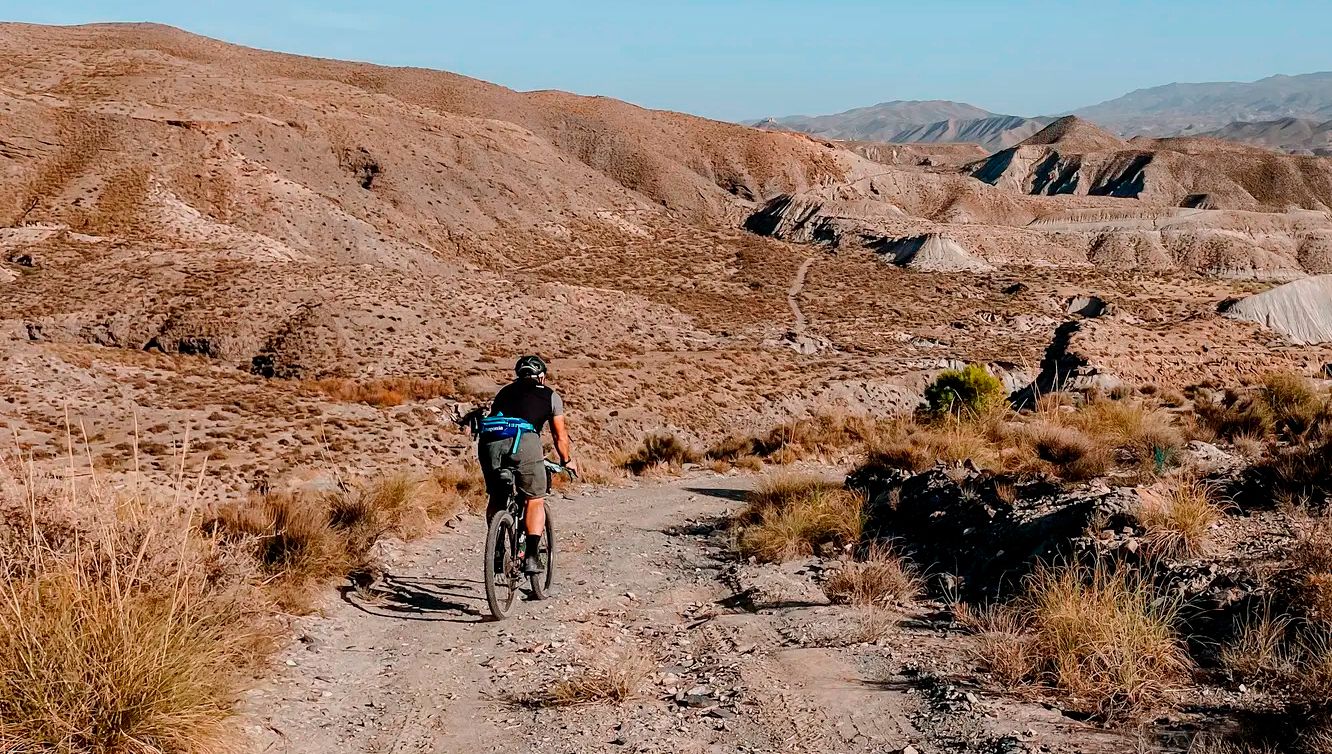
Hiking around Parque Natural Sierra de María-Los Vélez offers diverse landscapes, from arid plains to high mountain peaks. The region is characterized by prominent limestone massifs, deep valleys, and extensive pine forests. Mediterranean woodlands with holm oaks and aromatic plants are also common. These varied terrains create a range of microclimates, supporting a rich biodiversity.
Best family friendly hiking trails around Parque Natural Sierra de María-Los Vélez
- The most popular family friendly hiking route is Hiking loop from Los Vélez…
Last updated: July 12, 2026
3.3
(3)
29
hikers
15.3km
04:58
690m
690m
Moderate hike. Good fitness required. Easily-accessible paths. Suitable for all skill levels.
5.0
(3)
19
hikers
16.4km
05:10
680m
680m
Hard hike. Very good fitness required. Easily-accessible paths. Suitable for all skill levels.

Sign up for free
5.0
(3)
19
hikers
4.16km
01:31
270m
270m
Easy hike. Great for any fitness level. Easily-accessible paths. Suitable for all skill levels.
5.0
(2)
6
hikers
21.9km
06:27
630m
640m
Hard hike. Very good fitness required. Easily-accessible paths. Suitable for all skill levels.
4.5
(2)
5
hikers
11.2km
03:13
280m
280m
Moderate hike. Good fitness required. Easily-accessible paths. Suitable for all skill levels.
Get access to more routes and recommendations from other explorers.
Sign up for free
Already have an account?
Our route recommendations are based on thousands of hikes, rides, and runs completed by other people on komoot.
Start today with a free account
Your next adventure awaits.
Login or Signup
Popular around Parque Natural Sierra de María-Los Vélez
Other adventures around Parque Natural Sierra de María-Los Vélez

Tips from the Community

Vélez-Blanco Castle, located in the municipality of the same name in the province of Almería (Andalusia), is a jewel of the Spanish Renaissance that combines military and palatial elements. Construction began in 1506 by Pedro Fajardo y Chacón, the first Marquis of Vélez, on the remains of an ancient Islamic citadel.
8
0

The Convent of San Luis Obispo in Vélez-Blanco is a historical building of great significance. Founded in the 16th century, this convent is an outstanding example of the religious architecture of the period. Its construction was promoted by the Franciscan order, and the convent has been an important center of spirituality and culture in the region. The convent has an adjacent church, which is also known for its architecture and interior decoration. In addition, the cloister of the convent preserves frescoes and decorative elements that reflect the rich history and artistic heritage of the place.
4
0
The Church of Santiago Apóstol in Vélez-Blanco is a historic place of worship dating back to the 16th century. This church combines elements of Gothic, Renaissance and Mudejar traditions, and was built following the single nave model with chapels between the buttresses. The church is located on the main street of Vélez-Blanco, one of the arteries that were opened after the reconquest to the Islamic occupants. It is a place of great value both from an architectural and historical point of view, and its presence in the town makes it a reference point for lovers of history and culture.
1
0
This fountain is known for its central location and marble construction. It has two side spouts designed to accommodate jugs, making it both functional and aesthetically appealing. Vélez-Blanco is famous for its numerous crystal-clear water fountains, and the Fuente Caños de la Plaza is an excellent example of this. It is an ideal place to enjoy a walk and explore the historical and natural beauty of the town.
1
0
The Town Hall of Vélez-Rubio is a historic building located in the Plaza de la Encarnación. Built in 1732 and restored between 1991 and 1993, this building combines baroque elements with modernist details added during renovations in 1909. As well as being the administrative centre of the town, it is a point of architectural and cultural interest.
1
0
The Passageway of the Palace of the Marquises in Vélez-Rubio is a historic structure that connects the palace with other important buildings in the town. These passageways were used in ancient times to facilitate the discreet movement of people and goods, and also to provide escape routes in case of emergency. The Palace of the Marquises is known for its architecture and history, and the underground passageways add an element of mystery and fascination to this place. Exploring these passageways can be a unique experience for visitors interested in the history and architecture of the region.
2
0
The Caños de Caravaca Fountain is located on San Francisco Street in the town centre of Vélez-Blanco. This fountain stands out for its unique decoration, with tiles in striking orange and green colours, which include motifs from Don Quixote and the Vélez-Blanco coat of arms. The fountain is supplied by springs from the Barranco de las Fuentes and its flow is low but constant. In addition to its architectural value, the fountain is used for irrigation and is a point of tourist and recreational interest in the town.
1
0
Frequently Asked Questions
How many family-friendly hiking trails are available in Parque Natural Sierra de María-Los Vélez?
There are over 25 hiking trails in Parque Natural Sierra de María-Los Vélez, with 9 specifically rated as easy, making them ideal for families. These routes offer a variety of experiences suitable for different ages and abilities.
What kind of landscapes can families expect to see on hikes in this natural park?
Families will discover a diverse range of landscapes, from extensive pine forests (including black and Aleppo pines) and Mediterranean woodlands with holm oaks and junipers, to more open, high-altitude areas with impressive limestone peaks. The park's varied terrain ensures a visually rich hiking experience.
Are there any easy circular routes suitable for families with young children?
Yes, there are several easy circular routes. A good option for families is the Hiking loop from Los Vélez, which is just over 4 km long and offers a pleasant walk without significant elevation changes, perfect for younger hikers.
What are some interesting natural or historical sights to look out for along the trails?
The park is rich in points of interest. You might encounter prehistoric cave paintings at the famous Cave of the Inscriptions, a UNESCO World Heritage site. Nature lovers can visit the Umbría de la Virgen Botanical Garden to see local flora, or enjoy panoramic views from the Puntal del Morral Viewpoint.
What is the best time of year to go hiking with family in Parque Natural Sierra de María-Los Vélez?
The best times for family hiking are generally spring, autumn, and winter. During these seasons, the temperatures are more moderate and pleasant for outdoor activities. Spring brings blooming wildflowers, while autumn offers beautiful colors. Winter can be lovely, though higher peaks may have snow.
Can we expect to see any wildlife during our family hike?
The park is a Special Protection Zone for birds and home to diverse wildlife. Keep an eye out for various bird species, including birds of prey like golden eagles and griffon vultures. Mammals such as Barbary sheep and common genets also inhabit the forests. Remember to observe from a distance and respect their natural habitat.
Are there any viewpoints along the family-friendly trails that offer great photo opportunities?
Absolutely! Many trails offer stunning vistas. The View of Sierra de María and Views of the Sierra de María are popular spots for panoramic photos of the mountainous landscape. The Puntal del Morral Viewpoint is also highly recommended for its rugged peak and forest views.
What do other hikers enjoy most about the family-friendly trails in this region?
The area is highly rated by the komoot community, with an average score of 4.6 stars from 50 ratings. Reviewers often praise the park's stunning natural beauty, the tranquility of its pine and holm oak forests, and the well-maintained paths that make it accessible for families to explore.
Are there any specific trails that lead through significant forest areas?
Yes, the park is known for its well-preserved pine forests. The Pinar de la Alfahuara is a highly recommended path that takes you through one of the best-preserved forests in Almería, offering a shaded and immersive experience amidst the trees.
What should we consider bringing for a family hike in Parque Natural Sierra de María-Los Vélez?
Given the varied terrain and microclimates, it's wise to bring layers of clothing, sturdy hiking shoes, plenty of water, snacks, sun protection (hat, sunscreen), and a first-aid kit. Depending on the season, a light jacket might be useful even on warmer days, especially at higher altitudes.
Are there any visitor centers or information points in the park?
Yes, the Almacén del Trigo in Vélez Blanco serves as a visitor center. It provides valuable information on the park's ecology, archaeology, and history, and can offer details on marked footpaths, which is helpful for planning your family's adventure.
Most popular routes around Parque Natural Sierra de María-Los Vélez
Most popular attractions around Parque Natural Sierra de María-Los Vélez

Get inspired with the komoot mobile app


Explore more
Browse the best Hikes in other regions.
