The best hikes from bus stations around Kvikkjokk-Kabla fjällurskog
4.6
(36)
304
hikers
3
hikes
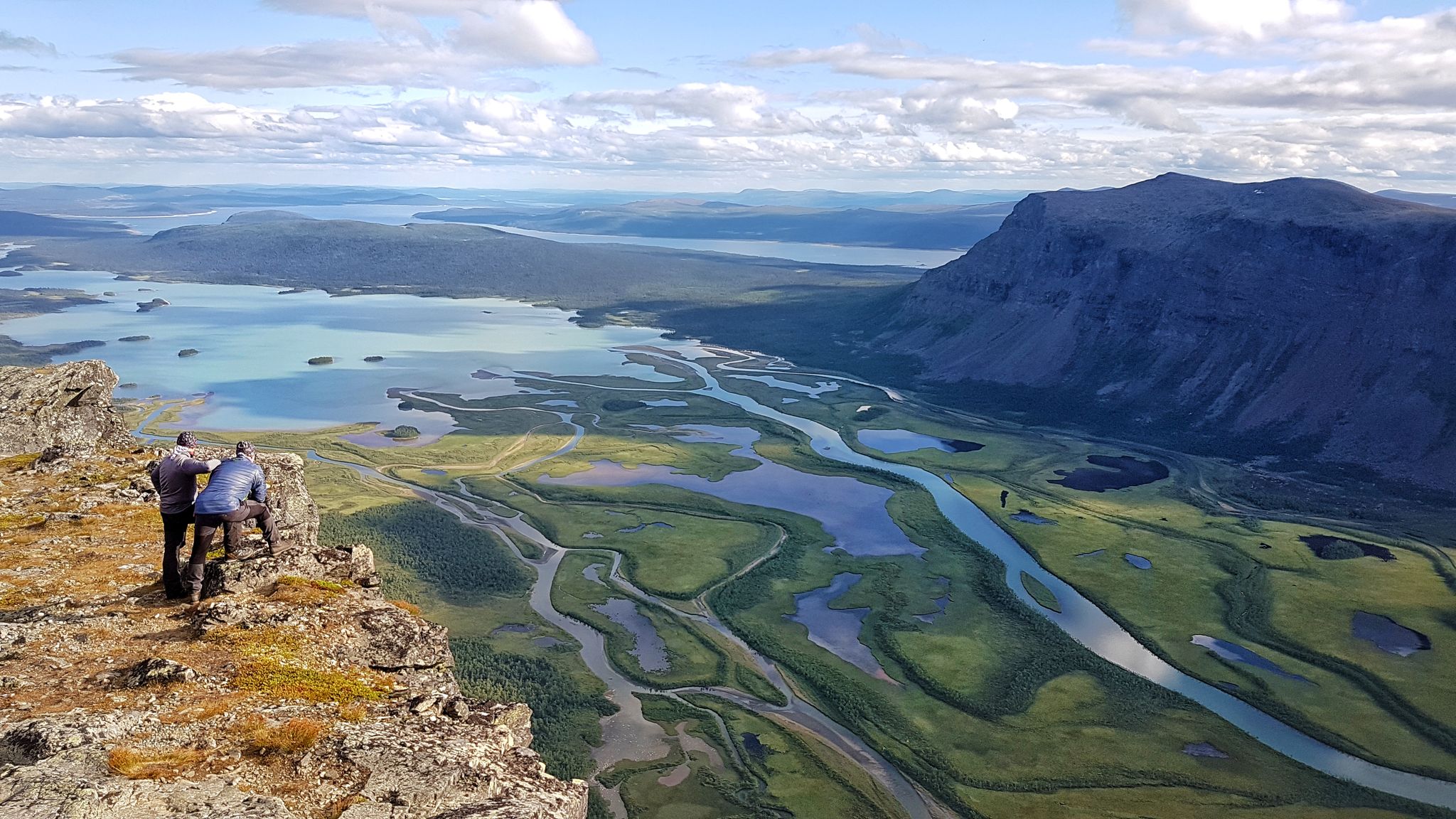
Hiking around Kvikkjokk-Kabla fjällurskog offers diverse wilderness landscapes, including the Kabla massif, extensive pine and spruce virgin forests, and vast mires. The region is characterized by varied ecosystems, from lime-rich mountain bedrock supporting unique flora to barren fells. The Kvikkjokk Delta, formed by the Tarraälven and Kamajokk rivers, is another notable natural feature. This area provides an unspoiled forest ecosystem with numerous trails accessible for exploration.
Best bus station hiking trails around Kvikkjokk-Kabla fjällurskog
- The most popular bus station hiking…
Last updated: July 12, 2026
4.8
(21)
112
hikers
10.8km
03:37
550m
550m
Moderate hike. Good fitness required. Easily-accessible paths. Suitable for all skill levels.
4.2
(6)
37
hikers
Moderate hike. Good fitness required. Easily-accessible paths. Suitable for all skill levels.

Sign up for free
4.5
(4)
8
hikers
13.6km
04:23
560m
560m
Moderate hike. Good fitness required. Easily-accessible paths. Suitable for all skill levels.
Our route recommendations are based on thousands of hikes, rides, and runs completed by other people on komoot.
Start today with a free account
Your next adventure awaits.
Login or Signup
Popular around Kvikkjokk-Kabla fjällurskog
Other adventures around Kvikkjokk-Kabla fjällurskog

Tips from the Community

Small, cozy shelter on the edge of the Sarg National Park. It can accommodate up to ten people.
0
0

This is where the various boat transfer providers start.
9
0
A large and free parking lot. There is also a waste bin to dispose of rubbish after your tour.
10
0
Large and efficient mountain station here there are often more people than residents in the village.
12
0
This beautiful wooden church was consecrated in 1907.
12
0


Kvikkjokk lies deep in the mountains of Lapland. Kvikkjokk is a starting point for several national parks: Padjelanta, Sarek, and Stora Sjöfallet. Single rooms and rooms Restaurant Bar & Café Shop Sauna Self-catering kitchen Outdoor equipment rental Living room Pets allowed Opening hours Open during the summer season from 7:30 a.m. to 9:00 p.m. Kvikkjokk is one of the oldest Swedish settlements in Lapland. In the 17th century, the mountain village was a local metropolis and a center for the processing of silver ore from the Alkavare mine in Sarek. During his journey through Lapland, Carl Linnaeus arrived in the village in 1732 via the boat route from Jokkmokk. During the trip, he collected a significant portion of the material for his systematic mapping of mountain flora. Next to the village of Kvikkjokk, there are four observation mountains.
2
0
Frequently Asked Questions
How many bus station hiking trails are available in Kvikkjokk-Kabla fjällurskog?
There are 3 moderate hiking trails accessible directly from the bus station in Kvikkjokk-Kabla fjällurskog. These routes offer a great way to explore the region's diverse wilderness without needing a car.
What kind of terrain can I expect on bus station hikes in Kvikkjokk-Kabla fjällurskog?
The trails from the bus station in Kvikkjokk-Kabla fjällurskog traverse varied terrain, including sections through extensive pine and spruce virgin forests, birch forests, and areas with more open fells. You can expect some elevation changes, with routes featuring up to 550 meters of ascent and descent, characteristic of this mountainous wilderness.
Are there any circular routes starting from the bus station?
Yes, all the featured routes are circular, bringing you back to your starting point near the bus station. For example, the Sjnjierák Shelter – Kvikkjokk loop from Kvikkjokks kyrka and the Gamájåhkå Rapids – STF Kvikkjokk Mountain Station loop from Kvikkjokks kyrka are excellent options for a full-day circular hike.
What natural features or landmarks can I see on these trails?
Along these trails, you can experience the region's unique natural beauty. Highlights include the Kvikkjokk Delta, formed by the Tarraälven and Kamajokk rivers, and the opportunity to visit the Sjnjierák Shelter. You might also encounter stunning vistas, such as the View from Sinjierak, offering panoramic views of the surrounding wilderness.
What is the best time of year to hike in Kvikkjokk-Kabla fjällurskog from the bus station?
The best time for hiking in Kvikkjokk-Kabla fjällurskog is generally during the late spring, summer, and early autumn months (June to September). During this period, the trails are typically free of snow, and the weather is more favorable. Late summer can be particularly pleasant, with fewer mosquitoes and the chance to pick berries.
Are the bus station trails suitable for families?
While the trails are rated as moderate, they offer a true wilderness experience. Families with older, experienced children who are comfortable with longer distances (10-14 km) and some elevation gain may enjoy these routes. The diverse landscapes and opportunities for wildlife spotting can be very engaging for children.
Can I bring my dog on these hikes?
Yes, Kvikkjokk-Kabla fjällurskog is generally dog-friendly. Dogs are permitted on trails, but it's crucial to keep them on a leash, especially given that the area is vital reindeer grazing land and home to abundant wildlife. Always ensure your dog is well-behaved and doesn't disturb the local fauna.
What kind of wildlife might I encounter?
Kvikkjokk-Kabla fjällurskog is renowned for its rich wildlife. It's known as 'bear country,' and wolverines, lynx, golden eagles, white-tailed eagles, rough-legged buzzards, and various falcons can also be spotted. Keep an eye out for reindeer, which graze extensively in the area.
What do other hikers enjoy most about hiking in Kvikkjokk-Kabla fjällurskog?
The komoot community highly rates the hiking experience in Kvikkjokk-Kabla fjällurskog, with an average score of 4.7 stars. Reviewers often praise the untouched wilderness, the diverse ecosystems, and the feeling of being in a truly remote and natural environment. The well-maintained trails and stunning viewpoints are also frequently highlighted.
Are there any mountain huts or shelters along these routes?
Yes, some routes provide access to shelters. For instance, the Sjnjierák Shelter – Kvikkjokk loop passes by the Sjnjierák Shelter, which offers a place to rest and often has fire pits. The Gamájåhkå Rapids – STF Kvikkjokk Mountain Station loop also brings you close to the STF Pårte Mountain Hut, which can serve as a base for further exploration.
What is the typical duration for these bus station hikes?
The hikes from the bus station typically range from 3.5 to 4.5 hours of active walking time, depending on the specific route and your pace. For example, the Kvikkjokk Church – Kvikkjokk loop is one of the longer options, offering a substantial day out in nature.
Most popular routes around Kvikkjokk-Kabla fjällurskog
Most popular attractions around Kvikkjokk-Kabla fjällurskog

Get inspired with the komoot mobile app


Explore more
Browse the best Hikes in other regions.
