The best hikes from bus stations around Brunssummerheide
4.4
(14251)
56,868
hikers
1,009
hikes
Bus station hiking trails around Brunssummerheide traverse a diverse landscape of expansive heathlands, mixed forests, and unique sandy plains. The area features open "white dunes" and numerous fens and ponds, including the distinctive "hanging fens." The meandering Roode Beek stream flows through the region, connecting various natural habitats. This varied terrain offers a range of elevations and surfaces for hikers.
Best bus station hiking trails around Brunssummerheide
- The most popular bus station hiking route is Brunssummer Heath – Roode Beek Viewpoint loop from Brunssum, a 5.3 miles (8.5 km) trail that takes 2 hours 14 minutes to complete. This moderate route offers views over the heath and the Roode Beek.
- Another top favourite among local hikers is Sandy area in Brunssummerheide – Brunssummerheide loop from Brunssummerheide, an easy 4.7 miles (7.6 km) path. This trail explores the sandy areas and heathlands of Brunssummerheide.
- Local hikers also love the Sandy area in Brunssummerheide – Wooden bridge over the Roode Beek loop from Brunssum, a 4.3 miles (7.0 km) trail leading through sandy areas and past the Roode Beek, often completed in about 1 hour 50 minutes.
- Hiking around Brunssummerheide is defined by expansive heathlands, diverse forests, and unique sandy plains. The network offers options for various ability levels, from easy strolls to moderate hikes.
- The routes in Brunssummerheide are highly rated by the komoot community with an average score of 4.4 stars from over 1500 reviews. More than 5000 hikers have used komoot to explore Brunssummerheide's varied terrain.
Last updated: June 28, 2026
4.7
(80)
209
hikers
8.44km
02:14
80m
80m
Moderate hike. Good fitness required. Easily-accessible paths. Suitable for all skill levels.
4.7
(54)
200
hikers
Moderate hike. Good fitness required. Easily-accessible paths. Suitable for all skill levels.

Sign up for free
4.4
(39)
120
hikers
Easy hike. Great for any fitness level. Easily-accessible paths. Suitable for all skill levels.
4.7
(14)
87
hikers
Easy hike. Great for any fitness level. Easily-accessible paths. Suitable for all skill levels.
4.7
(88)
250
hikers
10.4km
02:46
110m
110m
Moderate hike. Good fitness required. Easily-accessible paths. Suitable for all skill levels.
Get access to more routes and recommendations from other explorers.
Sign up for free
Already have an account?
Our route recommendations are based on thousands of hikes, rides, and runs completed by other people on komoot.
Start today with a free account
Your next adventure awaits.
Login or Signup
Other adventures around Brunssummerheide


Tips from the Community

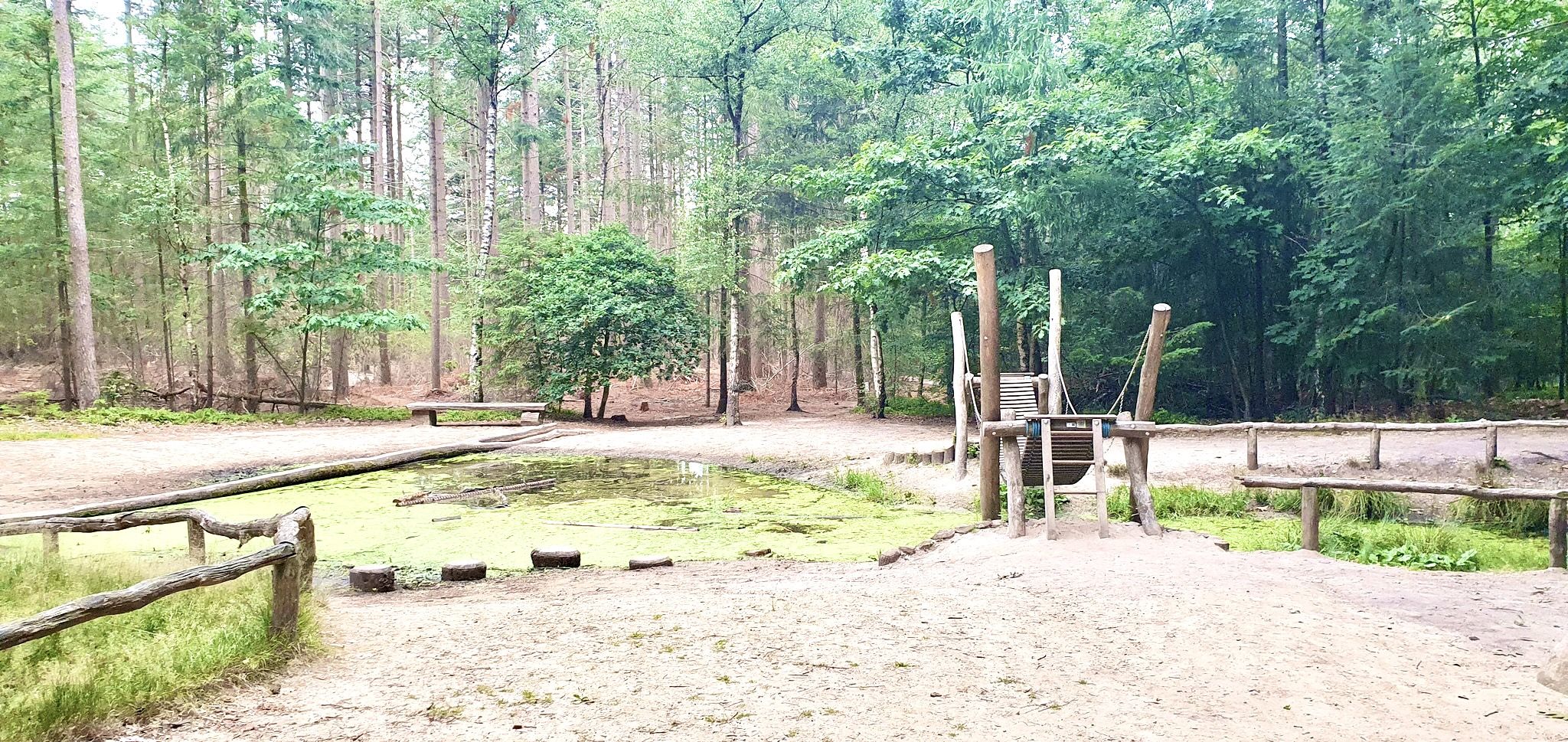
The wooden bridge over the Roode Beek stream is a small but unique natural feature in the heart of the Brunssummerheide, one of the most beautiful nature reserves in South Limburg. This charming footbridge is located at the headwaters of the Roode Beek stream, which takes its name from the reddish-brown color of the water caused by iron in the soil reacting with oxygen when the water emerges from the drifting sand of the heathland. The bridge itself was carefully constructed to provide walkers and nature lovers with an accessible and safe crossing over the stream, which can otherwise be difficult to cross in wet weather. Its location at the headwaters also offers a beautiful view of the small, winding stream and the surrounding heathland and woods, and a moment to truly pause and listen to the sounds of running water birds and the gentle rustle of the landscape. For many who explore the Brunssummerheide, this wooden footbridge is part of a popular hiking trail. Various paths and loop walks, ranging from a few kilometers to longer routes of around 7-11 km, lead you across this bridge and further along fens, forests, and heathlands. The wooden bridge is a natural resting point and photo opportunity, a place where you can experience nature and tranquility even more. In winter, the area around the bridge can be particularly atmospheric, with the stream valley covered in a thin layer of frost or even a layer of ice, while the bare branches of the trees and the soft lines of the heathland enhance the tranquil winter atmosphere. Even without snow, the wooden bridge remains a symbol of harmony between the path and nature, a subtly functional element that enriches the landscape without disrupting it.
0
0

There are also benches to rest on and eat your packed lunch. Just make sure you take the trash back with you.
0
0
Great for walking with beautiful forest and sandy paths.
0
0

A long wooden bridge over the water. Definitely worth trying.
0
0
Lots of large heathlands and lots of hills to climb or descend
1
0
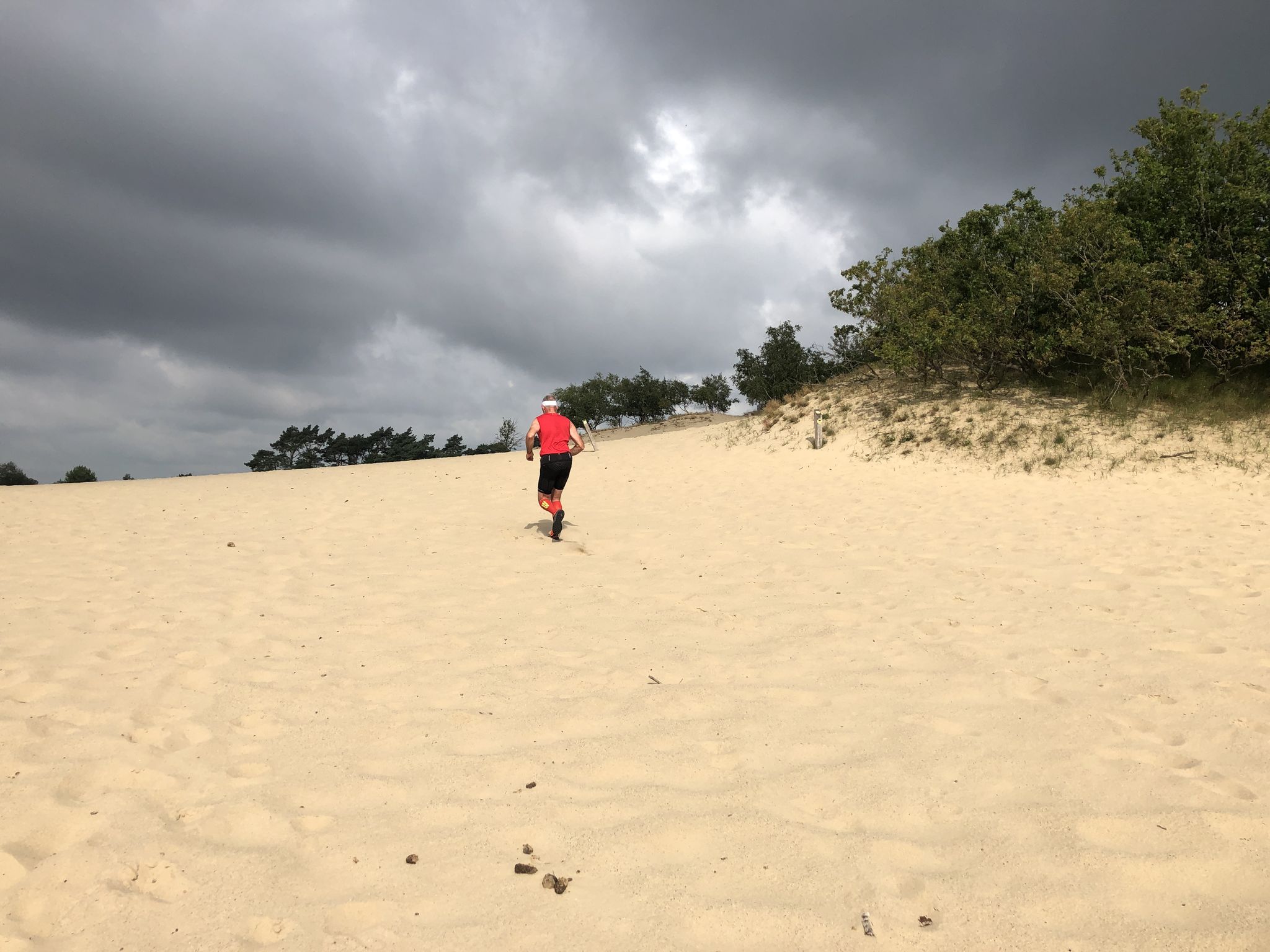
The white dunes in the Brunssummerheide are a unique and special part of this nature reserve in the Dutch province of Limburg. These sand dunes were formed by centuries of wind and sand drifts on open heathlands, creating gently rolling hills that contrast sharply with the surrounding dark pine forests and green heathlands. The white dunes have not only an aesthetic value but also an ecological function. The open sandy plains provide a habitat for rare plants and animals that thrive in dry, nutrient-poor conditions, such as various mosses, lichens, and sand lizards. The surface is sometimes so white and dry that it almost looks desert-like, making it a striking element in the landscape.
0
0
The wooden bridge at the source of the Roode Beek stream forms a tranquil and almost hidden moment in the Brunssummerheide landscape, one of South Limburg's most precious nature reserves. Here, where the water still seeps pure and clear from the ground, the story of a stream begins, winding its way further on through marshy heathland and forest. The bridge is simple in design yet perfectly suited to its surroundings. It spans a narrow, winding watercourse fed by iron-rich springwater. This also explains the characteristic reddish-brown color of the water and soil: the iron oxidizes when exposed to oxygen, giving the stream its name and unique appearance. The gentle murmur contrasts beautifully with the tranquility of the surrounding peatlands. A unique atmosphere pervades the source. A boggy subsoil, peat moss, bog myrtle, and wet grasslands form a fragile ecosystem where rare plants and animals feel at home. Think of sundew orchids, dragonflies, and various amphibians that depend on these clean, nutrient-poor waters. The wooden bridge allows walkers to admire this fragile area without disturbing it. The Roode Beek is part of an ancient stream valley that has shaped the landscape for centuries. In the past, the stream played a role in local agriculture and water management, while today it is an essential component of nature management and ecological restoration. The Brunssummerheide is known for its combination of dry heathland, wet fens, and forests—a rare mosaic structure found only in a few places in the Netherlands. The headwaters of the Roode Beek are one of the most fragile and yet most special parts of the area. It is a place where silence, nature, and time converge. Here, you hear no traffic, only the rustling of the wind through the reeds and the gentle lapping of water under your feet.
0
0
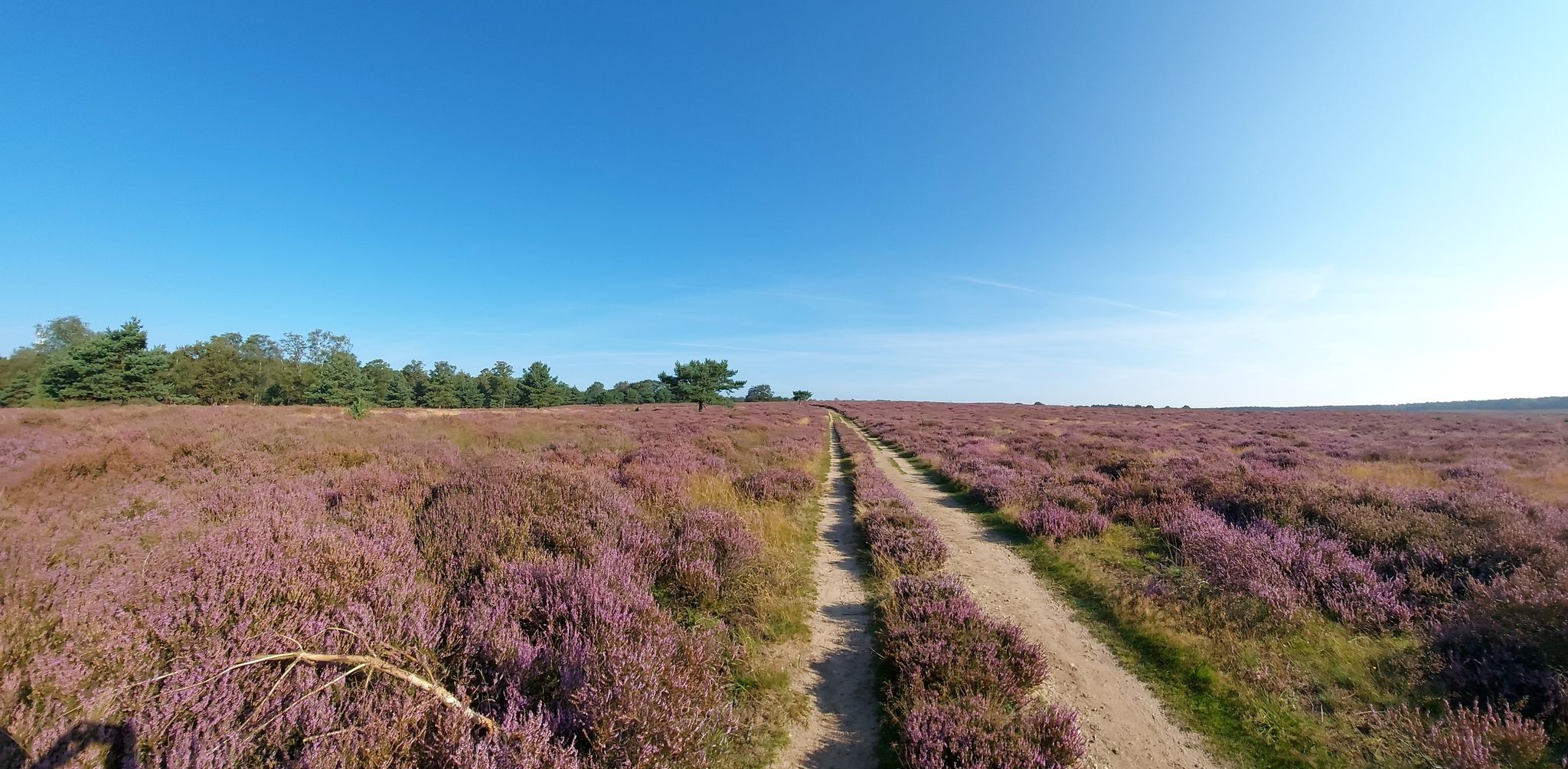
The Brunssummerheide is one of the most diverse and expansive nature reserves in South Limburg. The landscape consists of vast heathlands interspersed with forests, sandy plains, fens, and rolling hills. This diversity makes it a unique place where every walk feels different. In the summer months, the heathland turns a beautiful purple, while in autumn the forests are bathed in warm hues, and in winter, the mist and frost give the area an almost fairytale-like atmosphere. The area is rich in flora and fauna: you can encounter deer, foxes, woodpeckers, and many species of butterflies and dragonflies. Thanks to the open heathland and tranquil woodlands, it is also a popular spot for birds, including the nightjar and woodlark. For hikers and cyclists, there are numerous marked trails that lead you to the most beautiful spots. From the higher elevations, you'll also be rewarded with panoramic views of the Limburg and even the German border region. The visitor center on the edge of the area offers information, route starting points, and a nice place to begin or end your trip.
0
0
Frequently Asked Questions
How many bus station hiking trails are available around Brunssummerheide?
There are over 990 hiking routes in the Brunssummerheide area that are accessible by bus. These include a wide range of options, from easy strolls to more moderate excursions, ensuring there's a suitable trail for most hikers.
What is the best time of year to hike in Brunssummerheide, especially when relying on bus access?
The Brunssummerheide is beautiful year-round, but it's particularly stunning between mid-August and mid-September when the heathlands are in full bloom, transforming the landscape into vibrant purple and pink hues. Spring and autumn also offer pleasant temperatures and diverse foliage. Public transport schedules generally remain consistent, making bus access reliable throughout these seasons.
Are there easy hiking options accessible by bus in Brunssummerheide?
Yes, a significant number of the bus-accessible trails in Brunssummerheide are classified as easy, with over 660 such routes available. These trails often feature gentle terrain and shorter distances, perfect for a relaxed outing. An example is the Sandy area in Brunssummerheide – Brunssummerheide loop from Brunssummerheide, which is an easy 7.6 km loop.
Can I find circular hiking routes starting from bus stops in Brunssummerheide?
Absolutely. Many of the trails accessible by bus are circular routes, allowing you to start and end your hike at the same point, often conveniently located near a bus stop. For instance, the Brunssummer Heath – Roode Beek Viewpoint loop from Brunssum is a popular circular option.
What natural features or landmarks can I expect to see on bus-accessible hikes in Brunssummerheide?
Hikes in Brunssummerheide offer a diverse landscape. You can explore expansive heathlands, varied forests, and unique open sandy plains, including the White Dunes at Brunssummerheide. The area is also dotted with fens and ponds, and the meandering Roode Beek stream. You might also encounter the Sand Quarry, a notable feature of the landscape.
Are there specific viewpoints accessible from bus station trails?
Yes, several trails lead to scenic viewpoints. For example, you can find a Bench with a view over the Brunssummerheide, offering panoramic vistas of the heath. The Brunssummer Heath – Roode Beek Viewpoint loop from Brunssum specifically highlights a viewpoint over the Roode Beek.
Are the bus-accessible hiking trails in Brunssummerheide suitable for families?
Many trails in Brunssummerheide are family-friendly, especially the easier and shorter loops. The diverse landscapes, including sandy areas and forests, provide an engaging environment for children. The presence of a Visitor Centre and the chance to spot wildlife like lizards and various bird species can add to the family experience.
Can I bring my dog on the hiking trails around Brunssummerheide when using public transport?
Brunssummerheide is generally dog-friendly, with many trails welcoming leashed dogs. However, it's always advisable to check local regulations for specific areas, especially around nature reserves or sheep grazing areas. When using public transport, be sure to check the bus company's policy regarding pets.
What kind of terrain and difficulty can I expect on these bus-accessible trails?
The terrain in Brunssummerheide is quite varied. You'll encounter sandy paths, forest trails, and open heathland. While some areas are relatively flat, the region is part of the hilly landscape of South Limburg, so you can expect gentle ascents and descents. The majority of bus-accessible routes are easy to moderate, with over 660 easy and 320 moderate options available.
Are there facilities like cafes or visitor centers near the bus-accessible trails?
Yes, the Brunssummerheide area has a Visitor Centre which can be a good starting point or a place to gather information. While specific cafes directly at every bus stop might be limited, the Visitor Centre often provides amenities, and towns like Brunssum, which serve as bus hubs, will have various dining options.
How long do the bus-accessible hikes typically take?
The duration of bus-accessible hikes varies greatly depending on the route's length and your pace. For example, the Sandy area in Brunssummerheide – Sand Quarry loop from Brunssummerheide is about 5 km and takes roughly 1 hour 20 minutes, while the Brunssummer Heath – Roode Beek Viewpoint loop from Brunssummerheide is over 10 km and can take around 2 hours 45 minutes.
What do other hikers enjoy most about the bus-accessible trails in Brunssummerheide?
The komoot community highly rates the trails in Brunssummerheide, with an average score of 4.4 out of 5 stars from over 1500 ratings. Hikers frequently praise the diverse and picturesque landscapes, from the vibrant heathlands to the peaceful forests and unique sandy areas. The well-maintained paths and the opportunity to spot local wildlife are also often highlighted as key attractions.
Most popular routes around Brunssummerheide
Most popular attractions around Brunssummerheide

Get inspired with the komoot mobile app


Explore more
Browse the best Hikes in other regions.
