The best traffic-free bike rides around National Park Ria Formosa
4.4
(62)
394
riders
29
rides
No traffic gravel bike trails around National Park Ria Formosa traverse a protected lagoon system along the Algarve coast, characterized by an ever-changing estuarine-lagoon system of marshes, inlets, and channels. The terrain includes flat salt pans, coastal paths, and sections leading to barrier islands. Inland areas offer extensive gravel roads, providing varied surfaces for gravel biking.
Best no traffic gravel bike trails around National Park Ria Formosa
- The most popular no traffic gravel bike trail is Ria Formosa Salt Pans…
Last updated: May 16, 2026
4.5
(14)
56
riders
30.8km
02:00
170m
170m
Moderate gravel ride. Good fitness required. Mostly paved surfaces. Suitable for all skill levels.
4.6
(7)
20
riders
43.6km
02:48
170m
170m
Moderate gravel ride. Good fitness required. Mostly paved surfaces. Suitable for all skill levels.

Sign up for free
3.0
(2)
24
riders
60.0km
03:34
300m
300m
Moderate gravel ride. Good fitness required. Mostly paved surfaces. Suitable for all skill levels.
4.0
(1)
18
riders
25.6km
01:40
50m
50m
Easy gravel ride. Great for any fitness level. Mostly paved surfaces. Suitable for all skill levels.
13
riders
33.3km
02:14
70m
70m
Moderate gravel ride. Good fitness required. Mostly paved surfaces. Suitable for all skill levels.
Get access to more routes and recommendations from other explorers.
Sign up for free
Already have an account?
Our route recommendations are based on thousands of hikes, rides, and runs completed by other people on komoot.
Start today with a free account
Your next adventure awaits.
Login or Signup
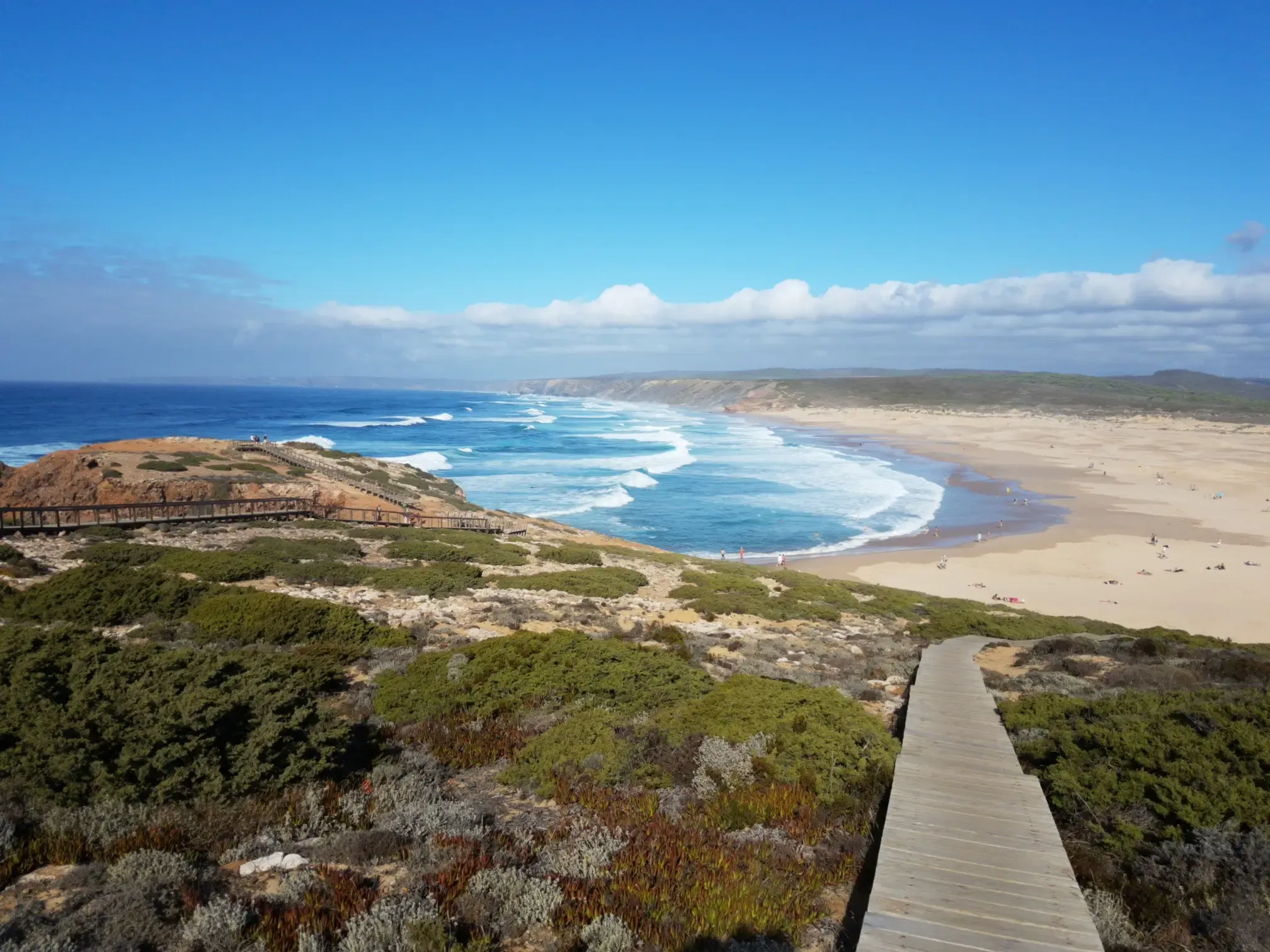

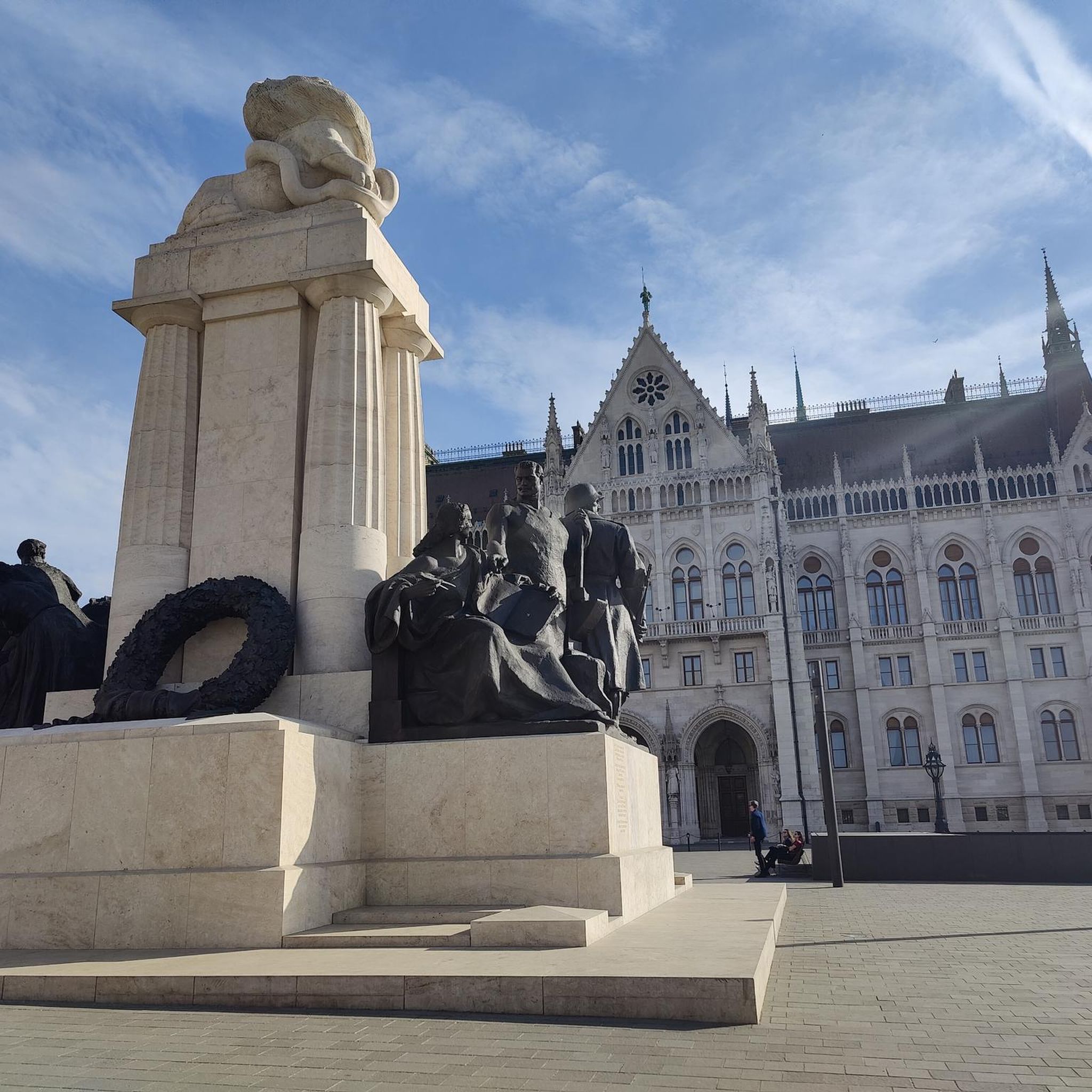
Other adventures around National Park Ria Formosa

Tips from the Community

Beautiful harbor with surrounding restaurants and cafés 👀☕️😋
1
0
Faro is a central hub in the Algarve 🚂🚌✈️ and extremely worth seeing! 👀📸
1
0

The Falaise Pocket is exceptional
0
0
Faro has a beautiful and picturesque old town with good restaurants and cafes! There are also interesting shopping opportunities!
2
0

Salt pans overlooking the Ria Formosa and the airport.
0
0

The Faro Cathedral is one of the most important historical buildings in the city, located in Largo da Sé, in the historic center of Faro.
3
1

The Gilão River flows through the center of Tavira and plays a significant role in the city's history and life. It flows into the Ria Formosa lagoon, making Tavira an important trading and fishing center in the past. Along its banks lie characteristic white houses, bridges, and pleasant promenades. The river is lined with cafés, restaurants, and parks, such as the Jardim do Coreto, making it a beautiful place to stroll, enjoy the views, and experience Tavira's local atmosphere.
3
0

Faro's large square. Great cafes and a lovely place to relax.
2
0
Frequently Asked Questions
How many no-traffic gravel bike trails are available in National Park Ria Formosa?
There are over 30 dedicated no-traffic gravel bike trails in National Park Ria Formosa, offering a variety of experiences. You'll find 7 easy routes, 18 moderate routes, and 6 more challenging options to explore.
What kind of terrain can I expect on the no-traffic gravel trails in Ria Formosa?
The trails in Ria Formosa offer a diverse mix of terrain. You'll encounter mostly paved surfaces in some sections, particularly along the coast, but also extensive and pristine gravel roads further inland. Some routes may include more rugged sections, and a few even require pushing your bike, especially on more advanced trails.
Are there any family-friendly no-traffic gravel bike routes in Ria Formosa?
Yes, several routes are suitable for families looking for car-free cycling. The park's flat sections and dedicated cycle paths, like parts of the Ecovía do litoral, are ideal for a relaxed family outing. Look for routes marked as 'easy' for the most suitable options.
What are some notable landmarks or natural features to see along the no-traffic gravel bike trails?
You'll discover a wealth of natural beauty and historical sites. Many routes pass through the stunning salt marshes and mudflats, offering excellent birdwatching opportunities. You can also visit the Old salt pans in Ria Formosa Natural Park, cycle alongside the Gilão River, or explore the Caminho do Ludo trail which features Roman ruins. Don't miss the charming Cacela Velha — Historic Village and Fortress or the Coastal tower Luz de Tavira.
Can I find circular no-traffic gravel bike routes in National Park Ria Formosa?
Absolutely. Many of the no-traffic gravel routes in Ria Formosa are designed as loops, allowing you to start and finish at the same point. For example, consider the Ria Formosa Salt Pans – Coastal tower Luz de Tavira loop from Tavira or the Ria Formosa Marshlands – Boardwalk to Praia do Garrão loop from Faro for scenic circular rides.
What is the best time of year to go gravel biking in Ria Formosa National Park?
The best time to visit for gravel biking is typically during the spring (March to May) and autumn (September to November). During these seasons, the weather is pleasantly mild, and the natural park is vibrant with migratory birds. Summer can be very hot, while winter offers cooler temperatures but occasional rain.
Are there any routes that offer good opportunities for wildlife spotting?
Yes, the entire Ria Formosa National Park is a haven for wildlife, especially birds. Routes that traverse the salt marshes and mudflats, such as the Ria Formosa Marshlands – Boardwalk to Praia do Garrão loop from Faro, are excellent for spotting flamingos, storks, and many other species. The park is a vital stopover for migratory birds.
What do other gravel bikers enjoy most about the no-traffic trails in National Park Ria Formosa?
The komoot community highly rates the no-traffic gravel biking experience in Ria Formosa, with an average score of 4.4 stars. Reviewers often praise the stunning coastal scenery, the tranquility of the car-free paths, and the unique opportunity to observe diverse wildlife in its natural habitat.
Are there any challenging no-traffic gravel routes for experienced riders?
While many routes are moderate, the region inland from the coast offers more extensive and pristine gravel roads that can be quite challenging. Some routes are rated 'difficult' and require good to very good fitness and advanced riding skills, with some portions even necessitating pushing the bike. These routes provide a rewarding experience for seasoned gravel bikers.
How can I access the no-traffic gravel trails using public transport?
Several towns bordering the Ria Formosa National Park, such as Faro, Olhão, and Tavira, are well-connected by public transport, including regional trains and buses. From these towns, you can often find direct access to the Ecovia Litoral or other trailheads. For example, the Faro Marina – Arco da Vila, Faro loop from Bom João starts conveniently close to Faro's city center.
Are there cafes or places to eat near the no-traffic gravel bike trails?
Yes, many of the routes pass through or near charming fishing villages and towns like Fuseta, Olhão, and Tavira. You'll find numerous cafes, restaurants, and local markets where you can refuel and enjoy traditional Portuguese cuisine. Some trails, like the Ria Formosa Salt Pans – Gilão River Tavira loop from Fuseta-A, offer opportunities to stop in these picturesque locations.
What should I wear for gravel biking in Ria Formosa?
Given the coastal environment, layers are often recommended. Lightweight, breathable cycling gear is ideal for warmer months. In cooler seasons, a windproof and waterproof jacket can be beneficial, especially near the open water. Always bring sun protection, including sunglasses and sunscreen, regardless of the season.
Most popular routes around National Park Ria Formosa
Most popular attractions around National Park Ria Formosa

Get inspired with the komoot mobile app


Explore more
Browse the best Gravel rides in other regions.
