Réserve Naturelle du massif forestier de Strasbourg-Neuhof/Illkirch-Graffenstaden
Réserve Naturelle du massif forestier de Strasbourg-Neuhof/Illkirch-Graffenstaden
The best traffic-free bike rides around Réserve Naturelle du massif forestier de Strasbourg-Neuhof/Illkirch-Graffenstaden
4.4
(6558)
44,614
riders
296
rides
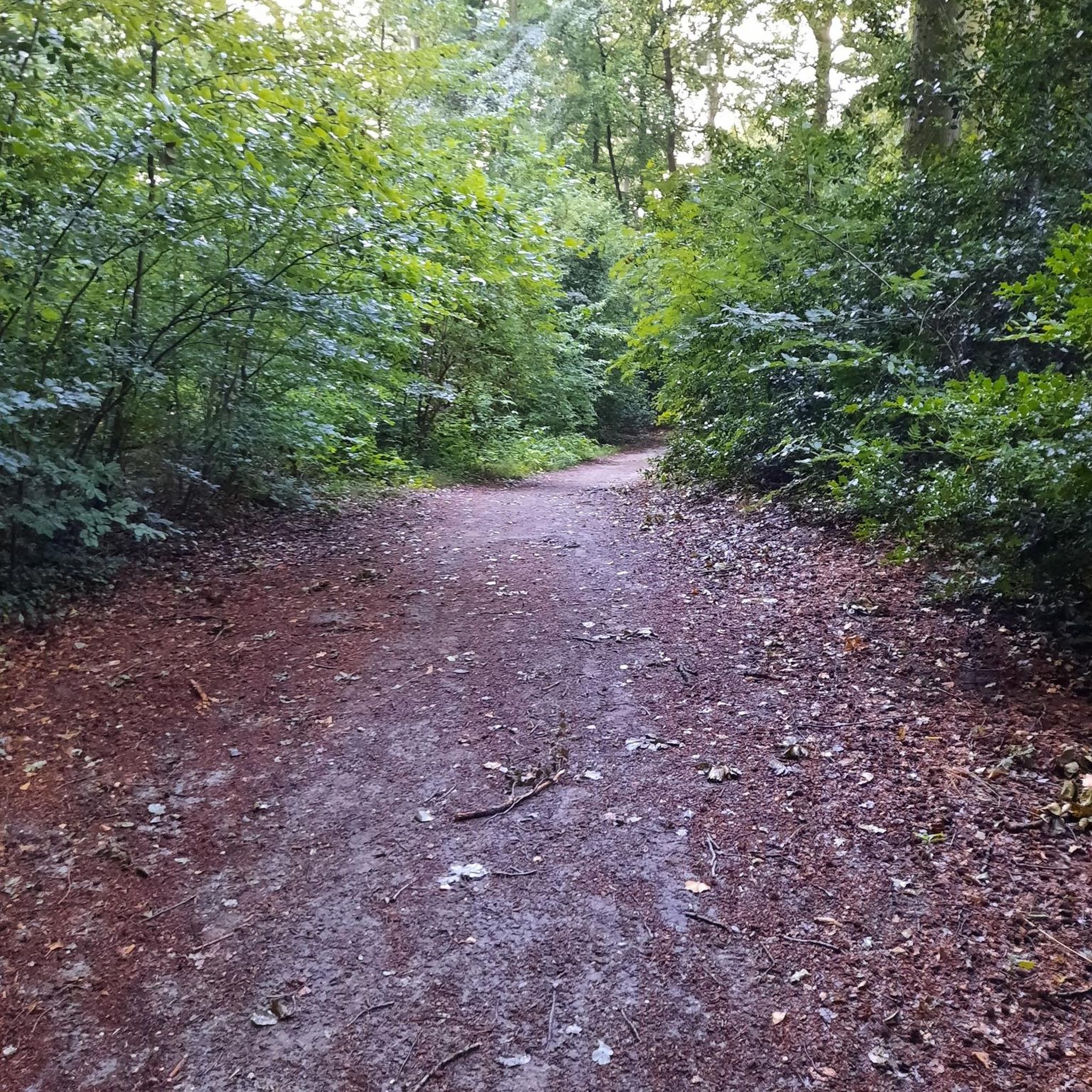
No traffic touring cycling routes around Réserve Naturelle du massif forestier de Strasbourg-Neuhof/Illkirch-Graffenstaden traverse a landscape dominated by dense Rhine alluvial forests. The terrain is generally flat, featuring meandering waterways, numerous forest ponds, and open meadows. This national nature reserve, located near Strasbourg, provides an extensive network of paths suitable for cycling through diverse natural habitats. The low elevation changes make it ideal for accessible touring cycling experiences.
Best no traffic touring cycling routes around Réserve Naturelle du massif forestier…
Last updated: July 12, 2026
5.0
(1)
31
riders
Easy bike ride. Great for any fitness level. Mostly paved surfaces. Suitable for all skill levels.
21
riders
15.8km
00:56
40m
40m
Easy bike ride. Great for any fitness level. Mostly paved surfaces. Suitable for all skill levels.

Sign up for free
4.8
(11)
16
riders
Easy bike ride. Great for any fitness level. Mostly paved surfaces. Suitable for all skill levels.
5.0
(1)
10
riders
8.99km
00:47
10m
10m
Easy bike ride. Great for any fitness level. Mostly paved surfaces. Suitable for all skill levels.
9
riders
16.8km
00:59
40m
40m
Easy bike ride. Great for any fitness level. Mostly paved surfaces. Suitable for all skill levels.
Get access to more routes and recommendations from other explorers.
Sign up for free
Already have an account?
Our route recommendations are based on thousands of hikes, rides, and runs completed by other people on komoot.
Start today with a free account
Your next adventure awaits.
Login or Signup
Popular around Réserve Naturelle du massif forestier de Strasbourg-Neuhof/Illkirch-Graffenstaden
Tips from the Community

One of the photo points in this rather well-visited corner of the city
4
0


The La Petite France district and the striking Maison des Tanneurs form the historic heart of Strasbourg and are part of the UNESCO World Heritage site of Grande Île. La Petite France: The picturesque tanners' quarter Once, this district, where the Ill river splits into four canals, was home to tanners, fishermen, and millers. The name: Paradoxically, it comes from a 16th-century hospital where soldiers were treated for the "French disease" (syphilis). The building was popularly called "Französel", which later became the name for the entire district. Architecture: The district is known for its well-preserved half-timbered houses from the 16th and 17th centuries. Characteristic features include the steep roofs with open galleries, which were formerly used for drying hides. Sights: Ponts Couverts: Three bridges with four massive towers from the 14th century. Barrage Vauban: A weir from the 17th century, from whose panoramic terrace you have a perfect view of the district and the Cathedral. The Maison des Tanneurs This building is one of Strasbourg's most famous landmarks and a prime example of the region's craft architecture. History: It was built in 1572 and originally served as the seat of the tanners' guild. Special feature: The generously ventilated attics were ideal for air-drying leather under optimal conditions. Current use: Today, the building houses the Maison des Tanneurs restaurant, known for its traditional Alsatian cuisine (especially sauerkraut / Choucroute) in a historic setting. Tip: If you want to experience the district without the large tourist crowds, a walk in the early morning around 7:00 AM is worthwhile, when the light is ideal for photos.
0
0

Great scenery but beware poor surfaces due to tree roots growing under tarmac
0
0
Lovely cycling scenery but beware of the poor surfaces where tree roots grow under the tarmac
0
0


Strasbourg is definitely worth a visit
1
0
Frequently Asked Questions
How many no-traffic touring cycling routes are available in the Réserve Naturelle du massif forestier de Strasbourg-Neuhof/Illkirch-Graffenstaden?
There are over 270 dedicated no-traffic touring cycling routes in the Réserve Naturelle du massif forestier de Strasbourg-Neuhof/Illkirch-Graffenstaden. The majority, 188, are rated as easy, with 70 moderate and 17 difficult options for more experienced cyclists.
What kind of terrain can I expect on these car-free cycling routes?
The reserve offers a diverse landscape for car-free cycling. You'll primarily ride through dense forests, characterized by 83 different species of trees and shrubs. The routes also feature meandering waterways, including four streams and numerous forest ponds, as well as open meadows like the 'prairie du Heyssel'.
Are there any circular no-traffic touring routes suitable for a relaxed ride?
Yes, many of the no-traffic routes are circular and suitable for relaxed touring. For example, the Canal du Rhône au Rhin loop from International Space University offers an easy 22.1 km ride. Another option is the Fort Uhrich – Rue des Grives loop from International Space University, which is 19.3 km and also easy.
What do other touring cyclists enjoy most about cycling in this nature reserve?
The area is highly rated by the komoot community, with an average score of 4.5 stars from nearly 6,000 reviews. Reviewers often praise the extensive network of quiet, car-free paths, the serene forest environment, and the opportunity to experience nature so close to Strasbourg.
Can I reach the no-traffic cycling routes using public transport?
The reserve is easily accessible from Strasbourg city center, which is well-served by public transport. You can cycle to the reserve in about 40 minutes from the city, making it convenient to combine public transport with your bike tour. Specific public transport stops within or directly adjacent to the reserve are available, allowing for easy access to various starting points.
Are there family-friendly no-traffic cycling options?
Absolutely. With 188 easy-rated routes, the reserve is ideal for family cycling. The flat terrain and car-free paths ensure a safe and enjoyable experience for all ages. Routes like the Bike loop from Neuhof, at just 8.7 km, are perfect for shorter family outings.
What natural features or wildlife can I expect to see along the routes?
The reserve is known for its rich biodiversity. You can expect to see dense alluvial forests, 'Giessen' (wild, clear water arms fed by groundwater), and forest ponds. Keep an eye out for various bird species like grey herons and great cormorants, and potentially even wild boars or roe deer, as over 500 species have been identified here.
Are there any routes that connect to Strasbourg city center or other areas?
Yes, the reserve's connectivity allows for broader cycling itineraries. You can cycle from Strasbourg city center, through districts like Neuhof, and even make a detour into Germany via a bridge across the Rhine, returning through the Jardins des Deux-Rives. Routes such as the Old Town – La Petite France loop from Neuhof (15.7 km) offer a connection to the city's iconic areas.
What is the best time of year to visit for no-traffic touring cycling?
The reserve is enjoyable year-round, but spring and autumn offer particularly pleasant conditions with mild temperatures and vibrant natural colors. Summer is also popular, though it can be warmer, while winter provides a unique, tranquil experience, especially on clear days.
Are dogs allowed on the no-traffic cycling routes?
Generally, dogs are permitted on trails within the nature reserve, but they must be kept on a leash to protect the local wildlife and ensure the safety of other visitors. Always check for specific signage or local regulations regarding pets in certain areas of the reserve.
Are there any longer no-traffic touring routes for more extensive rides?
While many routes are shorter, the extensive network allows for combining segments for longer rides. Some cycling paths in the broader area extend up to nearly 70 km. For example, the Canal du Rhône au Rhin loop can be extended by connecting to other canal-side paths, offering a more extensive car-free touring experience.
Most popular routes around Réserve Naturelle du massif forestier de Strasbourg-Neuhof/Illkirch-Graffenstaden

Get inspired with the komoot mobile app


Explore more
Browse the best Cycling routes in other regions.
