The best traffic-free bike rides around Jouxtens-Mézery
4.5
(513)
19,092
riders
118
rides
Road cycling around Jouxtens-Mézery offers varied terrain on a south-facing slope within the Lausanne agglomeration. The region features altitudes ranging between 470 and 596 meters, providing both inclines and descents. This area is characterized by its natural and landscape heritage, including historical parks and arboreal features. The topography allows for routes with views of Lake Geneva and the Alps.
Best no traffic road cycling routes around Jouxtens-Mézery
- The most popular no traffic road cycling route is Lavaux vineyards – Panoramic…
Last updated: October 1, 2026
4.0
(1)
33
riders
28.6km
01:33
500m
500m
Moderate road ride. Good fitness required. Mostly well-paved surfaces and easy to ride.
25
riders
Easy road ride. Great for any fitness level. Mostly well-paved surfaces and easy to ride.

11
riders
43.0km
02:09
500m
500m
Moderate road ride. Good fitness required. Mostly well-paved surfaces and easy to ride.
12
riders
76.4km
04:01
1,240m
1,240m
Hard road ride. Very good fitness required. Mostly well-paved surfaces and easy to ride.
5
riders
47.1km
02:22
660m
660m
Moderate road ride. Good fitness required. Mostly well-paved surfaces and easy to ride.
Get access to more routes and recommendations from other explorers.
Already have an account?
Our route recommendations are based on thousands of hikes, rides, and runs completed by other people on komoot.
Start today with a free account
Your next adventure awaits.
Popular around Jouxtens-Mézery

Tips from the Community

The flat meadow landscape outside of Romanel-sur-Lausanne is ideal for running. If you come up here from the city center of Lausanne, you can get your pulse back into the desired zone after the ascent.
0
0

Very nice view to the lake, the vineyards, Villette. There is a place to picknick.
0
0

Lausanne City Hall (Hôtel de Ville de Lausanne) The imposing City Hall, overlooking the picturesque Place de la Palud from its bell tower, still houses the city administration today. The Lausanne architect Abraham de Crousaz built it between 1673 and 1675 on the foundations of the existing hotels. As an important center of life in Lausanne, it combined several functions: as a political center, it served as both the seat and a symbol of civic power; it was an economic center, housing the wheat market in its ground-floor halls; and it served as a defensive structure, with the bells in its bell tower warning of danger. The City Hall, much admired since its construction, is the most interesting achievement of 17th-century Vaudois architecture. Its main façade features a particularly subtle composition. While the alignment of the bays and their cornices creates a striking and explicit horizontal effect, the vertical axis, defined by the sculptural portal and the tower, is implicitly reinforced by the rhythm of the windows, which become increasingly closer together as they approach the center, and by the rhythm of the arcades, which become progressively narrower. The roof, on the other hand, echoes the aesthetics of regional farmhouses in its form, completing an original silhouette with a provincial touch. Text / Source: City of Lausanne, Department of Architecture and Housing, Department of Housing, Environment and Architecture, Rue du Port-Franc, 182nd floor, Lausanne https://www.lausanne.ch/portrait/carte-identite/architecture-et-monuments/patrimoine-architectural/ancien-regime/hotel-de-ville
14
0
Lausanne Cathedral of Notre-Dame It was not until 1275 that the cathedral was consecrated by Emperor Rudolf of Habsburg and Pope Gregory X. After that, Jean Cotereel, the third master builder, took over the construction site and erected the western part, which he equipped with a portal porch and two towers, one of which carries the bells. The other tower was not completed. The very original painted portal was added to the south facade around 1225-1235. It was not until 1275 that the cathedral was consecrated by Emperor Rudolf of Habsburg and Pope Gregory X. In 1536, the cathedral was greatly altered during the Reformation when a new space for worship was created in the nave. It was then repeatedly restored in the 18th and 19th centuries, notably under the direction of the famous French architect Eugène-Emmanuel Viollet-le-Duc. The interior of the cathedral is characterised by its extraordinary colourfulness. This decoration, which dates back to the original building, was covered over during the Reformation, but was brought back to light at the beginning of the 20th century: In the Chapel of Mary and on the statues of the painted portal, unique in Europe, whose complete restoration was completed in October 2007, the paintings are still recognisable. The rosette is one of the masterpieces of European church art: its panes illustrate the medieval worldview in which God as creator was at the centre. Text / Source: Lausanne Tourisme – administration, Avenue de Rhodanie 2, Lausanne https://www.lausanne-tourisme.ch/de/entdecken/kathedrale-von-lausanne/
15
0

From the church tower you have a wonderful view that you should not miss
4
0
Beautiful, old town hall with lots of charm that fits perfectly into the cityscape
3
0

The Cathédrale Notre-Dame de Lausanne is a Gothic cathedral. Construction of the cathedral began in the 12th century and lasted almost 100 years. The cathedral was consecrated in 1275 and dedicated to Our Lady by Pope Gregory X, Rudolf of Habsburg, and the then Bishop of Lausanne, Guillaume of Champvent. It is one of the most impressive examples of Gothic architecture in Switzerland. The cathedral is known for its beautiful stained glass windows and imposing 13th-century portals. It is also home to an impressive organ, where concerts are regularly held. The central pillar has a circular base with arches and is topped by a ribbed column decorated with acanthus leaves, the city coat of arms, and a garland carried by four animal heads. The pillar and column are copies from 1930, while the original pieces are located in the Lausanne Historical Museum.
9
0

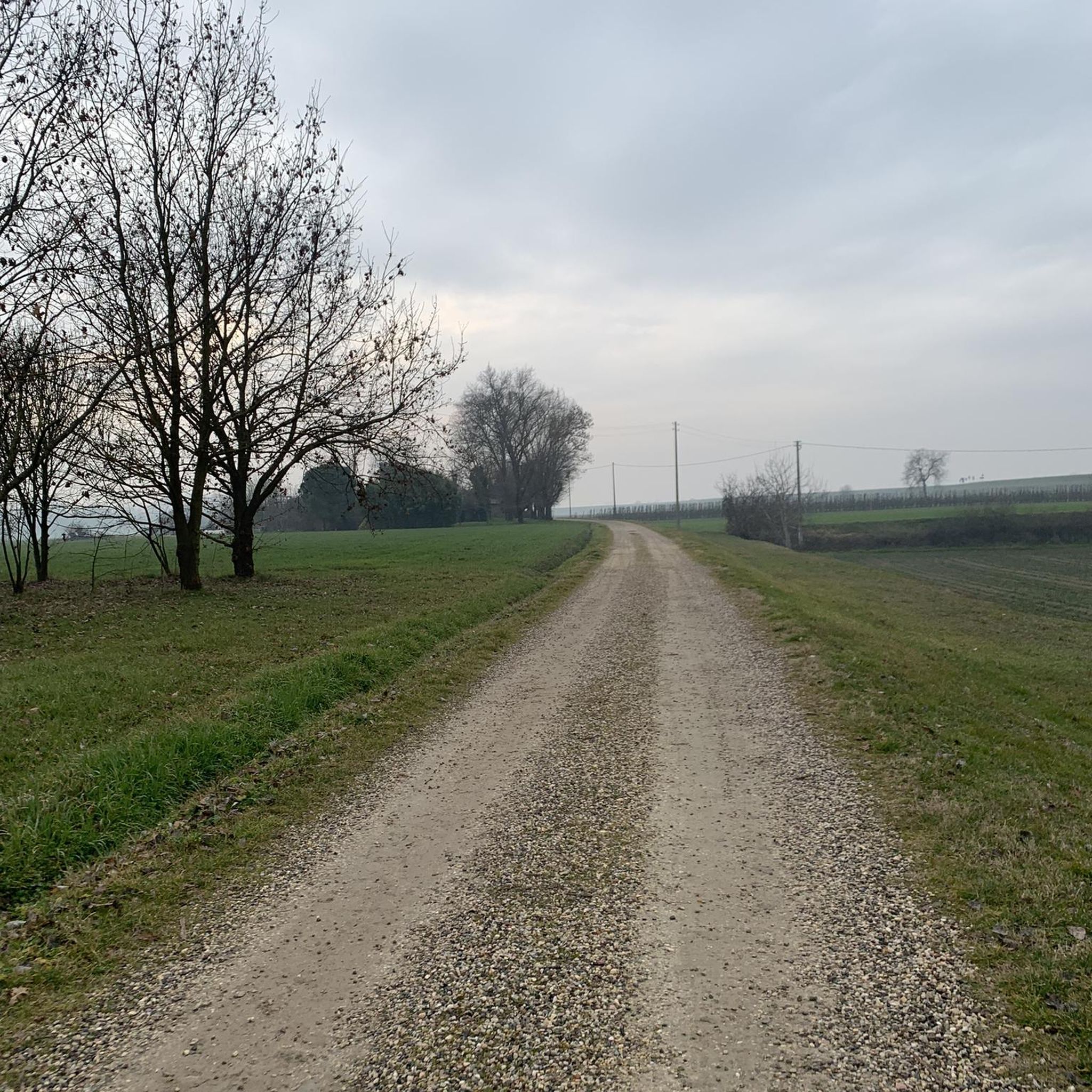
Decent road surface, slight downhill all the way through the forest.
0
0
Frequently Asked Questions
How many no-traffic road cycling routes are available around Jouxtens-Mézery?
There are over 120 dedicated no-traffic road cycling routes around Jouxtens-Mézery. These routes cater to various skill levels, with 15 easy, 77 moderate, and 30 difficult options to explore.
Are there any easy no-traffic road cycling routes suitable for beginners near Jouxtens-Mézery?
Yes, Jouxtens-Mézery offers several easy no-traffic road cycling routes perfect for beginners. An excellent option is the Roadbike loop from Romanel-sur-Lausanne, which covers about 37 km with a manageable elevation gain of around 284 meters.
What are the best no-traffic road cycling routes for experienced cyclists looking for a challenge?
Experienced cyclists will find challenging no-traffic routes with significant climbs and distances. Consider the demanding Lavaux vineyards – Panoramic view of Lake Geneva loop from Romanel-sur-Lausanne. This route spans nearly 87 km and features over 1500 meters of elevation gain, offering spectacular views of Lake Geneva and the Alps.
Can I find circular no-traffic road bike routes in the Jouxtens-Mézery area?
Absolutely. Many of the no-traffic road cycling routes around Jouxtens-Mézery are designed as loops, allowing you to start and finish at the same point. For example, the Montheron Abbey – Pond in the Forest loop from Renens is a moderate 28.8 km circular route that takes you through scenic natural areas.
What kind of scenic viewpoints can I expect on no-traffic road cycling routes near Jouxtens-Mézery?
The region around Jouxtens-Mézery is renowned for its stunning scenery. Many routes offer picturesque views of Lake Geneva and the majestic Alps, especially those traversing the south-facing slopes. Cycling through the Lavaux Vineyard Terraces, a UNESCO World Heritage site, provides unparalleled vistas over the lake to the Alps.
Are there any attractions or points of interest along the no-traffic road cycling routes?
Yes, several routes pass by or are close to interesting attractions. You can integrate cultural and natural sights into your ride. For instance, routes near Lausanne might offer access to the historic Port of Ouchy or the beautiful Lutry Beach on Lake Geneva. Some routes also venture near natural highlights like Bird Island (Île aux Oiseaux).
What do other road cyclists enjoy most about no-traffic cycling in Jouxtens-Mézery?
The komoot community highly rates the no-traffic road cycling experience in Jouxtens-Mézery, with an average score of 4.55 out of 5 stars. Reviewers often praise the region's diverse landscapes, from challenging inclines with panoramic views to serene rides through historical parks and valuable arboreal heritage, all while enjoying the peace of car-free paths.
When is the best time of year to go no-traffic road cycling in Jouxtens-Mézery?
The mild climate of the Lake Geneva region generally makes spring through autumn ideal for road cycling. During these seasons, you can fully appreciate the lush 'green island' landscape and the vibrant vineyards, with comfortable temperatures for longer rides. While winter cycling is possible, some higher elevation routes might be less accessible.
Are there any moderate no-traffic road cycling routes that are a good balance of challenge and enjoyment?
Certainly. Many moderate no-traffic routes offer a great balance. The Roadbike loop from Renens-Gare is a good example, covering about 43 km with around 500 meters of elevation gain, providing a satisfying ride without being overly strenuous.
Can I find no-traffic road cycling routes that pass through forested areas or natural parks?
Yes, Jouxtens-Mézery is known for its natural beauty, including historical parks and a rich arboreal heritage. Routes like the Pond in the Forest loop from Renens-Gare offer a chance to cycle through peaceful wooded sections, providing a refreshing change of scenery and cooler temperatures on warmer days.
Most popular routes around Jouxtens-Mézery
Most popular attractions around Jouxtens-Mézery

Get inspired with the komoot mobile app


Explore more
Browse the best Road cycling routes in other regions.
