The best traffic-free bike rides around Rodersdorf
4.6
(22)
159
riders
28
rides
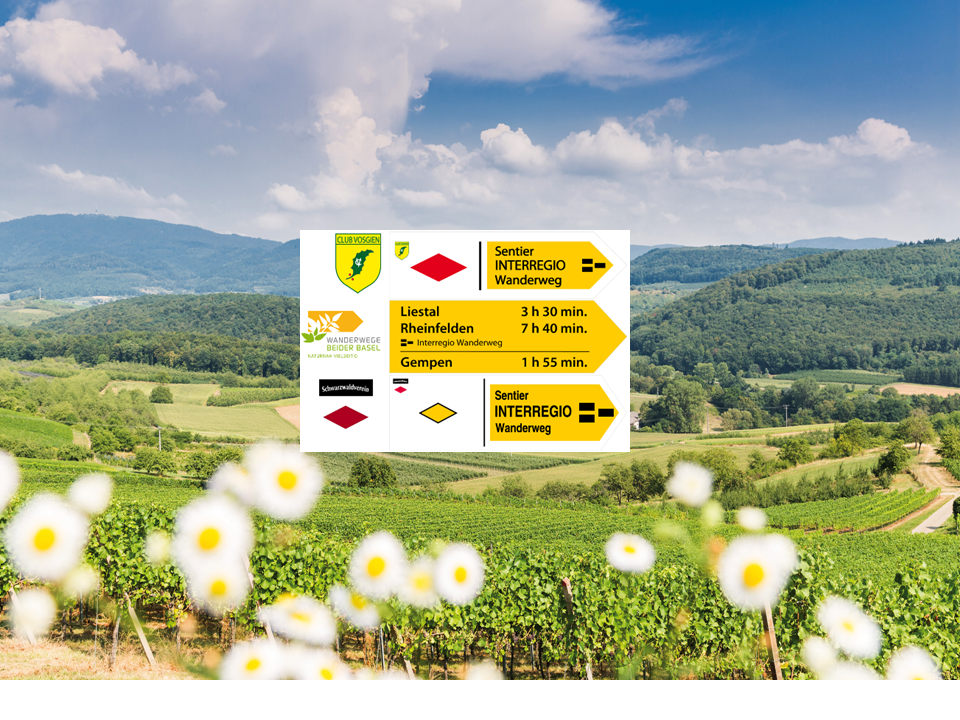
Gravel biking around Rodersdorf offers diverse terrain within the tranquil Jura hills of northwestern Switzerland. The region is characterized by gently rolling countryside, forests, open meadows, and agricultural land, providing varied backdrops for no traffic gravel bike trails. Its strategic location near the French border also allows for cross-border routes into the Alsatian Jura. This landscape provides a mix of ascents and descents suitable for different skill levels.
Best no traffic gravel bike trails around Rodersdorf
- The most popular no…
Last updated: May 16, 2026
5.0
(1)
10
riders
67.5km
05:36
1,170m
1,180m
Hard gravel ride. Very good fitness required. Mostly paved surfaces. Suitable for all skill levels.
5.0
(1)
15
riders
42.4km
03:21
530m
530m
Hard gravel ride. Very good fitness required. Mostly paved surfaces. Suitable for all skill levels.

Sign up for free
5.0
(2)
15
riders
55.3km
04:26
660m
670m
Hard gravel ride. Very good fitness required. Mostly paved surfaces. Suitable for all skill levels.
1
riders
20.2km
01:58
400m
400m
Hard gravel ride. Good fitness required. You may need to push your bike for some segments of this route.
5.0
(2)
11
riders
Moderate gravel ride. Good fitness required. Mostly paved surfaces. Suitable for all skill levels.
Get access to more routes and recommendations from other explorers.
Sign up for free
Already have an account?
Our route recommendations are based on thousands of hikes, rides, and runs completed by other people on komoot.
Start today with a free account
Your next adventure awaits.
Login or Signup

Other adventures around Rodersdorf

Tips from the Community

Magnificent viewpoint with table and trash can
0
0

In 1913 and 1914, following the ideas of Johann Knauth, architect of Strasbourg Cathedral and curator of the M.H., the nave, the side chapel of the Sacré-Coeur, the Saint-Joseph Chapel in the basement, and the sacristy were rebuilt in the Gothic style by the architect Alexandre Louvat from Mulhouse. The old Gothic nave, remodeled in the 18th century, was decorated with murals dating from 1491. To the south of the choir was a small chapel dating from the 14th and 15th centuries, with cross-ribbed vaults on consoles. To the north were the remains of the old priory cloister. On the site of the present Sacred Heart Chapel was the 18th-century Mount of Olives, the rood screen of which was removed in 1861.
0
0

Oltingue is a quiet village in the Sundgau with a late-classical village ensemble around the church of Saint-Martin (1827–1831), the rectory and the former school. The Callinet organ (1843), the double staircase of the rectory and the facade details are striking. There are several historic houses in the village, including half-timbered houses from 1695 and a farm from the 16th century. To the east lies the chapel of Saint-Brice, a former place of pilgrimage with a baroque altar and an outdoor pulpit.
10
0
This former mother church of Oltingue and three disappeared villages dates from the 13th and 14th centuries. The location is idyllic: surrounded by fields, an old cemetery and often with storks on the roof in the spring. Inside you will discover surprisingly well (?) preserved wall paintings, including a rare representation of the sacrifice of Melchisedech and a Last Supper from 1741. In the choir you will also find a wall tabernacle and a niche for liturgical objects, silent witnesses of medieval rituals. The Gothic arched windows and the neo-Gothic vault are reminders of later restorations, while archaeological excavations in 1989 revealed traces of older sanctuaries and tombs from the early Middle Ages. simple but full of character.
11
0
The white stork (Ciconia ciconia) is one of the most recognisable and beloved symbols of Alsace.
9
0
Raedersdorf is located in the southernmost part of Alsace, in the hilly landscape of the Sundgau, close to the Swiss border. The village is surrounded by forests, springs and hiking trails leading to heritage sites such as the Église Saint-Étienne with its baroque interior and Callinet organ, and the Mariabrunn chapel in the forest. Its location between French-speaking and German-speaking Switzerland makes Raedersdorf a place where cultures come together.
8
0
The church of Raedersdorf was built in its present form between 1807 and 1811, on the foundations of an older church, the tower of which has been partly preserved. The interior was richly decorated in 1811 by sculptor Joseph Antoine Feuerstein, with a harmonious baroque ensemble. The organ was also built in the same year by Jean Frantz. The church was finally consecrated in 1851. It is located in the centre of the village, close to the town hall, and is a silent witness to religious art and village history in the south of Alsace.
10
0

Frequently Asked Questions
How many no-traffic gravel bike trails are available around Rodersdorf?
There are over 25 no-traffic gravel bike trails around Rodersdorf, offering a variety of routes through the tranquil Jura hills. These trails are primarily rated as moderate to difficult, providing engaging rides for experienced gravel bikers.
What kind of terrain can I expect on gravel bike trails near Rodersdorf?
The terrain around Rodersdorf is characterized by the gently rolling Jura hills, offering a mix of ascents and descents. You'll traverse diverse scenery including forests, open meadows, and farmland, with well-marked trails that are ideal for gravel biking. Expect varied elevations that provide both challenging stretches and more relaxed sections.
Are there any long-distance no-traffic gravel routes that cross borders?
Yes, Rodersdorf's location near the French border allows for exciting cross-border adventures. For example, the Franco-Swiss gravel outing in the Alsatian Jura is a challenging 67 km route with over 1100 meters of elevation gain, taking you through picturesque landscapes on both sides of the border.
What natural attractions can I see along the no-traffic gravel bike trails?
Many routes offer panoramic views of the Basel region and the Jura mountains. You can also find natural highlights like the Kaltbrunnental Gorge and the Chaltbrunnental Nature Reserve, which feature shaded paths and waterfalls such as the Chaltbrunnental Waterfall. These areas provide beautiful natural backdrops for your ride.
What is the best time of year for gravel biking in Rodersdorf?
The Jura hills region is generally pleasant for cycling from spring through autumn. The diverse landscapes of forests, meadows, and farmland are particularly beautiful during these seasons. While specific winter conditions vary, many trails remain accessible, though some higher elevation paths might be affected by snow or ice.
Are there any family-friendly no-traffic gravel routes?
While many of the listed routes are rated moderate to difficult, the region's well-marked trails through forests and hills offer potential for adapting shorter, less steep sections for families. It's advisable to check individual route profiles for elevation and distance to find the most suitable options for younger riders or those seeking an easier pace.
Can I bring my dog on the gravel bike trails?
Many natural trails in the Rodersdorf area are generally dog-friendly, especially those through forests and open meadows. However, it's always recommended to check local regulations for specific nature reserves or private land, and to keep dogs on a leash for their safety and to respect wildlife and other trail users.
What do other gravel bikers enjoy most about the trails in Rodersdorf?
The area is highly rated by the komoot community, with an average score of 4.6 stars. Reviewers often praise the untouched natural beauty, the quietness of the trails, and the varied terrain that makes for an engaging gravel biking experience away from traffic.
Are there any shorter, moderate no-traffic gravel routes available?
Yes, for those looking for a moderate challenge, routes like the Sainte-Walburge chapel – Hégenheim - Hagenthal cycle path loop from Leymen offer a good option. This route is around 27 km long with moderate elevation, providing a scenic ride without the intensity of the longer, more difficult tours.
Where can I find places to eat or rest near the gravel trails?
The region offers various spots for refreshment. You might find huts and cabins like Hirtenhütte Remel or Bergmatthof, and even a Forest kiosk or Besenbeiz Busenberg, which often serve as convenient stops for cyclists. These are typically located along or near popular routes.
Is public transport or parking available to access the no-traffic gravel trails?
Rodersdorf is accessible by public transport, which can be a convenient way to reach the starting points of many trails. For those driving, parking facilities are generally available in and around the village. It's advisable to check specific trailhead information for the most convenient parking options.
Most popular attractions around Rodersdorf

Get inspired with the komoot mobile app


Explore more
Browse the best Gravel rides in other regions.
