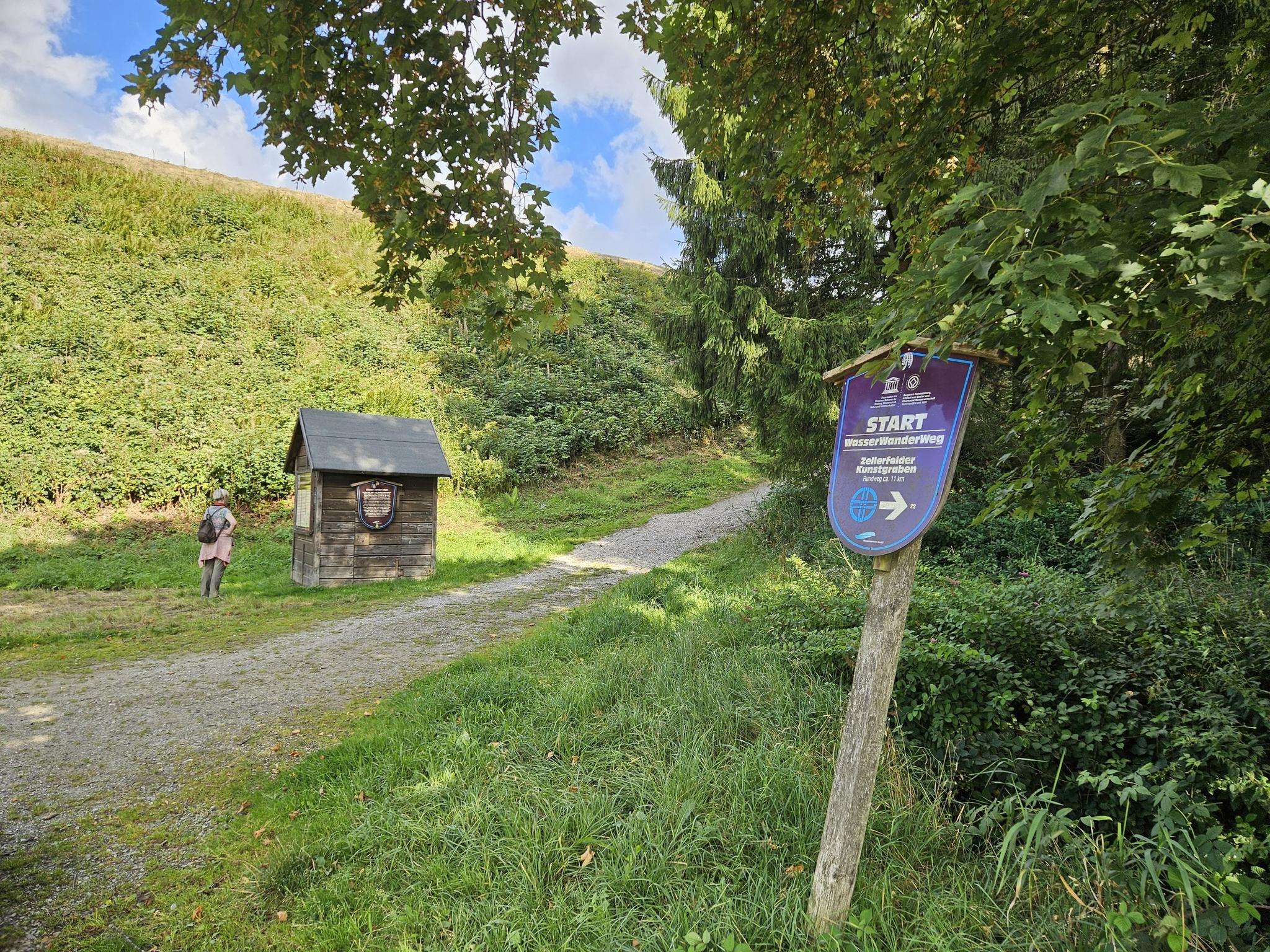
The best traffic-free bike rides in the Skeena Mountains
19
riders
3
rides
No traffic touring cycling routes in the Skeena Mountains traverse a landscape characterized by rugged alpine peaks, deep river valleys, and extensive forests. The region features diverse ecosystems, including temperate rainforests and sub-alpine meadows, offering varied terrain for cyclists. The Skeena River is a central geographical feature, with many routes following its course through dramatic valleys and canyons. This area provides a mix of paved surfaces and natural paths suitable for touring cyclists.
Best no traffic touring cycling routes in…
Last updated: July 12, 2026
6
riders
6.11km
00:46
250m
250m
Moderate bike ride. Good fitness required. Mostly paved surfaces. Suitable for all skill levels.
3
riders
16.9km
01:19
160m
150m
Moderate bike ride. Good fitness required. Mostly paved surfaces. Suitable for all skill levels.

Sign up for free
5
riders
28.8km
02:10
310m
310m
Moderate bike ride. Good fitness required. Mostly paved surfaces. Suitable for all skill levels.
Our route recommendations are based on thousands of hikes, rides, and runs completed by other people on komoot.
Start today with a free account
Your next adventure awaits.
Login or Signup
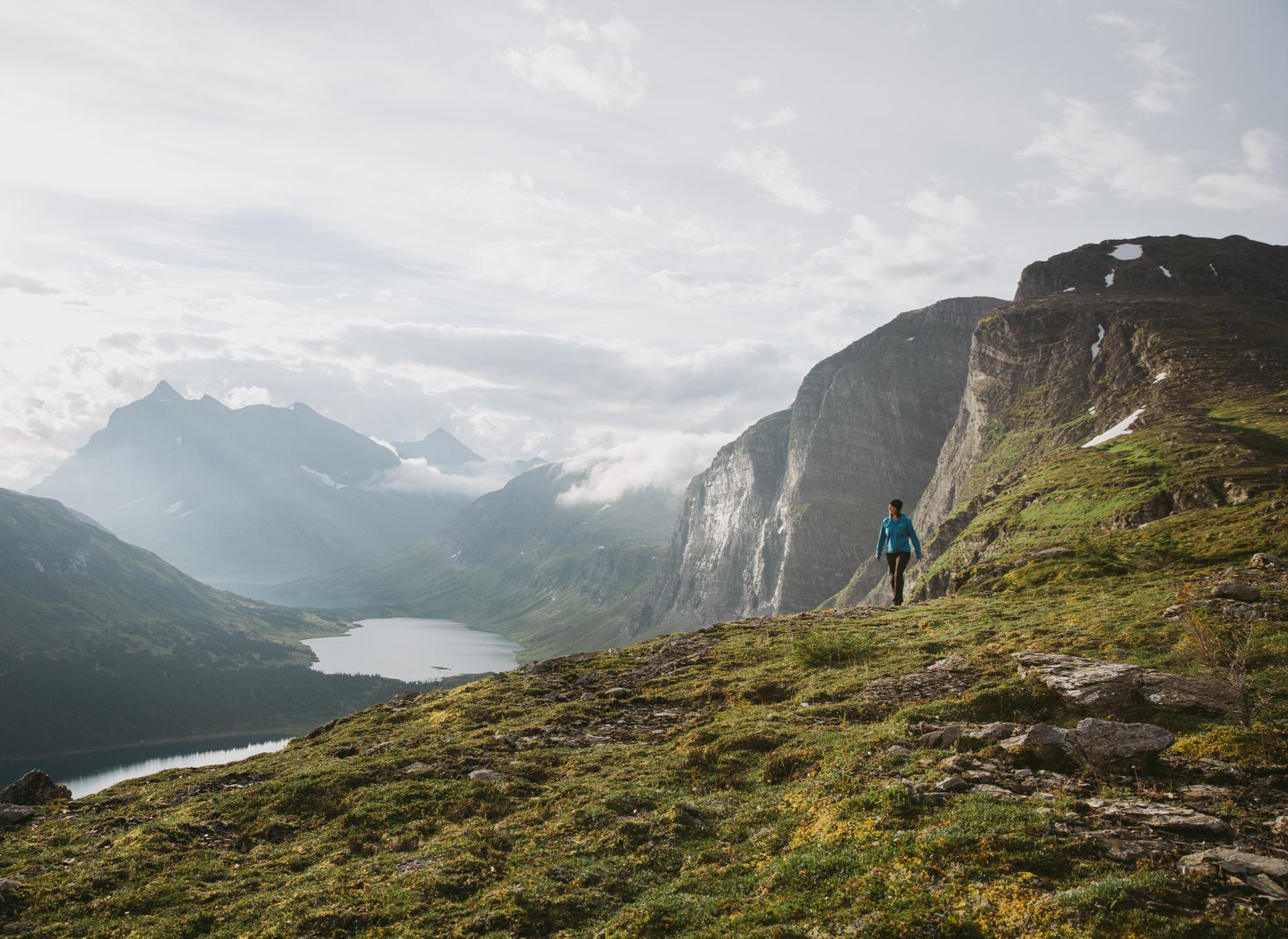
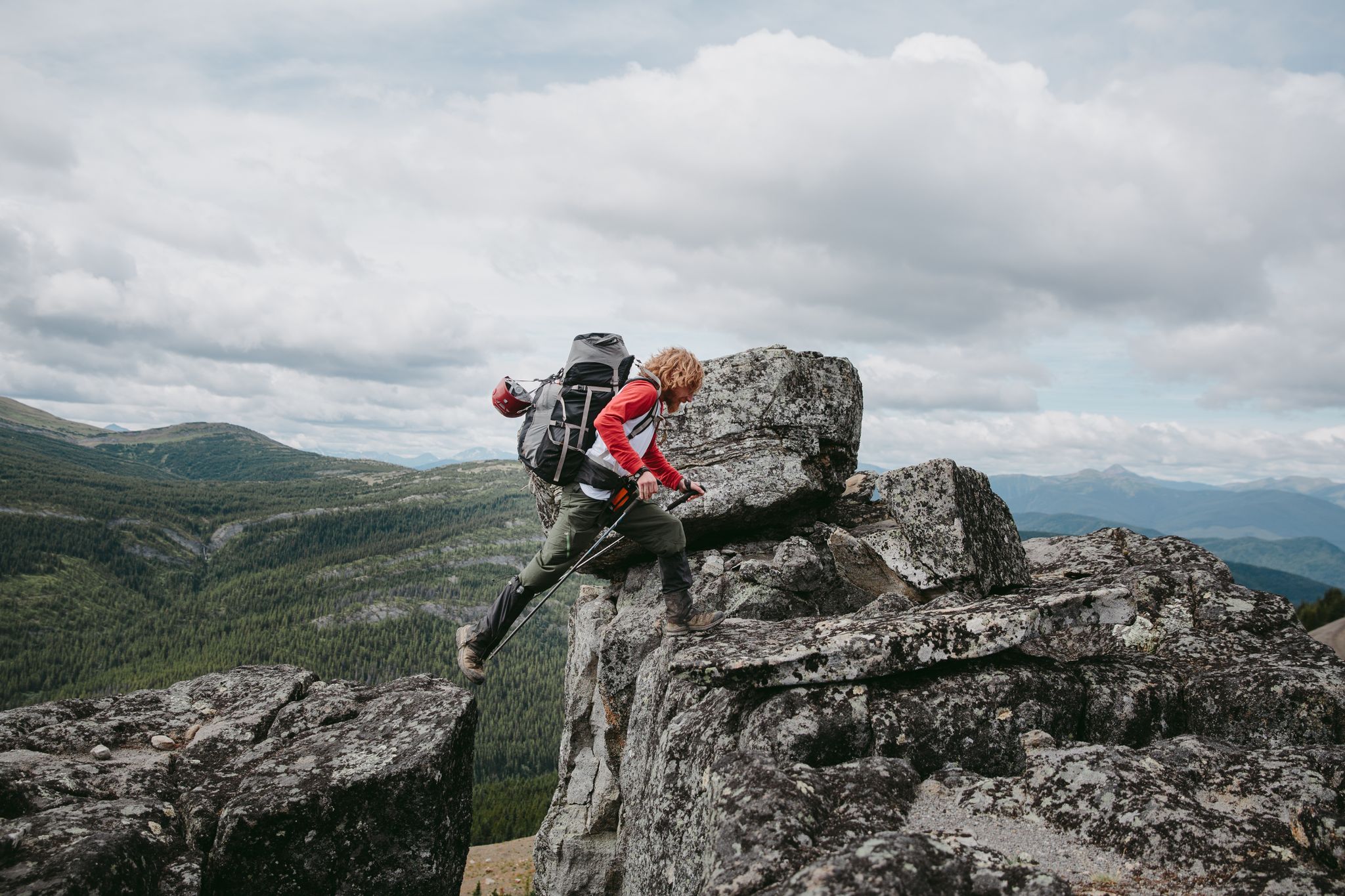
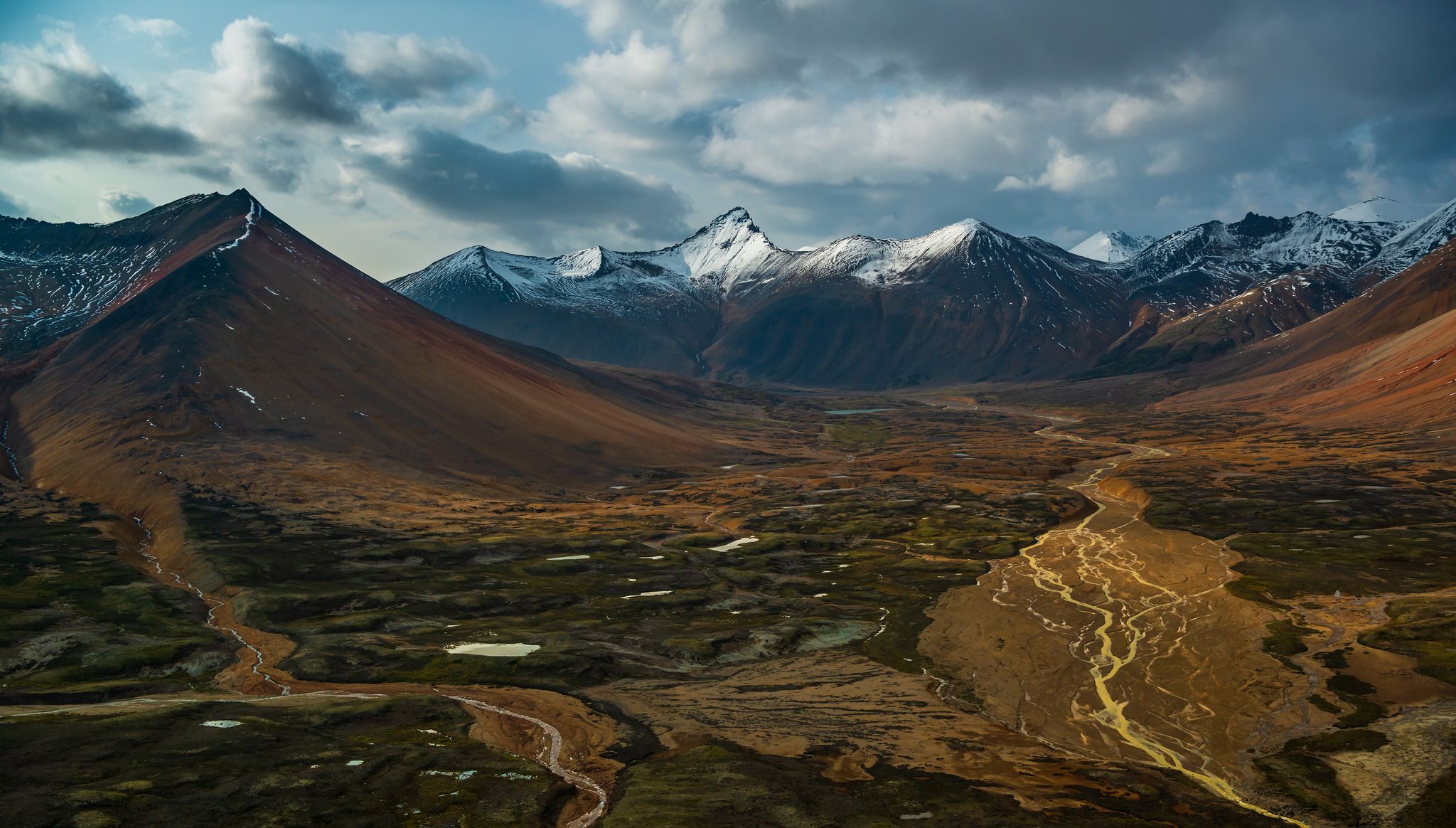
Other adventures in the Skeena Mountains


Frequently Asked Questions
What kind of terrain can I expect on no-traffic touring cycling routes in the Skeena Mountains?
The Skeena Mountains offer a diverse landscape for touring cyclists. You can expect routes that traverse deep river valleys, extensive forests, and areas alongside pristine rivers. While many routes feature mostly paved surfaces, the region's rugged topography means some segments may include moderate elevation changes, requiring good fitness. For example, the Canyon Creek loop from Det San Ecological Reserve involves over 300 meters of elevation gain.
Are there any specific natural features or viewpoints to look out for on these routes?
Absolutely. The Skeena Mountains are rich in natural beauty. Cyclists can enjoy views of stunning alpine peaks, glacier-fed lakes, and the picturesque Skeena River, which is a central geographical feature. Keep an eye out for dramatic views in areas like Kitselas Canyon. The region also features unique geological formations, such as a moon-like lava plain north of Kitsumkalum Lake, a testament to a volcanic eruption.
What is the best time of year for no-traffic touring cycling in the Skeena Mountains?
The best time for touring cycling in the Skeena Mountains is typically during the warmer months, from late spring through early autumn. This period offers more favorable weather conditions, with less chance of snow and ice, making the routes more accessible and enjoyable. Always check local weather forecasts before heading out, as conditions can change rapidly in mountainous regions.
Are there any family-friendly no-traffic touring cycling routes?
While all the listed no-traffic touring routes in this guide are rated as moderate, making them suitable for cyclists with some experience, the shorter loops can be more manageable for families with older children. The Bike loop from Smithers, at just over 6 kilometers, offers a good option for a shorter outing through local landscapes.
What kind of wildlife might I encounter while cycling in the Skeena Mountains?
The diverse ecosystems of the Skeena Mountains support a variety of wildlife. Cyclists might spot deer, beavers, or various bird species. The region is also home to larger mammals such as moose, mountain goats, and grizzly bears. While rare, there's even a chance to see the elusive Kermode Bear. Always maintain a safe distance and be aware of your surroundings, especially in more remote areas.
Are there any loop trails for no-traffic touring cycling?
Yes, several of the no-traffic touring cycling routes in the Skeena Mountains are designed as loops, offering a convenient way to start and end your ride at the same point. Examples include the Bike loop from Smithers, the Bike loop from Call Lake Provincial Park, and the Canyon Creek loop from Det San Ecological Reserve.
How long do these no-traffic touring cycling routes typically take to complete?
The duration of these routes varies depending on their length and your cycling pace. For instance, the Bike loop from Smithers, at 6.1 kilometers, can be completed in under an hour. The Bike loop from Call Lake Provincial Park, covering 16.9 kilometers, typically takes around 1 hour and 20 minutes. The longest route, the Canyon Creek loop from Det San Ecological Reserve (28.8 kilometers), usually takes about 2 hours and 10 minutes.
What are the access points and parking options for these no-traffic cycling routes?
Access points for these routes are generally located near towns or provincial parks. For example, the 'Bike loop from Smithers' can be accessed from Smithers, while the 'Bike loop from Call Lake Provincial Park' starts from the park itself. The 'Canyon Creek loop' begins near the Det San Ecological Reserve. Parking is typically available at these starting locations, though it's always advisable to check specific park or trailhead information for details on parking facilities and any potential fees.
Are there any amenities like cafes or accommodation near the no-traffic touring cycling routes?
While the routes themselves focus on natural, no-traffic environments, the Skeena Mountains region has towns like Smithers and Terrace that offer amenities. Routes starting from or passing near these communities, such as the Bike loop from Smithers, would provide the closest access to cafes, restaurants, and accommodation options. For routes in more remote areas, it's recommended to carry sufficient supplies.
What should I wear for touring cycling in the Skeena Mountains?
Given the varied terrain and potential for changing weather in the Skeena Mountains, it's best to dress in layers. Moisture-wicking base layers, insulating mid-layers, and a waterproof/windproof outer shell are recommended. Comfortable cycling shorts, gloves, and appropriate footwear are also essential. Always bring a helmet for safety.
Most popular routes in the Skeena Mountains

Get inspired with the komoot mobile app


Explore more
Browse the best Cycling routes in other regions.
