The best traffic-free bike rides in Horsens
4.6
(17)
413
riders
21
rides
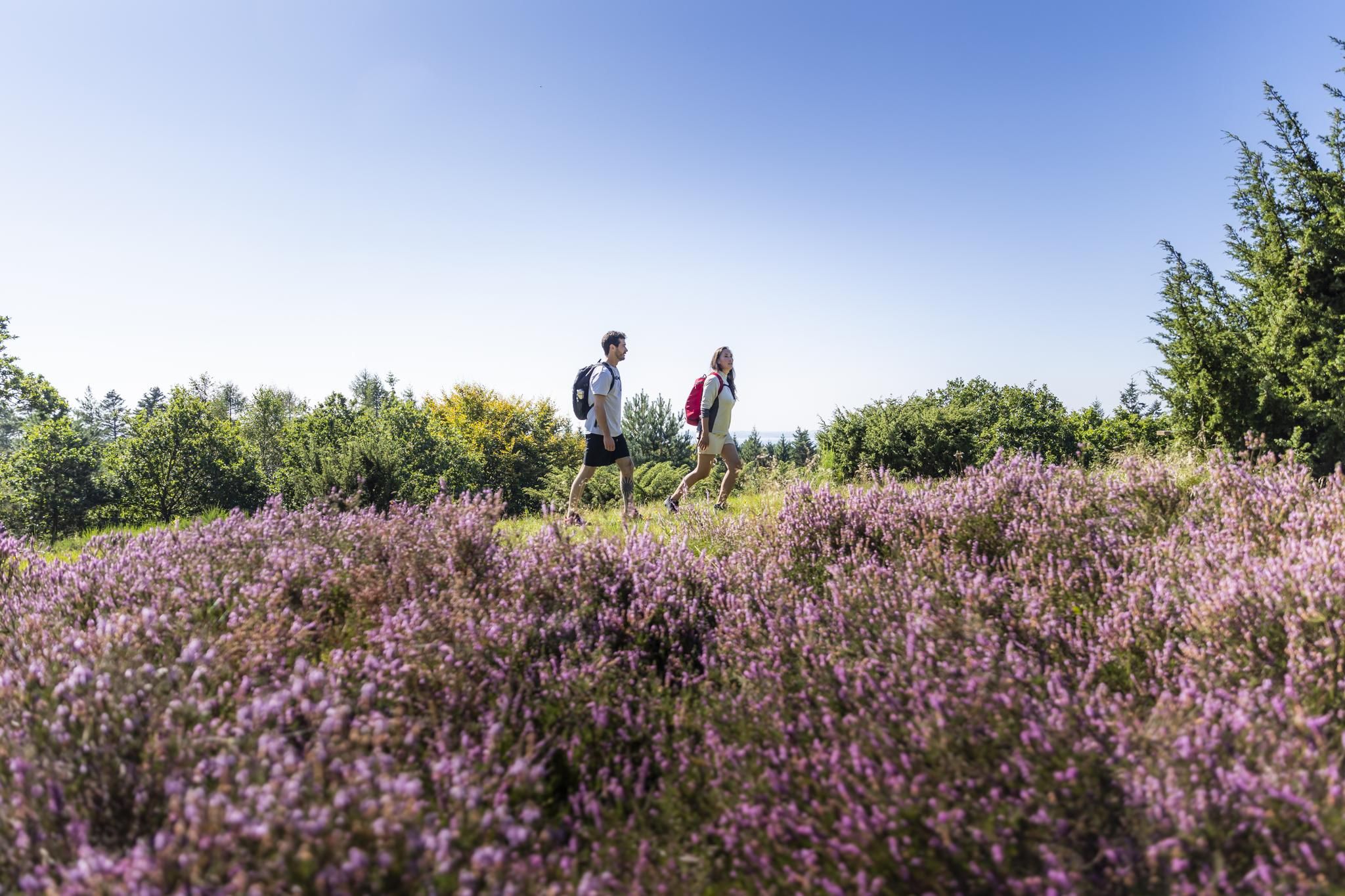
Gravel biking in Horsens is characterized by its diverse moraine landscape, featuring undulating terrain, low hills, and extensive wooded areas. The region is shaped by the Horsens Fjord, offering varied coastal paths and inland routes. Riders can expect a mix of paved and unpaved surfaces, compact gravel, and some singletrack paths, with elevations reaching up to 80 meters above sea level on some climbs. This varied topography provides a range of no traffic gravel bike trails suitable for different skill…
Last updated: August 21, 2026
38
riders
63.2km
04:05
350m
350m
Moderate gravel ride. Good fitness required. Mostly paved surfaces. Suitable for all skill levels.
5.0
(1)
30
riders
33.2km
02:11
170m
170m
Hard gravel ride. Good fitness required. You may need to push your bike for some segments of this route.

Sign up for free
15
riders
55.8km
04:02
640m
640m
Hard gravel ride. Very good fitness required. Mostly paved surfaces. Suitable for all skill levels.
22
riders
73.6km
04:35
460m
460m
Hard gravel ride. Very good fitness required. Mostly paved surfaces. Suitable for all skill levels.
14
riders
50.3km
03:09
290m
290m
Moderate gravel ride. Good fitness required. Mostly paved surfaces. Suitable for all skill levels.
Get access to more routes and recommendations from other explorers.
Sign up for free
Already have an account?
Our route recommendations are based on thousands of hikes, rides, and runs completed by other people on komoot.
Start today with a free account
Your next adventure awaits.
Login or Signup



Tips from the Community


Surrounded by forest and wetlands, Snabe Igelsø is a quiet lake known for its birdlife. Keep an eye out for ducks and other waterbirds that regularly gather along its shores.
0
0

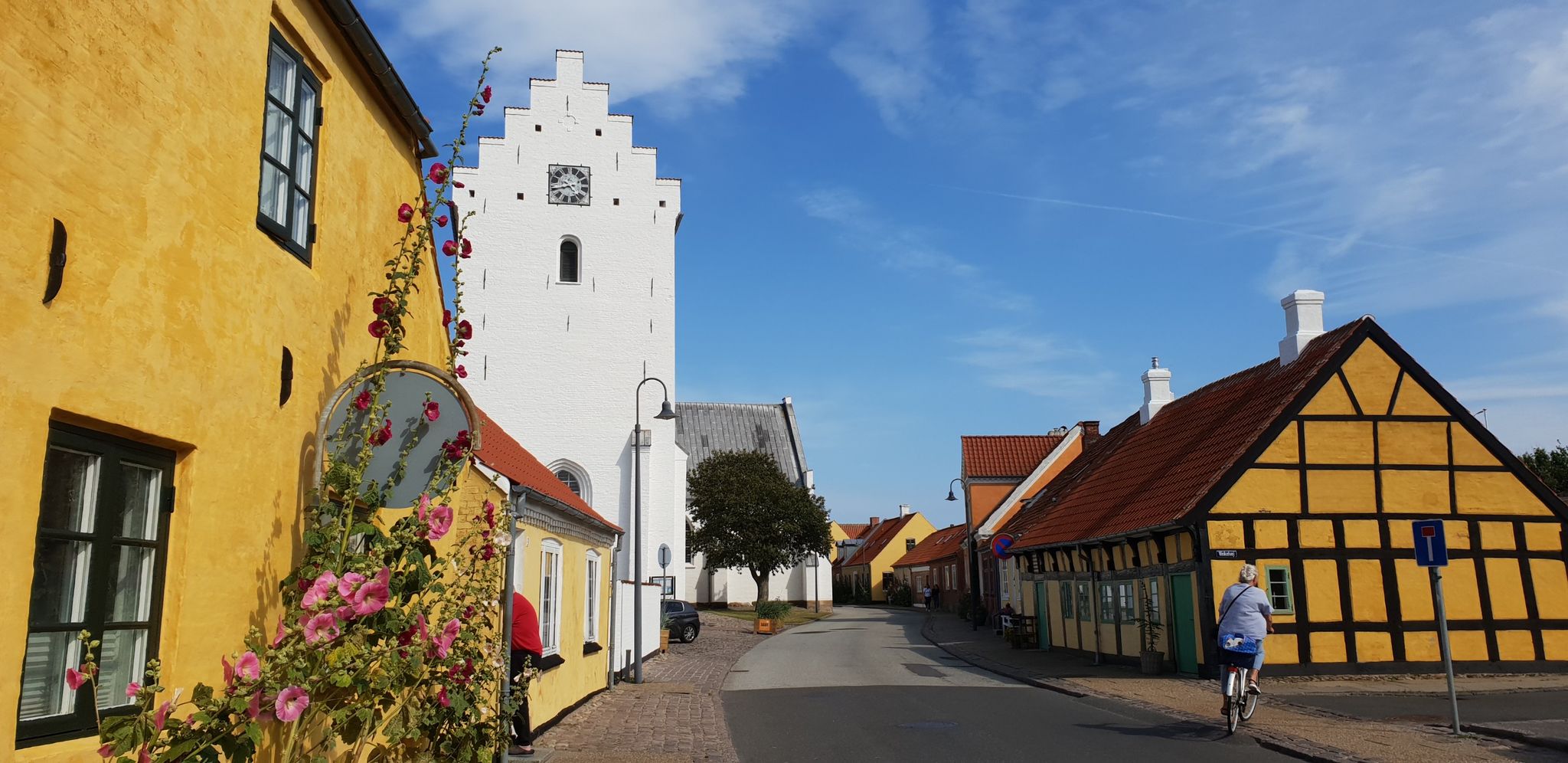
The beautiful, striking church in the heart of Horsens has a quite interesting history. The church, originally built as a monastery, is the largest church in the Horsens region. It has interesting furnishings and dramatic stories to offer. https://www.kystlandet.de/kystlandet/reiseplanung/horsens-klosterkirche-gdk677484
3
0
The Church of the Saviour (Vor Frelsers Kirke) is beautifully located on the market square in Horsens, in the middle of the city's bustling commercial life, where market trade has been carried out for many centuries. It is one of the country's most beautiful Baroque churches, but it is marked by many different eras. The church was originally built by King Valdemar the Victorious (Kong Valdemar Sejr). Construction began around 1225 and lasted about 30 years. The church was built of bricks, an unusual and expensive material for the time, which speaks to the building's importance. Previously, brick had only been used in a few other royal buildings. It is assumed that a wooden church stood on the site before this time, just as the market square already existed before the church was built. Until 1351, the church was owned by the king, when it was handed over to the Knights Hospitaller, who already owned the Monastery of Our Lady (Vor Frue Kloster) and the Monastery Church (Klosterkirken), which is located just a few hundred meters from the Church of the Saviour. In the late Middle Ages, Protestantism slowly gained power in society in the wake of the Reformation in Denmark, which led to the city expelling the monks in 1532. The church has been restored several times, in the 15th, 17th, 18th, 19th, and 20th centuries. In 1935-36, an attempt was made to restore the church to its original medieval form. Due to the many changes over time, it can be difficult to distinguish what is old and what is new. However, original parts of the church can still be seen in several places. For example, at the west portal, an entrance that was probably King's own entrance. The gate is visibly damaged by the great fire of 1544, which burned down almost the entire city of Horsens. Only the churches remain from the time before the fire. In 2018, the church fell victim to an intentionally set fire, which destroyed irreplaceable church art. Not least the historic pulpit from the 17th century, which was one of the most important Renaissance artworks in Denmark and a highlight of Danish wood carving. The church was completely renovated internally and reopened in 2020. https://www.kystlandet.de/kystlandet/reiseplanung/die-erloeserkirche-vor-frelsers-kirke-gdk677997
2
0

The Søvind Mølle is a historic Dutch windmill (smock mill) in the village of Søvind
0
0
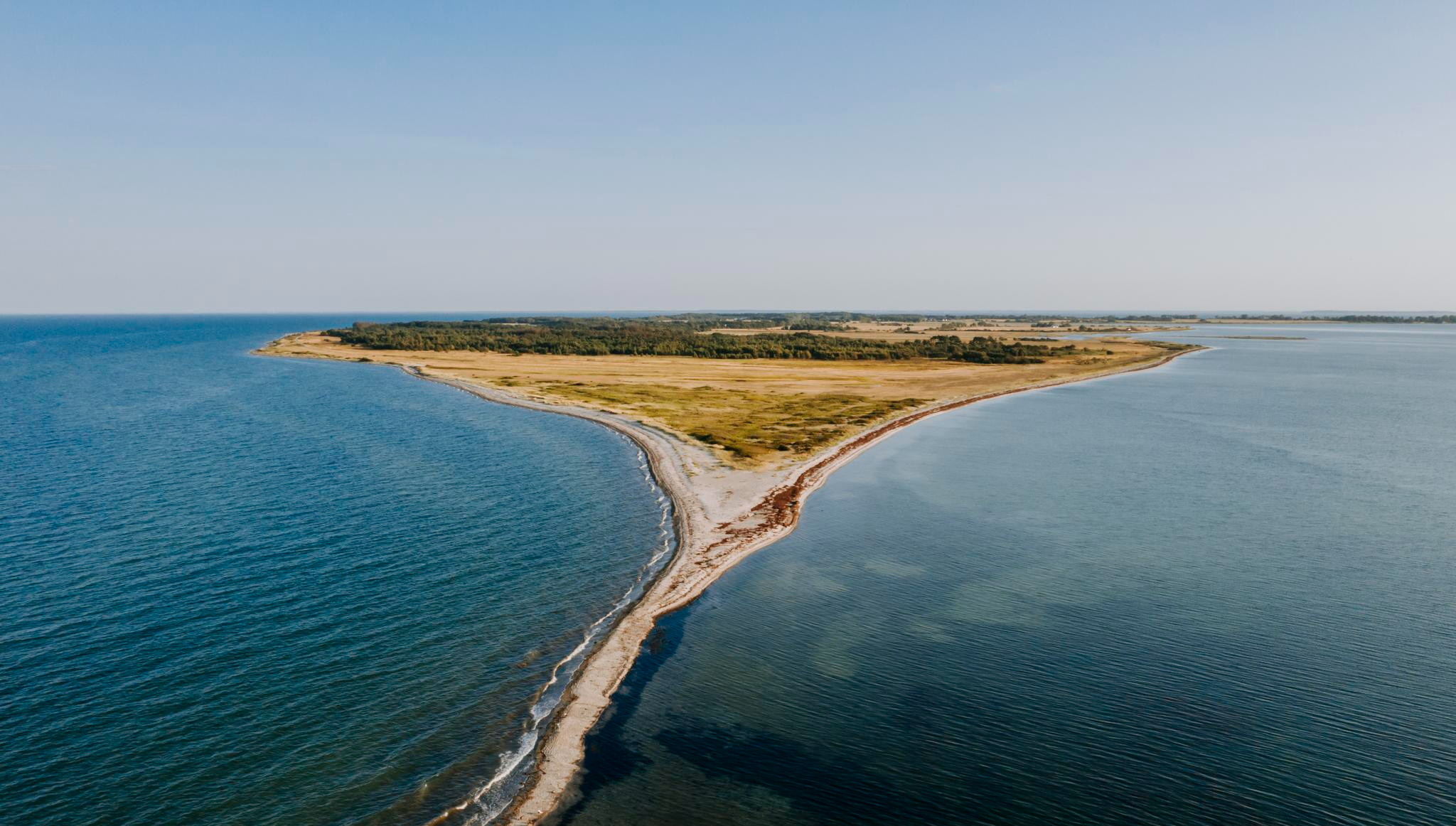
The official hiking trail around Horsens Fjord on the Jutland east coast is called Fjordmino. It is a total of 59 kilometers long and is particularly characterized by its varied nature and a ferry crossing (bicycle ferry) between the islands of Alrø and Hjarnø. The most important facts at a glance: Length: 59 km (complete circular route)
0
0
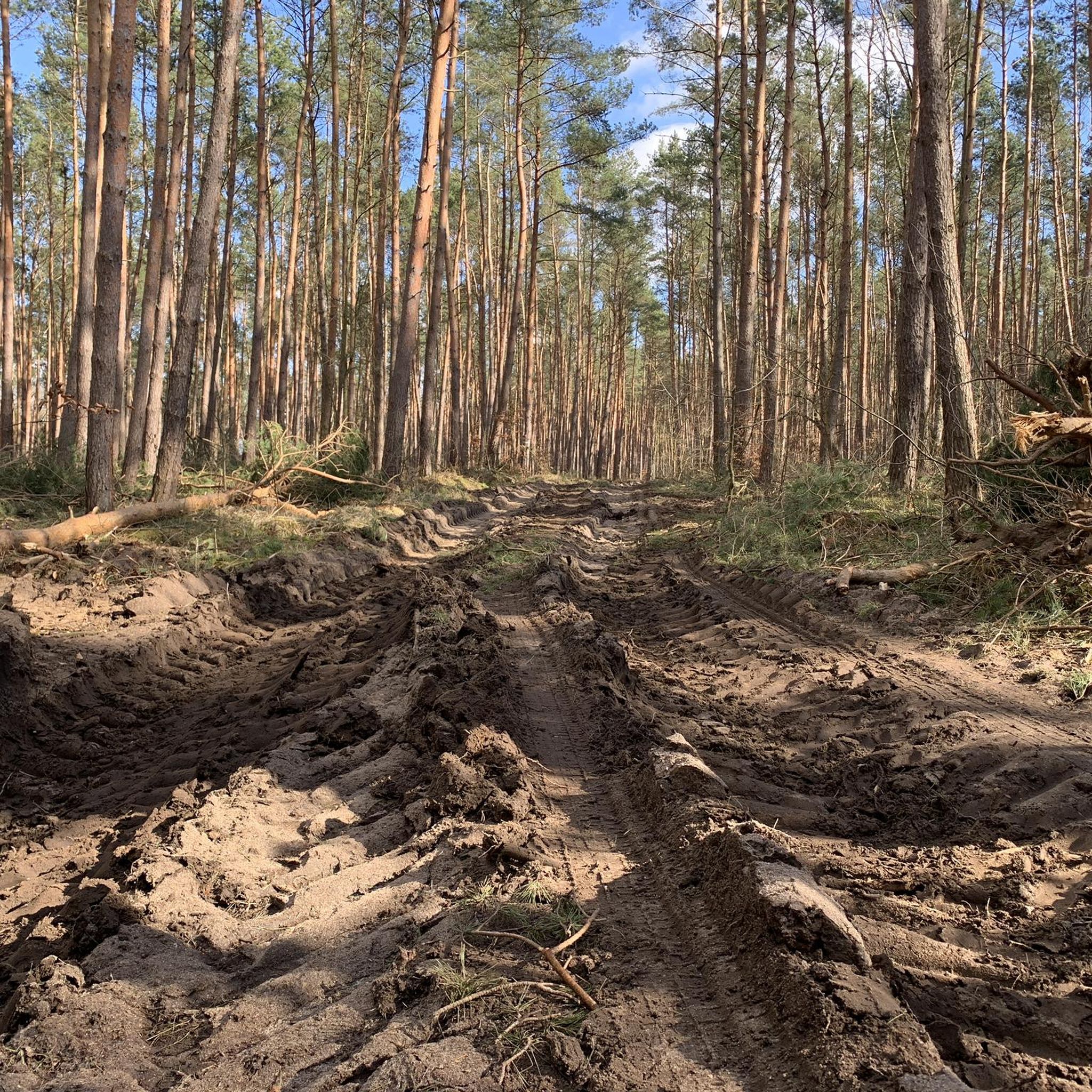
Rest area with a view, very loose gravel
0
0
Beautiful route along the Horsens Fjord, recommended for mountain biking on direct paths along the fjord through forest sections
0
0
Frequently Asked Questions
How many no-traffic gravel bike trails are available in Horsens?
Horsens offers a fantastic selection of traffic-free gravel biking experiences, with over 20 routes specifically curated for minimal car interaction. These trails cater to various skill levels, from moderate to difficult, ensuring a suitable ride for almost everyone.
What kind of terrain can I expect on Horsens' no-traffic gravel trails?
The terrain around Horsens is quite diverse, thanks to its unique moraine landscape and proximity to the fjord. You'll encounter a mix of compact gravel paths, some paved sections, and even occasional singletrack. Expect undulating sections and low hills, with some climbs reaching up to 80 meters above sea level, offering a good challenge and rewarding views.
Are there any family-friendly no-traffic gravel routes in Horsens?
Yes, Horsens has options suitable for families. While many routes offer varied terrain, some sections of the Fjordmino trail, which encircles Horsens Fjord, are generally well-suited for a more relaxed family ride. For a specific route, consider exploring parts of the Horsens Fjord Loop – Søvind Mølle loop from Horsens, which offers scenic views and manageable distances, though always check the full route details for suitability.
What are some of the longer or more challenging no-traffic gravel routes in the area?
For those seeking a longer and more challenging ride, the Søvind Mølle – Church of Our Saviour loop from Horsens is a difficult 73.4 km route with significant elevation gain. Another demanding option is the View from Sukkertoppen – Vrads Station loop from Voerladegård, which is 57 km and also rated difficult, taking you through varied landscapes including the impressive Sukkertoppen.
What interesting landmarks or natural features can I see along these gravel trails?
Horsens' gravel trails often pass by beautiful natural features and historical sites. You might encounter the picturesque Horsens Fjord, the serene Bygholm Lake, or the wildlife reserve at Nørrestrand. For specific points of interest, look out for highlights like Stoubjerg or the historic Yding Skovhøj Stone Circle. The Rediscovered Bridge (Den Genfundne Bro) on the Horsens-Silkeborg Nature Trail is also a notable sight.
Are there any circular no-traffic gravel routes in Horsens?
Yes, many of the gravel routes in Horsens are designed as loops, allowing you to start and end at the same point without retracing your steps. A great example is the Horsens Monastery Church – Church of Our Saviour loop from Horsens, which offers a substantial 62.6 km circular ride through varied terrain.
What is the best time of year to go gravel biking in Horsens?
The best time for gravel biking in Horsens is typically from spring through autumn (April to October). During these months, the weather is generally milder, and the trails are in optimal condition. While winter riding is possible, be prepared for colder temperatures and potentially wet or icy conditions on some paths.
Are there any easy no-traffic gravel routes for beginners?
For beginners looking for an easier no-traffic gravel experience, consider routes that stick closer to the fjord or through less hilly forested areas. While many routes are moderate to difficult, shorter sections of the Fjordmino trail or paths around Bygholm Lake offer a gentler introduction to gravel biking in Horsens. Always check the route's difficulty and elevation profile before heading out.
What do other gravel bikers enjoy most about the no-traffic trails in Horsens?
The no-traffic gravel trails in Horsens are highly rated by the komoot community, with an average score of 4.7 stars. Reviewers often praise the quiet, scenic landscapes, the well-maintained gravel paths, and the diverse terrain that keeps rides interesting. The sense of tranquility away from car traffic is a frequently highlighted positive aspect.
Can I find places to rest or shelter along the gravel routes?
Yes, the Horsens area offers several spots for resting and even overnight stays. You can find shelters and fire pit areas, such as the Møgelhøj Shelters or the Tingdalen Shelters. These provide convenient spots to take a break or even camp, enhancing the outdoor experience.
Are there any routes that offer views of Horsens Fjord?
Absolutely! Horsens Fjord is a central feature of the region, and many gravel routes offer stunning views of its waters and surrounding landscapes. The View of Horsens Fjord – Søvind Mølle loop from Stensballe is a prime example, specifically highlighting the fjord's beauty. The Fjordmino trail also provides continuous fjord vistas.
Most popular attractions in Horsens

Get inspired with the komoot mobile app


Explore more
Browse the best Gravel rides in other regions.
