The best traffic-free bike rides in Hedensted
4.7
(11)
599
riders
50
rides
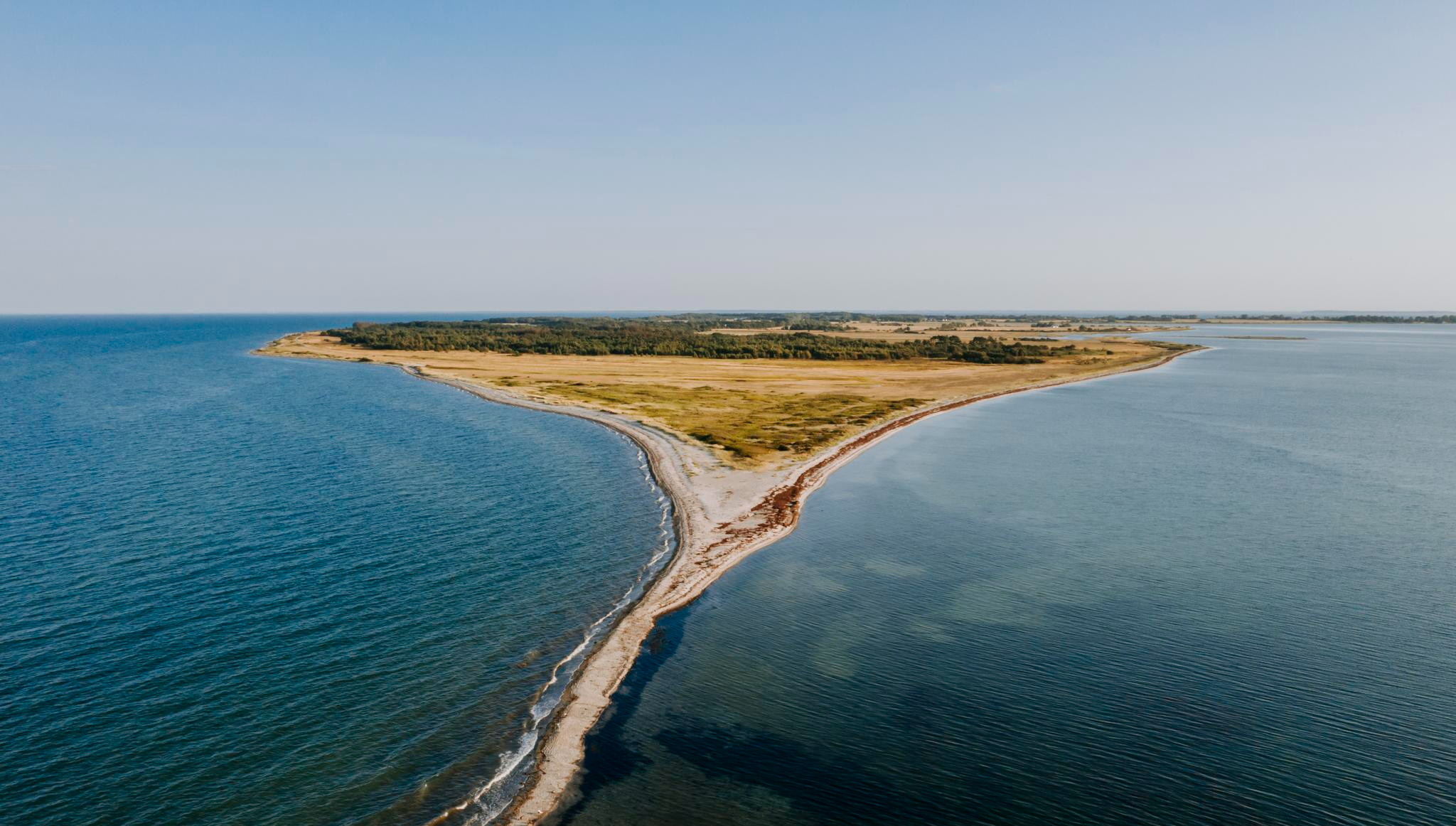
Gravel biking in Hedensted, located in Denmark's Central Jutland region, offers diverse landscapes for outdoor enthusiasts. The area features rolling hills, fertile farmlands, and picturesque ice age formations, situated between the Horsens and Vejle Fjords. A significant 70-kilometer coastline with sandy beaches and extensive forest areas contribute to varied terrain. Inland, the region includes the source of the Gudenå river and the Uldum Kær wetlands, providing a mix of natural environments for no traffic gravel bike trails.
Best no traffic…
Last updated: June 28, 2026
32
riders
83.0km
06:16
710m
710m
Hard gravel ride. Very good fitness required. Mostly paved surfaces. Suitable for all skill levels.
4.7
(3)
37
riders
52.1km
03:21
270m
270m
Moderate gravel ride. Good fitness required. Mostly paved surfaces. Suitable for all skill levels.

Sign up for free
38
riders
63.2km
04:05
350m
350m
Moderate gravel ride. Good fitness required. Mostly paved surfaces. Suitable for all skill levels.
5.0
(1)
30
riders
33.2km
02:11
170m
170m
Hard gravel ride. Good fitness required. You may need to push your bike for some segments of this route.
41
riders
45.4km
02:54
500m
500m
Hard gravel ride. Very good fitness required. Mostly paved surfaces. Suitable for all skill levels.
Get access to more routes and recommendations from other explorers.
Sign up for free
Already have an account?
Our route recommendations are based on thousands of hikes, rides, and runs completed by other people on komoot.
Start today with a free account
Your next adventure awaits.
Login or Signup


Tips from the Community

The beautiful, striking church in the heart of Horsens has a quite interesting history. The church, originally built as a monastery, is the largest church in the Horsens region. It has interesting furnishings and dramatic stories to offer. https://www.kystlandet.de/kystlandet/reiseplanung/horsens-klosterkirche-gdk677484
2
0
The Church of the Saviour (Vor Frelsers Kirke) is beautifully located on the market square in Horsens, in the middle of the city's bustling commercial life, where market trade has been carried out for many centuries. It is one of the country's most beautiful Baroque churches, but it is marked by many different eras. The church was originally built by King Valdemar the Victorious (Kong Valdemar Sejr). Construction began around 1225 and lasted about 30 years. The church was built of bricks, an unusual and expensive material for the time, which speaks to the building's importance. Previously, brick had only been used in a few other royal buildings. It is assumed that a wooden church stood on the site before this time, just as the market square already existed before the church was built. Until 1351, the church was owned by the king, when it was handed over to the Knights Hospitaller, who already owned the Monastery of Our Lady (Vor Frue Kloster) and the Monastery Church (Klosterkirken), which is located just a few hundred meters from the Church of the Saviour. In the late Middle Ages, Protestantism slowly gained power in society in the wake of the Reformation in Denmark, which led to the city expelling the monks in 1532. The church has been restored several times, in the 15th, 17th, 18th, 19th, and 20th centuries. In 1935-36, an attempt was made to restore the church to its original medieval form. Due to the many changes over time, it can be difficult to distinguish what is old and what is new. However, original parts of the church can still be seen in several places. For example, at the west portal, an entrance that was probably King's own entrance. The gate is visibly damaged by the great fire of 1544, which burned down almost the entire city of Horsens. Only the churches remain from the time before the fire. In 2018, the church fell victim to an intentionally set fire, which destroyed irreplaceable church art. Not least the historic pulpit from the 17th century, which was one of the most important Renaissance artworks in Denmark and a highlight of Danish wood carving. The church was completely renovated internally and reopened in 2020. https://www.kystlandet.de/kystlandet/reiseplanung/die-erloeserkirche-vor-frelsers-kirke-gdk677997
2
0

The Søvind Mølle is a historic Dutch windmill (smock mill) in the village of Søvind
0
0
The official hiking trail around Horsens Fjord on the Jutland east coast is called Fjordmino. It is a total of 59 kilometers long and is particularly characterized by its varied nature and a ferry crossing (bicycle ferry) between the islands of Alrø and Hjarnø. The most important facts at a glance: Length: 59 km (complete circular route)
0
0
Rest area with a view, very loose gravel
0
0
Beautiful route along the Horsens Fjord, recommended for mountain biking on direct paths along the fjord through forest sections
0
0

The same sculpture stands on a roundabout in Herning.
0
0

Frequently Asked Questions
How many no-traffic gravel bike trails are available in Hedensted?
Hedensted offers a wide selection of traffic-free gravel bike trails, with over 50 routes available on komoot. These routes are specifically curated to provide a peaceful and safe cycling experience away from vehicle traffic.
What is the general difficulty level of no-traffic gravel routes in Hedensted?
The no-traffic gravel routes in Hedensted cater to a range of abilities. You'll find approximately 4 easy routes, 33 moderate routes, and 15 more difficult options, ensuring there's something for every skill level. The terrain often includes rolling hills and varied surfaces, providing a good challenge for experienced riders while still offering accessible paths for beginners.
What kind of terrain can I expect on Hedensted's traffic-free gravel trails?
Hedensted's traffic-free gravel trails traverse a diverse landscape. You can expect to ride through rolling hills, fertile farmlands, picturesque ice age landscapes, and along parts of the 70-kilometer coastline. Many routes also feature sections through large forest areas, particularly near Vejle Fjord, and pass by wetlands like Uldum Kær, offering a rich variety of natural scenery.
Are there any long-distance no-traffic gravel routes for experienced riders?
Yes, for experienced riders seeking a longer challenge, routes like the Nordic Gravel Grinder offer an extensive ride of over 83 kilometers with significant elevation gain. These routes often incorporate multiple gravel sectors and climbs, providing a demanding yet rewarding experience.
Are there family-friendly no-traffic gravel bike trails in Hedensted?
Absolutely. Hedensted offers several easy, traffic-free gravel routes that are suitable for families. These trails typically feature well-maintained surfaces and gentler gradients, allowing for a relaxed and enjoyable ride for all ages. Look for routes marked as 'easy' on komoot for the best family-friendly options.
What natural features or landmarks can I see along Hedensted's traffic-free gravel routes?
Many routes will take you past beautiful natural features and landmarks. You might cycle near various lakes such as Bygholm Lake or Vestbirk Lake. The region also boasts significant forest areas and the source of the Gudenå river at Tinnet Krat. Additionally, you could encounter historical sites like the Boller Castle Park and Pond.
Are there any circular no-traffic gravel routes in Hedensted?
Yes, Hedensted features several excellent circular gravel routes that allow you to start and end in the same location without retracing your steps. Examples include the Horsens Fjord Loop – Søvind Mølle loop from Horsens, the Horsens Monastery Church – Church of Our Saviour loop from Horsens, and the View of Horsens Fjord – Søvind Mølle loop from Stensballe, offering diverse scenery and experiences.
What do other gravel bikers enjoy the most about gravel biking in Hedensted?
The komoot community highly rates the gravel biking experience in Hedensted, with an average score of 4.86 stars. Reviewers often praise the region's diverse and quiet landscapes, the well-maintained gravel sectors, and the opportunity to explore both coastal views and inland forests away from traffic.
Can I find routes that offer views of the fjords?
Absolutely. Hedensted is uniquely situated between the Horsens and Vejle Fjords, and many no-traffic gravel routes capitalize on this. You can find trails that offer stunning views of the water, such as the Tirsbæk Beach – View of Vejle Fjord loop from Vejle Sygehus, providing a scenic coastal cycling experience.
Are there any specific areas known for their natural beauty on these trails?
Yes, the Juelsminde peninsula offers white sandy beaches and coastal views, while the large forest areas near Vejle Fjord are known for their biodiversity. Inland, the wetlands of Uldum Kær, Denmark's largest wetland, provide a unique natural habitat to explore. These areas are often incorporated into the region's traffic-free gravel routes.
What is the best time of year to go gravel biking in Hedensted?
The spring and summer months (April to September) are generally ideal for gravel biking in Hedensted, offering pleasant temperatures and lush landscapes. Spring brings vibrant rhododendron blooms, while summer allows for longer daylight hours. Autumn can also be beautiful with changing foliage, though weather can be more unpredictable.
Most popular attractions in Hedensted

Get inspired with the komoot mobile app


Explore more
Browse the best Gravel rides in other regions.
