The best city hikes and walks in Padova
4.3
(10590)
53,758
hikers
328
hikes
Urban hiking trails in Padova offer a diverse landscape for exploration, characterized by its historic city center, green spaces, and a network of waterways. The city's terrain is generally flat, with minimal elevation changes, making it accessible for various fitness levels. Walkers can discover landmarks, parks like the Botanical Garden, and scenic canal paths that connect different parts of the city.
Best urban hiking trails in Padova
- The most popular urban hiking route is Piazza dei Signori, Padua – Piazza…
Last updated: October 1, 2026
4.7
(90)
832
hikers
7.98km
02:03
40m
40m
Moderate hike. Good fitness required. Easily-accessible paths. Suitable for all skill levels.
4.5
(39)
315
hikers
Moderate hike. Good fitness required. Easily-accessible paths. Suitable for all skill levels.

4.4
(9)
231
hikers
5.41km
01:24
30m
30m
Easy hike. Great for any fitness level. Easily-accessible paths. Suitable for all skill levels.
4.9
(11)
69
hikers
15.3km
03:53
30m
30m
Moderate hike. Good fitness required. Easily-accessible paths. Suitable for all skill levels.
4.0
(5)
86
hikers
9.18km
02:21
40m
40m
Moderate hike. Good fitness required. Easily-accessible paths. Suitable for all skill levels.
Get access to more routes and recommendations from other explorers.
Already have an account?
Our route recommendations are based on thousands of hikes, rides, and runs completed by other people on komoot.
Start today with a free account
Your next adventure awaits.
Popular around Padova

City hikes around Regional Park Colli Euganei

City hikes around Colli Euganei
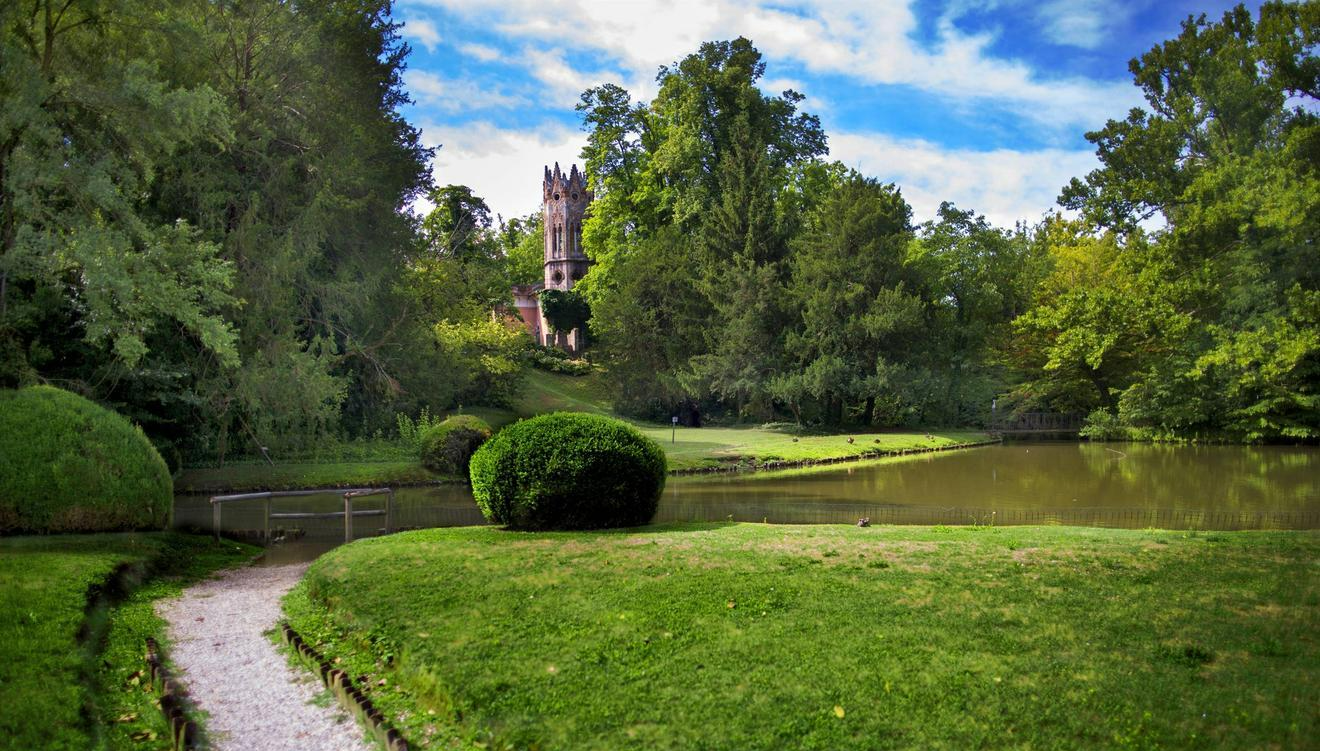
Riviera del Brenta – walks among Venetian villas, canals & lagoons
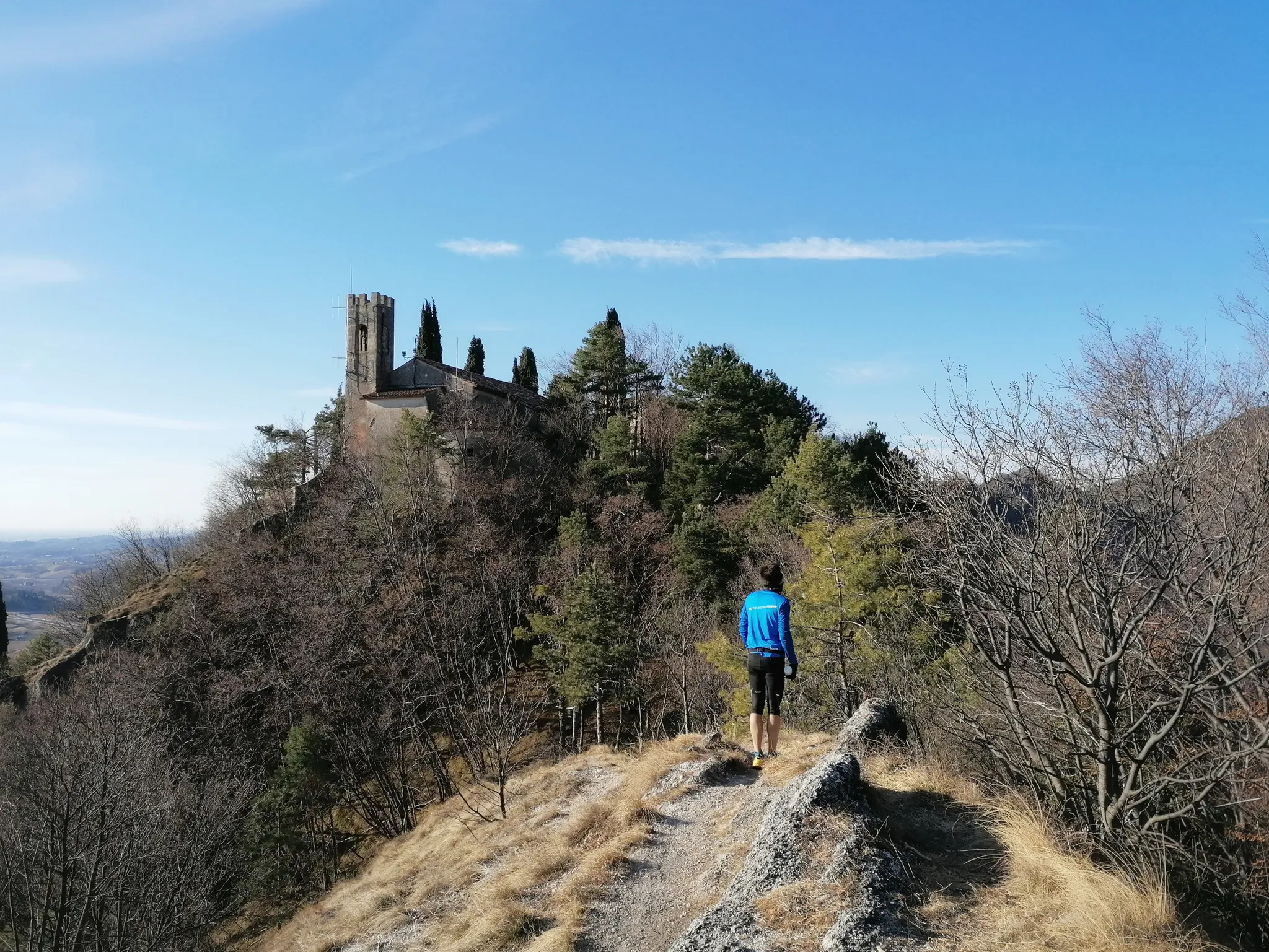
800 years of history from Gemona to Padua – Cammino di Sant'Antonio
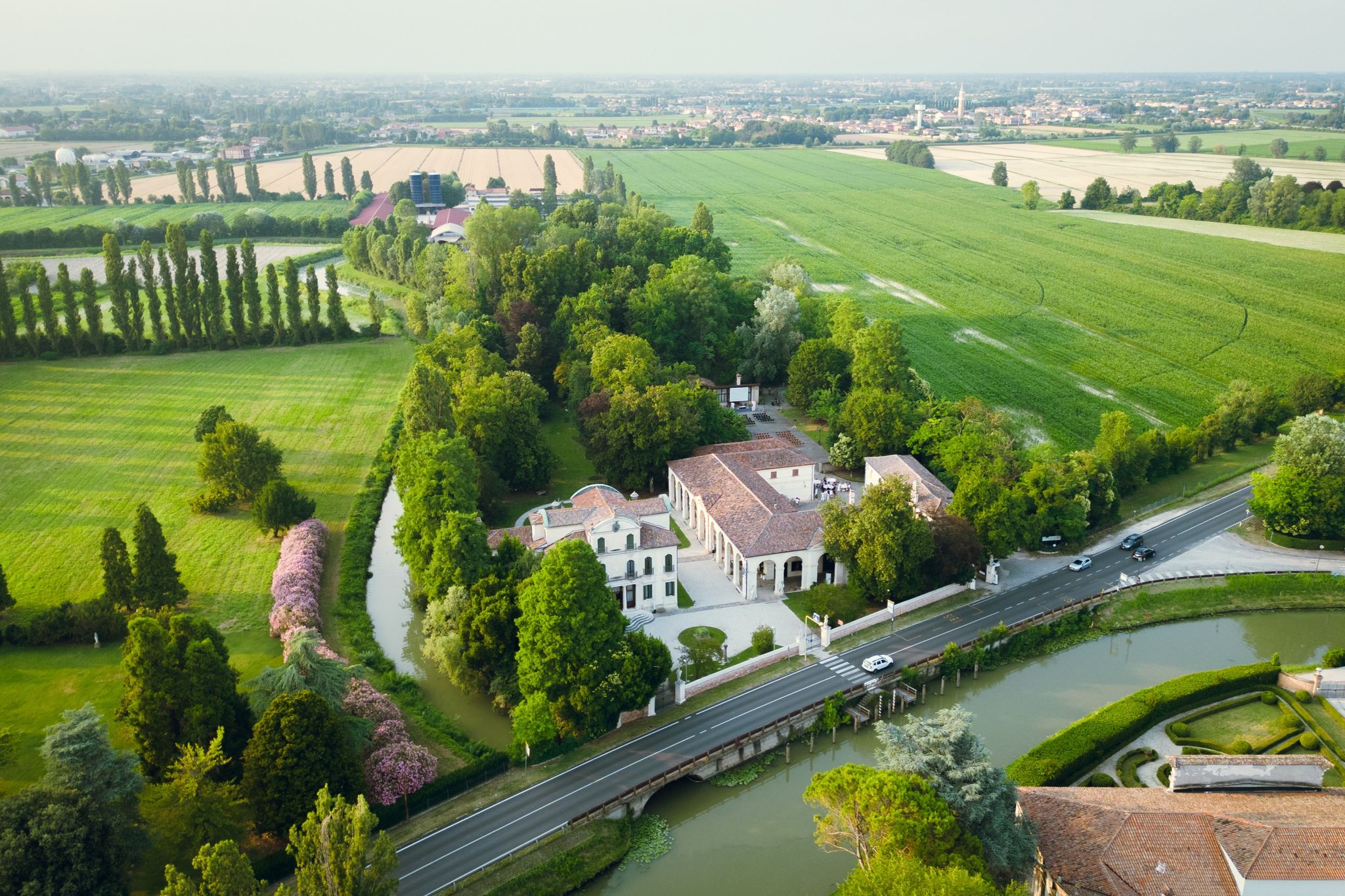
Riviera del Brenta by bike – between Venetian villas and water landscapes

Road to BAM! 2026 – Condividi la strada
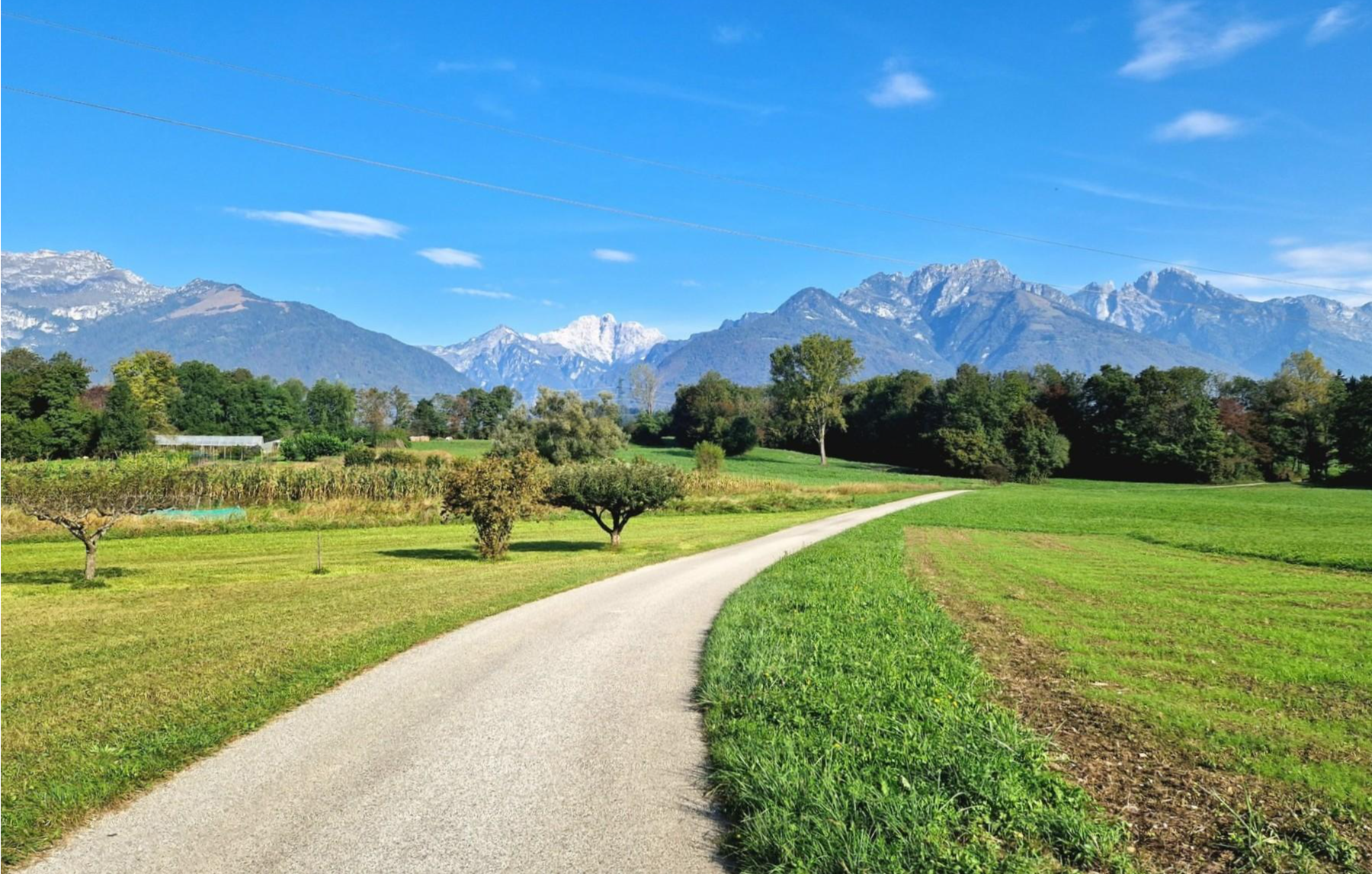
Veneto and Trentino by bike – between the Lagoon and the Dolomites
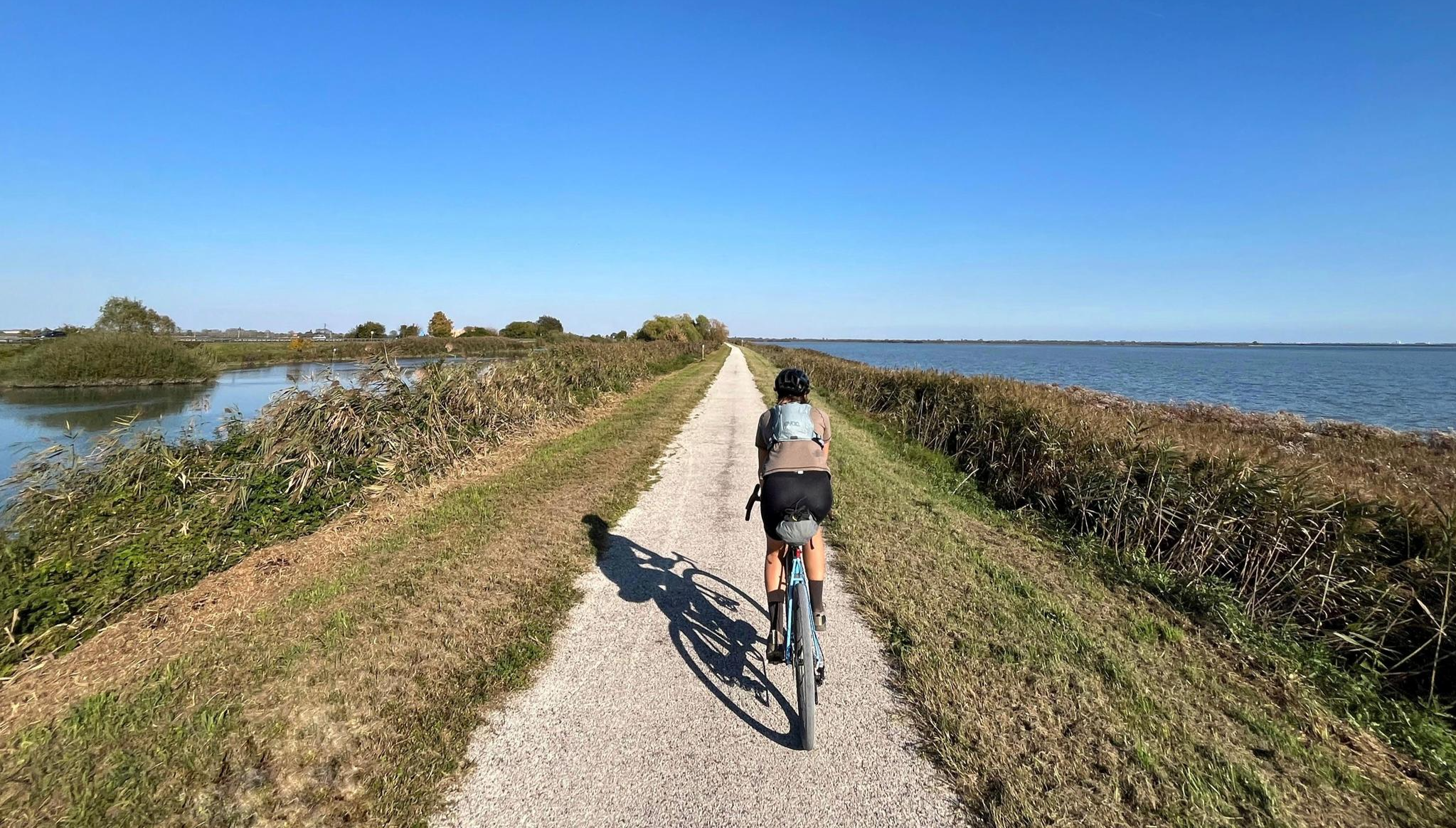
Jesolo Gravel Loop – between sandbanks and archaeology
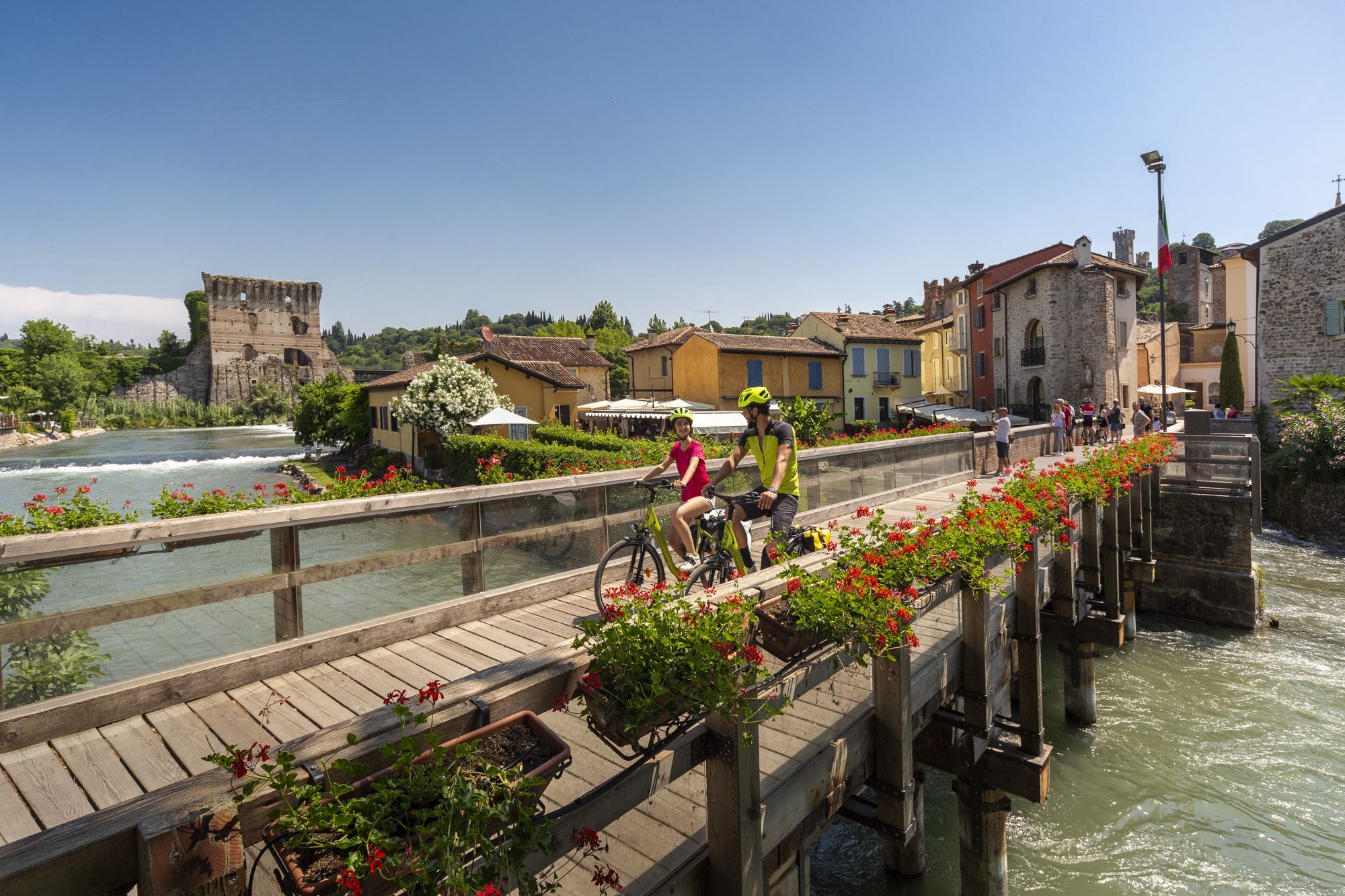
Explore Veneto at a slow pace – day trips by bike
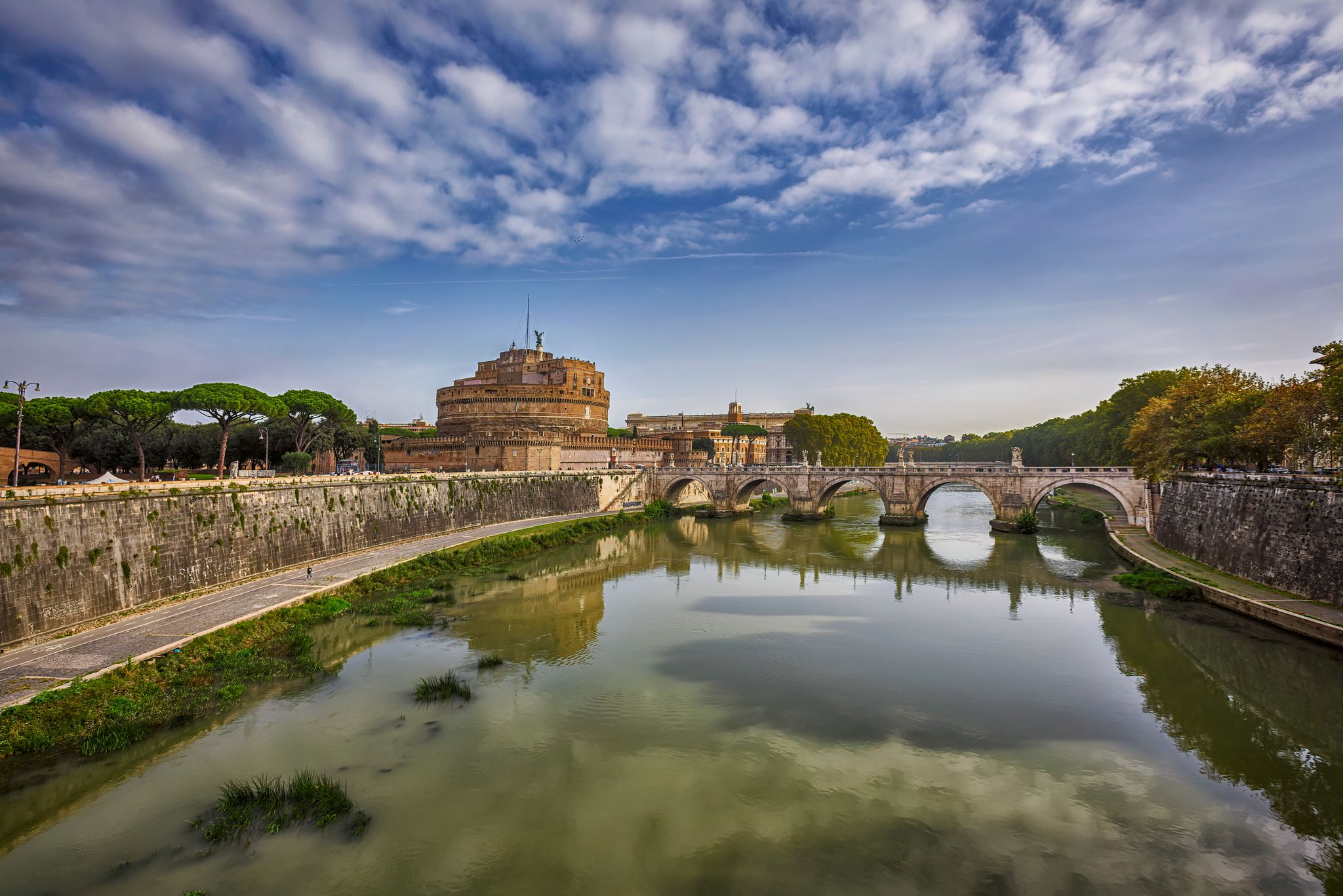
All roads lead to Rome – Romea Tiberina Cycleway
Other adventures in Padova


Tips from the Community

Prato della Valle is one of the symbolic places of Padua and one of the largest squares in Europe. In the center of the large elliptical space is a green island, Isola Memmia, surrounded by a canal and a double row of statues dedicated to illustrious figures.
1
0

The Basilica Cathedral of Saint Mary of the Assumption (known to the people of Padua simply as the Duomo) is the main Catholic place of worship in Padua and the episcopal see of the homonymous diocese since at least the 4th century. Dedicated to the Assumption of Mary, it has the dignity of a minor basilica[2] and is also a parish seat. Inside, the bodies of Saint Daniel, Saint Leonino, and Saint Gregorio Barbarigo are venerated. The current building dates back to the 16th century and Michelangelo Buonarroti was involved in its construction. It overlooks Piazza Duomo. Next to it stands the complex of the Bishop's Palace. The rectories of San Clemente and San Pietro depend on the cathedral. It is an Italian national monument.
0
0
Piazza dei Signori or Piazza della Signoria is one of the many squares that characterize the historic center of the city of Padua. For centuries it was the scene of civic celebrations, tournaments and a representative space for the city compared to the larger squares of Erbe and Frutta which had greater commercial inclinations. The square is dominated by the famous Clock Tower.
1
0

La Specola, also known as the Tower of Galileo, is one of Padua's most important historical and scientific symbols. Originally a defense tower of the 14th-century Castello dei Carraresi, the structure was transformed between 1767 and 1777 into an Astronomical Observatory by the University of Padua. The name derives from the Latin specula, meaning "place for observation". Although the scientist from Pisa never worked in this tower (Galileo taught in Padua from 1592 to 1610, before its construction), La Specola preserves the memory of his revolutionary celestial discoveries. Today, the building is the headquarters of the Padua section of INAF (National Institute for Astrophysics) and houses the Museum of La Specola. Inside, you can admire the evocative Hall of Figures and an extraordinary collection of 18th- and 19th-century astronomical instruments.
0
0

Caffè Pedrocchi, Italy's most famous coffee house (historically, architecturally, and socially of greatest importance. Used to be open day and night, hence "caffè senza porte = without doors"). See description on my Padua visit (Komoot March 25, 2026).
0
0

Ferrara Piazza del Mercato (Pizza delle erbe)
0
0


Basilica Cattedrale di Santa Maria Assunta, Padova Padua Cathedral | Cathedral of Santa Maria Assunta Despite its unfinished façade, the interior is large and monumental. The transept houses important Renaissance funerary monuments, while the choir, raised above the crypt, is the work of the Tuscan sculptor Giuliano Vangi, who redesigned the sacred space in 1997. Ancient sources attest to the existence of an early Christian cathedral that stood on the site of the present churchyard; the next one, consecrated in 1075, was damaged by the earthquake of 1117. In the sixteenth century, a competition was held to enlarge the cathedral: Michelangelo won, but the execution of the work was entrusted to Andrea da Valle, who made significant changes to the original design. The cathedral was not completed until 1754, although the magnificent façade, designed by Frigimelica with three portals and two rose windows, was never finished and, along with the dome, was severely damaged in the bombings of 1917 and 1918. The harmonious and bright interior is in the shape of a Latin cross, divided into three naves and marked by columns. With the new presbytery, the altar was moved closer to the nave, thus enhancing the 16th-century choir, which was adorned with statues by Giuliano Vangi depicting the city's patron saints. Down in the crypt, one can admire the altar of San Daniele and the chapel where many bishops are buried. According to tradition, the icon of the Virgin and Child, located in the right transept, belonged to Francesco Petrarch, who was very devoted to Mary and believed it to have been painted by Giotto. Text / Source: Turismo Padova https://www.turismopadova.it/luogo/duomo-di-padova-cattedrale-di-s-maria-assunta/
15
0
Frequently Asked Questions
How many urban hiking trails are available in Padova?
Komoot offers over 270 urban hiking trails in Padova, catering to various preferences and fitness levels. You'll find a wide selection of routes to explore the city's charm on foot.
What kind of terrain can I expect on urban hikes in Padova?
Urban hikes in Padova primarily feature flat, paved surfaces, ideal for leisurely strolls through the city's historic center, along its waterways, and through green spaces. While the nearby Euganean Hills offer more varied terrain, city routes are generally gentle with minimal elevation changes.
Are there any circular urban walks in Padova?
Yes, many urban routes in Padova are designed as circular walks, allowing you to start and end at the same point. For example, you can enjoy the Piazza dei Signori – Piazza della Frutta loop or the Piazza della Frutta – Prato della Valle loop, which take you through some of the city's most iconic squares.
What interesting landmarks and points of interest can I see on urban hikes in Padova?
Urban hikes in Padova offer a rich tapestry of historical and natural sights. You can explore the city's famous squares like Piazza dei Signori and Piazza della Frutta, or visit the expansive Prato della Valle. The city's waterways, such as the Naviglio Interno Canal, provide scenic paths. Don't miss the opportunity to visit the Valsanzibio Gardens or the Barbarigo-Pizzoni Ardemani Garden, which are beautiful natural monuments accessible from the city.
Are Padova's urban hiking trails suitable for families with children?
Absolutely! Many urban trails in Padova are easy and well-suited for families. Routes like the Piazza della Frutta – Prato della Valle loop are relatively short and flat, perfect for a pleasant outing with children. The city's parks and pedestrian areas offer safe and engaging environments for all ages.
Can I bring my dog on urban hikes in Padova?
Many urban areas and parks in Padova are dog-friendly, provided dogs are kept on a leash. It's always a good idea to check local regulations for specific parks or public spaces. Generally, walking along the city's canals and through its less crowded streets with your dog is a popular activity.
What is the best time of year for urban hiking in Padova?
Spring (April-May) and autumn (September-October) are ideal for urban hiking in Padova, offering pleasant temperatures and beautiful scenery. Summer can be warm, but early mornings or evenings are still enjoyable. Winter walks are also possible, especially on clear, crisp days, allowing you to experience the city's festive atmosphere.
How can I access urban hiking trails in Padova using public transport?
Padova has an efficient public transport system, including buses and trams, that can take you to various starting points for urban hikes. Many routes begin directly in the city center, which is easily accessible by public transport from the train station and surrounding areas. Check local transport schedules for the most convenient options.
Is parking available near urban hiking trails in Padova?
Parking is available in and around Padova's city center, though it can sometimes be limited or require payment. There are several public parking garages and street parking zones. For routes starting in the heart of the city, consider parking slightly outside the ZTL (Limited Traffic Zone) and walking or using public transport to reach your starting point.
Are there places to stop for refreshments or food along urban routes?
Yes, Padova's urban routes are dotted with numerous cafes, bars, and restaurants, especially in the city center and near popular squares. You'll have plenty of opportunities to enjoy a coffee, a traditional Paduan pastry, or a full meal during your hike. Many routes, like the University of Padua – Naviglio Interno Canal loop, pass through vibrant areas with ample refreshment options.
What do other hikers enjoy most about urban hiking in Padova?
The komoot community highly rates urban hiking in Padova, with an average score of 4.3 stars. Reviewers often praise the city's beautiful architecture, the serene walks along its canals, and the ease of discovering historical sites and charming squares. The blend of cultural immersion and gentle exercise is a recurring highlight.
Are there any easy urban hikes for beginners in Padova?
Padova offers many easy urban hikes perfect for beginners. Routes like the Piazza della Frutta – Prato della Valle loop are relatively short, flat, and navigate through well-maintained pedestrian areas, making them ideal for those new to urban exploration on foot.
Most popular routes in Padova
Most popular attractions in Padova

Get inspired with the komoot mobile app


Didn’t find what you were looking for?
Check out more Hikes throughout Padova below and find the perfect route in your destination.
Explore more
Browse the best Hikes in other regions.
