The best city hikes and walks in Ravenna
4.4
(4517)
30,586
hikers
224
hikes
Urban hiking trails in Ravenna offer a unique blend of historical exploration and natural beauty. The city is situated within the Po Delta Park, providing access to diverse environments such as ancient pine forests, expansive wetlands, and coastal areas. This geographical position allows for varied walking experiences, from city center strolls past UNESCO sites to paths bordering natural reserves. The terrain is generally flat, making most routes accessible for a wide range of abilities.
Best urban hiking trails in Ravenna
…Last updated: August 21, 2026
4.4
(46)
345
hikers
7.73km
01:57
20m
20m
Easy hike. Great for any fitness level. Easily-accessible paths. Suitable for all skill levels.
4.9
(9)
93
hikers
9.02km
02:17
20m
20m
Moderate hike. Good fitness required. Easily-accessible paths. Suitable for all skill levels.

Sign up for free
4.5
(8)
49
hikers
4.24km
01:17
140m
140m
Easy hike. Great for any fitness level. Easily-accessible paths. Suitable for all skill levels.
4.8
(6)
46
hikers
Moderate hike. Good fitness required. Easily-accessible paths. Suitable for all skill levels.
5.0
(4)
39
hikers
3.25km
00:50
10m
10m
Easy hike. Great for any fitness level. Easily-accessible paths. Suitable for all skill levels.
Get access to more routes and recommendations from other explorers.
Sign up for free
Already have an account?
Our route recommendations are based on thousands of hikes, rides, and runs completed by other people on komoot.
Start today with a free account
Your next adventure awaits.
Login or Signup
Popular around Ravenna
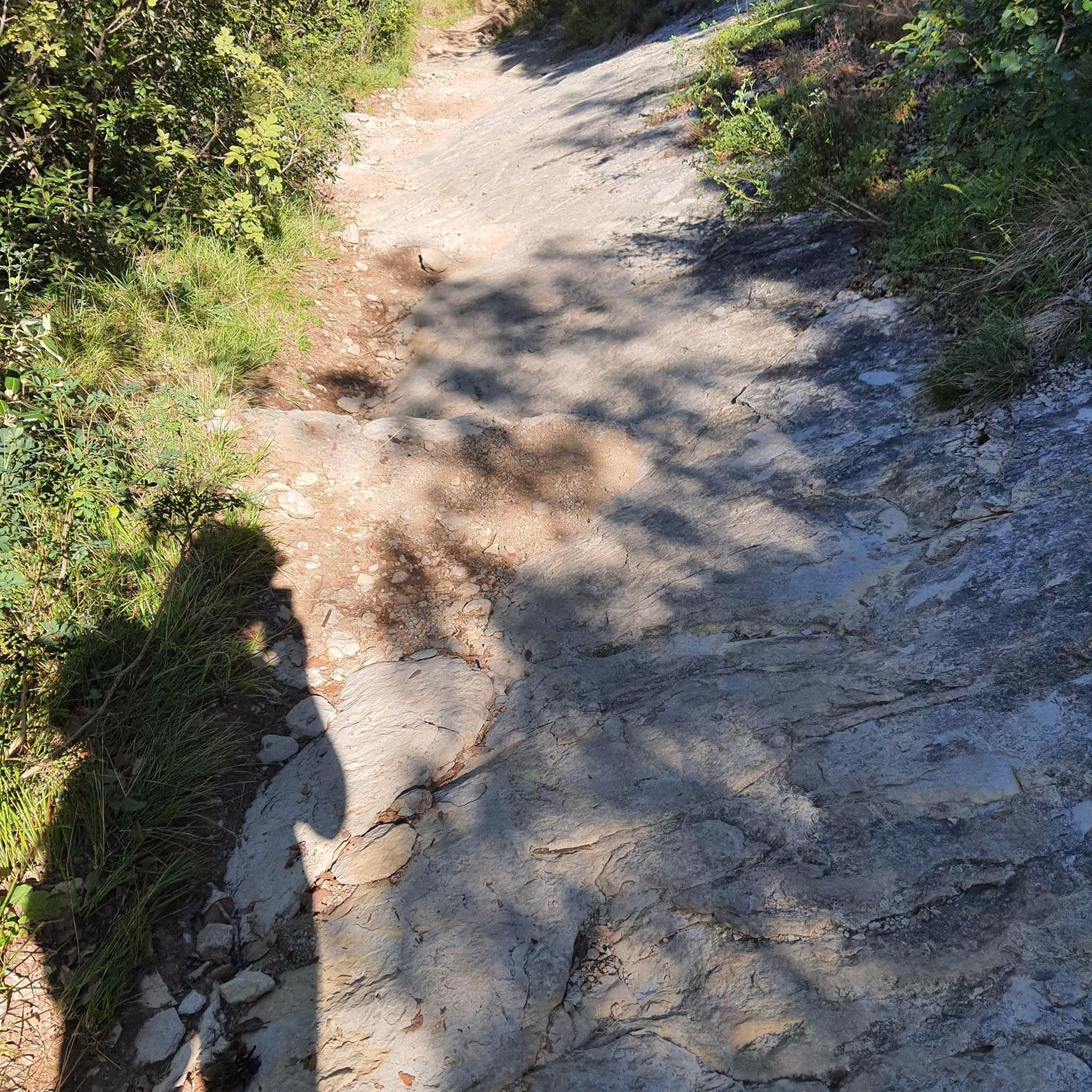
City hikes in Pineta Di San Vitale

City hikes in Pineta Di Classe
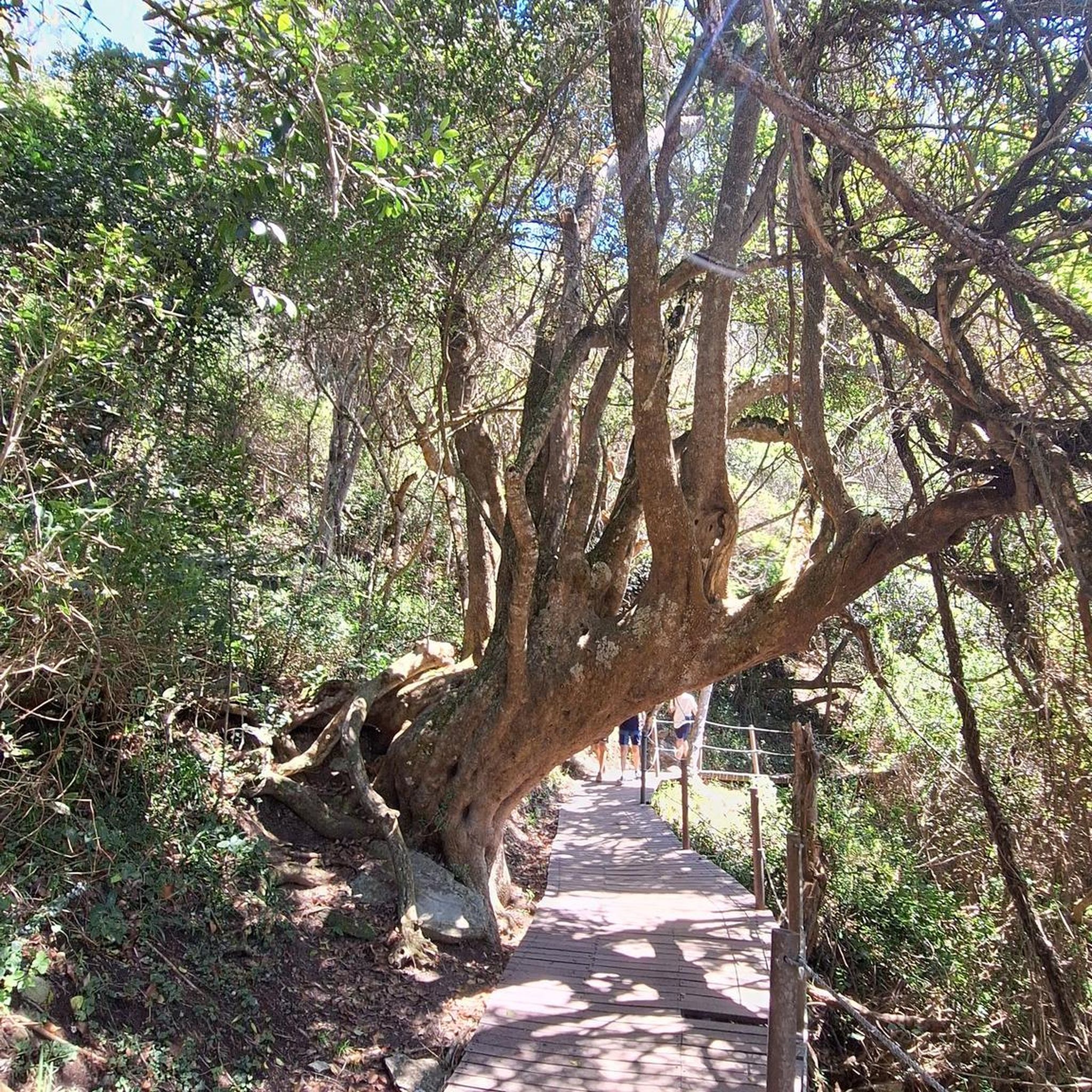
City hikes around Oasi di Punte Alberete

City hikes around Pineta di Cervia

City hikes around Parco regionale della Vena del Gesso Romagnola

City hikes around Parco regionale Vena del Gesso Romagnola
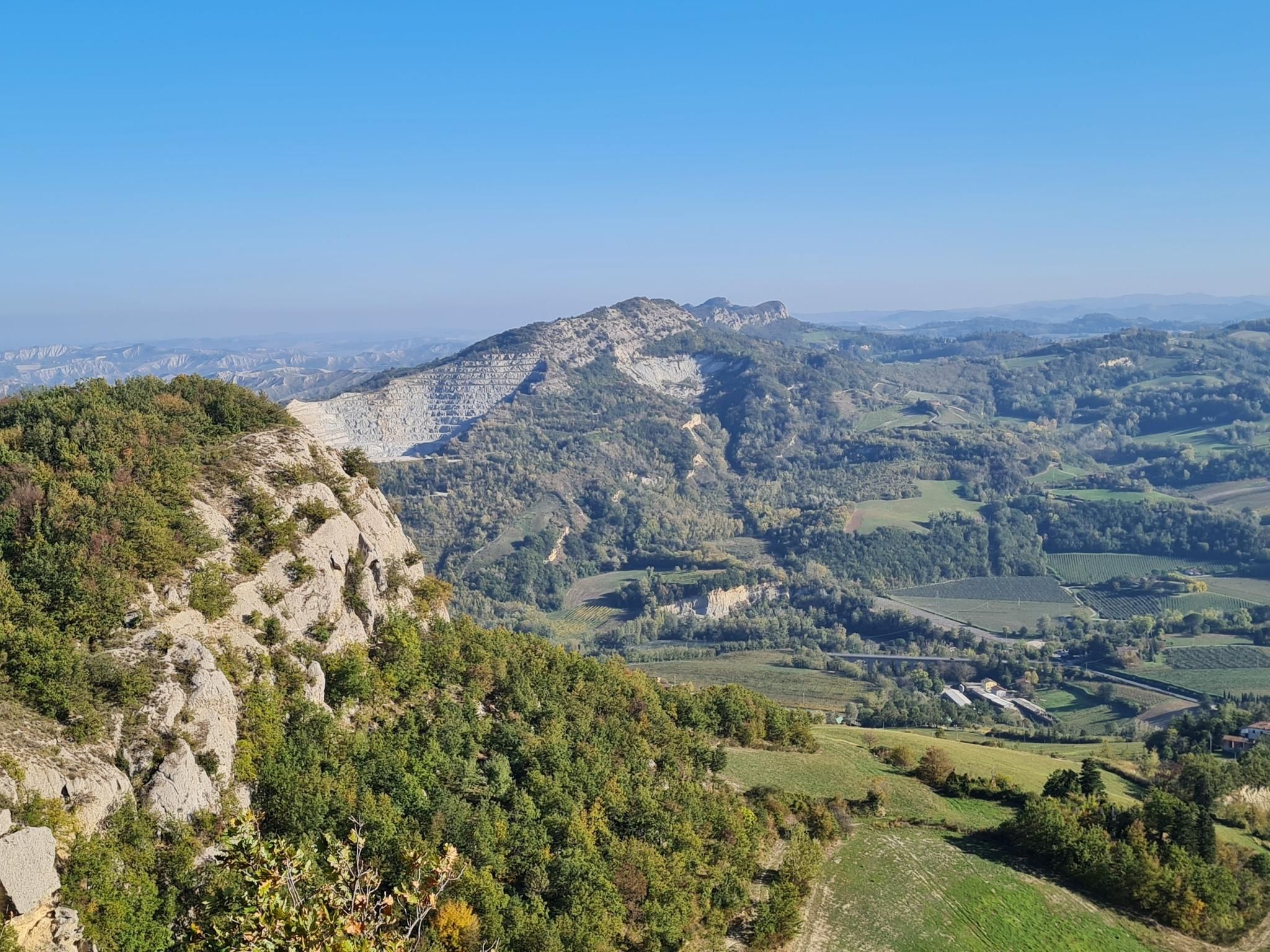
Lake Brasimone to Marradi – Alta Via dei Parchi (part 3)
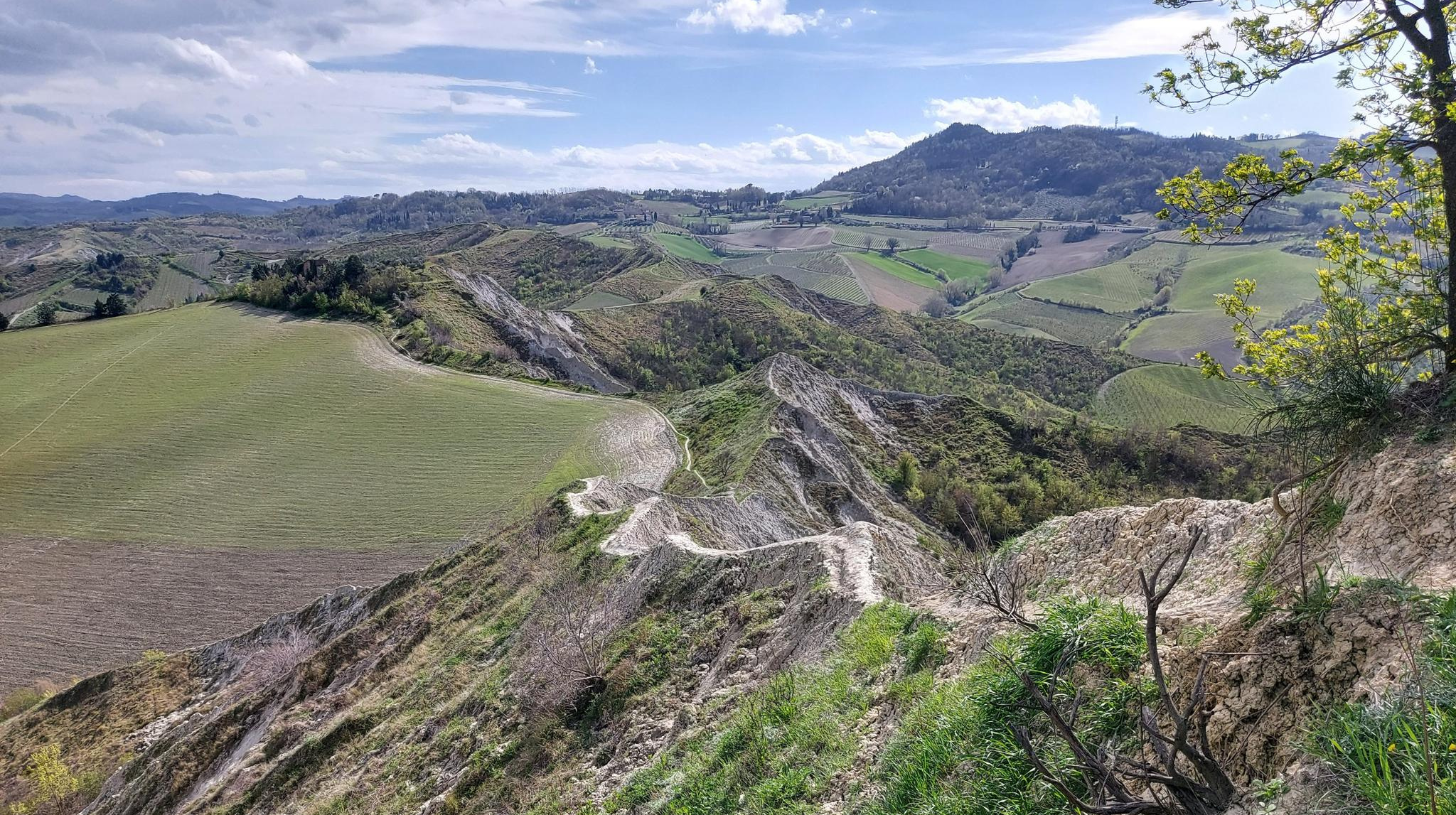
Walk from Bologna to Faenza – Via dei Gessi e dei Calanchi
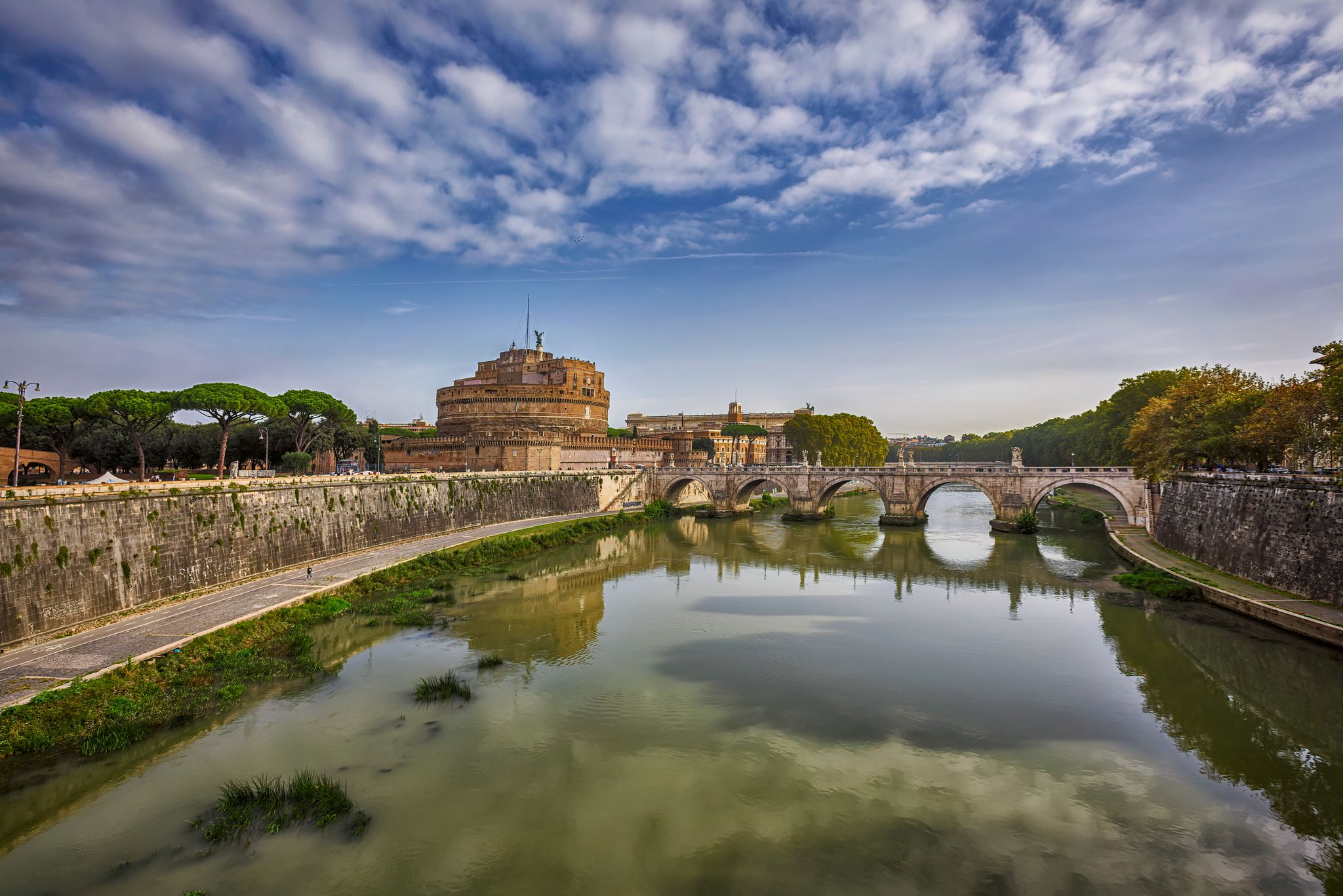
All roads lead to Rome – Romea Tiberina Cycleway
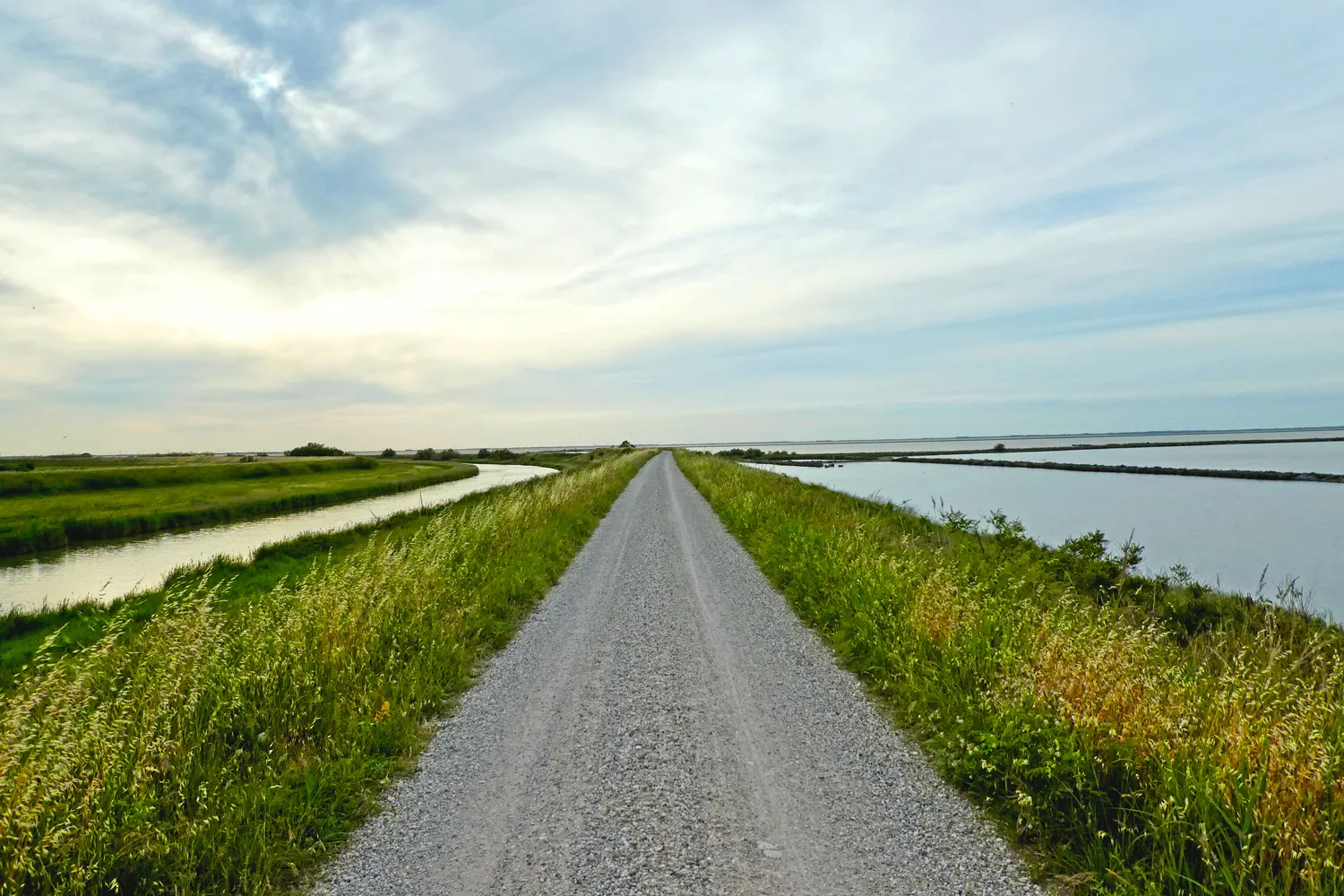
From Bologna to Rimini – the way of the sea
Other adventures in Ravenna


Tips from the Community

Built at the beginning of the 6th century AD at the behest of the Ostrogothic king Theodoric the Great, it was initially conceived as the Arian church of the royal palace. After the Byzantine reconquest, it was reconsecrated to Catholic worship and dedicated to Saint Apollinaris. It is called "Nuovo" (New) to distinguish it from the older Basilica of Sant'Apollinare in Classe, which already existed outside the city: it was therefore the "new" church compared to the previous one. The interior is famous for the large mosaics in the naves: on one side the processions of martyrs, on the other those of virgins, among the most extensive mosaic testimonies of the late antique world. It is part of the eight early Christian monuments of Ravenna inscribed on the UNESCO World Heritage list.
1
0
It is the square overlooked by the Cathedral of Ravenna, the city's religious center since the early Christian era. The area took on its current configuration between the 18th and 19th centuries, when the spaces around the episcopal buildings were reorganized. In the center of the square stands the Column of the Virgin Mary, a devotional element erected as a sign of protection for the city. At the top is a statue of the Madonna, a religious and historical reference symbol for the community of Ravenna.
1
0
The Domus dei Tappeti di Pietra is one of the most important Italian archaeological sites discovered in recent decades, inaugurated in 2002. It is located beneath the 18th-century Church of Santa Eufemia, about 3 meters deep. It preserves a Byzantine residence from the 5th-6th century AD, composed of 14 rooms with mosaic floors and polychrome marbles, belonging to a high-level private building. The mosaics feature geometric, floral, and figurative decorations, including the "Dance of the Geniuses of the Four Seasons" and a particular version of the "Good Shepherd". The archaeological area also shows the superposition of two buildings originally separated by a Roman road, still partially visible, and allows observation of the different construction phases through elevated walkways. The site has received important awards, including the Bell’Italia Award in 2004 and the Francovich Award in 2017.
1
0
The Basilica of San Vitale was built in the 6th century AD during the reign of Emperor Justinian, it is one of the greatest examples of Byzantine architecture and art in Western Europe. The interior is famous for its golden and luminous mosaics, among the most important in the Byzantine world, depicting Emperor Justinian and Empress Theodora with their retinue. The structure has an octagonal plan, a symbol of perfection and the link between earth and sky. It is part of the eight early Christian monuments of Ravenna inscribed on the UNESCO World Heritage list. It was begun under Ostrogothic rule and completed after the Byzantine reconquest of the city, thus reflecting the transition between two very different political and cultural worlds. The interior is built with a typical Byzantine technique that creates an effect of "expanded space", where walls and surfaces almost completely dissolve into the mosaics. The apse is one of the most important points: here Justinian is represented not as a simple emperor, but as a representative of sacred power, together with Bishop Maximian. The basilica is also connected to the nearby Mausoleum of Galla Placidia, sharing the same historical period and the same artistic language, although with different functions.
0
0
The Church of Santa Maria del Suffragio was built in the 18th century in the Baroque style. The building has an octagonal plan and features a richly decorated interior, with stuccoes and frescoes typical of the era. The church is linked to the Confraternity of Suffrage, which was involved in charitable works and prayers for the souls of the deceased. Today it is one of the most important examples of the city's Baroque architecture.
1
0
Ravenna is a city with one of the richest UNESCO heritages in Europe: it has 8 recognized sites, a very high number compared to many entire countries. For comparison, Norway has only 8 in total, and several European states have even fewer. The city is especially famous for its early Christian and Byzantine mosaics, preserved in monuments such as the Basilica of San Vitale and the Mausoleum of Galla Placidia. It was the capital of the Western Roman Empire and then an important Byzantine center, a role that has left a unique artistic legacy. It is also linked to the figure of Dante Alighieri, who spent the last years of his life there and is buried in the city.
1
0
Dante's Tomb is located in the historic center of Ravenna, next to the Basilica of San Francesco. It is the monument that houses the remains of Dante Alighieri, transferred to Ravenna in 1321 after his death. The current tomb is a small neoclassical temple built in the 18th century by the architect Camillo Morigia. Outside, there is a simple commemorative area with a votive lamp powered by oil donated each year by the city of Florence. The place is one of the main sites linked to the memory of the poet of the Divine Comedy.
0
0

The two Venetian columns in Piazza del Popolo with their Renaissance bases by Pietro Lombardo are striking examples of Italian Renaissance sculpture and bas-relief, unfortunately in a poor state of conservation.
0
0
Frequently Asked Questions
How many urban hiking trails are available in Ravenna?
Ravenna offers a wide variety of urban hiking experiences, with over 200 trails available. These range from easy strolls through the historic city center to more moderate walks exploring the immediate surroundings.
What kind of terrain can I expect on urban hikes in Ravenna?
Urban hikes in Ravenna primarily feature flat terrain, making them accessible for most fitness levels. You'll find paved paths through the historic city center, gravel trails in city parks like Parco Teodorico, and shaded dirt paths in the nearby pine forests such as the Pineta di San Vitale. Some routes may also skirt along canals or wetlands, offering diverse natural landscapes close to the city.
Are there easy urban hikes suitable for beginners in Ravenna?
Yes, Ravenna is excellent for beginners, with 176 easy urban hikes. Many routes explore the city's flat historic core, allowing you to discover its UNESCO World Heritage sites at a relaxed pace. A great example is the Basilica of St. Francis – Piazza del Popolo loop from Ravenna, which is an easy and rewarding walk.
What are some notable landmarks or attractions I can see on urban hikes in Ravenna?
Ravenna's urban hikes often weave through its rich historical tapestry. You can explore ancient mosaics, basilicas, and monuments. For instance, the Basilica of San Vitale – Ravenna Cathedral loop from Ravenna takes you past two of the city's most iconic religious sites. Other routes might lead you to the impressive Theodoric's Mausoleum or through charming squares like Piazza del Popolo.
Are there any circular urban hiking routes in Ravenna?
Yes, many urban hikes in Ravenna are designed as convenient loops, allowing you to start and end at the same point without retracing your steps. Examples include the Piazza del Popolo – Ravenna Historic Centre loop from Ravenna, which offers a comprehensive tour of the city's heart, or the Porta Serrata – Volksplein loop from Ravenna.
What do other hikers enjoy most about urban hiking in Ravenna?
The komoot community highly rates urban hiking in Ravenna, with an average score of 4.5 out of 5 stars from over 2,100 reviews. Hikers often praise the unique blend of historical exploration and accessible natural beauty, highlighting the well-maintained paths and the opportunity to discover hidden corners of this ancient city.
Are urban hikes in Ravenna suitable for families with children?
Absolutely! Many urban hikes in Ravenna are family-friendly due to their flat terrain and relatively short distances. Routes through city parks or the historic center are ideal for children, offering plenty of sights and open spaces. The presence of numerous cafes and gelato shops along the way also makes for pleasant breaks.
Can I bring my dog on urban hikes in Ravenna?
Yes, many urban areas and parks in Ravenna are dog-friendly, provided your dog is kept on a leash. The city's numerous green spaces, such as Parco Teodorico, and the paths through the pine forests like Pineta di San Vitale, offer excellent opportunities for walks with your canine companion. Always remember to clean up after your pet.
What is the best time of year for urban hiking in Ravenna?
Spring (April-May) and Autumn (September-October) are generally the best times for urban hiking in Ravenna. The weather is mild and pleasant, ideal for exploring the city's outdoor attractions without the intense heat of summer or the chill of winter. These seasons also offer beautiful natural scenery, especially in the nearby pine forests and wetlands.
Are there urban hikes that offer views of Ravenna's natural surroundings?
While Ravenna's urban hikes are primarily city-focused, some routes extend to areas that offer glimpses of the region's unique natural landscapes. For example, the Theodoric's Mausoleum – Anchorage on the Canale Candiano loop from Ravenna brings you closer to the Canale Candiano, providing a different perspective of the city's connection to its waterways and the surrounding Po Delta Park.
Is public transport or parking available for accessing urban trails in Ravenna?
Ravenna's city center is very walkable, and many urban trails start directly from central locations like Piazza del Popolo, making them easily accessible on foot. For those arriving by car, there are several paid parking lots around the city center. Ravenna also has a good public transport network, including buses, which can take you to various starting points for urban and suburban trails.
Most popular routes in Ravenna
Most popular attractions in Ravenna

Get inspired with the komoot mobile app


Didn’t find what you were looking for?
Check out more Hikes throughout Ravenna below and find the perfect route in your destination.
Explore more
Browse the best Hikes in other regions.
