The best city hikes and walks in Nuoro
4.4
(14989)
70,458
hikers
24
hikes
Urban hiking trails in Nuoro are characterized by the city's position within Sardinia's rugged central landscape. The city is situated near Monte Ortobene, a granite mountain offering views and diverse plant life, with valleys and unique rock formations. The region features a mix of urban pathways and routes that extend into the immediate natural surroundings, providing varied terrain for exploration.
Best urban hiking trails in Nuoro
- The most popular urban hiking route is Cammino di Santu Jacu: Anello del Centro…
Last updated: July 11, 2026
1
hikers
2.31km
00:37
20m
20m
Easy hike. Great for any fitness level. Easily-accessible paths. Suitable for all skill levels.
4.6
(9)
38
hikers
Easy hike. Great for any fitness level. Easily-accessible paths. Suitable for all skill levels.

Sign up for free
1.0
(2)
9
hikers
6.76km
01:46
50m
50m
Easy hike. Great for any fitness level. Easily-accessible paths. Suitable for all skill levels.
5.0
(1)
13
hikers
Easy hike. Great for any fitness level. Easily-accessible paths. Suitable for all skill levels.
3.5
(2)
16
hikers
8.95km
02:18
40m
40m
Moderate hike. Good fitness required. Easily-accessible paths. Suitable for all skill levels.
Get access to more routes and recommendations from other explorers.
Sign up for free
Already have an account?
Our route recommendations are based on thousands of hikes, rides, and runs completed by other people on komoot.
Start today with a free account
Your next adventure awaits.
Login or Signup
Popular around Nuoro
City hikes in Monte Ortobene

City hikes in Supramonte Di Oliena, Orgosolo E Urzulei - Su Sercone
City hikes around Gennargentu National Park
City hikes around Stagno di Tortoli
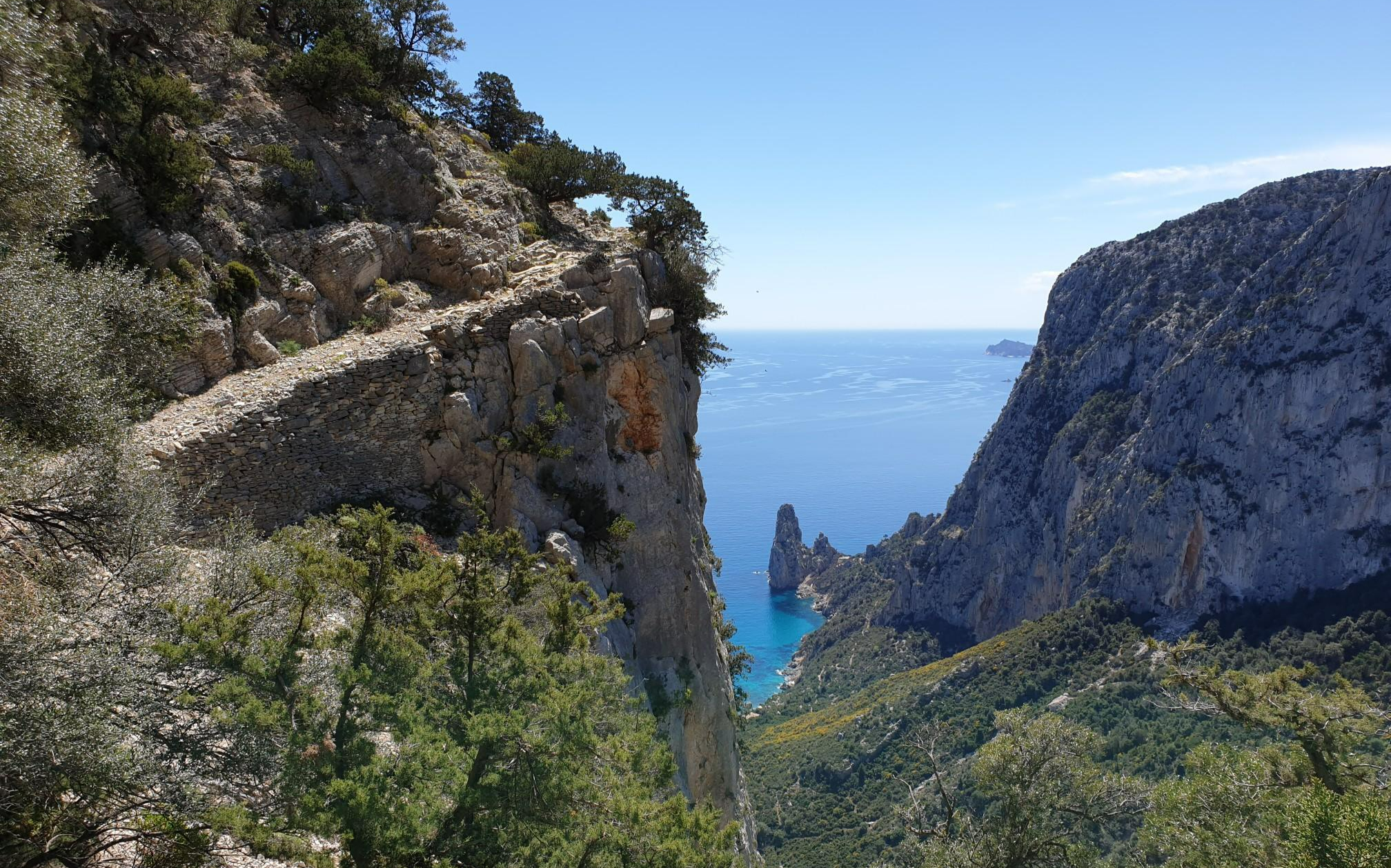
Wild Blue - an adventure overlooking the sea
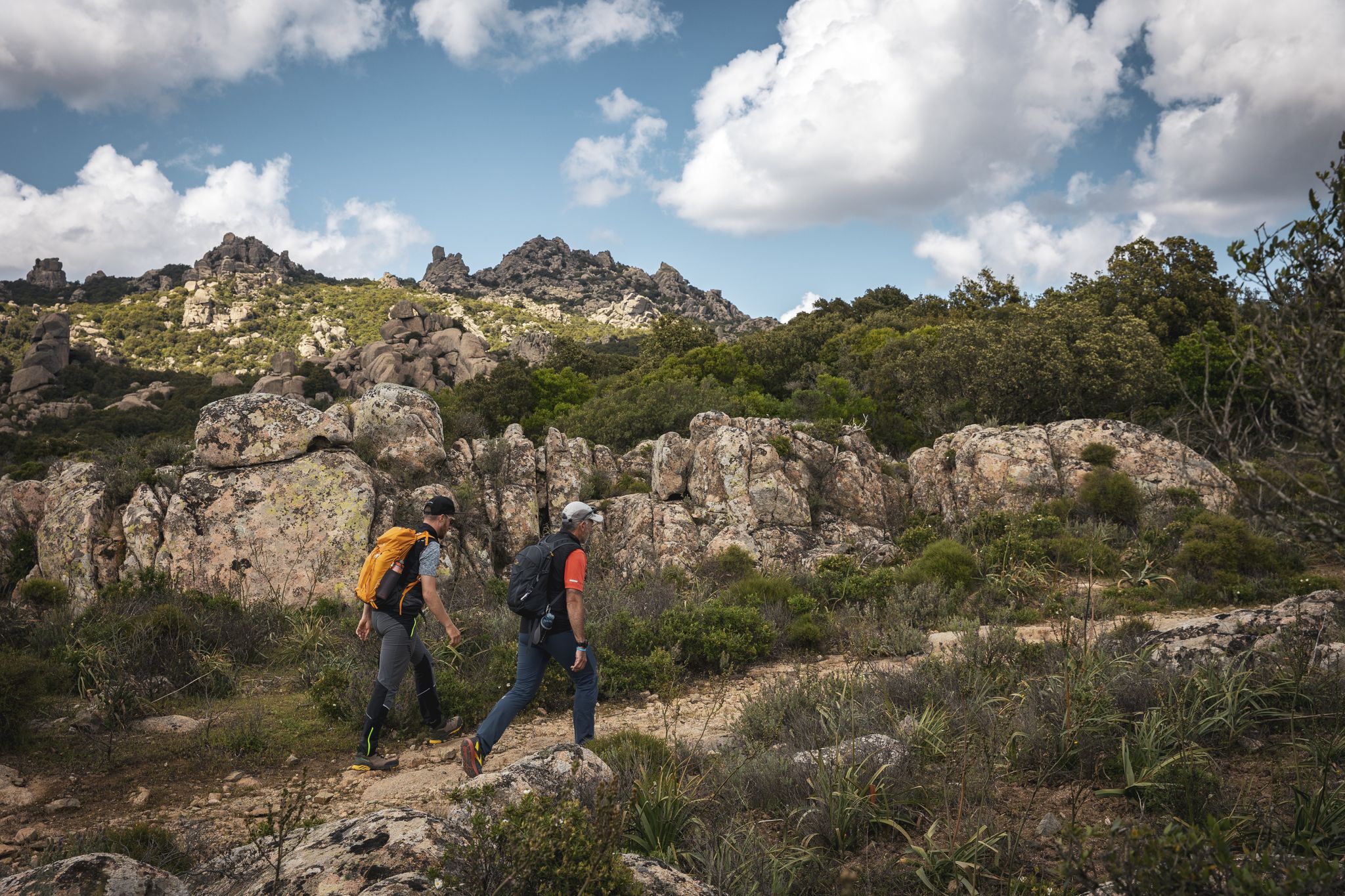
Eternal Sardinia – walks among the wonders of the hinterland
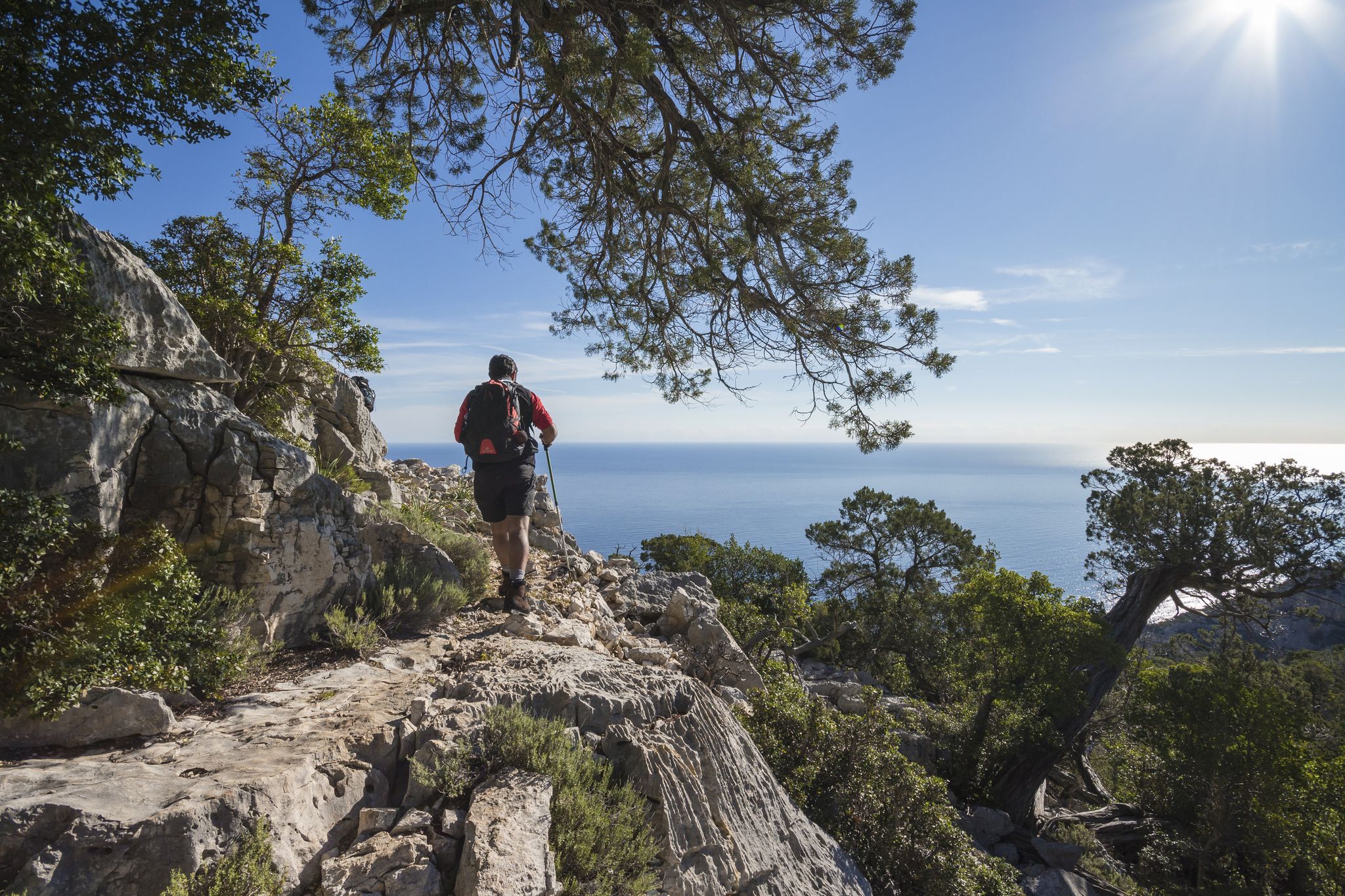
Magnificent Sardinia – day hikes overlooking the sea
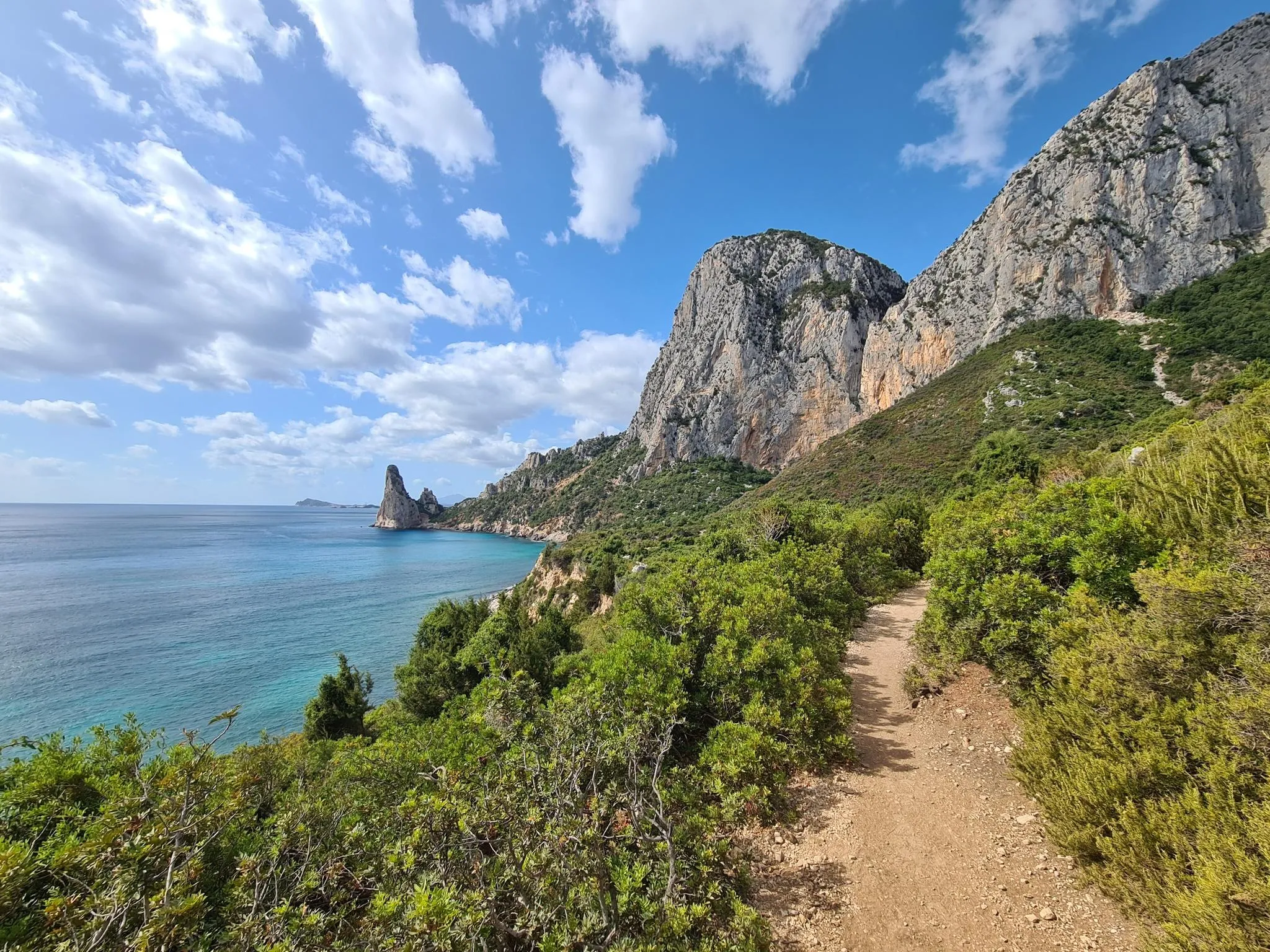
Discover Sardinia on the Via Ogliastra – Cammino 100 Torri
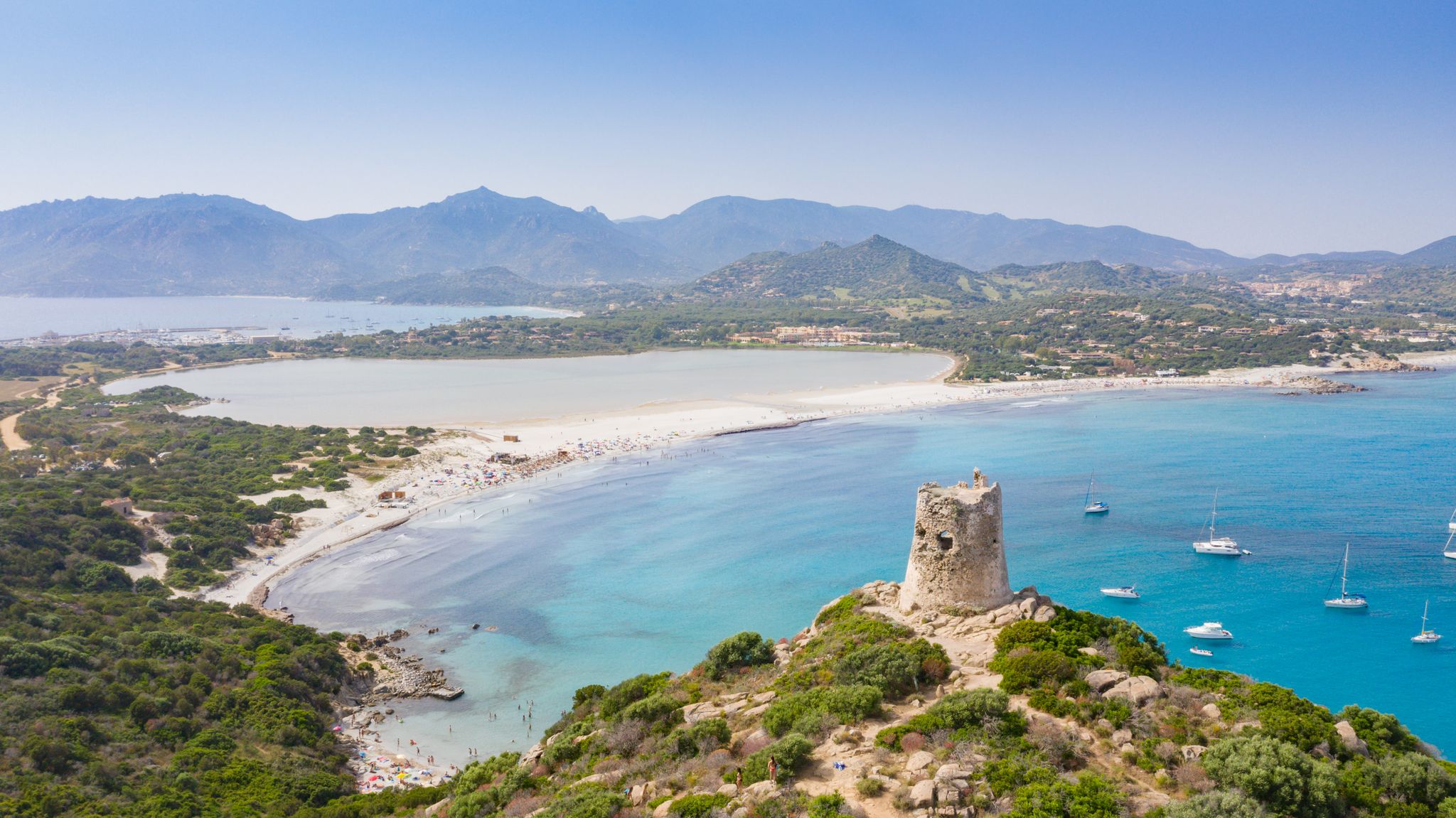
Villasimius to Arbatax along the Via Sarcapos - Cammino 100 Torri
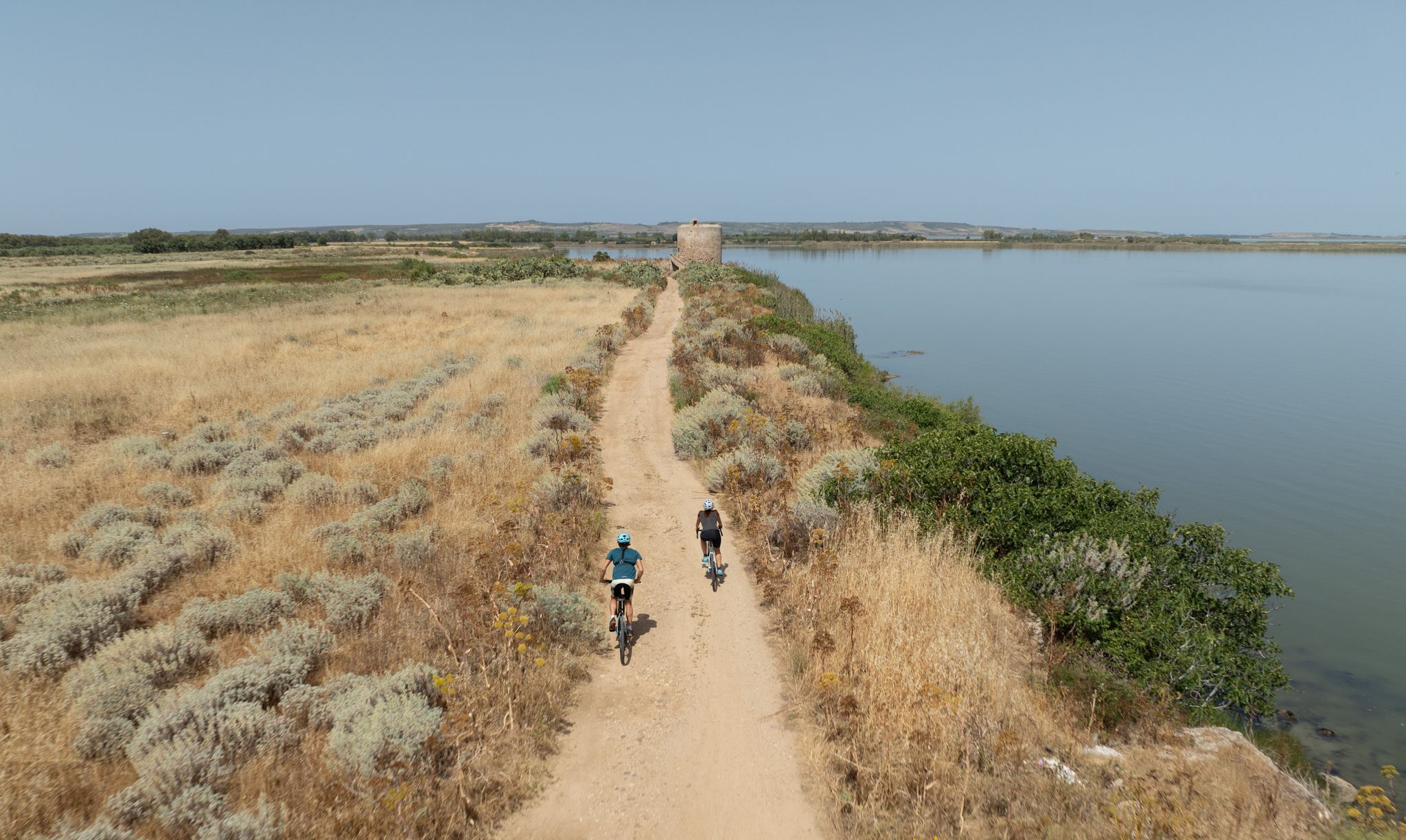
Discover wild Sardinia – 10 superb MTB Tours
Other adventures in Nuoro


Tips from the Community

The church is locked and can only be viewed from the outside
0
0

In the diary of his pilgrimage on the Way of St. James, which was published later, the German entertainer Hape (Hans-Peter) Kerkeling also writes about the meditative experience of praying the Rosary together, which he experienced himself in the “grandiose village church, which has the makings of a cathedral” of Castildelgado (Castile). Under the date June 21, 2001, he notes: “I simply must see the only tourist attraction in town! (…) She is all the more pleased that I want to see the jewel of Castildelgado and accompanies me inside. Our tour quickly ends in front of the altar, and so the woman asks me to take a seat in one of the wonderfully cool pews. Gradually, other people enter the church. The older lady begins to pray the rosary. The monotonous chanting has a calming effect, and the constantly repeating lament gives strength, security, and peace! So, after I can recite the words along with her, I join in the mantra…” (Hape Kerkeling in “I’m Off Then: My Journey on the Camino de Santiago”)
0
0

Séuna is the first Nuoro, the farmers' neighborhood. Satta depicts it as a "cluster of small, single-story houses," dirt courtyards enclosed by dry-stone walls, and "cassi" (small boxes) at the doorstep: an order born from disorder. In the center, the little Church of the Grazie: simple, rustic, almost a house like any other, surmounted by a pediment with a bell. Here, Satta places a crucial part of his popular chorus: the peasant-priest, the vegetable garden, the almsgiving, the minimal rites of a very poor but cohesive community. Séuna, he says, could be a seaside village "if there were a sea": instead, there is a merciless white light that splits the shadows of the courtyards and accompanies the funerals that, as they pass, force the "lords of Tettamanzi" to rise and uncover their heads. Strolling today through the narrow streets that climb toward the Corso means recognizing the material grammar of the novel: courtyards, gates, irregular paving stones. Stop in front of the church facade and look at the low houses: you'll understand why Satta, in his "balance sheets," makes Séuna the origin of the village and at the same time its limit—proud, industrious, poor. It's the necessary counterpoint to the city of courts, classrooms, and cafés.
0
0
The house on the corner of Via Angioy and Via Sebastiano Satta is the author's biographical and fictional fulcrum. Now owned by the diocese, it houses a residential community: a purpose consistent with the charitable legacy left to the Satta-Galfré family. In the novel, the building becomes the setting for a domestic sociology: the notary's upper-floor study, the ground-floor living room, the constant ascents and descents of stairs too solemn for a provincial home. Ahead, the dark palace of engineer Mannu: Satta makes it the reverse shot of his own home, describing a "capital" project descended upon a village that had "made itself" over the centuries. Don't miss the rear courtyards: Satta evokes them as a "series of courtyards" that end in a small vegetable garden, with an oleander hated by Donna Vincenza—minimal details that become domestic symbols (poison, obstinacy, time). The street door ("portoncino") is contrasted by the large portal facing the countryside, a metaphor for the two faces of the house and its inhabitants: one public, controlled; the other open to the wind and the crops. Passing by today, one understands how Satta's architecture is above all an architecture of memory.
0
0

The "Church of Souls" may look relatively old, but it was only built in the 18th century. It has a beautiful Baroque façade in the entrance area.
0
0

There are many churches to discover on a walk through Orosei.
1
0

Slightly "larger" city in the area
0
0

I recommend visiting this beautiful country.
0
1
Frequently Asked Questions
How many urban hiking trails are available in Nuoro?
Nuoro offers a good selection of urban hiking trails, with over 20 routes available. These range from easy strolls through the city center to more moderate explorations of its surroundings.
Are there easy urban hikes suitable for beginners in Nuoro?
Yes, Nuoro is very welcoming for beginners, with 17 easy urban hiking routes. A great option is the Cammino di Santu Jacu: Anello del Centro di Nuoro, which offers a pleasant walk through the city's heart.
What kind of sights can I expect to see on an urban hike in Nuoro?
Urban hikes in Nuoro often blend historical charm with natural beauty. You can explore the city's pedestrian zones, discover historical sites, and enjoy views of the surrounding landscapes. For example, the Nuoro Pedestrian Zone – Birthplace of Salvatore Satta loop takes you through significant cultural spots.
Are there any urban walks that offer scenic viewpoints in Nuoro?
While Nuoro itself is inland, the region is known for its diverse terrain. Many urban routes provide glimpses of the surrounding mountains like Monte Ortobene, which offers panoramic views stretching to the Gennargentu mountains and the Gulf of Orosei. Look for routes that ascend slightly within the city for the best vantage points.
Can I find circular urban walks in Nuoro?
Absolutely. Many of Nuoro's urban hiking trails are designed as loops, allowing you to start and end in the same location without retracing your steps. The Church of St. James the Greater – Orosei Historic Centre loop from Orosei is a good example of a circular route exploring a historic urban area.
What do other hikers enjoy most about urban hiking in Nuoro?
The komoot community highly rates the hiking experiences in Nuoro, with an average score of 4.44 stars from over 11,900 ratings. Hikers often praise the unique blend of cultural exploration within the city and the accessibility to the stunning natural landscapes that surround it.
Are there any urban trails that lead to interesting landmarks or attractions?
Yes, several urban trails in the Nuoro region connect you to notable landmarks. You might find routes that pass by historical sites like the Historic Center of Posada or religious buildings such as the Church of the Souls in Orosei. Some routes even offer views of coastal features like the San Gemiliano Tower.
What is the best time of year for urban hikes in Nuoro?
Nuoro's Mediterranean climate makes urban hiking enjoyable for much of the year. Spring (April-May) and autumn (September-October) offer pleasant temperatures and less crowded conditions. Summers can be hot, so early mornings or late afternoons are best if hiking during July and August.
Are there any moderate urban hiking options for those looking for a bit more challenge?
Yes, for those seeking a slightly more challenging urban experience, there are 4 moderate routes available. An example is the Port of Arbatax – Pedestrian and Cyclist Bridge loop from Arbatassa/Arbatax, which offers a longer distance and varied terrain within an urban coastal setting.
Can I find urban walks near the coast in the Nuoro province?
While Nuoro city is inland, its province extends to the beautiful Gulf of Orosei. You can find urban-adjacent walks in coastal towns within the province, such as the Arbatax Tower – Moresca Cove loop from Tortolì, which combines urban elements with stunning coastal views and natural features like Cala Fuili or Cala Luna.
Are there urban hiking trails in Nuoro that are family-friendly?
Many of the easy urban trails in Nuoro are suitable for families, offering manageable distances and relatively flat terrain. These routes are perfect for exploring the city's cultural sites and parks at a leisurely pace with children.
Most popular routes in Nuoro
Most popular attractions in Nuoro

Get inspired with the komoot mobile app


Didn’t find what you were looking for?
Check out more Hikes throughout Nuoro below and find the perfect route in your destination.
Explore more
Browse the best Hikes in other regions.
