The best traffic-free bike rides in Galicia
4.5
(142)
1,998
riders
181
rides
Gravel biking in Galicia offers diverse terrain, from rugged coastlines and rolling hills to deep river canyons and lush forests. The region features an extensive coastline with dramatic cliffs and serene estuaries, alongside mountainous inland areas with peaks typically ranging between 400-750 meters. River systems like the Sil and Miño carve impressive canyons, providing picturesque routes through vineyards and gorges. This varied landscape ensures a wide array of no traffic gravel bike trails suitable for different skill levels.
Best no…
Last updated: July 11, 2026
4.9
(7)
45
riders
51.3km
03:57
780m
780m
Hard gravel ride. Very good fitness required. Mostly paved surfaces. Suitable for all skill levels.
3.0
(1)
29
riders
44.6km
03:11
240m
240m
Moderate gravel ride. Good fitness required. Mostly paved surfaces. Suitable for all skill levels.

Sign up for free
4.0
(3)
29
riders
29.7km
02:21
400m
400m
Moderate gravel ride. Good fitness required. Mostly paved surfaces. Suitable for all skill levels.
4.5
(11)
88
riders
Moderate gravel ride. Good fitness required. Mostly paved surfaces. Suitable for all skill levels.
5.0
(1)
35
riders
90.7km
06:13
1,640m
1,630m
Hard gravel ride. Very good fitness required. Mostly paved surfaces. Suitable for all skill levels.
Get access to more routes and recommendations from other explorers.
Sign up for free
Already have an account?
Our route recommendations are based on thousands of hikes, rides, and runs completed by other people on komoot.
Start today with a free account
Your next adventure awaits.
Login or Signup
Popular around Galicia
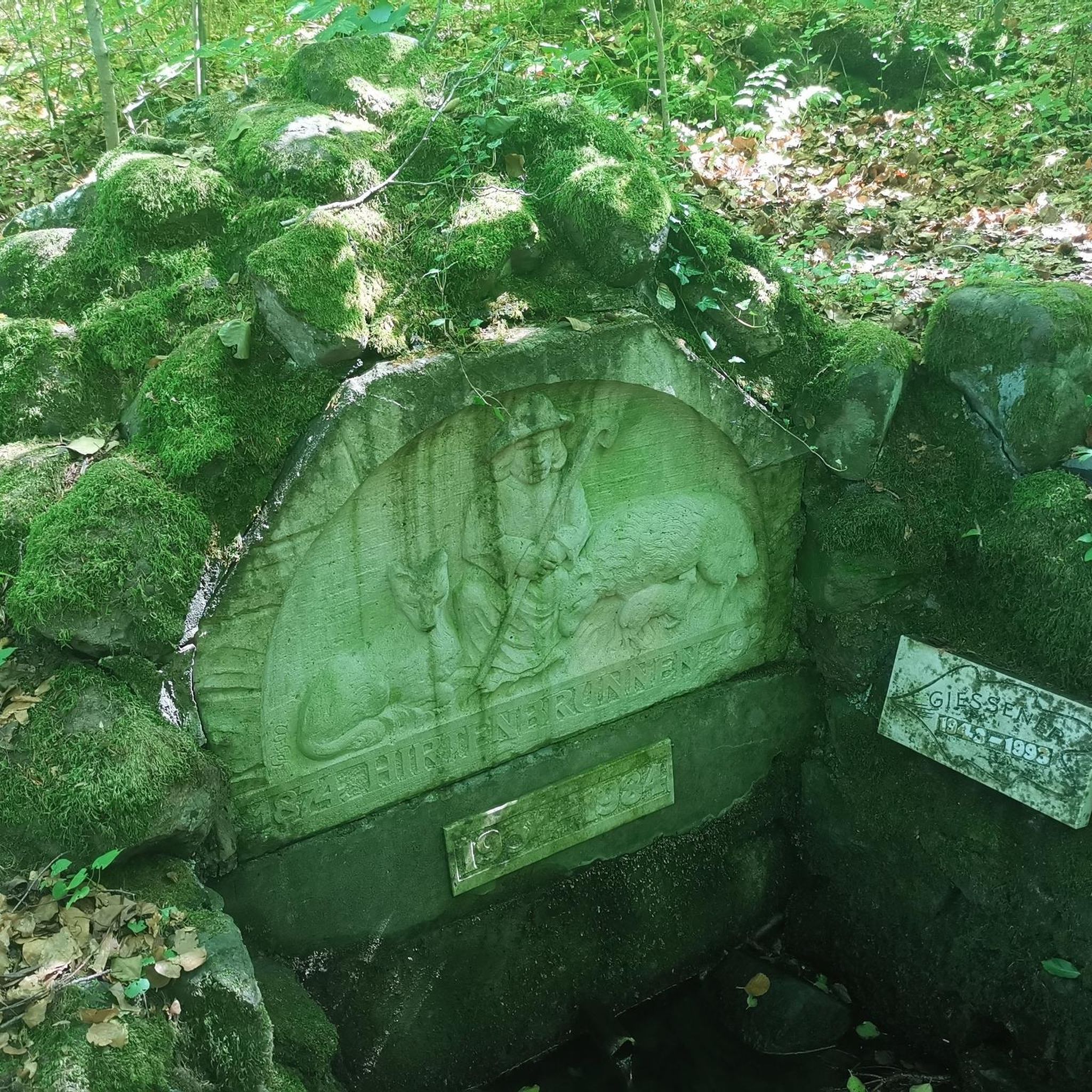
Traffic-free bike rides in Pontevedra
Traffic-free bike rides in A Coruña
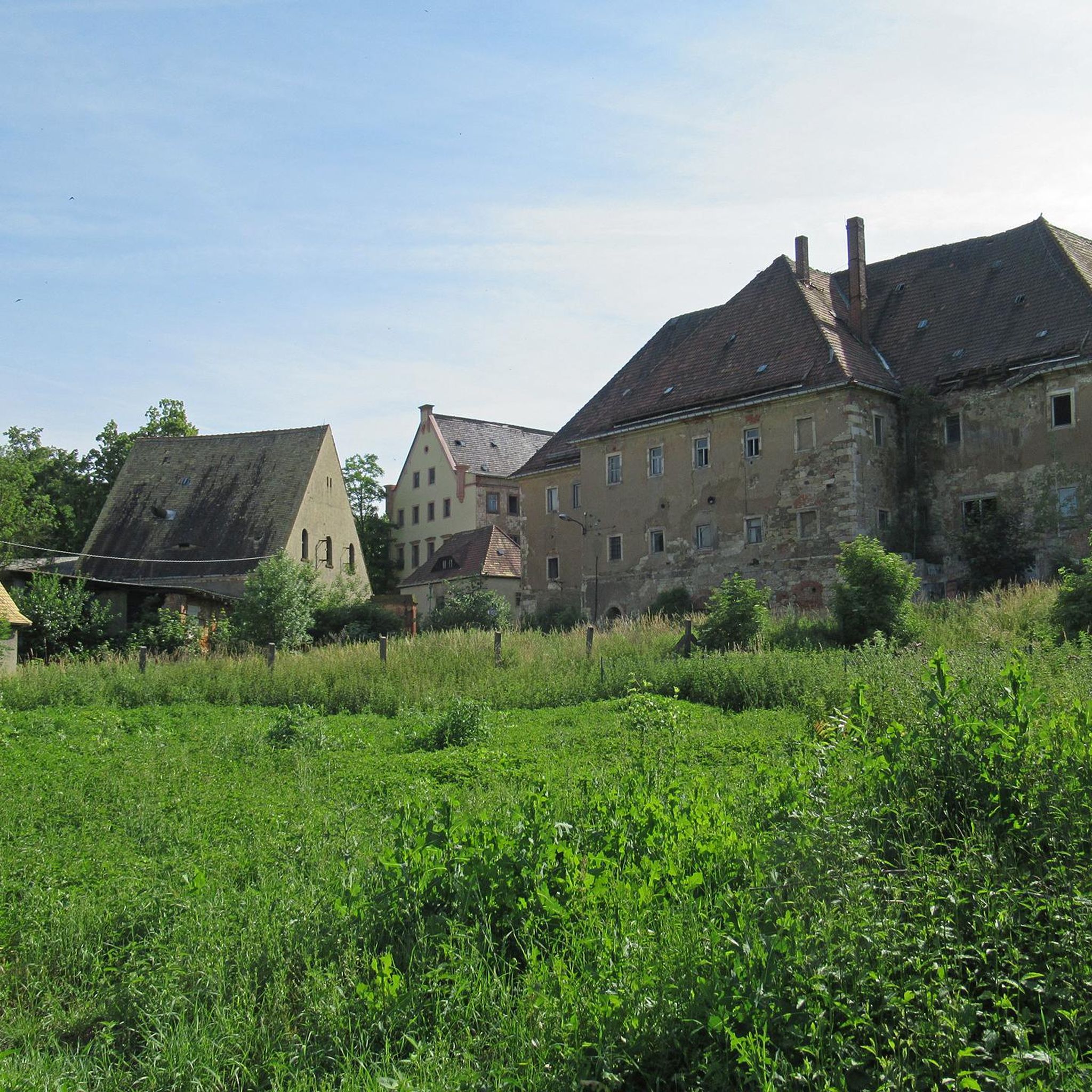
Traffic-free bike rides in Ourense

Traffic-free bike rides in Lugo
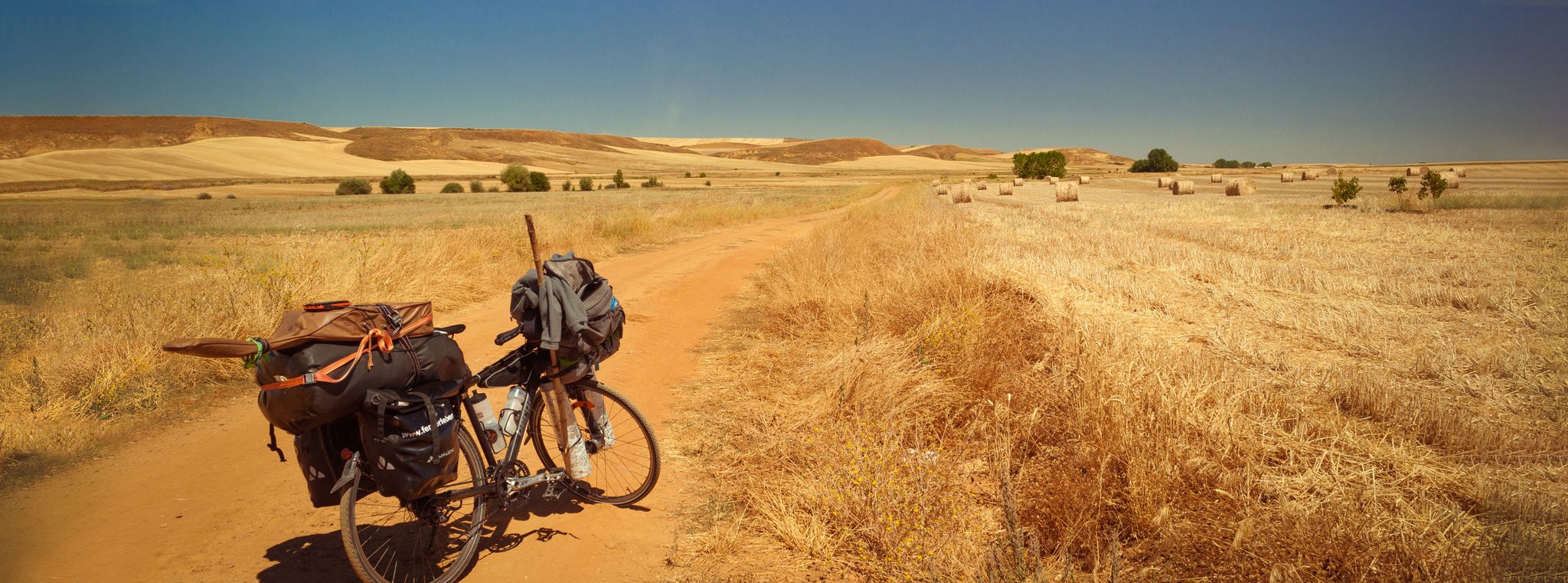
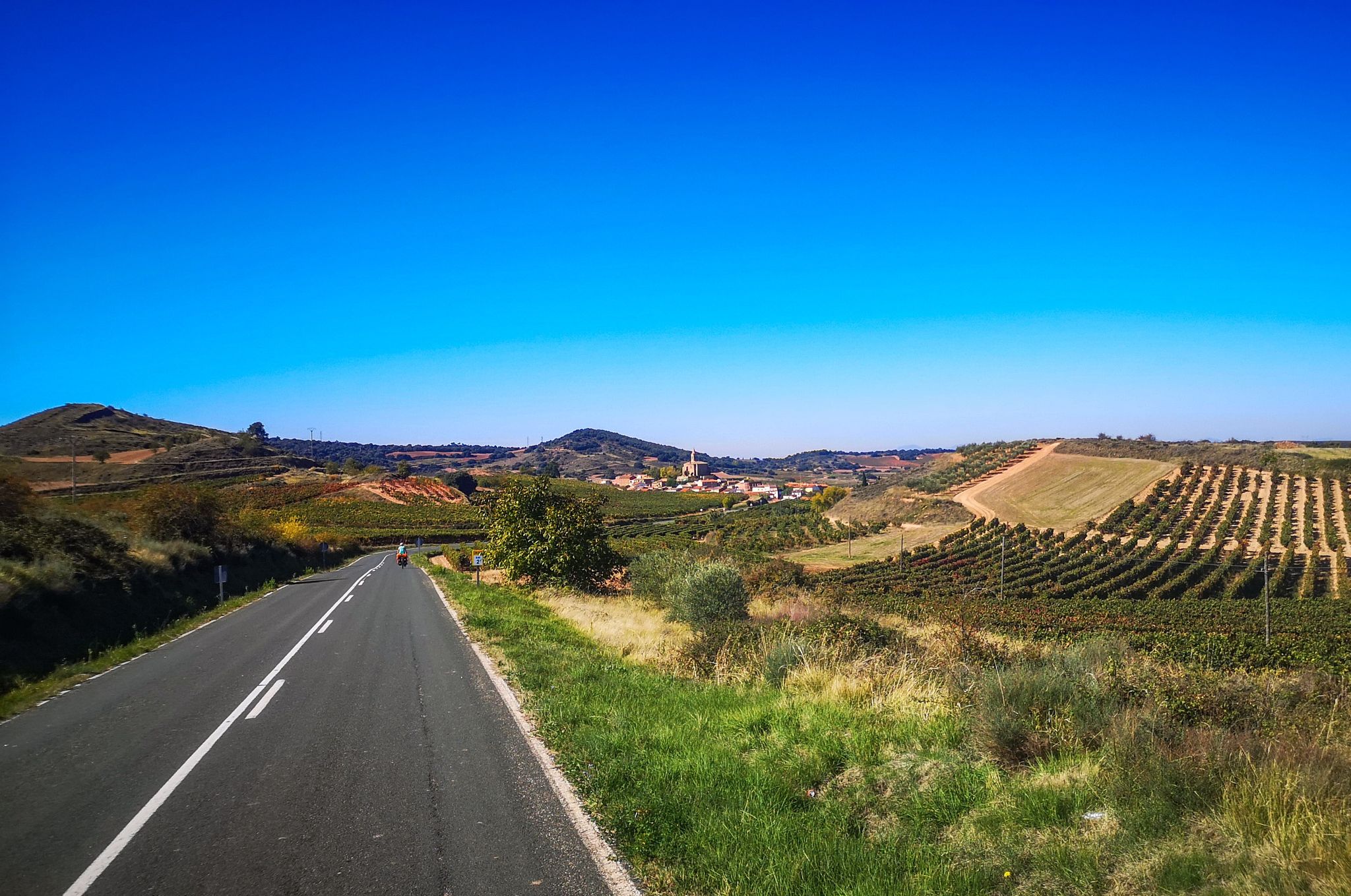
Camino Francés and Camino Finisterre – Cycling pilgrimages in Spain
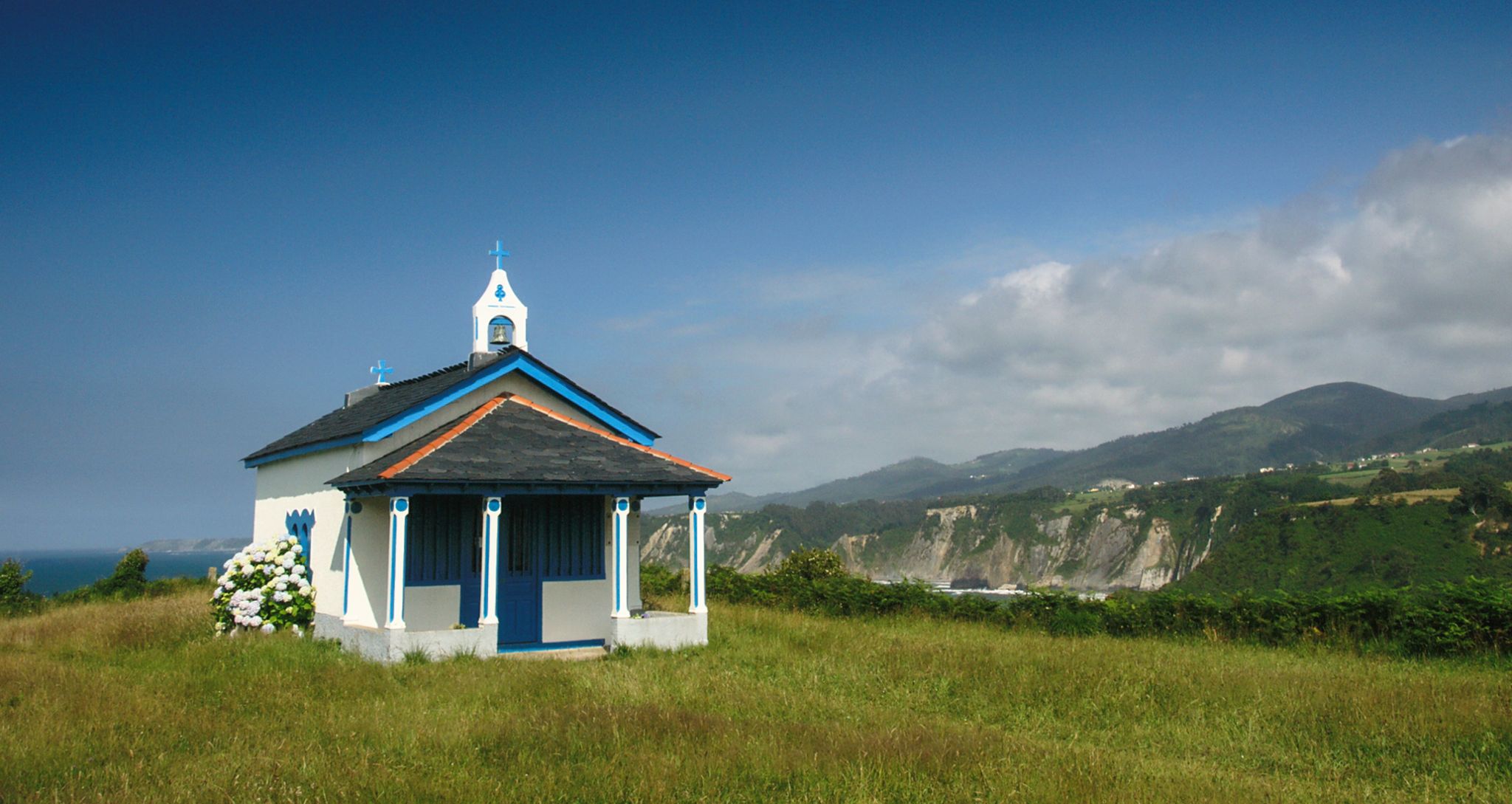
Santiago de Compostela – A journey through northern Spain (10 days)
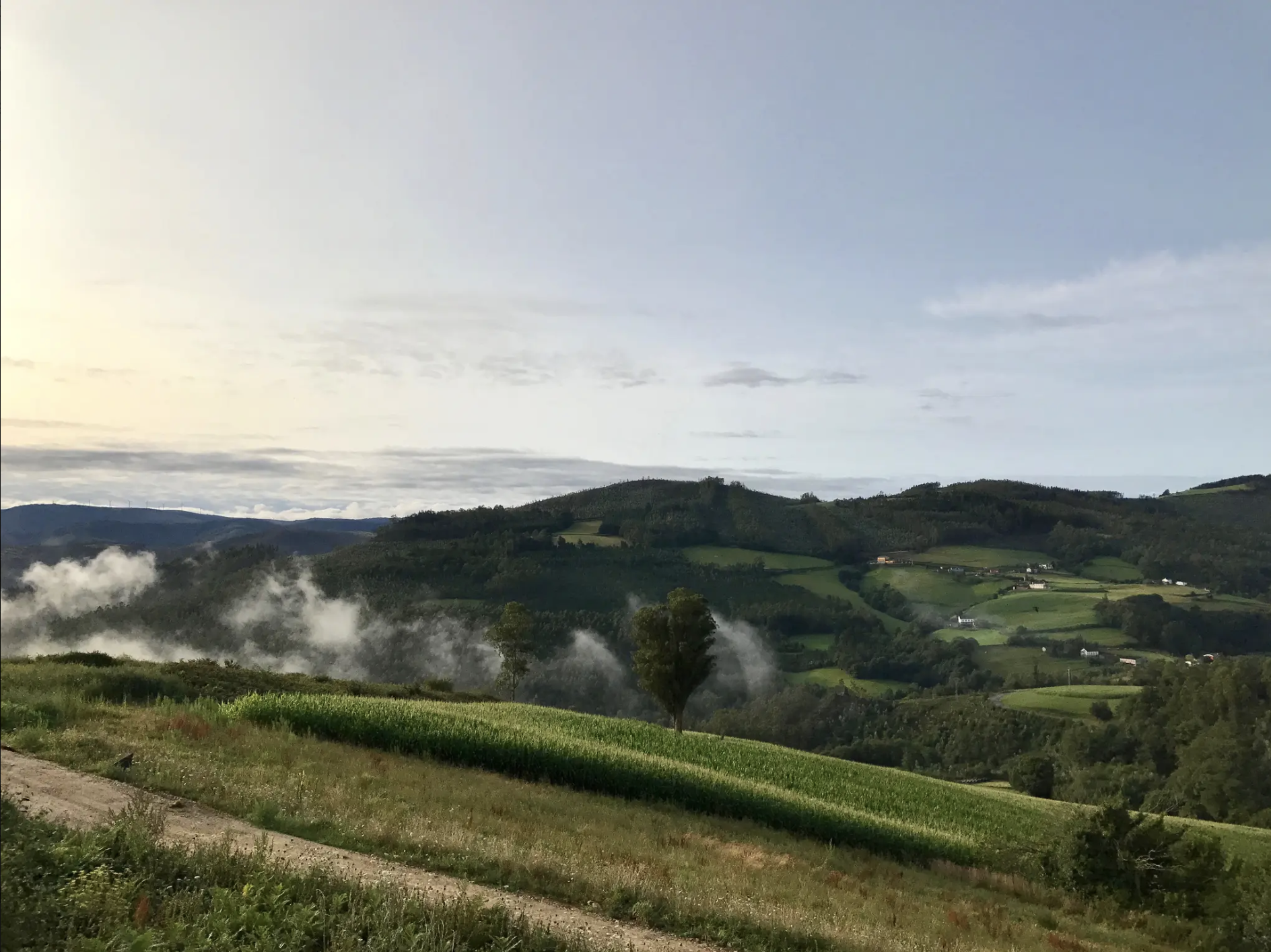
Camino del Norte – 15 stages
Camino del Norte (in reverse) – Discovering northern Spain's stunning coastline
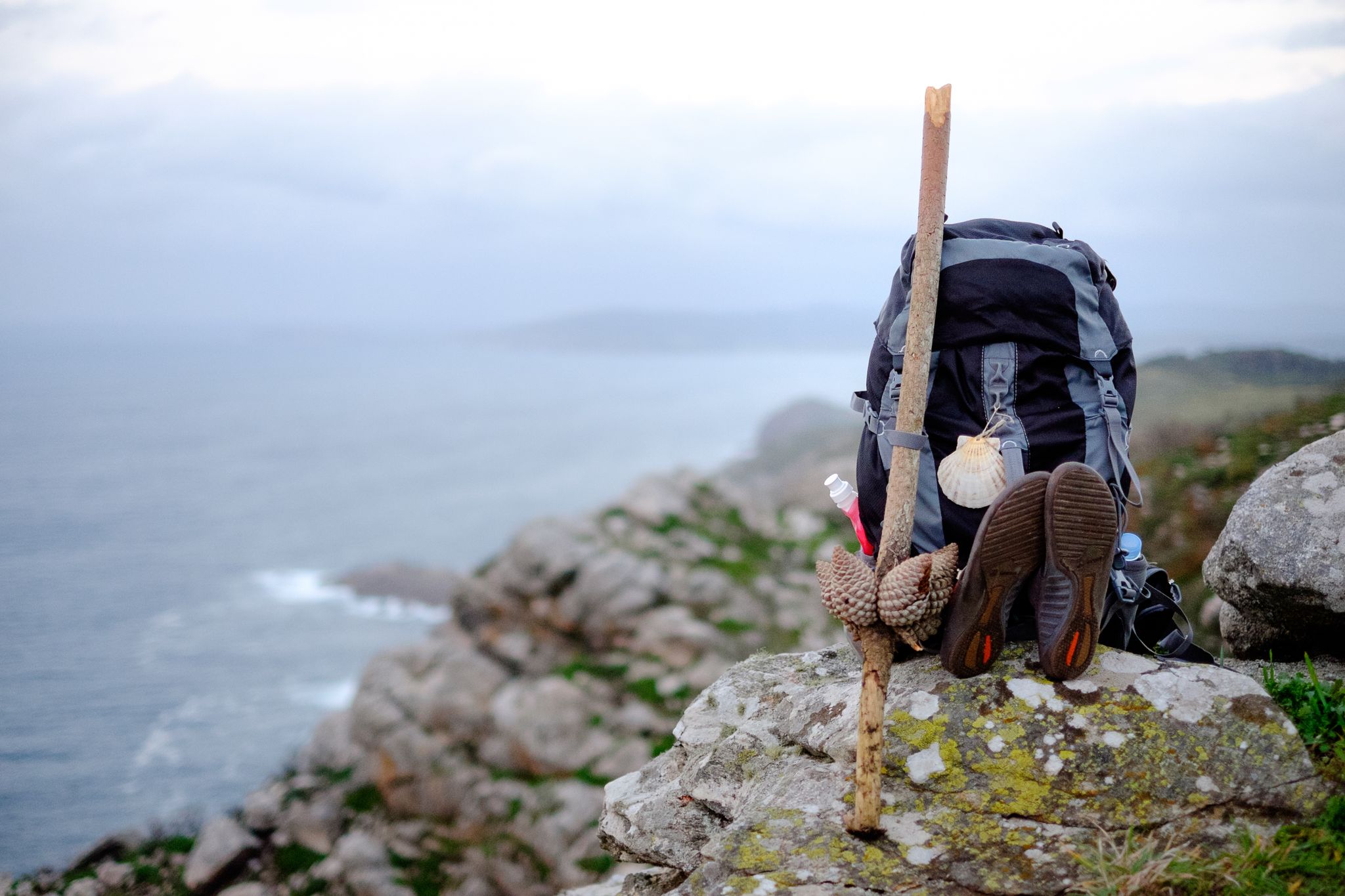
Way of St. James – 60 miles
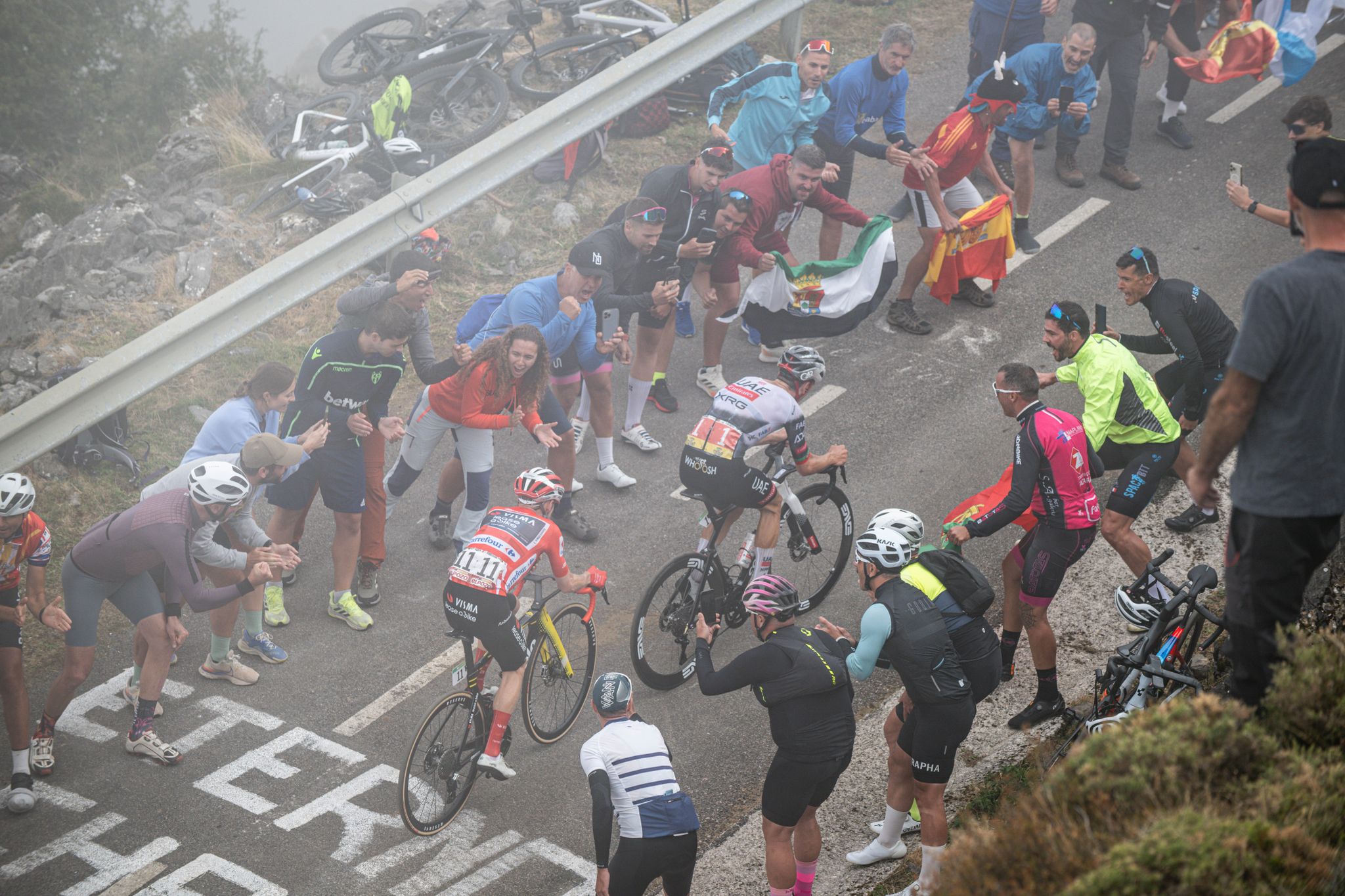
Mythical Passes and Sections of La Vuelta
Other adventures in Galicia


Tips from the Community


Along with the Pazo da Albariña manor house, the Pazo do Cotón stands out in the townscape. It is located on the Camino Real (Real Road) to Fisterra and was built between the 17th and 18th centuries. At the Porta da Capela, it spans the road with three arcades, and the upper wall is crenellated. The first settlements in the Negreira area were located at the strategically important ford over the Río Tambre, as well as on the main road to the coast (from Grandimirun, now Brandomil, to Aquis Celenis, now Caldas de Reis), and on the other hand, the riverside road along the Tambre, which connects the interior with the coastal region around Noia. Pre-Roman activities can be traced throughout the A Barcala area. The settlement of Nicraria Tamara is mentioned in Roman times, during which time silver mines were also exploited here. In 876, Negreira passed into the possession of the Compostelaan bishop Sisando by royal decree. In 979, Normans raided the Galician coast, and the town was wiped out. After the threat from the Normans and Moors was overcome, the town was rebuilt in 1113. The Catholic Monarchs granted the town a royal privilege known as the Fuero Real, which secured Negreira's independence from the Compostelaan archbishop. Charles V renewed the privilege in 1520.
1
0


My friends, the Burgo Bridge is not a Roman bridge, its origin is medieval and dates back to the twelfth century, please let's be serious with the information.
1
0

Fascinating medieval bridge with a nearby watermill that can be visited.
6
0
Frequently Asked Questions
How many no-traffic gravel bike trails are available in Galicia?
Galicia offers a wide selection of traffic-free gravel biking experiences, with over 150 routes available. While many are challenging, you'll find a good number of moderate options and a few easier trails perfect for a relaxed ride.
What kind of terrain can I expect on no-traffic gravel trails in Galicia?
Galicia's diverse landscape means you'll encounter everything from rugged coastlines and serene estuaries to rolling hills, river canyons, and lush forests. Expect a mix of quiet, well-maintained roads, dirt tracks, and even old railway lines converted into greenways. The region's mountainous terrain, with peaks typically between 400-750 meters, ensures varied elevation and stunning vistas.
What natural features or landmarks can I see along no-traffic gravel bike trails in Galicia?
Many routes offer access to Galicia's stunning natural beauty. You might encounter impressive river canyons in the Ribeira Sacra, ancient forests like Fragas do Eume, or dramatic coastal scenery. For specific natural highlights, consider visiting the unique Fisterra Lighthouse at Cape Finisterre, or the Compass Rose at the Tower of Hercules.
Are there any waterfalls accessible from these trails?
Yes, Galicia is home to several beautiful waterfalls that can be incorporated into your gravel biking adventures. Notable examples include the Barosa Waterfall and Mills, the Waterfall on the Senda del Agua, and the impressive Fervenza do Toxa Waterfall. The Ézaro Waterfall, where the Xallas river plunges directly into the Atlantic, is another spectacular sight in the region.
What is the best time of year for gravel biking in Galicia?
Galicia's Atlantic climate ensures mild temperatures year-round, making it suitable for cycling in any season. Summers are generally not too hot, and autumn brings beautiful warm hues to the landscape. While rain can be more frequent in cooler months, the mild conditions mean you can often find good riding days even in winter.
Are there any family-friendly no-traffic gravel routes?
Yes, while many routes are more challenging, you can find easier, traffic-free options suitable for families. Look for routes that utilize old railway lines, which often provide segregated paths through woodlands and alongside rivers, offering a safe and enjoyable experience for all ages. One such route is the Graffiti Under Río Mero Bridge – Cecebre Reservoir loop from O Burgo-Santiago, which is rated as easy.
Can I bring my dog on these gravel trails?
Many natural areas and trails in Galicia are dog-friendly, especially on leash. However, it's always best to check specific local regulations for each route or protected area you plan to visit, as rules can vary. Ensure your dog is well-behaved and that you carry waste bags to maintain the cleanliness of the trails.
What do other gravel bikers enjoy most about these trails?
The komoot community highly rates the gravel biking experience in Galicia, with an average score of 4.48 stars. Reviewers often praise the region's quiet, traffic-free roads, the stunning natural scenery ranging from coastal views to lush forests, and the respectful attitude of locals towards cyclists. The diverse terrain and opportunities to explore remote spots are also frequently highlighted.
Are there circular no-traffic gravel routes available?
Yes, many of the no-traffic gravel routes in Galicia are designed as loops, allowing you to start and end at the same point. For example, the Fonte da Senda da Auga – Bosque do Vixiador loop from Vigo-Guixar offers a substantial circular ride. These loops are ideal for day trips, providing a varied experience without retracing your steps.
Is parking available near the no-traffic gravel bike trails?
Parking availability varies by trail. Many trailheads, especially those near towns or popular natural attractions, will have designated parking areas. For routes starting from urban centers like Vigo, such as the Fonte da Senda da Auga – View of Ponte de Rande loop from Vigo-Urzáiz, you might find city parking options. It's advisable to check specific route details on komoot for parking recommendations.
Are there easy no-traffic gravel bike trails for beginners?
Absolutely. While Galicia offers many challenging routes, there are also easier options perfect for beginners or those looking for a more relaxed ride. These often follow flatter terrain or dedicated greenways. The Old Machinery Exhibit – Rest area in Trasmonte loop from Portobrea is a moderate route that offers a less strenuous experience compared to some of the more difficult trails.
Are there any amenities like cafes or pubs along the no-traffic gravel routes?
While many routes venture into remote areas, you'll often find charming villages and towns along the way, especially in regions like the Rías Baixas or Ribeira Sacra. These offer opportunities to stop for refreshments at local cafes, enjoy traditional Galician cuisine, or find accommodation. Planning your route with komoot can help you identify points of interest and amenities along your chosen path.
Most popular routes in Galicia
Most popular attractions in Galicia

Get inspired with the komoot mobile app


Didn’t find what you were looking for?
Check out more Gravel rides throughout Galicia below and find the perfect route in your destination.
Explore more
Browse the best Gravel rides in other regions.
