The best hikes from bus stations in England
4.5
(30511)
218,460
hikers
72,908
hikes
Bus station hiking trails in England traverse a diverse landscape, from the rolling chalk ridges of the South Downs to the rugged moorlands and limestone dales of the Peak District. The country features extensive coastlines, including dramatic cliffs and sandy shores, alongside ancient woodlands and river valleys. This varied terrain offers a range of elevations and surfaces, providing different hiking experiences across its national parks and rural areas.
Best bus station hiking trails in England
- The most popular bus station…
Last updated: September 27, 2026
4.9
(464)
3,811
hikers
Embark on a challenging 15.4-mile (24.8 km) hike through the dramatic coastal landscapes of the South Downs National Park. This difficult route, which takes around 7 hours to complete, features…
4.9
(354)
2,176
hikers
13.0km
03:58
450m
450m
Embark on the Mam Tor, The Great Ridge & Castleton loop, a moderate 8.1-mile (13.0 km) hike in the Peak District National Park. This picturesque route, typically completed in about…

4.7
(303)
1,284
hikers
14.5km
04:23
450m
450m
Embark on the Dragon's Back loop from Longnor, a moderate 9.0-mile (14.5 km) hike in the Peak District National Park that typically takes about 4 hours and 22 minutes to…
4.8
(111)
1,604
hikers
7.33km
01:53
30m
30m
The Virginia Water loop offers a picturesque hiking experience, blending natural beauty with historical landmarks. This moderate 4.6-mile (7.3 km) hike, with only 99 feet (30 metres) of elevation gain,…
4.6
(193)
1,177
hikers
6.04km
01:40
110m
110m
Embark on an easy hike through the expansive peat bogs and moorland of Bleaklow, offering wide-open views towards Manchester and Black Hill. This 3.8-mile (6.0 km) loop involves a gentle…
Get access to more routes and recommendations from other explorers.
Already have an account?
Our route recommendations are based on thousands of hikes, rides, and runs completed by other people on komoot.
Start today with a free account
Your next adventure awaits.
Popular around England

Hikes from bus stations in South East England

Hikes from bus stations in South West England
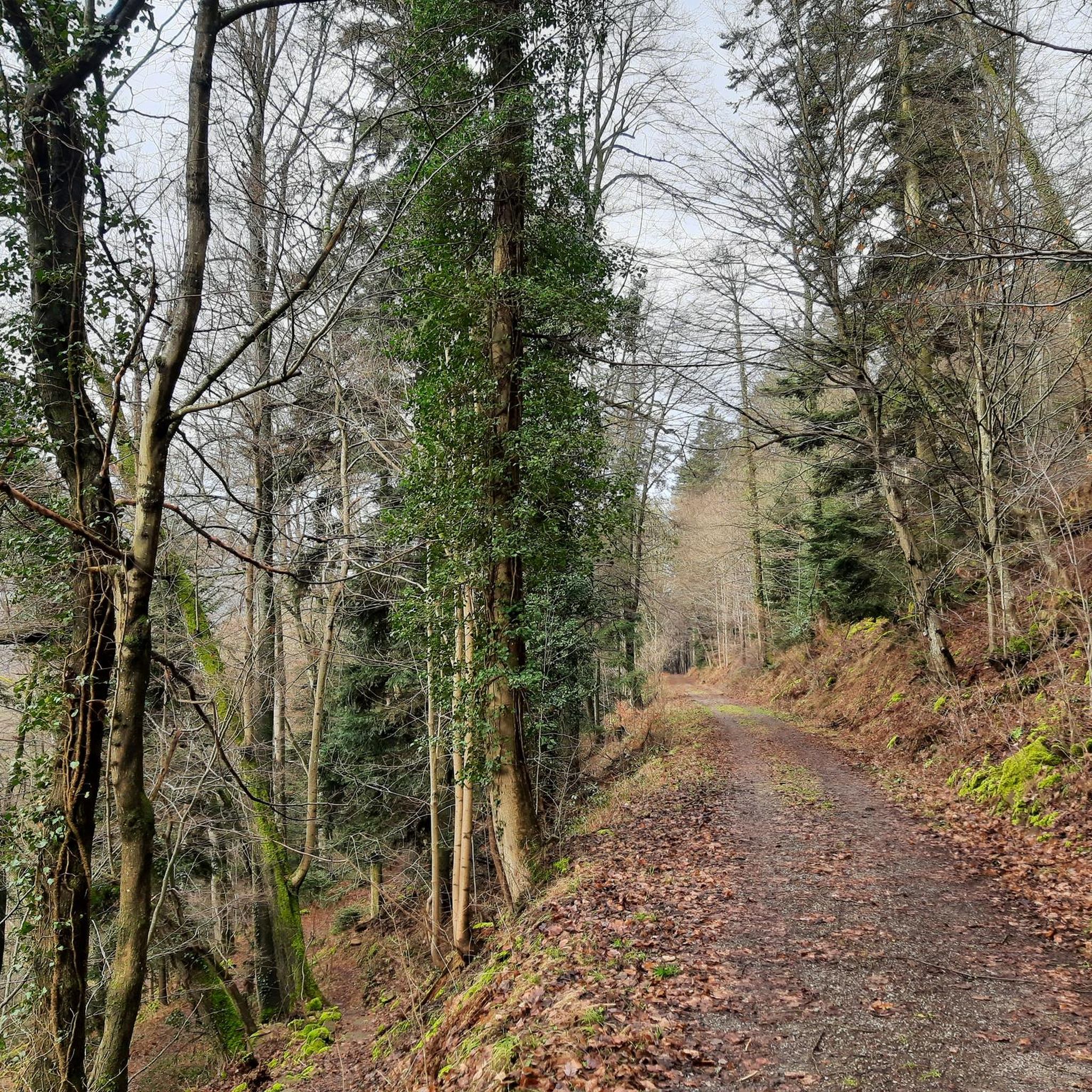
Hikes from bus stations in the East Midlands

Hikes from bus stations in North West England

Hikes from bus stations in the West Midlands Region

Hikes from bus stations in Yorkshire And The Humber

Hikes from bus stations in North East England

Hikes from bus stations in the East Of England
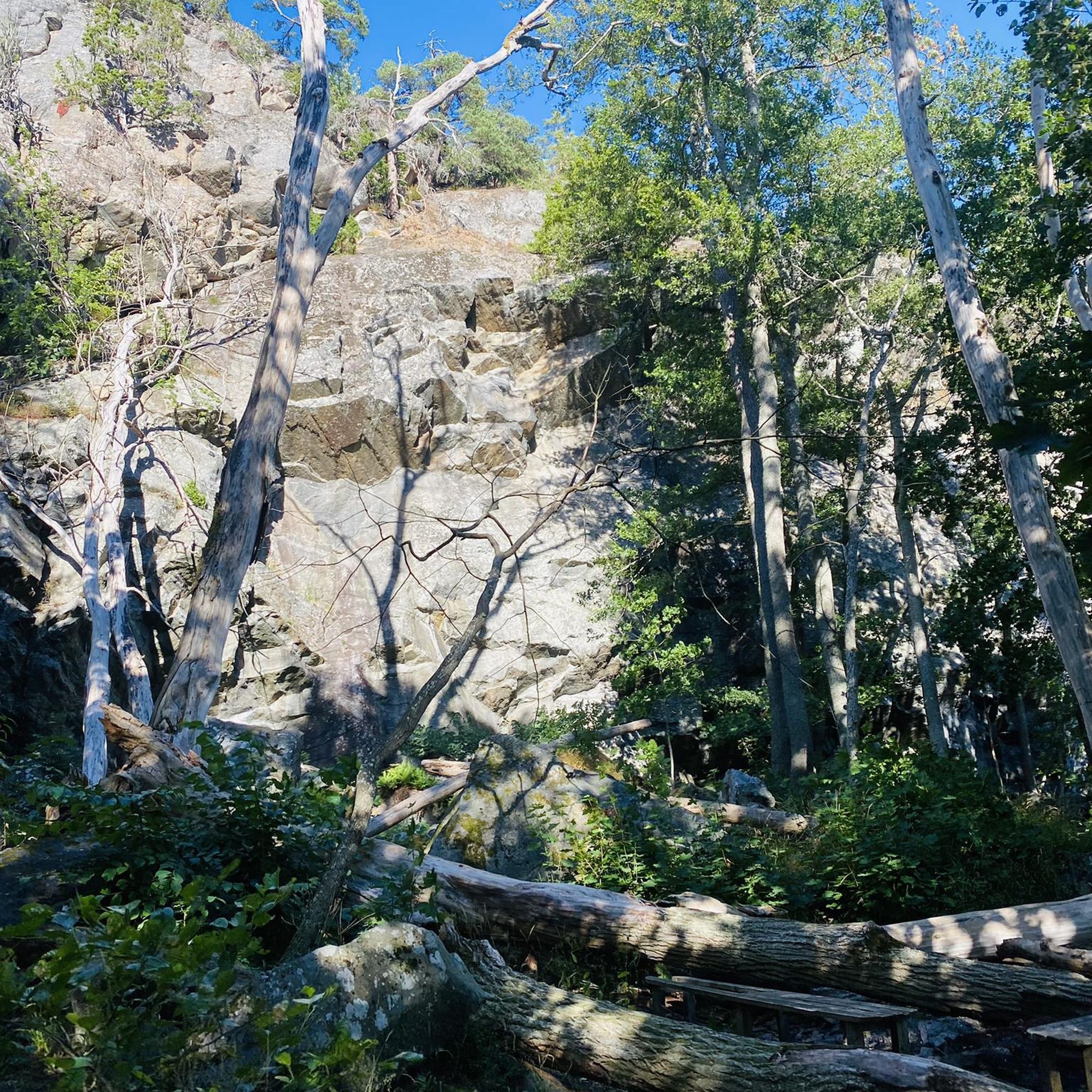
Hikes from bus stations in Jurassic Coast
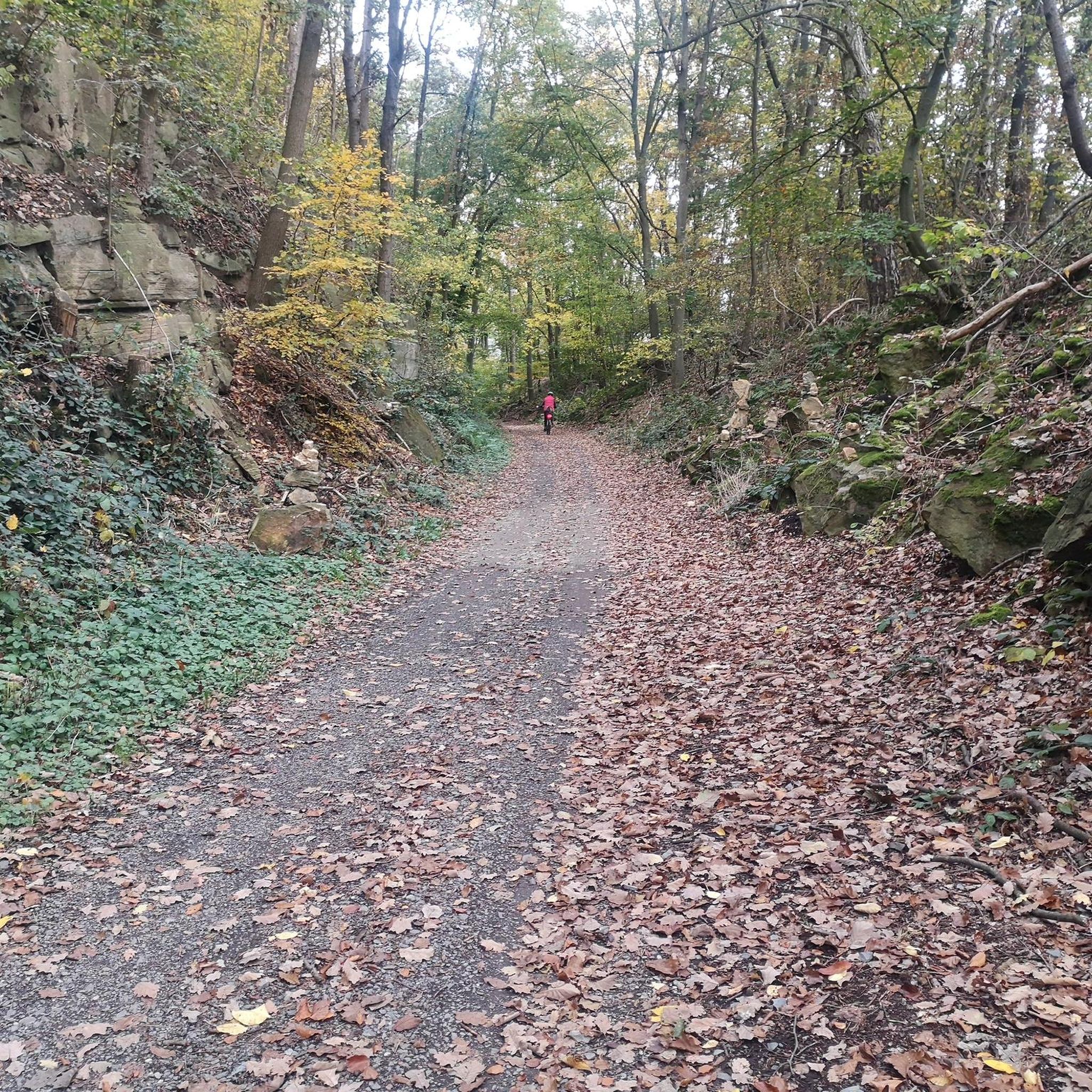
Hikes from bus stations in Greater London
Other adventures in England


Tips from the Community

A short sharp climb from either the South or North for great views of the valley
0
0

This is the starting point for the magnificent trail across the South Downs! I hiked it myself and still fondly remember it after many years!
0
0

This was our final stage of the South Downs Way (Bo Peep to Eastbourne) and the second of a two day hike. The Seven Sisters followed by Beachy Head is pretty brutal.
0
0


Steep ascent and descent but worth it for the wonderful views. I expect the steep grassy slopes would be very challenging or turn into bum shuffles when wet!
0
0
Very steep (near vertical) section at the top not for the faint hearted! Climbing briefly required and the rocks may be slippery if wet, some surfaces are a bit crumbly, and it is likely to be windy! But wonderful views
1
1

can be boggy most of the year
2
0
Frequently Asked Questions
How many bus-accessible hiking trails are available in England?
England offers a vast network of bus-accessible hiking trails. Our guide features over 74,000 routes that can be reached by public transport, providing countless opportunities to explore the diverse landscapes of the region.
Are there bus-accessible hikes suitable for beginners in England?
Yes, England has many bus-accessible hikes perfect for beginners. Over 39,000 of the routes in our guide are rated as easy. An example of an easy, scenic route is the B-29 Overexposed Plane Crash Site loop from Pennine Way, offering a manageable distance and elevation gain.
What kind of landscapes can I expect on bus-accessible hikes in England?
Bus-accessible hikes in England traverse an incredibly diverse range of landscapes. You can explore dramatic coastlines, rolling hills, rugged mountains, serene valleys, and expansive moorlands. Notable areas include the Lake District's mountains and lakes, the Peak District's undulating hills and dales, and the South Downs' chalk ridges.
Are there any circular bus-accessible routes in England?
Yes, many bus-accessible routes in England are circular, allowing you to start and end your hike at the same bus stop without needing to retrace your steps. For instance, the Mam Tor, The Great Ridge & Castleton loop in the Peak District is a popular circular option offering stunning views.
What are some notable natural attractions I can see along bus-accessible hiking trails?
Many bus-accessible trails lead to or pass by significant natural attractions. You might encounter iconic peaks like Mam Tor or Lose Hill Summit, dramatic mountain passes like Hollins Cross, or unique geological formations such as those found in the Peak District or along the South Downs.
Can I find bus-accessible hikes that are suitable for families?
Absolutely. Many bus-accessible trails in England are family-friendly, offering shorter distances and gentler terrain. Look for routes marked as 'easy' in our guide, which often feature well-maintained paths and points of interest to keep younger hikers engaged.
Are there bus-accessible hiking trails that are dog-friendly?
Most hiking trails in England are dog-friendly, provided dogs are kept under control, especially around livestock. Always check local signage for specific restrictions, particularly in nature reserves or during nesting seasons. Many routes, like the Virginia Water loop, are popular with dog walkers.
What is the best time of year to go on bus-accessible hikes in England?
The best time for bus-accessible hikes in England generally depends on the region and your preference. Spring (April-May) offers blooming wildflowers and milder weather, while autumn (September-October) provides stunning foliage. Summer (June-August) is popular for longer daylight hours, though trails can be busier. Winter hikes are possible, especially in lower-lying areas, but require appropriate gear and checking bus schedules for reduced services.
How long do bus-accessible hikes typically take in England?
The duration of bus-accessible hikes varies greatly depending on the route's distance and difficulty. You can find everything from short, easy strolls lasting an hour or two to challenging full-day excursions. For example, the moderate Dragon's Back loop from Longnor takes around 4-5 hours, while the difficult Beachy Head Lighthouse to Beachy Head View loop can take 7-8 hours.
What do other hikers enjoy most about bus-accessible hiking in England?
The komoot community highly rates hiking in England, with an average score of 4.5 stars. Reviewers often praise the incredible diversity of landscapes, the accessibility of trails via public transport, and the well-maintained paths that make exploring easy. The ability to reach stunning natural beauty spots without a car is a frequently highlighted benefit.
Most popular routes in England
Most popular attractions in England

Get inspired with the komoot mobile app


Didn’t find what you were looking for?
Check out more Hikes throughout England below and find the perfect route in your destination.
Explore more
Browse the best Hikes in other regions.
