The best traffic-free bike rides around Esgrus
4.8
(10)
65
riders
3
rides
Gravel biking around Esgrus offers diverse terrain along the Baltic Sea coast and the Schlei fjord. The region is characterized by relatively flat, wide expanses, featuring unpaved segments suitable for gravel bikes. Natural features include the Geltinger Birk Nature Reserve, known for its trails and wildlife, and picturesque views of the Schlei estuary. These varied paths provide a mix of surfaces, from paved sections to gravel and dirt roads, ideal for no traffic gravel bike trails.
Best no traffic gravel bike trails around Esgrus
- The most popular no traffic gravel bike trail is Cycle path "Old District Railway Line" – View over the Schlei loop from Süderbrarup, a 28.3 miles (45.6 km) trail that takes 2 hours 17 minutes to complete, offering views over the Schlei fjord.
- Another top favourite among local gravel bikers is Geltinger Birk Nature Reserve – Windmill Charlotte loop from Kronsgaard, a difficult 26.7 miles (43.0 km) path through a nature reserve with coastal sections.
- Local gravel bikers also love the Schlei Estuary Nature Reserve – Maasholm Harbor loop from Nieby, a 17.2 miles (27.7 km) trail leading through the Schlei Estuary Nature Reserve, often completed in about 1 hour 27 minutes.
- Gravel biking around Esgrus is defined by coastal paths, Schlei fjord views, and nature reserve trails. The network offers options for different ability levels, from easy loops to more challenging routes.
- The routes in Esgrus are highly rated by the komoot community with an average score of 4.8 stars from over 15 reviews. More than 90 gravel bikers have used komoot to explore Esgrus's varied terrain.
Last updated: June 27, 2026
5.0
(2)
22
riders
48.7km
02:26
180m
180m
Moderate gravel ride. Good fitness required. Mostly paved surfaces. Suitable for all skill levels.
4.4
(5)
25
riders
27.6km
01:27
50m
50m
Easy gravel ride. Great for any fitness level. Mostly paved surfaces. Suitable for all skill levels.

Sign up for free
5.0
(3)
18
riders
Moderate gravel ride. Good fitness required. Mostly paved surfaces. Suitable for all skill levels.
Our route recommendations are based on thousands of hikes, rides, and runs completed by other people on komoot.
Start today with a free account
Your next adventure awaits.
Login or Signup
Popular around Esgrus
Tips from the Community

Demanding but beautiful singletrack
0
0

A very nice section to ride, the way to a good view...with mustard :-)
0
1

I agree with Ingwer's tip; everything has been described, and there's nothing to add. A wonderful path.
2
0

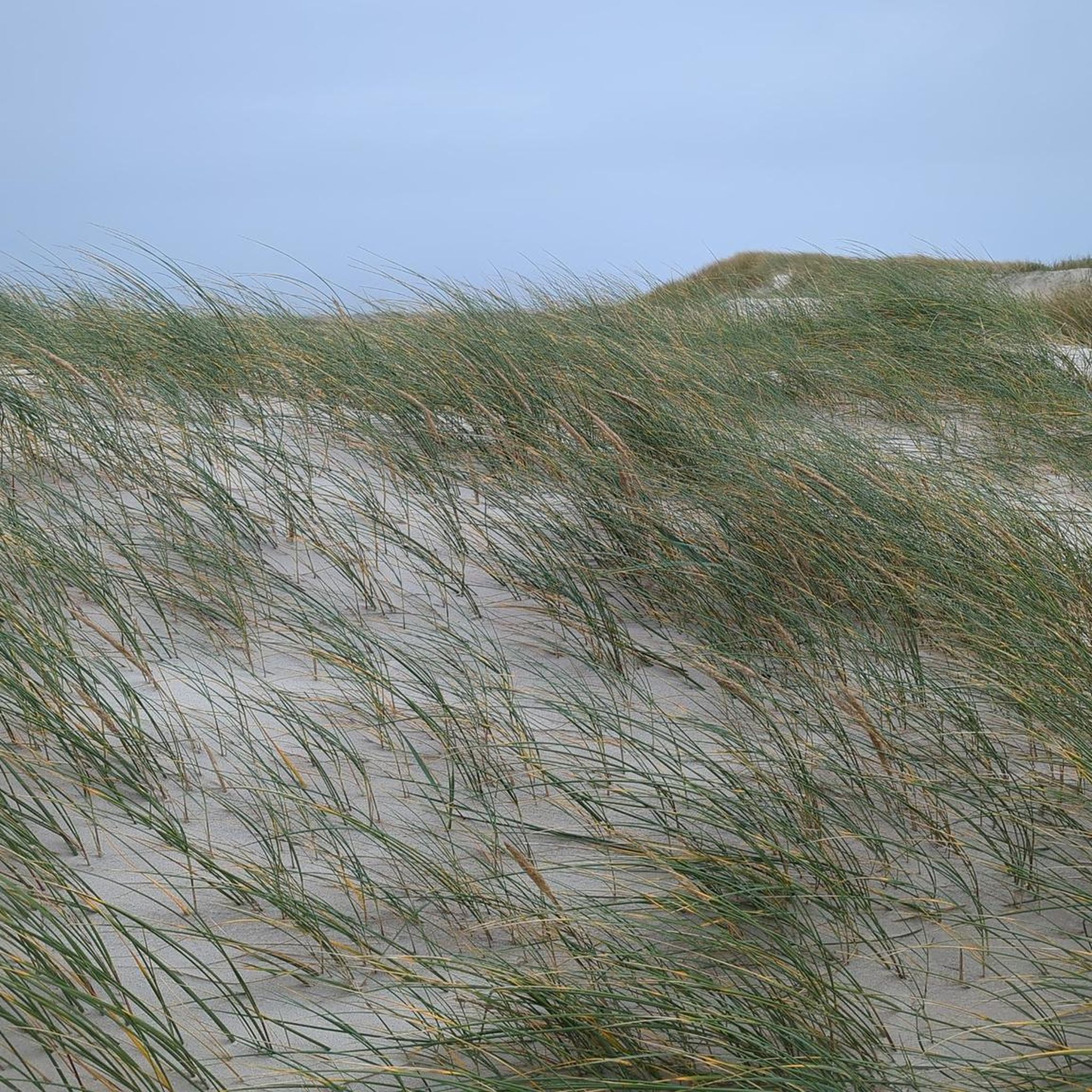
Absolutely great beach, kilometers long, fine sand, not crowded
0
0

The castle houses Schleswig-Holstein's most important museums and is involved in a wide range of cultural events. In addition to changing exhibitions (including those by contemporary artists), theater performances in the courtyard and concerts are held at irregular intervals. The entire grounds and many of the interior rooms are open to visitors. Some of the castle's original furnishings have been preserved and can be viewed as part of the museum tours. Of particular note are the festive Hirschsaal (Stag Hall) from 1591 and the two-story Renaissance chapel. The castle is considered the most important secular building in the state of Schleswig-Holstein.
15
1
At the beginning of 1945, more and more refugees from the eastern territories of the German Reich arrived in Schleswig, their number rising to almost 18,000 by the summer. Gottorf, like many of the country's residences, was used as a temporary reception camp, and several hundred refugees were housed in the castle.[31] In the post-war period, the entire complex was made available to the Schleswig-Holstein State Museums from 1948 onwards.
15
1
After the war of 1848, the Danes first set up a hospital and then a barracks in the castle,[22] in order to be able to operate more effectively against the insurgents in Schleswig-Holstein. The building was adapted to the new needs, and the interior lost much of its once significant furnishings. The former state rooms and ducal apartments were converted into dormitories and dining rooms. The outbuildings were demolished and replaced by extensive stables, and the defensive structures were demolished. Gottorf remained a barracks[22] when it fell to Prussia in 1867 as a result of the Second Schleswig War, and it retained this function until 1945.
15
1
Subsequently, Gottorf became the center of power of the Dukes of Schleswig and was repeatedly at the center of political conflicts. In 1283, the young Duke Waldemar IV of Schleswig was imprisoned in the castle for a time by the Danish King Eric V. In 1329, Gottorf was besieged for the first time (unsuccessfully) by a coalition of Jutland nobles in their fight against Count Gerhard III of Holstein, who had served as Duke for several years.[6] In June 1340, the castle was transferred as a pledge into the permanent possession of the Counts of Holstein from the House of Schauenburg,[7] who resided in Gottorf until their extinction in 1459. Initially as counts, after Count Gerhard VI was invested with the duchy by the Danish regent Margaret I in 1386[8], then formally again as dukes.[9]
15
1
Frequently Asked Questions
How many no-traffic gravel bike trails are featured in this guide for Esgrus?
This guide highlights a selection of five excellent no-traffic gravel bike trails around Esgrus, offering diverse experiences from easy rides to more challenging routes. These routes are specifically chosen for their low-traffic nature, perfect for a peaceful gravel biking adventure.
What kind of terrain can I expect on gravel bike trails around Esgrus?
The terrain around Esgrus is varied, offering a mix of surfaces ideal for gravel biking. You'll find relatively flat, wide expanses, but also unpaved sections, gravel paths, and dirt roads. The region's proximity to the Baltic Sea and Schlei fjord means many routes offer scenic coastal views and paths through nature reserves like the Geltinger Birk Nature Reserve.
Are there any family-friendly no-traffic gravel routes in Esgrus?
Yes, there are options suitable for families looking for quiet gravel rides. The "Schlei Estuary Nature Reserve – Maasholm Harbor loop from Nieby" is rated as easy, making it a good choice for a relaxed outing. These routes often feature well-maintained paths away from busy roads, ensuring a safer and more enjoyable experience for all ages.
Can I bring my dog on the no-traffic gravel bike trails in Esgrus?
Many of the natural areas and trails around Esgrus, including sections within the Geltinger Birk Nature Reserve, are dog-friendly. However, it's always recommended to keep dogs on a leash, especially in nature reserves where wildlife (like wild horses and Galloway cattle) is present, and to check local regulations for specific areas. Ensure your dog is comfortable with the distance and terrain.
What are some interesting natural features or landmarks I can see along these routes?
Esgrus offers a wealth of natural beauty and charming sights. You can explore the Geltinger Birk Nature Reserve, known for its wild horses and coastal trails. The "Cycle path "Old District Railway Line" – View over the Schlei loop from Süderbrarup" offers stunning views over the Schlei fjord. You might also encounter the historic village of Sieseby on the "Schlei Riverside Cycle Path – Historic Village of Sieseby loop from Kappeln, (Schlei)" or the picturesque Habernis Beach on the Flensburg Fjord.
Are there any circular gravel bike routes available?
Yes, several routes in this guide are designed as loops, allowing you to start and end at the same point. For example, the "Geltinger Birk Nature Reserve – Windmill Charlotte loop from Kronsgaard" and the "Schlei Estuary Nature Reserve – Maasholm Harbor loop from Nieby" are both excellent circular options for exploring the region's natural beauty without retracing your steps.
What is the best time of year for no-traffic gravel biking in Esgrus?
The best time for gravel biking in Esgrus is generally from spring through autumn (April to October). During these months, the weather is typically mild, and the natural landscapes are at their most vibrant. Summer offers longer daylight hours, while spring and autumn provide cooler temperatures and fewer crowds. Winter can be challenging due to colder weather and potentially icy or muddy conditions on unpaved paths.
Are there places to eat or drink along the no-traffic gravel trails?
While the focus is on no-traffic trails, many routes pass near charming towns and villages where you can find cafes and pubs. For instance, the "Schlei Estuary Nature Reserve – Maasholm Harbor loop from Nieby" takes you close to Maasholm Harbor, a pleasant spot to pause. Similarly, the "Kappeln Bascule Bridge – Kappeln Harbour loop from Grödersby" offers opportunities to explore Kappeln, known for its port and cafes.
What do other gravel bikers enjoy most about the no-traffic routes in Esgrus?
The komoot community highly rates the gravel biking experience in Esgrus, with an average score of 4.8 stars. Reviewers often praise the tranquility of the routes, the stunning coastal and fjord views, and the opportunity to explore diverse natural landscapes like the Geltinger Birk Nature Reserve away from car traffic. The well-maintained gravel paths and charming villages along the way are also frequently highlighted.
Are there options for public transport or parking near these gravel bike trails?
While Esgrus is a rural area, some routes may have access points near public transport or designated parking. For example, routes starting or ending in larger towns like Süderbrarup or Kappeln might offer better connections. It's advisable to check specific route details on komoot for parking information or local public transport schedules if you plan to combine your ride with other travel methods. For general tourism information about Schleswig-Holstein, you can visit sh-tourismus.de.
What is the longest no-traffic gravel bike route in this guide?
The longest no-traffic gravel bike route featured in this guide is the "Schlei Riverside Cycle Path – Historic Village of Sieseby loop from Kappeln, (Schlei)", which spans approximately 65.4 kilometers. This moderate route offers an extensive exploration of the Schlei region's scenic beauty and historic charm.
Most popular attractions around Esgrus

Get inspired with the komoot mobile app


Explore more
Browse the best Gravel rides in other regions.
