Attractions and Places To See around Mariapeel - Top 20
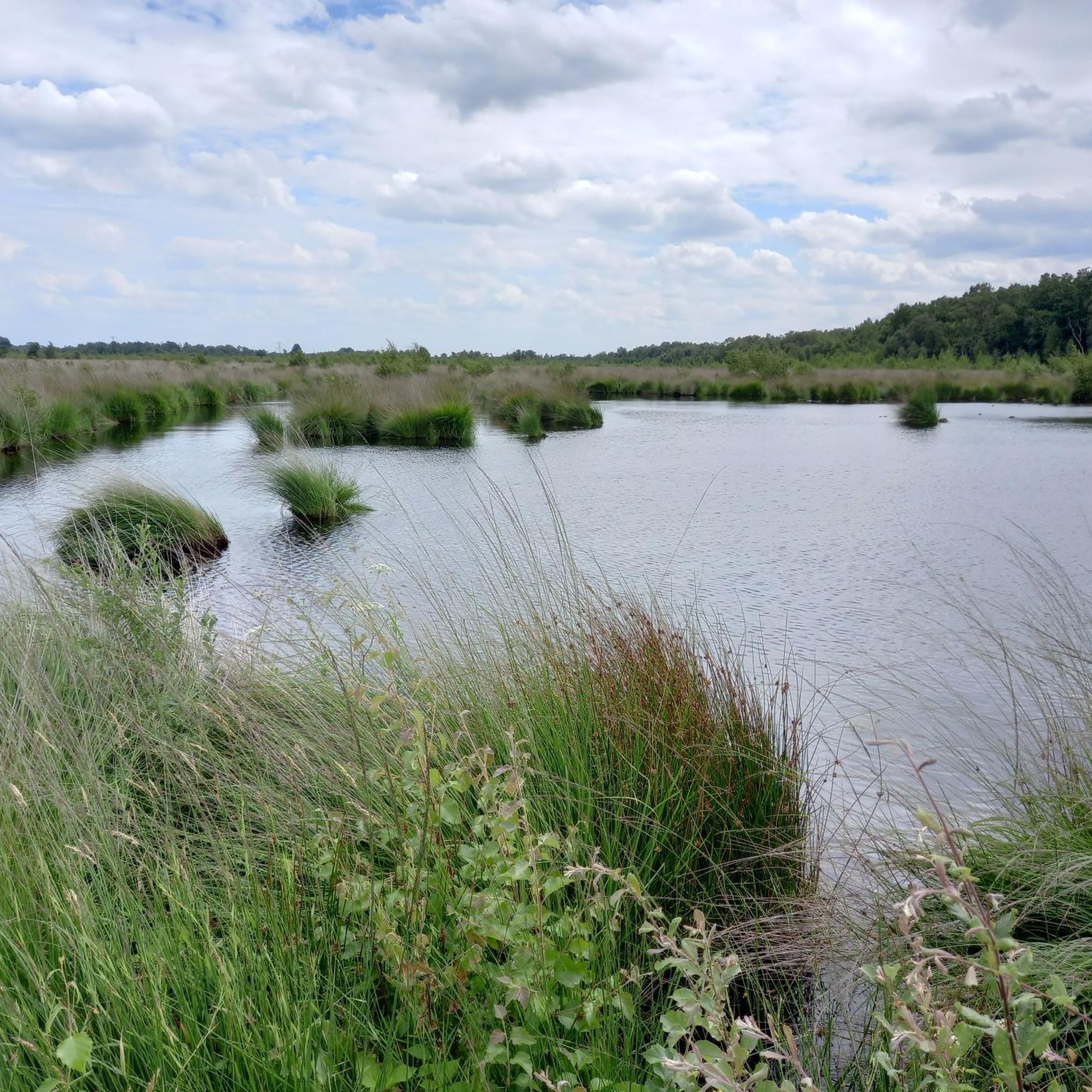
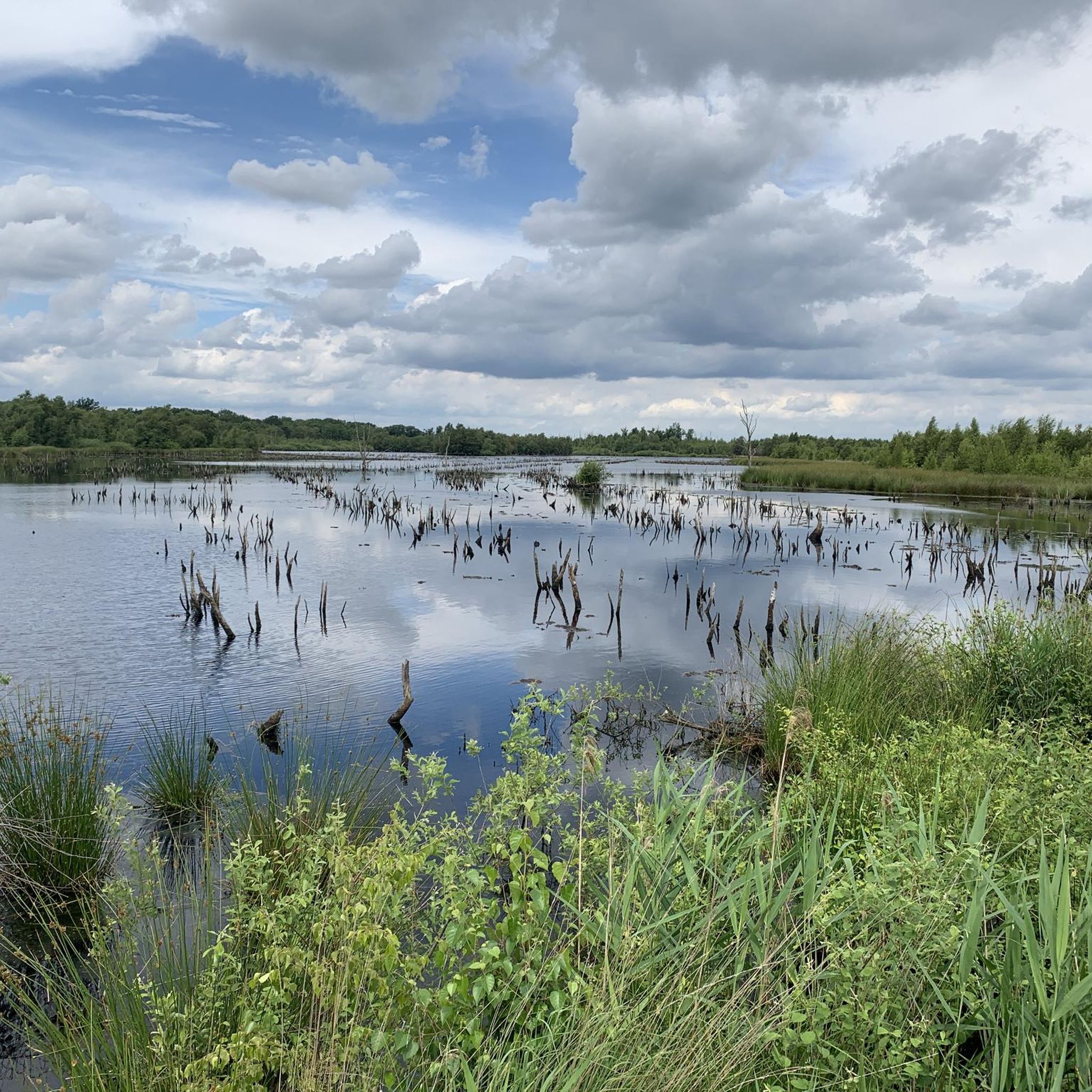
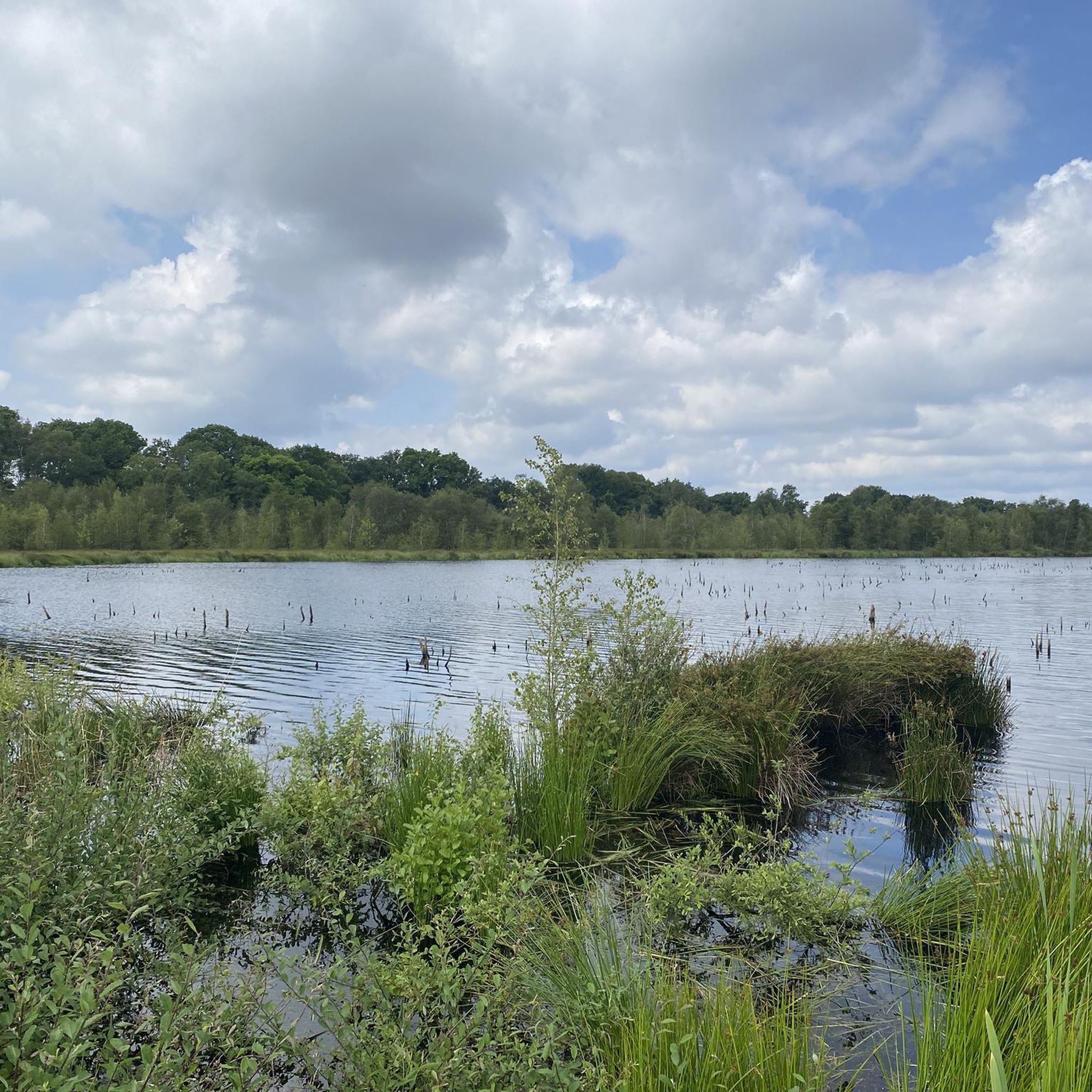
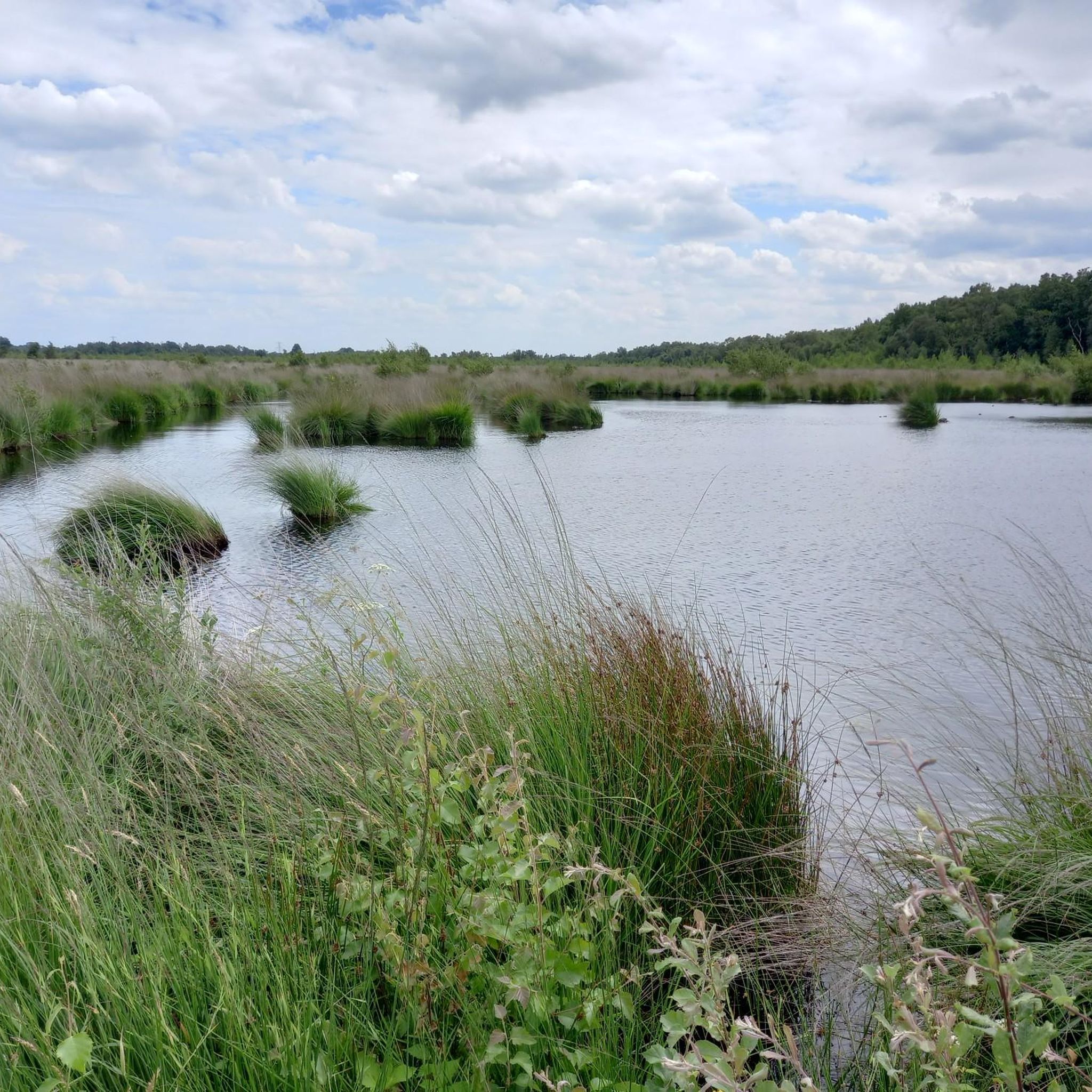
Best attractions and places to see around Mariapeel include a diverse landscape of peat bogs, wetlands, and heathlands, spanning approximately 1400 hectares. This nature reserve, part of the Natura 2000 area Deurnsche Peel & Mariapeel, offers insights into cultural history through traces of peat extraction and provides various recreational opportunities. It is recognized for its natural beauty and significance to birds and habitats.
Best attractions and places to see around Mariapeel
- The most popular attractions is Tree-Lined Canal Road in…
Last updated: October 9, 2026
Risen from Oblivion Memorial
Highlight • Monument
Translated by Google •
Tip by

Tree-Lined Canal Road in Deurnsche Peel & Mariapeel
Highlight (Segment) • Cycleway
Translated by Google •
Tip by

Sign up now to discover places like this
Get recommendations on the best single tracks, peaks, & plenty of other exciting outdoor places.
De Pieël in Brank – Little Spot of Happiness, Mariapeel
Highlight • Viewpoint
Translated by Google •
Tip by

Peat Bog in Mariapeel
Highlight • Natural
Countless special plants grow in this varied landscape of impenetrable peat bogs, ponds, open heathlands, plains, bushes and sand ridges. Moreover, it is one …
Translated by Google •
Tip by

Mariapeel Nature Reserve
Highlight • Natural
Translated by Google •
Tip by
Sign up for free to discover even more attractions around Mariapeel.
Already have an account?
Start today with a free account
Your next adventure awaits.

Tips from the Community

shady and little affected by the wind
1
0

Enjoy cycling in the shade on a hot day.
1
0

The Mariapeel consists of the Mariaveen, Driehonderd Bunder and Horster Driehoek complexes.
0
0
The Mariapeel is a raised bog-like nature reserve in the municipality of Horst aan de Maas in the Dutch province of Limburg. It covers approximately 1,400 hectares and is managed by the Dutch Forestry Commission (Staatsbosbeheer). Together with the Deurnese Peel and the Grauwveen, it has been a protected wetland since 1993. As a Natura 2000 area, it is known as Deurnsche Peel & Mariapeel. It is designated as a Bird Directive Area and a Habitat Directive Area. The Mariapeel forms a virtually integral whole with the Grauwveen and the extensive Deurnese Peel on the other side of the border with the province of Brabant. It is therefore often referred to as the Deurnese Peel-Mariapeel complex. The relatively small Peel remnant, the Grauwveen, lies north of the Helmond-Venlo railway line. The peat colonies of Helenaveen and Griendtsveen lie on the edge of the area. Along with the Groote Peel, the Deurnese Peel-Mariapeel area is the most important remaining nature reserve in the Peel region. It was originally a raised bog.
0
0

A dream for cyclists. A road with little traffic. That's how it should always be.
2
0

After investigation by volunteers, four locations of aircraft crash sites in the Mariapeel were found. A monument was placed opposite the crash site of a British fighter plane, a Vickers Wellington crashed here on March 14, 1941. Impressive monument and beautiful view of the fen.
4
0

This memorial commemorates the twenty-one men who lost their lives in five plane crashes in the period 1940-1954. The monument gives names to these war victims who remained anonymous for a long time.
3
0

A resting place is nice, but it is also in a beautiful place. It is located at the end of the beautiful Canal Road along Mariaveen/Mariapeel. That is a beautiful (gravel) road, which you really have to take along (can be done with any type of bicycle) when you are here (and do not continue from this resting place on the adjacent asphalt road).
4
0
Frequently Asked Questions
What unique natural features can I explore in Mariapeel?
Mariapeel is primarily a high-moor (hoogveen) area, characterized by its extensive peat bogs and wetlands. You'll also find diverse heathlands, grasslands, and wet meadows, such as the Mariaveen complex. The landscape is crisscrossed with numerous canals and ditches, like the Helenavaart, originally dug for peat extraction, which now add to the scenic beauty. Don't miss the Peat Bog in Mariapeel for an immersive experience.
Are there any historical sites or cultural points of interest in Mariapeel?
Yes, Mariapeel is rich in cultural history. You can observe clear traces of past large-scale peat cutting through the many canals, ditches, and peat tracks. A significant cultural site is the Risen from Oblivion Memorial, which commemorates twenty-one men who lost their lives in plane crashes between 1940 and 1954. Additionally, the rebuilt Pauls Kooi (Sheepfold Mariapeel) offers a glimpse into traditional land management with its rare Dutch Landrace goats.
What kind of walking routes are available in Mariapeel?
Mariapeel is a paradise for hikers, offering various marked walking routes set out by the Dutch Forestry Commission (Staatsbosbeheer), typically ranging from 3 to 6 kilometers. These trails allow you to explore the reserve's most beautiful spots. The Blue route (6 km) is notable for passing through the protected rural area of Helenaveen and the Broemeerbos forest, providing insights into the area's cultural history.
Are there cycling or mountain biking routes near Mariapeel's attractions?
Absolutely! Mariapeel and its surroundings offer a variety of routes for cyclists and mountain bikers. For touring cyclists, you can find easy routes like the 'Canal – Helenaveen Village and Canals loop' from Helenaveen. Mountain bikers can challenge themselves on routes such as the 'De Schaak Mountain Bike Trail' or the 'Mountain Bike Trail Simonshoekse Bos'. You can explore more options on the Cycling around Mariapeel and MTB Trails around Mariapeel guide pages.
When is the best time to visit Mariapeel for wildlife spotting or outdoor activities?
Mariapeel is an excellent spot for birdwatching, particularly in spring when birdsong fills the air and many species are active. Common Cranes visit during migration. The varied landscape supports diverse flora and fauna year-round, making it suitable for outdoor activities throughout the warmer months. The wet conditions and unique ecosystem are always present, offering a unique experience regardless of the season.
Are there family-friendly activities or attractions in Mariapeel?
Yes, Mariapeel offers several family-friendly options. The Pauls Kooi (Sheepfold Mariapeel), with its Dutch Landrace goats, is a fun and educational stop for children. The nature reserve itself, with its easy walking trails and opportunities for birdwatching, provides a great environment for families to explore and connect with nature. The Mariapeel Nature Reserve is highlighted as family-friendly.
Are there any accessible paths or facilities in Mariapeel?
Yes, the Tree-Lined Canal Road in Deurnsche Peel & Mariapeel is noted as wheelchair accessible. This scenic asphalt road runs along the water, connecting the villages of Helenaveen and Griendtsveen, offering a smooth surface for those with mobility aids or strollers.
How can I get to Mariapeel, and is parking available?
Mariapeel is located in the municipality of Horst aan de Maas in the Dutch province of Limburg. While specific parking information isn't detailed, nature reserves of this size typically have designated parking areas near trailheads or visitor centers. The area is situated between the picturesque former peat colonies of Helenaveen and Griendtsveen, which can serve as good starting points for your visit.
What do visitors enjoy the most about Mariapeel?
Visitors particularly appreciate the unique natural beauty of Mariapeel, especially its impenetrable peat bogs, ponds, open heathlands, and diverse birdlife. The tranquility and the opportunity for extensive hiking are also highly valued. The scenic Tree-Lined Canal Road is a popular highlight for its beauty and ease of cycling.
Are there places to eat or stay near Mariapeel?
Mariapeel is conveniently located near the picturesque former peat colonies of Helenaveen and Griendtsveen. These villages offer cultural insights into the region's past and are likely to provide amenities such as cafes, pubs, and accommodation options for visitors looking to extend their stay or grab a bite to eat.
What kind of wildlife can I expect to see in Mariapeel?
Mariapeel is home to one of Western Europe's richest bird populations. You might spot species such as Bluethroat, Grasshopper Warbler, European Stonechat, Golden Oriole, Eurasian Curlew, Reed Bunting, Tree Pipit, and Common Crane during migration. Swans and ducks are often seen in the canals, and meadow birds like the Northern Lapwing are also present. The diverse landscape supports a wide array of rare plants and other wildlife.
Most popular routes around Mariapeel
Most popular attractions around Mariapeel

Get inspired with the komoot mobile app


Explore more
Still not found the Highlight you’re looking for? See guides of the top attractions in other regions:
