The best traffic-free bike rides around Stallwang
4.6
(964)
5,140
riders
286
rides
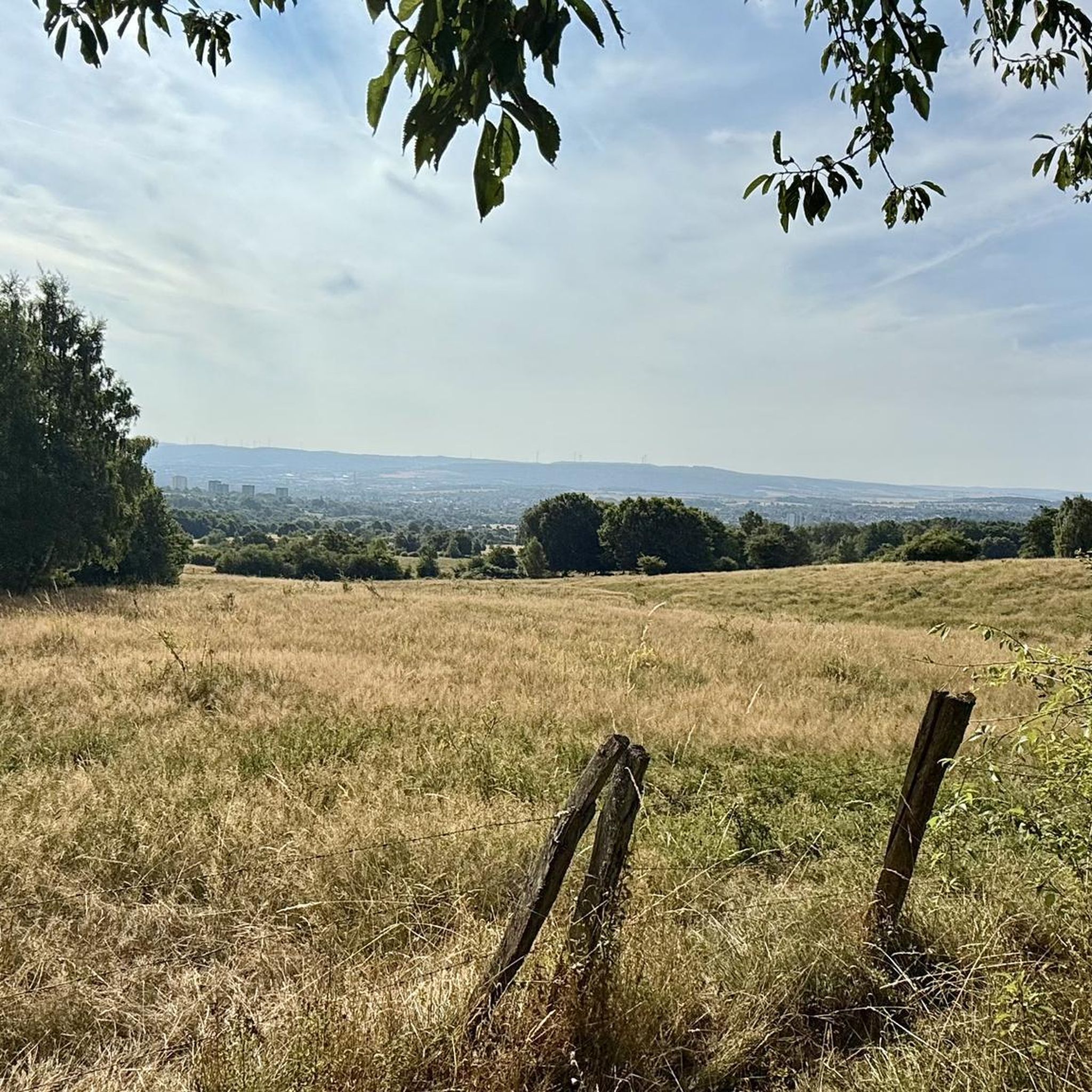
No traffic touring cycling routes around Stallwang traverse a landscape characterized by rolling hills, extensive forests, and tranquil valleys within the Bavarian Forest region. The area features picturesque streams and offers views of prominent natural features like the Gallner Mountain. Touring cyclists can expect a mix of terrain, including paved roads and gravel paths, suitable for various preferences.
Best no traffic touring cycling routes around Stallwang
- The most popular no traffic touring cycling route is Danube-Regen Cycle Path – View…
Last updated: September 30, 2026
23
riders
76.5km
06:19
1,850m
1,850m
Hard bike ride. Very good fitness required. Mostly paved surfaces. Suitable for all skill levels.
3.3
(3)
11
riders
29.9km
01:56
380m
390m
Moderate bike ride. Good fitness required. Mostly paved surfaces. Suitable for all skill levels.

5.0
(4)
11
riders
27.5km
01:55
380m
380m
Moderate bike ride. Good fitness required. Mostly paved surfaces. Suitable for all skill levels.
3.5
(2)
5
riders
22.1km
01:33
250m
250m
Moderate bike ride. Good fitness required. Mostly paved surfaces. Suitable for all skill levels.
2
riders
17.7km
01:30
420m
420m
Moderate bike ride. Good fitness required. Mostly paved surfaces. Suitable for all skill levels.
Get access to more routes and recommendations from other explorers.
Already have an account?
Our route recommendations are based on thousands of hikes, rides, and runs completed by other people on komoot.

Tips from the Community

Don't forget one euro for the turnstile, otherwise you won't get up the tower!
0
0

Worth visiting on the Day of the Open Monument - you can also do an interior tour of the knight's hall and chapel.
0
0

quiet bike path on an old railway line
1
0


Beautiful view of the castle...
0
0

Parish Church of the Assumption of Mary The first parish register of the diocese, in which Wiesenfelden was mentioned as an independent parish, dates back to 1286. The 15th-century "Gothic" predecessor building had become dilapidated. However, the entire building was not demolished; instead, the choir was skillfully integrated into the new structure by altering the windows and vaulting. The present church was completed in 1764. Wiesenfelden was a very large parish in 1848, with a population of 2,472. The parish also included the curacy of the "Marian pilgrimage site of Heilbrunn" and the "Zinzenzell branch." The altarpiece depicts the Assumption of Mary, in reference to the patron saint (= patronage of a saint over a church). The two side altars formerly depicted Saint Barbara and Saint Wendelin; Since around 1920, the left side altar features figures of the Virgin Mary as Patrona Bavariae, and the image of Archangel Michael with the scales of souls is depicted in the excerpt. The right side altar depicts the figure of St. Sebastian, and the excerpt depicts St. Joseph with the Infant Jesus. The oil painting on the confessional depicts St. Peter, with a life-size cross from the Baroque period above. The front part of the nave is decorated with busts of the four evangelists with their symbols: St. Luke with the bull, St. John with the eagle, St. Mark with the lion, and St. Matthew with the angel. These are Baroque works from the late 17th century. The depictions of the Stations of the Cross are handcrafted oil paintings from the late 17th century. Of the Gothic interior furnishings, only a statue of the Virgin Mary and the figure of St. Sebastian remain. Source: Excerpts from www.bayerischer-wald.de / www.wiesenfelden.de/eigene_dateien/wanderwege/station_7_pfarrkirche_wiesenfelden.pdf
2
0

Beautiful pond in Wiesenfelden
0
0

Beautiful castle with access to castle tower costs a small amount but should be worth every penny
0
0
Frequently Asked Questions
How many no-traffic touring cycling routes are available around Stallwang?
Stallwang offers a wide selection of no-traffic touring cycling routes, with nearly 300 options available. These routes cater to various fitness levels, including 26 easy, 152 moderate, and 114 difficult tours, ensuring there's something for every cyclist looking for a peaceful ride.
Are there any circular no-traffic touring cycling routes near Stallwang?
Yes, Stallwang and its surroundings feature several excellent circular routes designed for touring cyclists seeking no-traffic options. For example, you can explore the Danube-Regen Cycle Path – View of Altrandsberg Castle loop from Konzell, a moderate 30.5 km ride, or the more challenging 76.5 km Falkenstein Castle – View of Falkenstein Castle loop from Stallwang (VGem).
What kind of landscapes can I expect on no-traffic touring cycling routes around Stallwang?
The no-traffic touring cycling routes around Stallwang traverse a diverse and picturesque landscape. You'll encounter rolling hills, lush green meadows, and extensive forests characteristic of the Bavarian Forest region. Many routes also follow idyllic streams like the Limplfbach or offer views of prominent natural features such as the Gallner Mountain.
Are there any family-friendly no-traffic cycling routes suitable for beginners?
Yes, Stallwang has 26 easy no-traffic touring cycling routes that are well-suited for families and beginners. These routes typically feature gentler gradients and quieter paths, allowing for a relaxed and enjoyable experience for all ages. Look for routes with shorter distances and minimal elevation gain for the most family-friendly options.
What are some interesting landmarks or attractions to see along the no-traffic touring cycling routes?
While cycling the no-traffic routes around Stallwang, you can discover several points of interest. Consider visiting the Perlbachtal gorge for its natural beauty, or the View of the village from Grottenweg for scenic vistas. Further afield, you might explore the Käsplatte Summit or the unique Sankt Englmar Treetop Walk.
What do other touring cyclists enjoy most about the no-traffic routes in Stallwang?
The no-traffic touring cycling routes in Stallwang are highly rated by the komoot community, with an average score of 4.7 out of 5 stars from over 230 reviews. Cyclists frequently praise the region for its tranquil, car-free paths, the stunning natural scenery of the Bavarian Forest, and the well-maintained trails that make for a relaxing and immersive cycling experience.
Can I find routes that pass by castles or historical sites?
Absolutely. The region around Stallwang is dotted with historical sites and castles. You can cycle the Falkenfels Castle – View of Falkenfels Castle loop from Rattiszell, a moderate 30.2 km route, or the Neukirchen Castle – View of Pilgramsberg loop from Stallwang, a more challenging 40.5 km option, both offering glimpses of historical architecture.
Are there any routes that offer views of valleys or specific natural features?
Many routes in the Stallwang area provide stunning views. The village itself is nestled in the picturesque Kinsachtal valley, and routes often offer elevated perspectives, such as from points near Stubenhof. The Gallner Mountain is another prominent feature, with routes leading to its summit offering panoramic views back into the valley and towards the Gäuboden.
What is the best season for no-traffic touring cycling in Stallwang?
The best season for no-traffic touring cycling in Stallwang is typically from spring through autumn. During these months, the weather is generally mild, and the landscapes are vibrant with greenery or autumn colors. The well-developed cycling infrastructure in the Bavarian Forest ensures pleasant riding conditions, though some paths might be less accessible in winter.
Are there any routes that focus on wildlife or natural habitats?
While specific wildlife routes aren't explicitly listed, the extensive forests and idyllic streams around Stallwang provide ample opportunities for wildlife spotting. The 'Beaver Paradise Circular Route' near Landorf, for instance, highlights local wildlife and natural habitats along the Piehlmühlbach, offering a chance to observe local fauna in their natural environment.
Are there any challenging no-traffic touring cycling routes for experienced riders?
Yes, experienced touring cyclists will find plenty of challenging no-traffic routes around Stallwang. There are 114 difficult routes available, such as the 76.5 km Falkenstein Castle – View of Falkenstein Castle loop from Stallwang (VGem), which features significant elevation changes. These routes often venture into more rugged terrain, offering a rewarding experience for those seeking a greater physical challenge.
Most popular attractions around Stallwang

Get inspired with the komoot mobile app


Explore more
Browse the best Cycling routes in other regions.
