The best traffic-free bike rides around Mindelstetten
4.5
(156)
832
riders
48
rides
Gravel biking around Mindelstetten offers a diverse landscape characterized by the scenic Altmühltal and Schambach Valley, providing consistently flat routes. The region is surrounded by rolling hills and forests, contributing to varied terrain suitable for gravel paths. Cycling routes also extend along the Danube, offering river views and opportunities to explore historical sites. This blend of valleys, rivers, and hills creates a compelling environment for no traffic gravel bike trails.
Best no traffic gravel bike trails around Mindelstetten
- The most…
Last updated: July 11, 2026
4.7
(51)
173
riders
Easy gravel ride. Great for any fitness level. Mostly paved surfaces. Suitable for all skill levels.
4.8
(11)
75
riders
55.7km
03:18
120m
120m
Moderate gravel ride. Good fitness required. Mostly paved surfaces. Suitable for all skill levels.

Sign up for free
5.0
(2)
20
riders
42.4km
02:13
100m
100m
Moderate gravel ride. Good fitness required. Mostly paved surfaces. Suitable for all skill levels.
4.8
(6)
46
riders
63.0km
03:24
630m
620m
Hard gravel ride. Very good fitness required. Mostly paved surfaces. Suitable for all skill levels.
13
riders
Easy gravel ride. Great for any fitness level. Mostly paved surfaces. Suitable for all skill levels.
Get access to more routes and recommendations from other explorers.
Sign up for free
Already have an account?
Our route recommendations are based on thousands of hikes, rides, and runs completed by other people on komoot.
Start today with a free account
Your next adventure awaits.
Login or Signup
Popular around Mindelstetten
Tips from the Community

A boat trip through the Danube Gorge is a must-have experience
0
0

The cycle path along the Abens near Sittling (a district of Neustadt an der Donau) is a real treat for pleasure cyclists who like it flat and close to nature. You ride through an idyllic meadow landscape. As the area around Sittling and the nearby Bad Gögging is an important refuge for birds, you can often observe storks and herons.
0
0

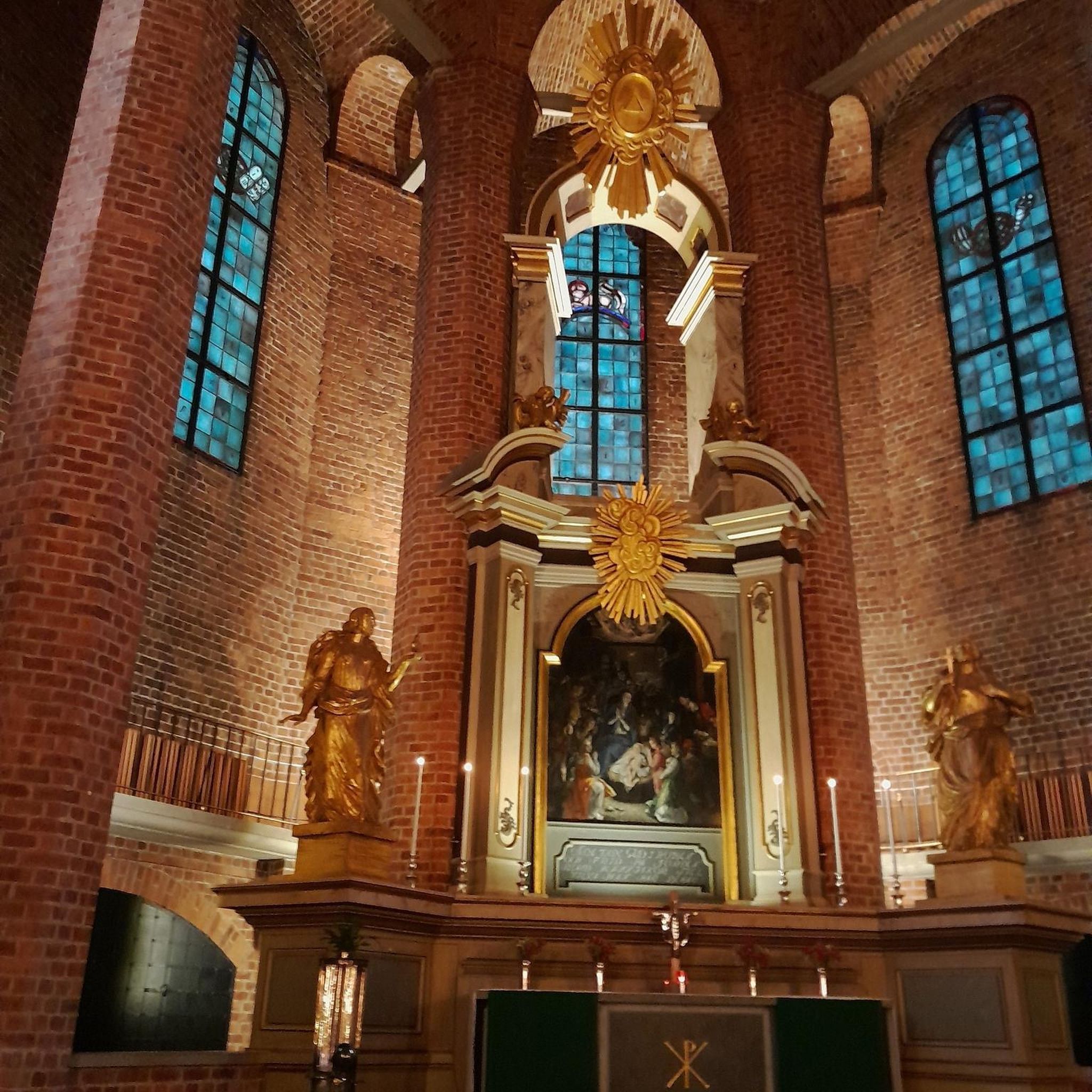
St. George's Monastery Church The first St. George's Monastery Church in Weltenburg is believed to have been consecrated by St. Rupert around 700. A new church, built by the Augustinian Canons Regular who lived in Weltenburg from 1123 to 1328, was consecrated in 1191. During a renovation of the monastery complex beginning in 1714, the monks' living quarters were built first under Abbot Maurus Bächl, followed by the monastery church from 1716 onwards. Like the monastery itself, the new church was built on the site of the previous structure under the direction of master mason Michael Wolf. The detached tower, integrated into the east wing of the monastery, was retained. Due to its location between the monastery's convent buildings and the Frauenberg hill, the church's exterior is rather unassuming compared to the riches within. From the monastery courtyard, only the tower and the oval dome of the central building are noticeable. The main facade faces the west side of the church, towards the monastery courtyard. It is a stone facade with a triangular pediment, atop which sits a figure of Saint Benedict. The wooden church portal is flanked by two pairs of columns, above which is a round-arched window. The main nave has an oval floor plan and, at 19.5 meters long and 14.5 meters wide, is quite small for an abbey church. However, the open dome construction, which is covered by a flat cap at a height of 20 meters, gives the interior an imposing presence. The elaborate artistic design, with its gilded stucco and colorful ceiling and wall frescoes, is also exceptional. The centerpiece of the chancel is the magnificent high altar in the late Baroque style. Its architecture consists of two pairs of twisted columns, in front of which stand Saint Martin (left) and Saint Maurus (right); the latter bears the likeness of the church's patron, Maurus Bächl. Behind the tabernacle, the famous Weltenburg altarpiece rises approximately seven meters high: in the center, the church's patron saint, St. George, on horseback, depicted slaying the dragon. To effectively illuminate this scene, the originally flat-ended chancel was extended eastward in 1720/21 with the addition of an apse featuring three large windows. The frame of the dome's opening is adorned with ornaments, cloud formations, and groups of angels carrying a ring of stars. Between this ring and the dome's parapet, a figure by the architect and artist Cosmas Damian Asam looks down upon the church interior; beside him, in the ceiling fresco, his brother Egid Quirin is depicted. Source: Excerpts from www.wikipedia.de
3
0
Weltenburg Abbey Local tradition states that the abbey was founded around 617 by the Irish-Scottish monks Eustasius and Agilus from Luxeuil, following the Rule of Saint Columbanus. This has since been refuted by scholars. In the 8th century, Weltenburg adopted the Rule of Saint Benedict. After the overthrow of the Agilolfing dynasty by Charlemagne in 788, Weltenburg became an imperial abbey. Throughout the 11th century, the abbey's holdings increased through numerous donations. The new church, built in a rectangular shape, was consecrated in 1191. Weltenburg's history during the 14th and 15th centuries was very turbulent, marked by the rule of constantly changing abbots and both ecclesiastical and secular administrators. At the end of the 15th century, the abbey church and the churches of the incorporated parishes were renovated in the Late Gothic style. The convent appears to have survived the Reformation unscathed. During the Schmalkaldic War, the monks were forced to abandon the monastery to escape plundering imperial and Spanish troops. Despite the hardships and pillaging during the Thirty Years' War, Abbot Matthias Abelin left the monastery in sound condition. In 1686, the community joined the newly founded Bavarian Benedictine Congregation. Through extensive construction, the establishment of new businesses, and a school, Abbot Maurus I. Bächl was able to significantly improve the monastery's situation. Under his leadership, the Frauenberg Church, churches in the incorporated parishes, the monastery buildings, and the famous late Baroque abbey church were built. In the course of secularization in Bavaria, Weltenburg Abbey was also dissolved, but on June 1, 1842, it was re-established as a priory of Metten Abbey and on August 25, 1913, it was once again elevated to the status of an abbey. With the help of a substantial endowment, former properties could be repurchased and the monastery buildings renovated. When the Bavarian Benedictine Congregation was revived by Pope Pius IX on February 5, 1858, the first General Chapter was held in Weltenburg. In 1913, Weltenburg was once again elevated to the status of an abbey. Today, the monks of Weltenburg Abbey dedicate themselves to pastoral care and, in their own meeting center, primarily to adult education. The abbey's brewery serves as a significant source of income. Source: Excerpts from www.wikipedia.de / https://hdbg.eu/kloster/index.php/detail/geschichte?id=KS0431
3
0

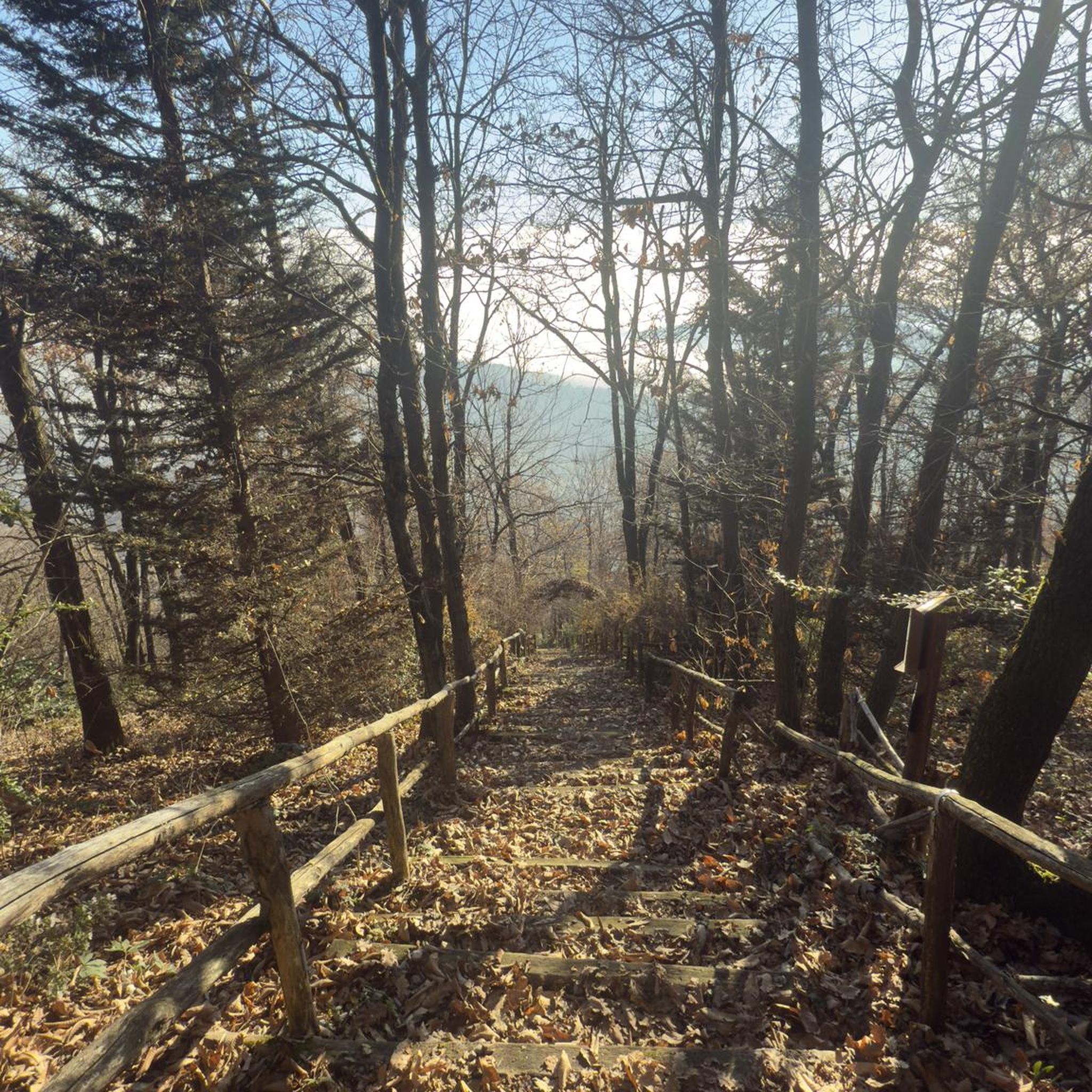
Beautiful hiking trail with an elevated view of the village.
0
0
Hexenagger Castle A Dietricus von Haecsenakker is mentioned as early as 928 in a Regensburg document from the St. Emmeram Monastery; further information is scarce. In 1311, Gottfried Hexenacker became Bishop of Freising. He had studied in Bologna and served as dean of the cathedral there for many years. In 1314, he died of an infectious disease while on a tour of inspection in Vienna. In 1485, the castle passed through marriage to the Counts of Helfenstein, who sold the fortress to Duke William of Bavaria in 1528. He gave Hexenagger to the Muggenthal family as a fief. When the castle was destroyed in the Thirty Years' War, the Muggenthal family rebuilt it as a castle. In 1724, the castle was sold to the Bavarian Elector Charles Albert, as the Hexenagger line of the Muggenthal family had died out. In 1731, Elector Karl Albrecht donated the castle to his mistress, Maria Josepha Countess von Morawitzky. Her husband received the castle in 1738, and when he died in 1754, Anton von Kaiserstein became the new owner. Franz Joseph III von Kaiserstein (1792–1893) sold the castle in 1830 and acquired an estate in Sooß (Lower Austria) in exchange. From 1830 to 1951, Hexenagger Castle belonged to the noble family of Weidenbach. Otto Edler von Weidenbach bequeathed it to his niece Ilse von Kalckreuth, who married Wilhelm Leichtfuß, whose son, Eberhard Leichtfuß, owns it today. Hexenagger is a castle between the Renaissance and Baroque periods, built on the foundations of the old castle. In the lower areas and at the corners, ashlars and bossed ashlars, up to several meters high, are still visible on the castle building. The stump of the keep, made of bossed ashlar, is also said to have been preserved, but is not visible from the outside. The defensive character of the complex is best appreciated from the rear, where parts of the curtain wall and wall towers have been preserved. The tall, narrow chapel also still hints at the castle in its form; particularly interesting is the slender, slightly leaning bell tower, which appears to still sit on the older foundations of the medieval chapel tower. The main building itself, with its stepped gable and beautiful garden, presents a romantic sight. The castle is privately owned and not open to the public; the popular Christmas market was relocated to the Wolfgangshof estate near Zirndorf in Middle Franconia in 2023 due to complaints from local residents. Source: www.Burgenseite.de / www.wikipedia.de
2
0

I recommend stopping off for an ice cream or coffee at the Dolce Vita ice cream parlor in Neustadt an der Donau.
0
0

Nice bike tour, also with children
0
0
Frequently Asked Questions
How many no-traffic gravel bike trails are available around Mindelstetten?
There are over 50 dedicated no-traffic gravel bike trails around Mindelstetten, offering a wide range of options for all skill levels. You'll find everything from easy, flat routes along river valleys to more challenging rides through rolling hills and forests.
What kind of terrain can I expect on gravel bike trails near Mindelstetten?
The region around Mindelstetten offers diverse terrain perfect for gravel biking. You'll encounter idyllic paths through the Altmühltal and Schambach Valley, which are generally flat and scenic. Routes along the Danube River also provide smooth riding. Additionally, the area features rolling hills, green fields, and forests, ensuring a varied and engaging experience on both paved and unpaved surfaces.
What is the best time of year for gravel biking in Mindelstetten?
Spring and autumn generally offer the most pleasant conditions for gravel biking in Mindelstetten, with mild temperatures and beautiful scenery. Summer can also be great, though it's wise to start early to avoid the midday heat. While winter riding is possible, be prepared for colder temperatures and potentially icy or muddy sections, especially on unpaved paths.
Are there options for beginners or less experienced gravel bikers?
Absolutely. Many trails in the Mindelstetten area are suitable for beginners. Routes along the Altmühltal and Danube River are often flat and well-maintained, providing an excellent introduction to gravel biking. For example, the View of Vohburg Castle – Gravel Path Along the Danube loop from Vohburg an der Donau is an easy option, covering about 31 km with minimal elevation gain.
Are there any circular gravel routes in the Mindelstetten area?
Yes, many of the gravel bike trails around Mindelstetten are designed as circular routes, allowing you to start and end at the same point. This is particularly convenient for those traveling by car. You can find several loop options, including those that follow the Danube or explore the surrounding valleys and hills.
Are the no-traffic gravel bike trails around Mindelstetten suitable for families?
Many of the no-traffic gravel bike trails, especially those along the Altmühltal and Danube River, are very family-friendly due to their relatively flat profiles and scenic, car-free environments. These routes provide a safe and enjoyable experience for cyclists of all ages. Always check the specific route details for distance and elevation to ensure it matches your family's capabilities.
What interesting sights or landmarks can I discover along the gravel bike trails?
The Mindelstetten region is rich in natural beauty and historical sites. Along your rides, you might encounter romantic castles like Prunn Castle, which you can see on the Prunn Castle photo spot – View of Prunn Castle loop from Kasing. You can also explore various caves, such as the Klamm Cave near Einthal, or natural monuments like the Stone Steps through the Klamm and Kastlhäng Nature Reserve. The historic Riedenburg Old Town and Weltenburg Abbey are also within reach, offering cultural stops.
Where can I find parking for these gravel bike trails?
Parking is generally available at the starting points of many routes, particularly in towns and villages like Vohburg an der Donau or Kasing, which serve as common access points for the trails. Look for designated parking areas near river paths or trailheads. It's always a good idea to check the specific route description for recommended parking locations.
Are there places to stop for refreshments or food along the routes?
Yes, the region offers numerous opportunities for refreshments. Many trails pass through charming villages and towns where you can find cafes, traditional Bavarian pubs, and restaurants. Along the Altmühl and Danube rivers, you'll often find beer gardens and eateries catering to cyclists. Consider towns like Riedenburg or Vohburg for a wider selection of dining options.
What do other gravel bikers enjoy the most about gravel biking in Mindelstetten?
The Mindelstetten area is highly rated by the komoot community, with an average score of 4.66 stars. Reviewers often praise the region's tranquil, traffic-free paths, the beautiful blend of river valleys and rolling hills, and the opportunity to discover historical landmarks and natural attractions. The varied terrain and well-maintained gravel surfaces are frequently highlighted as key reasons for an enjoyable experience.
Is public transport an option to reach the starting points of these trails?
While Mindelstetten itself is a smaller community, public transport options exist to reach larger towns in the region, such as Ingolstadt or Kelheim, which can serve as starting points or connections to the gravel trail network. From these larger hubs, local buses or regional trains (some of which allow bikes) might connect to smaller villages closer to specific trailheads. Planning ahead is recommended to confirm bike transport availability.
Most popular routes around Mindelstetten
Most popular attractions around Mindelstetten

Get inspired with the komoot mobile app


Explore more
Browse the best Gravel rides in other regions.
