The best traffic-free bike rides around Au am Rhein
4.5
(6961)
43,812
riders
425
rides
No traffic touring cycling routes around Au am Rhein are predominantly flat, following the Rhine River and its extensive floodplains. The region is characterized by riverine landscapes, nature reserves with old Rhine arms, and riparian forests. Situated at the border of the Black Forest and Vosges Mountains, the area offers diverse natural surroundings, including orchard meadows, ideal for relaxed cycling.
Best no traffic touring cycling routes around Au am Rhein
- The most popular no traffic touring cycling route is Flood…
Last updated: July 11, 2026
4.8
(8)
71
riders
Easy bike ride. Great for any fitness level. Mostly paved surfaces. Suitable for all skill levels.
4.3
(15)
100
riders
Easy bike ride. Great for any fitness level. Mostly paved surfaces. Suitable for all skill levels.

Sign up for free
4.6
(5)
61
riders
Easy bike ride. Great for any fitness level. Mostly paved surfaces. Suitable for all skill levels.
4.0
(2)
29
riders
Easy bike ride. Great for any fitness level. Mostly paved surfaces. Suitable for all skill levels.
3.5
(6)
29
riders
Easy bike ride. Great for any fitness level. Mostly paved surfaces. Suitable for all skill levels.
Get access to more routes and recommendations from other explorers.
Sign up for free
Already have an account?
Our route recommendations are based on thousands of hikes, rides, and runs completed by other people on komoot.
Start today with a free account
Your next adventure awaits.
Login or Signup
Popular around Au am Rhein
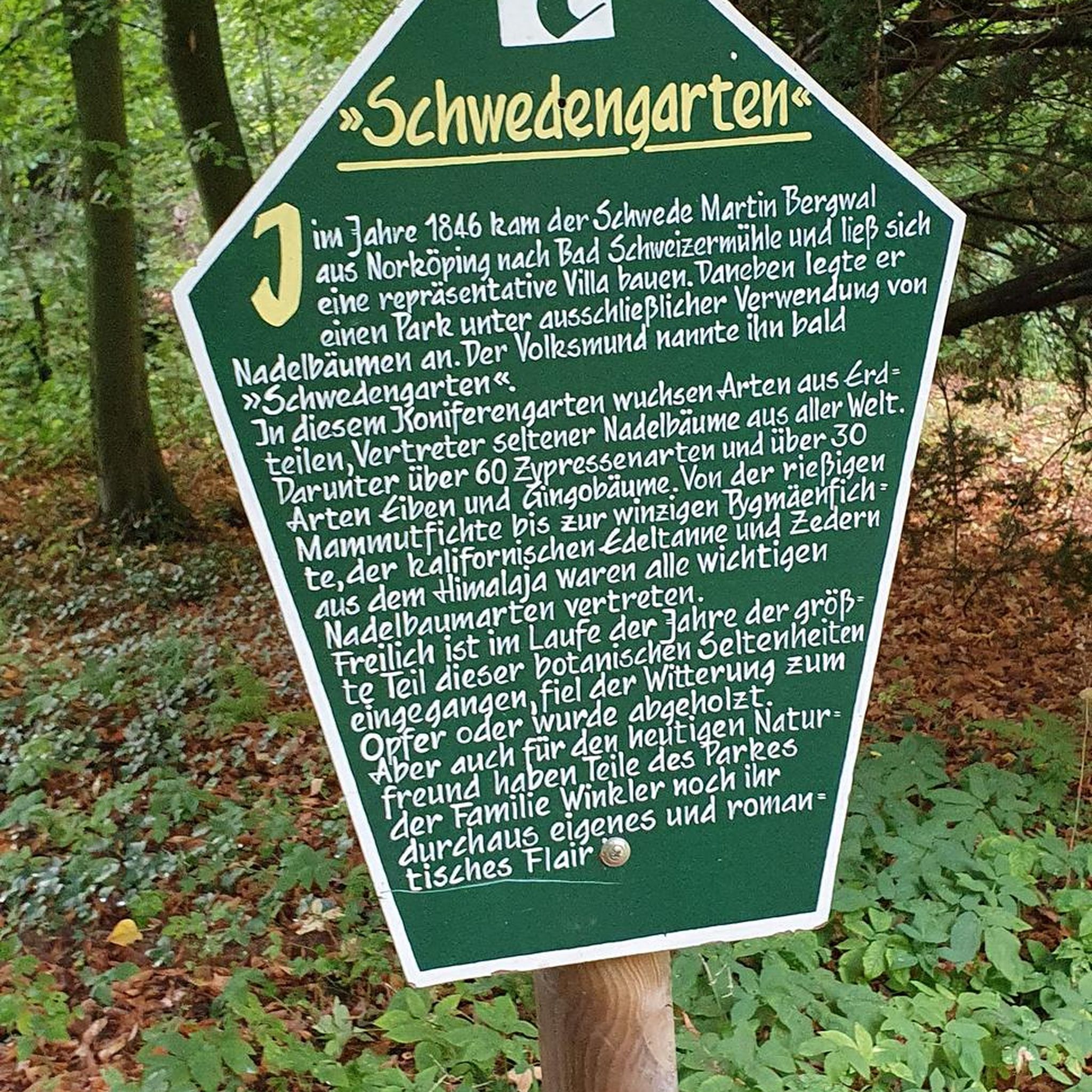
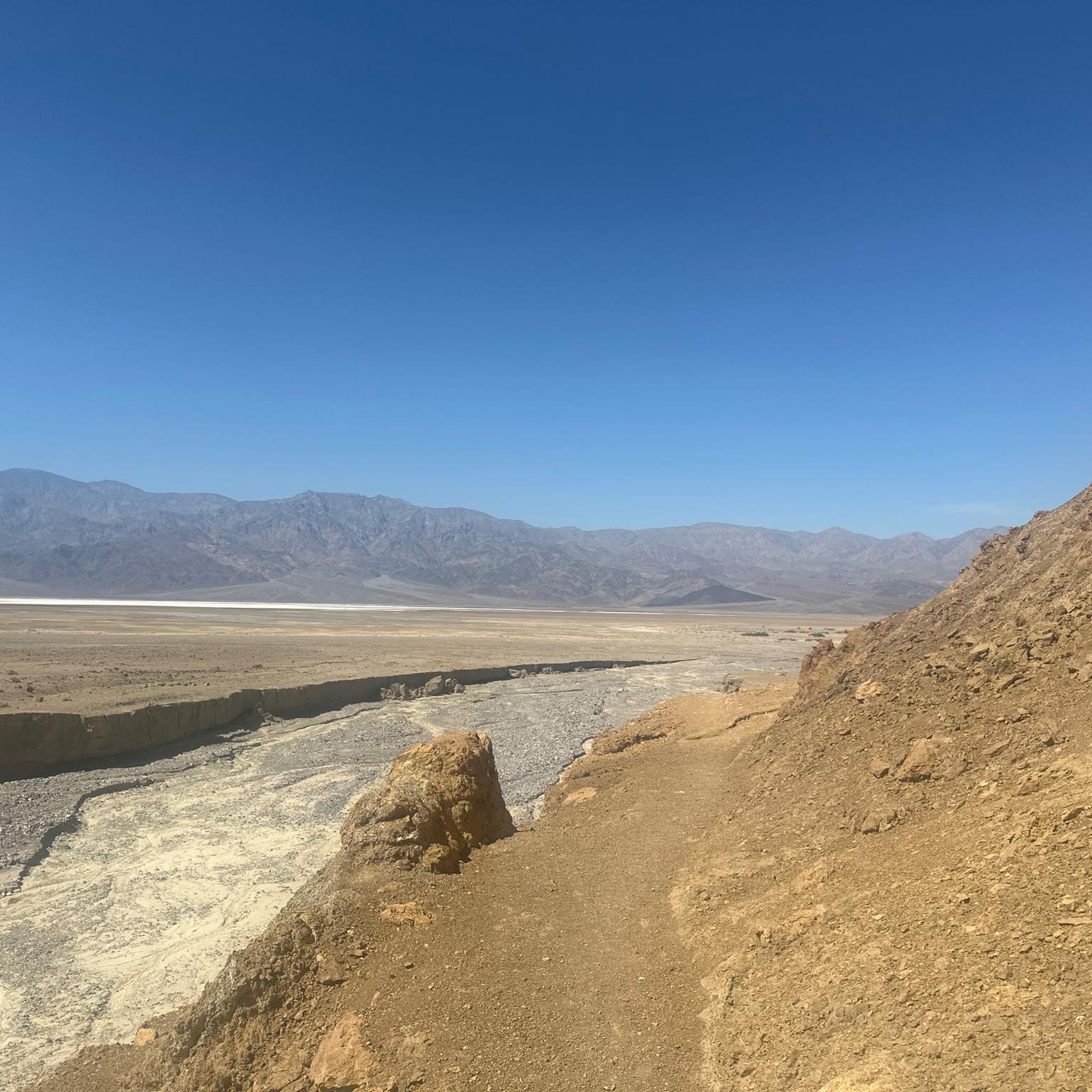
Tips from the Community

The pilgrimage church "Our Lady" in Bickesheim was built between 1250 and 1260 by Margrave Rudolf I on the site of an older building. It was continuously expanded. The church is very beautifully furnished and also has some old frescoes to show. Since 1965, the church has also been the parish church for the local community.
0
0

The Rhine is one of the most important rivers in Europe and has a length of approximately 1,233 km. Its source lies in the Swiss Alps, where it originates from several mountain streams. From there, it first flows through Switzerland and then partly forms the border between Germany and France, before continuing through Germany and finally the Netherlands. Near Rotterdam, the Rhine divides into several distributaries and finally reaches the North Sea. Its catchment area is very large (approx. 185,000 km²) and includes many tributaries such as the Moselle, Main, or Neckar. The Rhine is of great importance to Europe: Shipping: One of the most important waterways in the world for trade and transport Economy: Connection of many industrial and port cities Nature: Habitat for numerous animal and plant species Energy: Utilization through hydropower in the Alpine regions Due to its location and use, the Rhine is considered one of the most important lifelines of Central Europe.
0
0
The Rhine is one of the most important rivers in Europe and has a length of approximately 1,233 km. Its source lies in the Swiss Alps, where it originates from several mountain streams. From there, it first flows through Switzerland and then partly forms the border between Germany and France, before continuing through Germany and finally the Netherlands. Near Rotterdam, the Rhine divides into several distributaries and finally reaches the North Sea. Its catchment area is very large (approx. 185,000 km²) and includes many tributaries such as the Moselle, Main, or Neckar. The Rhine has great importance for Europe: Shipping: One of the most important waterways in the world for trade and transport Economy: Connection of many industrial and port cities Nature: Habitat for numerous animal and plant species Energy: Utilization through hydropower in the Alpine regions Due to its location and use, the Rhine is one of the most important lifelines of Central Europe.
0
0
The Rhine is one of Europe's most important rivers and is approximately 1,233 km long. Its source lies in the Swiss Alps, where it originates from several mountain streams. From there, it first flows through Switzerland and then partly forms the border between Germany and France, before continuing through Germany and finally the Netherlands. Near Rotterdam, the Rhine divides into several distributaries and finally reaches the North Sea. Its drainage basin is very large (approx. 185,000 km²) and includes many tributaries such as the Moselle, Main, or Neckar. The Rhine is of great importance to Europe: Shipping: One of the world's most important waterways for trade and transport Economy: Connection of many industrial and port cities Nature: Habitat for numerous animal and plant species Energy: Utilization through hydropower in the Alpine regions Due to its location and use, the Rhine is one of the most important lifelines of Central Europe.
0
1

next door you can see the producers, i.e. hens. They are doing well.
2
0

Magnificent view of the Rhine.
0
0
Beautiful path along the Rhine.
0
0

A beautiful path through the Rhine meadows on the main Rhine dike, perfect for cycling, jogging or walking.
3
0
Frequently Asked Questions
How many no-traffic touring cycling routes are available around Au am Rhein?
There are nearly 400 dedicated no-traffic touring cycling routes around Au am Rhein, with over 250 of them rated as easy. This wide selection ensures options for all skill levels looking for peaceful rides.
What is the best time of year for no-traffic touring cycling in Au am Rhein?
The best seasons for cycling in Au am Rhein are spring and summer. During these months, the natural surroundings are in full bloom, offering a magical atmosphere and pleasant weather for exploring the flat, scenic routes along the Rhine and Alb rivers.
What is the typical terrain like on these no-traffic routes?
The no-traffic touring cycling routes in and around Au am Rhein are generally flat, making them ideal for relaxed rides. You'll primarily cycle along well-developed paths beside the Rhine River, through its floodplains, and along the Alb River, offering smooth and accessible terrain.
Are the no-traffic touring cycling routes around Au am Rhein suitable for families?
Yes, many of the no-traffic routes are very family-friendly due to their flat terrain and separation from vehicle traffic. Routes like the Flood Protection Dike – Altrhein Maxau Nature Reserve loop offer safe and enjoyable experiences for cyclists of all ages.
What natural features can I expect to see along the no-traffic touring routes?
You'll encounter diverse natural beauty, including the picturesque Rhine River and its significant nature reserves, known as the Altrheinauen (old Rhine floodplains). These areas feature old Rhine arms, lakes, and riparian forests. The tranquil Alb River also offers a refreshing cycling experience. You might also spot the Thomas Weir on the River Alb, a peaceful spot to enjoy nature.
Are there any historical landmarks or attractions along these no-traffic routes?
While the routes focus on natural landscapes, you'll often pass through charming towns and villages with historic buildings. The wider Rhine region is also known for its castles and historic sites. For example, the Neuburg-Neuburgweier Rhine Ferry and the unique Seltz–Plittersdorf Cable Ferry are notable features that connect you to different historical areas.
Can I cross the Rhine River during my no-traffic cycling tour?
Absolutely! You can utilize the Rhine ferries, such as the Neuburg-Neuburgweier Rhine Ferry or the Seltz–Plittersdorf Cable Ferry, to cross the river. This allows you to extend your tours into neighboring regions like Southern Palatinate and Northern Alsace, offering varied landscapes and cross-border experiences.
Are there circular no-traffic touring routes available?
Yes, many no-traffic touring routes around Au am Rhein are designed as loops, allowing you to start and end at the same point. An example is the Panzer Bridge Au – Neuburgweier Customs House loop, which offers a convenient way to explore the area without retracing your steps.
What do other cyclists say about the no-traffic routes in Au am Rhein?
The no-traffic touring cycling routes in Au am Rhein are highly rated by the komoot community, with an average score of 4.5 stars from over 5,800 ratings. Cyclists often praise the peaceful atmosphere, the well-maintained paths along the river, and the beautiful, flat scenery that makes for a relaxing ride.
Are there places to eat or drink along the no-traffic cycling routes?
Yes, the routes often pass through charming villages and towns where you can find cafes and restaurants. The region is also known for its cycle-friendly amenities, so you'll likely encounter opportunities to refresh yourself along the way, especially in the historic centers.
Where can I park my car when starting a no-traffic cycling tour?
Many starting points for these routes, particularly in and around Au am Rhein and nearby villages like Elchesheim-Illingen, offer designated parking areas for cyclists. Look for public parking facilities near river access points or town centers, which are often convenient for beginning your tour.
Can I bring my dog on these no-traffic cycling routes?
Many of the no-traffic paths, especially those along the Rhine and through natural areas, are suitable for cycling with dogs, provided they are well-behaved and kept on a leash where required. Always be mindful of local regulations and other path users.
Most popular routes around Au am Rhein
Most popular attractions around Au am Rhein

Get inspired with the komoot mobile app


Explore more
Browse the best Cycling routes in other regions.
