The best traffic-free bike rides around Möser
4.4
(214)
822
riders
37
rides
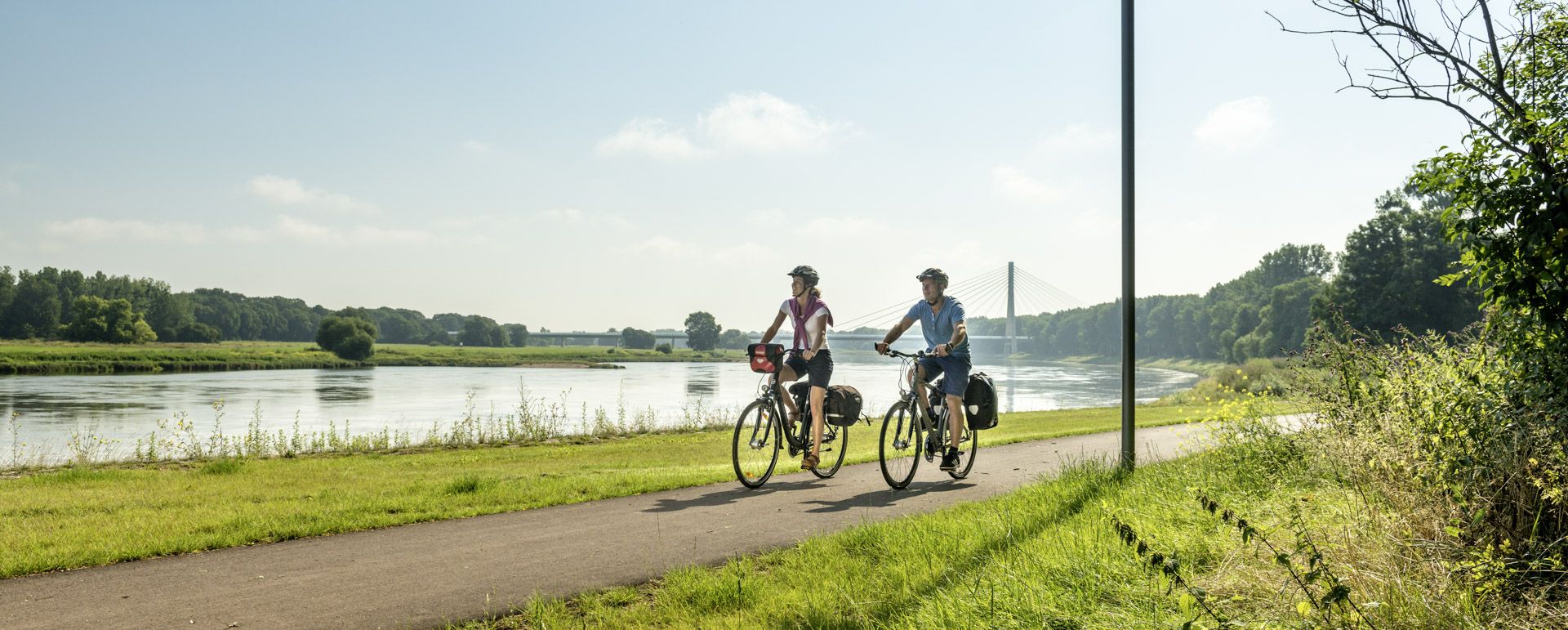
Gravel biking around Möser offers diverse landscapes shaped by the last Ice Age, ideal for exploring on two wheels. The region is characterized by the Elbe Flood Plain and Elbe Meadows, providing serene river areas and natural paths. The High Fläming region contributes varied terrain, while numerous natural river landscapes create a network of trails suitable for gravel bikes. This environment combines well-paved cycle paths with natural, unpaved surfaces, offering a blend of ease and off-road adventure.
Best no traffic…
Last updated: September 30, 2026
3.5
(2)
11
riders
Easy gravel ride. Great for any fitness level. Mostly paved surfaces. Suitable for all skill levels.
5.0
(1)
2
riders
30.8km
01:54
100m
100m
Easy gravel ride. Great for any fitness level. Mostly paved surfaces. Suitable for all skill levels.

5.0
(1)
6
riders
Easy gravel ride. Great for any fitness level. Mostly paved surfaces. Suitable for all skill levels.
5.0
(2)
3
riders
72.6km
04:04
210m
210m
Moderate gravel ride. Good fitness required. Mostly paved surfaces. Suitable for all skill levels.
4.0
(2)
3
riders
17.2km
01:05
80m
80m
Hard gravel ride. Great for any fitness level. You may need to push your bike for some segments of this route.
Get access to more routes and recommendations from other explorers.
Already have an account?
Our route recommendations are based on thousands of hikes, rides, and runs completed by other people on komoot.
Start today with a free account
Your next adventure awaits.

Other adventures around Möser

Tips from the Community

The development of water transport technology becomes clear during a visit to the historic Rothensee ship lift. In 1938, the ship lift was put into operation. Leipzig designers opted at the time for a principle that had not yet been practically applied anywhere for a structure of this magnitude: A lift whose trough rested on two movable floats. With the help of the water-filled trough, which together with the two floats and the support structures has a total weight of around 5,400 tons, ships could thus "descend" from the Mittellandkanal and towards the Elbe. Depending on the water level of the Elbe, a gradient between 11 and 18 meters is compensated. With a trough length of 85 meters, a width of 12 meters, and a water depth in the trough of 2.5 meters, the dimensions are, however, too small for today's large motor cargo ships. For this reason, the ship lift was decommissioned in 2006. Since then, the state capital Magdeburg, supported by various stakeholders and with broad public approval, has been committed to its seasonal continued operation. With success: Since the summer of 2013, the ship lift has been seasonally operated again for tourist purposes. The ship lift in Magdeburg-Rothensee is a unique monument due to its technology and history. It is a brilliant design, its construction was an engineering masterpiece. It is the second oldest of only four ship lifts still in operation in Germany and the only two-float ship lift in Germany still in operation. A visit is worthwhile for this reason alone, as the immediate proximity of the state-of-the-art Sparschleuse to the ship lift, as a historical technical monument, makes the developments in water transport technology visible. Data and facts: Usable length: 85 meters Usable width: 12 meters Lift height: 10.45 to 18.46 meters depending on the Elbe water level Water depth in the trough: 2.58 meters Usable size: 82 meters x 9.5 meters x 2 meters Total moving weight: 5,400 tons https://www.magdeburg-tourist.de/Tourismus-Freizeit/System/Schiffshebewerk/
2
0


The Niegripp lock was opened in 1938 and replaced the Old Niegripp lock from 1872, located a little further north. The lock connects the Elbe river with the Mittelland Canal and the Elbe-Havel Canal. A special feature is that, depending on the water level of the Elbe, the passage through the lock occurs upwards or downwards in different directions.
0
0

A real eye-catcher. The Kalimandscharo, with its 120-meter-high mound, is noticeable even from a great distance. It can even be visited and climbed.
0
0
It's always impressive what engineering can achieve. Here, the Mittelland Canal simply runs along above the Elbe River.
0
0


So many highlights at a glance
0
0

nice spot
0
0
Frequently Asked Questions
How many no traffic gravel bike trails are available in Möser?
Möser offers a wide selection of traffic-free gravel bike trails, with over 35 routes to explore. These trails cater to various skill levels, ensuring there's something for everyone, from easy rides to more challenging adventures.
What kind of terrain can I expect on Möser's no traffic gravel trails?
The terrain around Möser is diverse, shaped by the Ice Age and situated along the Elbe Flood Plain. You'll find a mix of natural river landscapes, wild meadows, and sections of the High Fläming region. While some parts of the Elbe Cycle Path offer well-paved surfaces, many trails are unpaved with gravel, roots, and slight ruts, making them ideal for gravel biking. This blend provides both serene rides and adventurous off-road exploration.
What interesting landmarks or natural features can I see along these routes?
Many routes will take you past impressive sights. A highlight is the Magdeburg Water Bridge, the world's longest canal bridge. You might also encounter the Herrenkrugsteg Bridge, offering scenic views over the Elbe. The region also features charming historic villages, Romanesque churches, and even a prehistoric grave site (Hünengrab) in Körbelitz, which can be integrated into longer rides.
What do other gravel bikers say about the no traffic trails in Möser?
The komoot community highly rates the gravel biking experience in Möser, with an average score of 4.5 stars from over 130 ratings. Riders often praise the peaceful, traffic-free nature of the trails, the scenic river landscapes, and the variety of routes that allow for both relaxed rides and more adventurous outings.
Are there family-friendly no traffic gravel bike trails in Möser?
Yes, Möser offers a good selection of easy, traffic-free gravel bike trails perfect for families. These routes typically feature gentler gradients and well-maintained surfaces, allowing for a relaxed and enjoyable ride for all ages. Look for routes marked as 'easy' to find the most suitable options.
Are there circular gravel bike routes available in Möser?
Absolutely. Many of the no traffic gravel bike trails in Möser are designed as circular routes, allowing you to start and end at the same point without retracing your steps. For example, the Hohenwarthe Waterway Crossing – Magdeburg Water Bridge loop from Möser is an excellent easy option, offering a scenic loop around key attractions.
What is the best time of year to gravel bike in Möser?
Spring and autumn generally offer the most pleasant conditions for gravel biking in Möser, with mild temperatures and beautiful scenery. Summer can also be great, especially along the shaded river paths. While winter riding is possible, be prepared for potentially colder temperatures and some trails might be muddier or have icy patches, particularly in the Elbe Flood Plain areas.
Where can I find parking for these no traffic gravel bike trails?
While specific parking areas aren't always designated for each trail, many routes start from towns or villages like Möser or Lostau, where public parking is generally available. It's advisable to check the starting point of your chosen route on komoot for more precise parking information or local signage.
How can I access these trails using public transport?
Möser and surrounding towns are connected by regional public transport, including train services. Cyclists can often transport their bikes on regional trains, though it's always best to check the specific operator's rules and schedules for bike carriage before planning your trip. This allows for flexible access to various starting points along the trails.
Are there places to eat or drink near the no traffic gravel trails?
While the focus of these trails is often on natural immersion, you'll find opportunities for refreshments in the charming villages and towns along or near the routes. Places like Möser, Lostau, or areas closer to Magdeburg offer cafes, restaurants, and pubs where you can refuel after your ride. It's a good idea to pack some snacks and water, especially for longer stretches.
What are some easy no traffic gravel bike trails for beginners?
For beginners looking for easy, traffic-free gravel rides, consider routes like the Niegripp Lock – Mittelland Canal Cycle Path loop from Lostau. This route offers a relatively flat profile and pleasant scenery, making it suitable for those new to gravel biking or looking for a relaxed outing. There are 15 easy routes in total to choose from.
Most popular routes around Möser
Most popular attractions around Möser

Get inspired with the komoot mobile app


Explore more
Browse the best Gravel rides in other regions.
