Attractions and Places To See around National Park Vale Guadiana - Top 20
Best attractions and places to see around National Park Vale Guadiana, located in southeastern Portugal, offers a diverse landscape of rolling plains, wooded hills, and deep river valleys carved by the Rio Guadiana. The park is rich in historical and archaeological heritage, with towns like Mértola showcasing Roman, Visigothic, and Islamic influences. It is also a Special Protection Area, known for its significant biodiversity and opportunities for birdwatching. This region provides a blend of natural beauty and cultural sites for…
Last updated: July 7, 2026
Pulo do Lobo Waterfall
Highlight • Waterfall
Translated by Google •
Tip by

Church of Our Lady of the Annunciation (Mértola Mother Church)
Highlight • Religious Site
Translated by Google •
Tip by

Sign up now to discover places like this
Get recommendations on the best single tracks, peaks, & plenty of other exciting outdoor places.
Sign up for free
Mértola Castle
Highlight • Castle
Translated by Google •
Tip by

Achada do Gamo Copper Mine Ruins
Highlight (Segment) • Monument
Tip by

Mina de São Domingos
Highlight • Historical Site
Translated by Google •
Tip by

Sign up for free to discover even more attractions around National Park Vale Guadiana.
Sign up for free
Already have an account?
Start today with a free account
Your next adventure awaits.
Login or Signup
Popular around National Park Vale Guadiana
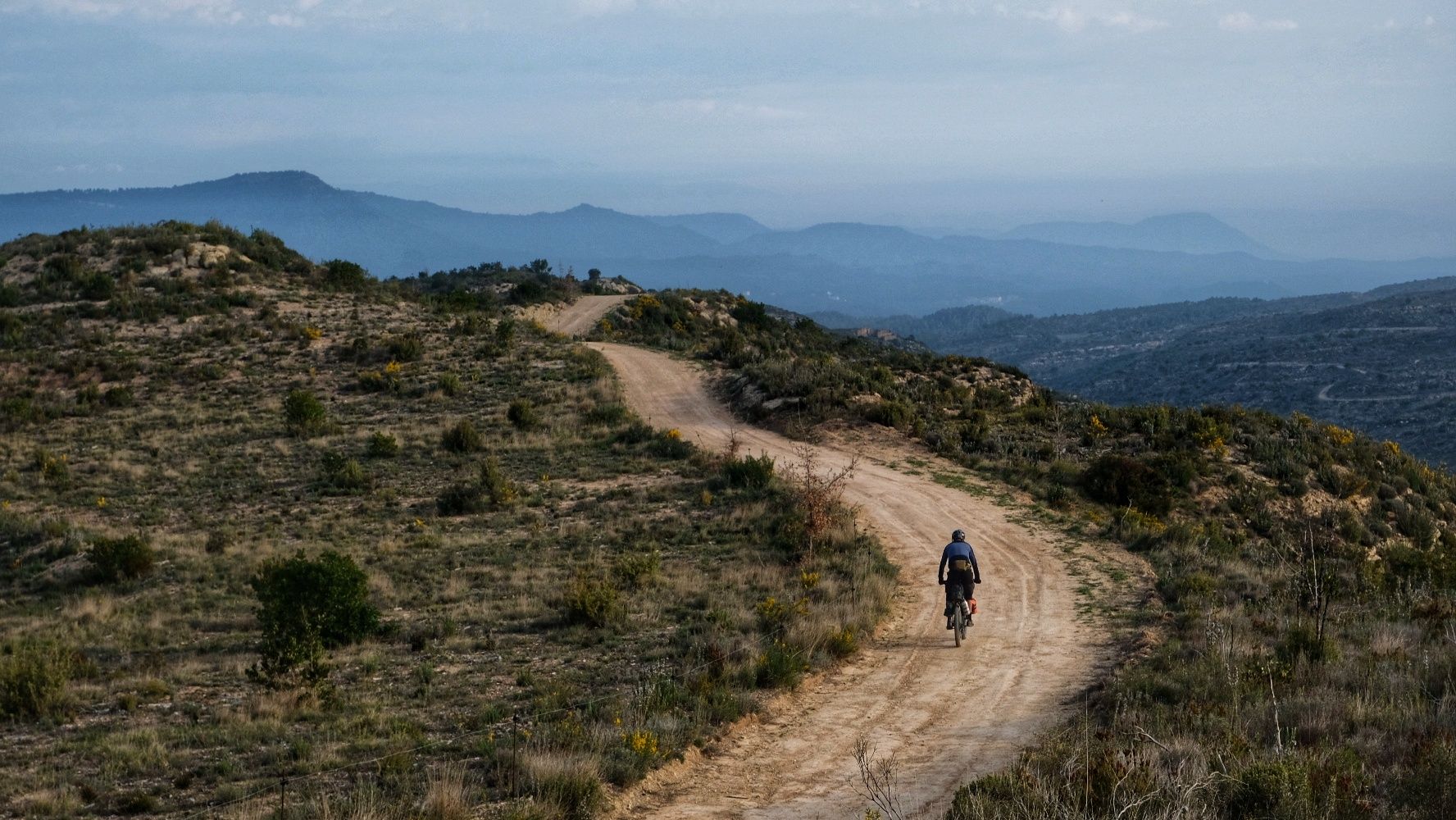
European Divide Trail — 7,600 km across the continent
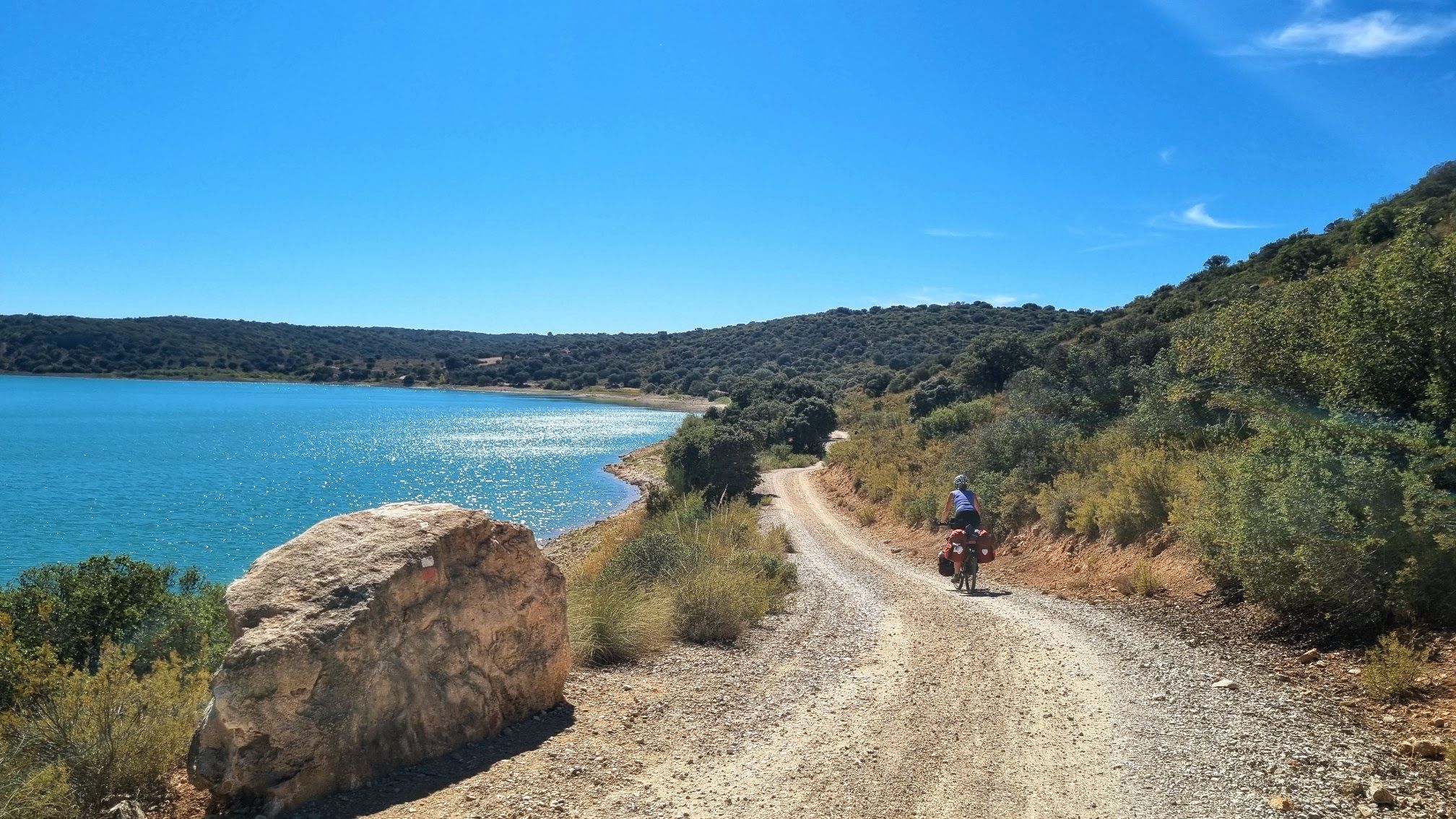
Pedalea junto al gran río — Camino Natural del Guadiana
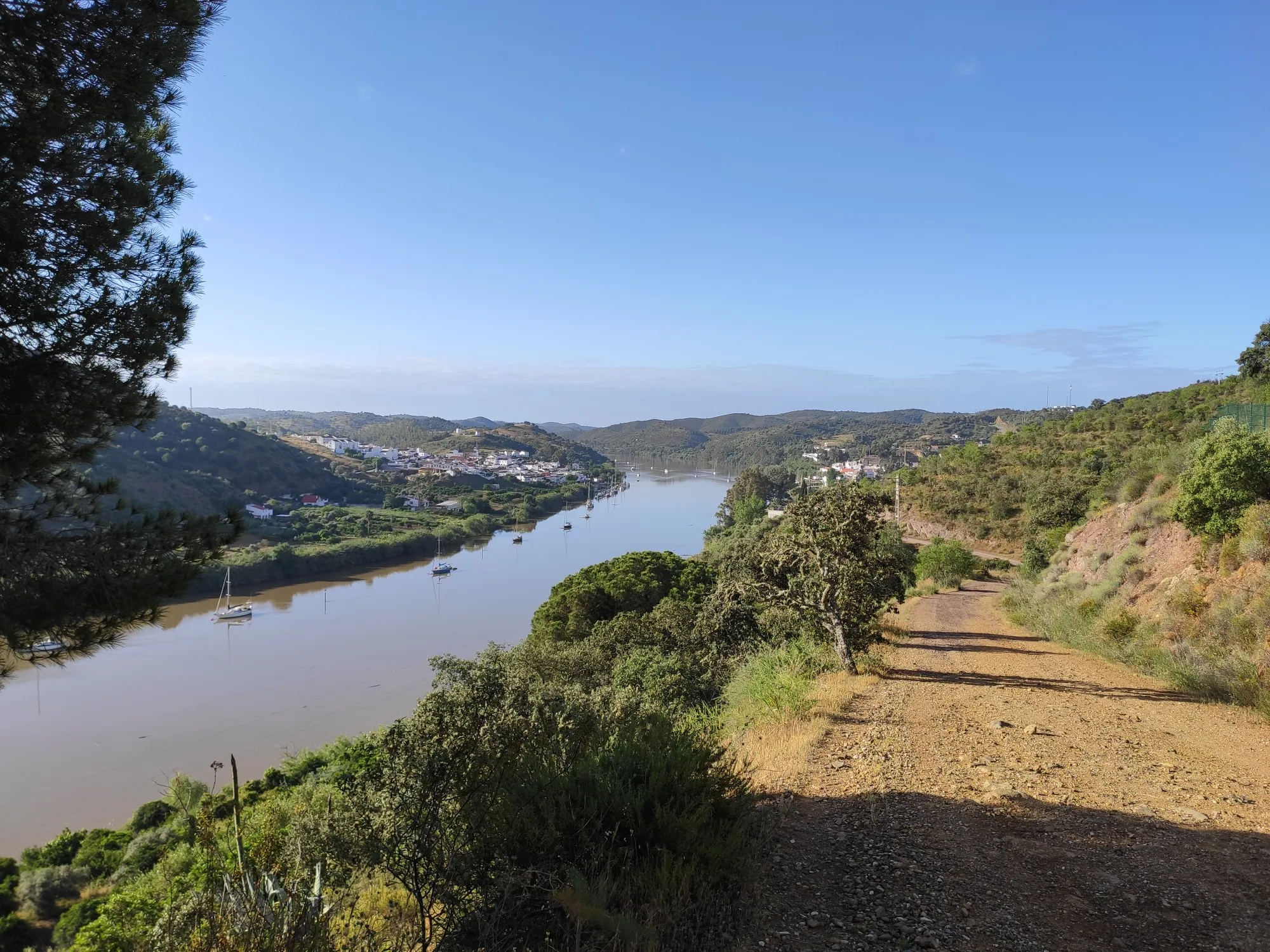
Stories of a river - Great Guadiana Route (GR 15)
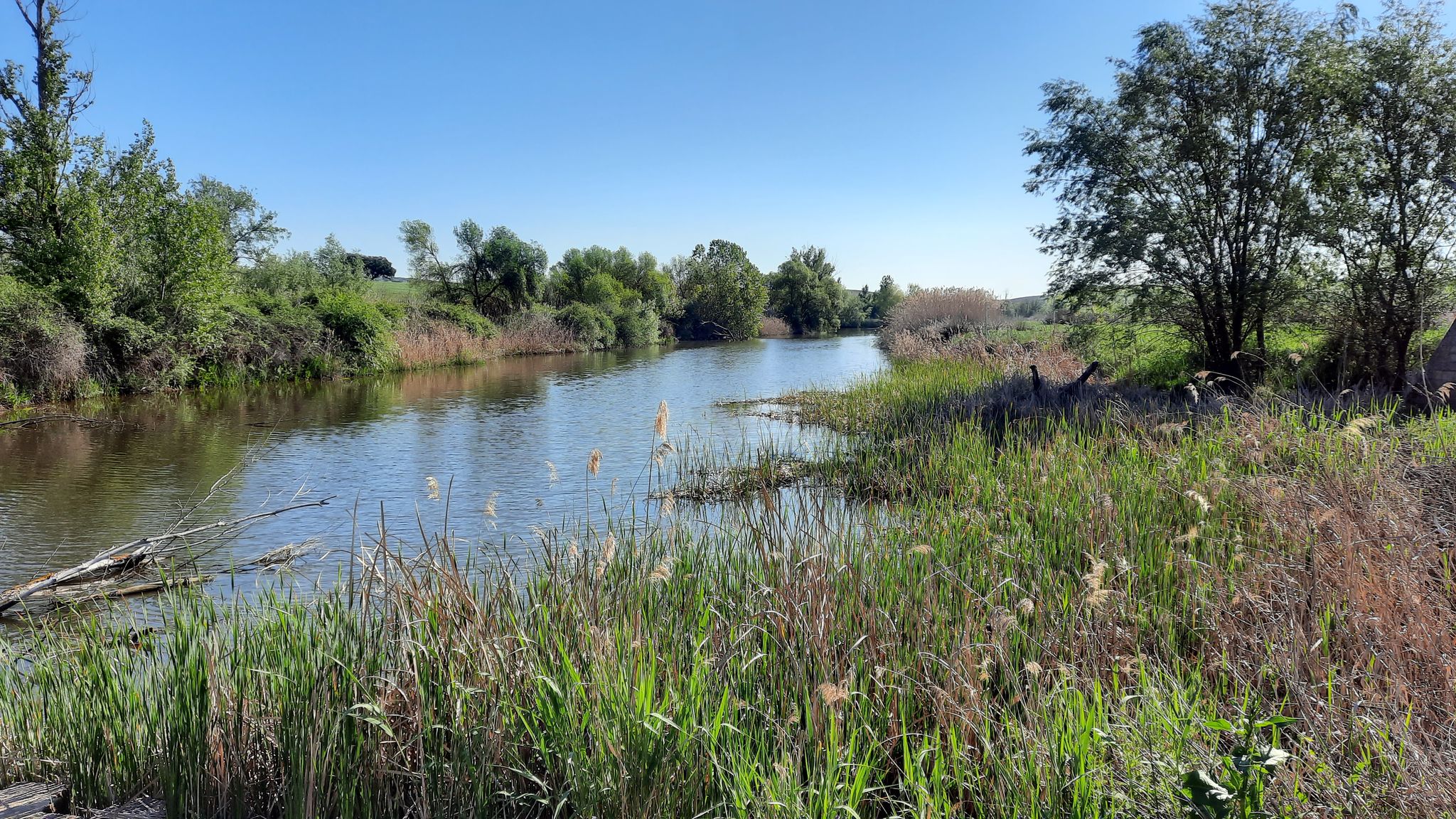
The magic of an endless river – Spain's Guadiana Natural Trail (GR 114)
Hiking around National Park Vale Guadiana
Road Cycling Routes around National Park Vale Guadiana
Running Trails around National Park Vale Guadiana
Cycling around National Park Vale Guadiana

Gravel biking around National Park Vale Guadiana
MTB Trails around National Park Vale Guadiana
Other adventures around National Park Vale Guadiana


Tips from the Community

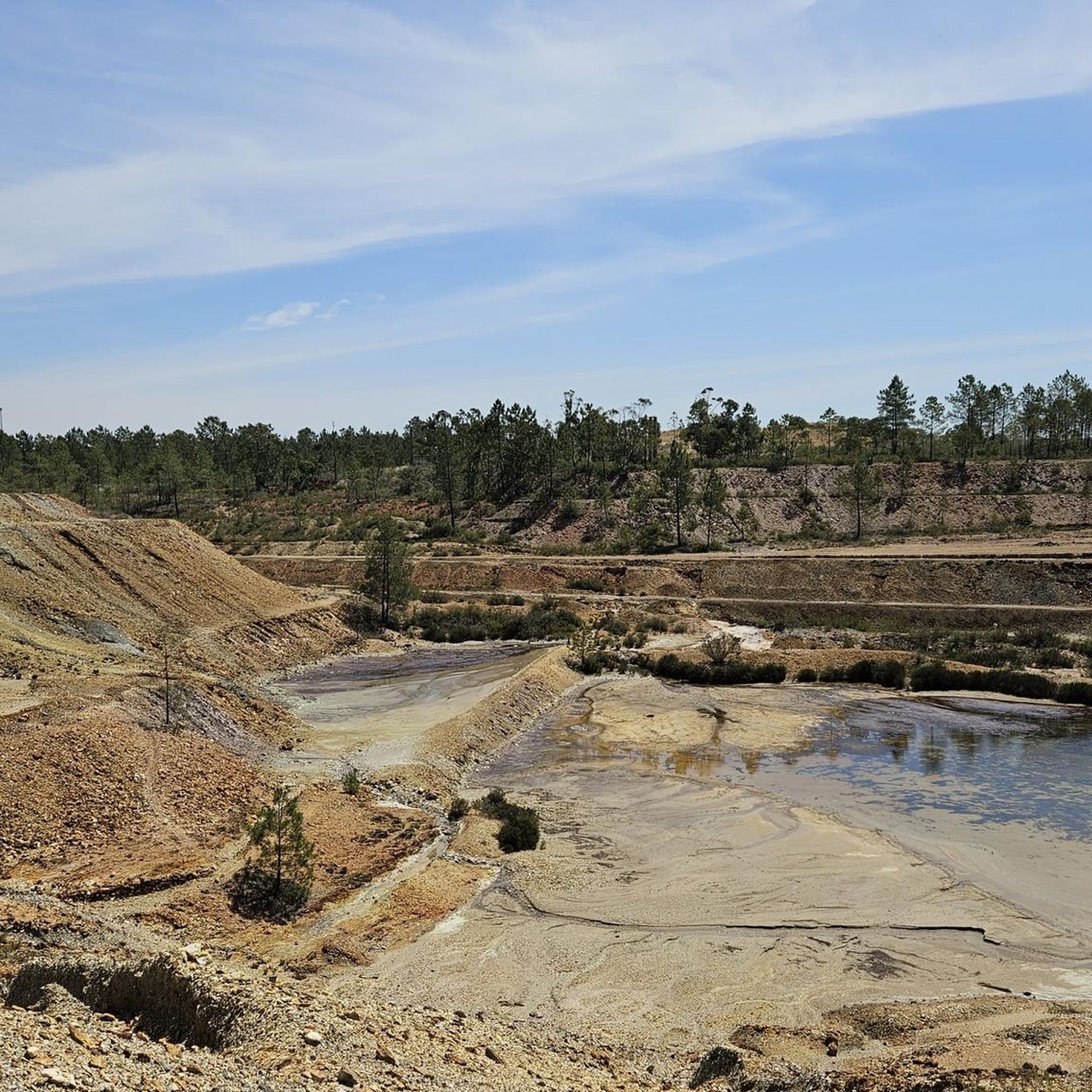
The São Domingos Mine is a living memory of a time of fire and iron. Here, where the earth opened up to reveal gold, silver, and copper since ancient times, one of the greatest legacies of the Iberian Pyrite Belt arose in the 19th century. Between 1854 and 1966, millions of tons of ore were extracted here, leaving not only its mark on the soil and landscape, but also progress: one of the country's first railway lines and the first power plant in the Alentejo. Today, the former mining complex is a public heritage site, a place of contrasts and rare beauty.
2
0

The Mezquita Mosque, now the Igreja de Nossa Senhora da Assunção Matriz, was built below the castle complex in the mid-12th century as a square building with a minaret. After the Reconquista by Sancho II, King of Portugal, in 1238, the Mezquita of Mértola, then supplemented by a small bell tower on the minaret, retained its original form for almost 300 years. In 1532, the Mezquita was converted into a church in its present form, with striking small battlements and turrets on the roof. The original mosque was never destroyed.
3
0
The battlements and cones along the edge of the church's roof are striking, clearly a reminder of the former mosque. The interior of the church is rather plain compared to many others in Portugal. However, the vaulted ceiling is very beautiful.
3
0
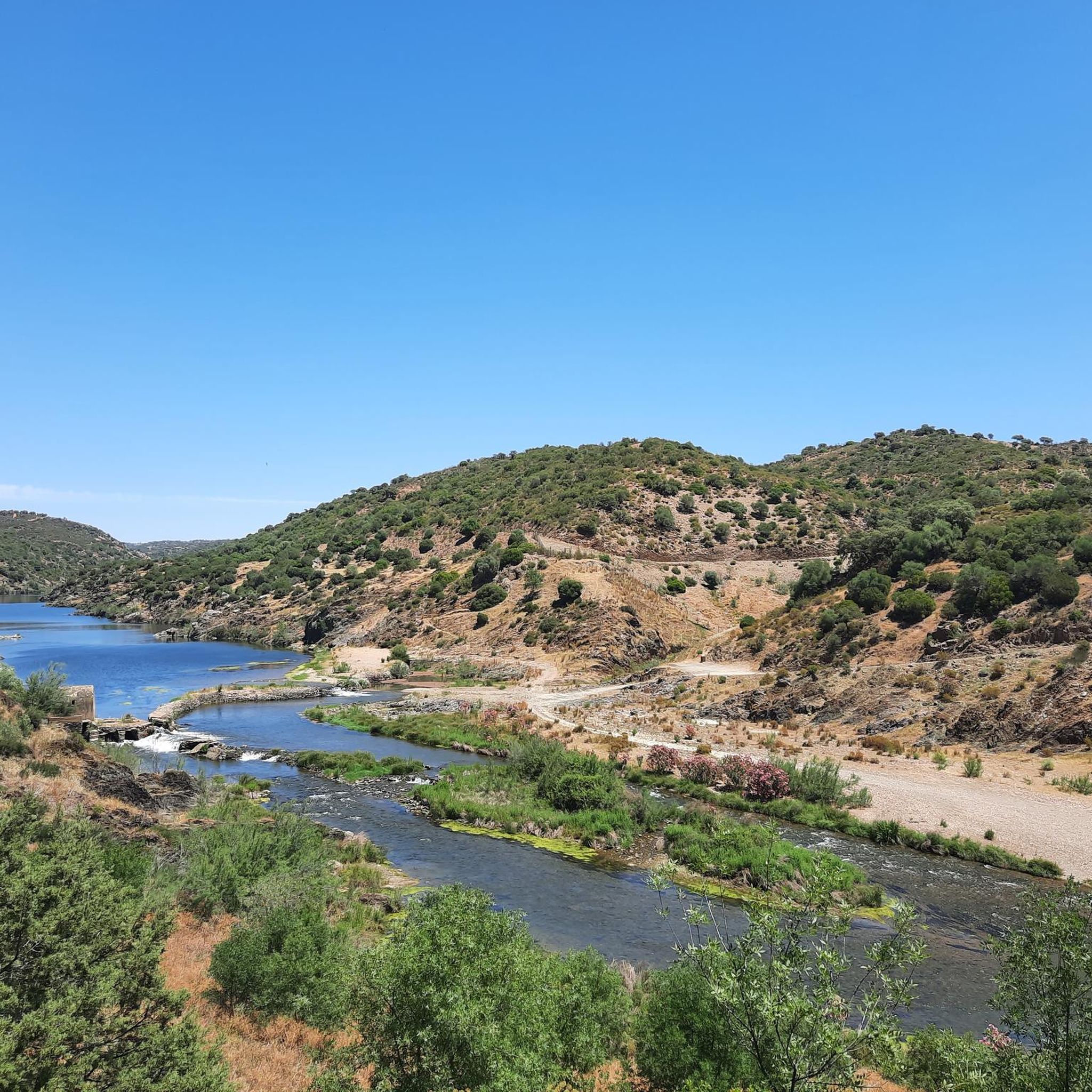
You can access Pulo do Lobo from either side of the river: from Aldeia da Amendoeira, on the Mértola-Beja road (left bank), or from Serpa, in the village of Vale de Poços, where you'll find signs indicating exactly where to turn right (right bank). Both paths are well signposted, and both have several viewpoints. The best view of the waterfall, however, is undoubtedly from the viewpoint on the right bank. Further ahead, you'll see Pego dos Sáveis, the spot where the water suddenly calms down again, forming a tranquil lake.
4
0

I have already visited the outskirts of Mértola on a hike that I really enjoyed, an area of short bushland, along well-marked trails. Good food and with many historical elements of Islamic culture. Relatively close by, we have the Mina de S. Domingos, where we also had an excellent hike, where you can see the remains of the old mines. We can also visit the village, with many skills from the workers of the old mines. I recommend it.👍🇵🇹
2
0

Pulo do Lobo. This is the largest waterfall in southern Portugal and is located on the Guadiana River, upstream from Mértola. The waters fall from a height of over 20 metres and, surrounded by a sea of foam, descend the rocky gorge to the bottom, emptying into a lake between the rocks. The banks of the waterfall are so narrow that, according to legend, even a wolf could cross them in one leap. Hence the name Pulo do Lobo. The landscape of Pulo do Lobo is spectacular, the riverbed after the waterfall is completely exposed, in rock, between which the Guadiana River meanders, in a groove created over thousands of years. Access to Pulo do Lobo can be from the east or west. To the east, take a detour on the road that connects Serpa to Mértola. Access to the waterfall is difficult and you have to walk, crossing the rocky riverbed to reach the waterfall. We recommend caution. To the west, take a detour on the road that connects Beja to Mértola and continue to the village of Amendoeira da Serra, following the signs to Pulo do Lobo. You will then reach Herdade de Pulo do Lobo, open the gate and it is about 1000m on a dirt road to the waterfall. Access is prohibited to heavy vehicles. Access to the waterfall from the west is easier, and there is even a structure to better observe the waterfall.
5
0

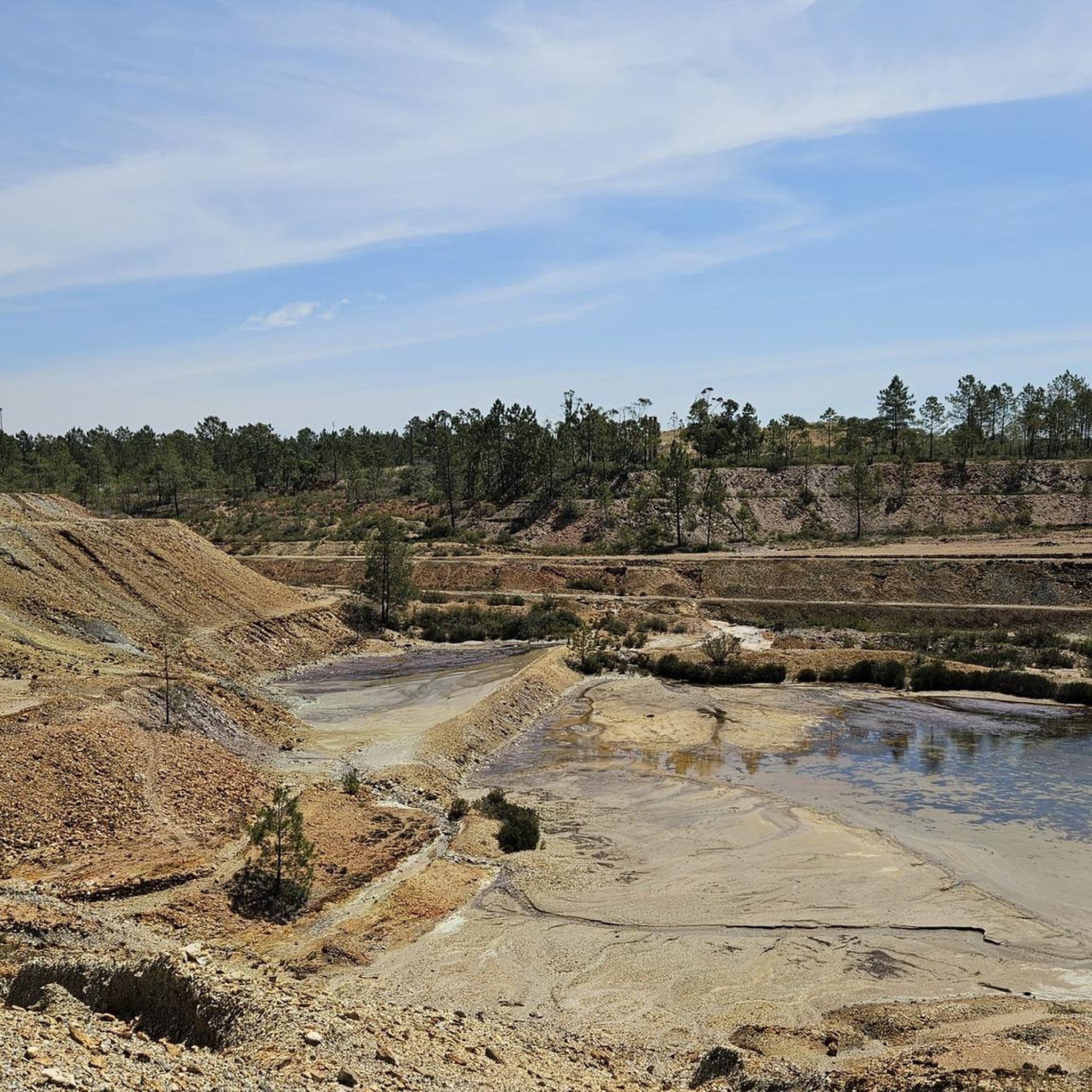
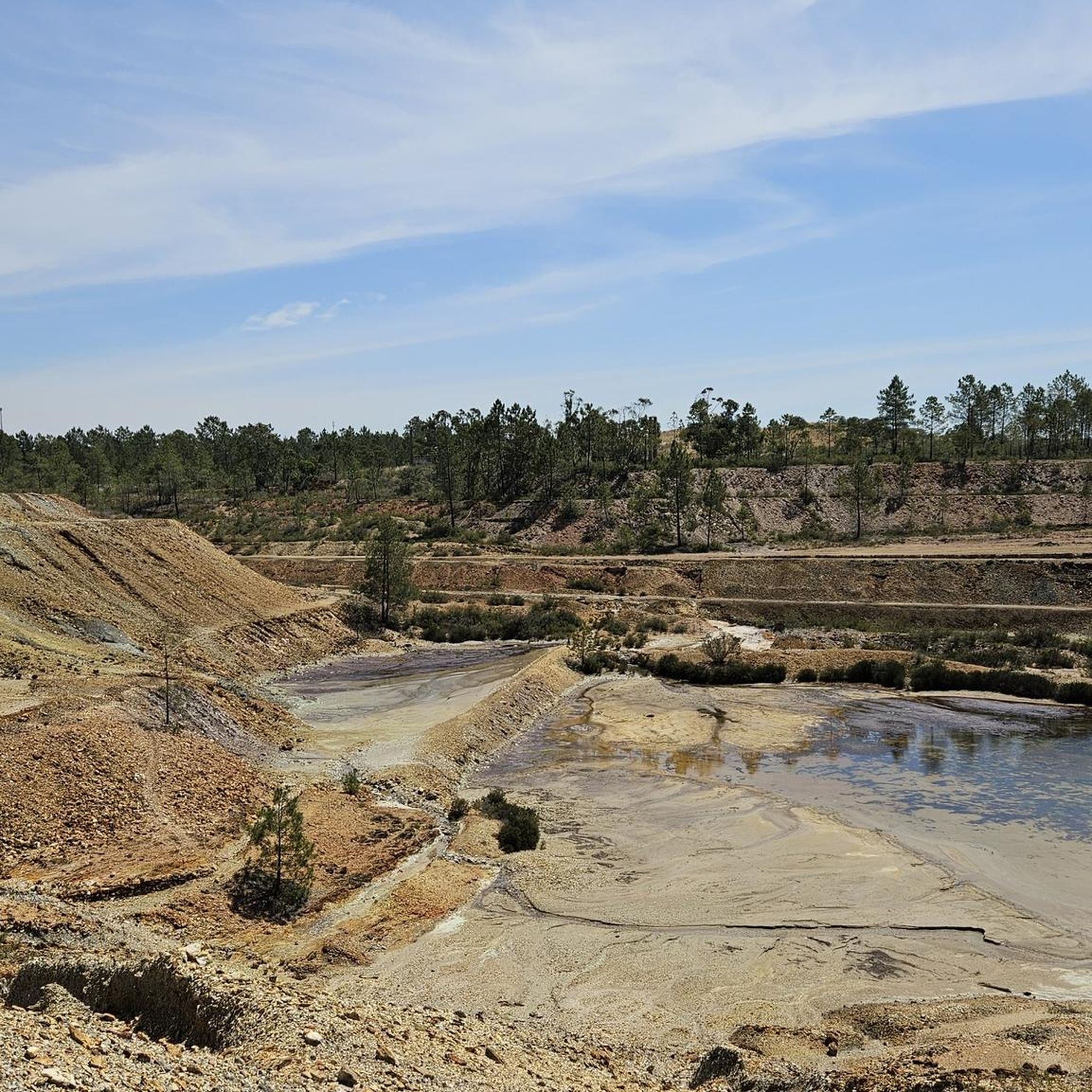
Unforgettable connection between Mina and Santana de Cambas. Route of the old railway line. The ACHADA DO GAMO site is post-apocalyptic (blast sulphur furnaces from the 1940's).
2
0

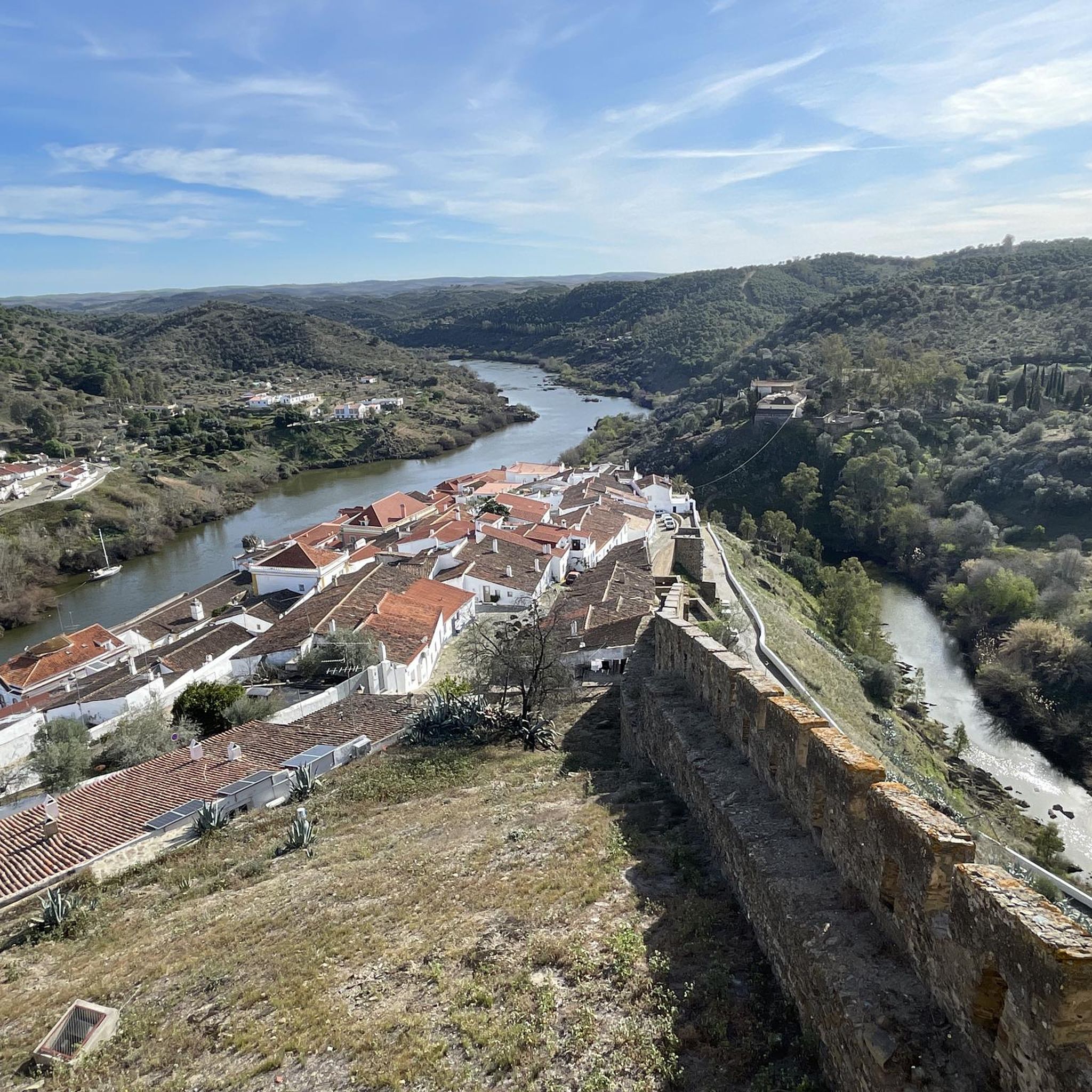
Great castle complex with a view of the surrounding area.
2
1
Frequently Asked Questions
What prominent natural features can I explore in National Park Vale Guadiana?
The park is defined by the majestic Rio Guadiana, which carves deep valleys and gorges, offering magnificent landscape views. A must-see is the Pulo do Lobo Waterfall, known as the "Wolf's Leap," marking the river's steepest natural decline. You'll also find diverse landscapes including rolling plains, wooded hills with cork oak, and the largest area of rolling steppes in Portugal.
Which historical sites can I visit within National Park Vale Guadiana?
The park is rich in history. Mértola, often called a "town museum," boasts Roman, Visigothic, and Islamic influences. Here you can explore Mértola Castle, built on a Moorish fortress, offering sweeping views. Another significant site is Mina de São Domingos, a former mining complex with a history stretching back to the Copper Age, showcasing industrial archaeology.
What outdoor activities are available near the attractions in National Park Vale Guadiana?
National Park Vale Guadiana offers a variety of outdoor activities. You can enjoy hiking on numerous trails, with options ranging from easy to moderate. Cycling is also popular, with routes that take you through diverse landscapes. Canoeing on the Rio Guadiana is a refreshing way to experience its beauty. For specific routes, you can find many options in guides like Hiking around National Park Vale Guadiana or Cycling around National Park Vale Guadiana.
Is National Park Vale Guadiana a good destination for birdwatching?
Yes, the park is a renowned destination for birdwatching and is designated as a Special Protection Area (SPA) due to its rich biodiversity. Areas around Castro Verde are particularly important for spotting rare species such as the lesser kestrel, Bonelli's eagle, and the Great Bustard. The park is home to many rare and endangered bird species, making it a prime location for enthusiasts.
Are there family-friendly attractions or activities in the park?
While many trails are suitable for families, the Guadiana Riverside at Bombeira near Mértola offers peaceful spots to relax and enjoy the natural surroundings, which can be pleasant for families. Exploring the historic town of Mértola itself, with its castle and archaeological sites, can also be an engaging experience for all ages. For easy walks, consider routes from the Easy hikes around National Park Vale Guadiana guide.
When is the best time of year to visit National Park Vale Guadiana?
The best time to visit depends on your interests. Spring is ideal for witnessing abundant wildflowers, while autumn is perfect for observing various fungi. However, it's advisable to take precautions against intense heat during the summer months, especially if planning strenuous outdoor activities.
What makes Mértola a significant place to visit within the park?
Mértola is often referred to as a "town museum" due to its fascinating history, with Roman, Visigothic, and Islamic influences visible throughout its architecture and archaeological sites. It serves as a central hub within the park and offers a unique blend of cultural heritage and scenic views, including the impressive Mértola Castle.
What is the history behind Mina de São Domingos?
Mina de São Domingos is a former mining complex with a history dating back to the Copper Age. It was a significant operation in the 19th century, pioneering one of Portugal's first railway lines and the first power plant in the Alentejo. Today, it's a public heritage site, offering a unique glimpse into industrial archaeology and a landscape shaped by centuries of mining.
What unique flora and fauna can I expect to see in the park?
As a Special Protection Area, the park boasts rich biodiversity. Besides rare bird species like the black stork and Bonelli's eagle, you might spot the horned viper or Iberian toad. The vegetation includes pine and cork oak forests (montado), and unique plants like the rare four-leaf clover (Marsilea batardae). Spring brings abundant wildflowers, and autumn offers a variety of fungi.
Are there other charming towns to visit in the area besides Mértola?
Yes, beyond Mértola, you can explore Serpa, a charming town known for its narrow, picturesque streets, 14th-century medieval walls, and traditional architecture, as well as its excellent cheese production. Castro Verde is another picturesque village celebrated for its traditional architecture, cultural heritage, and importance as a birdwatching area, particularly for the lesser kestrel.
What do visitors enjoy most about the attractions in National Park Vale Guadiana?
Visitors frequently appreciate the blend of natural beauty and rich history. The sweeping views from Mértola Castle and the dramatic scenery of Pulo do Lobo Waterfall are highly praised. The unique industrial archaeology of Mina de São Domingos also captures interest, offering a glimpse into the region's past. The komoot community has shared 65 photos and given 36 upvotes, highlighting the visual appeal and engaging experiences.
Where can I find information about walking trails and wildlife spotting locations?
The park's headquarters, located in Mértola, can provide detailed information on walking trails and specific wildlife spotting locations, along with basic maps. They are an excellent resource for planning your exploration of the park's natural offerings.
Most popular routes around National Park Vale Guadiana
Most popular attractions around National Park Vale Guadiana

Get inspired with the komoot mobile app


Explore more
Still not found the Highlight you’re looking for? See guides of the top attractions in other regions:
