The best city hikes and walks around Rhede
4.5
(1152)
5,152
hikers
167
hikes
Urban hiking trails around Rhede are characterized by the town's location within the Münsterland region, featuring varied nature and relatively flat terrain. The Ems River influences the natural landscape, with paths often following its vicinity. The area includes wooded sections and trails along smaller rivers like the Borkener and Bocholter Aa, providing diverse scenery for urban walks.
Best urban hiking trails around Rhede
- The most popular urban hiking route is Children's Fountain Sculpture – St. Gudula Church, Rhede loop from…
Last updated: September 30, 2026
6
hikers
Easy hike. Great for any fitness level. Easily-accessible paths. Suitable for all skill levels.
9
hikers
4.99km
01:16
10m
10m
Easy hike. Great for any fitness level. Easily-accessible paths. Suitable for all skill levels.

5
hikers
5.48km
01:23
10m
10m
Easy hike. Great for any fitness level. Easily-accessible paths. Suitable for all skill levels.
7
hikers
3.58km
00:54
10m
10m
Easy hike. Great for any fitness level. Easily-accessible paths. Suitable for all skill levels.
5.0
(1)
1
hikers
3.67km
00:56
10m
10m
Easy hike. Great for any fitness level. Easily-accessible paths. Suitable for all skill levels.
Get access to more routes and recommendations from other explorers.
Already have an account?
Our route recommendations are based on thousands of hikes, rides, and runs completed by other people on komoot.
Start today with a free account
Your next adventure awaits.
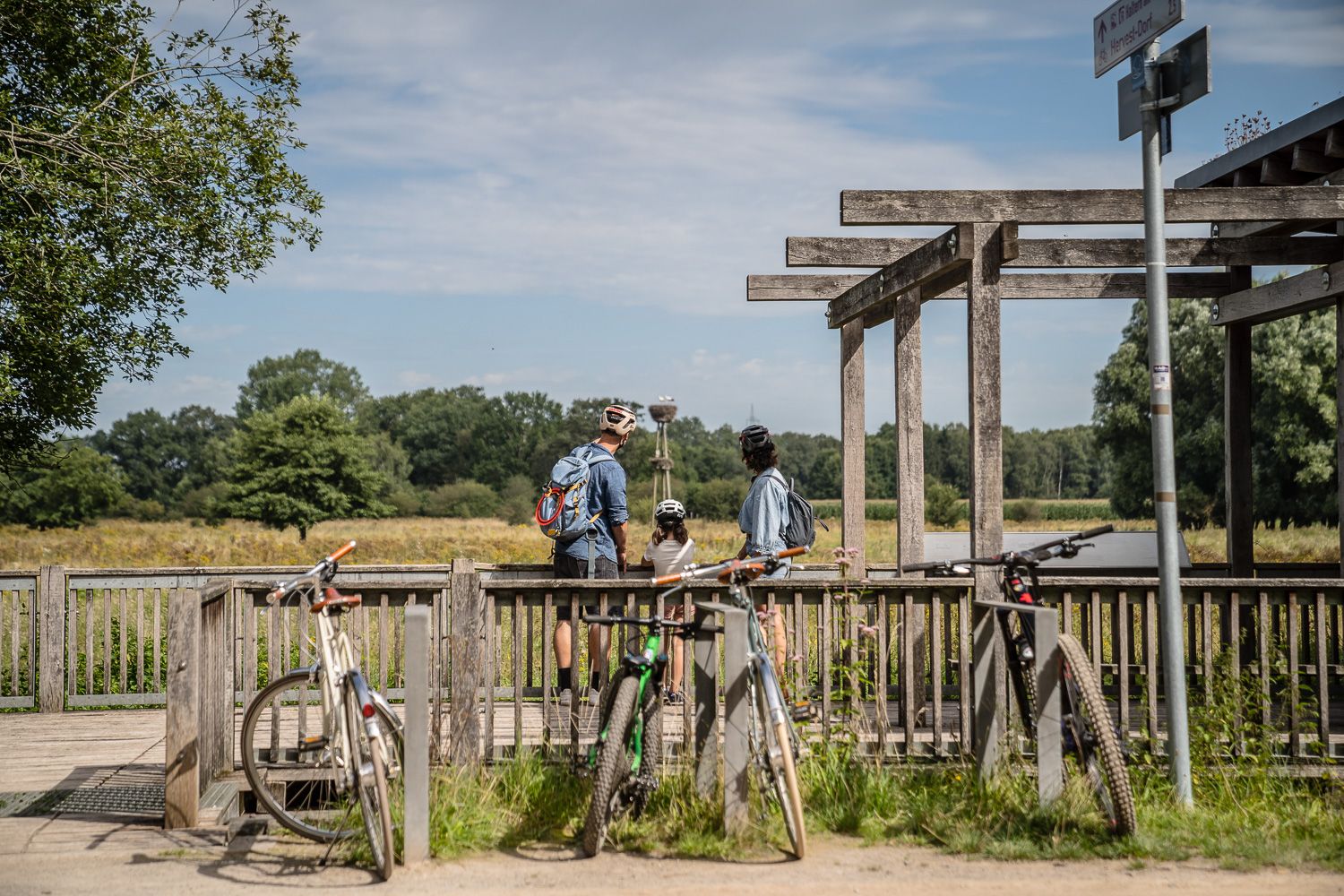
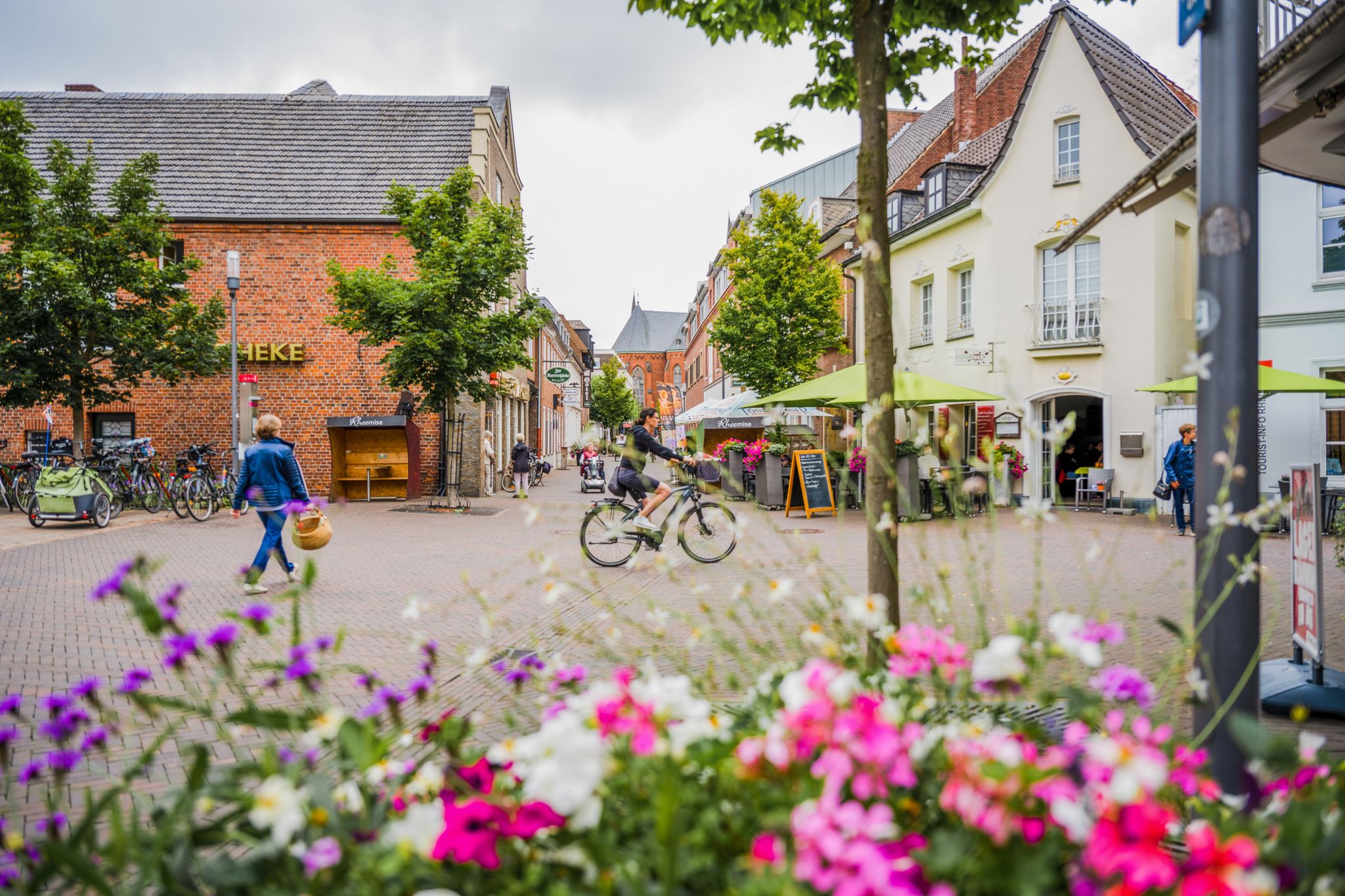


Tips from the Community

Many events take place on the town hall square, in front of the new town hall, such as the town festival, Christmas market, carnival celebrations, Klumpensonntag (Sunday for the lumps), etc. To the east, it is separated from the cycle and pedestrian paths by plants, benches, and a fountain. The weekly market now also takes place here (formerly: at the market in front of St. Gudula Church). Shops, an ice cream parlor, and a pub are located around the market square.
4
0
A lovely ice cream parlor in the heart of the city, on the edge of the historic market square. There's always something going on here in the summer.
3
0
Great trendy bar. This used to be a hotel.
2
0
A lovely ice cream parlor in the heart of the city, on the edge of the market square. There's always something going on here in the summer.
2
0
From this bridge, you have a beautiful view of the Gudula Church. The view is remarkable.
4
0

Since June 2024, the Children's Fountain has been barrier-free (it previously had a border). All the figures were also polished at the bell foundry in Gescher. The rods (made of copper-colored steel) now stand in a shallow depression, on which three boys (made of bronze) climb. The two girls (also made of bronze) sit on a natural stone block (total weight of girl + stone = >1 ton).
4
0

Always good for a little break! Delicious ice cream included
1
0
Frequently Asked Questions
How many urban hiking trails are available in Rhede?
Rhede offers a wide selection of urban hiking trails, with over 140 routes to explore. The vast majority of these, around 137, are classified as easy, making them accessible for most walkers.
Are there family-friendly urban walks in Rhede?
Yes, Rhede is very suitable for family-friendly urban walks. Many trails are easy and relatively short, perfect for all ages. For example, the St. Gudula Church, Rhede – Children's Fountain Sculpture loop is a pleasant 3.6 km route that takes you through the town center, ideal for a leisurely family outing.
What kind of natural features can I expect to see on urban hikes in Rhede?
Even within the urban setting, Rhede's trails often incorporate natural elements. You might find paths along the Borkener and Bocholter Aa rivers, or sections that lead through wooded areas. The region is part of the diverse Münsterland, offering a mix of landscapes. You can also discover highlights like the Upper Slinge in Bekendelle, which showcases local river ecosystems.
Are there any circular urban hiking routes in Rhede?
Most urban hikes in Rhede are designed as circular routes, allowing you to start and end at the same point. A great example is the Rhede Castle – Children's Fountain Sculpture loop, which offers a convenient way to explore the town's sights without retracing your steps.
What are some notable landmarks or attractions to see on urban walks in Rhede?
Rhede's urban trails often pass by historical and scenic points of interest. You can explore the area around the historic St. Gudula Church and the Children's Fountain Sculpture. The Bäckert Tower offers sweeping views of the town, and Schlossberg Park provides well-maintained gardens for a relaxing stroll. While not directly on an urban trail, the nearby Hydropower Screw Krechting is also an interesting man-made highlight.
What do other hikers enjoy most about urban hiking in Rhede?
The urban hiking trails in Rhede are highly rated by the komoot community, with an average score of 4.6 stars from over 940 reviews. Hikers often praise the easy accessibility, the well-maintained paths, and the charming blend of town scenery with natural elements like river paths and small wooded sections.
Are there urban trails in Rhede that are suitable for beginners?
Absolutely. The vast majority of urban trails in Rhede are classified as easy, making them perfect for beginners or those looking for a relaxed walk. Routes typically have minimal elevation gain, such as the Children's Fountain Sculpture – St. Gudula Church loop, which has less than 10 meters of elevation, ensuring a comfortable experience.
Can I find urban hikes in Rhede that include stops for refreshments or cafes?
Yes, as these are urban hikes, many routes will naturally pass through or near the town center where you can find various cafes, bakeries, and restaurants. Planning your route to include a stop for coffee or a meal is easy, especially on trails that explore Rhede's core.
What is the best season for urban hiking in Rhede?
Urban hiking in Rhede is enjoyable year-round. Spring brings blooming flowers to parks and gardens, while autumn offers beautiful foliage along river paths. Summer is pleasant for evening strolls, and even in winter, the relatively flat and well-maintained paths are accessible, offering a different charm to the town's scenery.
Are urban hiking trails in Rhede accessible by public transport?
Many urban hiking trails in Rhede start and end within the town center, which is generally well-served by local public transport. This makes it convenient to reach the starting points of your chosen routes without needing a car.
Are there any urban trails that offer a glimpse into Rhede's history?
Yes, several urban trails weave through historical parts of Rhede. The Children's Fountain Sculpture – St. Gudula Church loop, for instance, takes you past significant historical buildings and monuments, allowing you to experience the town's heritage firsthand.
Are dogs allowed on urban hiking trails in Rhede?
Generally, dogs are welcome on urban hiking trails in Rhede, provided they are kept on a leash and owners clean up after them. It's always a good idea to check local signage, especially in parks or specific nature areas, but most public paths are dog-friendly.
Most popular routes around Rhede
Most popular attractions around Rhede

Get inspired with the komoot mobile app


Explore more
Browse the best Hikes in other regions.
