The best hikes from bus stations around Petronell-Carnuntum
4.5
(1186)
6,108
hikers
7
hikes
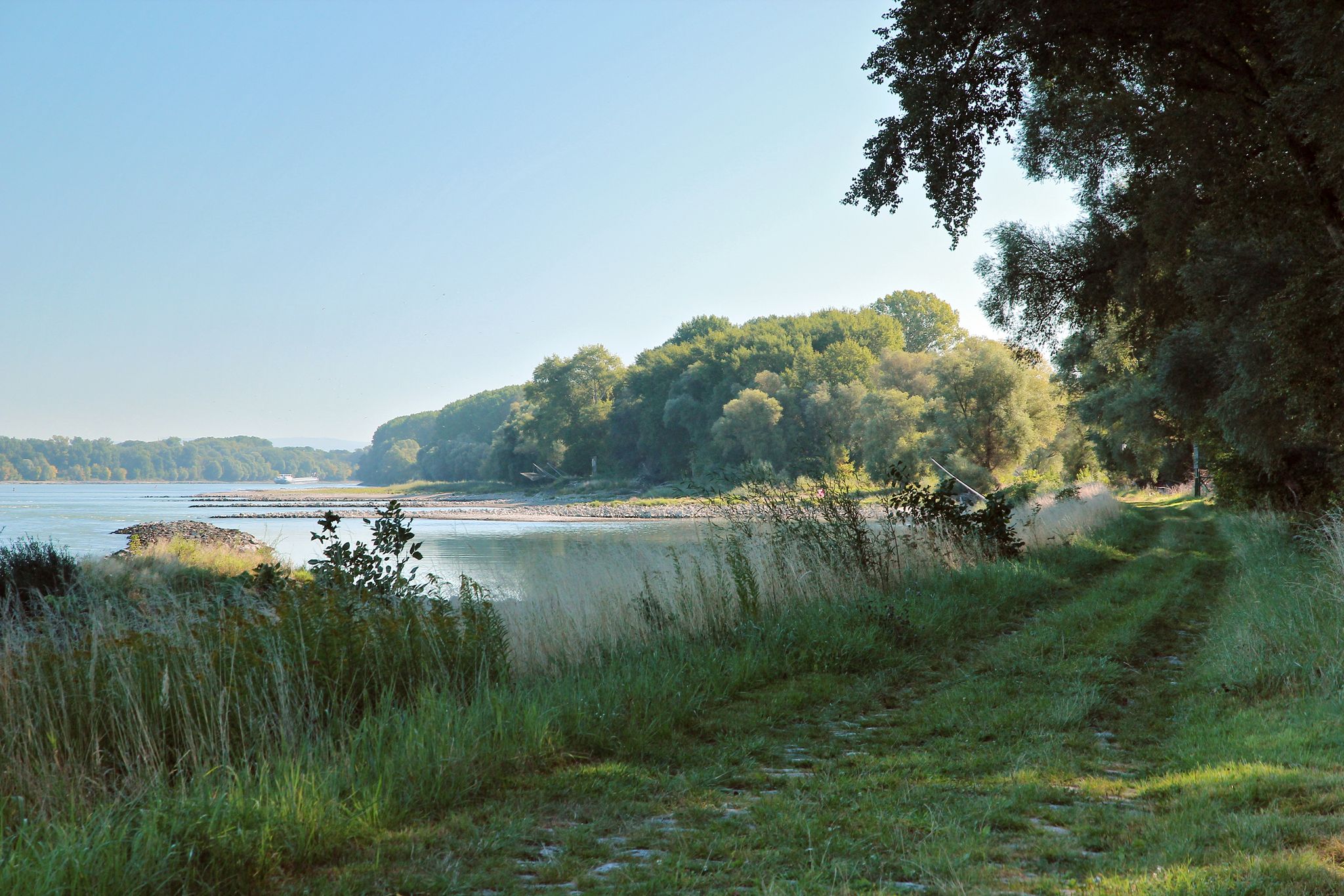
Bus station hiking trails around Petronell-Carnuntum are situated in Lower Austria, characterized by the expansive Danube-Auen National Park, a floodplain along the Danube River featuring dense forests and wetlands. The region's terrain includes gentle elevations and flat paths, making it accessible for various fitness levels. Additionally, the landscape is rich in Roman archaeological sites, including the Carnuntum Archaeological Park, which integrates historical landmarks into the natural environment.
Best bus station hiking trails around Petronell-Carnuntum
- The most popular bus station hiking…
Last updated: November 24, 2026
3
hikers
Easy hike. Easily walkable paths.
4.7
(3)
15
hikers
Easy hike. Easily walkable paths.

4.0
(2)
6
hikers
Easy hike. Easily walkable paths.
4.0
(1)
4
hikers
Easy hike. Easily walkable paths.
3
hikers
Easy hike. Easily walkable paths.
Get access to more routes and recommendations from other explorers.
Already have an account?
Our route recommendations are based on thousands of hikes, rides, and runs completed by other people on komoot.
Start today with a free account
Your next adventure awaits.


Tips from the Community

The Romanesque rotunda St. John the Baptist is one of the oldest and most remarkable sacred buildings in Petronell-Carnuntum. It dates back to the 12th century and was partly built using ancient building materials from the nearby Roman city of Carnuntum. Particularly characteristic are its circular floor plan and simple Romanesque architecture, which clearly distinguishes it from later church buildings in the surrounding area. The chapel is an impressive testament to medieval Petronell and at the same time illustrates how the remains of the Roman past were reused over the centuries.
1
0
The equestrian statue commemorates the Roman Emperor Marcus Aurelius (161–180 AD), who spent a considerable amount of time in the Danube region during the Marcomannic Wars. Carnuntum was an important military base on the northern border of the Roman Empire at that time and played a significant role in the campaigns against Germanic tribes. The statue depicts the emperor on horseback and points to the close connection between the region and Roman history. A monument worth seeing, which makes the historical significance of Carnuntum visible even outside the archaeological excavation sites.
2
0
The Carnuntum Open-Air Museum brings the world of the Romans back to life in a particularly impressive way. Several buildings have been completely reconstructed on the original foundations of the ancient city, including Roman houses, a city villa, and a public thermal bath with functional underfloor heating. Particularly fascinating are the meticulously furnished interiors, which offer a direct insight into everyday life around 1,700 years ago. Unlike ordinary excavation sites, here you can actually walk through the houses and experience how people in Roman Carnuntum once lived, cooked, and bathed.
3
0
The ornamental fountain is a small, decorative design element in the village area of Petronell-Carnuntum. It blends into the village scenery and contrasts with the numerous Roman and medieval sights in the surrounding area. An inconspicuous, but nice stop during a walk through the historically rich place.
3
0
The welcome sign of Petronell-Carnuntum greets visitors in a place with an exceptionally rich history. Once, an important part of the Roman metropolis of Carnuntum, which was one of the most important cities on the Danube border of the Roman Empire, was located here. Today, Petronell is primarily known for the reconstructed Roman city district, the amphitheater, and the famous Heidentor (Heathen Gate). A fitting start for a discovery tour in the footsteps of the Romans.
4
0
Die Pfarrkirche St. Petronilla zählt zu den bedeutenden mittelalterlichen Bauwerken von Petronell-Carnuntum und ist der heiligen Petronilla geweiht, die auch als Namensgeberin des Ortes gilt. Die Kirche geht im Kern auf die Romanik zurück und wurde im Laufe der Jahrhunderte mehrfach umgestaltet, wodurch sich verschiedene Baustile miteinander verbinden. Besonders interessant ist ihre Lage inmitten eines Ortes, dessen Geschichte bis in die Römerzeit zurückreicht. Ein sehenswerter Zwischenstopp, der neben den antiken Ausgrabungen auch die mittelalterliche Geschichte Petronells erlebbar macht.
3
0
The Holy Trinity column in the historic center of Petronell-Carnuntum is a beautiful example of Baroque sacred art. Such columns were often erected as a sign of gratitude for the end of plague epidemics or as an expression of religious piety and still shape many Austrian townscapes today. With its religious ornamentation, it recalls the more recent history of Petronell and forms an interesting contrast to the numerous Roman monuments in the town. A small, worthwhile stop on a walk through Petronell.
3
0
The Rotunda of St. John the Baptist in Petronell-Carnuntum is one of the region's remarkable medieval architectural monuments. The Romanesque circular structure presumably dates from the first half of the 12th century and is particularly striking for its unusual circular architecture. Stones from ancient Carnuntum were also reused for its construction, thus connecting Roman and medieval history here. A small but worthwhile historical site away from the better-known Roman excavation sites.
3
0
Frequently Asked Questions
How many bus station hiking trails are available in Petronell-Carnuntum?
There are 6 easy hiking routes accessible directly from bus stations in Petronell-Carnuntum. These trails are designed for convenience, allowing you to explore the region's history and nature without needing a car.
What kind of terrain can I expect on these bus-accessible hikes?
The bus station hikes in Petronell-Carnuntum are generally easy with minimal elevation gain, making them suitable for all fitness levels. You'll find yourself walking through ancient Roman sites, along the Danube-Auen National Park's floodplains, and past historical landmarks. The trails are well-marked and offer a mix of paved paths and natural surfaces.
Are there any family-friendly hiking options from the bus station?
Yes, all 6 routes accessible from the bus station are rated as easy, making them ideal for families with children. For example, the Heidentor (Carnuntum) – Carnuntum Open-Air Museum loop from Petronell-Carnuntum is a relatively short and engaging walk that combines historical exploration with gentle outdoor activity.
Can I bring my dog on these trails?
Most hiking trails in the Petronell-Carnuntum region, including those accessible by bus, are dog-friendly. However, always keep your dog on a leash, especially when passing through historical sites or areas within the Danube-Auen National Park to protect wildlife. Ensure you carry water for your pet, particularly during warmer months.
What historical landmarks can I see along the bus station hiking trails?
The bus-accessible trails offer a unique journey through Roman history. You can explore the remains of the ancient city of Carnuntum, including the monumental Heidentor (Pagan's Gate), reconstructed Roman city quarters, and even the sites of two Roman amphitheaters. Petronell Castle is another significant historical landmark you can encounter on these routes.
What natural features will I encounter on these hikes?
Many routes will lead you through or alongside the Danube-Auen National Park, a vibrant floodplain ecosystem. Here, you can observe dense forests with giant oaks and poplars, wetlands, and a rich diversity of birdlife such as Grey Herons and kingfishers. The presence of countless shells at low water levels indicates good water quality, and you might even spot traces of beavers.
Are there any circular routes available from the bus station?
Yes, all the bus-accessible routes in Petronell-Carnuntum are circular, meaning you will end your hike back at your starting point, which is convenient for public transport users. An example is the Carnuntum Roman City Quarter – Petronell Castle loop from Petronell-Carnuntum.
What is the best time of year to hike from the bus station in Petronell-Carnuntum?
The best seasons for hiking in Petronell-Carnuntum are spring and autumn. During these times, temperatures are pleasant, and nature is either in full bloom or displaying picturesque warm colors. While winter walks are possible, some paths might be muddy or icy, and summer can be quite warm, especially in open areas.
What do other hikers enjoy most about hiking in Petronell-Carnuntum?
The komoot community highly rates the hiking experiences in Petronell-Carnuntum, with an average score of 4.6 stars. Reviewers often praise the unique combination of ancient Roman history and the serene natural beauty of the Danube-Auen National Park, as well as the accessibility of the trails from public transport.
Are there any viewpoints or scenic spots along these bus-accessible trails?
While the terrain is generally flat, the region offers scenic views of the Danube River and the expansive landscapes of the Danube-Auen National Park. The historical sites themselves, like the Heidentor standing majestically in the landscape, also provide striking visual points. For more elevated views in the wider region, you could consider visiting the View from Hundsheimer Berg or the View from Braunsberg, though these might require additional travel beyond the immediate bus station routes.
What is the typical duration of these bus station hikes?
The bus station hikes in Petronell-Carnuntum typically range from approximately 1 hour to 1 hour and 45 minutes to complete, making them perfect for a half-day outing. For instance, the Carnuntum Open-Air Museum – St. Petronilla Parish Church loop from Petronell-Carnuntum takes around 1 hour and 15 minutes.
Most popular routes around Petronell-Carnuntum
Most popular attractions around Petronell-Carnuntum

Get inspired with the komoot mobile app


Explore more
Browse the best Hikes in other regions.
