The best hikes from bus stations around Egg
4.6
(59159)
260,802
hikers
27
hikes
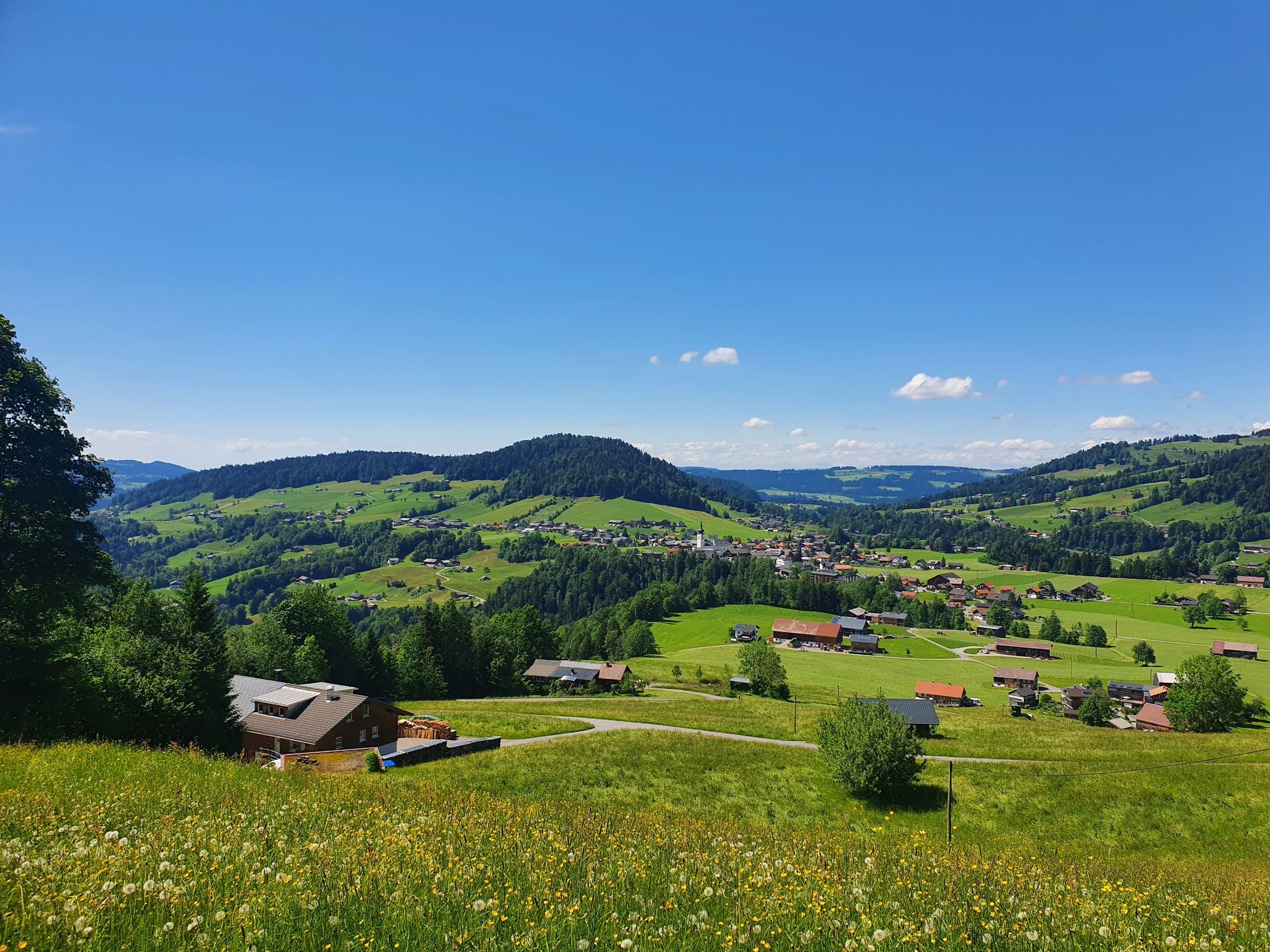
Bus station hiking trails around Egg offer access to diverse landscapes, from rolling hills and valleys to forested areas and streams. The region is characterized by its varied terrain, providing opportunities for both gentle walks and more challenging ascents. Many routes feature natural water elements, such as waterfalls and streams, adding to the scenic appeal.
Best bus station hiking trails around Egg
- The most popular bus station hiking route is Schetteregg Vorsäßrundweg, a 5.2 miles (8.4 km) trail that…
Last updated: September 30, 2026
4.5
(53)
236
hikers
8.37km
02:22
180m
190m
Moderate hike. Good fitness required. Easily-accessible paths. Suitable for all skill levels.
4.7
(144)
519
hikers
10.4km
03:10
330m
330m
Moderate hike. Good fitness required. Easily-accessible paths. Suitable for all skill levels.

4.8
(108)
506
hikers
Hard hike. Very good fitness required. Sure-footedness, sturdy shoes and alpine experience required.
4.7
(96)
495
hikers
Easy hike. Great for any fitness level. Easily-accessible paths. Suitable for all skill levels.
4.5
(32)
125
hikers
Easy hike. Great for any fitness level. Easily-accessible paths. Suitable for all skill levels.
Get access to more routes and recommendations from other explorers.
Already have an account?
Our route recommendations are based on thousands of hikes, rides, and runs completed by other people on komoot.
Start today with a free account
Your next adventure awaits.
Other adventures around Egg


Tips from the Community

A beautiful tour, it was a bit challenging today as it had rained extensively yesterday and large sections were slippery, so hiking poles are a must. Almost untrodden, therefore wonderful, on the descent to the Obere Falz Alpe there was a herd of approx. 20 chamois on the slope, which we could observe.
0
0

Walking along the Quelltufflehrpfad trail, the Subersbach, a tributary of the Bregenzer Ach, flows below.
0
0

The Baroque church, a listed historical monument, dates back to 1722 according to its keystone. The builder is believed to have been one of the masters of the Bregenzerwald school of architecture. Constructed from tufa stone, the chapel, with its Greek cross shape, is a unique structure in the entire region and has undergone several thorough renovations, most recently in 1968 and 1990. The ceiling frescoes, created in 1968 by the Schruns artist Konrad Honold, depict individuals who were either born in Vorarlberg or who worked there. Among them was Vorarlberg's first diocesan bishop, Bruno Wechner. The altarpiece portrays Saint Anne.
3
0
A wooden hut with a veranda for protection from the rain, located on a large forest meadow. A lovely spot for a rest or a hiking break.
7
0
A rather shaky suspension bridge over the Subersach River, which can only be crossed one at a time. Not necessarily suitable for those with a fear of heights, even though the bridge is well secured and can be used without any problems.
6
0
A particularly beautiful natural monument is the tufa slope in Lingenau. It is one of the most magnificent travertine formations in Europe north of the Alps and thus one of the most outstanding geological features in Vorarlberg. Here, spring water plunges over a roughly 40-meter-high escarpment, approximately 30 meters wide, into the Subersach Gorge. The conglomerate rock outcrop, visible in some places, is partially covered by several meters of travertine and spring tufa. On the overhangs, mushroom-shaped layers of travertine have developed into stalactite-like canopies. At the base of the rock face, the water collects in several travertine pools. Beneath the waterfall, the calcareous water encrustes the slope down to the Subersach River. Plant and animal remains are covered and encrusted by the lime. After the organic matter dissolves, an exact imprint (fossils) remains. The resulting porous, sponge-like rock is called travertine, the denser form being travertine.
6
0
A particularly beautiful natural monument is the tufa slope in Lingenau. It is one of the most magnificent travertine formations in Europe north of the Alps and thus one of the most outstanding geological features in Vorarlberg. Here, spring water plunges over a roughly 40-meter-high escarpment, approximately 30 meters wide, into the Subersach Gorge. The conglomerate outcrop, visible in some places, is partially covered by several meters of travertine and spring tufa. On the overhangs, mushroom-shaped layers of deposits have developed into stalactite-like canopies. At the base of the rock face, the water collects in several travertine pools. Beneath the waterfall, the calcareous water encrustes the slope down to the Subersach River. Plant and animal remains are covered and encrusted by the lime. After the organic matter dissolves, an exact imprint (fossils) remains. The resulting porous, sponge-like rock is called travertine, the denser form being travertine.
8
0
Long wooden stairs provide access to the tufa spring. The steps can be a bit slippery after rainfall.
8
0
Frequently Asked Questions
How many bus station hiking trails are available around Egg?
There are 29 bus station hiking trails around Egg, offering a variety of experiences. These include 15 easy routes, 8 moderate, and 6 difficult options, ensuring there's something for every skill level.
Are there any easy, family-friendly hikes accessible by bus in Egg?
Yes, Egg offers several easy hikes perfect for families, directly accessible from bus stations. One great option is the Eggatsbergvorsäß – Upper Falzalpe loop, which is an easy route with gentle elevation changes, suitable for a relaxed outing.
Can I find trails with waterfalls near Egg that are accessible by bus?
Absolutely! The Brühlbach Waterfalls – Chapel of St. Anthony of Padua loop from Egg is an easy hike that takes you past the beautiful Brühlbach Waterfalls, offering a refreshing natural spectacle. This route is conveniently accessible from Egg.
What kind of landscapes can I expect on bus-accessible hikes around Egg?
Hikes around Egg, particularly in the Zurich region of Switzerland, offer diverse landscapes. You can expect imposing views of the high Alps, picturesque lakes like Lake Zurich and Lake Sihl, and scenic valleys. Some trails also traverse high moors, recognized for their biodiversity, and briefly enter peaceful forested areas.
Are there any circular walks starting from a bus stop in Egg?
Yes, many of the bus-accessible routes around Egg are circular, allowing you to start and end at the same point without needing to arrange return transport. The Schetteregg Vorsäßrundweg is a moderate circular route that offers a great experience.
What are some notable natural features or landmarks I can see on these trails?
The region around Egg is rich in natural beauty and interesting landmarks. You might encounter impressive summits like Fellhorn Summit or Pfänder Summit, and unique natural monuments such as the Natural Bridge Over the Schwarzwasserbach. The Ibergeregg Pass area, known for its high moors, is also a significant natural preserve.
What do other hikers say about the bus station trails in Egg?
The bus station hiking trails around Egg are highly regarded by the komoot community, with an average rating of 4.6 out of 5 stars from over 51,000 ratings. Hikers frequently praise the well-maintained paths, the stunning alpine vistas, and the convenience of accessing diverse routes directly from public transport.
Are there any challenging bus-accessible hikes for experienced hikers?
Yes, for those seeking a more strenuous adventure, there are challenging bus-accessible routes. The Winterstaude Summit – Bullerschkopf Summit loop is a difficult trail that offers significant elevation gain and rewarding views for experienced hikers.
What is the best season for hiking the bus-accessible trails in Egg?
The best season for hiking in Egg generally spans from late spring through early autumn (May to October). During these months, the weather is typically mild, trails are clear of snow, and the alpine flora is in full bloom, offering the most pleasant hiking conditions and best visibility for panoramic views.
Are there any trails that offer views of Lake Zurich or Lake Sihl?
Many trails in the broader Egg region provide stunning views of the surrounding lakes and valleys. While specific bus-accessible routes might vary, the general area is known for its picturesque vistas of Lake Zurich and Lake Sihl, especially from higher elevations or ridgeway paths like parts of the 7-Egg-Weg.
Can I find trails that lead to an alpine farm or offer local products?
Yes, some trails in the region, particularly those in the Ibergeregg Pass area, may lead you past traditional alpine farms. For example, along the famous Ybriger 7-Egg-Weg, you can find the Zwäcken alpine farm, where you might have the opportunity to sample local alpine products, adding a cultural touch to your hike.
Most popular routes around Egg
Most popular attractions around Egg

Get inspired with the komoot mobile app


Explore more
Browse the best Hikes in other regions.
