The best city hikes and walks in Japan
4.5
(5595)
52,740
hikers
369
hikes
Urban hiking trails in Japan offer a unique blend of natural beauty and cultural landmarks within and around its cities. The country's diverse geography, characterized by 70% forest cover and numerous volcanic formations, often extends into urban peripheries, providing accessible green spaces. Many cities are nestled near hills, rivers, or coastlines, allowing for varied walking experiences. These trails frequently incorporate temple grounds, historic gardens, and scenic viewpoints overlooking metropolitan areas.
Best urban hiking trails in Japan
- The most popular urban…
Last updated: September 30, 2026
4.6
(54)
647
hikers
8.86km
02:21
90m
90m
Moderate hike. Good fitness required. Easily-accessible paths. Suitable for all skill levels.
4.6
(26)
550
hikers
5.71km
01:30
50m
50m
Easy hike. Great for any fitness level. Easily-accessible paths. Suitable for all skill levels.

5.0
(4)
238
hikers
6.70km
01:45
50m
50m
Easy hike. Great for any fitness level. Easily-accessible paths. Suitable for all skill levels.
4.7
(14)
184
hikers
5.97km
01:35
60m
60m
Easy hike. Great for any fitness level. Easily-accessible paths. Suitable for all skill levels.
5.0
(6)
167
hikers
5.69km
01:31
60m
60m
Easy hike. Great for any fitness level. Easily-accessible paths. Suitable for all skill levels.
Get access to more routes and recommendations from other explorers.
Already have an account?
Our route recommendations are based on thousands of hikes, rides, and runs completed by other people on komoot.
Start today with a free account
Your next adventure awaits.
Popular around Japan

City hikes around Lake Biwa

City hikes in the Kii Mountains

City hikes in the Japanese Alps

City hikes in the Ryohaku Mountains

City hikes in the Chugoku Mountains
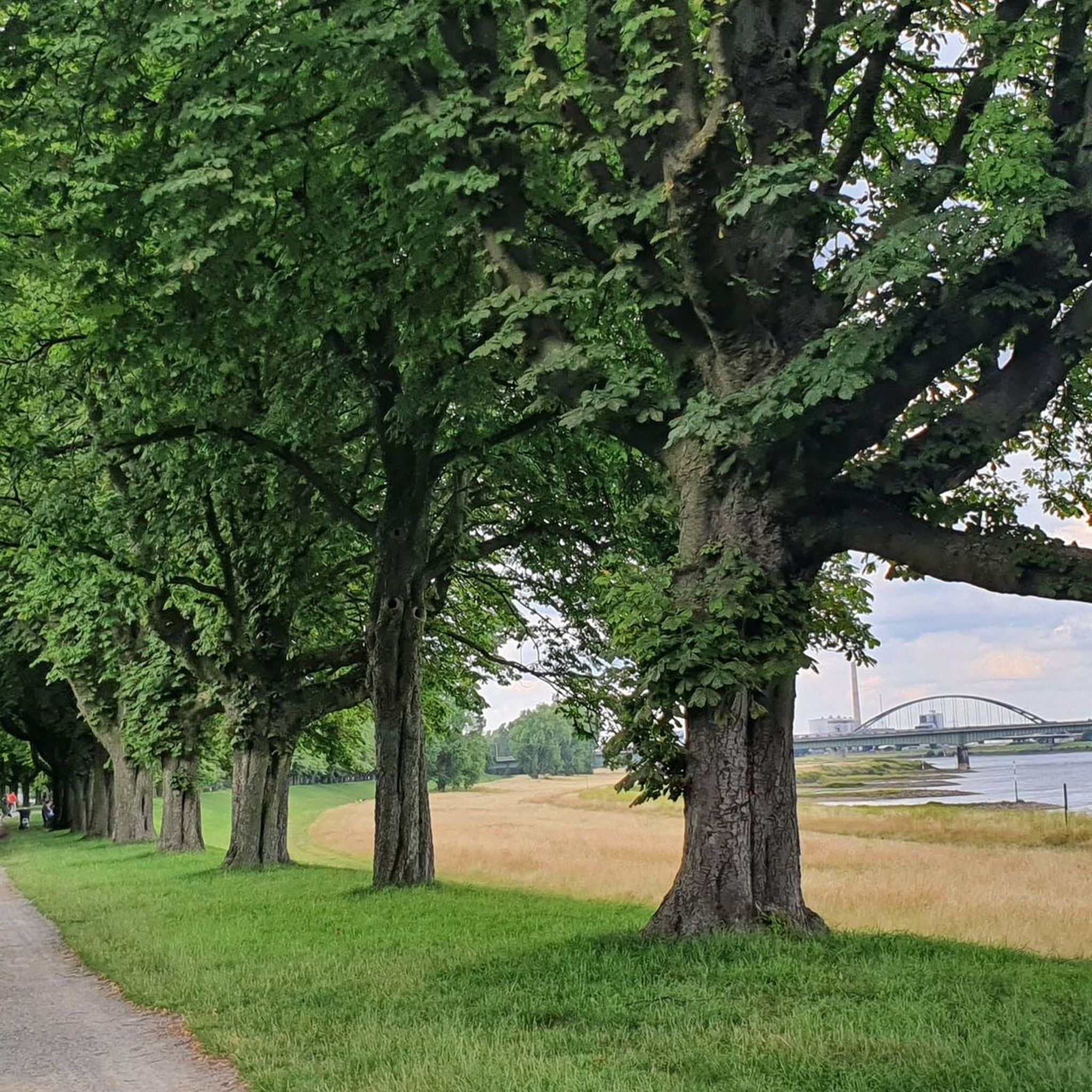
City hikes in the Kyushu Mountains
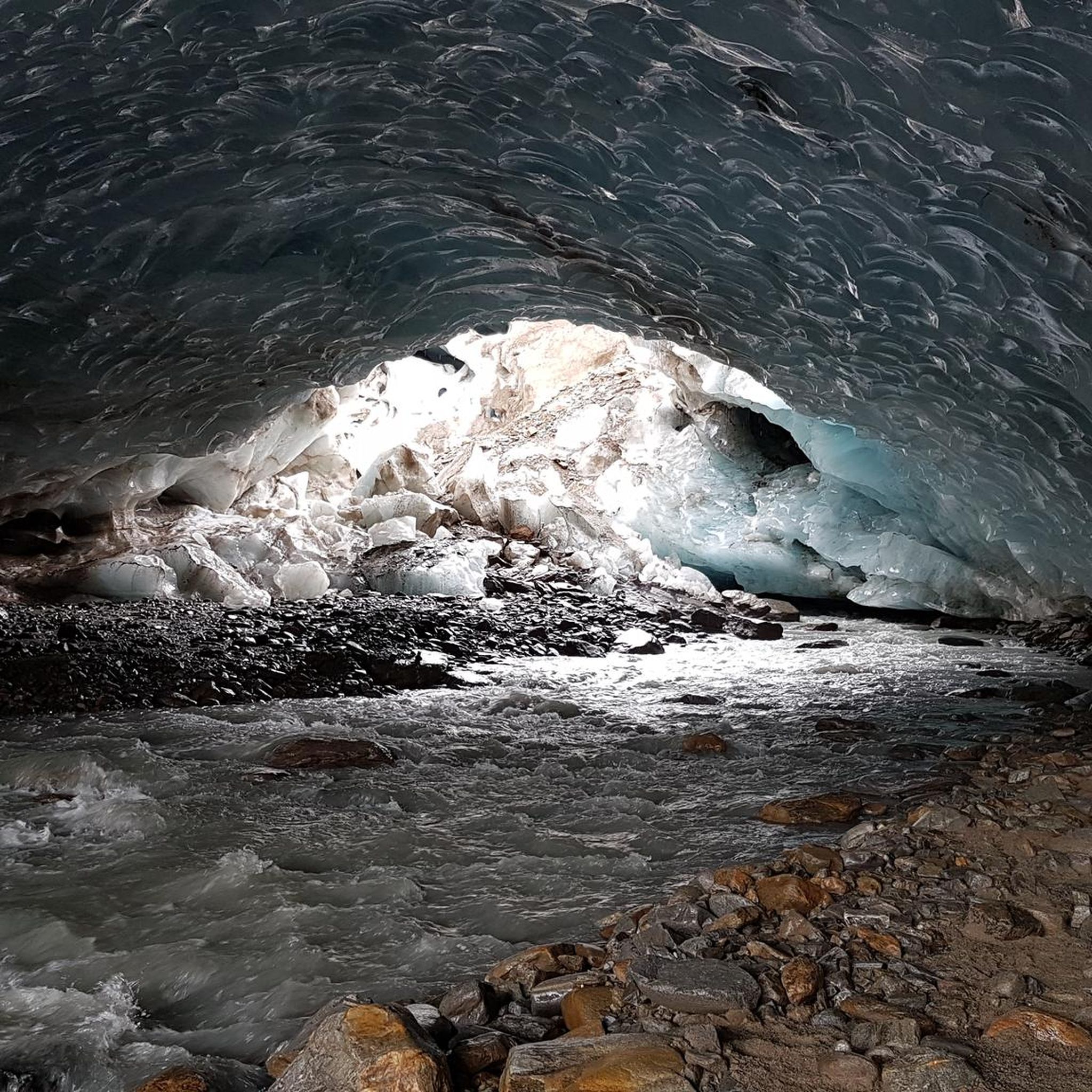
City hikes in the Shikoku Mountains
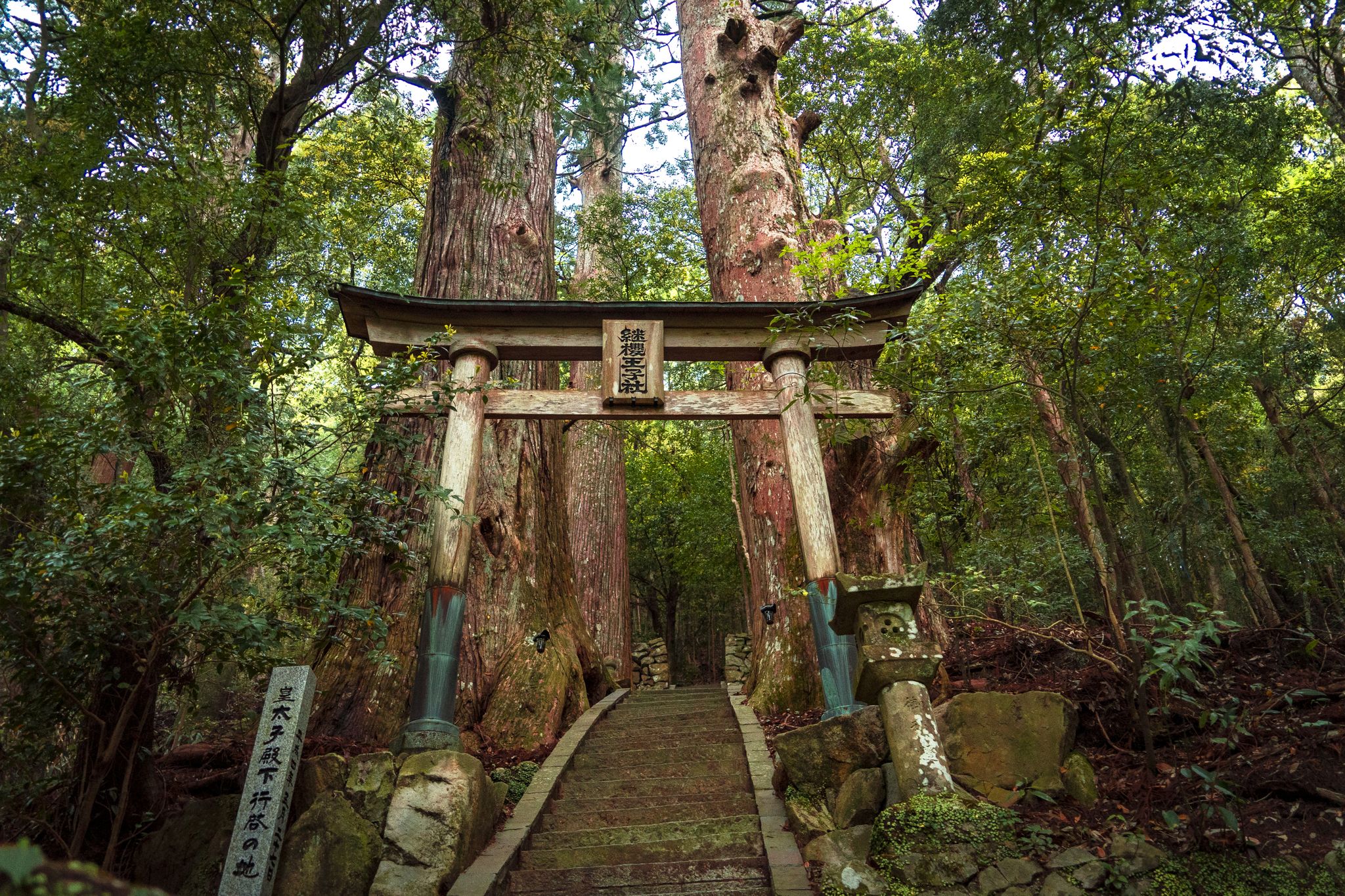
Kumano Kodo – a pilgrimage in the sacred forests of Japan
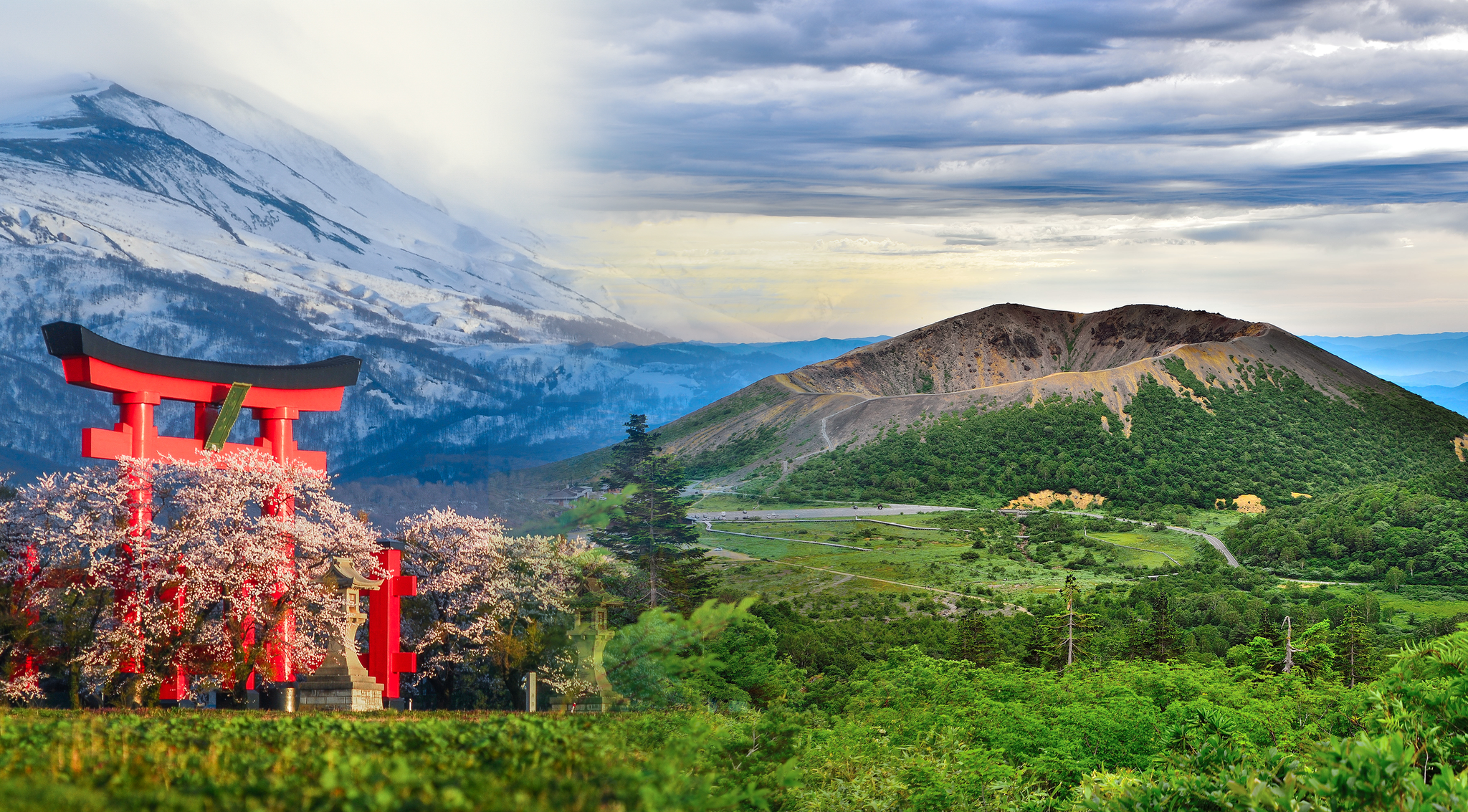
Spiritual peaks — hiking Bandai Asahi National Park’s Volcano Trail
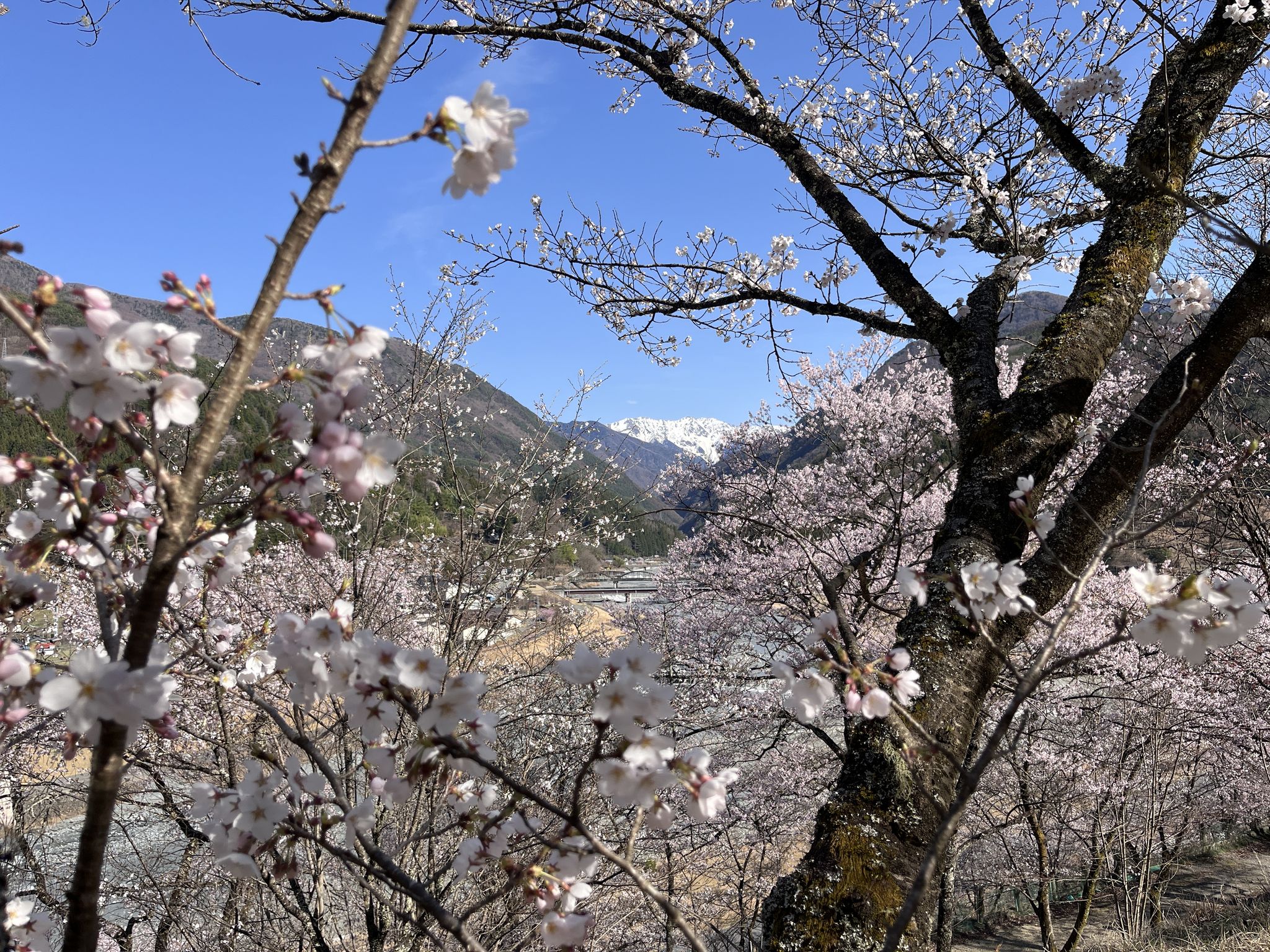
Oshika Akiha Kodo Hanami Tours
Other adventures in Japan


Tips from the Community

Imperial Palace Tokyo 皇居 The Imperial Palace Tokyo 皇居, Kōkyo, "Imperial Residence" is the residence of the Tennō, the Japanese Emperor. The imperial residence is located on the former grounds of Edo Castle in the present-day Chiyoda district of the district of the same name in the center of Tokyo. After the Meiji Restoration and the overthrow of the shogun, the imperial court was moved from Kyoto to Edo, which was renamed Tōkyō, and at that time also Tōkei ("eastern capital"). The city's castle, until then the seat of the Tokugawa shoguns, was visited by the emperor on November 26, 1868, and renamed Tōkei-jō (東京城, Ger. "Castle of the Eastern Capital"). On May 9, 1869, he made the residence used by the last shogun in the western district (Nishi-no-maru) his permanent seat and renamed it Kōjō (皇城, Ger. "Imperial Castle").[1] On May 5, 1873, this residence burned down. Until the completion of the new residence in the same location in a Japanese-Western mixed style in 1888, called Kyūjō (宮城, Ger. "Palace Castle"), the imperial family used the Akasaka Imperial Residence for 15 years. In World War II, the buildings were destroyed by bombs. The palace got its current name in 1948. Until 1968, the complex was rebuilt in a modern style. The architect was Yoshimura Junzō. Text / Source : wikipedia.org https://de.wikipedia.org/wiki/Kaiserpalast_Tokio
13
0
Imperial Palace 皇居エリア Garden strolls, art treasures, and grounds tours of an imperial castle The Imperial Palace is the home of the Emperor of Japan, built on the former site of Edo Castle, where the shogun lived before 1868. Protected by wide moats and thick walls, and surrounded by carefully tended gardens, the grounds offer a peaceful, green contrast to the steel and glass of Tokyo's modern downtown office buildings. Runners, cyclists, and strollers, couples, and families visit the outer palace grounds. There are also guided tours of the grounds, and you can view the Imperial Collection of Art for free. Text / Source: Japan.travel/en https://www.japan.travel/en/spot/2121/
14
0
Burg Himeji 姫路城 Himeji-jō Himeji Castle (Japanese 姫路城, Himeji-jō) is located in the city of Himeji in the Japanese prefecture of Hyōgo. It is one of the oldest surviving structures from 17th-century Japan. The castle complex, consisting of 83 individual buildings, is considered the most beautiful example of Japanese castle architecture and is nicknamed Shirasagijō (白鷺城, Ger. "White Heron Castle"), a reference to its white exterior walls and roofs. Despite its architectural beauty, such as its spiral floor plan, its defensive structures (nawabari) are highly developed, so the castle was considered practically impregnable. Himeji Castle is one of Japan's national cultural treasures, was declared a Special Historic Site (tokubetsu shiseki) in 1956, and was recognized as a UNESCO World Heritage Site in 1993. The first buildings of the castle were constructed at the beginning of the Muromachi period in 1346. The architect is considered to be Akamatsu Sadanori, who had previously built the Shomyoji Temple at the foot of Mount Himeji, on whose site the castle complex now arose. Text / Source : wikipedia.org https://de.wikipedia.org/wiki/Burg_Himeji
12
0
Himeji Castle 姫路城 Himeji-jō Himeji Castle (Japanese 姫路城, Himeji-jō) is located in the city of Himeji in the Japanese prefecture of Hyōgo. It is one of the oldest surviving structures from 17th-century Japan. The castle complex, consisting of 83 individual buildings, is considered the most beautiful example of Japanese castle architecture and has the nickname Shirasagijō (白鷺城, meaning "White Heron Castle"), an allusion to its white outer walls and roofs. Despite its architectural beauty, such as its spiral floor plan, its defensive structures (nawabari) are highly developed, making the castle practically impregnable. Himeji Castle is one of Japan's national cultural treasures, was declared a Special Historic Site (tokubetsu shiseki) in 1956, and was recognized as a UNESCO World Heritage Site in 1993. The first buildings of the castle were constructed at the beginning of the Muromachi period in 1346. The architect is considered to be Akamatsu Sadanori, who had previously built the Shomyoji Temple at the foot of Mount Himeji, on whose site the castle complex now stands. Text / Source: wikipedia.org https://de.wikipedia.org/wiki/Burg_Himeji
14
0
Himeji Castle 姫路城 Himeji-jō Himeji Castle (Japanese: 姫路城, Himeji-jō) is located in the city of Himeji in the Japanese prefecture of Hyōgo. It is one of the oldest surviving structures from 17th-century Japan. The castle complex, consisting of 83 individual buildings, is considered the most beautiful example of Japanese castle architecture and has the nickname Shirasagijō (白鷺城, lit. "White Heron Castle"), an allusion to its white exterior walls and roofs. Despite its architectural beauty, such as its spiral floor plan, its defensive structures (nawabari) are highly developed, so the castle was considered practically impregnable. Himeji Castle is one of Japan's national cultural treasures, was declared a Special Historic Site (tokubetsu shiseki) in 1956, and was recognized as a UNESCO World Heritage Site in 1993. The first buildings of the castle were constructed at the beginning of the Muromachi period in 1346. The architect is considered to be Akamatsu Sadanori, who had previously built the Shomyoji Temple at the foot of Mount Himeji, on whose site the castle complex now stands. Text / Source: wikipedia.org https://de.wikipedia.org/wiki/Burg_Himeji
12
0
Burg Himeji 姫路城 Himeji-jō Himeji Castle (Japanese: 姫路城, Himeji-jō) is located in the city of Himeji in the Japanese prefecture of Hyōgo. It is one of the oldest surviving structures from 17th-century Japan. The castle complex, consisting of 83 individual buildings, is considered the most beautiful example of Japanese castle architecture and bears the nickname Shirasagijō (白鷺城, German for "White Heron Castle"), an allusion to its white exterior walls and roofs. Despite its architectural beauty, such as its spiral floor plan, its defensive structures (nawabari) are highly developed, making the castle practically impregnable. Himeji Castle is one of Japan's national cultural treasures, was declared a Special Historic Site (tokubetsu shiseki) in 1956, and was recognized as a UNESCO World Heritage Site in 1993. The first buildings of the castle were constructed at the beginning of the Muromachi period in 1346. The architect is considered to be Akamatsu Sadanori, who had previously built the Shomyoji Temple at the foot of Mount Himeji, on whose site the castle complex now stands. Text / Source: wikipedia.org https://de.wikipedia.org/wiki/Burg_Himeji
12
0

The walk around the Imperial Palace is very nice, especially at the end of March when it's almost cherry blossom time.
0
0
Be careful because it's very crowded, so you have to factor in huge queues.
0
0
Frequently Asked Questions
How many urban hiking trails are available in Japan?
Komoot offers over 370 urban hiking trails across Japan, ranging from easy strolls to more challenging routes. You'll find a diverse selection, with more than 210 routes considered easy and suitable for most hikers.
What do other hikers enjoy most about urban hiking in Japan?
The komoot community highly rates urban hikes in Japan, with an average score of 4.58 out of 5 stars. Hikers frequently praise the unique blend of natural beauty and cultural landmarks, the well-maintained paths, and the opportunity to discover hidden gems within bustling cities.
Are there urban hikes suitable for families or beginners in Japan?
Yes, many urban hikes in Japan are perfect for families and beginners. Routes like the Kokoen Garden – Himeji Castle loop from 姫路 offer easy terrain and cultural sights. The Nanzen-ji Temple – Philosopher's Path loop from 蹴上 in Kyoto is another excellent easy option, blending scenic paths with historic temples.
Which urban hikes offer historical or cultural landmarks?
Japan's urban hikes often weave through significant historical and cultural sites. For example, the Kasuga Grand Shrine – Nigatsu-dō Hall loop from 奈良 takes you past ancient shrines. In Tokyo, the At the Imperial Palace – Tokyo Imperial Palace loop from 大手町 provides a glimpse into the city's imperial past. You can also explore highlights like Kinkaku-ji (The Golden Pavilion) or Shosei-en Garden along various routes.
Can I find urban hikes that are circular routes?
Yes, many urban hikes in Japan are designed as circular routes, allowing you to start and end at the same point without needing to retrace your steps. Examples include the Kōfuku-ji Temple – Tōdai-ji Temple loop from 奈良 and the Nanzen-ji Temple – Philosopher's Path loop from 蹴上, which offer convenient loops through scenic and historic areas.
What kind of natural features can I expect on urban hikes in Japan?
Even within urban settings, Japan's hikes often feature lush greenery, serene ponds, and well-maintained gardens. You might encounter features like Ōhori Park Pond or Shinobazu Pond, as well as traditional Japanese gardens such as Shukkeien Garden. Many routes also incorporate views of distant mountains or local waterways.
Are urban hiking trails in Japan accessible by public transport?
Public transport in Japan is highly efficient, making most urban hiking trails easily accessible. Many routes start near train stations or bus stops, allowing for convenient travel to and from the trailheads. Cities like Tokyo, Kyoto, and Osaka have extensive networks that connect directly to popular hiking areas.
What is the best time of year for urban hiking in Japan?
Spring (March to May) and autumn (September to November) are generally considered the best times for urban hiking in Japan. Spring offers pleasant temperatures and cherry blossoms, while autumn provides comfortable weather and stunning fall foliage. Summer can be hot and humid, especially in cities, but early mornings or evenings can still be enjoyable. Winter offers crisp air and unique views, though some areas might be chilly.
Are there any less crowded urban hikes or hidden gems in Japan?
While popular urban areas can be busy, many trails offer quieter sections or lead to less-frequented spots. Exploring routes slightly off the main tourist paths or visiting during off-peak hours can reveal hidden gems. Komoot's detailed maps and community tips can help you discover serene paths and local favorites away from the crowds.
What should I wear for urban hiking in Japan?
For urban hiking in Japan, comfortable walking shoes are essential. Layered clothing is advisable, as temperatures can change throughout the day, especially during spring and autumn. A light rain jacket is also recommended, as weather can be unpredictable. In summer, light, breathable fabrics are best, along with sun protection.
Are there any urban hikes with good viewpoints?
Many urban hikes in Japan offer rewarding viewpoints, whether it's a panoramic city skyline, a serene garden vista, or a glimpse of iconic landmarks. Routes often incorporate elevated sections or lead to parks and temples known for their scenic outlooks, providing excellent photo opportunities and memorable perspectives of the urban landscape.
Most popular routes in Japan
Most popular attractions in Japan

Get inspired with the komoot mobile app


Didn’t find what you were looking for?
Check out more Hikes throughout Japan below and find the perfect route in your destination.
Explore more
Browse the best Hikes in other regions.
