The best hikes from bus stations around Heiligenkreuz
4.6
(10887)
51,009
hikers
53
hikes
Hiking around Heiligenkreuz offers diverse landscapes within the Vienna Woods, characterized by its varied natural beauty. The region features the picturesque Helenental, a gorge along the Schwechat River, and the Anninger summit, providing panoramic views. Terrain ranges from gentle paths along the river to more demanding ascents, making it suitable for different hiking preferences.
Best bus station hiking trails around Heiligenkreuz
- The most popular bus station hiking route is Heiligenkreuz Abbey – Marian Shrine Heiligenkreuz loop from Biosphärenpark Wienerwald Kernzone…
Last updated: September 30, 2026
4.7
(39)
90
hikers
Moderate hike. Good fitness required. Easily-accessible paths. Suitable for all skill levels.
4.9
(15)
45
hikers
Moderate hike. Good fitness required. Easily-accessible paths. Suitable for all skill levels.

4.6
(25)
54
hikers
8.09km
02:16
160m
160m
Moderate hike. Good fitness required. Easily-accessible paths. Suitable for all skill levels.
4.9
(33)
49
hikers
Moderate hike. Good fitness required. Easily-accessible paths. Suitable for all skill levels.
5.0
(22)
35
hikers
Moderate hike. Good fitness required. Easily-accessible paths. Suitable for all skill levels.
Get access to more routes and recommendations from other explorers.
Already have an account?
Our route recommendations are based on thousands of hikes, rides, and runs completed by other people on komoot.
Start today with a free account
Your next adventure awaits.
Popular around Heiligenkreuz
Other adventures around Heiligenkreuz

Tips from the Community

As early as 1650, 3 crosses stood on the small plateau above Gaadener Straße, commemorating the Calvary in Jerusalem. In 1670, some Viennese citizens erected a chapel on this spot, known as Bergl or Schneiderbergl, in honor of the Crucified, and in 1671, Abbot Klemens Schäffer had a hermit's hut built next to it. During the Turkish invasion in 1683, the so-called "Berglkapelle" was destroyed, but it was rebuilt just 2 years later with donations from Viennese citizens. In 1728, the "Kirchl auf dem Schneiderbergl" was repaired by the Holy Cross master carpenter Aegidius Bauer, and stairs leading up the mountain are also mentioned. Thus, it can be assumed that the later staircase structure is connected to it.
1
0
As early as 1650, 3 crosses stood on the small plateau above Gaadener Straße, in memory of the Calvary in Jerusalem. In 1670, some Viennese citizens then erected a chapel on this spot, known as Bergl or Schneiderbergl, in honor of the Crucified, and in 1671, Abbot Klemens Schäffer had a hermit's hut built next to it. During the Turkish invasion in 1683, the so-called "Berglkapelle" was destroyed, but it was rebuilt just 2 years later with donations from Viennese citizens. In 1728, the "Kirchl auf dem Schneiderbergl" was repaired by the master carpenter from Heiligenkreuz, Aegidius Bauer; a staircase to the mountain is also mentioned. Thus, it can be assumed that the later staircase construction is connected to it.
1
0
Reading the sun reflection clock Unlike classic sundials, time is not indicated by a shadow, but by a strip of light that a mirror at the end of the gnomon casts onto the mosaic. This narrow strip of light, unlike a shadow, does not move from left to right, but from right to left. Scales are located at the top and bottom of the mosaic wall, which allow the time to be read. Only at noon does the shadow of the gnomon indicate the time. Depending on the time of day and year and the associated angle of incidence of the sun, the reflected strip of light lengthens or shortens and changes its position. Regardless, the time is always displayed correctly on the scale.
0
0
The Sun Reflection Clock On the square in front of the Badener Tor of Stift Heiligenkreuz is the Sun Reflection Clock – the „Monument to Freedom of Conscience and Religion as the Foundation of Peace“. It was erected by the association „Moderner Sakralbau“ and solemnly inaugurated in 2009. Since the association was dissolved in 2024, Stift Heiligenkreuz has been entrusted with the administration of the Sun Reflection Clock.
0
0
The magnificent baroque Stations of the Cross with the 13 chapels of the stations and the main chapel of the 12th station were built between 1731 and 1748. The initiator and builder was Abbot Robert Leeb, who had this Stations of the Cross created in memory of his pilgrimage to the Holy Land. As a young priest, Abbot Robert had seen the real Stations of the Cross in Jerusalem in 1719 and had walked it himself with great emotion. In 1729, he now considered the plan to create a Stations of the Cross in Heiligenkreuz based on the model in Jerusalem. Building permission was granted to him in 1731 by a declaration from Pope Clement XII. https://www.stift-heiligenkreuz.org/sehenswuerdigkeiten/der-barocke-kreuzweg/
1
0
As early as 1650, 3 crosses stood on the small plateau above Gaadener Straße, in memory of the Calvary in Jerusalem. In 1670, some Viennese citizens then erected a chapel on this spot, the so-called Bergl or Schneiderbergl, in honor of the Crucified, and in 1671 Abbot Klemens Schäffer had a hermit's house built next to it. During the Turkish invasion in 1683, the so-called "Berglkapelle" was destroyed, but already 2 years later it was rebuilt from donations by Viennese citizens. In 1728, the "Kirchl auf dem Schneiderbergl" was repaired by the Heiligenkreuz master carpenter Aegidius Bauer, and a staircase to the mountain is also mentioned. Thus, one can assume that the later staircase connects to it.
1
0
A very beautifully laid out Stations of the Cross with the 13 stations.
1
0

this is really beautiful here
1
0
Frequently Asked Questions
How many bus station hiking trails are available around Heiligenkreuz?
There are over 50 hiking trails around Heiligenkreuz that are easily accessible from bus stations. These routes offer a diverse range of experiences, from leisurely strolls to more challenging ascents.
What kind of terrain can I expect on these bus-accessible trails?
The region around Heiligenkreuz, nestled in the Vienna Woods, offers a varied landscape. You can expect everything from picturesque gorge paths in the Helenental, leisurely walks along the Schwechat River, to more demanding climbs towards the Anninger summit. Trails range from gentle, well-maintained paths to more rugged forest tracks.
Are there easy hikes suitable for beginners or families accessible by bus?
Yes, approximately 18 of the bus-accessible trails are rated as easy, making them ideal for beginners or families. For example, the Heiligenkreuz Abbey – Heiligenkreuz Abbey loop from Heiligenkreuz is an easy option that starts directly from Heiligenkreuz.
What historical or natural attractions can I see along these bus-accessible routes?
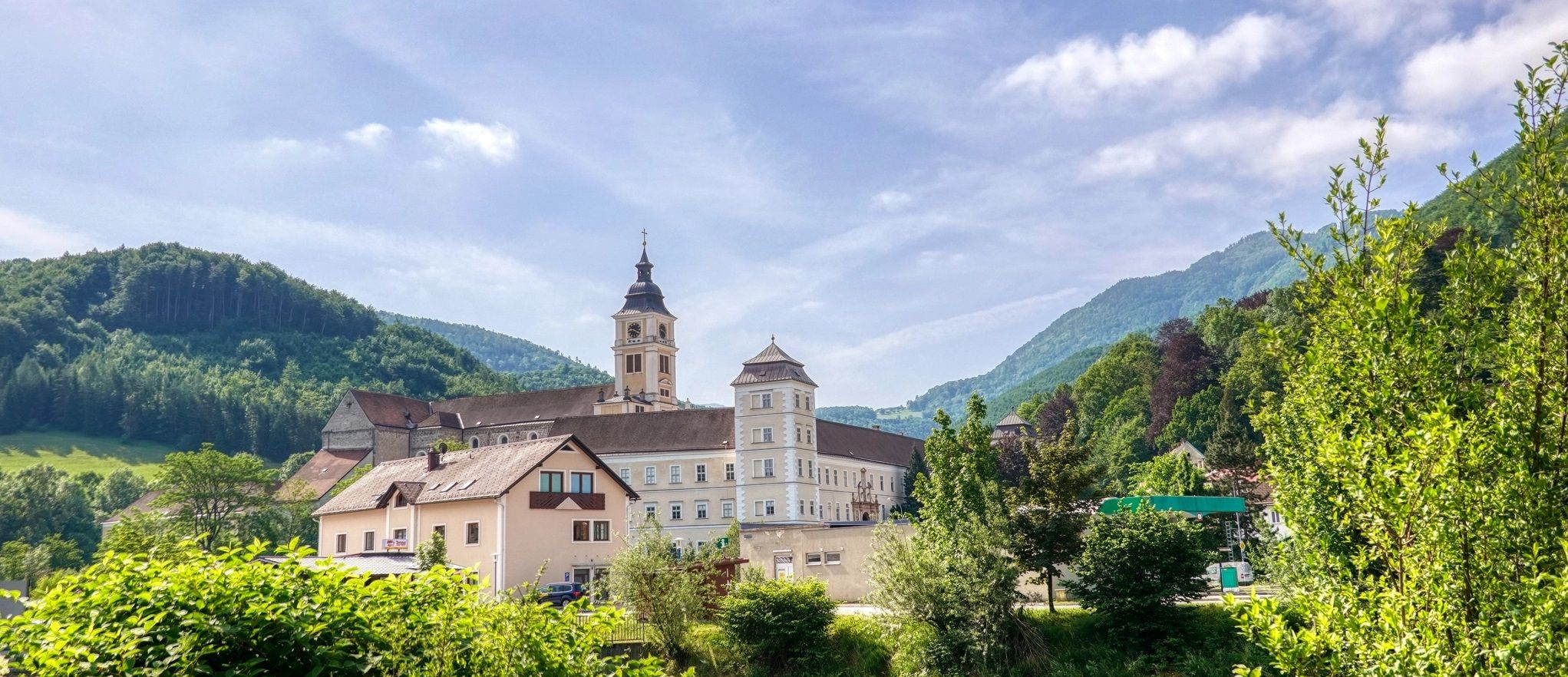
Many trails pass by significant landmarks. You can explore the historic Heiligenkreuz Abbey, one of Europe's oldest Cistercian monasteries, or discover the romantic Helenental with its lush vegetation. Other points of interest include the ruins of Rauheneck and Rauhenstein Castle, and various scenic lookouts offering panoramic views of the Vienna Basin.
Are there circular hiking routes available from bus stops?
Yes, many of the bus-accessible routes are circular, allowing you to start and end at the same bus stop. A popular option is the Heiligenkreuz Abbey – Marian Shrine Heiligenkreuz loop from Biosphärenpark Wienerwald Kernzone Helenental, which offers a comprehensive tour of the area.
What is the best time of year to hike these bus-accessible trails?
The best seasons for hiking around Heiligenkreuz are spring and autumn. During these times, the weather is mild, and nature displays its full splendor, with blooming plants in spring or vibrant foliage in autumn. While some trails are accessible year-round, spring and autumn offer the most pleasant conditions.
Can I bring my dog on these hikes?
Many trails in the Vienna Woods are dog-friendly. However, it's always recommended to keep your dog on a leash, especially in nature protection areas and near wildlife. Please be mindful of local regulations and ensure you clean up after your pet.
What do other hikers enjoy most about hiking in Heiligenkreuz?
The area is highly rated by the komoot community, with an average score of 4.6 stars from over 9,200 ratings. Hikers often praise the picturesque landscapes of the Vienna Woods, the historical charm of Heiligenkreuz Abbey, and the diverse trails that cater to various fitness levels.
How do I find the specific bus stops for these trailheads?
Each komoot tour provides detailed information, including the starting point. You can use the tour's starting location to plan your public transport journey. Local bus services connect Heiligenkreuz with surrounding areas, making it convenient to reach the trailheads directly.
Are there any challenging routes accessible by bus for experienced hikers?
Yes, for experienced hikers seeking more challenging ascents, routes leading towards the Anninger summit are accessible by bus. These trails offer significant elevation gain and provide breathtaking panoramic views of the Vienna Basin, rewarding your effort with spectacular scenery.
Are there any trails that feature water elements like waterfalls or rivers?
Absolutely. The Helenental is particularly known for its picturesque gorge and lush vegetation, featuring the meandering Schwechat River and romantic waterfalls. Trails along the river offer a refreshing experience, especially during warmer months.
Most popular routes around Heiligenkreuz
Most popular attractions around Heiligenkreuz

Get inspired with the komoot mobile app


Explore more
Browse the best Hikes in other regions.
