The best city hikes and walks around Zwiesel
4.5
(39305)
147,123
hikers
7
hikes
Urban hiking trails around Zwiesel are situated in the Bavarian Forest, characterized by its dense woodlands and proximity to natural features. The region's terrain includes gentle elevations and river valleys, offering accessible paths within and around the town. These routes often incorporate urban landmarks alongside natural elements, providing varied walking experiences. The landscape is shaped by the surrounding forest environment, with trails that navigate both built-up areas and the edges of the natural park.
Best urban hiking trails around Zwiesel
…Last updated: September 30, 2026
1.0
(1)
11
hikers
6.80km
01:46
50m
50m
Easy hike. Great for any fitness level. Easily-accessible paths. Suitable for all skill levels.
8
hikers
3.94km
01:01
20m
20m
Easy hike. Great for any fitness level. Easily-accessible paths. Suitable for all skill levels.

6
hikers
Easy hike. Great for any fitness level. Easily-accessible paths. Suitable for all skill levels.
4
hikers
3.40km
00:53
30m
30m
Easy hike. Great for any fitness level. Easily-accessible paths. Suitable for all skill levels.
8
hikers
2.87km
00:47
40m
40m
Easy hike. Great for any fitness level. Easily-accessible paths. Suitable for all skill levels.
Get access to more routes and recommendations from other explorers.
Already have an account?
Our route recommendations are based on thousands of hikes, rides, and runs completed by other people on komoot.
Start today with a free account
Your next adventure awaits.
Popular around Zwiesel
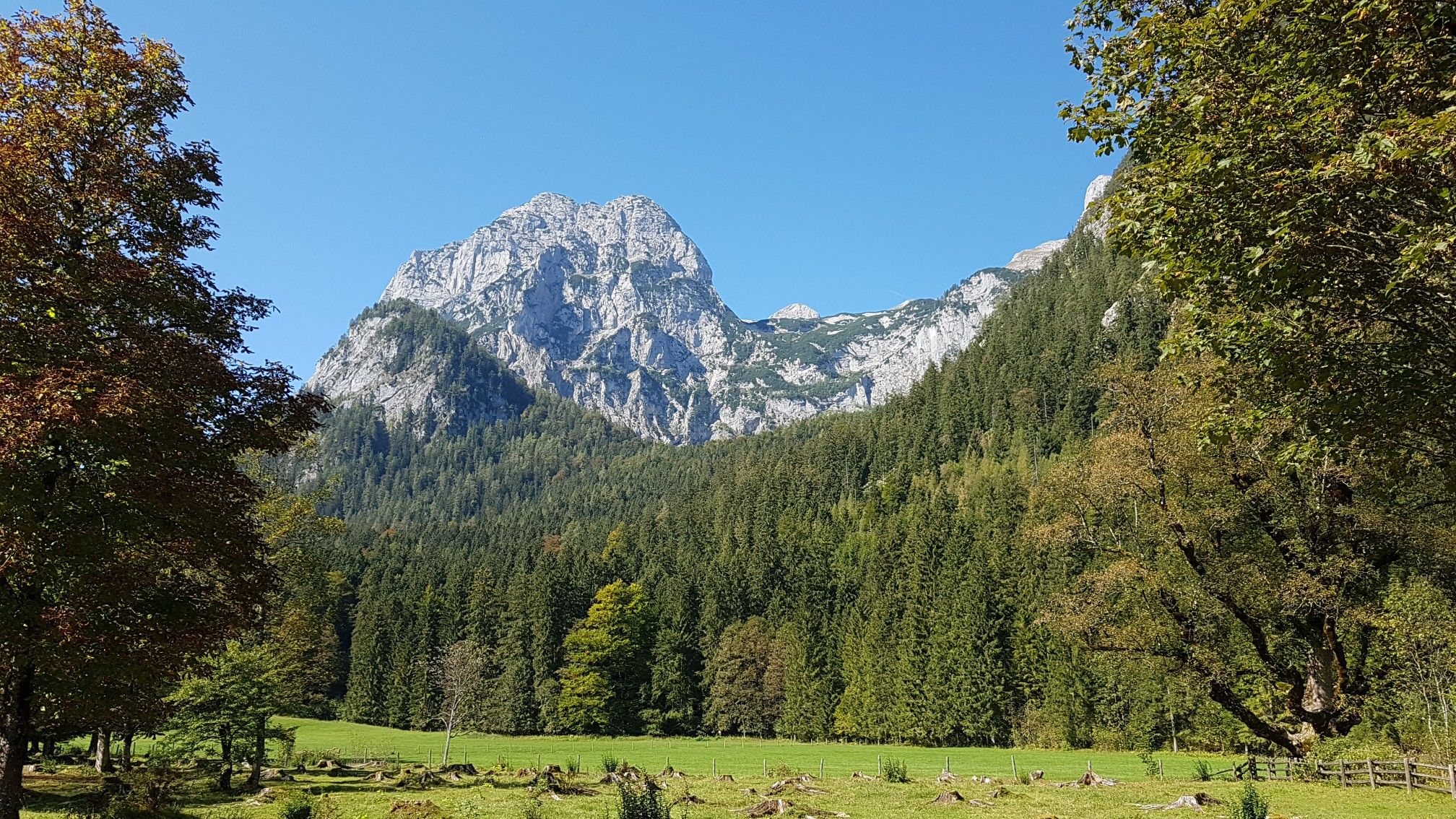
The National Natural Landscapes in Bavaria
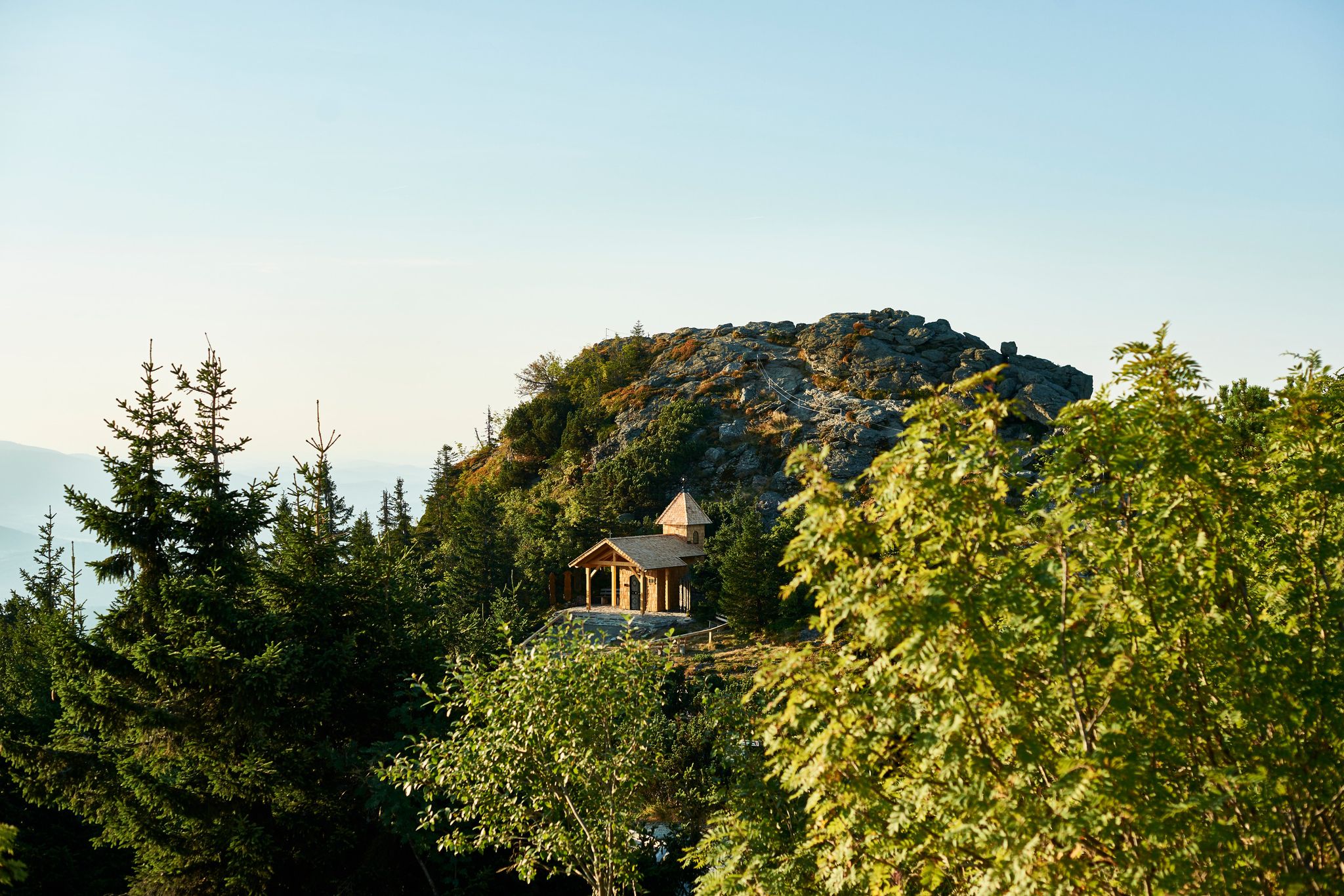
Six wonderful hikes around Bavaria’s Großer Arber
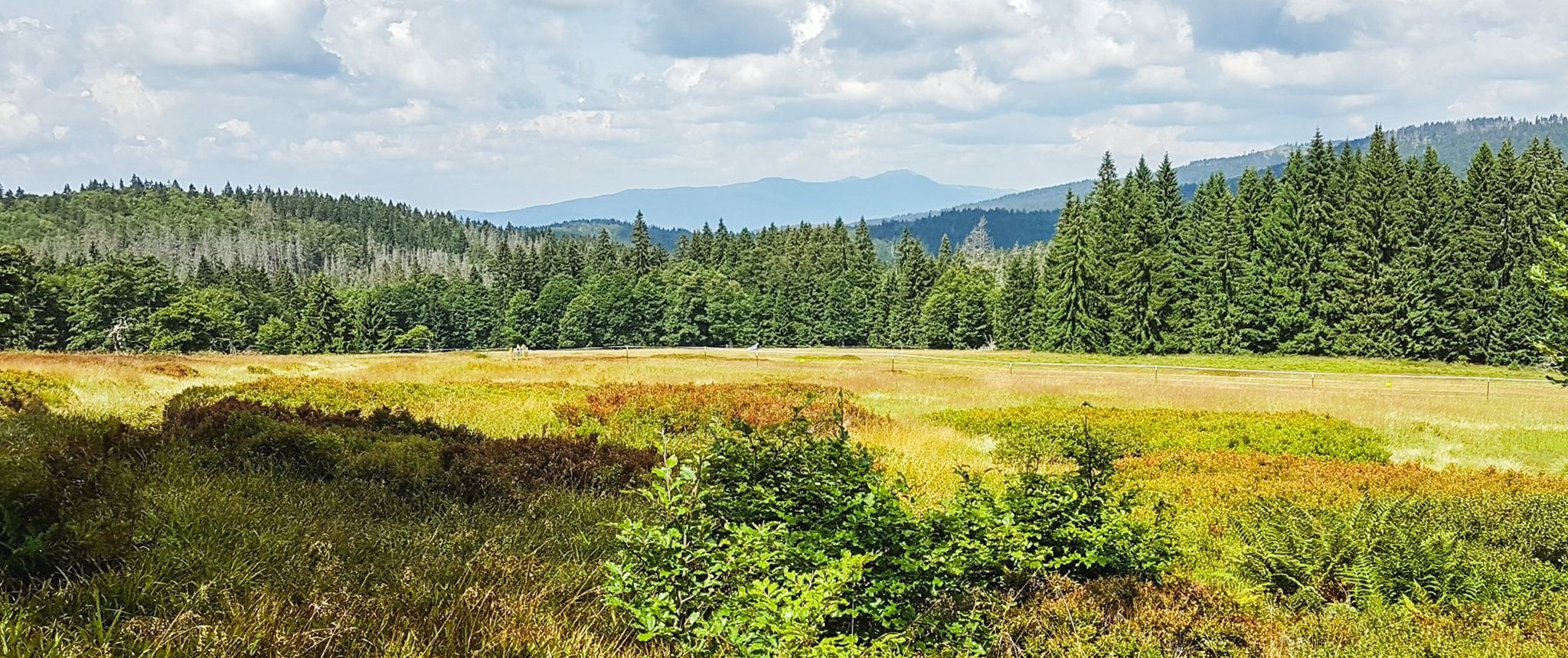
Let nature be nature – hiking in the Bavarian Forest
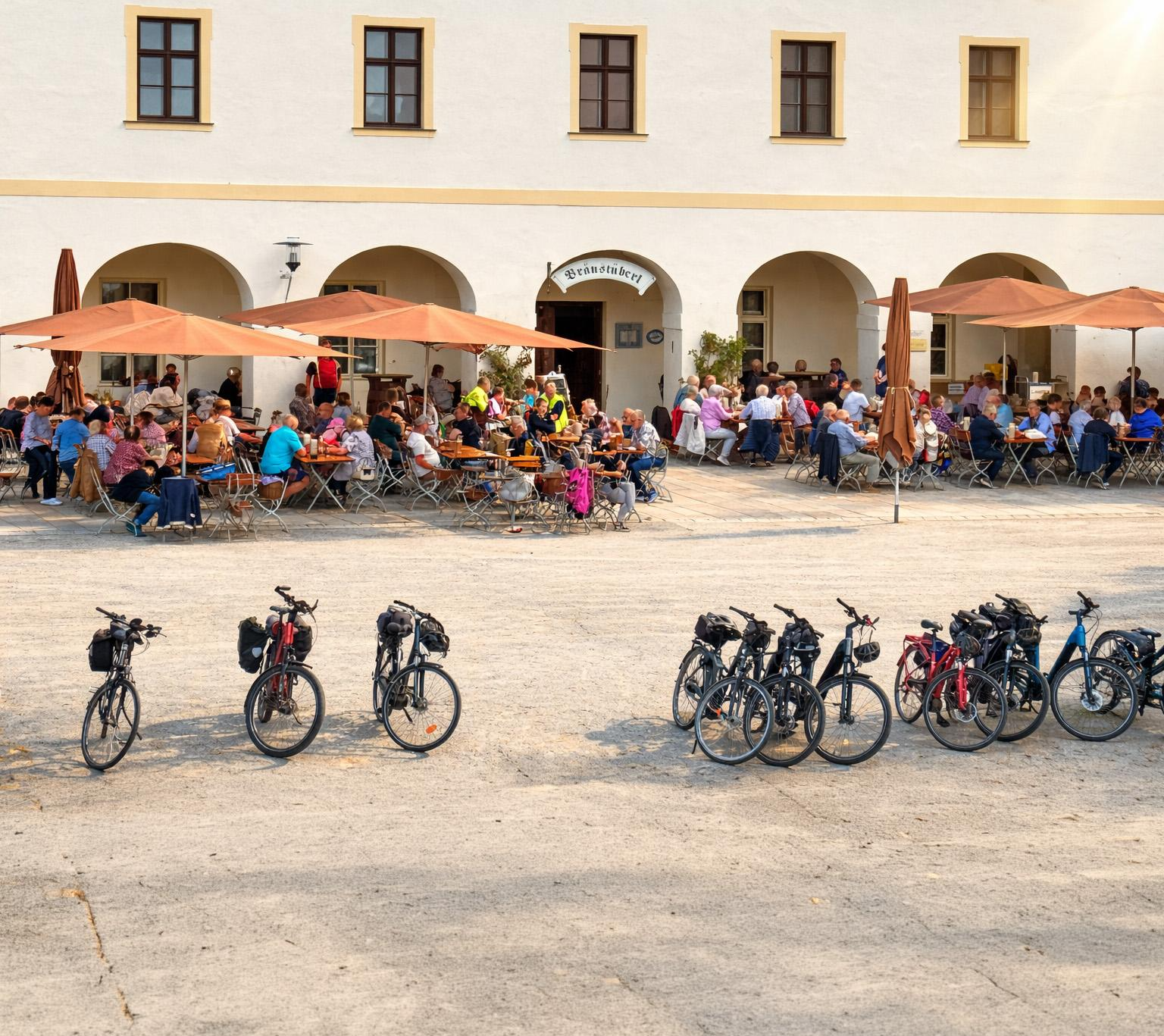
Beer culture on two wheels – 3 multi-day routes, 2 countries, 1 pulse
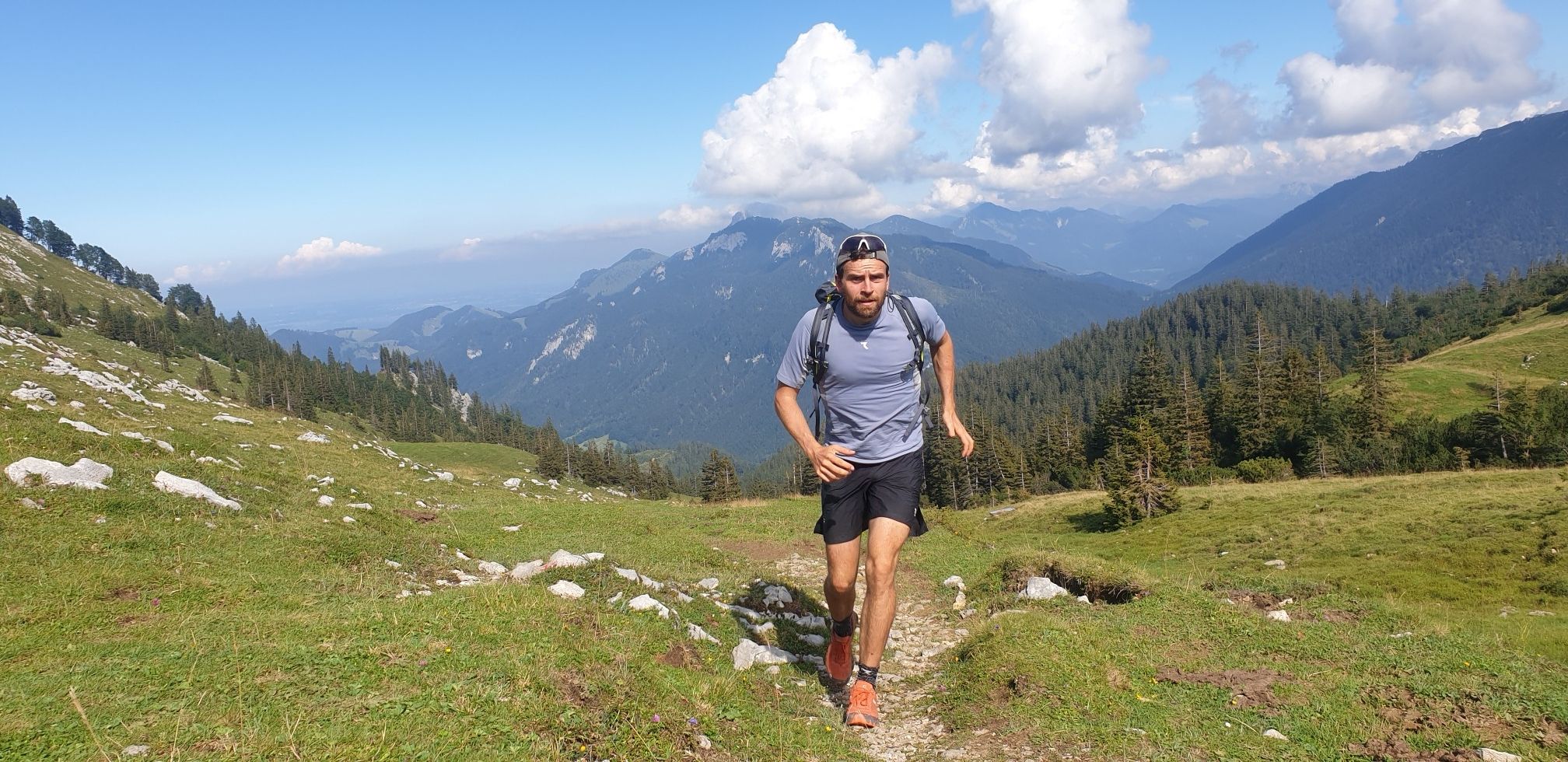
Triathlon around Germany
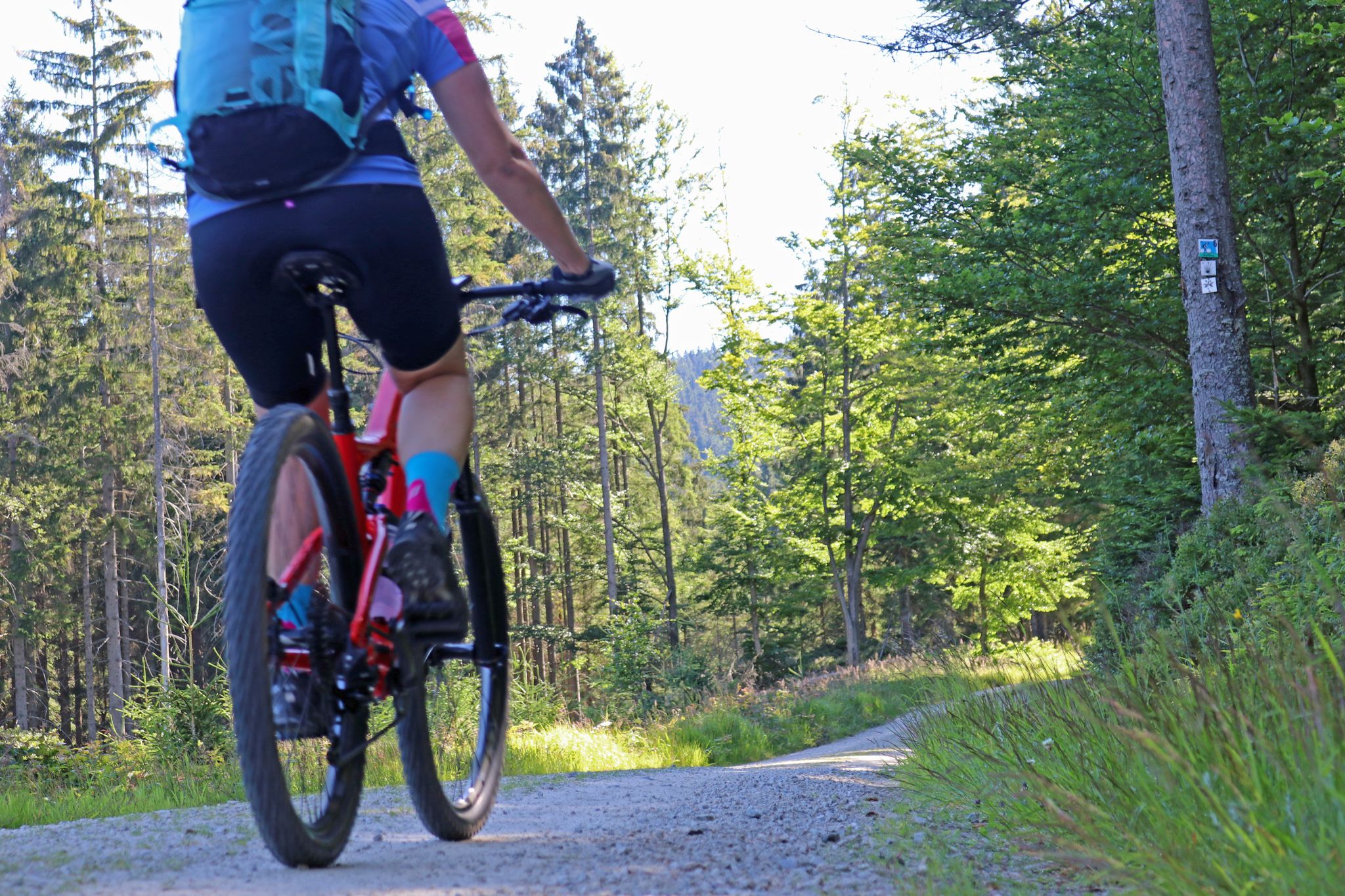
The most beautiful bike tours in the Bavarian Forest National Park
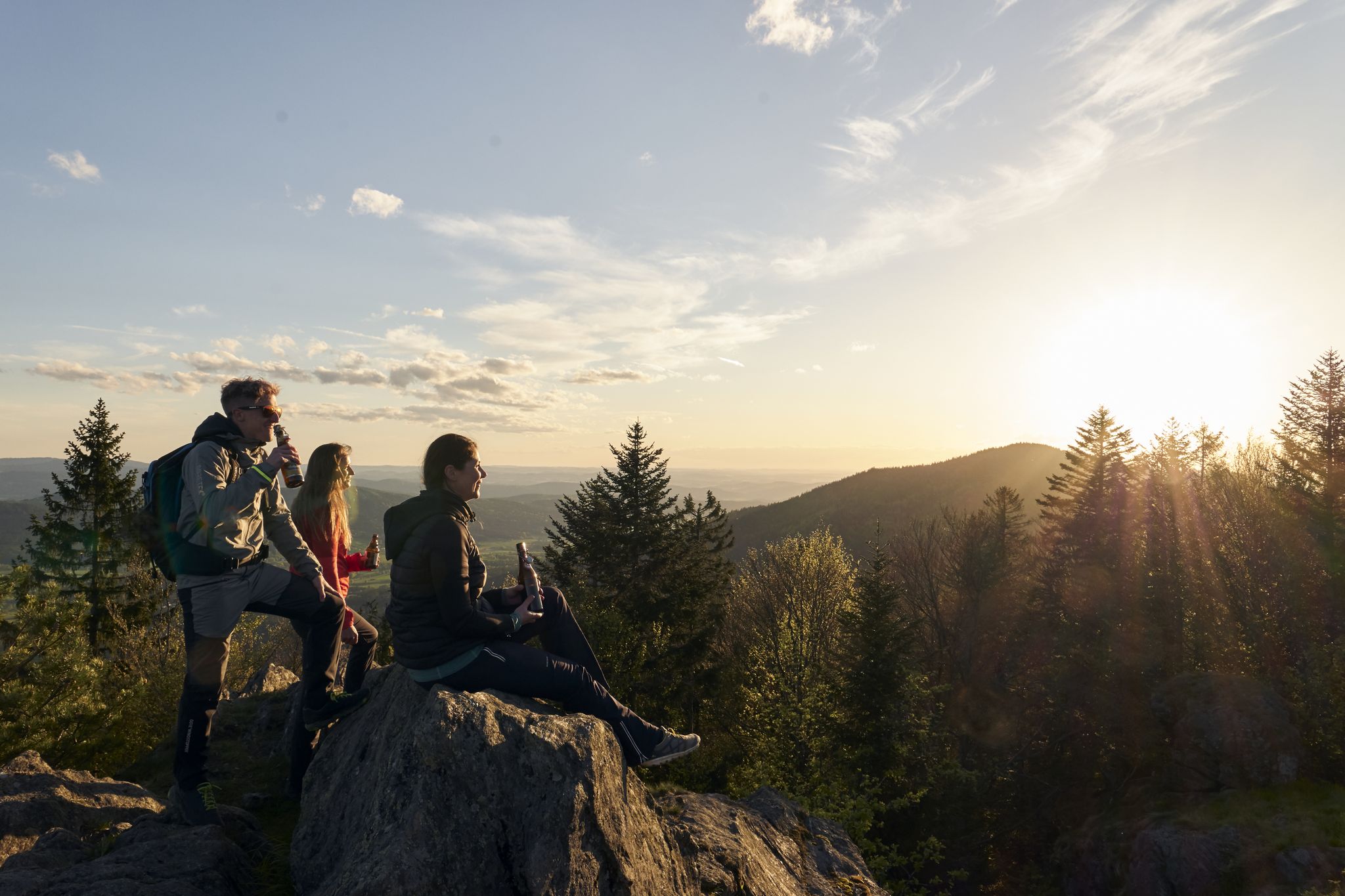
Erster Bierfernwanderweg Deutschlands - unterwegs auf bierigen Pfaden
Other adventures around Zwiesel


Tips from the Community


The Place of the Volunteers in Zwiesel is a specially dedicated area that highlights volunteer commitment in the city.
0
0

Near Zwiesel stands an extraordinary chapel. It is likely the only chapel in all of Europe built from handcrafted cast glass blocks. The little church is dedicated to Saint Mary. Services are held here during town festivals and in the month of May. The idea comes from the internationally renowned glass designer and sculptor Walter Wenzl from Bernried. First, a metal framework was welded to ensure the chapel's stability. Glassmakers from the Zwiesel Glass School then painstakingly produced 131 structured, three-colored glass blocks for the chapel's body and altar through hand-casting. The three color layers – brown, green, and blue – represent earth and groundedness, nature and growth, and the sky. The glass blocks were then individually fitted into the metal framework. In accordance with the Zwiesel town motto, “Fine glass and good wood are Zwiesel’s pride,” the chapel received a wooden roof structure, and the Lord was also carved from wood. He hangs in the chapel on a glass cross. Finally, the small tower was topped with a red, mouth-blown glass bell as a symbol of love. It bears the inscription: “Consecrated in the peace of the town of Zwiesel.” Above the entrance of the glass chapel, you will see an infinity symbol with a cross. According to tradition, the “infinity” symbol was already used for glass in the time of the alchemists. This symbol means: It is an infinite cross to make glass. The chapel was completed in 2002 and consecrated in 2003. When the bell is rung, it sounds like a promise: The promise that high-quality glass will continue to be manufactured in the glass city of Zwiesel in the future. https://www.zwiesel.de/kunst-und-kultur/kirchenkapellenwallfahrtenundpilgerwege/glaskapelle.html
2
0
The world's tallest crystal glass pyramid is made of 93,665 Tritan® crystal glasses. The four-sided pyramid, weighing 11.5 tons, was created by 25 employees and apprentices of Zwiesel Krisallglas AG. Glasses on 65 levels and a total height of 8.06 m are also records. In Zwiesel, on May 25, 2007, the world's tallest crystal glass pyramid (height: 8.06 m) was ceremoniously inaugurated. For two weeks, a team from Zwiesel Krisallglas AG had been stacking glasses for the record-breaking project. Exactly 93,665 "Neckar" series white wine glasses were placed one by one, millimeter by millimeter, on top of each other, completely without glue or any other aids. The employees worked from scaffolding, partly secured like mountaineers. Due to a lack of technical control options, the construction was done almost entirely by eye. Only once did the pyramid threaten to go slightly out of shape, so that around 2,500 glasses had to be removed and restacked. Then the last wine glass was placed at the top, after which a crane installed the specially made protective glazing. The glass panels, weighing almost 5 tons, are supported by a delicate steel structure, which is an absolute technical challenge, as architect Uwe Fickenscher states. However, the pyramid requires more than just static knowledge from the planner. To prevent the stacked glasses from getting dirty or fogging up, a permanent dehumidification and dust removal system was installed. It has resulted in a glass world record and thus a new landmark for Zwiesel Kristallglas AG and also for the glass city of Zwiesel. https://www.bayerischer-wald.de/attraktion/glaspyramide-351dc60ba7
2
0

Here in Zwiesel there are numerous sights and great opportunities for hiking and biking 😉 It's always worth a visit 👌
4
0

Very nice place that connects the two twin towns of Zwiesel and Brake with a maritime property.
0
0

Even if the river hiking trail is a bit boring here, the view over Zwiesel compensates a little...
1
0
Quite a shaky affair crossing that bridge...
0
0
Frequently Asked Questions
What kind of terrain can I expect on urban hikes in Zwiesel?
Urban hikes in Zwiesel typically feature a mix of paved paths, gravel trails, and sometimes short sections through more natural, forested areas within or just outside the town. The routes are generally easy with minimal elevation changes, making them accessible for most fitness levels.
How many urban hiking trails are available in Zwiesel?
Zwiesel offers several easy urban hiking trails, with a total of 7 routes detailed in this guide. These routes are designed to be accessible and enjoyable for a wide range of hikers.
What makes urban hiking in Zwiesel unique?
Urban hiking in Zwiesel provides a unique blend of town exploration and proximity to the stunning Bavarian Forest. You can discover local landmarks, glass art, and historical sites while enjoying the fresh air and natural beauty that borders the town, often with views towards the surrounding forest landscape.
What do other hikers say about urban trails in Zwiesel?
The urban hiking trails around Zwiesel are highly rated by the komoot community, with an average score of 4.57 stars. Reviewers often praise the well-maintained paths, the ease of access, and the pleasant combination of cultural sights with natural surroundings.
Are the urban hiking trails in Zwiesel suitable for families with children?
Yes, many urban hiking trails in Zwiesel are very family-friendly. Their easy difficulty and relatively short distances make them ideal for children. For example, the Zwiesel Old Town – Zwiesel Crystal Glass Pyramid loop from Zwiesel is a great option for a leisurely family stroll.
Can I bring my dog on urban hikes in Zwiesel?
Generally, dogs are welcome on urban hiking trails in Zwiesel. It's always recommended to keep your dog on a leash, especially in town centers or near wildlife, and to ensure you clean up after them. The easy terrain is suitable for most dogs.
Are there circular urban hiking routes in Zwiesel?
Yes, all the urban hiking routes featured in this guide are circular, allowing you to start and end your journey at the same point. Examples include the Zwiesel Suspension Bridge – War Memorial loop from Zwiesel Kristallglas AG and the View of Zwiesel loop from Theresienthal.
How can I reach the urban hiking trails in Zwiesel using public transport?
Zwiesel is well-connected by public transport, particularly by train. The town's central location means many urban trails are accessible directly from the train station or nearby bus stops, allowing you to explore without needing a car.
What interesting landmarks or natural features can I see along urban hikes in Zwiesel?
Urban hikes in Zwiesel offer a variety of sights. You can explore the historic Old Town, visit the Zwiesel Crystal Glass Pyramid, or enjoy views of the surrounding Bavarian Forest. While not directly on these urban routes, the region is also home to notable attractions like the Weißenstein Castle Ruins and the impressive Rißloch Gorge Waterfalls, which are a short drive away.
Are there any shorter urban walks for a quick outing in Zwiesel?
Yes, if you're looking for a shorter walk, the Braker Bay with anchor – Volunteers' Square loop from Zwiesel is just under 3 km and takes about an hour. Another excellent option is the Zwiesel Old Town – Zwiesel Crystal Glass Pyramid loop from Zwiesel, which is also around 3 km.
What is the best time of year for urban hiking in Zwiesel?
Urban hiking in Zwiesel is enjoyable throughout the year. Spring brings blooming flowers, summer offers pleasant temperatures, and autumn showcases vibrant foliage. Even in winter, the trails can be beautiful, especially after fresh snowfall, though some paths might require appropriate footwear.
Are there any urban trails in Zwiesel that offer good viewpoints?
Yes, several urban trails provide lovely viewpoints. For instance, the View of Zwiesel loop from Theresienthal offers scenic vistas of the town and its surroundings, allowing you to appreciate the blend of urban and natural landscapes.
Most popular routes around Zwiesel
Most popular attractions around Zwiesel

Get inspired with the komoot mobile app


Explore more
Browse the best Hikes in other regions.
