The best traffic-free bike rides around Wald
4.2
(18)
91
riders
22
rides
Gravel biking around Wald offers a network of routes connecting picturesque villages, historical sites, and natural features like lakes. The terrain is varied, with paths winding through rural landscapes and alongside bodies of water. This region provides opportunities for no traffic gravel bike trails, suitable for exploring the local scenery. The routes often feature a mix of surfaces, ideal for gravel bikes.
Best no traffic gravel bike trails around Wald
- The most popular no traffic gravel bike trail is View…
Last updated: October 27, 2026
4.4
(5)
16
riders
28.9km
01:32
160m
160m
Moderate gravel ride. Good fitness required. Mostly paved surfaces.
5
riders
43.0km
02:35
320m
320m
Moderate gravel ride. Good fitness required. Mostly paved surfaces.

2
riders
32.2km
02:01
300m
300m
Moderate gravel ride. Good fitness required. Mostly paved surfaces.
4.0
(2)
1
riders
31.1km
02:10
320m
320m
Hard gravel ride. Good fitness required. You may need to push your bike for some segments of this route.
3
riders
38.7km
02:28
290m
290m
Moderate gravel ride. Good fitness required. Mostly paved surfaces.
Get access to more routes and recommendations from other explorers.
Already have an account?
Our route recommendations are based on thousands of hikes, rides, and runs completed by other people on komoot.
Tips from the Community

The first documentary mention of Sigmaringen Castle can be found in the year 1077, in the annals of the Petershausen monastery. It reports on the stay of King Henry IV during his investiture controversy with the Pope – an indication that the castle already had strategic importance at that time. The oldest surviving parts of the building date back to the Staufer period around 1200. These include the castle gate, the palas, and the keep. Over the centuries, the castle was repeatedly expanded, rebuilt, and adapted to the changing needs of its inhabitants. The 15th and 16th centuries in particular were characterized by profound structural changes. A first major construction period goes back to the Counts of Werdenberg, who began in the 15th century to expand the castle into a representative residence. The expansion to the northeast is documented today only by the preserved lintel on the so-called Swedish Tower with the year 1498. A few years later, another extension to the west followed. With the handover of the castle to the Hohenzollern-Sigmaringen line in 1535, a new era began. Count Karl II of Hohenzollern-Sigmaringen (1576–1606) had the castle extensively rebuilt and expanded it according to modern standards. Another milestone was the merging of two separate building parts by Michael Beer around 1650. The master builder, who came from the Bregenzerwald, connected the facilities from the Werdenberg period into a uniform castle architecture. In the 18th century, mainly smaller renovations and furnishing measures followed. Particularly noteworthy is the establishment of a Knights' Hall in 1736, which was redesigned and restored as an Ancestral Hall in 1878. In the course of the emerging Neo-Gothic style, the castle was further redesigned in the second half of the 19th century by the princely master builder Josef Laur. A dramatic event shook the castle in 1893, when a devastating fire destroyed large parts of the complex. As a result, one of the most significant renovation phases in the castle's history took place. The architectural conclusion of this phase is marked by the Portuguese Gallery, completed in 1907. It forms an elegant connection between the castle wings and separates the inner courtyard from the city side – a masterpiece of courtly representative architecture. https://hohenzollern-schloss.de/de/component/content/article/65-historie?catid=2
2
0

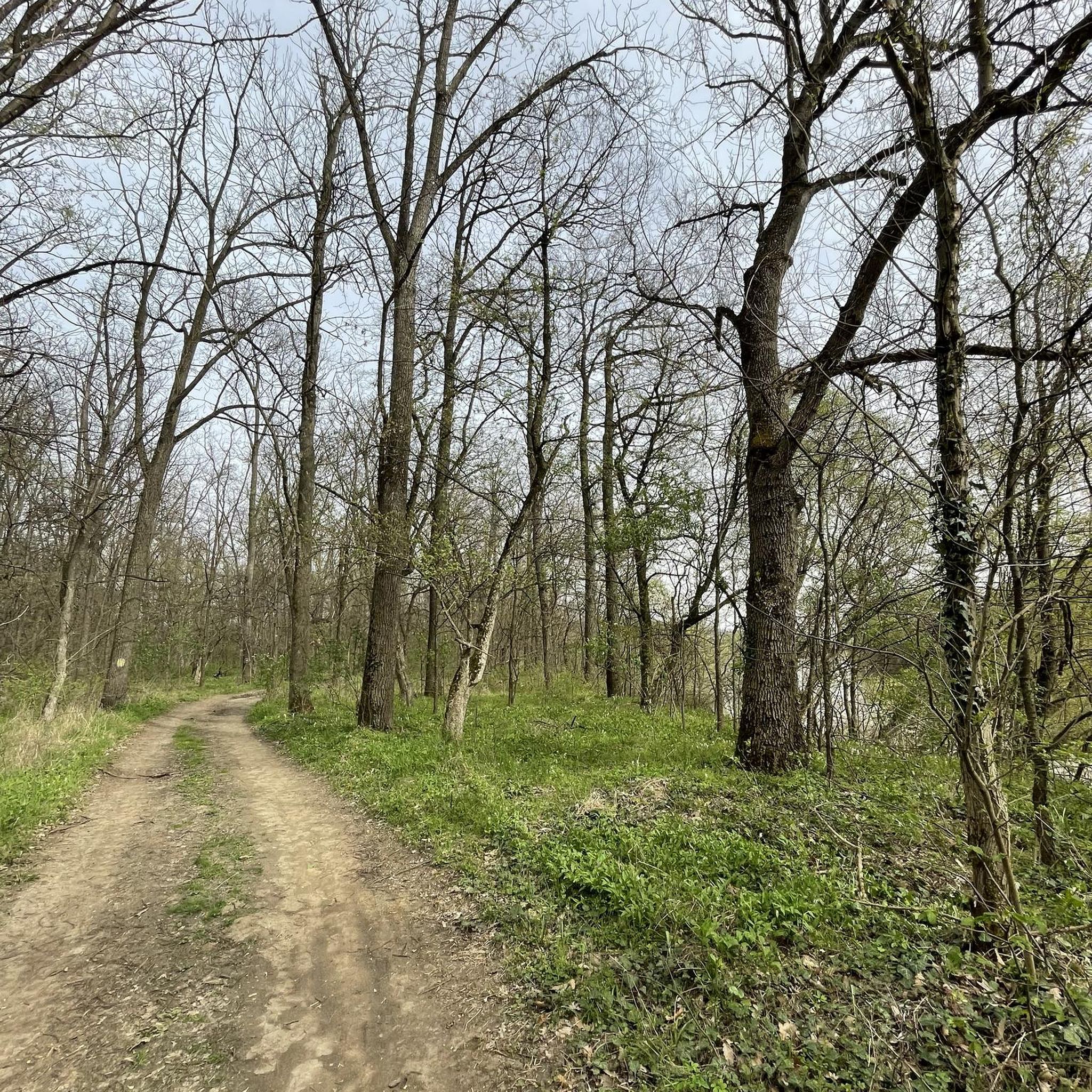
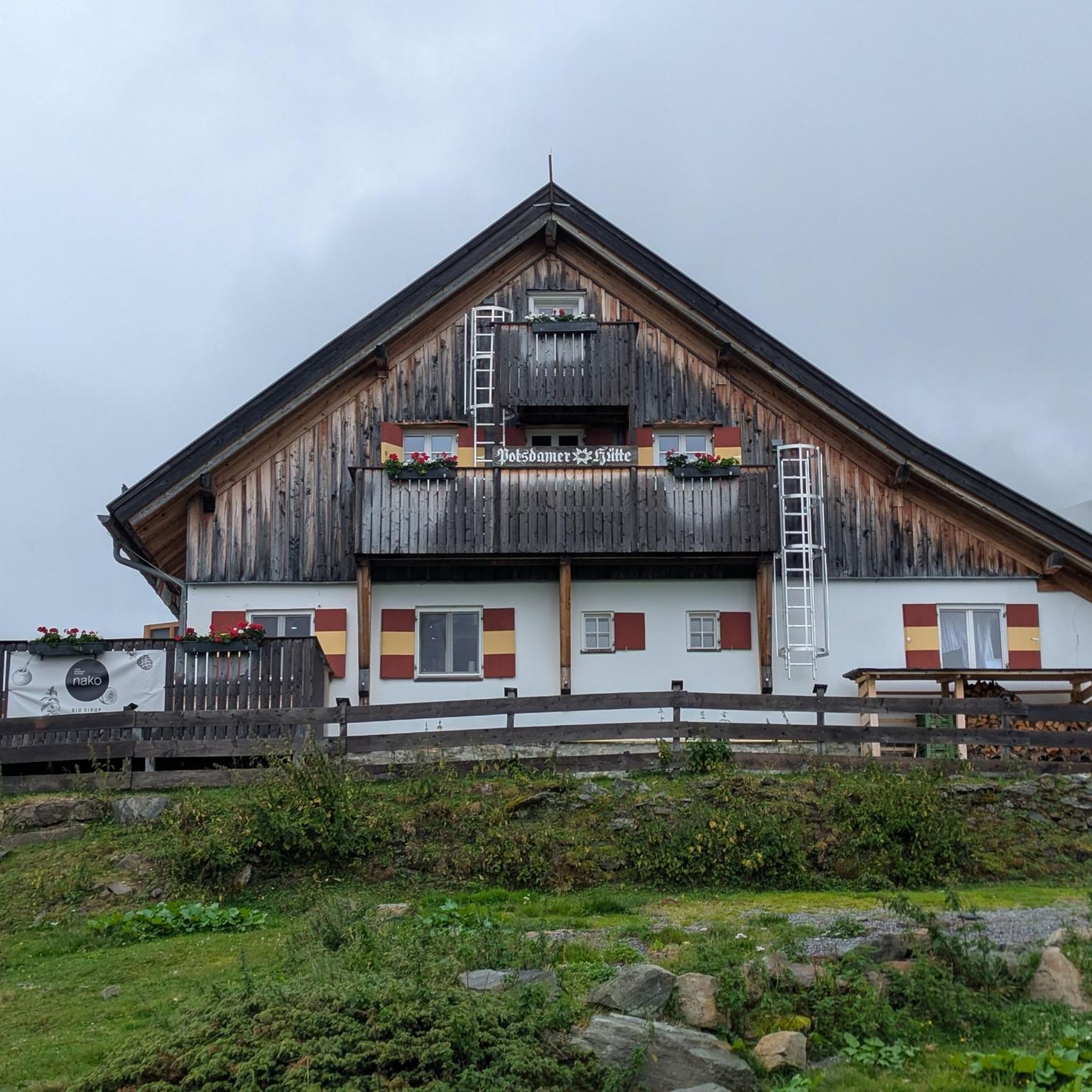
There are some places here to take a break and switch off for a bit.
0
0

A very beautiful monastery. In the Catholic parish church of St. Bernhard, pilgrims on the Camino de Santiago can get their stamp imprint. :-)
0
0
The Kloster Wald boarding school combines a girls' boarding school, grammar school, and training workshops for professions - tailoring, carpentry, or wood carving -.
0
0

Look at the town sign! A prank?
0
0

The Hohenzollern Castle Sigmaringen was first mentioned in documents in the year 1077 and originally originated as a medieval castle on a rock above the Danube. Over the centuries, the complex was expanded several times and developed into a representative residence of the Princes of Hohenzollern-Sigmaringen. After a devastating fire in 1893, large parts of the castle were rebuilt in the historicist style. The castle was the political and cultural center of the Principality of Hohenzollern-Sigmaringen for many generations. Today, it houses significant art, furniture, and weapons collections and is one of the region's most famous attractions.
2
0


Diving center located on the lake
4
0
Frequently Asked Questions
How many no-traffic gravel bike trails are available around Wald?
There are over 20 traffic-free gravel bike routes around Wald, ranging from easy to difficult. This extensive network allows you to explore the region's beautiful forested landscapes and serene lakes without encountering vehicle traffic.
Are there any easy, traffic-free gravel routes suitable for beginners or families?
Yes, there is at least one easy route, and many of the moderate routes are also suitable for those looking for a less strenuous ride. For a pleasant, moderate ride that avoids traffic, consider the View of Zeller Church – Ablach Lakes loop from Pfullendorf. It offers a good balance of distance and elevation, perfect for a relaxed day out.
What kind of landscapes can I expect on these gravel bike trails around Wald?
The trails around Wald primarily traverse picturesque forested areas, reflecting the region's name, which means 'forest' in German. You'll encounter dense woodlands, rolling hills, and often serene lakes or rivers. The area is characterized by its natural beauty, offering a peaceful escape into nature.
Are there any circular gravel bike routes available?
Yes, many of the no-traffic gravel bike trails around Wald are designed as loops, allowing you to start and end at the same point. For example, the Pfullendorf Old Town – Seepark Pfullendorf loop from Pfullendorf is a great option for a circular tour, offering diverse scenery.
What can I see or explore along the no-traffic gravel bike trails?
Beyond the natural beauty of the forests and lakes, you can discover various points of interest. The region is dotted with historic sites and charming natural features. You might pass by impressive structures like Meßkirch Castle or enjoy views of Salemertal and Heiligenberg Castle. There are also cozy huts and shelters where you can take a break.
What do other gravel bikers enjoy most about the trails around Wald?
The komoot community highly rates the area, with an average score of 3.7 stars. Reviewers often praise the tranquility of the traffic-free routes, the immersive forest experience, and the well-maintained paths that make for enjoyable gravel biking. The diverse scenery, including lakes and historic sites, is also frequently highlighted.
Are there any more challenging gravel bike routes for experienced riders?
Yes, for those seeking a more demanding ride, there are several difficult routes available. The Eimühle Pottery – Habsthal Monastery loop from Hausen am Andelsbach is one such option, offering a significant elevation gain and a rewarding challenge for advanced gravel bikers.
Where can I find parking for these gravel biking trails?
Many of the routes start from towns like Pfullendorf, Krauchenwies, or Hausen am Andelsbach, where public parking is generally available. It's advisable to check local parking options in these starting communities before your ride. Specific parking details for each route are often available on the individual tour pages.
Is it possible to access these gravel trails using public transport?
Public transport access varies depending on the specific starting point of the trail. Larger towns like Pfullendorf are typically well-connected by regional buses or trains, which can provide access to nearby trailheads. For more remote starting points, public transport might be less frequent, so planning ahead is recommended.
Are there any routes that feature lakes or water bodies?
Absolutely! The region around Wald is known for its beautiful lakes. Routes like the Zielfingen Lakes – Zielfinger Vogelsee loop from Pfullendorf will take you past serene water bodies, offering refreshing views and opportunities for a scenic break.
What is the best time of year for gravel biking in Wald?
Spring and autumn generally offer the most pleasant conditions for gravel biking in Wald, with mild temperatures and beautiful foliage. Summer can also be enjoyable, especially in the shaded forest areas, but be prepared for potentially warmer weather. Winter riding is possible, but trail conditions may vary due to snow or ice.
Most popular attractions around Wald

Get inspired with the komoot mobile app


Explore more
Browse the best Gravel rides in other regions.
