Attractions and Places To See around Tennenloher Forest - Top 20
Best attractions and places to see around Tennenloher Forest include a 934-hectare nature reserve east of Erlangen, Germany. This area is recognized as one of Southern Germany's largest sand ecosystems, home to over 1600 animal and plant species. The forest features diverse landscapes, including sandy habitats, heaths, and moor areas, alongside historical elements from its past as a military training ground. It offers various opportunities for outdoor recreation and wildlife observation.
Best attractions and places to see around Tennenloher Forest
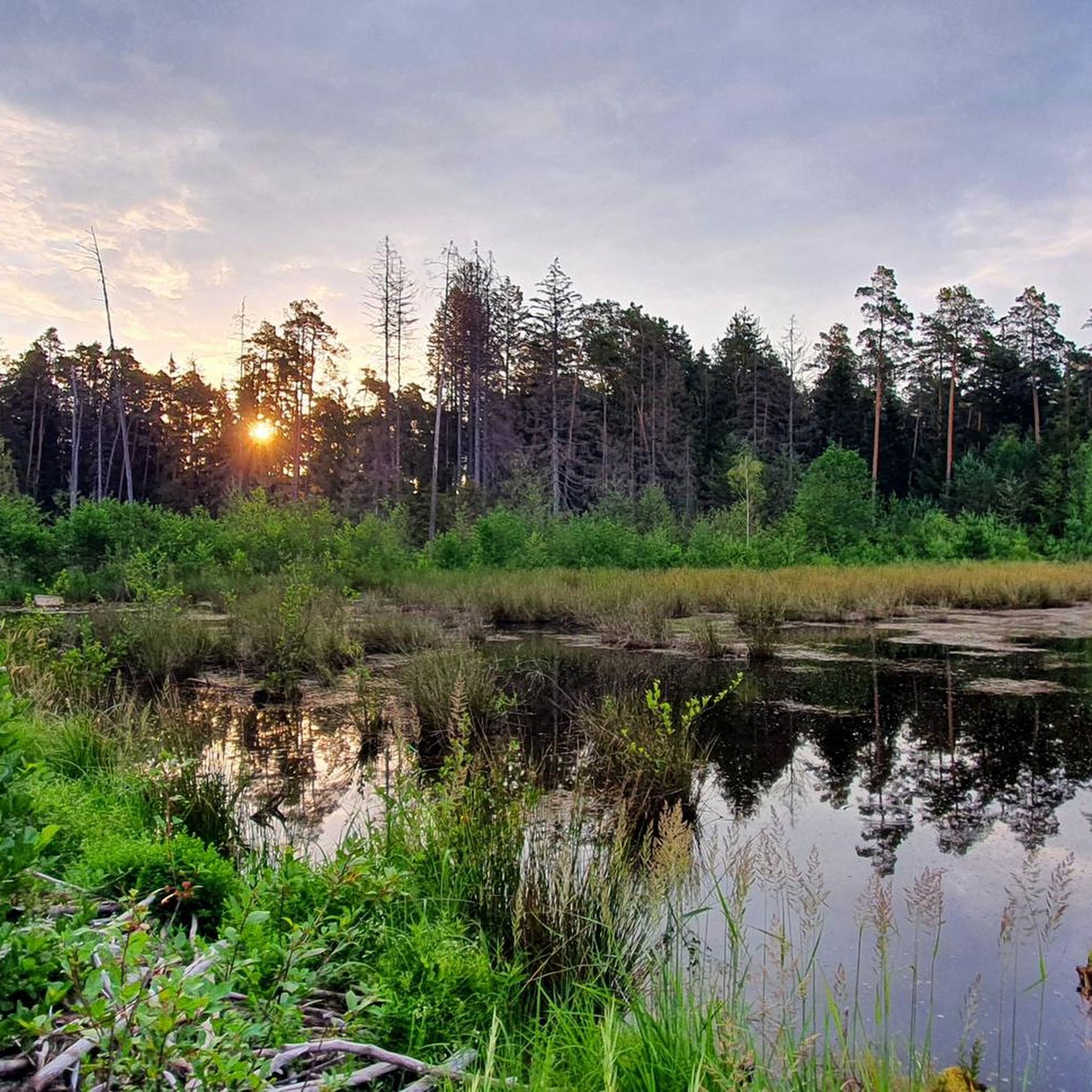
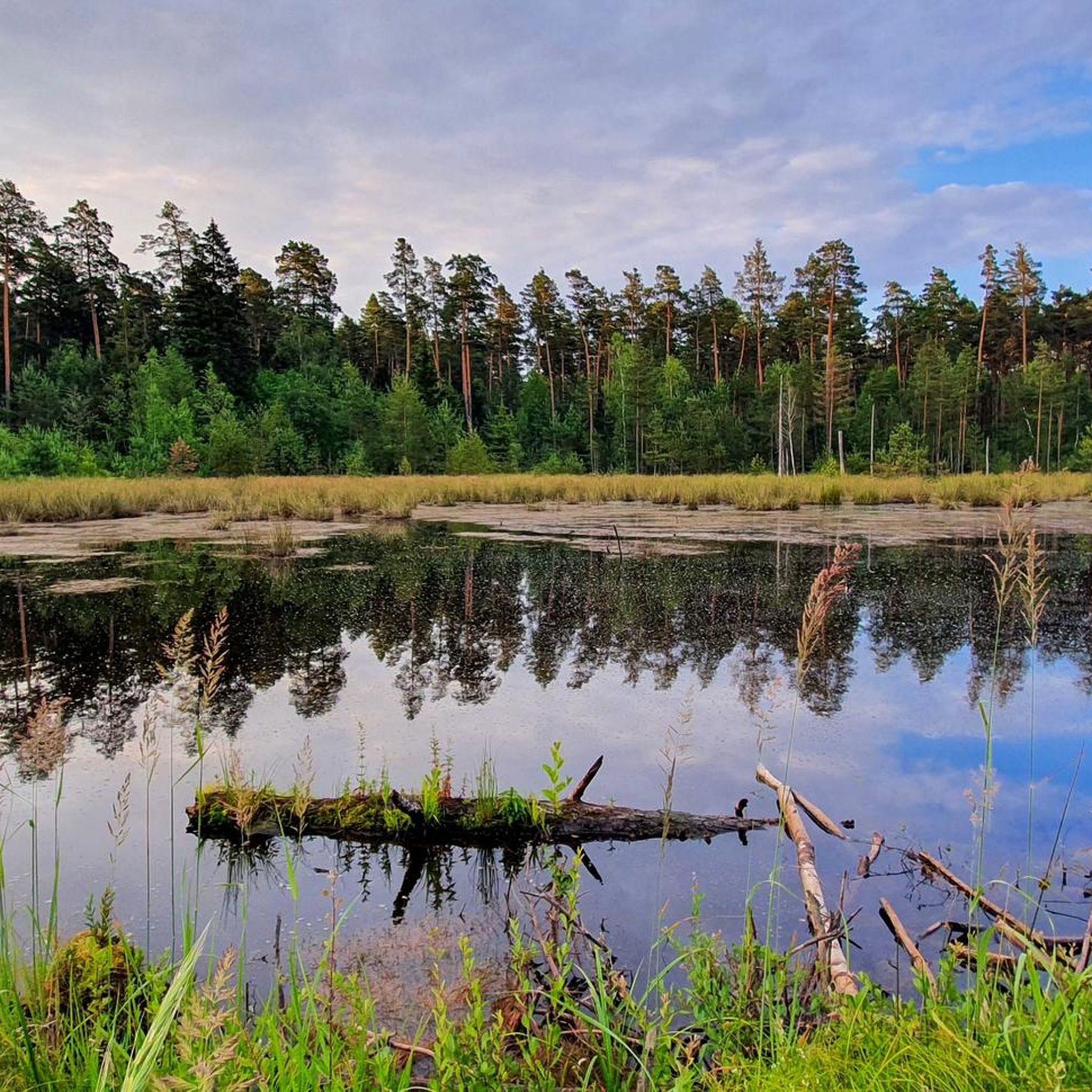
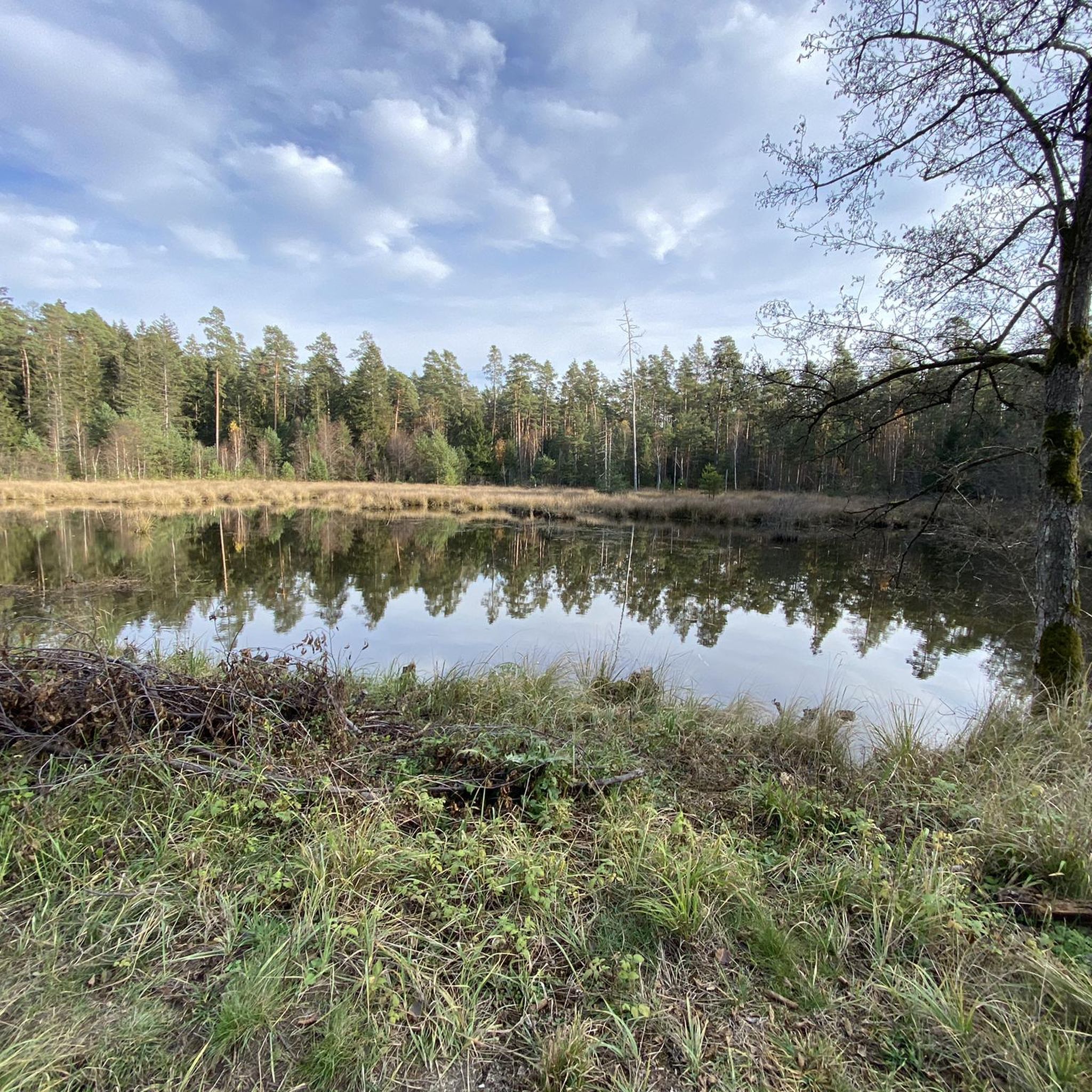
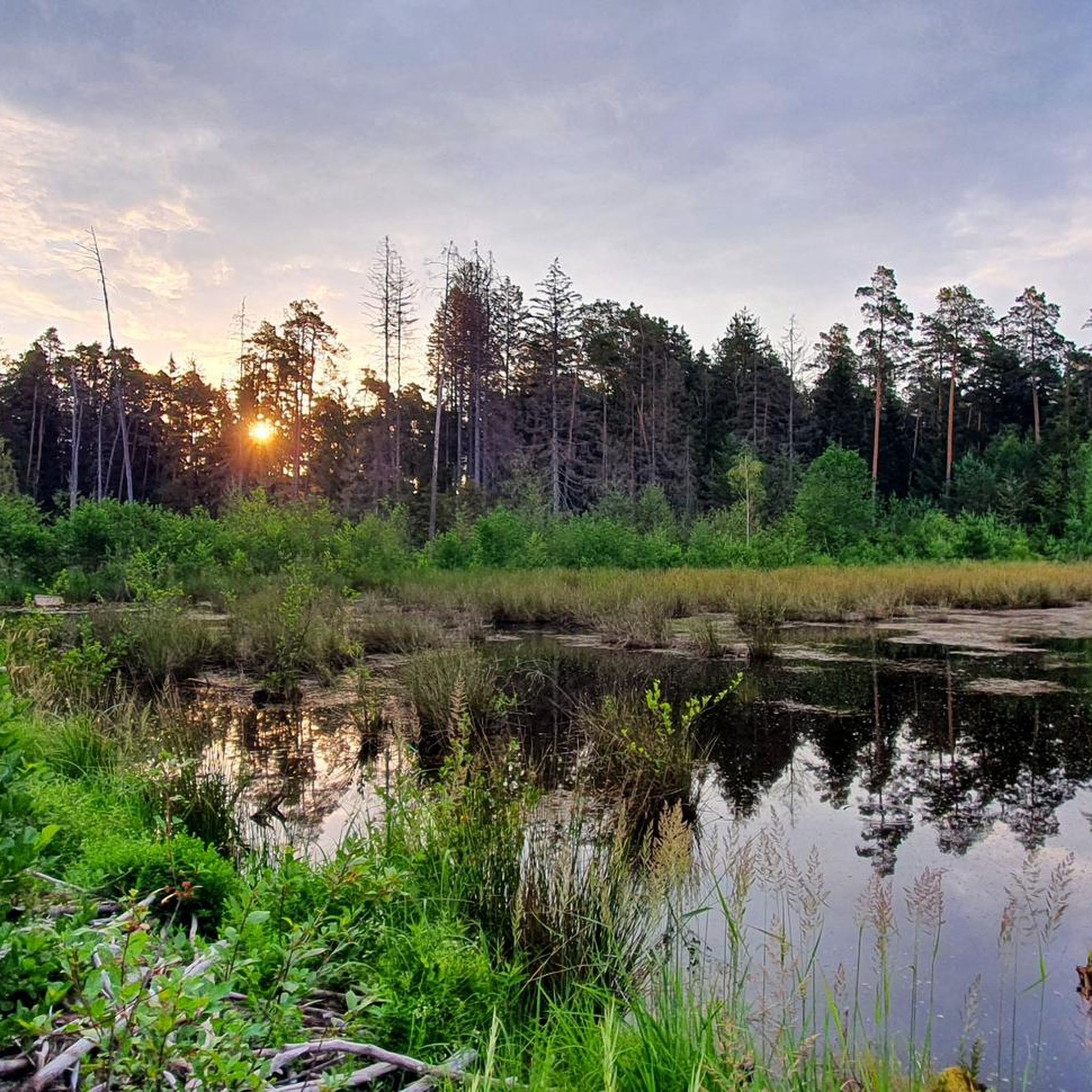
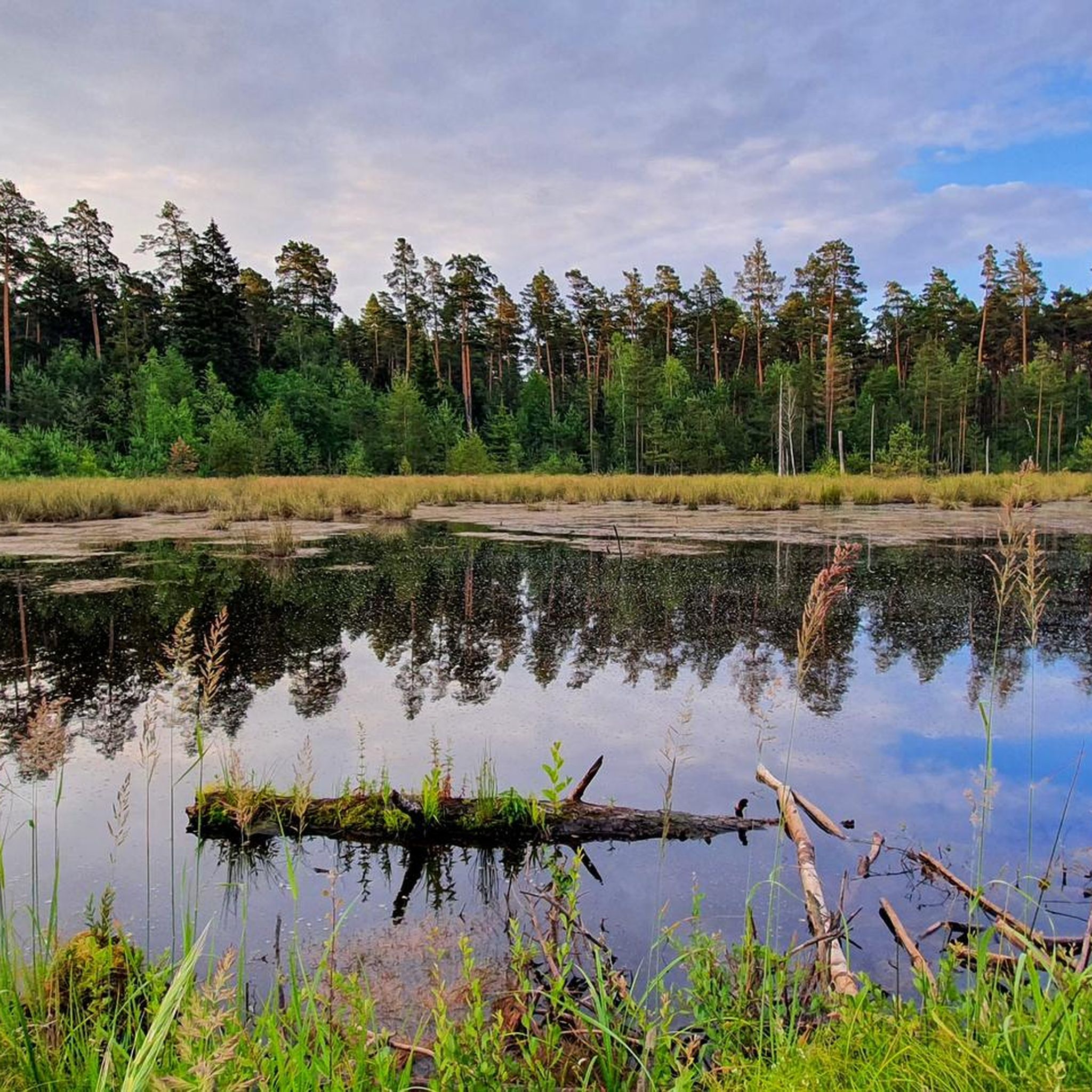
- The most popular attractions is Tennenloher Forst Nature Reserve, a forest that offers diverse natural landscapes. It is a place where visitors can always discover something new, including rare birds, insects, blindworms, and grass snakes.
- Another must-see spot is Przewalski Horse Enclosure, Tennenloher Forest, a natural monument where rare Przewalski wild horses and peacock goats graze. These animals help preserve the valuable sandy grasslands and heaths by preventing overgrowth.
- Visitors also love On the wooden path through the heath, a trail that leads through a swampy section of the wild horse enclosure. From the created footbridges, visitors can observe various plants and animals like frogs or lizards.
- Tennenloher Forest is known for its unique sandy habitats, moor areas, and historical sites. The region offers a variety of natural monuments, trails, and man-made structures to explore.
- The attractions around Tennenloher Forest are appreciated by the komoot community, with more than 1000 upvotes and 390 photos shared by visitors.
Last updated: October 9, 2026
Przewalski Horses in Tennenloher Forest
Highlight • Natural
Translated by Google •
Tip by

Observation Bridge over the Paddocks — Tennenloher Forest
Highlight • Bridge
Translated by Google •
Tip by
Sign up now to discover places like this
Get recommendations on the best single tracks, peaks, & plenty of other exciting outdoor places.
On the wooden path through the heath
Highlight • Trail
Translated by Google •
Tip by

Tennenloher Forst Nature Reserve
Highlight • Forest
Translated by Google •
Tip by

White Cross in Tennenloher Forst
Highlight • Monument
The current location of the stone cross does not correspond to the original place of installation. First it stood about 590 meters further east at a no longer existing crossing of two forest paths (♁coordinates). In 1935 the Reichswehr set up a military training area there. In order to protect the cross from damage or complete destruction, it was moved for the first time in October 1941 on the initiative of the German Stone Cross Research Association. When the military training area was later used by the US Army, the memorial was moved again. After the troops withdrew in 1993 and military use of the site ended, the White Cross was erected at its current location.
Source: Wikipedia
Translated by Google •
Tip by

Sign up for free to discover even more attractions around Tennenloher Forest.
Already have an account?
Start today with a free account
Your next adventure awaits.
Tips from the Community

Partially very deep sand/gravel passages. But very beautiful landscape.
0
0


Many beautiful paths for gravel biking
3
0

Every now and then you can see the wild horses. Or the herd of goats. And it's quiet.
2
1

It's really nice to ride a bike here. You have wonderful, well-paved paths and there is a pleasant atmosphere.
2
0

Paths along the paddock with some very sharp stones. Unfortunately, these gave me a record 😢
4
0

A large enclosure is available to the wild horses, in which they ensure that the open spaces are preserved.
11
0
For a short stretch, the path leads over footbridges, which underscores the heathland and moorland character of the area.
9
0
Frequently Asked Questions
What unique natural features can I explore in Tennenloher Forest?
The Tennenloher Forst Nature Reserve is recognized as one of Southern Germany's largest sand ecosystems, featuring extensive sandy habitats, heaths, and valuable moor areas like the "Gründlacher Moor." These diverse landscapes support over 1600 animal and plant species, including rare flora such as peat mosses and sundew.
Where can I observe the Przewalski wild horses?
You can observe the rare Przewalski wild horses and peacock goats at the Przewalski Horse Enclosure, Tennenloher Forest. These animals play a crucial role in maintaining the sandy grasslands and heaths. For an elevated view, visit the Observation Bridge over the Paddocks, which offers a great vantage point.
Are there specific trails suitable for families or children?
Yes, the forest offers several family-friendly options. The wooden path through the heath leads through a swampy section of the wild horse enclosure, where children can spot frogs or lizards from footbridges. There's also an adventure trail mentioned in the region research that offers rich flora and fauna, and some accounts mention a bamboo tree house.
What kind of historical significance does Tennenloher Forest hold?
Tennenloher Forest has a significant past as a military training ground, used by the German Reichswehr from 1935 and later by the US Army until 1993. Evidence of this history can still be seen in former shooting ranges and the "Kugelfangwall" (bullet catch wall). Information boards throughout the area provide insights into this history.
Are there opportunities for cycling or running in the area?
Absolutely! Tennenloher Forest boasts well-maintained paths suitable for cycling and running. You can find various routes for different sports. For example, there are several easy gravel biking routes like the "Indian Gorge – Weiher Ponds Near Weiher loop" and cycling tours such as the "Historic Center of Tennenlohe – Gründlach Moor loop." Runners can explore moderate trails like the "Siebenstein Stone Cross loop." You can find more details on these activities in the gravel biking, cycling, and running guides for the area.
What makes the sandy habitats of Tennenloher Forest special?
The sandy habitats, including sand grasslands and heaths, are crucial for the survival of many specialized plant and animal species. Typical plants found here include bristly grass, sand bellflowers, silver grass, dwarf flax, and adder's tongue. These areas are actively preserved by the grazing of Przewalski horses and peacock goats, preventing overgrowth and maintaining the unique steppe-like landscape.
Can I bring my dog to Tennenloher Forest?
Yes, Tennenloher Forest is generally dog-friendly, with many trails suitable for walks with your pet. For instance, the wooden path through the heath is listed as dog-friendly. However, it's always advisable to keep dogs on a leash, especially near wildlife enclosures and to protect the sensitive ecosystems and rare species present in the nature reserve.
Are there any unique art installations or sculptures to see?
Yes, the Quellstein Sculpture by Dieter Erhard is a notable art installation in the forest. This sculpture symbolizes the connection between nature and art within the former military area, now transformed into a nature reserve, and is part of the Tennenlohe Sculpture Trail.
What kind of bird species can I spot in the forest?
The extensive heathlands and pine forests of Tennenloher Forest provide essential habitats and breeding grounds for rare bird species. Keep an eye out for the Woodlark (Heidelerche) and the European Nightjar (Ziegenmelker). Other notable birds include the Eurasian Woodcock and Whinchat. Visitors have also reported seeing hoopoes and many other rare birds.
What do visitors particularly enjoy about the Tennenloher Forest Nature Reserve?
Visitors appreciate the Tennenloher Forst Nature Reserve for its diverse natural landscapes and the constant opportunity to discover something new. Many enjoy the chance to spot rare birds, insects, blindworms, and grass snakes. It's considered a great place to recharge and experience nature, with well-maintained paths for various activities.
Are there any specific safety considerations when visiting Tennenloher Forest?
Due to its history as a military training ground, visitors are strongly advised to stay strictly on designated paths. This is important to avoid potential danger from unexploded ordnance that might still be present off-trail. Information boards throughout the area also provide guidance on safety and ecological preservation.
What are the options for hiking in Tennenloher Forest?
Tennenloher Forest offers numerous well-maintained paths for hiking, including various circular trails that allow you to explore its diverse landscapes. You can find routes that take you through sandy habitats, past moor areas, and near the wild horse enclosure. For more detailed hiking options, you can explore the guide page for routes in the area.
Is there parking available for visitors to Tennenloher Forest?
While specific parking locations are not detailed in the provided data, the region research indicates that the forest is a popular spot for outdoor recreation, implying visitor access. It's common for nature reserves of this size to have designated parking areas at main entrances or trailheads. It is recommended to check local signage upon arrival for visitor parking regulations.
Most popular routes around Tennenloher Forest
Most popular attractions around Tennenloher Forest

Get inspired with the komoot mobile app


Explore more
Still not found the Highlight you’re looking for? See guides of the top attractions in other regions:
