The best hikes from bus stations in the Pyrenees
4.5
(43304)
364,073
hikers
4,386
hikes
Bus station hiking trails in the Pyrenees offer access to a mountain range defined by dramatic peaks, deep valleys, and extensive glacial formations. The region features high-altitude lakes, cascading waterfalls, and diverse ecosystems ranging from lush forests to alpine meadows and rocky terrain. These geological formations, a result of tectonic collisions, create steep ridges and varied landscapes suitable for hiking.
Best bus station hiking trails in the Pyrenees
- The most popular bus station hiking route is Cola de Caballo via…
Last updated: September 23, 2026
4.8
(1074)
7,434
hikers
17.8km
05:18
480m
480m
Hard hike. Very good fitness required. Mostly accessible paths. Sure-footedness required.
4.8
(413)
2,987
hikers
19.7km
08:18
1,180m
1,190m
Hard hike. Very good fitness required. Mostly accessible paths. Sure-footedness required.

4.6
(97)
397
hikers
Moderate hike. Good fitness required. Mostly accessible paths. Sure-footedness required.
4.8
(45)
331
hikers
7.08km
03:02
370m
370m
Hike the moderate 4.4-mile Besurta - Aigualluts - Renclusa circular trail in Posets-Maladeta Natural Park, featuring unique geological forma
4.2
(39)
302
hikers
Moderate hike. Good fitness required. Easily-accessible paths. Suitable for all skill levels.
Get access to more routes and recommendations from other explorers.
Already have an account?
Our route recommendations are based on thousands of hikes, rides, and runs completed by other people on komoot.
Start today with a free account
Your next adventure awaits.
Popular around Pyrenees
GR 36 long-distance footpath – Cross France from the Channel to the Pyrenees
The Crossing of the Pyrenees via the GR 10 — Eastern Pyrenees
Hexatrek, the western and central Pyrenees – Between mountains and the ocean
GR 10 – Explore the Ariège Pyrenees crossing the Pyrenees
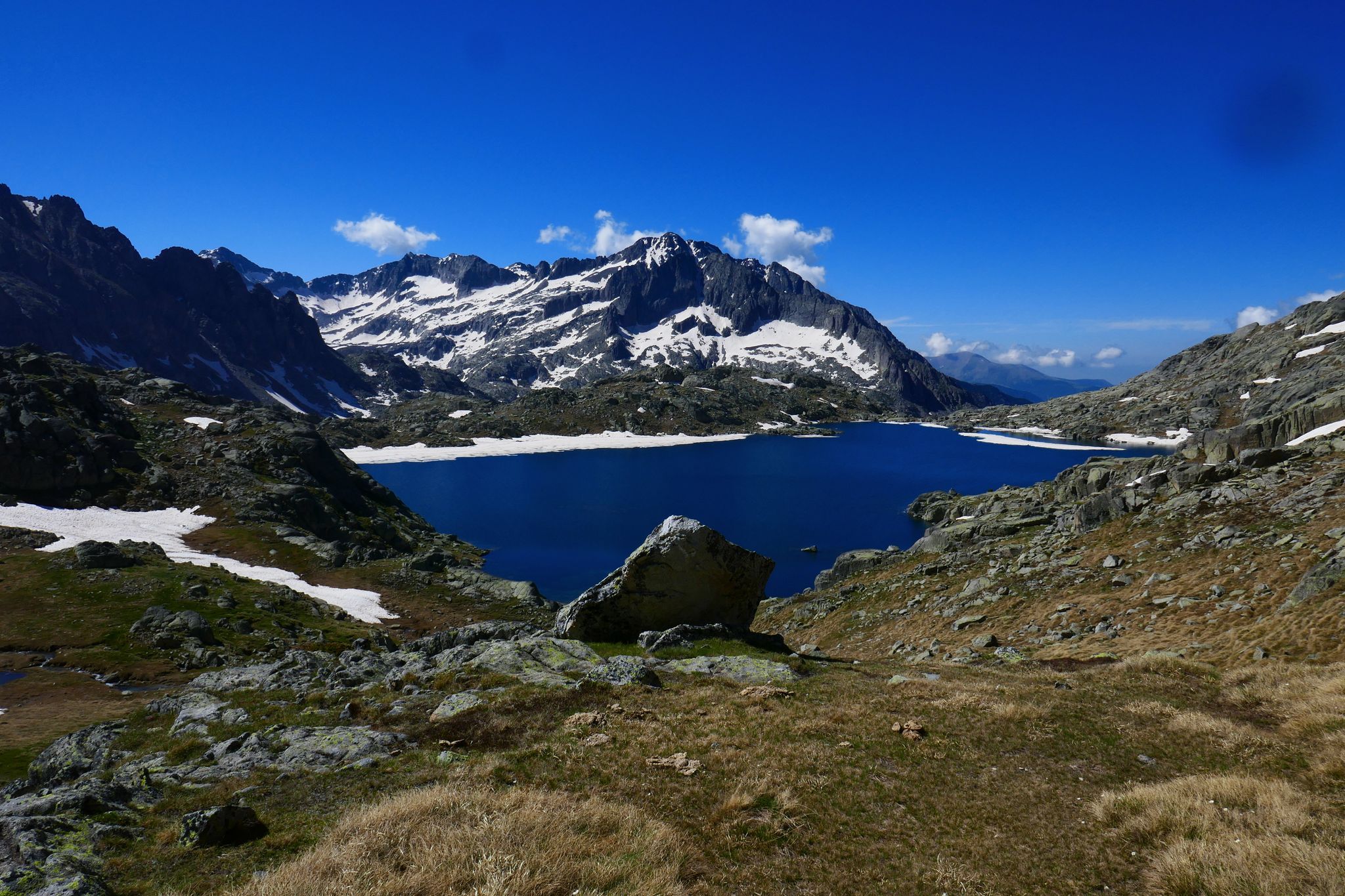
GR 10 – Central Pyrenees crossing the Pyrenees
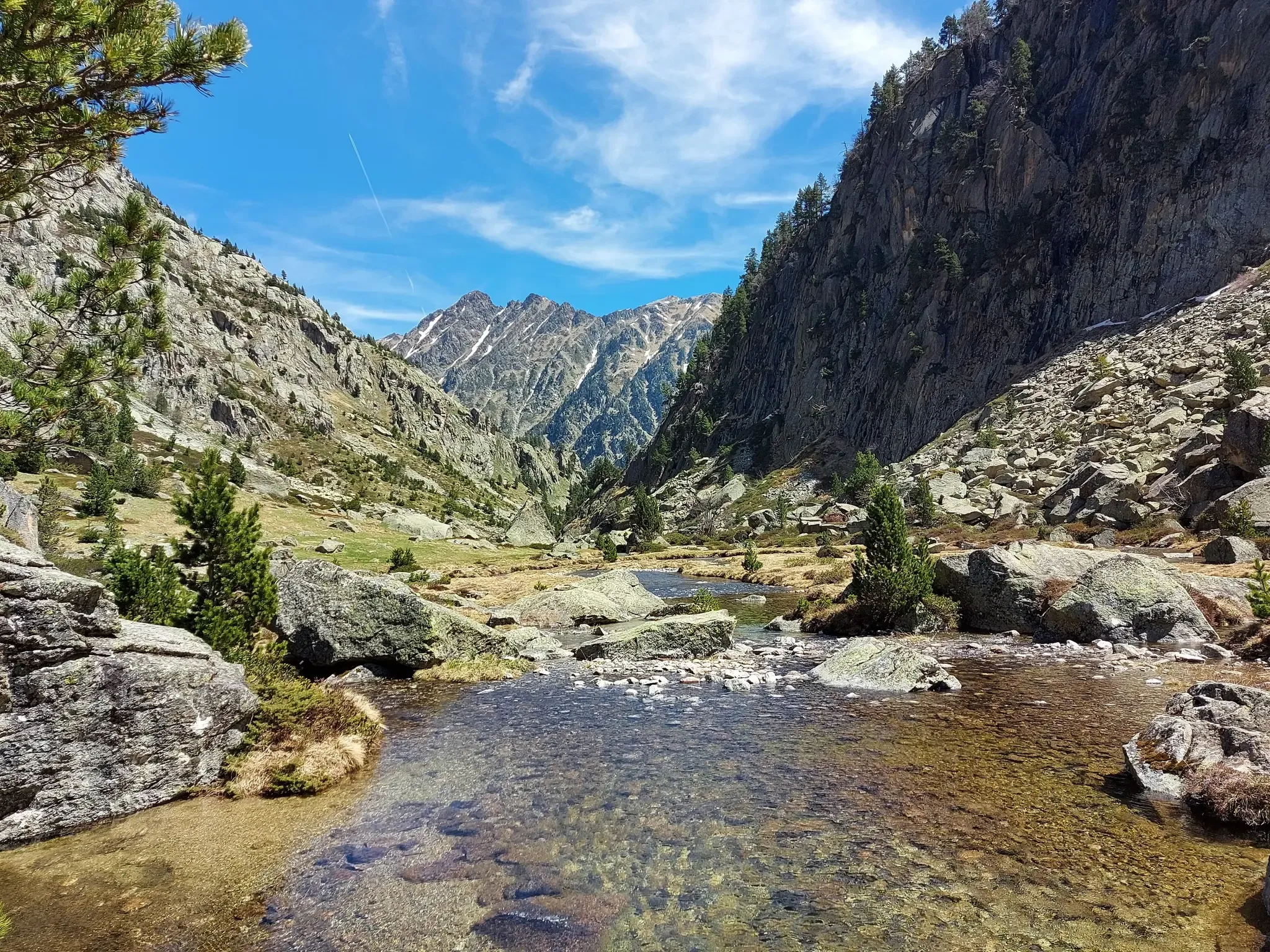
Tour of the Balaïtous – From passes to lakes
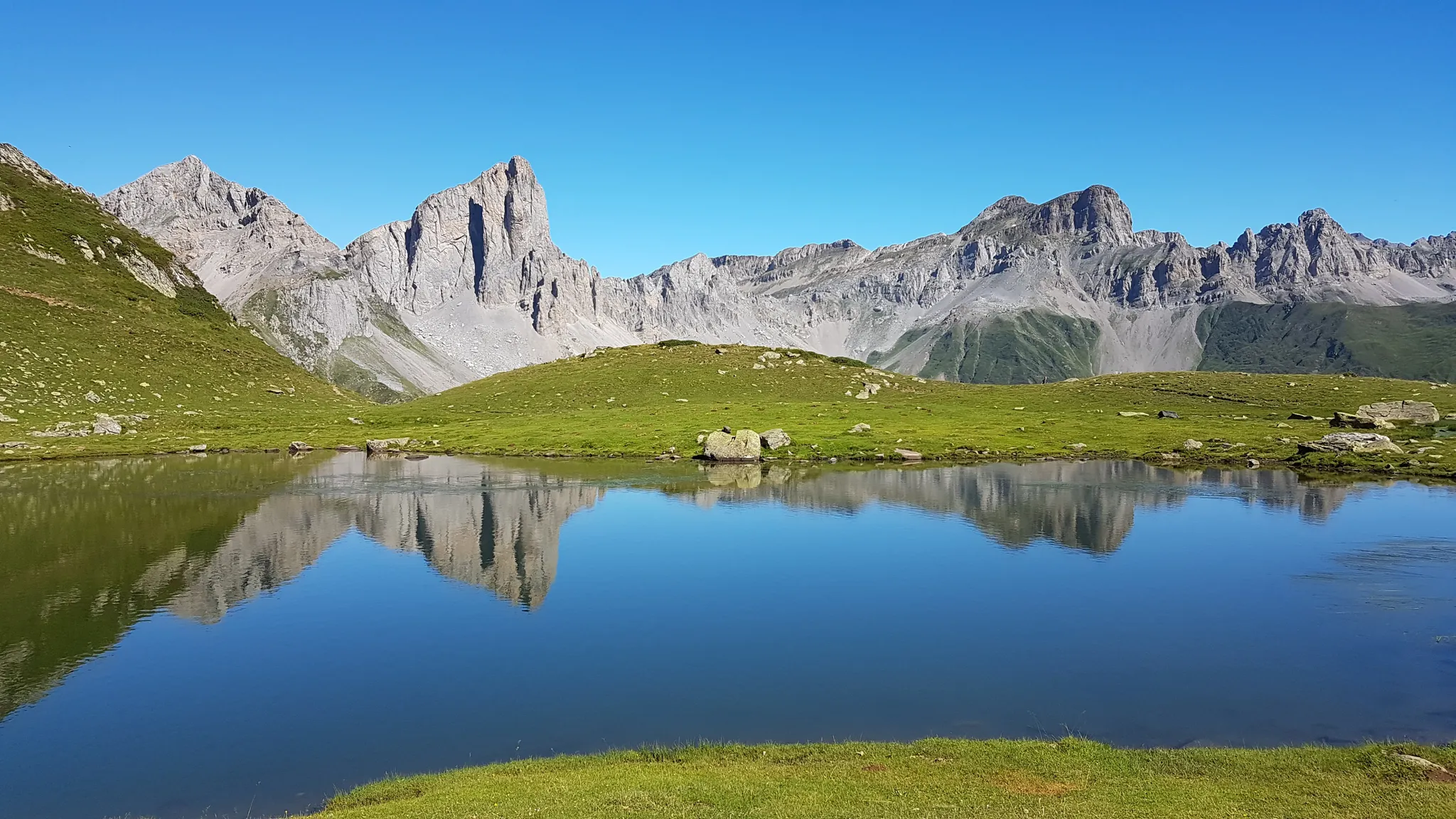
Hike the Aspe Valley – a jewel in the Pyrenees
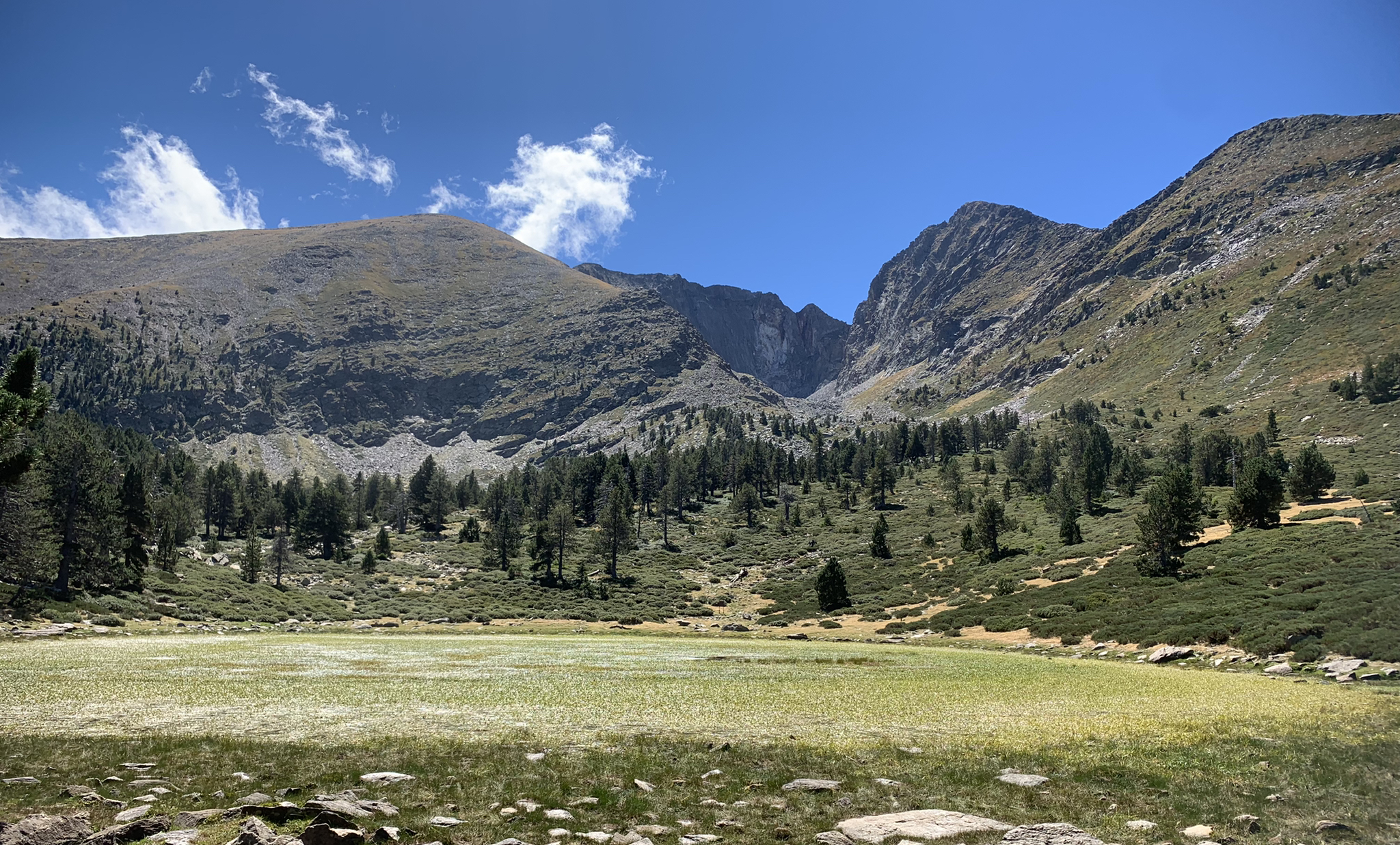
Tour du Canigou – Through the heart of the Mediterranean Pyrenees
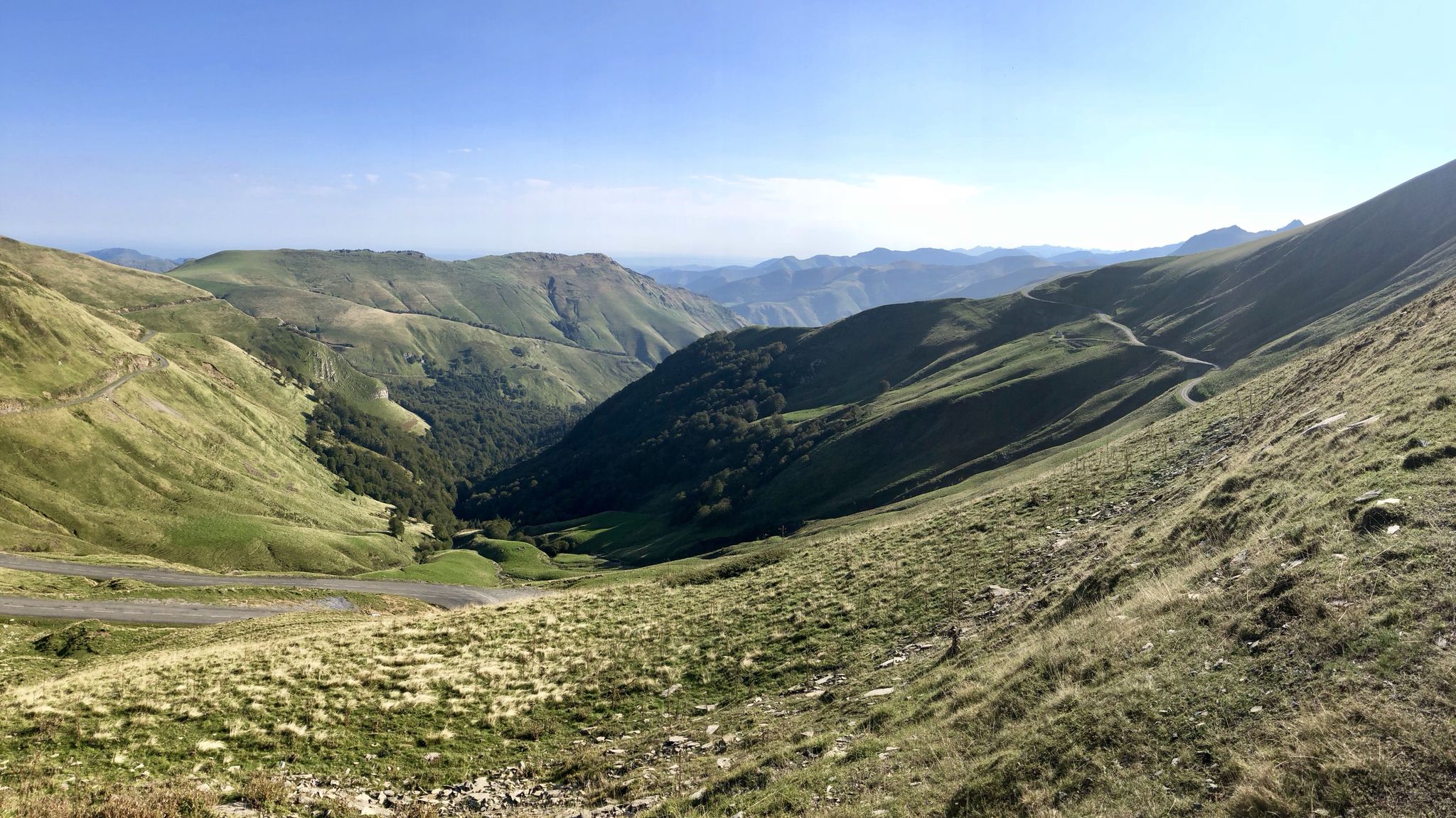
Euskal Herria footpath (GR 12) – The infinite mountain range
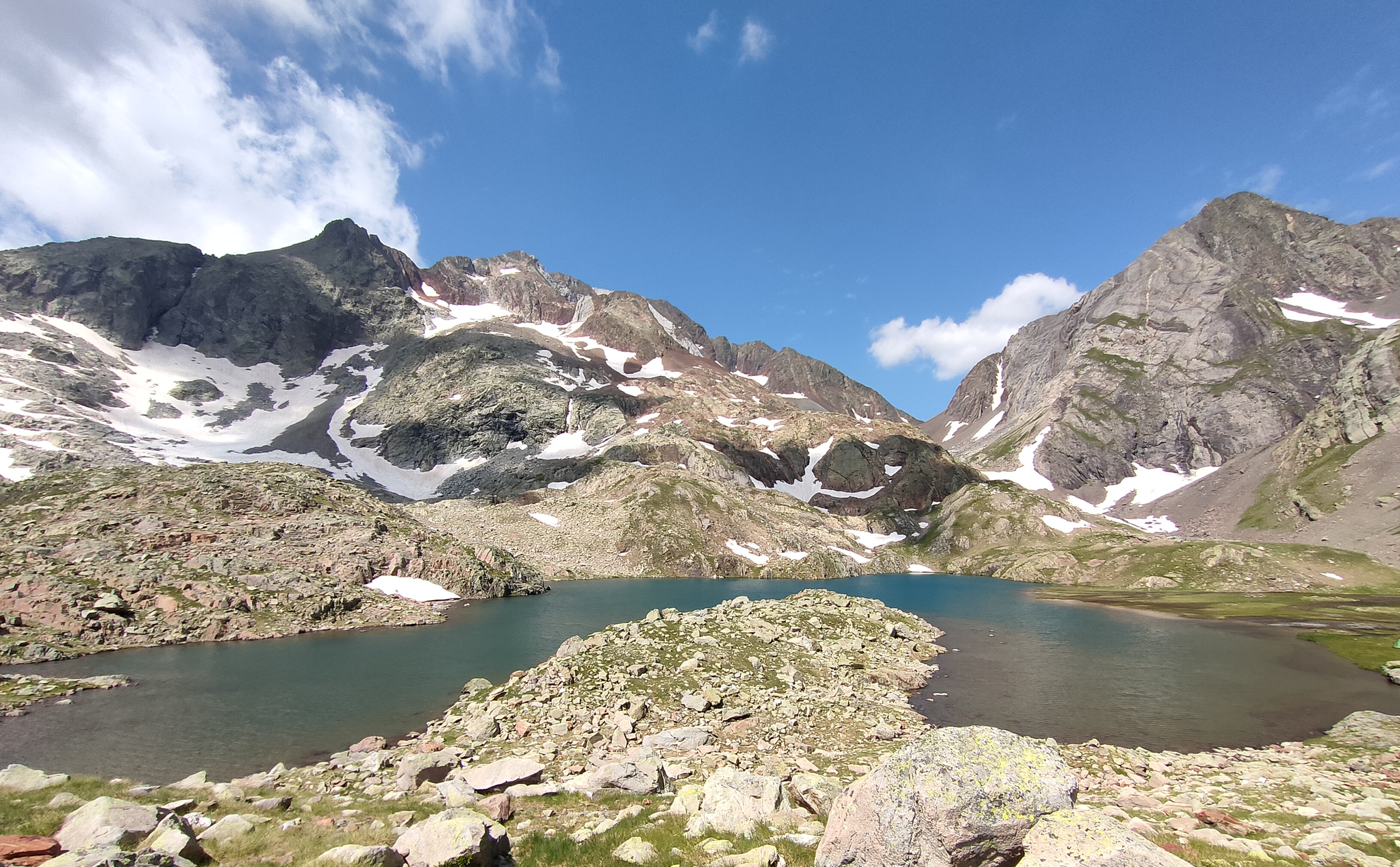
Panoramic Pyrenees – 15 hikers' peaks of over 3,000 metres
Other adventures in the Pyrenees


Tips from the Community

Access to the foot of the waterfall is dangerous and from the path, you can't see much ☹️
0
0

Another of the waterfalls that are on the way up towards Cola de Caballo.
2
0

Great place to marvel at the force of nature. You almost forget that you still have a big hike ahead of you.
2
0

The Renclusa Refuge is located on the northern slope of the Maladeta massif in the municipality of Benasque, in the Ribagorza region of Huesca. Its location makes it the reference point for starting the ascent to Aneto. It has a capacity of 93 places and offers bed linen. It also has hot water showers, heating, a kitchen for guests to use freely, a restaurant and a bar, among other amenities.
1
0

If instead of standing at the waterfall you advance two more minutes you will have a spectacular photo with the Aneto glacier.
1
0

A mega impressive valley with great views
0
1
A mega impressive valley with great views
0
0
A mega impressive valley with great views
2
0
Frequently Asked Questions
How many bus-accessible hiking trails are there in the Pyrenees?
The Pyrenees region offers a vast network of bus-accessible hiking trails. Our guide features over 3600 routes that can be reached via public transport, catering to a wide range of preferences and skill levels.
What kind of terrain can I expect on bus-accessible hikes in the Pyrenees?
The Pyrenees present incredibly diverse terrain. You can expect everything from lush forest paths and alpine meadows to rugged, rocky slopes and deep valleys carved by glaciers. The French side often features greener, more forested areas, while the Spanish side can offer dramatic cliffs and drier, sunnier landscapes. Higher altitudes will naturally be more challenging with scree and rocky sections.
Are there any family-friendly bus-accessible hikes in the Pyrenees?
Yes, many bus-accessible routes are suitable for families. Look for trails with moderate elevation gains and shorter distances. For example, the Valle de Tena – Natural Path of Lanuza Reservoir – circular from Sallent de Gállego is a moderate option with beautiful scenery around a reservoir, perfect for a family outing. Always check the route details for specific difficulty and duration.
Can I bring my dog on these bus-accessible trails?
Dog regulations vary significantly across the Pyrenees, especially within national parks and protected areas. While many trails outside these zones are dog-friendly, often requiring dogs to be on a leash, national parks like Ordesa y Monte Perdido or Pyrenees National Park have stricter rules, sometimes prohibiting dogs entirely or restricting them to specific paths. Always check local signage or park regulations before heading out with your canine companion.
Are there bus-accessible routes that feature waterfalls or lakes?
Absolutely! The Pyrenees are renowned for their stunning waterfalls and glacial lakes. Many bus-accessible routes lead to these natural wonders. For instance, the Cola de Caballo via the Soaso Steps from the Ordesa Meadow takes you to the iconic 'Horse's Tail' waterfall. You can also visit beautiful lakes like Lac d'Oô or Lake Gaube, which are often accessible via bus routes to nearby trailheads.
What are some notable landmarks or natural features I can see on bus-accessible hikes?
The Pyrenees are rich in natural landmarks. Beyond waterfalls and lakes, you can encounter dramatic cirques like the Cirque de Gavarnie, deep valleys, and impressive peaks. Highlights accessible from bus routes include the stunning Lac d'Oô, the serene Lake Gaube, and the picturesque Lake Sant Maurici. Many routes also pass by mountain huts like Refuge d'Ayous, offering rest and stunning views.
Are there circular bus-accessible routes available?
Yes, many bus-accessible routes in the Pyrenees are circular, allowing you to start and end your hike at the same bus stop. An example is the Cascada de Aitzondo (SL-Gi 1006) — circular through the Aiako Harria Natural Park, which offers a moderate loop through beautiful natural scenery. The Besurta - Renclusa - Aiguallut Circular Trail is another great option.
What is the best time of year to go hiking from bus stations in the Pyrenees?
The best time for hiking in the Pyrenees is generally from late spring (May/June) to early autumn (September/October). During these months, the weather is more stable, and most trails are free of snow, especially at lower and mid-altitudes. Summer (July/August) offers the warmest temperatures but can also be busier. For high-altitude routes, late summer is often ideal as snow has melted. Always check local weather forecasts and trail conditions before your trip.
What are the difficulty levels of bus-accessible hikes in the Pyrenees?
The bus-accessible hikes in the Pyrenees cater to all levels. You'll find a significant number of moderate routes (over 2000), offering a good balance of challenge and accessibility. There are also nearly 1000 easy trails, perfect for beginners or a relaxed day out, and almost 700 difficult routes for experienced hikers seeking a greater challenge. Always refer to the specific route's difficulty rating before setting out.
Are there options for shorter, easier bus-accessible walks?
Yes, there are numerous shorter and easier bus-accessible walks. These routes typically have minimal elevation gain and are suitable for a leisurely stroll or for those with less hiking experience. Our guide features nearly 1000 easy tours, many of which are shorter in duration and distance, making them perfect for a half-day outing or a gentle introduction to the Pyrenean landscape.
What do other hikers say about the bus-accessible trails in the Pyrenees?
The bus-accessible trails in the Pyrenees are highly regarded by the komoot community, boasting an average rating of 4.5 out of 5 stars from over 38,000 reviews. Hikers frequently praise the stunning natural beauty, the variety of landscapes, and the convenience of accessing these routes via public transport. Many appreciate the well-maintained paths and the opportunity to discover hidden gems.
Are there any specific permits required for hiking in the Pyrenees, especially from bus-accessible points?
For most standard day hikes in the Pyrenees, especially those accessible by bus, specific permits are generally not required. However, if you plan to enter certain protected areas, national parks (like Ordesa y Monte Perdido or Pyrenees National Park), or undertake multi-day treks with overnight stays in refuges, permits or reservations might be necessary. It's always best to check the official websites of the relevant national or regional parks for the latest regulations before your trip.
Can I find wild swimming spots near bus-accessible trails?
The Pyrenees, with its numerous rivers, streams, and glacial lakes, offers many opportunities for wild swimming. While not every bus-accessible trail leads directly to a designated swimming spot, many routes pass by pristine lakes like Lac d'Oô or natural pools in rivers. Always exercise caution, check water temperatures, and be aware of local regulations regarding swimming in natural bodies of water.
Most popular routes in the Pyrenees
Most popular attractions in the Pyrenees

Get inspired with the komoot mobile app


