The best dog-friendly hikes and walks around Günzburg
4.5
(2659)
11,439
hikers
87
hikes
Dog friendly hiking trails around Günzburg offer a diverse landscape characterized by the Danube River, extensive alluvial forests, and gentle rolling hills. The region provides a network of well-maintained paths suitable for various activity levels. Hikers can explore riverine ecosystems along the Danube and Günz rivers, as well as tranquil forest areas. This blend of natural features makes Günzburg an appealing destination for outdoor enthusiasts seeking varied terrain.
Best dog friendly hiking trails around Günzburg
- The most popular dog friendly…
Last updated: August 18, 2026
1
hikers
Easy hike. Great for any fitness level. Easily-accessible paths. Suitable for all skill levels.
4.0
(4)
32
hikers
5.79km
01:29
20m
20m
Easy hike. Great for any fitness level. Easily-accessible paths. Suitable for all skill levels.

Sign up for free
4.2
(6)
25
hikers
5.38km
01:22
10m
10m
Easy hike. Great for any fitness level. Easily-accessible paths. Suitable for all skill levels.
4.8
(8)
15
hikers
19.3km
05:10
230m
230m
Hard hike. Very good fitness required. Easily-accessible paths. Suitable for all skill levels.
4.6
(5)
15
hikers
Easy hike. Great for any fitness level. Easily-accessible paths. Suitable for all skill levels.
Get access to more routes and recommendations from other explorers.
Sign up for free
Already have an account?
Our route recommendations are based on thousands of hikes, rides, and runs completed by other people on komoot.
Start today with a free account
Your next adventure awaits.
Login or Signup
Popular around Günzburg
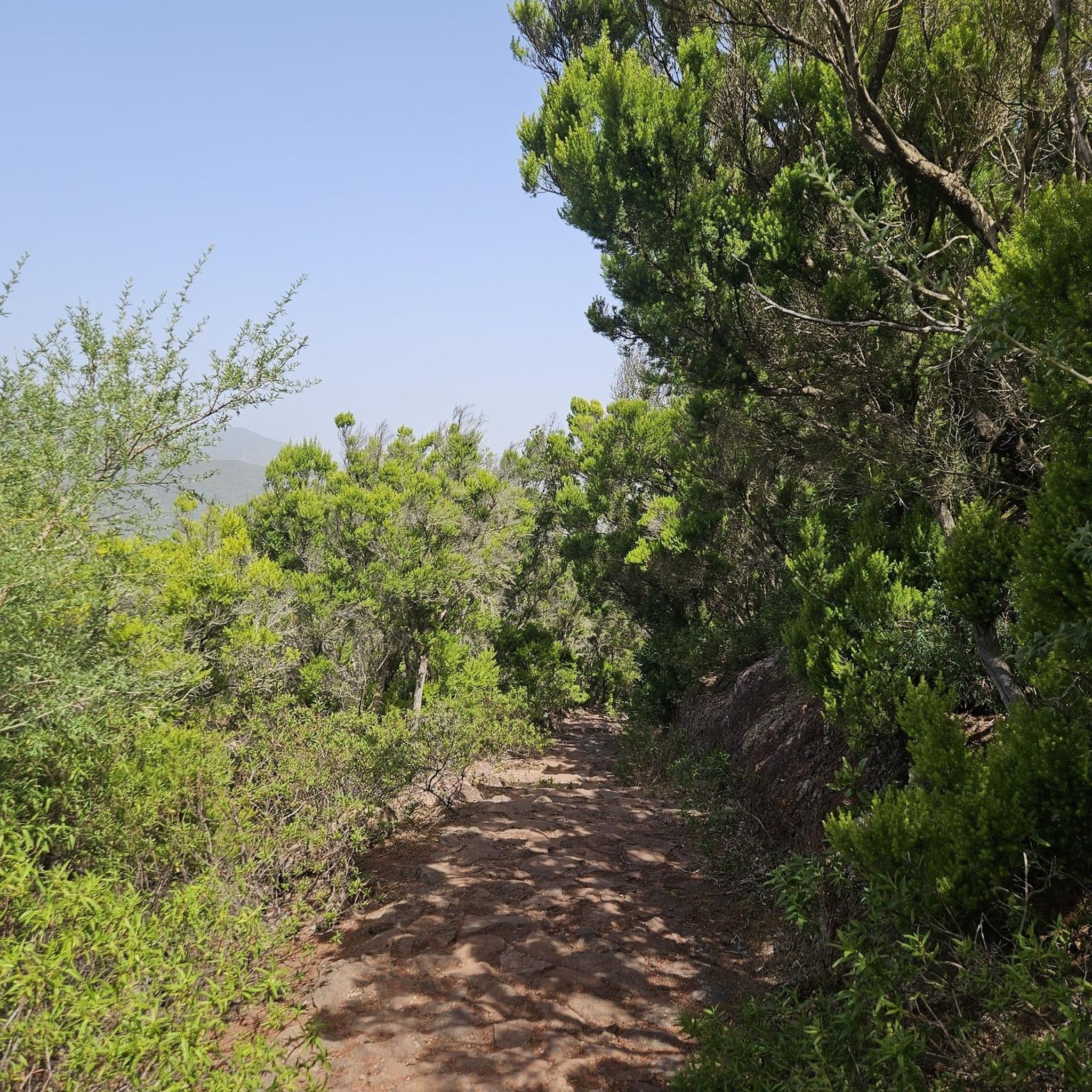
Dog-friendly hikes around Nauwald
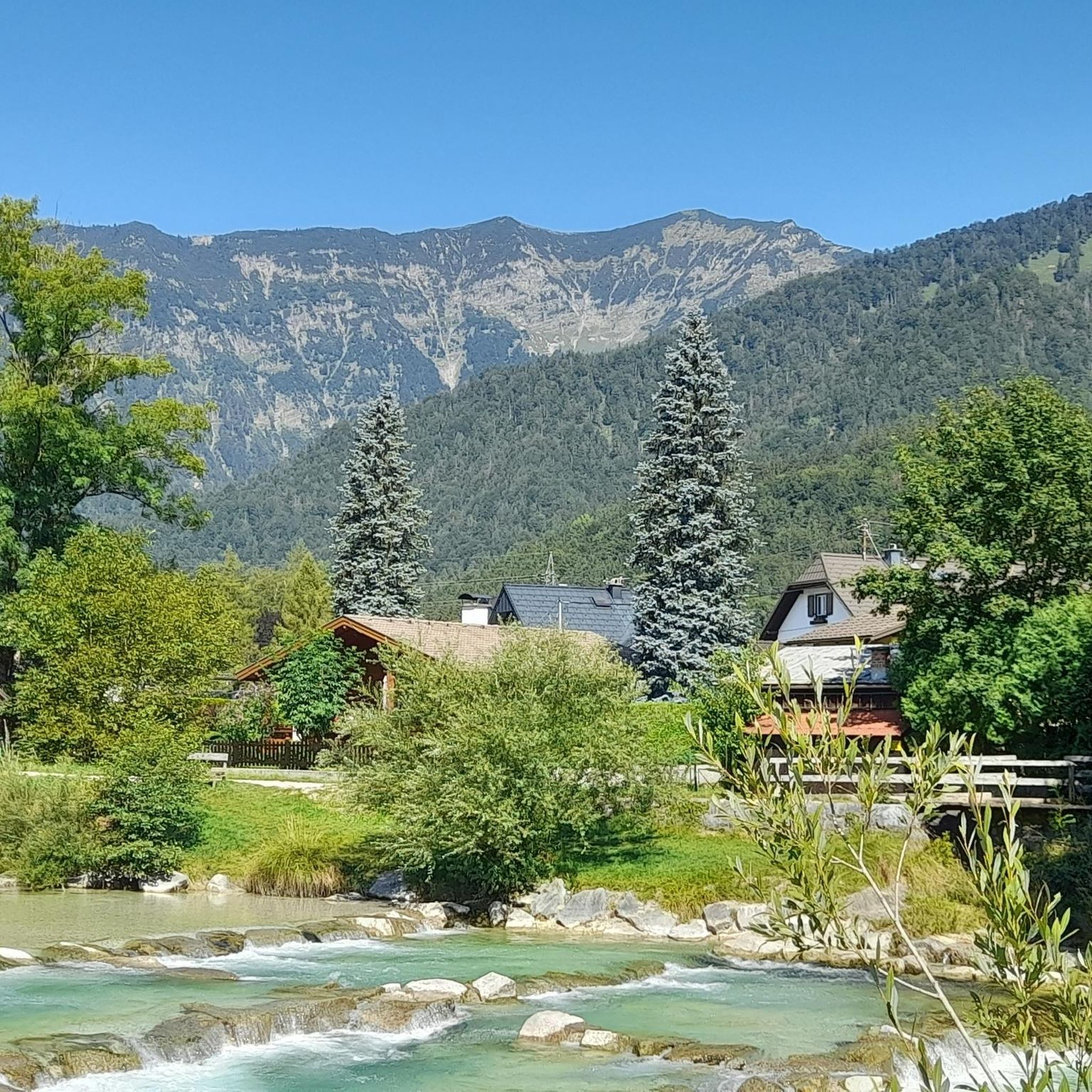
Dog-friendly hikes in Donauhänge Und Auen Zwischen Leipheim Und Offingen

Dog-friendly hikes in Leipheimer Moos
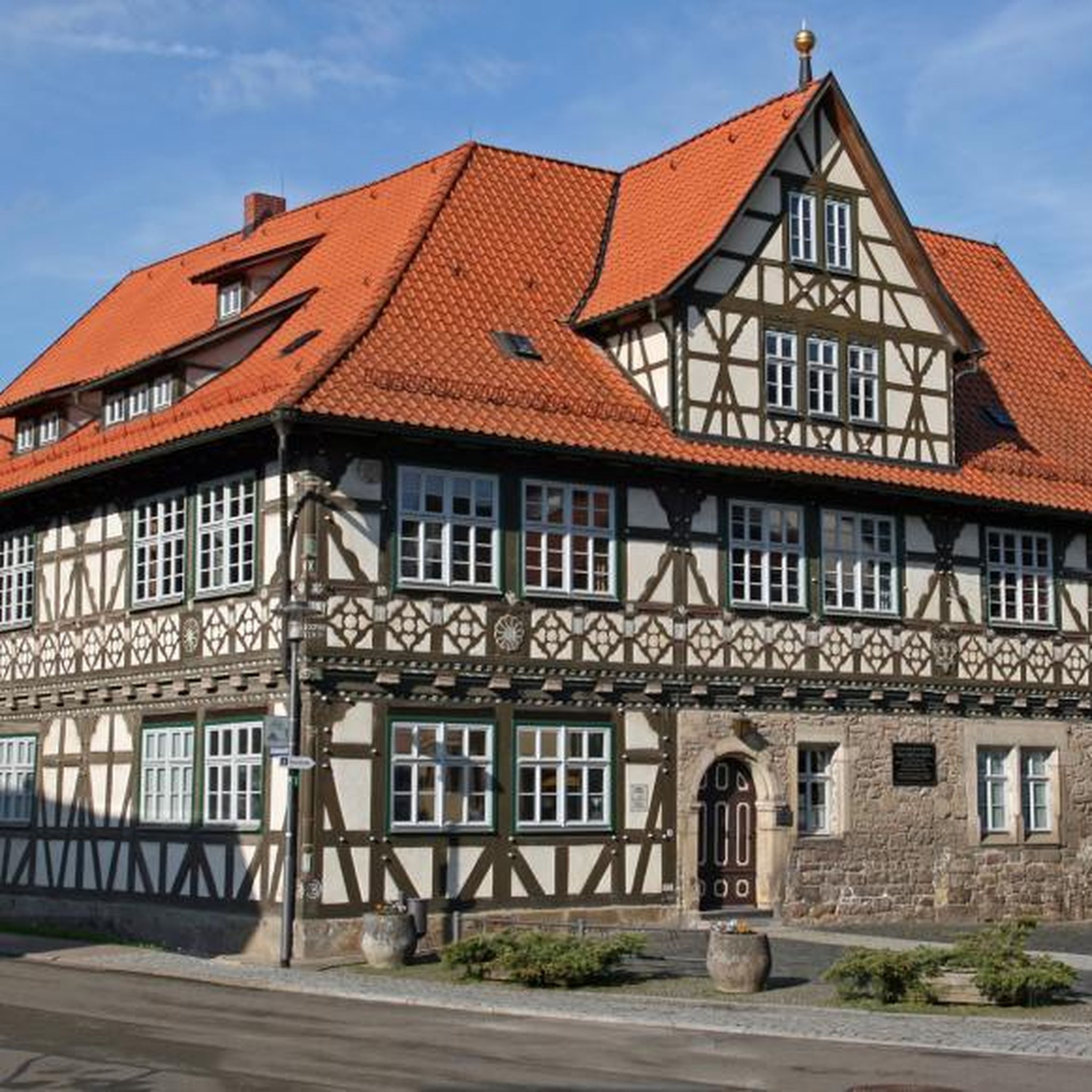
Dog-friendly hikes around Oberegger Stausee
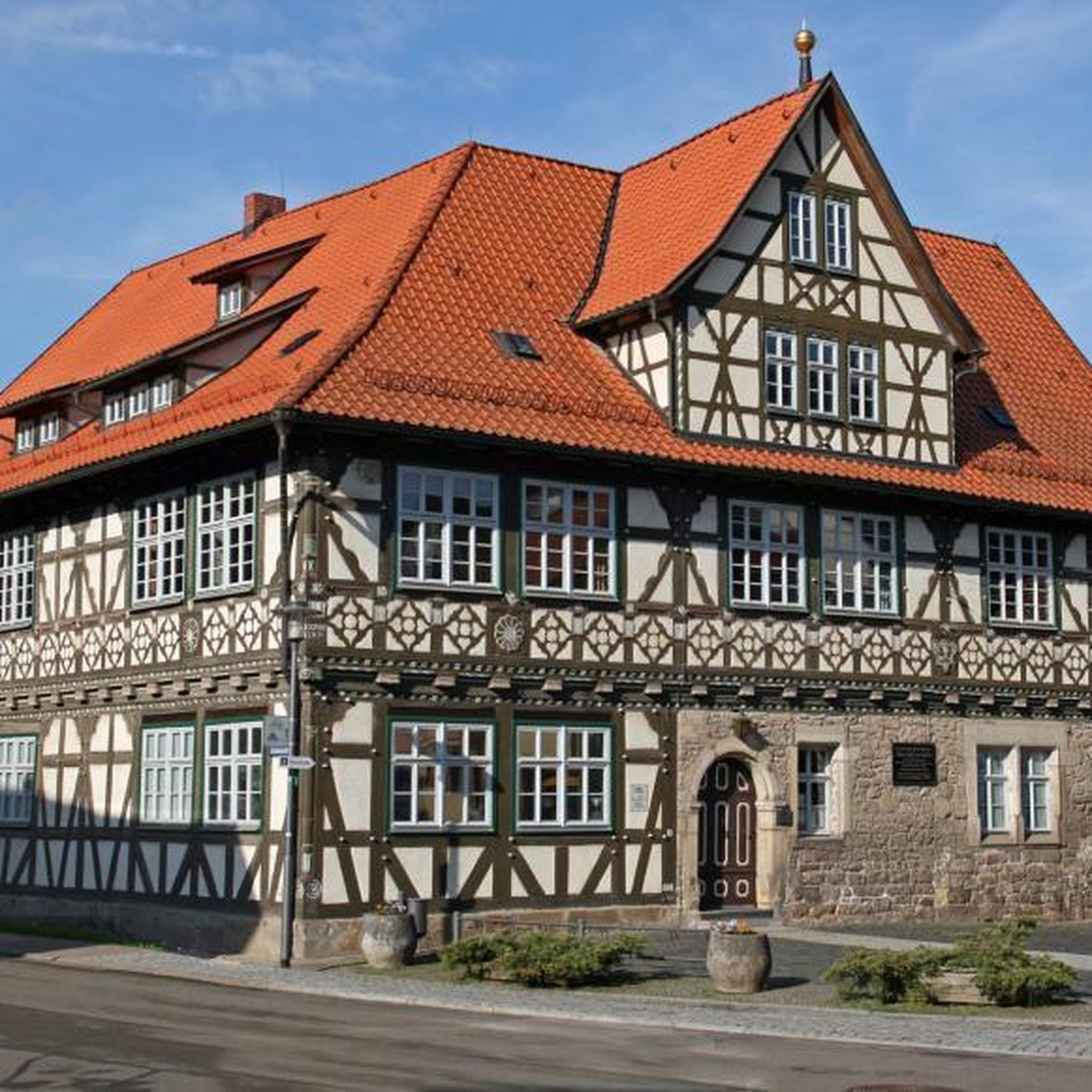
Dog-friendly hikes around Ebershauser-Nattenhauser Wald
Dog-friendly hikes in Scheppacher Forst
Dog-friendly hikes around Oberrieder Weiher
On foot in Bayerisch-Schwaben – five top hiking routes

The Via Julia – on new old roads
From River to River: Cycling in Bavarian Swabia
Other adventures around Günzburg


Tips from the Community


Nice quiet section by the Günz and new cycle path
0
0

Very beautiful old town, which invites you to linger
0
0

The Celts inhabited the whole of southern Germany - including this area here - but they have left hardly any traces. That's why they are so mysterious. This people obviously consciously avoided recording anything about themselves in writing and are also regarded as mystical.
0
0
Although it is not a high mountain, the Sulzberg, due to its isolated location south of the city, offers a wide panoramic view of the Günz valley, the surrounding villages, and, in clear weather, up to the Allgäu Alps. It stands out distinctly from the otherwise flat to hilly landscape of the Swabian Donauried.
0
0
The Ichenhausen Celtic farmstead was built in 2007 and is located between fields, meadows, and forest, aiming to convey the impression of a small rural settlement unit from the Iron Age. The association Kultur und Naherholung Ichenhausen und Umgebung (Culture and Recreation Ichenhausen and Surroundings) built the farmstead as a reconstruction on the original site at the border with Kammeltal, to provide insights into the life of the Celts 2500 years ago. Later, in 2013, the original Celtic house was extended by a craft house and a winter house to develop the property into a complete farmstead.
0
0

The Lower Gate with its clock tower is one of Günzburg's landmarks. However, it is far more than just a striking, representative feature. It was once one of the most important entrances to the city. The tower keeper lived at the top and had to ring the bells hourly, day and night, so that the citizens knew someone was on watch. The many windows were not decorative, but provided a panoramic view. From here, the watchmen kept a lookout for enemies and fires.
0
0
The farmstead near Ichenhausen aims to vividly depict daily life in an early Celtic settlement. Reconstructed as closely as possible to archaeological finds by the local cultural and recreational association, the complex includes a herb garden, a storage granary on wooden stilts, a dwelling with clay walls, and a pit house. Medicinal plants served as a home pharmacy, and raised storage areas protected supplies from rodents. The construction methods are also revealing. Timber framing, wattle and daub, and clay allude to techniques later found in half-timbered houses.
0
0
Frequently Asked Questions
How many dog-friendly hiking trails are available around Günzburg?
There are over 110 dog-friendly hiking trails around Günzburg, offering a wide variety of options for you and your canine companion. Most of these routes are rated as easy or moderate, making them accessible for many fitness levels.
What kind of landscapes can I expect on dog-friendly hikes in Günzburg?
The Günzburg region offers diverse landscapes perfect for dog-friendly hikes. You'll find trails winding through the unique DonAUwald (Danube Alluvial Forests) with romantic lakes and trenches, along the majestic Danube River, and through scenic rolling hills and dense forests. Many paths feature riverine ecosystems and charming village views.
Are there easy dog-friendly walks suitable for beginners or older dogs?
Yes, Günzburg has many easy dog-friendly walks. For instance, the Danube Bridge Leipheim – Günzburg Old Town loop from Günzburg is an easy 7 km route. Another gentle option is the Günz River – Günz River with lily pads loop from Hochwang, which is just over 5 km with minimal elevation gain.
Can I find circular dog-friendly routes in the Günzburg area?
Absolutely. Many of the dog-friendly trails around Günzburg are circular, allowing you to start and end at the same point. The Günz River – Ichenhausen Castle loop from Ichenhausen is a great example, offering a pleasant 5.8 km circular walk.
What are the best seasons for hiking with my dog in Günzburg?
The best seasons for hiking with your dog in Günzburg are typically spring and autumn. During these times, the weather is pleasant, and the scenery is vibrant, with blooming flowers in spring and colorful foliage in autumn. Summer can also be enjoyable, especially on shaded forest trails or near water bodies.
Are there any interesting landmarks or natural features to see on these trails?
Yes, you'll encounter several interesting features. Many trails follow the Danube, offering scenic views. You might also pass through historic areas like the Historic old town of Günzburg or see structures like the Lower Tower (City Gate). Natural highlights include the DonAUwald and the Donaumoos Natural Reserve, known for its bird species.
Are there any dog-friendly trails with water access for my dog to swim?
The region's focus on the Danube River and its alluvial forests means many trails run alongside water. While specific swimming spots for dogs aren't always marked, areas along the Günz River or the Danube, especially in less populated sections, may offer opportunities for your dog to cool off. Always check local regulations and water conditions.
What do other hikers enjoy most about dog-friendly trails in Günzburg?
The komoot community highly rates the dog-friendly trails in Günzburg, with an average score of approximately 4.5 stars. Reviewers often praise the well-maintained paths, the peaceful natural surroundings, and the variety of routes suitable for different dog temperaments and energy levels.
Are there any longer or more challenging dog-friendly hikes available?
For those seeking a bit more challenge, there are moderate routes available. The Ochsenweiher – Orchard Trail loop from Freihalden is a moderate 11.8 km hike, and the Hebsack Oak – All Saints Church Scheppach loop from Jettingen-Scheppach offers a moderate 9.5 km experience with more elevation.
Are there any facilities or rest stops along the dog-friendly routes?
While specific dog facilities vary by trail, you can find general amenities. Some routes might pass by highlights like the Thirst-Quencher Hut or the Wooden Cabin and Pond Rest Area, which can be convenient for a break. Always carry enough water and supplies for yourself and your dog.
Can I find dog-friendly trails that are easily accessible by public transport?
Günzburg's train station serves as a starting point for some trails, such as the DonAUwald Premium Hiking Trail. Many routes are also accessible from various villages within the district, which may have bus connections. It's advisable to check local public transport schedules and dog policies before planning your trip.
Most popular routes around Günzburg
Most popular attractions around Günzburg

Get inspired with the komoot mobile app


Didn’t find what you were looking for?
Check out more Hikes throughout Günzburg below and find the perfect route in your destination.
Explore more
Browse the best Hikes in other regions.
