The best city hikes and walks around Fribourg
4.5
(7266)
64,045
hikers
34
hikes
Urban hiking trails around Fribourg offer a diverse landscape characterized by deep river valleys, impressive gorges, and the city's medieval architecture. The region features varied terrain, from paths along the Sarine River to routes through historic city districts. These urban trails provide opportunities to explore natural features like the Gottéron Gorge alongside cultural landmarks. The elevation changes are generally moderate, making many routes accessible for various fitness levels.
Best urban hiking trails around Fribourg
- The most popular urban hiking route…
Last updated: October 27, 2026
4.8
(5)
82
hikers
4.95km
01:25
110m
110m
Easy hike. Easily walkable paths.
3.5
(2)
6
hikers
6.17km
01:34
20m
20m
Easy hike. Easily walkable paths.

17
hikers
5.18km
01:21
40m
40m
Easy hike. Easily walkable paths.
9
hikers
Easy hike. Easily walkable paths.
5.0
(1)
2
hikers
7.85km
02:09
120m
120m
Moderate hike. Good fitness required. Easily walkable paths.
Get access to more routes and recommendations from other explorers.
Already have an account?
Our route recommendations are based on thousands of hikes, rides, and runs completed by other people on komoot.
Start today with a free account
Your next adventure awaits.
Popular around Fribourg

City hikes in Broye-Vully

City hikes in Vivisbachbezirk

City hikes in Broye Bezirk

City hikes in See District

City hikes in Sarine District

City hikes in Sensebezirk

City hikes in Gruyère District

City hikes in Glanebezirk
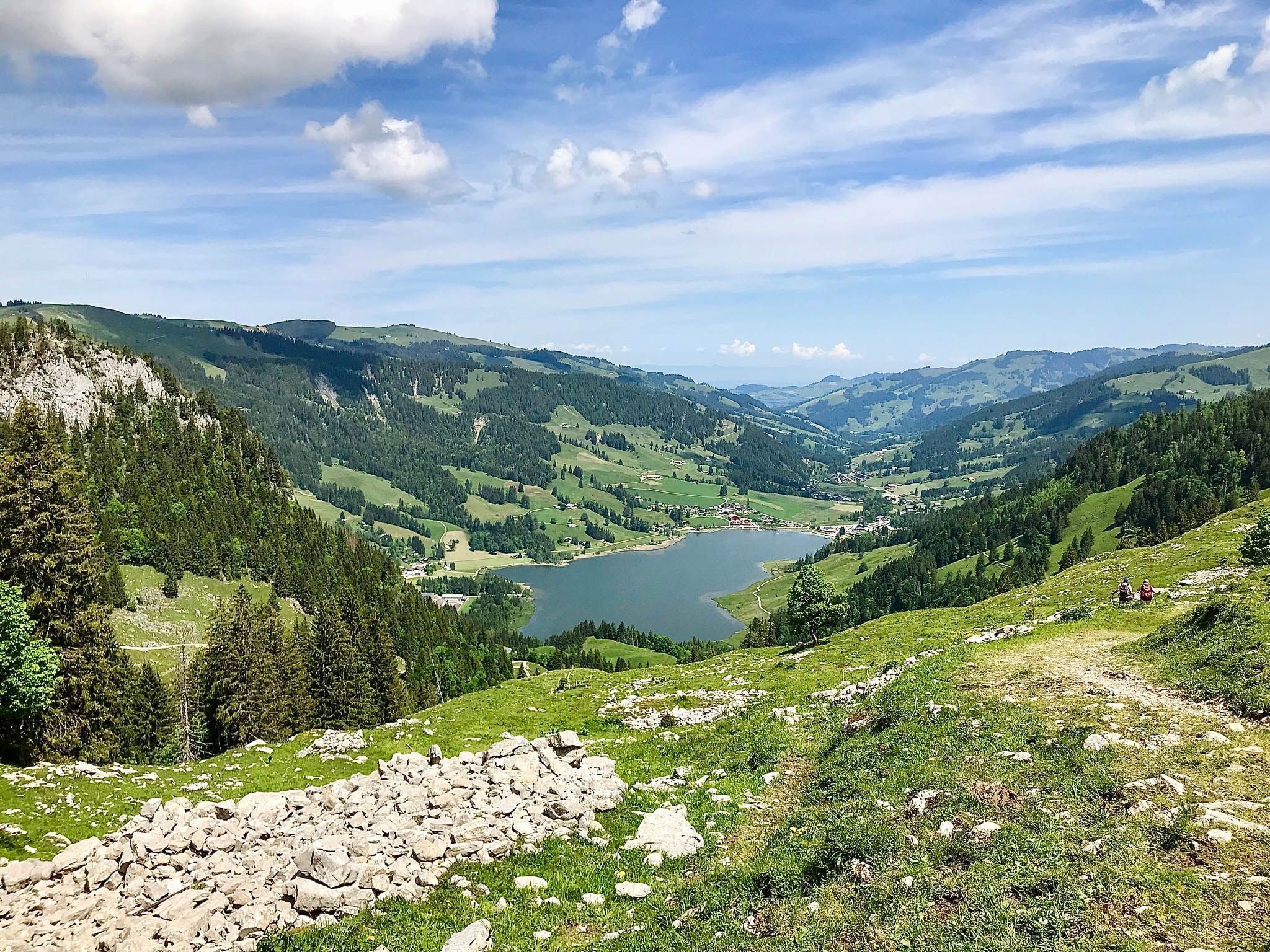
Freiburg Pre-Alpine Trail – Hiking along the language border
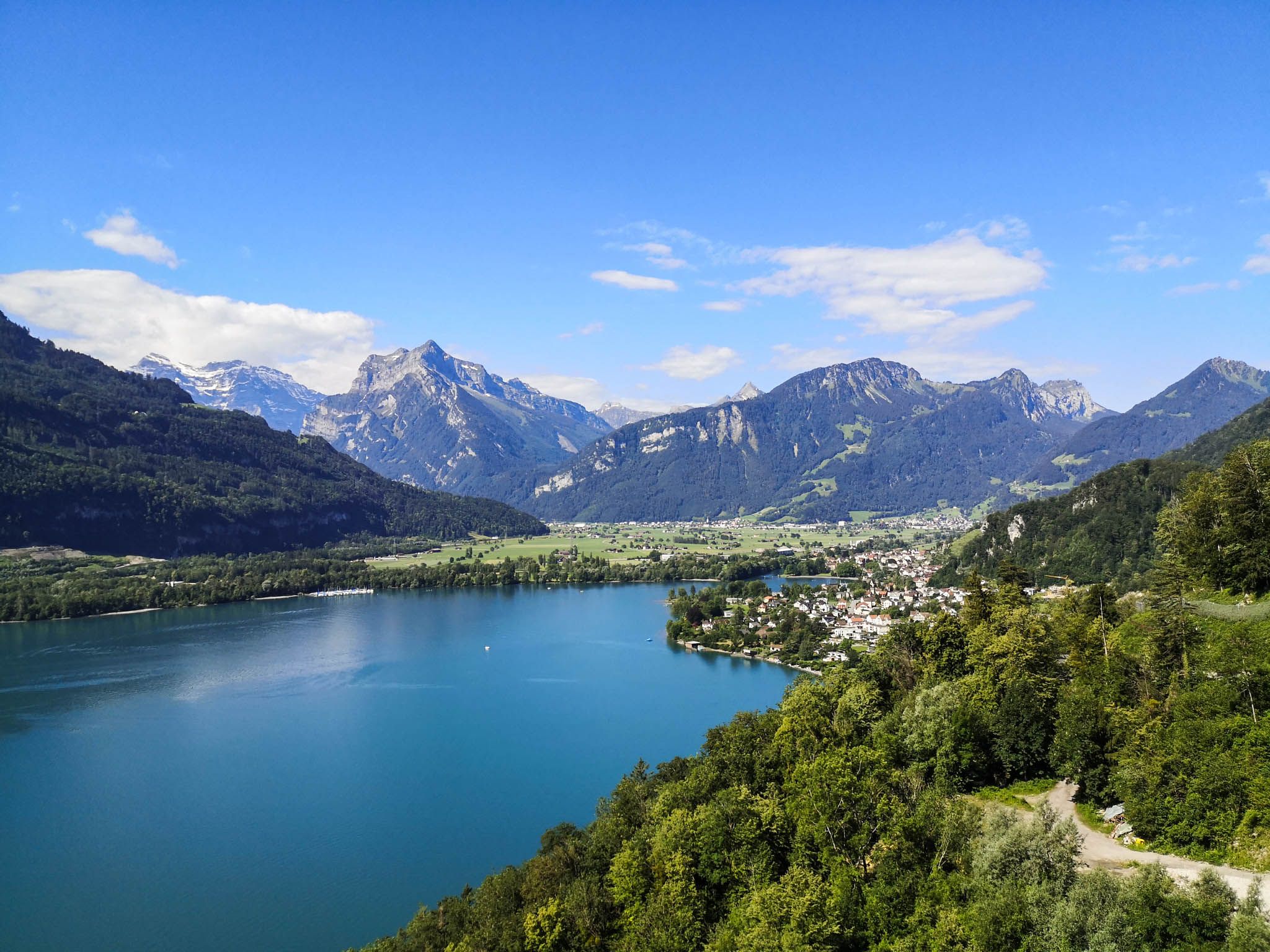
Alpine Panorama Trail in Switzerland – Keep your eyes on the mountains
Other adventures around Fribourg


Tips from the Community

Payerne - Between a thousand-year-old abbey church and modern leisure activities Payerne, built around its majestic abbey church, the largest Romanesque church in Switzerland dating back to the 11th century, captivates with its rich cultural heritage and vibrant atmosphere. The city, full of history and culture, attracts pilgrims and architecture lovers, but also surprises with its dynamism. Karting, indoor and outdoor golf, climbing parks, diverse museums, and events enliven this Vaudois town, where medieval heritage and modern amusements meet in harmony. Text / Source: Estavayer-le-Lac Region, Place des Bastians 1, Estavayer-le-Lac https://fribourg.ch/de/estavayer-payerne/payerne-v1/
3
0
Payerne VD There is nothing more impressive: the medieval center of Payerne is dominated by the monumental former abbey church from the 11th century. Payerne at a glance It is the largest Romanesque structure in Switzerland, a prime example of Cluniac architecture and the most important attraction of a small town that is richly blessed with history. The abbey and its museum host important painting exhibitions and high-quality concerts throughout the year. Thanks to its location on Lake Neuchâtel and not far from the Grande Cariçaie nature reserve, those who love nature will also find a thousand and one possibilities. And if your stomach is growling after a day in the fresh air, you will be delighted by the sausages, which are known far beyond the remains of the former city walls. Text / Source: Switzerland Tourism https://www.myswitzerland.com/de-ch/reiseziele/payerne/
3
0
Statue of General Jomini, Payerne One of the city's most famous sons, General Antoine Henri Jomini (1779-1869), is universally recognized for his work as a military historian and military art historian. After serving in the Napoleonic armies, he became an aide-de-camp to Tsar Alexander I of Russia. The bust of General Jomini is the work of the sculptor Raphaël Lugeon. The great battles in which Jomini participated are inscribed on its pedestal. Pl. Barraud, 1530 Payerne, Switzerland Text / Source: Estavayer-le-Lac Région, Place des Bastians 1, Estavayer-le-Lac https://visite-estavayer-payerne.ch/payerne/statue-general-jomini.php?Language=DE
3
0
The Barraud Tower, the city's fortification walls, Payerne As a remnant of the city's last fortification walls, the Barraud Tower still bears witness today to the long wall with three gates that surrounded the town of Payerne in the late Middle Ages and throughout the Ancien Régime. Initially, the wall served defensive purposes and later became a symbol of urban status and a sign of social cohesion. Even at the end of the 18th century, considerable effort was made to fortify and modernize the wall. Today, one can find several wall fragments in Payerne that have been integrated into more recent buildings. Text / Source: Estavayer-le-Lac Région, Place des Bastians 1, Estavayer-le-Lac https://visite-estavayer-payerne.ch/payerne/tour-barraud.php?Language=DE
3
0
Payerne VD There is nothing more impressive: The medieval center of Payerne is dominated by the monumental former abbey church from the 11th century. Payerne at a glance It is the largest Romanesque building in Switzerland, a prime example of Cluniac architecture and the most important sight in a town blessed with history. The abbey and its museum host important painting exhibitions and high-quality concerts throughout the year. Thanks to its location on Lake Neuchâtel and not far from the Grande Cariçaie nature reserve, those who prefer nature will also find a thousand and one possibilities. And for those whose stomachs are rumbling after a day outdoors, you will be delighted by the sausages, which are known far beyond the remains of the former city walls. Text / Source: Switzerland Tourism https://www.myswitzerland.com/de-ch/reiseziele/payerne/
3
0
Payerne - Between a thousand-year-old abbey church and modern leisure activities Payerne, built around its majestic abbey church, the largest Romanesque church in Switzerland dating back to the 11th century, captivates with its rich cultural heritage and lively atmosphere. The town, full of history and culture, attracts pilgrims and architecture lovers, but also surprises with its dynamism. Karting, indoor and outdoor golf, climbing parks, diverse museums, and events enliven this Vaud town, where medieval heritage and modern amusements meet in harmony. Text / Source: Estavayer-le-Lac Region, Place des Bastians 1, Estavayer-le-Lac https://fribourg.ch/de/estavayer-payerne/payerne-v1/
3
0
Abbey Church of Payerne, Payerne The Abbey Church of Payerne, also known as the Abbey Church of Payerne, is a significant masterpiece of Romanesque architecture in Switzerland. It was likely founded around 962 by Empress Adelaide as a memorial site at the burial place of her mother, Queen Bertha of Burgundy. The church is the largest surviving Romanesque place of worship in Switzerland and was once one of the first daughter monasteries of the reform abbey of Cluny. The history of the Payerne monastery is closely linked to the history of the Burgundian Wars and the Reformation. The Abbey Church and the monastery of Payerne are unique historical sites that enchant visitors with their impressive architecture and fascinating history. Text / Source: wikipedia.org https://de.wikipedia.org/wiki/Kloster_Peterlingen
3
0
Abbey Church / Monastery Peterlingen, Payerne The Abbey of Payerne, a jewel of Romanesque art in Switzerland, has been built since the first third of the 11th century on the same site where churches had already stood before. A Cluniac priory since the 10th century, Payerne benefited from the donations of the Kingdom of Upper Burgundy. The current church of Payerne adopted various characteristics of Cluniac architecture, in particular the end with a stepped choir and the two-story westwork, which features remarkable wall paintings. Text / Source: Estavayer-le-Lac Région, Place des Bastians 1, Estavayer-le-Lac https://visite-estavayer-payerne.ch/payerne/?Language=DE
3
0
Frequently Asked Questions
How many urban hiking trails are available in Fribourg?
There are over 35 urban hiking routes around Fribourg, offering a variety of experiences within the city and its immediate surroundings. Most of these, about 30, are rated as easy, making them accessible for many hikers.
What kind of landscapes can I expect on urban hikes in Fribourg?
Urban hikes in Fribourg often combine the charm of the medieval city with stunning natural features. You can expect to traverse deep river valleys like the Gottéron Gorge, enjoy views of the Fribourg Pre-Alps, and discover serene spots along the Sarine River. The city's unique topography, carved by the Sarine, means many routes feature impressive bridges and elevated viewpoints.
Are there any family-friendly urban hikes in Fribourg?
Yes, Fribourg offers several easy urban hikes suitable for families. These routes often feature gentle terrain and interesting sights to keep younger hikers engaged. Many of the city's loops are designed to be accessible and enjoyable for all ages.
Can I bring my dog on urban hiking trails in Fribourg?
Many urban trails in Fribourg are dog-friendly, allowing you to explore the city's natural and historical areas with your canine companion. It's always a good idea to keep your dog on a leash, especially in busier areas or nature reserves, and to check local regulations for specific routes.
What are some notable landmarks or natural features to see on an urban hike?
Urban hikes in Fribourg offer a rich blend of historical landmarks and natural beauty. You can explore the medieval Old Town, cross historic bridges, and discover hidden gems. Natural features include the picturesque Gottéron Gorge and the Sarine River. Highlights like the Murten Old Town or the Wooden bridge over the Canal de la Broye are also within reach.
Are there any circular urban walks in Fribourg?
Yes, many of Fribourg's urban hikes are circular, allowing you to start and end your journey in the same location. An example is the Fribourg Funicular – Grabensaal Footbridge loop, which offers a convenient way to explore without retracing your steps.
What is the best time of year for urban hiking in Fribourg?
Fribourg's urban trails are enjoyable year-round. Spring and autumn offer pleasant temperatures and vibrant scenery, while summer allows for longer daylight hours. Even in winter, the city's charm and accessible paths make for unique walking experiences, especially when the medieval architecture is dusted with snow.
What do other hikers enjoy most about urban hiking in Fribourg?
The komoot community highly rates urban hiking in Fribourg, with an average score of 4.57 out of 5 stars from nearly 6,000 reviews. Hikers often praise the unique combination of historical cityscapes, the dramatic river gorges, and the well-maintained paths that make exploring the city on foot a truly rewarding experience.
Are there any urban hikes that offer good viewpoints?
Absolutely. Fribourg's hilly terrain and position above the Sarine River provide numerous opportunities for scenic viewpoints. Routes often lead to elevated spots offering panoramic views of the Old Town, the cathedral, and the surrounding pre-alpine landscape. The View of Fribourg Cathedral – Rue de Lausanne loop is a great option for city vistas.
How accessible are Fribourg's urban trails by public transport?
Fribourg's urban trails are generally very accessible by public transport. The city itself is well-connected, and many trailheads are located within easy walking distance of bus stops or the train station, making it convenient to start your hike without a car.
Are there any waterfalls near the urban hiking routes?
While the immediate urban routes focus on the city and its river valleys, the broader Fribourg region is known for its waterfalls. If you're willing to venture slightly further, you can find natural wonders like the Jaun Waterfall or the Seeweidbach Waterfall, which are popular highlights in the area.
Can I find cafes or restaurants along the urban hiking trails?
Yes, Fribourg's urban hikes often pass through or near the city center and its charming neighborhoods, where you'll find a variety of cafes, restaurants, and traditional 'Beizlis' (local inns). This allows for convenient stops to refuel or enjoy regional delicacies during your walk. The Rue de Lausanne – Abbé-Bovet-Gasse loop, for instance, keeps you close to city amenities.
Most popular routes around Fribourg
Most popular attractions around Fribourg

Get inspired with the komoot mobile app


Didn’t find what you were looking for?
Check out more Hikes throughout Fribourg below and find the perfect route in your destination.
Explore more
Browse the best Hikes in other regions.
