The best hikes from bus stations around Hamm
4.5
(2940)
14,629
hikers
721
hikes
Bus station hiking trails around Hamm offer access to diverse landscapes within North Rhine-Westphalia, Germany. The region is characterized by the meandering Lippe river and its floodplains, providing flat riverside paths. Forested areas like Heessener Wald offer shaded trails, while former mining landscapes have been transformed into recreational green spaces. The terrain generally features gentle elevation changes, with some routes extending towards the slightly more undulating areas bordering the Sauerland.
Best bus station hiking trails around Hamm
- The most popular…
Last updated: May 14, 2026
4.5
(169)
553
hikers
Moderate hike. Good fitness required. Easily-accessible paths. Suitable for all skill levels.
4.6
(80)
439
hikers
6.45km
01:38
10m
10m
Easy hike. Great for any fitness level. Easily-accessible paths. Suitable for all skill levels.

Sign up for free
4.4
(43)
109
hikers
Easy hike. Great for any fitness level. Easily-accessible paths. Suitable for all skill levels.
4.4
(98)
295
hikers
Easy hike. Great for any fitness level. Easily-accessible paths. Suitable for all skill levels.
4.2
(27)
146
hikers
8.30km
02:06
20m
20m
Moderate hike. Good fitness required. Easily-accessible paths. Suitable for all skill levels.
Get access to more routes and recommendations from other explorers.
Sign up for free
Already have an account?
Our route recommendations are based on thousands of hikes, rides, and runs completed by other people on komoot.
Start today with a free account
Your next adventure awaits.
Login or Signup
Popular around Hamm
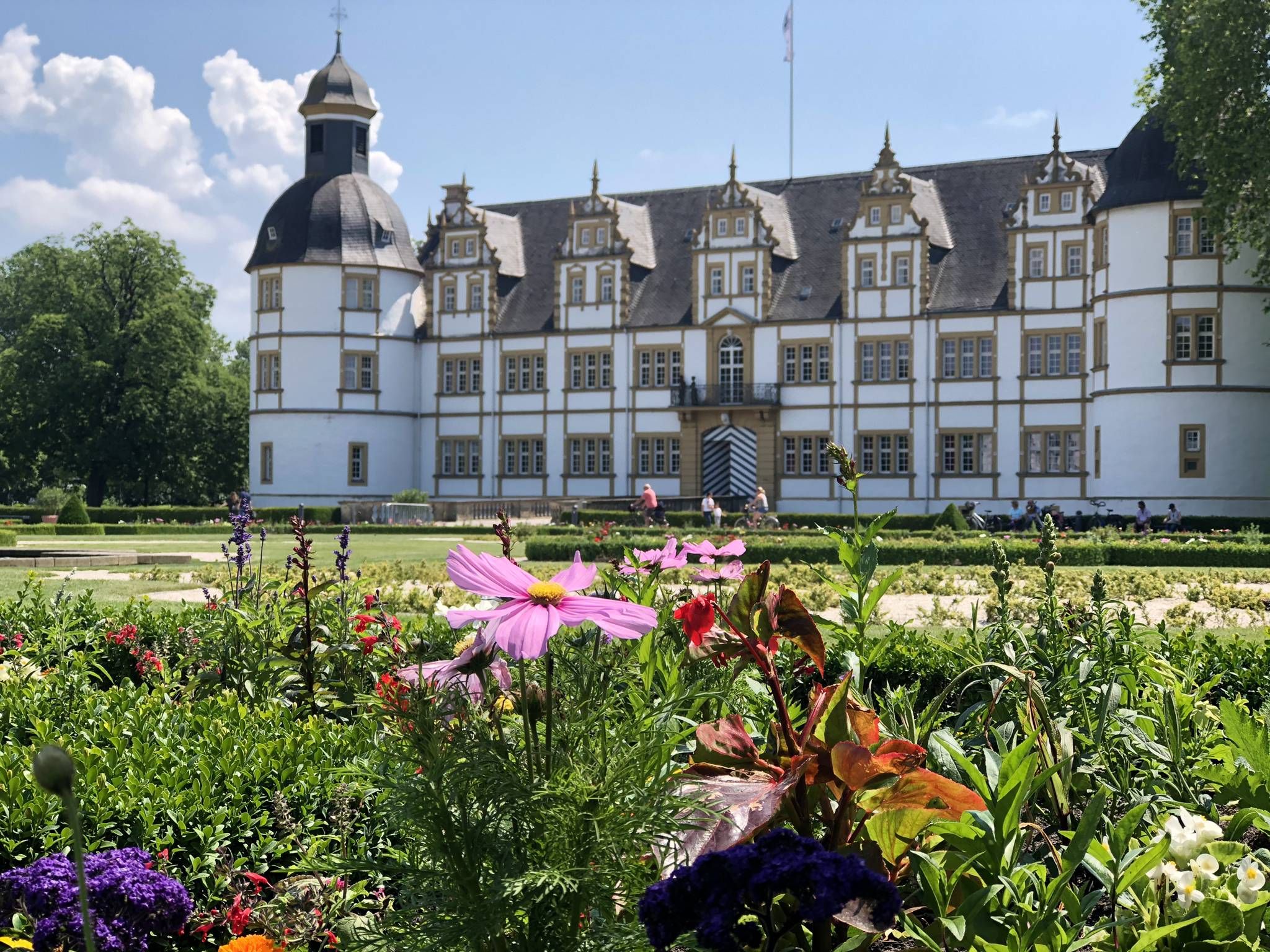
LandesGartenSchau Route – Westphalian Dream Parks
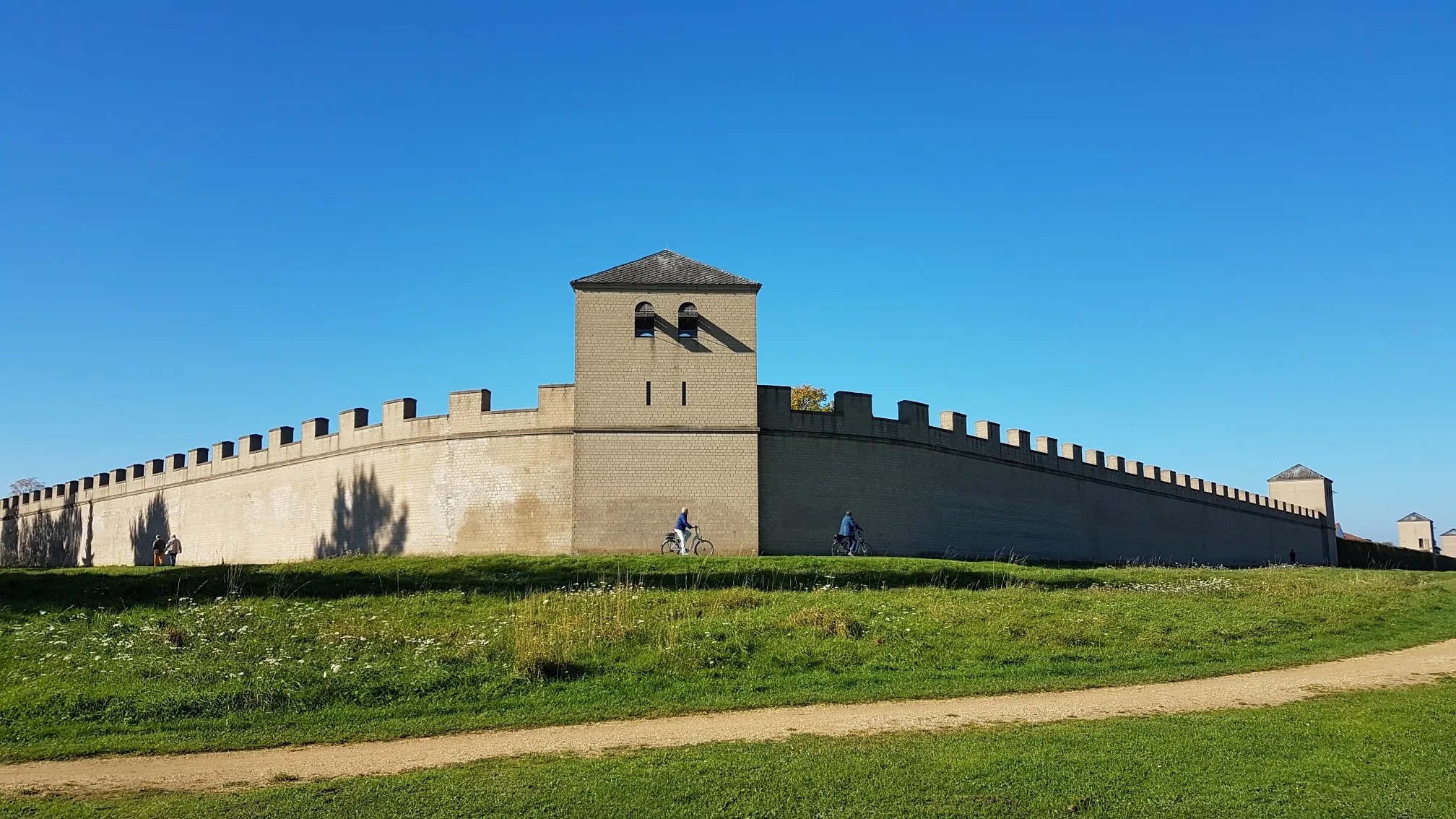
Römer‑Lippe Route – Water and history – 6 days
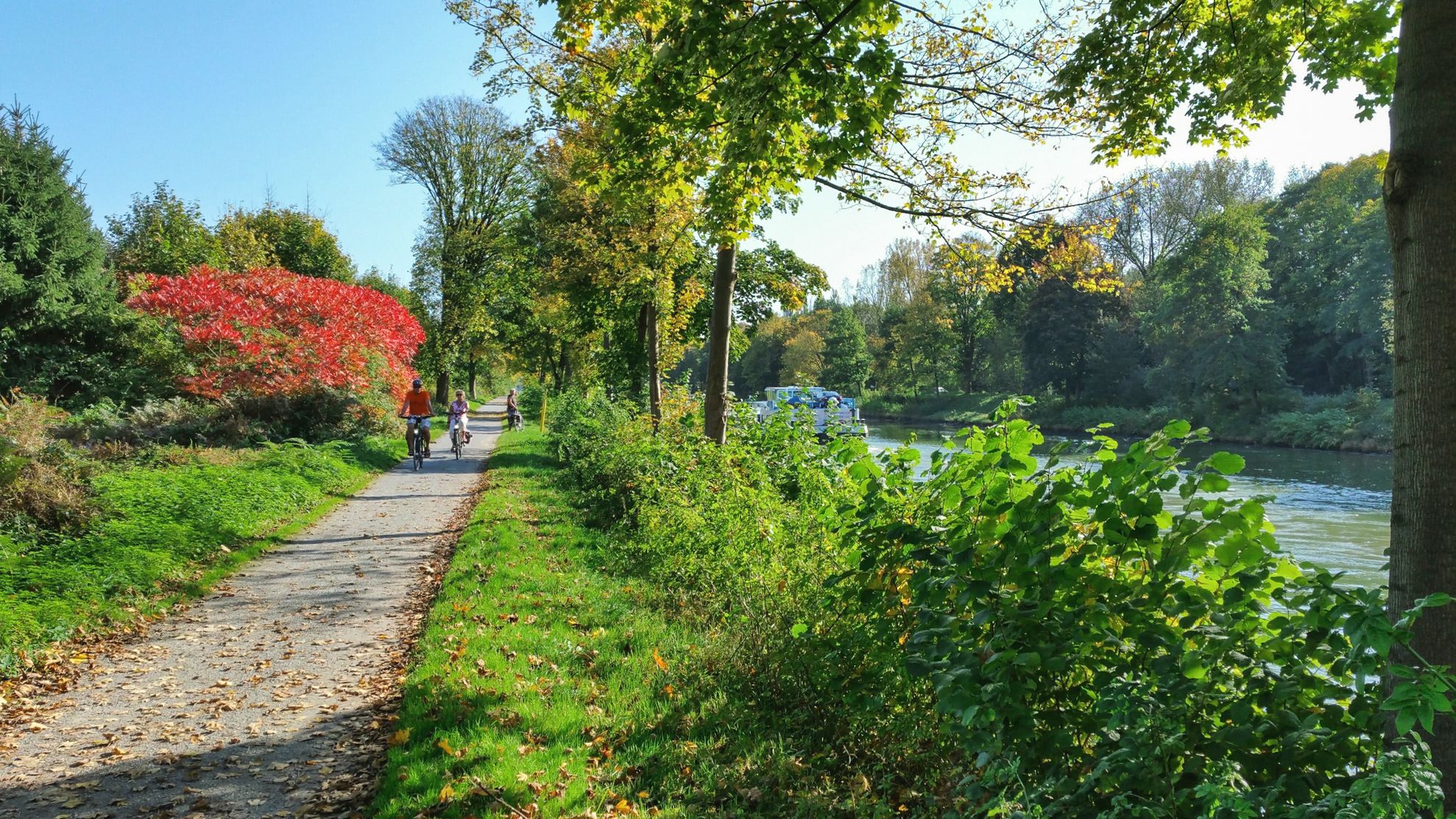
Römer‑Lippe Route – Water & history, 6 days
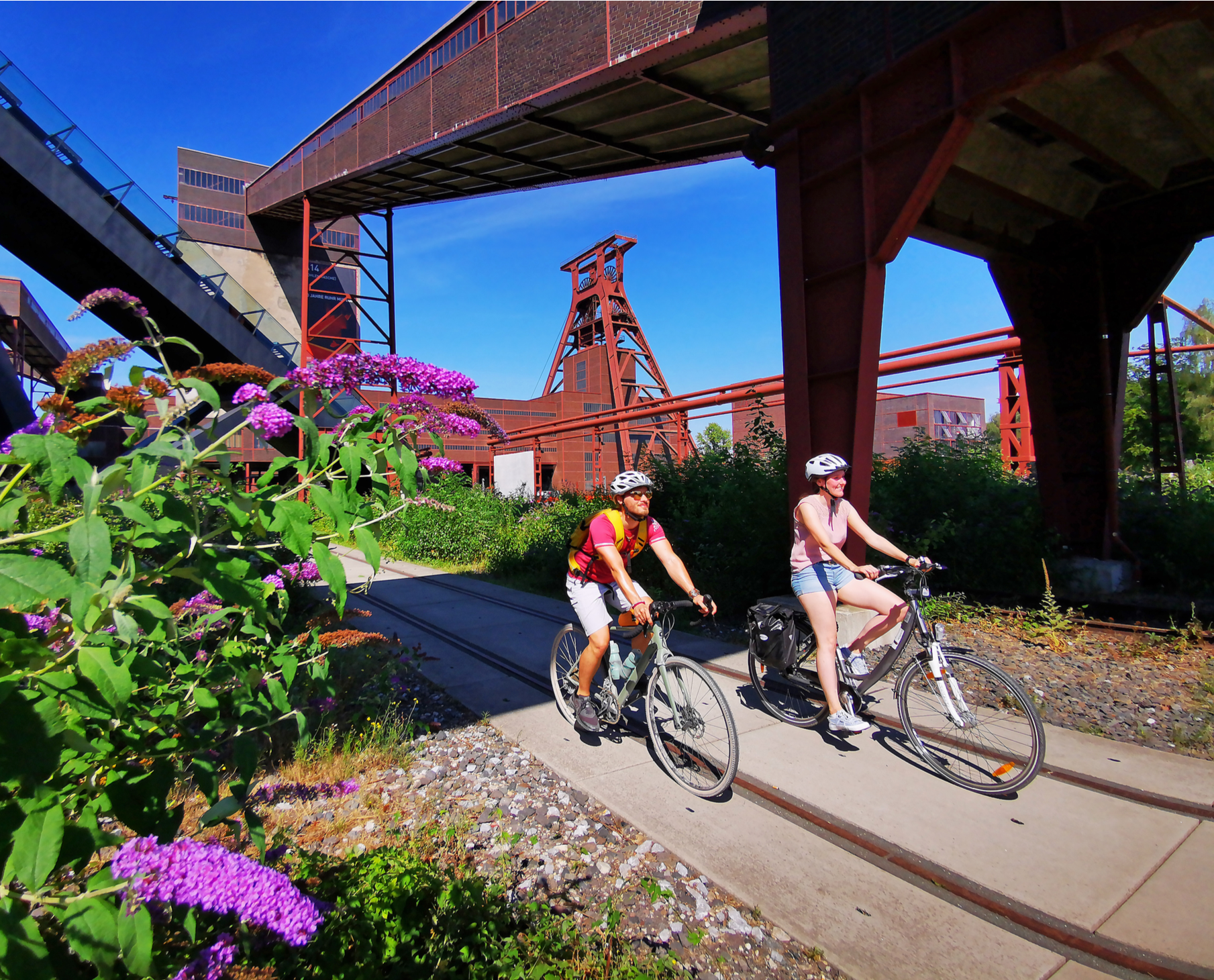
Railway cycling and industrial heritage in the Ruhr area – RevierRouten
The Ruhr Area Circuit – cycling on the trail of industrial culture
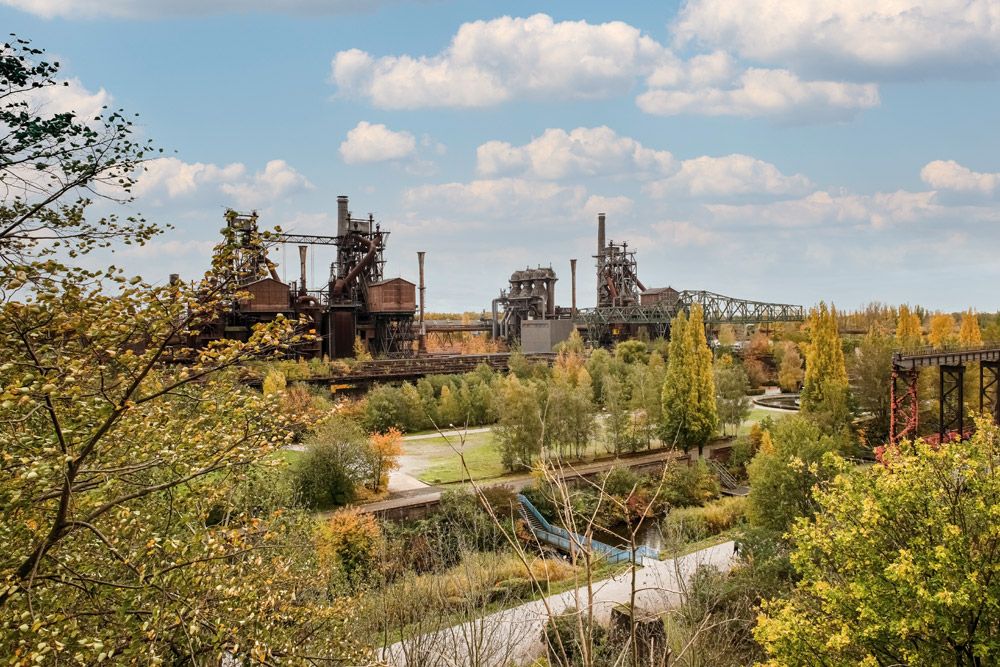
Nature, industrial heritage and the Ruhr – Emscher Park Cycle Route
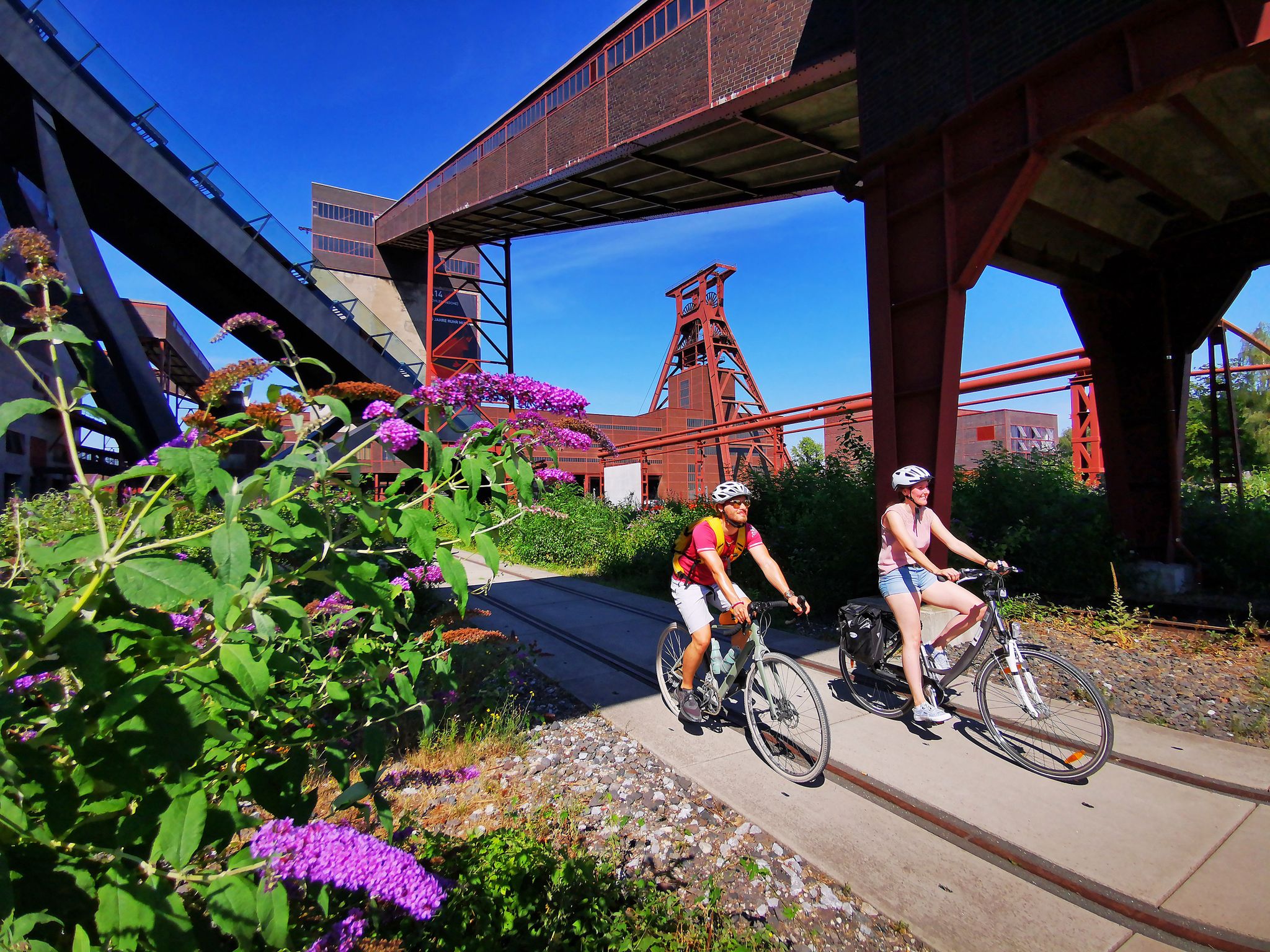
The RevierRouten in the radrevier.ruhr
Vast meadows and luscious wetlands - the green side of the radrevier.ruhr
Mit Rosbacher auf Tour in Westfalen
Other adventures around Hamm


Tips from the Community

A place to rest and stroll. Around the lake there are numerous seating options or the Kurparkcafé within walking distance.
0
0

Great place to stop: Café and Biergarten in the inner courtyard of Schloss Oberwerries, open daily 11:00 AM - 6:00 PM.
0
0


The development of the spa park is closely linked to Hamm as a spa town and the title “Bad Hamm”. In 1883, a brine spring was discovered and it was decided to channel the brine near the former Bürgerschützenhof and to build a bathhouse and a lodging house for festivities, receptions or spa concerts. The lodging house was built in 1898 by the Iserlohn architect G. Leppin as the head building of the first Schützenhalle. The narrow, rectangular structure with a total of seven axes and elaborate cement stucco decoration in the center is representative. The south front is characterized by a small tower-like staircase. The current name “Kurhaus” prevailed in 1932 when the city took over the hall operation. It has been a listed building since 1996. A glass multifunctional hall complements the architectural language of the neighboring Kurhaus with its Art Nouveau facade. In the tradition of spa concerts, the spa park received a new music pavilion in 2009. The spa park also contains the graduation tower, which continues the old tradition of the brine bath. The moist, salty air produced here has a positive effect on the respiratory system. Source: https://www.hamm.de/schloesser-parks-herrenhaueser/parks/kurpark
1
0
The Hamm lock is a lock on the federal waterway Datteln-Hamm Canal in Hamm. It was built between 1912 and 1914 and, together with the Werries lock above it, enables the canal to be used from Hamm to Schmehausen. The West German Canals Waterways and Shipping Authority is responsible for its operation and maintenance.
1
0
The first section of the Datteln-Hamm Canal, including the Hamm lock, was opened to traffic with 600 ton ships on July 17, 1914. In 1926, work began on extending the canal from Hamm to Schmehausen. In 1930, the first pile-driving of sheet piles was carried out to build the Werries lock. After the lock was completed, ship traffic began on the second section of the DHK to Schmehausen on August 23, 1933. The planned extension to Lippstadt was never realized due to a lack of traffic demand. Today, 43 different bridges, 30 culvert structures, 36 pipe and cable culverts cross the DHK over a length of 47.19 km. Two safety gates ensure that the entire canal does not run dry in the event of a disaster. With the help of the two Hamm and Werries locks, shipping is able to bridge a height difference of 6.75 m. Furthermore, the DHK serves as a feed channel for the West German canal network by taking water from the Lippe near Hamm. Source: https://www.wsa-westdeutsche-kanaele.wsv.de/Webs/WSA/Westdeutsche-Kanaele/DE/Wasserstrassen/DHK-Allgemein.html
1
0
Exciting contrasts between listed architecture, ancient giant trees and modern park design characterize the face of the Bad Hamm spa park. On a walk through the complex you will discover many traces of the time when the city of Hamm was a spa town, for example the historic spa house. A graduation tower also reminds us of the tradition of healing treatments, although it was only built in 2009. Today the green area with its wide meadows, a playground and the walking paths around the spa ponds and on the banks of the Datteln-Hamm canal is a popular local recreation area. In summer, concerts and the spa park festival take place on the grounds. Shortly before Christmas you can get in the mood for the holidays with the "Advent Lights". Source: https://www.gaerten-in-westfalen.de/de/garten-und-parks-in-westfalen-lippe/zu-den-garten-und-parks-in-westfalen-lippe/hamm-kurpark-bad-hamm/
1
0

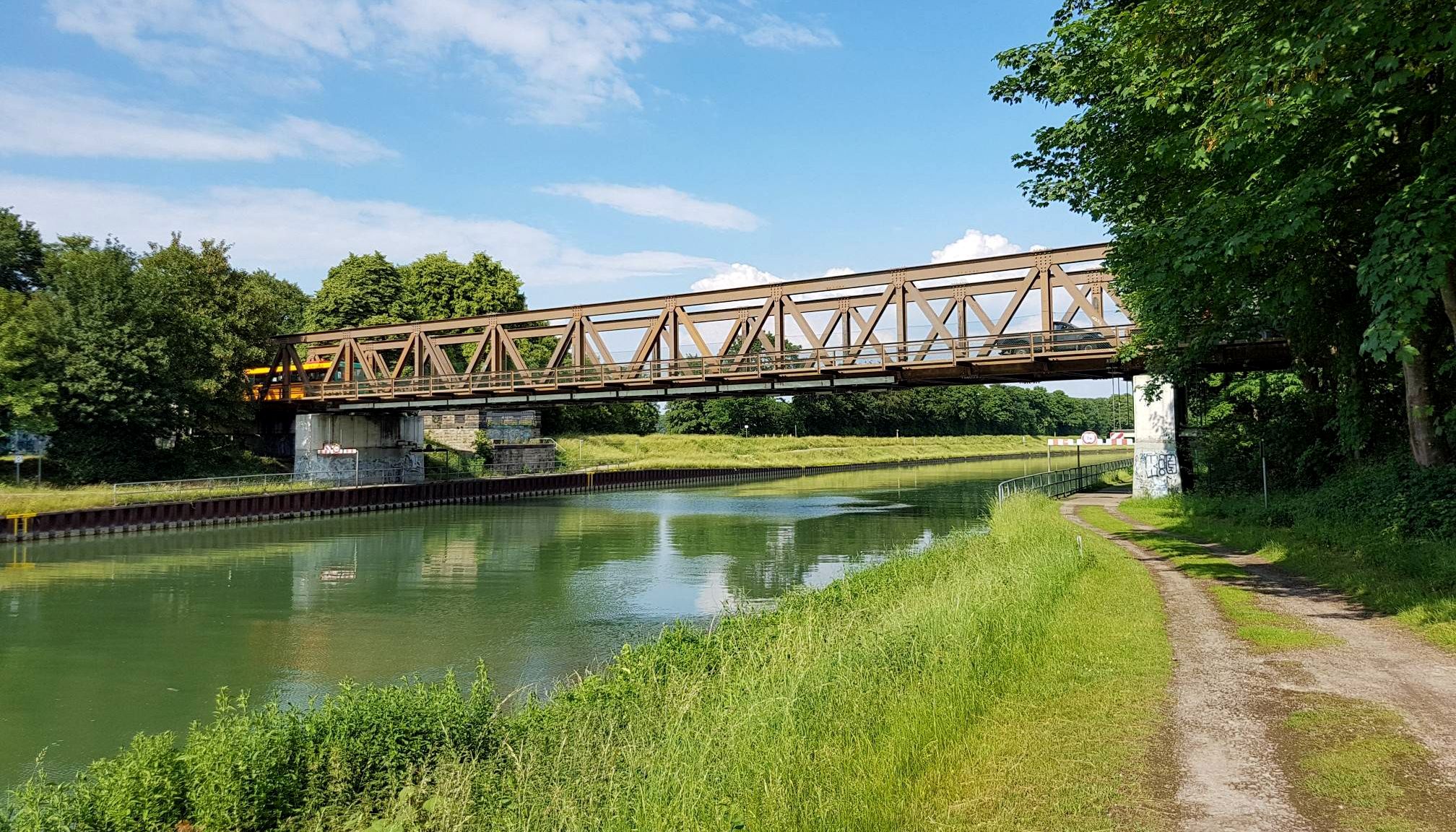
The bridge goes over the Hamm-Datteln canal and is just before the weir at Werries.
3
1
Frequently Asked Questions
How many hiking trails around Hamm are accessible by bus?
There are over 680 hiking trails around Hamm that are easily accessible by bus. This guide focuses specifically on routes designed to start and end conveniently near bus stations, making it simple to explore the region without a car.
What kind of terrain can I expect on bus-accessible hikes in Hamm?
The bus-accessible hikes in Hamm offer a diverse range of terrain. You'll find many routes along the scenic Lippeaue Nature Reserve and the Lippe River floodplains, which are generally flat and easy. Other trails lead through forest areas like Heessener Wald or explore former mining landscapes now transformed into green spaces. While most routes are relatively flat, some may offer gentle inclines, especially those hinting at the nearby Sauerland region.
Are there easy hiking trails accessible by bus in Hamm?
Yes, Hamm offers many easy bus-accessible hiking trails, perfect for a relaxed outing. For example, the Lake in Kurpark Hamm – Schlagmersch Nature Reserve loop is an easy 6 km route that takes you through the peaceful Kurpark. Another great option is the Floating Platform on the Water – Lippe River, Hamm loop, a gentle 4.7 km walk along the Lippe River.
Are there longer or more challenging bus-accessible hikes available?
While most bus-accessible routes in Hamm are easy to moderate, you can find some longer options. The Oberwerries Castle – Heessen Castle loop is a moderate 10.9 km hike that offers a good distance while exploring historical sites. The Hamm Lock – View of the Datteln–Hamm Canal loop is another moderate option at 8.1 km, providing varied scenery along the canal.
What natural sights can I see on bus-accessible hikes in Hamm?
Many bus-accessible hikes in Hamm showcase the region's natural beauty. You can explore the tranquil Lippeaue Nature Reserve, walk along the Alte Lippe, or enjoy the expansive views of the Lippe floodplains at Muehlenlaar. The Kurpark Hamm also offers beautiful green spaces and small lakes.
Are there historical landmarks or points of interest along bus-accessible trails?
Absolutely! Hamm's bus-accessible trails often lead past interesting historical and architectural sites. You can visit the impressive Oberwerries Castle and Heessen Castle, both baroque moated castles. Many routes also follow the Datteln-Hamm Canal, offering views of its locks and the modern Brückenschlag Bridge.
Are there family-friendly hiking trails accessible by bus in Hamm?
Yes, Hamm offers several family-friendly options. Many of the easy, flat routes along the Lippe River or through local parks are suitable for families with children. The Kurpark Hamm, for instance, provides a pleasant environment for a leisurely stroll. Additionally, the Hamm Zoo has a circular route that leads past animal enclosures, making for an enjoyable and easy walk for all ages.
Can I bring my dog on bus-accessible hikes in Hamm?
Generally, dogs are welcome on most hiking trails in Hamm, especially in natural areas like the Lippe floodplains and forest paths. However, it's always advisable to keep your dog on a leash, especially in nature reserves or areas with wildlife, and to check for any specific local regulations or signage. Public transport rules for dogs may vary, so check with the local bus operator before your trip.
What is the best time of year for bus-accessible hiking in Hamm?
The best seasons for hiking in Hamm are generally spring and autumn. During these times, temperatures are mild, and nature displays vibrant colors – from blossoming flowers in spring to the rich hues of deciduous forests in autumn. Summer can also be pleasant, especially for riverside walks, but be prepared for warmer weather. Winter hikes are possible, offering a different, often quieter, experience, but some paths might be muddy or icy.
Are there circular hiking routes that start and end at a bus station in Hamm?
Yes, many of the bus-accessible routes in Hamm are designed as loops, allowing you to start and finish at the same point, often conveniently near a bus stop. Examples include the Oberwerries Castle – Heessen Castle loop, the Lake in Kurpark Hamm – Schlagmersch Nature Reserve loop, and the Scenic Forest Path – Forest Trail loop.
What do other hikers enjoy most about bus-accessible hiking in Hamm?
The komoot community highly rates the hiking experiences around Hamm, with an average score of 4.56 stars. Reviewers often praise the accessibility of the trails by public transport, the peaceful natural landscapes along the Lippe River, and the well-maintained paths that make for enjoyable walks. The blend of nature and historical sights, like the castles and canal, is also frequently highlighted.
Most popular routes around Hamm
Most popular attractions around Hamm

Get inspired with the komoot mobile app


Explore more
Browse the best Hikes in other regions.
