The best traffic-free bike rides around La Sotonera
3.8
(5)
108
riders
63
rides
Gravel biking around La Sotonera is characterized by its diverse landscapes, centered around the Embalse de Tormos (La Sotonera Reservoir). The region features wide valleys, holm oak and pine forests, and varied terrain that transitions towards the Pyrenees foothills. This environment provides a mix of relatively flat or rolling paths along the reservoir shores and more challenging routes through the surrounding natural areas. The area offers extensive untarmacked rural roads and natural tracks suitable for gravel cycling.
Best no traffic gravel bike trails around La Sotonera
- The most popular no traffic gravel bike trail is Vultures Viewpoint – Peñas de Riglos loop from Loarre, a 22.4 miles (36.0 km) trail that takes 3 hours 43 minutes to complete, offering views towards the Peñas de Riglos.
- Another top favourite among local gravel bikers is Nuevo Village Entrance – Montearagón Castle loop from Plasencia del Monte, a difficult 42.8 miles (68.9 km) path. This route traverses varied terrain with significant elevation gain, passing historical sites.
- Local gravel bikers also love the Vadiello Reservoir – Huesca loop from Huesca, a 40.5 miles (65.2 km) trail leading through diverse landscapes including the Vadiello Reservoir, often completed in about 4 hours 50 minutes.
- Gravel biking around La Sotonera is defined by the La Sotonera Reservoir, holm oak and pine forests, and varied terrain transitioning towards the Pyrenees foothills. The network offers options for different ability levels, from moderate to difficult.
- The routes in La Sotonera are highly rated by the komoot community with an average score of 3.5 stars from over 4 reviews. More than 80 gravel bikers have used komoot to explore La Sotonera's varied terrain.
Last updated: July 10, 2026
4.0
(2)
20
riders
36.0km
02:52
810m
810m
Hard gravel ride. Very good fitness required. Mostly paved surfaces. Suitable for all skill levels.
8
riders
67.5km
05:11
1,020m
1,020m
Hard gravel ride. Very good fitness required. Mostly paved surfaces. Suitable for all skill levels.

Sign up for free
3.0
(1)
8
riders
65.1km
05:07
750m
750m
Hard gravel ride. Very good fitness required. You may need to push your bike for some segments of this route.
3.0
(1)
8
riders
69.3km
05:24
710m
710m
Hard gravel ride. Very good fitness required. You may need to push your bike for some segments of this route.
6
riders
113km
08:43
980m
980m
Hard gravel ride. Very good fitness required. You may need to push your bike for some segments of this route.
Get access to more routes and recommendations from other explorers.
Sign up for free
Already have an account?
Our route recommendations are based on thousands of hikes, rides, and runs completed by other people on komoot.
Start today with a free account
Your next adventure awaits.
Login or Signup
Popular around La Sotonera
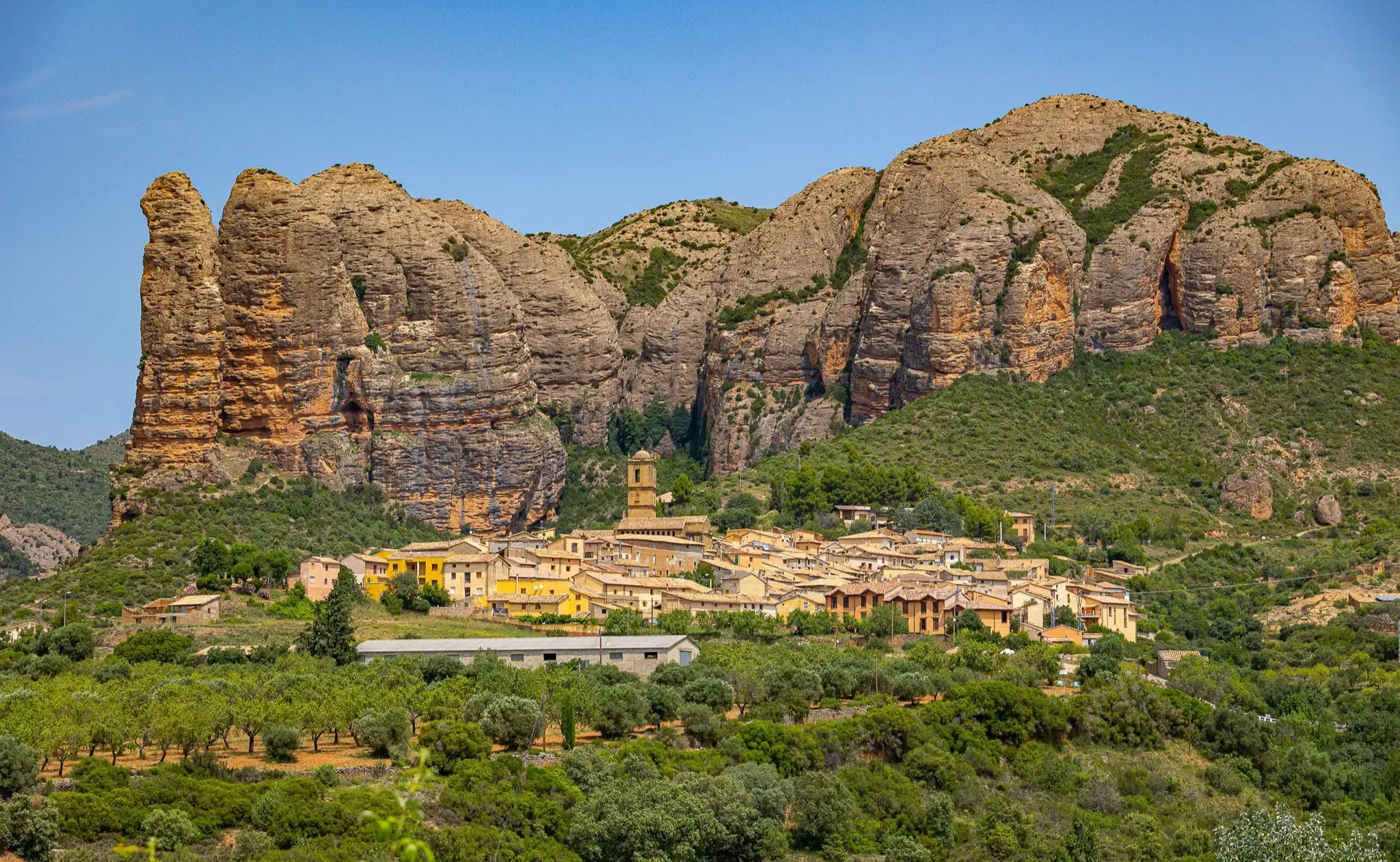
Hiking between geology and history – GR1 in Aragón
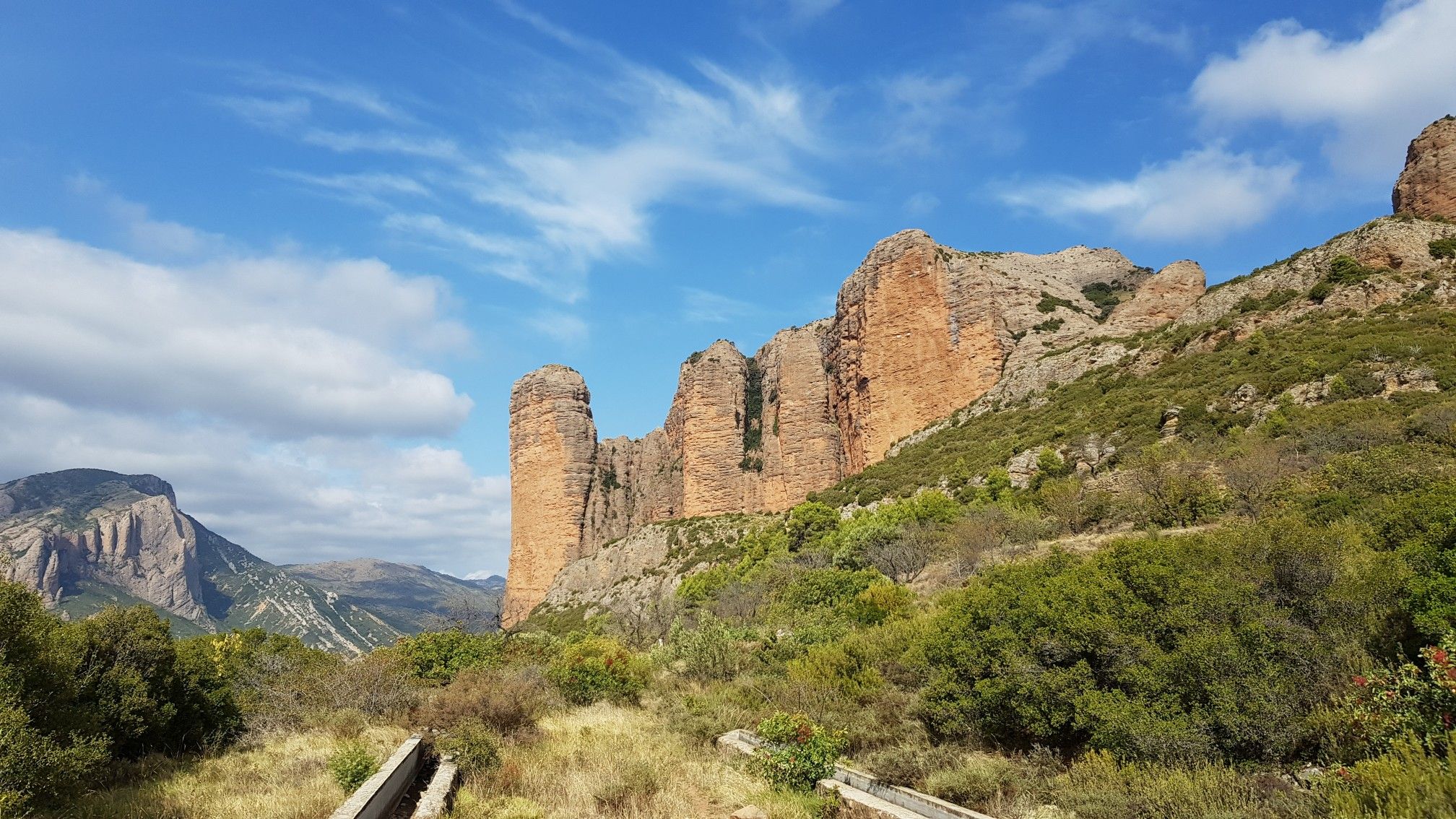
Monumental landscapes and culture — the Pre-Pyrenees by MTB
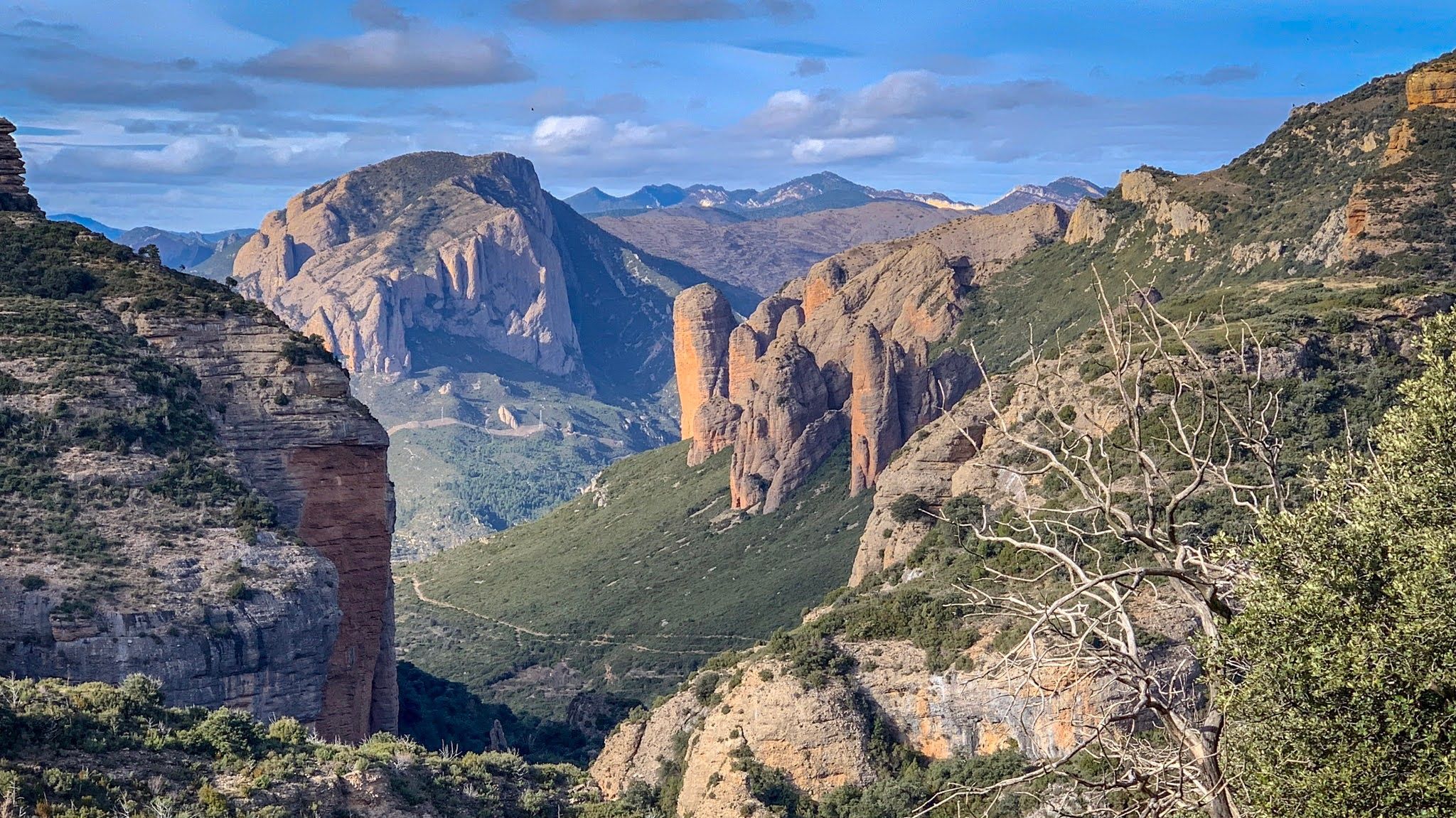
Gravel and geology – Huesca Valley nature trail
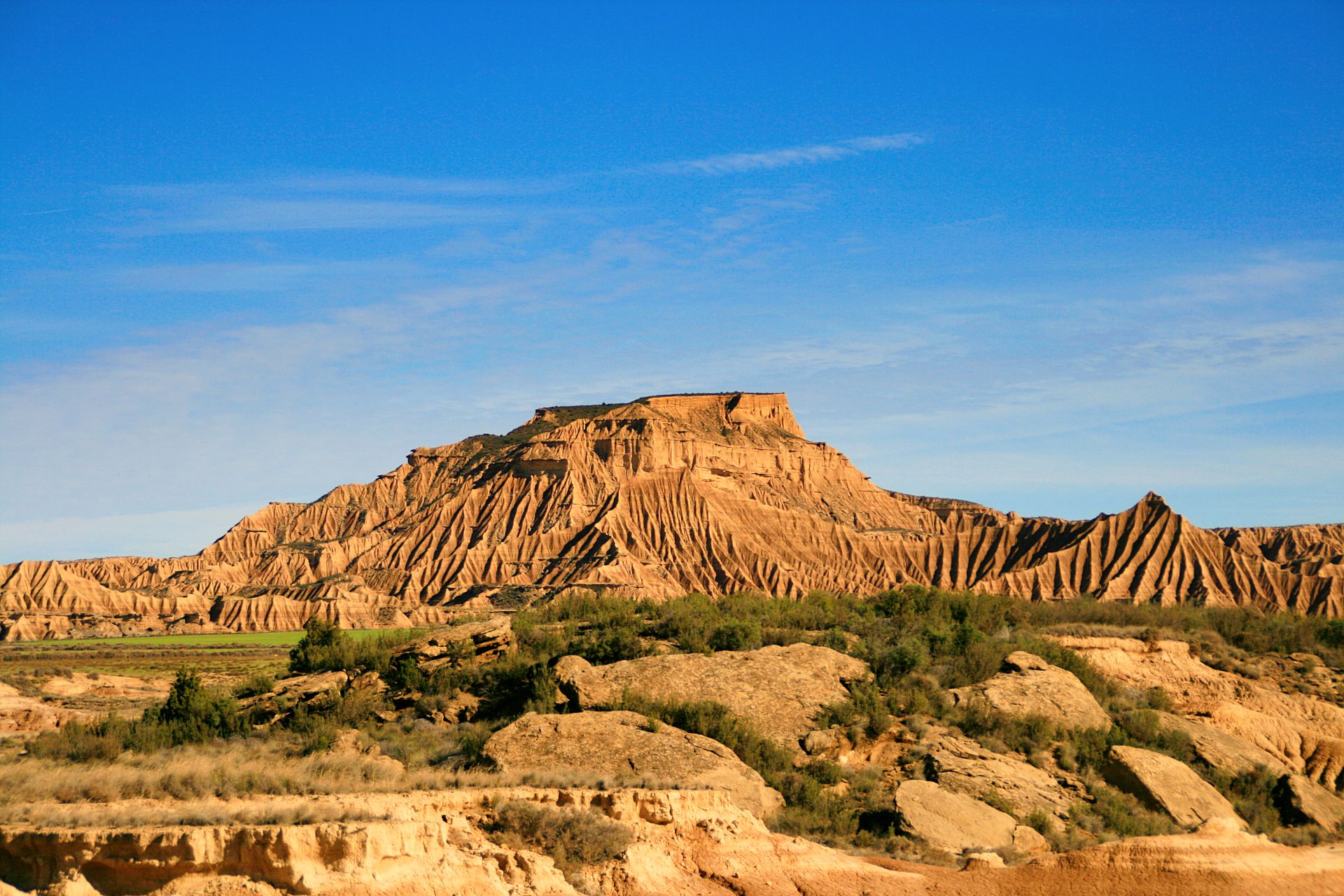
Spain’s Wild West – Sierra de Guara to the Bardenas
Land of rock and water – Sendero Histórico en Aragón

Traffic-free bike rides around La Sotonera

Traffic-free bike rides around La Sotonera
Other adventures around La Sotonera


Tips from the Community

The fragment isn't exactly eye-catching. Nor is there any indication that it's a genuine Roman artifact. It's shady and perhaps worth a break.
0
0

They seem so close, but they are still far away from here.
0
0
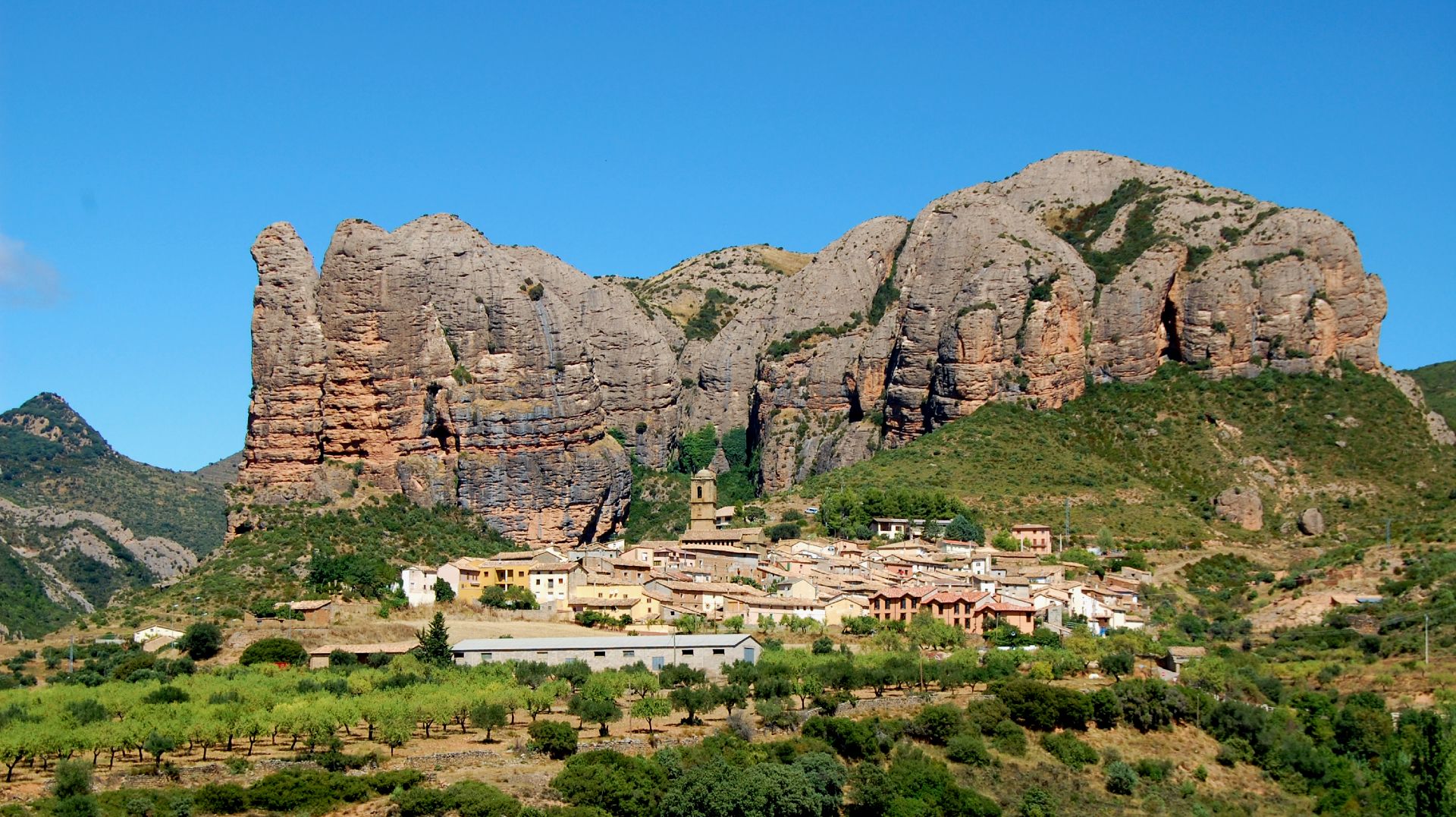
The Mallos of the Aragonese Pre-Pyrenees were formed 65 million years ago after eroded material from the Pyrenees washed away.
1
0

Impressive views of the Mallos de Riglos
0
0

Really beautiful castle in the middle of a semi arid landscape with perfect gravel roads. Surprisingly empty!
1
0

This town in the region of Hoya de Huesca in the community of Aragón appears mentioned for the first time in 1104, in a concord between the bishop of Huesca and the abbot of Montearagón. Its origin is Roman, a link that still survives in the tradition of the "vote", which unites Alerre with six other towns that surround Huesca and form the "Seven Places". This historical community was united by the promise of a vote destined to ask for the holy protection of a saint, Lorenzo, son of two Roman subjects who lived in a Roman settlement near present-day Huesca, and who was martyred in Rome. Alerre has an interesting costume and footwear museum, located in the keep, next to the town hall, and which collects more than 3,000 pieces from all over the world, donated by the Scottish diplomat of Spanish origin Tomás Moyano.
1
0
Founded and built by Sancho Ramírez of Aragón in Romanesque style in the 11th and 12th centuries, Montearagón Castle was a fortified complex that included military housing, a church and a royal monastery. It is located on a strategic promontory in the Huesca town of Quicena, in the Hoya de Huesca region, Aragon. Although its military function ended with the taking of Huesca and the end of the Spanish-Arab wars, it continued to house the canonical abbey under the name of the Abbey of Jesús de Nazaret de Montearagón. Several Aragonese kings were buried in the castle in addition to its founder, Sancho Ramírez of Aragón.
2
0

Magnificent landscapes with the sight of vultures just overhead.
0
0
Frequently Asked Questions
How many no-traffic gravel bike trails are available in La Sotonera?
La Sotonera offers a wide selection of routes for gravel biking, with over 45 traffic-free trails. These range from easy rides to more challenging adventures, ensuring there's something for every skill level.
What kind of terrain can I expect on gravel bike trails around La Sotonera?
The terrain in La Sotonera is quite varied, featuring untarmacked rural roads, natural tracks, and paths that wind through holm oak and pine forests. You'll find routes with rolling hills, wide valleys, and scenic sections around the Embalse de Tormos (La Sotonera Reservoir), offering a mix of surfaces suitable for gravel bikes.
Are there any easy or beginner-friendly no-traffic gravel routes in La Sotonera?
Yes, La Sotonera has several easy gravel bike routes perfect for beginners or those looking for a relaxed ride. These trails typically feature gentler gradients and well-maintained surfaces, allowing you to enjoy the scenery without significant technical challenges. While specific easy routes are not listed here, komoot offers 6 easy tours in the area.
What natural landmarks or attractions can I see along the gravel bike trails?
Many routes offer stunning views and pass by interesting landmarks. You might encounter the picturesque Arguis Reservoir, or explore areas near the Gorgas de San Julián. Further afield, you could visit historical sites like Loarre Castle or Marcuello Castle, which are often accessible via extended routes.
Are there any circular gravel bike routes in La Sotonera?
Yes, many of the gravel bike trails in La Sotonera are designed as loops, allowing you to start and finish at the same point. For example, the challenging "Vultures Viewpoint – Peñas de Riglos loop from Loarre" offers a substantial circular ride with impressive views.
What is the best time of year for gravel biking in La Sotonera?
Spring and autumn are generally the best seasons for gravel biking in La Sotonera. The weather is typically mild, and the landscapes are vibrant. Summers can be hot, especially in the middle of the day, so early morning or late afternoon rides are recommended. Winters are usually mild but can bring cooler temperatures and occasional rain.
Are there family-friendly gravel biking options in La Sotonera?
Absolutely. While many routes offer a challenge, there are also gentler paths suitable for families. Look for trails with less elevation gain and smoother surfaces, often found closer to the Embalse de Tormos, which provide a pleasant and safe environment for all ages to enjoy gravel biking away from traffic.
Can I bring my dog on the gravel bike trails in La Sotonera?
Many natural areas and rural paths in La Sotonera are dog-friendly, especially if your dog is accustomed to running alongside your bike or riding in a trailer. However, it's always best to keep your dog on a leash, especially near wildlife or other trail users, and to check local regulations for specific areas or nature reserves you plan to visit.
Where can I find parking for gravel biking near La Sotonera Reservoir?
Parking is generally available at various points around the La Sotonera Reservoir and in nearby villages. Specific starting points for routes often have designated parking areas. It's advisable to check the route details on komoot for recommended parking spots closest to your chosen trail.
What do other gravel bikers enjoy most about La Sotonera?
The komoot community highly rates the gravel biking experience in La Sotonera, with an average score of 3.5 stars. Reviewers often praise the region's quiet, traffic-free rural roads, the diverse landscapes ranging from forests to reservoir views, and the opportunity to explore historical sites and natural landmarks away from the crowds.
Are there any challenging gravel bike routes for experienced riders?
Yes, La Sotonera offers numerous challenging gravel routes for experienced riders. These trails often feature significant elevation gains, longer distances, and more technical sections. For example, the "Vadiello Reservoir – Huesca loop from Huesca" is a demanding ride with nearly 1000 meters of ascent over 65 km.
Can I access La Sotonera's gravel trails using public transport from Huesca?
While direct public transport specifically for accessing remote trailheads might be limited, you can typically reach the main towns and villages surrounding La Sotonera from Huesca via bus services. From these points, you may need to cycle a short distance to reach the start of the more secluded gravel trails. Always check current bus schedules and bike transport policies beforehand.
Most popular routes around La Sotonera
Most popular attractions around La Sotonera

Get inspired with the komoot mobile app


Explore more
Browse the best Gravel rides in other regions.
