The best traffic-free bike rides in Parker River National Wildlife Refuge
4.4
(49)
431
riders
15
rides
No traffic touring cycling routes in Parker River National Wildlife Refuge traverse a diverse landscape on Plum Island, Massachusetts. The refuge features 6.5 miles of broad sandy beaches and sand dunes, alongside extensive salt marshes covering approximately 3,000 acres. Maritime forest, shrub/thicket, and freshwater marsh areas also contribute to the varied terrain. The main refuge road offers a mix of paved and gravel sections, providing a unique cycling experience through these coastal and wetland habitats.
Best no traffic touring cycling…
Last updated: May 30, 2026
5.0
(2)
21
riders
19.2km
01:25
20m
20m
Easy bike ride. Great for any fitness level. Mostly paved surfaces. Suitable for all skill levels.
5.0
(1)
9
riders
Easy bike ride. Great for any fitness level. Mostly paved surfaces. Suitable for all skill levels.

Sign up for free
5.0
(1)
9
riders
13.6km
00:46
10m
10m
Easy bike ride. Great for any fitness level. Mostly paved surfaces. Suitable for all skill levels.
3
riders
35.7km
02:05
180m
180m
Moderate bike ride. Good fitness required. Mostly paved surfaces. Suitable for all skill levels.
3
riders
Moderate bike ride. Good fitness required. Mostly paved surfaces. Suitable for all skill levels.
Get access to more routes and recommendations from other explorers.
Sign up for free
Already have an account?
Our route recommendations are based on thousands of hikes, rides, and runs completed by other people on komoot.
Start today with a free account
Your next adventure awaits.
Login or Signup
Popular around Parker River National Wildlife Refuge

Other adventures in Parker River National Wildlife Refuge

Tips from the Community

Plum Island Beach is the northern terminus of the approximately 230-mile long Bay City Trail. There is no parking or facilities at this trailhead, so if you need parking or a restroom, you can go to the Parker River National Wildlife Refuge’s Visitor Center, which is only a short walk away.
0
0

A place to see birds
1
0

Great spot for Bird Watching and Photography
2
0

Sandy Point State Reservation is a coastal conservation area located in Ipswich, Massachusetts. This scenic reserve encompasses approximately 77 acres of sandy shoreline and dunes along the northern end of Plum Island, offering stunning views of the Atlantic Ocean. Established in 1945, it serves as a protected habitat for various wildlife species and provides recreational opportunities for visitors. There are pristine beaches, sand dunes, and salt marshes, making it a destination for swimming, sunbathing, birdwatching, and nature photography. Visitors can explore walking trails that meander through the dunes and along the beach, providing opportunities to observe coastal flora and fauna. Additionally, the reserve offers facilities such as restrooms, picnic areas, and parking. It's a popular spot for families, beachgoers, birdwatchers, and outdoor enthusiasts seeking an escape along the Massachusetts coast. Sandy Point is renowned for its importance as a nesting site for piping plovers and other shorebirds. Conservation efforts are in place to protect these vulnerable species and their habitats. During certain times of the year, sections of the beach may be roped off to provide nesting areas for these birds.
0
0
From the top of this observation tower at the end of the long dike (Hellcat dike) you get great views over the water and on clear days you can see the mainland. This is a great spot to pause and enjoy the views as you explore this unique part of Plum Island.
0
0

A big sandy beach on the sand spit, Plum Island. The area was created by the ocean currents and the combination of the Parker and Merrimack rivers.
0
0
Sandy Point State Reservation lies at the southern end of Plum Island, accusable only by sea or along the one road accessed from the north. The reservation consists of a sandbar and wetland habitat. It's common to see sharks and sometimes seals from the beach, so maybe don't swim.
1
0
Frequently Asked Questions
How many no-traffic touring cycling routes are available in Parker River National Wildlife Refuge?
There are 13 dedicated no-traffic touring cycling routes in Parker River National Wildlife Refuge, offering a range of experiences. You'll find 9 easy routes, 3 moderate routes, and 1 more challenging option, ensuring there's something for every skill level.
What kind of terrain can I expect on the no-traffic touring cycling routes?
The routes primarily feature well-paved surfaces, especially within the refuge's main road. However, some sections, particularly towards the southern tip of Plum Island, transition to gravel. The refuge itself is largely flat, making for a leisurely ride, but some routes outside the immediate refuge area may include gentle elevation changes.
Are there any family-friendly no-traffic cycling routes suitable for children?
Yes, many of the routes are suitable for families, especially those within the refuge where the terrain is flat and shared with pedestrians. The refuge occasionally hosts 'open streets' days where the road is exclusively for cyclists, providing a safe and enjoyable experience for all ages. An excellent easy option is the Indian Hill Reservoir – Upper Artichoke Area loop from City Forest, which is 18 km long.
What are the best times of year to go touring cycling in Parker River National Wildlife Refuge?
Spring and fall offer pleasant temperatures and beautiful scenery, with fewer crowds than the peak summer months. Summer can be busy, but cycling can still be advantageous as cyclists are sometimes allowed entry even when the refuge is closed to vehicles due to capacity. Be aware that sections of the beach are closed seasonally (April 1 to mid-summer) to protect nesting shorebirds.
Are there any circular or loop touring cycling routes in the area?
Yes, several routes offer a loop experience, allowing you to start and end at the same point. A popular choice is the Sandy Point State Reservation loop from Knockers Hole, which covers 21 km. Another option is the Willowdale and Bay Circuit Trail Loop, spanning nearly 16 km.
What kind of wildlife can I expect to see while cycling?
Parker River National Wildlife Refuge is a nationally recognized sanctuary for over 300 species of resident and migratory birds, including federally protected Piping Plovers. You might also spot various other wildlife in the salt marshes, barrier beaches, and maritime forests. Observation towers and platforms, such as the Hellcat Dike Observation Tower, provide excellent viewing opportunities.
Are there any notable landmarks or viewpoints along the cycling routes?
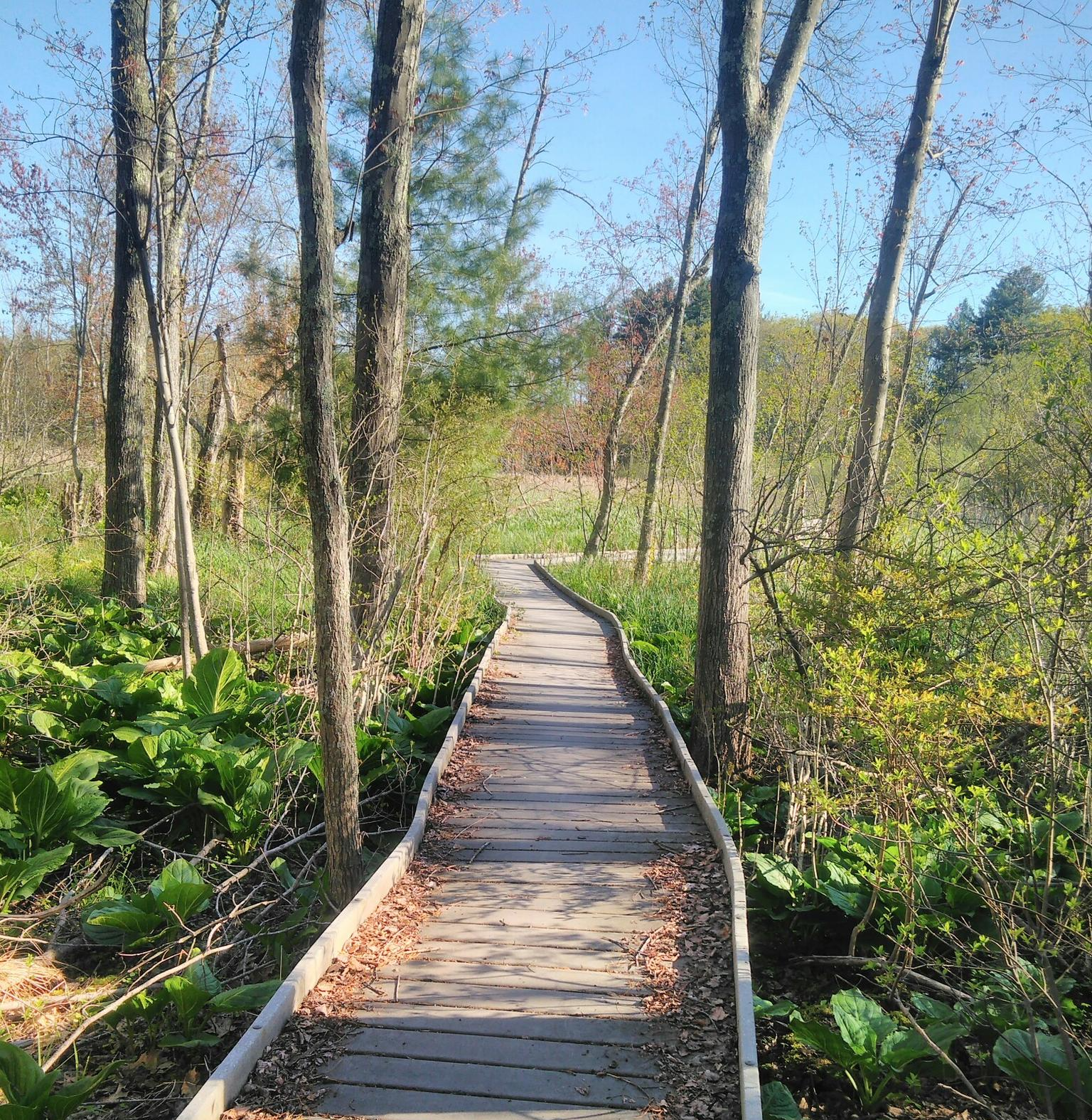
Absolutely. The refuge offers stunning natural vistas and points of interest. You can visit the historic Plum Island Lighthouse, or enjoy panoramic views from the Hellcat Dike Observation Tower. The Dunes Spur of the Hellcat Boardwalk Trail and the Forested Wetland Spur of the Hellcat Boardwalk Trail also offer unique perspectives of the diverse habitats.
Is parking available for cyclists at Parker River National Wildlife Refuge?
Yes, parking is available. Accessing the refuge by bike can be advantageous during busy summer months, as cyclists are sometimes allowed entry even when the refuge is closed to vehicles due to capacity limits. A bike fix-it station is also available at the visitor center.
What do other touring cyclists enjoy most about cycling in Parker River National Wildlife Refuge?
The area is highly rated by the komoot community, with an average score of 4.39 stars. Reviewers often praise the unique opportunity to cycle through diverse habitats, the abundance of wildlife viewing opportunities, and the generally flat and accessible nature of the routes, especially the dedicated no-traffic sections.
Are dogs allowed on the no-traffic touring cycling routes?
While the refuge is a wildlife sanctuary, specific regulations apply to pets. It's best to check the official refuge guidelines regarding pets on trails and roads before your visit. For detailed information, please consult the official Parker River National Wildlife Refuge website: fws.gov/refuge/parker-river/visit-us.
Are there any cafes or places to eat near the cycling routes?
While the refuge itself focuses on natural preservation, the nearby towns, such as Newburyport and Ipswich, offer various dining options, including cafes and restaurants where you can refuel after your ride.
Are electric bicycles permitted on the refuge's cycling routes?
Yes, both conventional and electric bicycles are permitted on the refuge's cycling routes. However, fat-tire bikes are restricted from the beach to protect shorebirds and delicate dune habitats.
Most popular routes in Parker River National Wildlife Refuge
Most popular attractions in Parker River National Wildlife Refuge

Get inspired with the komoot mobile app


Explore more
Browse the best Cycling routes in other regions.
