The best traffic-free bike rides in Governor Thomas Dudley State Park
4.8
(59)
693
riders
18
rides
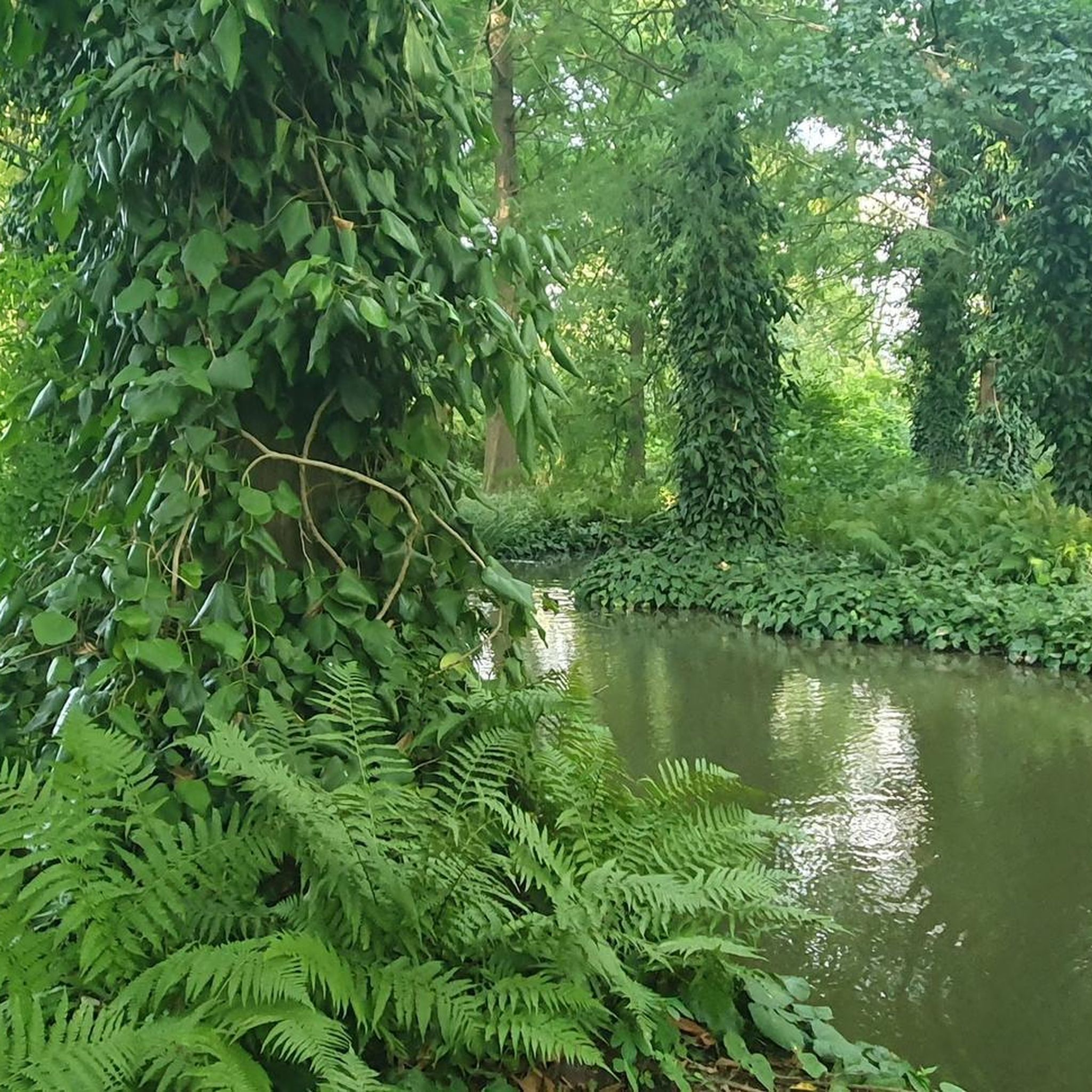
No traffic touring cycling routes in Governor Thomas Dudley State Park traverse a landscape characterized by a mix of paved multi-use paths, converted rail trails, and quiet roads. The region features riverbanks, green spaces, and historical areas, offering varied scenery for cyclists. While the name "Governor Thomas Dudley State Park" is not an official designation, the area provides numerous opportunities for no traffic touring cycling, particularly along the Charles River and within the town of Dudley. The terrain is generally…
Last updated: May 29, 2026
4
riders
25.7km
01:32
180m
180m
Moderate bike ride. Good fitness required. Mostly paved surfaces. Suitable for all skill levels.
6
riders
Easy bike ride. Great for any fitness level. Mostly paved surfaces. Suitable for all skill levels.

5.0
(3)
26
riders
Moderate bike ride. Good fitness required. Mostly paved surfaces. Suitable for all skill levels.
6
riders
Easy bike ride. Great for any fitness level. Mostly paved surfaces. Suitable for all skill levels.
5.0
(1)
16
riders
Easy bike ride. Great for any fitness level. Mostly paved surfaces. Suitable for all skill levels.
Get access to more routes and recommendations from other explorers.
Already have an account?
Our route recommendations are based on thousands of hikes, rides, and runs completed by other people on komoot.
Start today with a free account
Your next adventure awaits.
Popular around Governor Thomas Dudley State Park

Tips from the Community

The Col. James Barrett Farm, also known as Barrett's Farm, is an important historic site from the American Revolutionary War. This site is associated with the first battle of the revolution, specifically the battles of Lexington and Concord in 1775. The farm was once the storage location for all the gunpowder, weapons, and two cherished bronze cannons belonging to the militia of Concord.
0
0

The Battle Road Trail totals 5 miles around Minute Man National Historical Park. It mimics the route of the British retreat from Concord to Boston on April 19, 1775, at the Battles of Lexington and Concord, which was the beginning of the American Revolutionary War. Today, this trail is open to walking, biking, and jogging. Visitors can learn about the history and enjoy the forests, wetlands, and open fields. For more historical facts, stop by the Minute Man Visitor Center.
1
0

The William Smith House, built in the 18th century, was home to William Smith, a militia member who participated in the Battle of Lexington and Concord. Located near the Minuteman Commuter Bikeway, it makes for a quick stop for history enthusiasts.
1
0

Main Street is the heart of Concord Center. Lined with well-preserved colonial and 19th-century buildings there are many local shops, cafes, and boutiques for you to explore. Highlights include the Concord Bookshop, a beloved independent bookstore, and for cyclists looking for a coffee break, the Main Streets Market & Cafe, Haute Coffee, and Cafe Nero are all popular spots. Main Street is also a gateway to nearby historic landmarks such as the Concord Museum and the Old North Bridge as well as some of the more popular, scenic stretches of riding along Strawberry Hill Road out toward Littleton and Harvard.
0
0
The Old North Bridge is located in in Concord, Massachusetts, and is a historic site central to the American Revolution. It was here, on April 19, 1775, that colonial militia faced British soldiers in one of the first battles of the war and is now a part of the Minute Man National Historical Park. Visitors can walk across the bridge, explore nearby trails, and view the iconic Minuteman Statue. There are also interpretive plaques and regular guided tours.
1
0
The "Little Women" house, officially known as Orchard House, is a historic home in Concord, Massachusetts, where Louisa May Alcott wrote her famous novel Little Women in 1868. The Alcott family lived there from 1858 to 1877, and the house served as inspiration for the book's setting. Preserved as a museum, Orchard House offers guided tours showcasing original furnishings, artwork by May Alcott (Louisa's sister), and the family’s personal artifacts.
1
0
The "Little Women" house, officially known as Orchard House, is a historic home in Concord, Massachusetts, where Louisa May Alcott wrote her famous novel Little Women in 1868. The Alcott family lived there from 1858 to 1877, and the house served as inspiration for the book's setting. Preserved as a museum, Orchard House offers guided tours showcasing original furnishings, artwork by May Alcott (Louisa's sister), and the family’s personal artifacts.
0
0
The Minuteman Trail, also known as the Battle Road Trail, is a historic pathway in the Minute Man National Historical Park, spanning Concord, Lincoln, and Lexington, Massachusetts. This 5-mile trail follows the route taken by British troops and colonial militiamen during the opening battles of the American Revolutionary War on April 19, 1775. The trail features several key historical sites, including the Hartwell Tavern, Captain William Smith House, and the site of Paul Revere’s capture. It winds through scenic woods, fields, and wetlands, providing visitors with a mix of history and natural beauty. Interpretive signs along the route detail the events of the fateful day, making it a popular destination for walking, running, and cycling. Although you can do it on a road bike, a gravel bike or hardtail might be more comfortable.
1
0
Frequently Asked Questions
How many no-traffic touring cycling routes are available in the Governor Thomas Dudley State Park area?
The komoot community has curated over 20 no-traffic touring cycling routes in the area associated with Governor Thomas Dudley State Park. These routes offer a variety of experiences, from easy, paved paths to more moderate rides.
Are there any paved, car-free cycling paths suitable for touring bikes?
Yes, the region offers excellent paved, car-free options. The Dr. Paul Dudley White Bicycle Path, part of the larger Charles River Bike Path, is a prime example. This 22- to 23-mile paved, multi-use path follows the Charles River, providing a scenic and accessible car-free experience ideal for touring cyclists.
What kind of terrain and trail conditions can I expect on these routes?
You'll find a mix of terrain. Many routes, like sections of the Dr. Paul Dudley White Bicycle Path, are well-paved and flat, offering an easy ride. In the town of Dudley, you can also find sections of the Quinebaug River Valley Rail Trail, which typically feature gravel surfaces on old rail beds. Always check individual route details for specific surface information.
Are there any family-friendly no-traffic touring bike routes?
Absolutely. Many of the routes are rated as easy, making them suitable for families. The paved, car-free nature of paths like the Dr. Paul Dudley White Bicycle Path is particularly popular for family outings. For example, the Reformatory Branch Trail – Moore's Swamp Overlook loop from Bedford is an easy, relatively flat option.
What are some scenic views or natural features I might encounter?
The Dr. Paul Dudley White Bicycle Path offers stunning views of the Boston and Cambridge skylines, lush greenery, and the tranquil Charles River. In the Dudley area, routes along the Quinebaug River Valley Rail Trail provide views of the river and surrounding natural landscapes. Areas like Pierpont Meadow are known for attracting Monarch butterflies in season.
Are there any loop touring bike routes available?
Yes, several routes are designed as loops, allowing you to start and end in the same location. For instance, the Colonel Barrett House loop from Carlisle is a moderate touring route, and the Russell Mill Pond Town Forest loop from Russell Mill Pond and Town Forest offers an easy, shorter option.
What is the best time of year for touring cycling in this region?
Spring, summer, and fall generally offer the most pleasant conditions for touring cycling. Spring brings blooming foliage, while fall showcases vibrant autumn colors, especially along river paths and wooded areas. Summer is also popular, though it can be warmer. Always check local weather forecasts before heading out.
What do other touring cyclists enjoy most about the no-traffic routes here?
The komoot community highly rates the touring cycling experience in this region, with an average score of 4.8 stars from over 60 ratings. Reviewers often praise the peaceful, car-free environment, the scenic river views, and the well-maintained paved surfaces that make for a smooth ride.
Are there any points of interest or landmarks along these routes?
Along the Dr. Paul Dudley White Bicycle Path, you can see prominent landmarks such as Harvard University, the Massachusetts Institute of Technology, and the iconic Hatch Memorial Shell. The path also passes by the Charles River Museum of Industry and Innovation in Waltham. In the broader Dudley area, you'll find natural points of interest like Pierpont Meadow and Buffumville Dam.
Where can I find parking for these no-traffic touring bike trails?
Parking availability varies by trailhead. For routes along the Dr. Paul Dudley White Bicycle Path, numerous public parking areas are available in Boston, Cambridge, and other towns along the Charles River. For routes in the Dudley area, trailheads for the Quinebaug River Valley Rail Trail often have designated parking. It's always best to check the specific route details on komoot for recommended starting points and parking information.
Can I access these routes using public transport?
Yes, many sections of the Dr. Paul Dudley White Bicycle Path are highly accessible via public transport, particularly in the Boston and Cambridge areas, with various MBTA (Massachusetts Bay Transportation Authority) bus and subway stops nearby. Access to routes in the more rural Dudley area might require a car, but some local bus services could connect to towns near trailheads. Always consult local public transport schedules and policies regarding bikes.
Most popular routes in Governor Thomas Dudley State Park

Get inspired with the komoot mobile app


Explore more
Browse the best Cycling routes in other regions.
