The best hikes from bus stations in Cannock Chase Aonb
4.5
(1034)
8,108
hikers
125
hikes
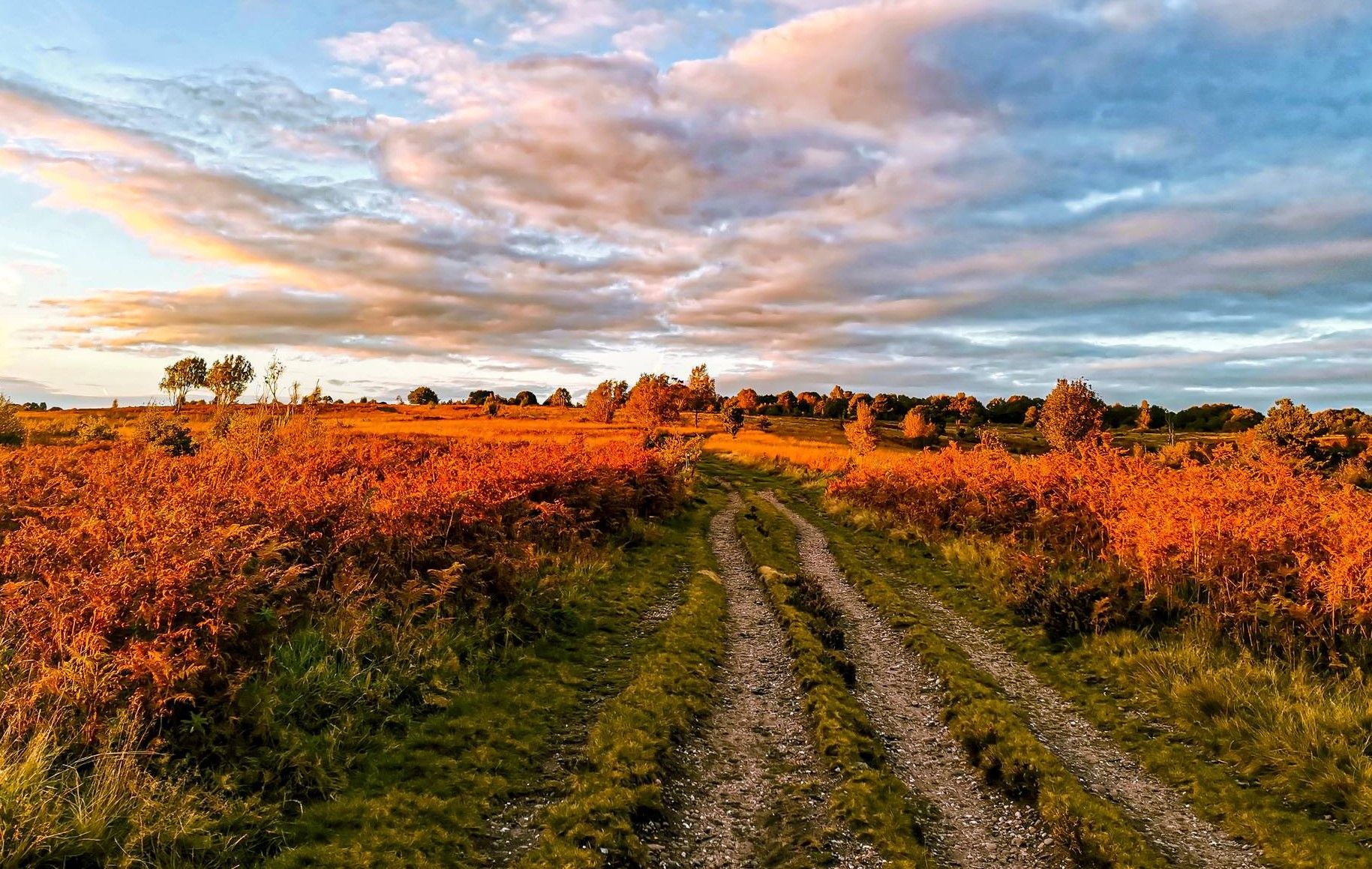
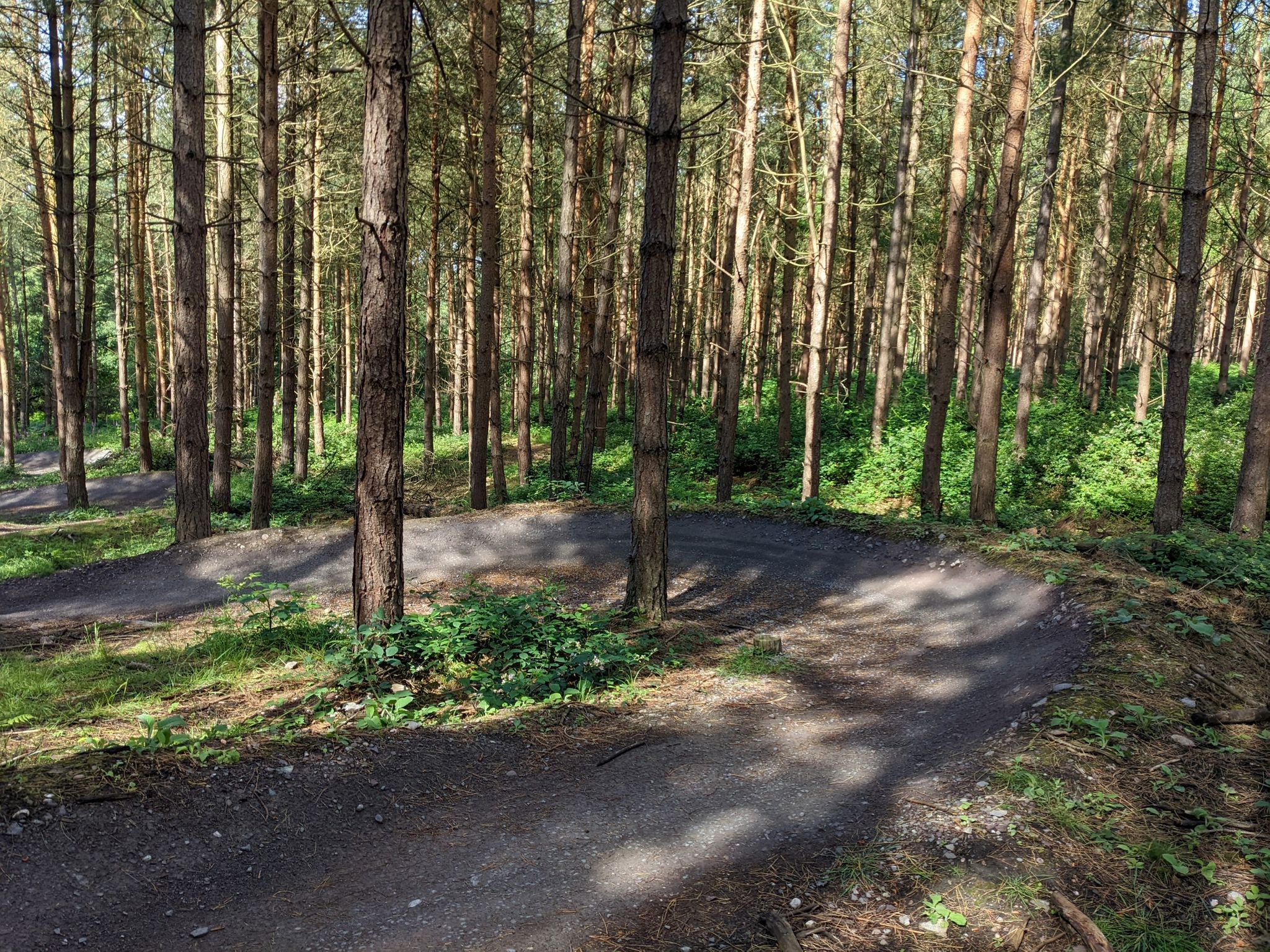
Hiking in Cannock Chase Aonb, which transitioned to a National Landscape in November 2023, offers diverse terrain across its 26 square miles. The area features extensive lowland heathland, deciduous woodlands, and coniferous plantations. A domed plateau provides elevated views, while waterways like the Trent and Sow rivers, and the Staffordshire and Worcestershire Canal, traverse the landscape. The underlying geology consists of red sandstone and coal measures.
Best bus station hiking trails in Cannock Chase Aonb
- The most popular bus station…
Last updated: June 26, 2026
4.6
(18)
229
hikers
4.98km
01:17
20m
20m
Easy hike. Great for any fitness level. Easily-accessible paths. Suitable for all skill levels.
4.8
(23)
81
hikers
10.5km
02:47
110m
110m
Moderate hike. Good fitness required. Easily-accessible paths. Suitable for all skill levels.

Sign up for free
5.0
(8)
120
hikers
Easy hike. Great for any fitness level. Easily-accessible paths. Suitable for all skill levels.
5.0
(8)
90
hikers
Moderate hike. Good fitness required. Easily-accessible paths. Suitable for all skill levels.
4.4
(14)
47
hikers
Easy hike. Great for any fitness level. Easily-accessible paths. Suitable for all skill levels.
Get access to more routes and recommendations from other explorers.
Sign up for free
Already have an account?
Our route recommendations are based on thousands of hikes, rides, and runs completed by other people on komoot.
Start today with a free account
Your next adventure awaits.
Login or Signup
Popular around Cannock Chase Aonb


Tips from the Community

The "Ruin" at Shugborough Hall is an 18th-century folly built by Thomas Wright around 1750, originally as an extensive structure featuring a Druid figure made of Coadestone. Constructed using fragments from the older manor house, it was designed to be a "romantic ruin" and originally included a Gothic pigeon house. The site has been restored since the 1960s and is now a Grade II listed monument, though parts of its original scale are gone, including a classical colonnade that was swept away by a flood in 1795. Designed by Thomas Wright: The monument is a 18th-century folly, believed to have been designed by Thomas Wright around 1750. The Ruin was originally more extensive and included a Gothic pigeon house. It was constructed using stones from the previous manor house and is topped with a Druid figure made of Coadestone, an artificial stone considered a new material in the late 18th century. A duplicate of the Druid can be found in Croome Park. It was intended as a "romantic ruin" and is located on the banks of the River Sow. source: Internet
0
0
Essex Bridge is a historic, Grade I listed packhorse bridge located at the Shugborough Estate in Staffordshire, England, which crosses the River Trent. Originally built in the 16th century, it is notable as the longest surviving packhorse bridge in Britain and was constructed for Queen Elizabeth I's use, linking the estate to nearby woodlands. It is one of the oldest bridges in England that has not been altered. The bridge is situated over the River Trent near Great Haywood and is an integral part of the Shugborough Estate, a National Trust property. It was built around 1550 by the Earl of Essex for a visit from Queen Elizabeth I so she could access hunting grounds on the other side of the river. It is the longest surviving packhorse bridge in Britain, with 14 of its original 40 arches still intact today. The bridge is a Grade I listed monument and is one of the oldest un-altered bridges in England. source: internet
0
0
Welcome to the Shepherd's Monument, Sleep Token fans. We're really excited to welcome you all to the estate and for you to discover the history of Shugborough. The Shepherd's Monument was commissioned by, Thomas Anson and built in 1748 with further additions in 1763. The marble panel was carved by Dutch artist Scheemakers and is a mirror image of a painting by Nicholas Poussin, titled 'Et in Arcadia Ego' (1640-2). As a Grade II* listed structure, it is important that great care is taken of the Shepherd's Monument.
0
0
Completed in 1747, the Chinese House at Shugborough is thought to be one of the earliest buildings of Chinese influence in the country. The design is thought to have been taken from on-the-spot sketches by Piercy Brett, one of George Anson's officers aboard the Centurion during its circumnavigation. These sketches were then turned into reality by Thomas Anson, George's elder brother. In 2024, the Chinese House underwent conservation work to the roof and windows to ensure it remains watertight and safe for many years to come. As part of this project, extensive research was carried out into the building including its construction and design and position within the gardens. Unfortunately; despite hours of research being carried out; we still can't definitively say whether the story of its origin is true or not.
0
0

Great for a chilled walk and ride around the local area
0
0

may need to take detours due to festival dismantal or no access to other routes minor issue but amazing walk
0
0


Able to get a double buggy over
0
0
Frequently Asked Questions
How many bus station hiking trails are available in Cannock Chase National Landscape?
There are nearly 130 hiking trails in Cannock Chase National Landscape that are accessible from bus stations. These routes cater to various fitness levels, with over 75 easy trails and nearly 50 moderate options.
Are there easy, family-friendly bus accessible hikes in Cannock Chase National Landscape?
Yes, many trails are suitable for families and beginners. For an easy, scenic walk, consider the Stoneybrook Pool – Fairoak Pools loop. This route is just over 7 km and takes you past beautiful water features, perfect for a relaxed outing. The region also offers accessible trails for wheelchairs and pushchairs in certain areas.
What kind of natural features can I expect to see on bus station hikes in Cannock Chase National Landscape?
Cannock Chase National Landscape is renowned for its diverse natural beauty. You'll encounter extensive lowland heathland, ancient broadleaved wood pastures with veteran oak trees, and coniferous plantations. Look out for spring-fed mires and wet heaths in valleys like Sherbrook. The area is also home to a herd of approximately 800 fallow deer, and you might spot rare birds like the nightjar and woodlark.
Are there any circular routes accessible by bus in Cannock Chase National Landscape?
Yes, many of the bus-accessible routes are circular, allowing you to start and end at the same point without needing to retrace your steps. An example is the Essex Bridge – View of Shugborough Hall loop, an easy 5 km circular walk offering views of the historic estate.
What interesting landmarks or attractions can I see along these bus-accessible trails?
Several routes pass by notable landmarks. You can explore the historic Essex Bridge, or enjoy views of the magnificent Shugborough Hall. The View of Shugborough Hall – Sherbrook Stepping Stones loop, for instance, combines historical sights with natural beauty like the Sherbrook Stepping Stones. Other highlights include the tranquil Fairoak Pools and Stony Brook Pools.
Are there dog-friendly hiking options from bus stations in Cannock Chase National Landscape?
Cannock Chase National Landscape is generally very dog-friendly, with many trails welcoming well-behaved dogs. While specific routes are not exclusively designated, the extensive network of paths through woodlands and heathlands provides ample space for walks with your canine companion. Always ensure dogs are kept under control, especially near wildlife and livestock.
What is the best time of year to hike in Cannock Chase National Landscape?
Cannock Chase National Landscape offers beautiful hiking experiences year-round. Spring brings vibrant wildflowers and new growth, while summer allows for long days exploring the heathlands. Autumn showcases stunning foliage, and winter provides crisp, quiet walks, especially through the woodlands. The lowland heathland is particularly striking when the heather blooms in late summer.
Are there any moderate difficulty hikes accessible by bus?
Yes, there are nearly 50 moderate routes available. For a longer, more challenging walk that still offers scenic beauty, consider the Sher Brook Stepping Stones – Sherbrook Stepping Stones loop. This route is over 14 km and takes you through varied terrain, including the picturesque Sherbrook Valley.
What do other hikers enjoy most about hiking in Cannock Chase National Landscape?
The area is highly rated by the komoot community, with an average score of 4.5 stars from nearly 1000 ratings. Reviewers often praise the diverse landscapes, from open heathlands to dense woodlands, the well-maintained trails, and the peaceful atmosphere. The opportunity to spot wildlife, especially the fallow deer, is also frequently highlighted as a favorite aspect.
Can I find routes that offer views of the wider countryside?
Yes, the domed plateau of Cannock Chase, shaped by ancient geological processes, offers inspiring views from its elevated ground. Trails that ascend to higher points, such as those leading towards Castle Ring (the highest point on the Chase), will provide panoramic vistas across the surrounding Staffordshire countryside.
Are there any historical sites along the bus-accessible trails?
Beyond natural beauty, Cannock Chase has a rich history. Some trails incorporate historical elements like the site of Brindley Village, a former WWI military hospital, or the RAF Hednesford Trail, which explores a WWII training camp. While not directly linked in the provided routes, these historical points are part of the wider National Landscape experience.
Most popular routes in Cannock Chase Aonb
Most popular attractions in Cannock Chase Aonb

Get inspired with the komoot mobile app


Explore more
Browse the best Hikes in other regions.
