The best traffic-free bike rides in Reykjanesfólkvangur
5.0
(2)
802
riders
5
rides
No traffic road cycling routes in Reykjanesfólkvangur traverse a landscape shaped by volcanic activity, situated directly on the boundary between tectonic plates. The region features vast lava fields, volcanic formations, and active geothermal areas like Seltún, offering unique scenery for cyclists. Low tuff mountains and serene lakes such as Kleifarvatn are also present, providing varied terrain and elevated viewpoints. The area's well-paved routes allow for exploration of this geologically significant environment.
Best no traffic road cycling routes in Reykjanesfólkvangur
- The most popular no traffic road cycling route is Fossvogsbakkar Shipwreck – Kópur Sculpture loop from Kopavogur, a 13.6 miles (21.9 km) trail that takes 55 minutes to complete. This moderate route offers views along the coast and urban edges.
- Another top favourite among local road cyclists is Fossvogsbakkar Shipwreck – Nauthólsvík Geothermal Beach loop from Kopavogur, a moderate 10.0 miles (16.1 km) path. This route passes by a geothermal beach and features coastal scenery.
- Local road cyclists also love the Skarfaklettur – Háubakkar loop from Elliðavatn, a 13.2 miles (21.2 km) trail leading through areas with lake views and low hills, often completed in about 54 minutes.
- Road cycling in Reykjanesfólkvangur is defined by volcanic craters, ancient lava fields, and serene lakes. The network offers options for different ability levels, from easy rides to more challenging moderate routes.
- The routes in Reykjanesfólkvangur are highly rated by the komoot community with an average score of 5.0 stars from 2 reviews. More than 1,000 road cyclists have used komoot to explore Reykjanesfólkvangur's varied terrain.
Last updated: September 29, 2026
5.0
(1)
60
riders
22.3km
00:59
120m
120m
Moderate road ride. Great for any fitness level. Some segments of this route may be unpaved and difficult to ride.
24
riders
12.6km
00:31
60m
60m
Moderate road ride. Great for any fitness level. Some segments of this route may be unpaved and difficult to ride.

7
riders
21.1km
00:54
130m
130m
Easy road ride. Great for any fitness level. Mostly well-paved surfaces and easy to ride.
45
riders
Moderate road ride. Great for any fitness level. Some segments of this route may be unpaved and difficult to ride.
Our route recommendations are based on thousands of hikes, rides, and runs completed by other people on komoot.
Start today with a free account
Your next adventure awaits.
Popular around Reykjanesfólkvangur
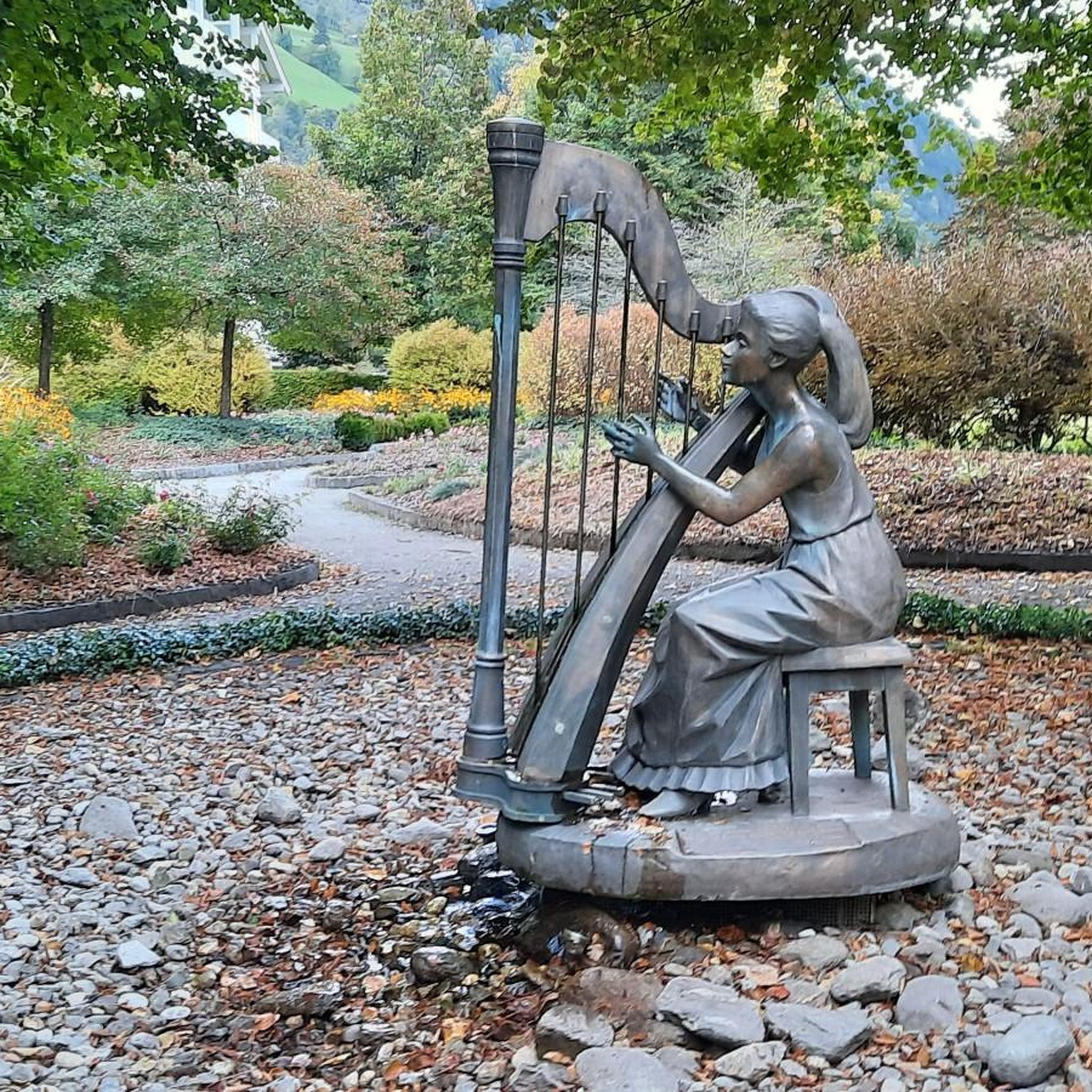
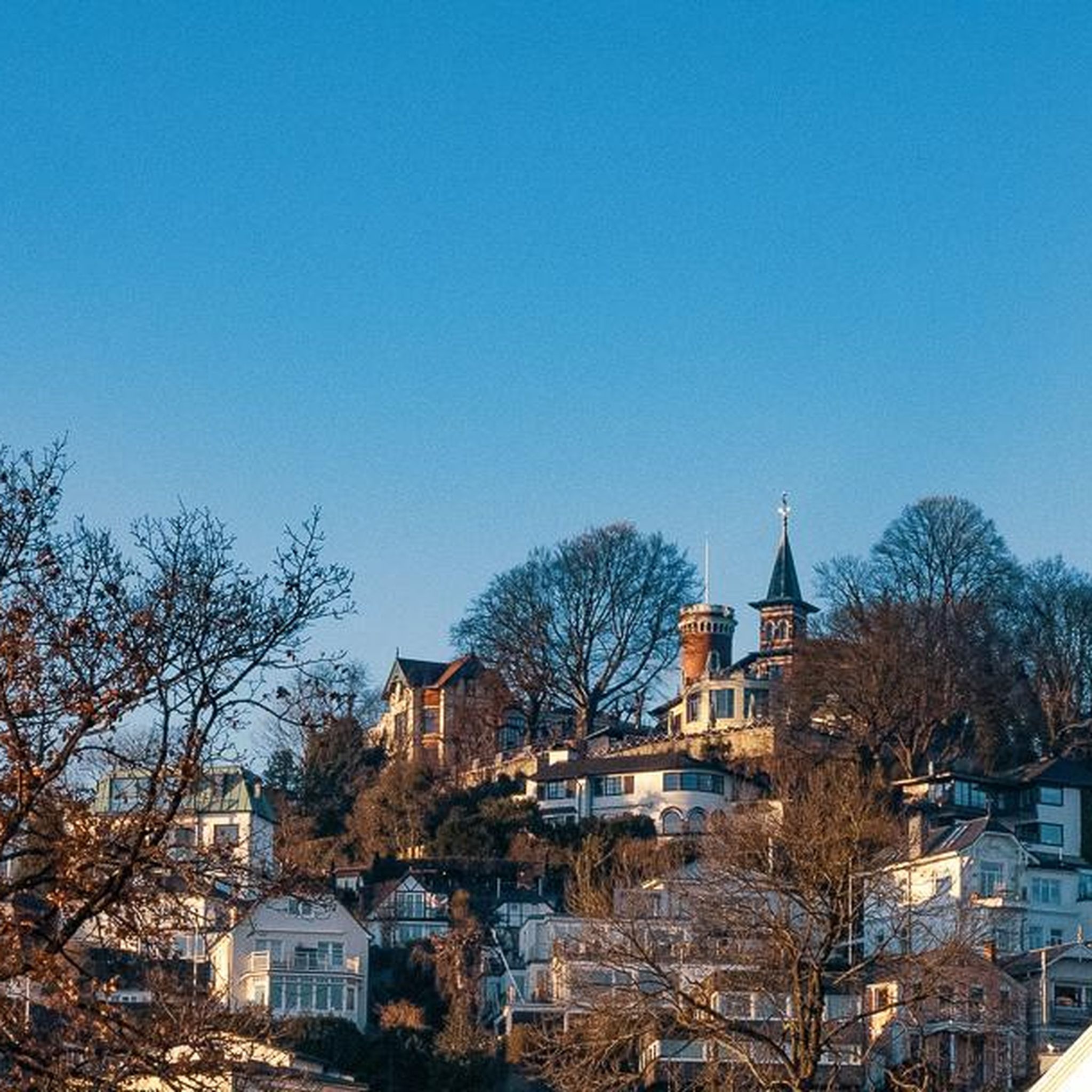
Tips from the Community

Excellent cycling path, allows gaining a lot of speed on the downhills.
0
0

The shipwreck is clearly visible from the lookout point. It's not recommended to climb down to avoid damaging the coastline.
3
0

Exciting to observe a small airport
0
0
Beautiful bike paths around the capital
4
0
Frequently Asked Questions
How many no traffic road cycling routes are available in Reykjanesfólkvangur?
There are 4 dedicated no traffic road cycling routes in Reykjanesfólkvangur featured in this guide. These routes offer a unique opportunity to explore the region's volcanic landscapes and serene lakes without vehicle interference.
What is the typical terrain and elevation like on these no traffic road cycling routes?
The routes in Reykjanesfólkvangur generally feature well-paved surfaces, making them suitable for road bikes. While the region is known for its dramatic volcanic landscape, the featured no traffic routes have moderate elevation gains. For example, the Fossvogsbakkar Shipwreck – Kópur Sculpture loop from Kopavogur has an elevation gain of approximately 118 meters over 21.9 kilometers, offering a balanced ride through varied scenery.
What natural landmarks or viewpoints can I expect to see along these routes?
Reykjanesfólkvangur is a geological wonderland. While cycling, you can experience vast lava fields and volcanic formations. Notable attractions in the broader area include the Seltún Geothermal Area with its bubbling mud pots and steaming fumaroles, and serene lakes like Djúpavatn. The landscape is shaped by the meeting of two continental plates, offering dramatic scenery throughout your ride.
Are there any easy or beginner-friendly no traffic road cycling routes?
Yes, there are routes suitable for beginners. The guide includes 1 easy route, such as the Skarfaklettur – Háubakkar loop from Elliðavatn, which covers 21.2 kilometers with a manageable elevation gain of about 134 meters. This route provides a great introduction to road cycling in the area without demanding too much fitness.
What is the best time of year to enjoy no traffic road cycling in Reykjanesfólkvangur?
The best time to cycle in Reykjanesfólkvangur is typically during the warmer months, from late spring to early autumn (May to September). During this period, the weather is milder, daylight hours are longer, and the well-paved surfaces are generally clear of snow and ice, providing optimal conditions for road cycling.
Are there any circular no traffic road cycling routes in Reykjanesfólkvangur?
Yes, all the no traffic road cycling routes listed in this guide are circular, allowing you to start and end your ride at the same point. For example, the Fossvogsbakkar Shipwreck – Nauthólsvík Geothermal Beach loop from Kopavogur is a 16.1-kilometer loop, perfect for a round trip exploration.
Is parking available near the starting points of these no traffic road cycling routes?
Parking is generally available near the starting points of many routes, especially those closer to urban areas or popular attractions. For instance, the Seltún Parking Area is a known spot in the broader region, and routes originating from places like Kopavogur or Elliðavatn typically have accessible parking options.
Can I reach the no traffic road cycling routes using public transport?
Given the proximity of Reykjanesfólkvangur to Reykjavík, some starting points for these routes may be accessible via public transport, particularly those closer to the capital region. It's advisable to check local bus schedules and routes from Reykjavík to areas like Kopavogur or Elliðavatn for specific access points.
Are the no traffic road cycling routes in Reykjanesfólkvangur suitable for families?
Yes, some of the no traffic routes are suitable for families, especially the easier ones. The Skarfaklettur – Háubakkar loop from Elliðavatn, classified as easy, offers a pleasant and safe environment for family cycling due to its traffic-free nature and moderate length and elevation.
What do other road cyclists enjoy most about no traffic road cycling in Reykjanesfólkvangur?
The komoot community highly rates the cycling experience in Reykjanesfólkvangur, with an average score of 5.0 stars. Reviewers often praise the unique, otherworldly volcanic landscapes, the tranquility of the traffic-free roads, and the opportunity to cycle through a region where two continental plates meet. The well-maintained surfaces and diverse scenery are frequently highlighted as key attractions.
Are dogs allowed on the no traffic road cycling routes?
While the routes themselves are traffic-free, regulations regarding dogs can vary within the Reykjanesfólkvangur reserve and surrounding areas. It is generally recommended to keep dogs on a leash in natural areas to protect wildlife and ensure the safety of other users. Always check specific local signage or park rules before bringing your dog.
Are there any cafes or amenities near the no traffic road cycling routes?
While the routes themselves are designed to be traffic-free and often pass through natural landscapes, amenities like cafes and shops can be found in nearby towns and villages on the Reykjanes Peninsula. Planning your route to pass through or near these settlements will allow for refreshment stops.
Most popular routes in Reykjanesfólkvangur
Most popular attractions in Reykjanesfólkvangur

Get inspired with the komoot mobile app


Explore more
Browse the best Road cycling routes in other regions.
