The best city hikes and walks in Parc Naturel Régional Du Médoc
4.5
(2058)
16,096
hikers
24
hikes
Urban hiking trails in Parc Naturel Régional Du Médoc offer diverse landscapes where the Atlantic coast meets the Gironde estuary. The region features a mix of pine forests, wetlands, and vineyards, providing varied terrain for exploration. Trails often pass through or near towns, offering accessible paths that combine natural scenery with local points of interest. The park's topography includes low elevation changes, making many routes suitable for easy urban walks.
Best urban hiking trails in Parc Naturel Régional Du Médoc
- The most popular urban hiking route is View of Euronat loop from Amérique du Nord, a 2.2 miles (3.5 km) trail that takes 52 minutes to complete. This easy route offers views of the Euronat area.
- Another top favourite among local hikers is Royan Promenade and Beach – Port of Royan loop from Royan, an easy 3.2 miles (5.1 km) path. This route explores the coastal promenade and port area of Royan.
- Local hikers also love the Port of Royan – Fort du Chay loop from Royan, a 1.6 miles (2.6 km) trail leading through coastal areas and past historical sites, often completed in about 41 minutes.
- Hiking in Parc Naturel Régional Du Médoc is defined by coastal paths, urban promenades, and accessible routes through local towns. The network offers options for different ability levels, with many easy urban hikes available.
- The routes in Parc Naturel Régional Du Médoc are highly rated by the komoot community with an average score of 4.5 stars from over 850 reviews. More than 5,900 hikers have used komoot to explore Parc Naturel Régional Du Médoc's varied terrain.
Last updated: July 9, 2026
3
hikers
3.48km
00:53
0m
0m
Easy hike. Great for any fitness level. Easily-accessible paths. Suitable for all skill levels.
4
hikers
6.40km
01:37
10m
10m
Easy hike. Great for any fitness level. Easily-accessible paths. Suitable for all skill levels.

Sign up for free
5.0
(2)
50
hikers
4.22km
01:04
10m
10m
Easy hike. Great for any fitness level. Easily-accessible paths. Suitable for all skill levels.
45
hikers
4.89km
01:17
40m
40m
Easy hike. Great for any fitness level. Easily-accessible paths. Suitable for all skill levels.
21
hikers
2.61km
00:41
20m
20m
Easy hike. Great for any fitness level. Easily-accessible paths. Suitable for all skill levels.
Get access to more routes and recommendations from other explorers.
Sign up for free
Already have an account?
Our route recommendations are based on thousands of hikes, rides, and runs completed by other people on komoot.
Start today with a free account
Your next adventure awaits.
Login or Signup
Popular around Parc Naturel Régional Du Médoc
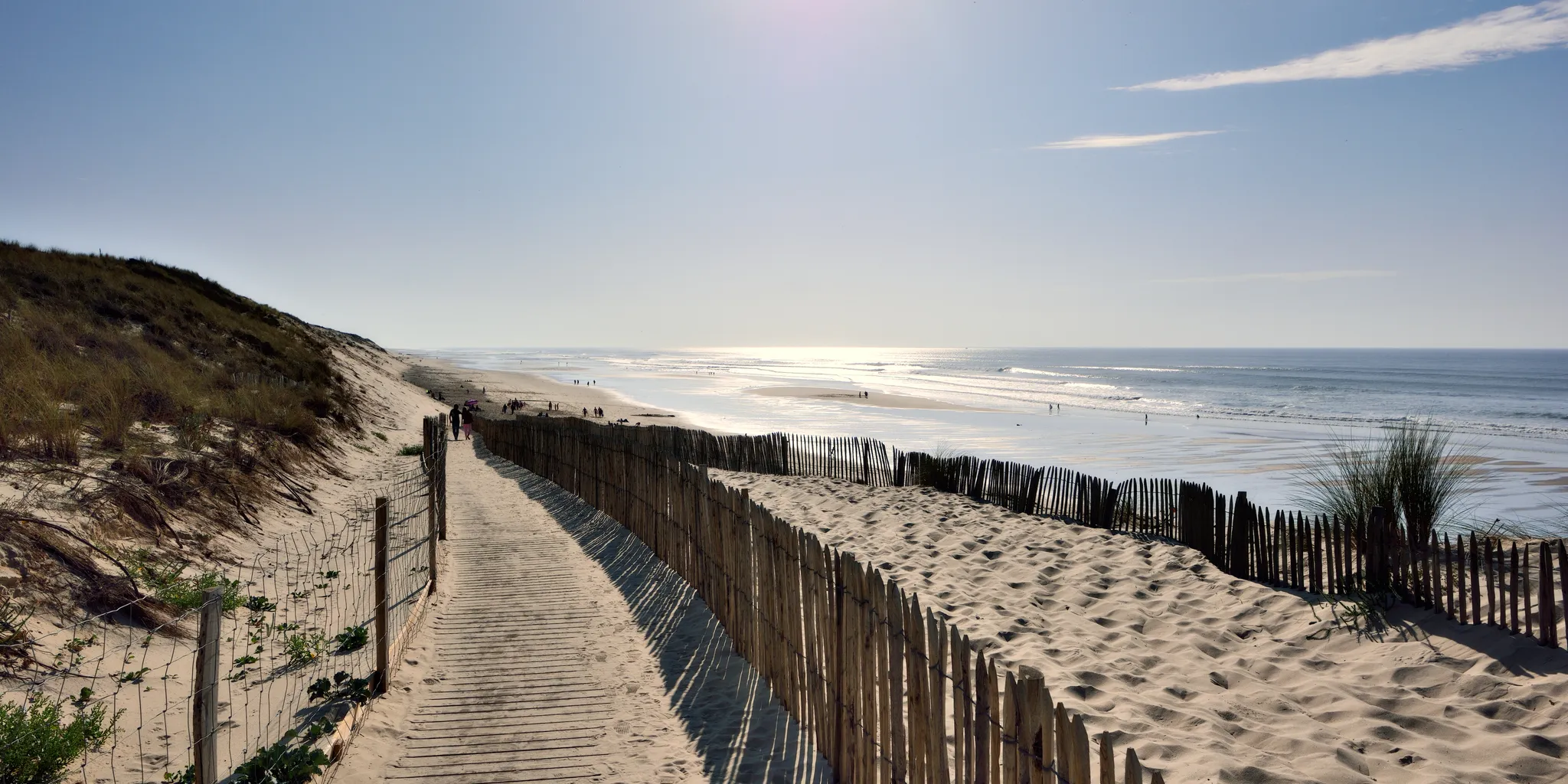
GR 8 from Hourtin to Arcachon – Beaches, dunes and forest
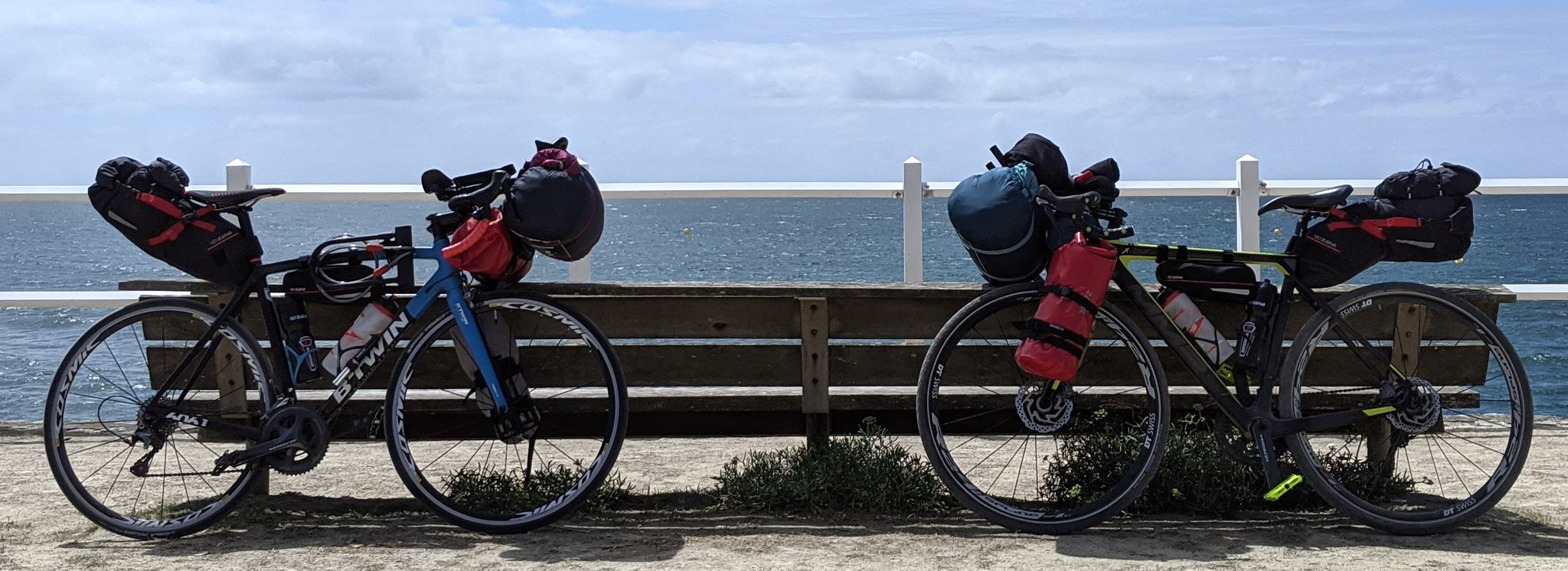
La Vélodyssée — From north to south via the ocean
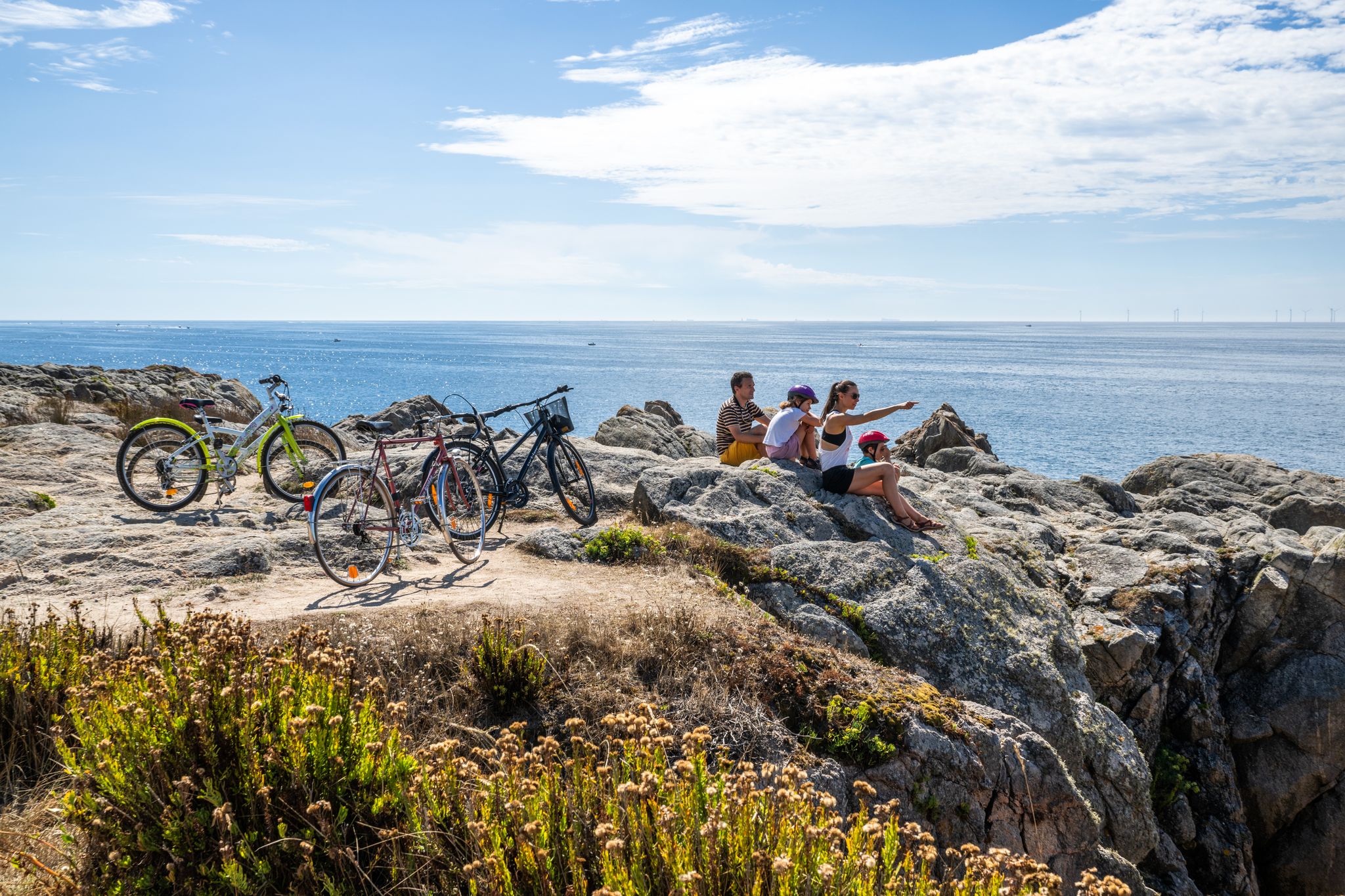
French Atlantic coast – 9 bike Tours from La Baule to Saint-Jean-de-Luz
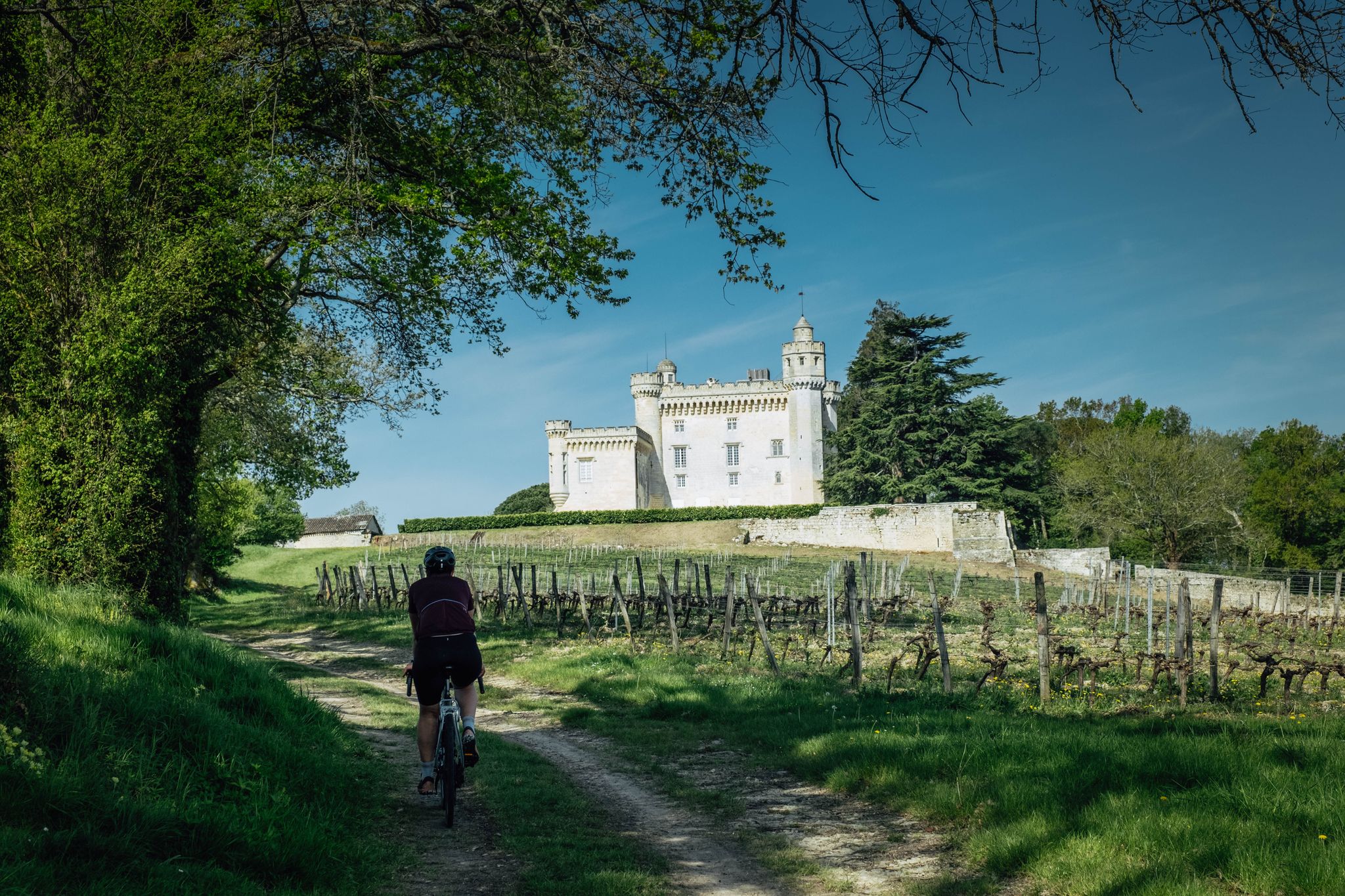
Exploring the Gironde – 10 gravel rides by train from Bordeaux
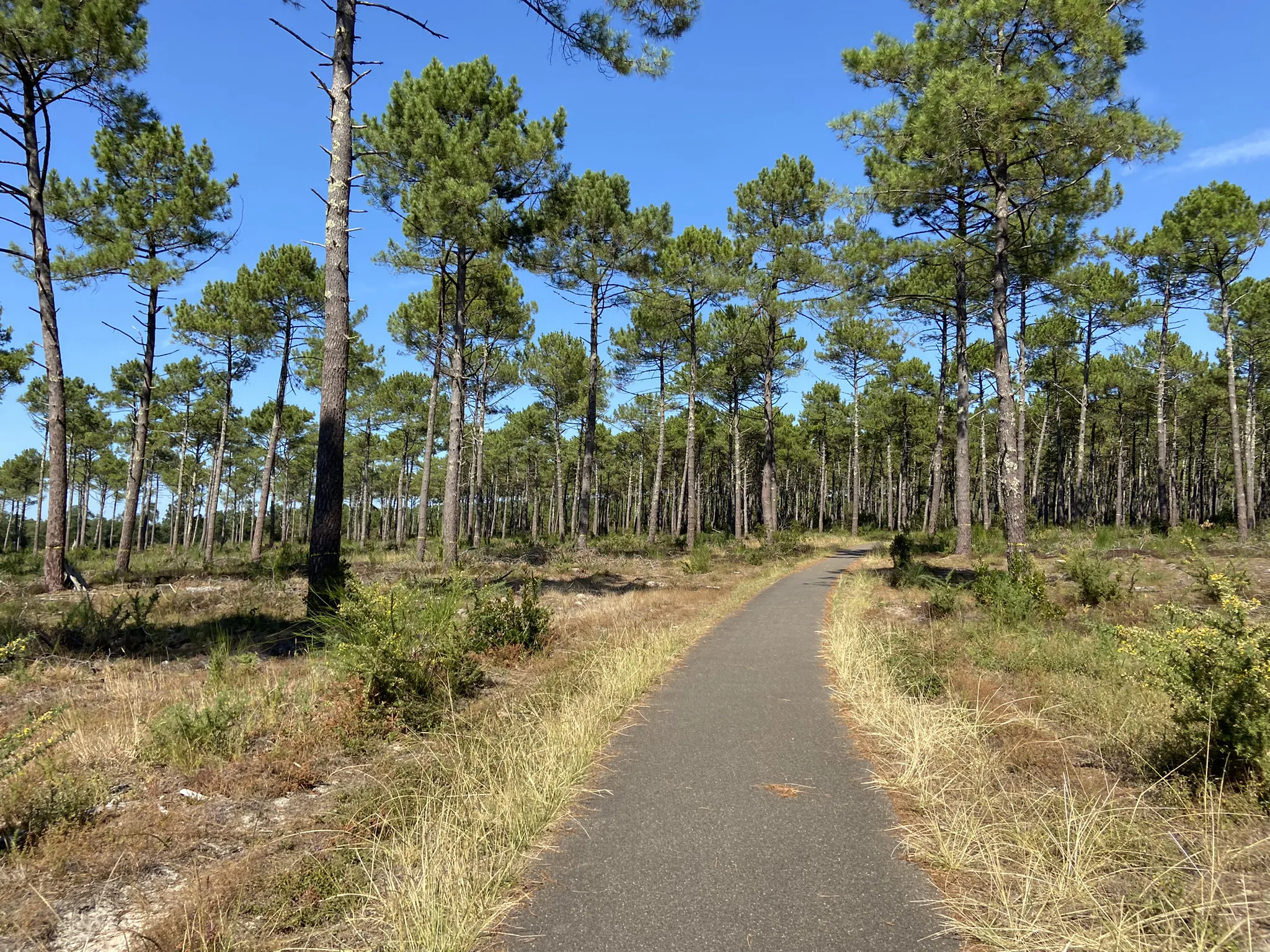
Original nature on the Atlantic coast - Odyssey from Bordeaux to Spain
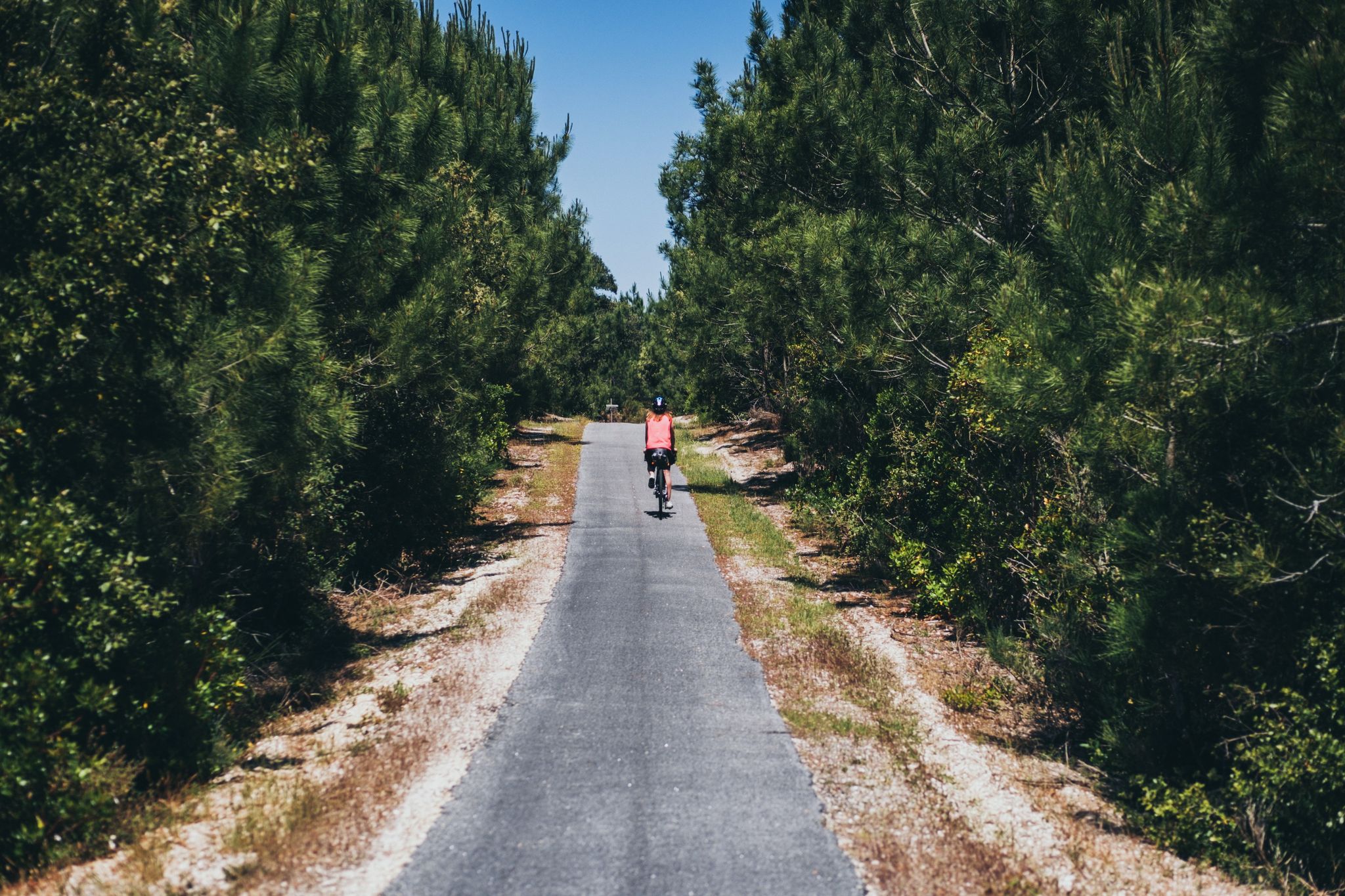
Ocean, vineyards and forests – Tour of the Gironde Estuary
Other adventures in Parc Naturel Régional Du Médoc


Tips from the Community

Built from 1955 and consecrated in 1958, the Notre-Dame de Royan church symbolizes the city standing tall and proud again. The reinforced concrete monument thus fits into the general trend of renewal in sacred art after the sad events the world experienced in the 1940s. It is considered today as a feat and a masterpiece of modern architecture. "Upon entering this concrete cathedral, be silent. Here, everything is momentum, rigor, roughness, austere beauty. The twilight sings the elusive, the divine, variable and constant like the sea." ANDRÉ MALRAUX Minister of Cultural Affairs (1958-1969)
1
0

Beautiful market hall with a great selection of regional products. Closes around noon.
0
0

The Botton Gallery appears to us at the Rond-Point de la Poste, on the left facing the Post Office. It is a shopping mall with sinuous lines. It was delivered in 1956. It took over the function of the pre-war Botton Gallery, named after the engineer Botton who in 1847 had worked on the development of the seaside resort of the time.
0
0
Frédéric Garnier is a famous man from Royan, who gave his name to the boulevard that runs along the Grande Conche beach. Frédéric Garnier became mayor at the beginning of the Third Republic and remained so from 1871 to 1905. The development of Royan at that time was his work. It was Frédéric Garnier who decided to build a promenade along the beach. The Municipal Casino, built on the Grande Conche and inaugurated in 1895, was then the largest in France. The name of Frédéric Garnier was given to the boulevard that runs along the beach from Royan to Saint-Georges-de-Didonne. This part of Royan, east of the city center, was spared from the bombings of 1945. A pedestrian promenade and a cycle path were built between the roadway and the beach. This pleasant walk gives us a glimpse of what Royan was like during the Belle Epoque with the villas and castles built between 1890 and 1930 and which escaped the bombings. Along the walk, we are surprised by the presence of a cubist-inspired villa, built after the war, next to a Belle Epoque villa, a symbolic image of the mixture of seaside architectural styles in Royan. The villas and castles of varied styles and often original inspiration generally have in common the presence of a bell tower which overhangs the roofs. The name of Emile Zola given to the avenue which leads from the boulevard Frédéric Garnier towards the inner part of the Parc district reminds us of the stays of Emile Zola from September 1886. He lived in villas, now disappeared, located on the current boulevard Frédéric Garnier.
0
0
On August 22, 1962, Robert Boisseau was awarded the contract to build an organ in the new church. On a very high gallery, Robert Boisseau built an organ with four separate bodies without ornaments with varnished mahogany bases. The back positive has a façade of 27 tin pipes arranged in a V. The large body has a façade of 23 tin pipes arranged in a miter and above the chamades. The pedal is arranged in two separate bodies. 6 engraved windchests. Window console. On May 24, 1964, Guy Morançon inaugurated an unfinished organ (24 stops on 2 keyboards). On June 20, 1969, Jacques Dussouil gave a recital on an organ equipped with the third recital keyboard (8 stops). Other games were added between 1972 and 1984. In January 2014, this large organ was completely dismantled to be restored in a specialized workshop located in Béthines in the Vienne department. It took several weeks to dismantle the 3600 pipes, the 47 games, the 3 keyboards and the pedal board. After having completely restored it in their workshop, the Poitevin organ builders reassembled the instrument piece by piece in the church. The organ, like the church, is also listed as a Historic Monument.
0
0
Completed in 1958 in response to the mayor of the time who wanted the architect Guillaume Gillet to use his church to revive the city of Royan, which had been laid low by the bombings of 1945, Notre-Dame, the concrete cathedral as André Malraux had called it, has just had a makeover. The operation, broken down into five phases of work, was spread over a period of three and a half years, the restoration of the west façade, the canopy, the roofs of the north and south aisles, the terraces, the baptistery, the portico and the high altar. It extends the restoration of the building which, since its construction, justified that interventions be carried out to ensure its nobility and sustainability. In agreement with the services of the regional directorate of cultural affairs (DRAC), the canopy was notably completed by the addition of stained glass windows installed in the upper part in strict compliance with the three-dimensional design of the existing elements. The creation of the portal, replacing the temporary door, was also the subject of lengthy discussions between the architect, the regional conservation of historic monuments and Guillaume Gillet's beneficiaries. The project of a transparent glass airlock initially imagined was finally abandoned and made way for a magnificent monumental wooden door, closer to the sketches found in the archives of the original designer. A cross, made up of an assembly of "V"s similar to those that allowed Bernard Lafaille to structure the church, also appeared on the initial building permit. However, it had never been implemented. Not planned as part of the construction site, its manufacture and installation in the upper part of the canopy were finally made possible thanks to the assistance of the Association for the Defense of the Church of Royan (ADER). But, in addition to the historical interest of this operation, it is the decision to restore certain architectural elements that undoubtedly marks an important step in the conservation of concrete buildings inherited from the Modern and Reconstruction movements. During the project management studies, a partnership with the Historical Monuments Research Laboratory (LRMH) made it possible to define the degree of alteration of the facings and structures, to determine the correct formulation of the leveling compounds and to specify the intervention protocols. The church was classified as a Historic Monument in 1988.
0
0
The Place Charles-de-Gaulle that we know today is the result of major renovation and restructuring work carried out in 2015. The Brigade-RAC square, on the left of the square when looking towards the market, has been redeveloped with new plantings and is directly connected to the square. The surface of the square has been renewed, new red concrete slabs, with a gray mesh, have been laid. Place Charles-de-Gaulle is often called "the red square" by the people of Royan. Place Charles-de-Gaulle hosts throughout the year, the events and demonstrations that mark the lives of the people of Royan and vacationers. At Place Charles de Gaulle, where Boulevard de la République and Rue Gambetta meet, Boulevard Briand leads to the Marché Central.
0
0
The port of Royan is located between the Foncillon district and the Grande Conche beach, in the heart of the city. Ideally located at the mouth of the Gironde, in the immediate vicinity of the Atlantic Ocean and opposite Port-Médoc, it consists of a marina with a thousand rings and a fishing port, specializing in “noble” species (sole, meagre, sea bass, etc.). You will find the harbor master's office, the Fishing Port and the auction, as well as a covered shopping arcade, “Les voûtes du Port”, which extends the shopping arcades of the “Front de Mer”. Port, 1100 sheltered places – Reception pontoon – Secure pontoons. Access pass is 0.30 m above the zero of the nautical charts. Basins after dredging 2.30 m from the zero of the nautical charts. Services: water, electricity (220 V) on pontoon, toilets, WC, showers, handling in closed technical area, recovery of careening water, grey water and black water pumps, maintenance and ship repair workshops, ship chandlers on the port, wifi, 24/24 CB fuel, slipway. V.H.F. 9. The port is sheltered from all winds because it is protected by the landing stage of the ferries which ensure the crossing of the Gironde for the crossings to the Pointe de Grave/Le Verdon-sur-Mer.
1
0
Frequently Asked Questions
How many urban hiking trails are available in Parc Naturel Régional Du Médoc?
There are over 25 urban hiking trails in Parc Naturel Régional Du Médoc, offering a variety of experiences. Most of these, 22 to be precise, are rated as easy, making them accessible for many hikers.
What kind of landscapes can I expect on urban hikes in Parc Naturel Régional Du Médoc?
Urban hikes in the Médoc region often blend the charm of towns with the natural beauty of the surrounding area. You can expect to encounter diverse landscapes, from the tranquil Gironde estuary and its coastal towns to the edges of vast pine forests and even renowned vineyards. Some routes might take you along the Atlantic coast, offering views of sandy beaches and dunes.
Are there any circular urban hikes in Parc Naturel Régional Du Médoc?
Yes, many urban hikes in the region are designed as loops, allowing you to start and end at the same point. For example, you could explore the Royan Promenade and Beach – Port of Royan loop from Royan or the Royan city center — loop, which offers a pleasant circuit through the town.
What are some interesting landmarks or attractions I can see along urban trails?
Urban trails in the Médoc often pass by notable attractions. You might find yourself near the historic Fort Médoc, or exploring coastal towns with their unique architecture. Some routes offer glimpses of the famous Médoc vineyards. For example, the Château de Camblanes-et-Meynac loop from Eysines takes you near a château, blending urban exploration with historical sites.
Are urban hikes in Parc Naturel Régional Du Médoc suitable for families?
Absolutely. With 22 easy-rated routes, many urban hikes are well-suited for families. These trails typically have minimal elevation gain and cover shorter distances, making them enjoyable for all ages. Look for routes that explore town centers or coastal promenades for a relaxed family outing.
Can I bring my dog on urban hiking trails in the Médoc?
Many urban trails in Parc Naturel Régional Du Médoc are dog-friendly, especially those that follow promenades or less wild areas. However, it's always best to check local signage for specific regulations, particularly in protected natural areas or during certain seasons. Always keep your dog on a leash and clean up after them.
What is the best time of year to go urban hiking in Parc Naturel Régional Du Médoc?
The Médoc region is pleasant for urban hiking throughout much of the year. Spring and autumn offer mild temperatures and beautiful scenery, especially if you're exploring vineyards or coastal paths. Summer can be warm, but coastal breezes make it enjoyable, and winter offers a quieter experience, though some facilities might have reduced hours.
Are there opportunities for wildlife spotting on urban hikes?
While urban hikes are primarily focused on towns and their immediate surroundings, the Médoc's rich natural environment means you might still encounter wildlife. Near the Gironde estuary or along coastal paths, you could spot various bird species. The region is known for its diverse ecosystems, including migratory birds and even deer in less developed areas.
What do other hikers say about urban trails in Parc Naturel Régional Du Médoc?
The urban trails in Parc Naturel Régional Du Médoc are highly rated by the komoot community, with an average score of 4.46 stars from over 850 reviews. Reviewers often praise the accessibility of the routes, the blend of natural beauty with town exploration, and the well-maintained paths suitable for a relaxed stroll.
Are there any urban trails that offer views of the Atlantic coast or the Gironde estuary?
Yes, several urban trails provide excellent views of the region's prominent waterways. For instance, the Port of Royan – Fort du Chay loop from Royan offers coastal vistas, while other routes in towns along the Gironde estuary provide scenic perspectives of Europe's largest estuary.
Can I find urban hikes that include stops at cafes or local shops?
Many urban hikes in the Médoc region pass directly through or near town centers, making it easy to combine your walk with a stop at a local cafe, restaurant, or shop. Routes in towns like Royan or Soulac-sur-Mer are particularly good for this, allowing you to experience local culture and cuisine.
Most popular routes in Parc Naturel Régional Du Médoc
Most popular attractions in Parc Naturel Régional Du Médoc

Get inspired with the komoot mobile app


