NSG Brachter Wald und Heidemoore
NSG Brachter Wald und Heidemoore
Attractions and Places To See around NSG Brachter Wald und Heidemoore - Top 20
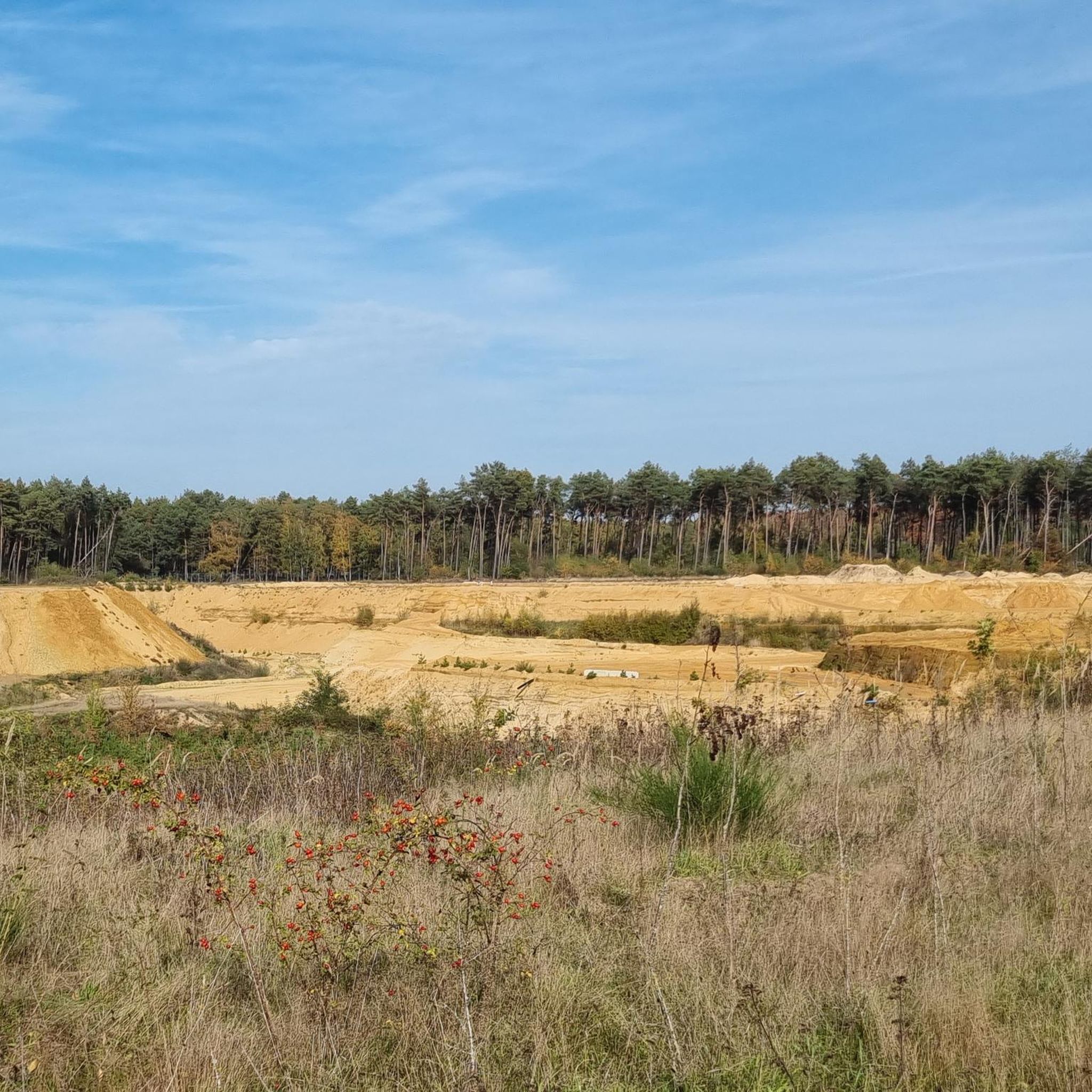
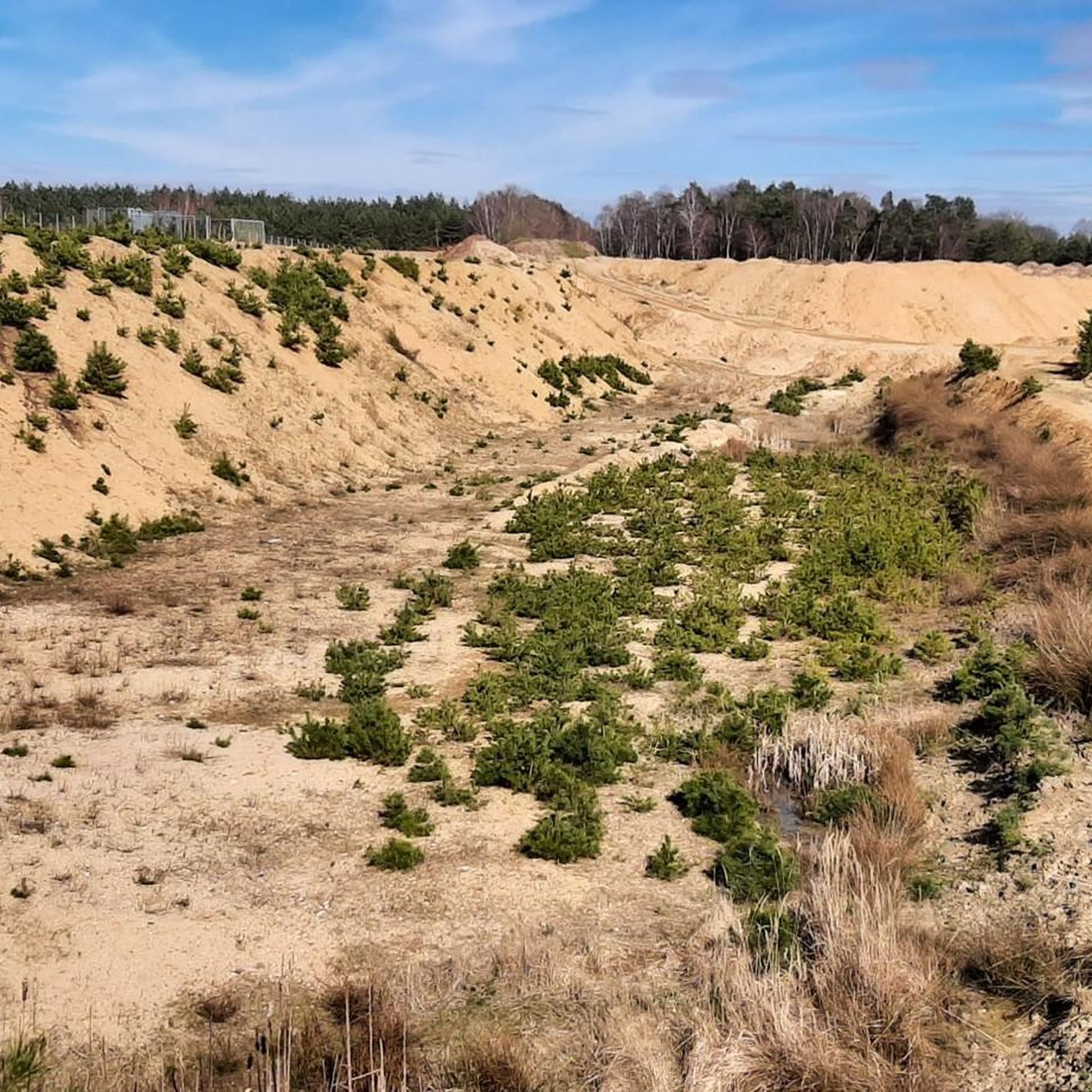
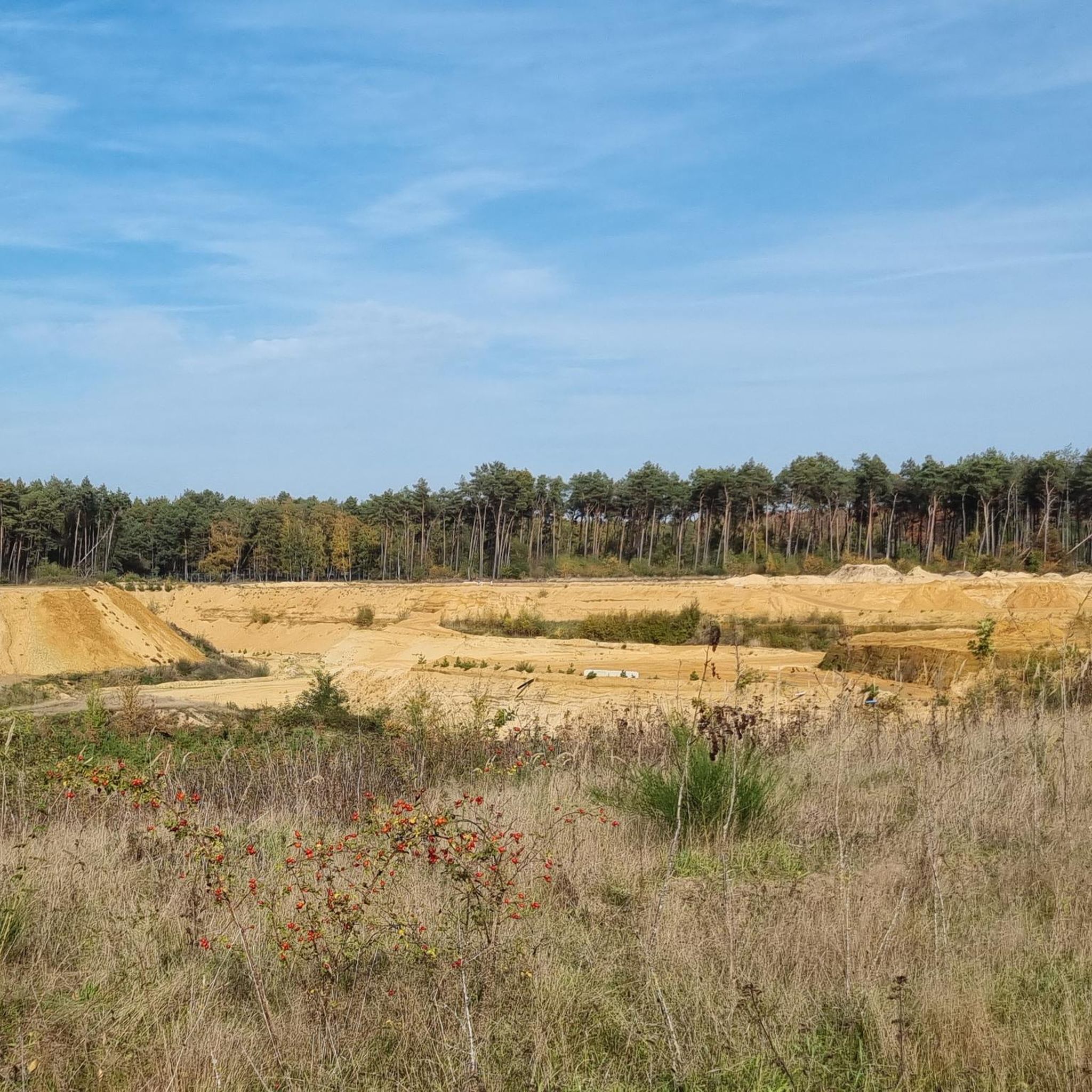
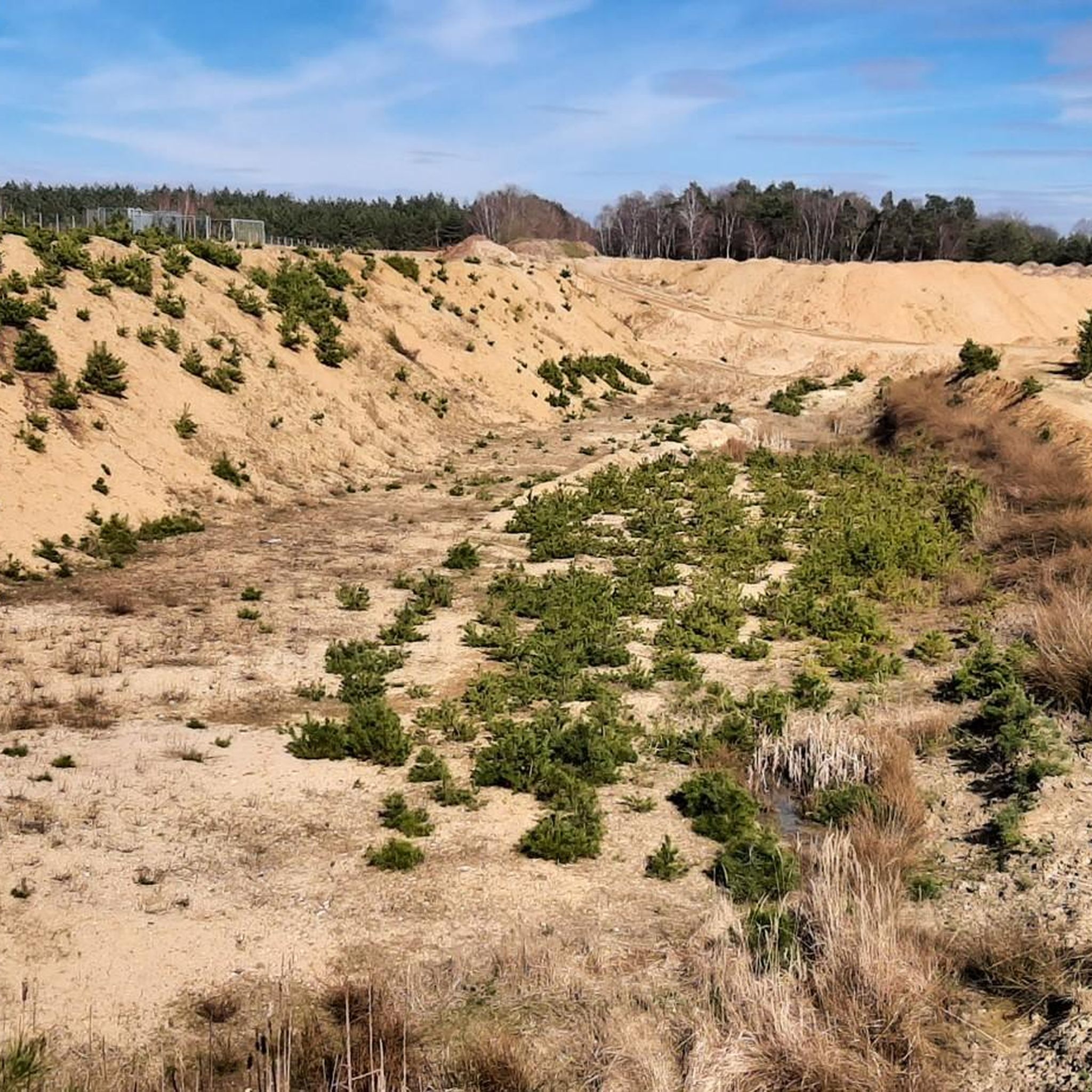
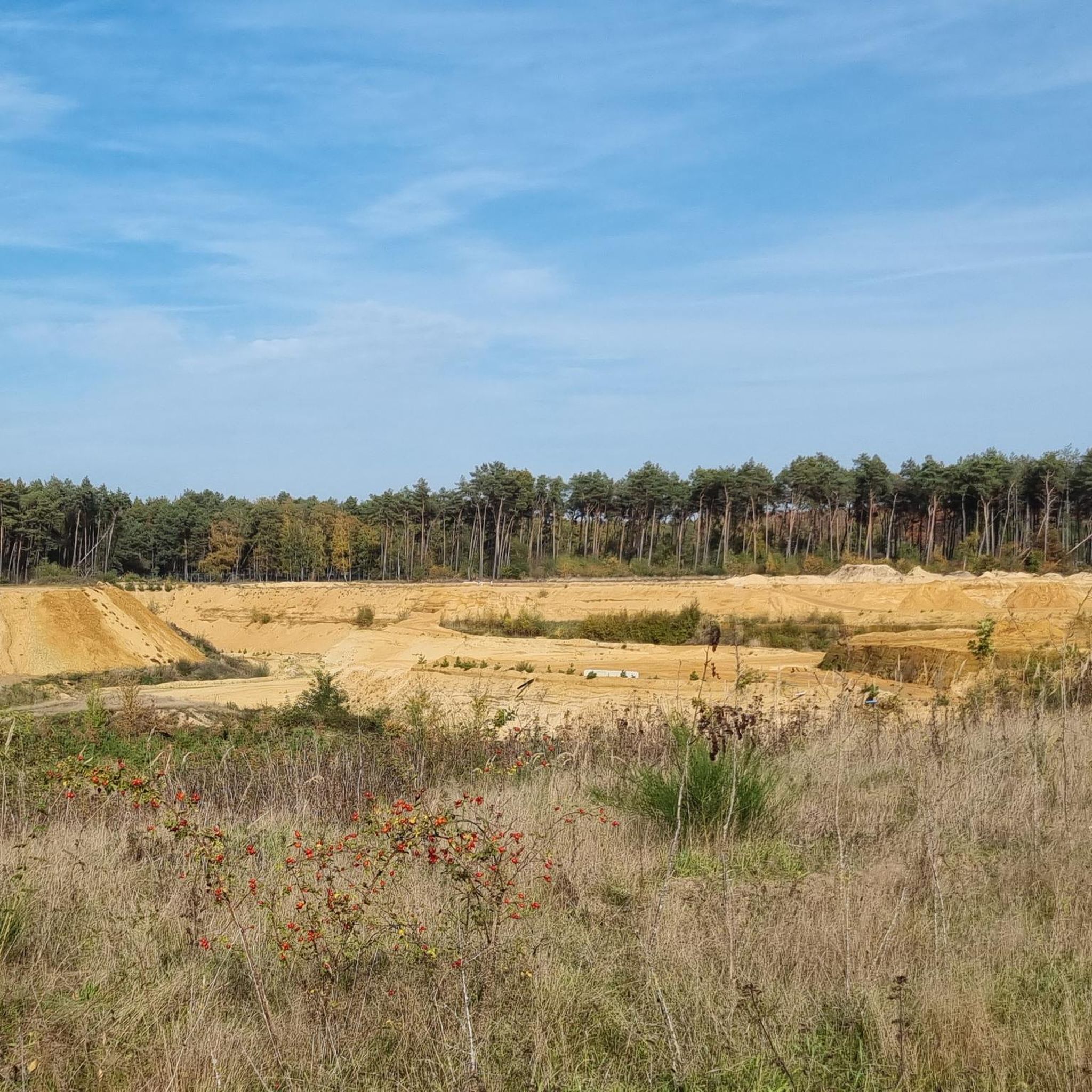
Best attractions and places to see around NSG Brachter Wald und Heidemoore feature a unique landscape in North Rhine-Westphalia, Germany. This nature reserve, once a British army munitions depot, now offers expansive heathlands, pine forests, and protected biotopes like inland sand dunes and wetlands. The area is ecologically valuable, providing habitat for diverse flora and fauna, including Konik horses and various bird species. Remnants of its military past, such as splinter walls and former railway tracks, are still visible.
Best attractions and places to see around NSG Brachter Wald und Heidemoore
- The most popular attractions is Brachter Wald Nature Reserve, a forest that features well-maintained paths suitable for cycling through its forest and heathland landscapes. This area, formerly a British ammunition depot, offers insights into its past while showcasing its natural beauty.
- Another must-see spot is Brachter Wald Nature Reserve, a forest and nature reserve. Here, visitors can observe Konik horses, a pony breed that helps preserve the natural environment through grazing.
- Visitors also love Former Brüggen-Bracht Ammunition Depot, a historical site. This nature reserve features wide paved roads and visible remains of military buildings, creating a distinct atmosphere where deer are frequently spotted.
- NSG Brachter Wald und Heidemoore is known for its diverse natural features, historical sites, and viewpoints. The region offers a variety of attractions to see and explore, from expansive heathlands to remnants of its military history.
- The attractions around NSG Brachter Wald und Heidemoore are appreciated by the komoot community, with over 1000 upvotes and more than 100 photos shared.
Last updated: July 6, 2026
Brachter Wald Nature Reserve
Highlight • Forest
Translated by Google •
Tip by

Brachter Wald Nature Reserve
Highlight • Forest
Translated by Google •
Tip by

Sign up now to discover places like this
Get recommendations on the best single tracks, peaks, & plenty of other exciting outdoor places.
Sign up for free
Brachter Wald Nature Reserve
Highlight • Forest
Translated by Google •
Tip by

Former Brüggen-Bracht Ammunition Depot
Highlight • Historical Site
Translated by Google •
Tip by

Turnstile gate into Brachter Wald
Highlight • Rest Area
These revolving gates are easy to get through by bike. But I'm wondering how this works with a seat bike, wheelchair or similar?
There is an extra gate and a corresponding sign, but this extra gate is locked.
Translated by Google •
Tip by
Sign up for free to discover even more attractions around NSG Brachter Wald und Heidemoore.
Sign up for free
Already have an account?
Start today with a free account
Your next adventure awaits.
Login or Signup
Popular around NSG Brachter Wald und Heidemoore
Hiking around NSG Brachter Wald und Heidemoore
Cycling around NSG Brachter Wald und Heidemoore
Road Cycling Routes around NSG Brachter Wald und Heidemoore
Running Trails around NSG Brachter Wald und Heidemoore

Gravel biking around NSG Brachter Wald und Heidemoore
MTB Trails around NSG Brachter Wald und Heidemoore
Tips from the Community

No cars and lots of nature
2
1

It's quite impressive to think of the vast amounts of ammunition stored here. Now nature is reclaiming the area.
3
1

The Brachter Wald is a nature reserve in North Rhine-Westphalia, located west of Bracht, on the high terrace of the Meuse. The height of this wooded area exceeds 60 metres in some places. The area covers over 1328 ha and is part of the Grenspark Maas-Swalm-Nette. From 1948 to 1996, there was an extensive ammunition depot of the British Rhine Army, one of the largest in Europe. When this depot was sold off, the area came into the hands of nature conservation organisations. From 1998, cycle and walking paths were constructed and in 2000 it was given the status of nature reserve. To the west, the area is bordered by a steep edge from the high to the middle terrace of the Meuse. This coincides almost entirely with the German-Dutch border. To the north lies the Ravensheide and Kaldenkerken and in the south the area changes into the Brüggener Wald and the Diergardtscher Wald. Further south lies the valley of the Swalm with the nature reserve Elmpter Schwalmbruch.
1
0

Here you have the whole range of paths: tarred, gravelled, grass trails, sand trails,... flat, rising, falling,... and on top of that, pure nature.
7
1

A great area for cycling and hiking.
3
1

The Brüggen-Bracht ammunition depot, also known as the "3 Base Ammunition Depot" (3 BAD), was the most important ammunition depot of the British armed forces in Western Europe. It was used from 1948 to 1996 and after the British withdrew it became the property of the North Rhine-Westphalia Foundation for Nature Conservation, Homeland and Cultural Heritage and the Economic Development Company for the Viersen District. The site is located about three kilometers northwest of Brüggen and covered an area of 1,600 to 1,800 hectares. In the final phase, the depot included around 200 halls and storage areas in which the 20,000 to 50,000 tons of ammunition were stored. While in the early years so-called "open sites" or small and large corrugated iron huts without foundations were used, from the second half of the 1950s onwards splinter protection walls were built around storage areas and halls with concrete foundations. Depending on the hazard class of the stored ammunition, the floor area of the halls and the height of the splinter protection walls were coordinated to limit the damage to a small area in the event of a detonation. => https://www.kuladig.de/Objektansicht/O-68099-20130625-2
6
0

It's quite interesting to drive through here.
4
1

Depending on the route you choose, the Brachter Forest allows you to cycle for kilometers without worries
5
1
Frequently Asked Questions
What unique natural features can I explore in NSG Brachter Wald und Heidemoore?
The reserve is known for its expansive heathlands, pine forests, and protected biotopes like open inland sand dunes and standing waters. It's one of the largest heathland areas in North Rhine-Westphalia, offering diverse landscapes to discover.
Can I see wildlife like Konik horses or deer in the area?
Yes, the area is home to Konik horses and fallow deer, which help maintain the open heathland. You might spot them from an approximately 8-meter high observation platform. Visitors to the Brachter Wald Nature Reserve often report seeing Konik horses, and deer are frequently sighted, especially around the Former Brüggen-Bracht Ammunition Depot.
What is the historical significance of NSG Brachter Wald und Heidemoore?
The area served as a large munitions depot for the British Rhine Army from 1948 to 1996. This history is still visible through remnants like splinter walls, former railway tracks, loading ramps, fire ponds, bunkers, and ring stands, creating a unique atmosphere.
Are there marked hiking trails in NSG Brachter Wald und Heidemoore?
Yes, the reserve features a network of marked hiking trails. The 'Brachter Wald-Pfad' is a 5.2 km circular trail, and other colored routes (red, white, green, blue) guide visitors. A white circular route extends about 21 km through the former depot. For more options, explore easy hikes around NSG Brachter Wald und Heidemoore.
What kind of cycling opportunities are available in the reserve?
The paths in the former ammunition depot, such as those in the Brachter Wald Nature Reserve, are well-maintained and suitable for various types of bicycles. You can find routes that take you through forest and heathland landscapes. For detailed cycling routes, check out cycling guides around NSG Brachter Wald und Heidemoore.
Are there family-friendly attractions or facilities in the area?
The reserve offers natural experiences that can be enjoyed by families. Near the 'Langes Venn – Galgenvenn' loop, you'll find House Galgenvenn, which includes a restaurant with a children's playground, making it a suitable stop for families.
What is the best time to visit NSG Brachter Wald und Heidemoore?
The reserve offers different experiences throughout the year. The heathlands are particularly beautiful when in bloom, typically in late summer. However, the diverse landscapes and wildlife can be enjoyed in all seasons, with each offering its own unique charm.
Where can I find viewpoints to observe the landscape?
An approximately 8-meter high observation platform provides panoramic views of the diverse landscape, offering excellent opportunities to spot wildlife like fallow deer and Konik horses. This viewpoint is a popular spot within the Brachter Wald Nature Reserve.
Are there any specific rules or regulations visitors should be aware of?
As a protected area and part of the European ecological network 'Natura 2000,' visitors are required to stay on marked paths. Disturbing wildlife or removing plants is prohibited to preserve the natural integrity of the reserve.
What kind of flora and fauna make the Brachter Wald unique?
The nutrient-poor soils of the former depot have fostered a unique ecosystem. It's the only location in Germany where grey heather grows. The area is also a vital habitat for various threatened plant and animal species, including the European nightjar, woodlark, stonechat, natterjack toad, and sand lizard.
Are there any historical bunkers or military structures still visible?
Yes, remnants of the former British munitions depot are still visible. These include splinter walls, former railway tracks, loading ramps, fire ponds, bunkers, and ring stands, particularly noticeable within the Former Brüggen-Bracht Ammunition Depot area.
What are the options for road cycling around NSG Brachter Wald und Heidemoore?
The region offers various road cycling routes that allow you to explore the surrounding areas. You can find routes that take you through heathland and past local landmarks. For detailed road cycling options, refer to the Road Cycling Routes around NSG Brachter Wald und Heidemoore guide.
Most popular routes around NSG Brachter Wald und Heidemoore
Most popular attractions around NSG Brachter Wald und Heidemoore

Get inspired with the komoot mobile app


Explore more
Still not found the Highlight you’re looking for? See guides of the top attractions in other regions:
