The best traffic-free bike rides in Réserve Biologique Dirigée Du Vallon Des Moixoses
4.1
(337)
12,077
riders
17
rides
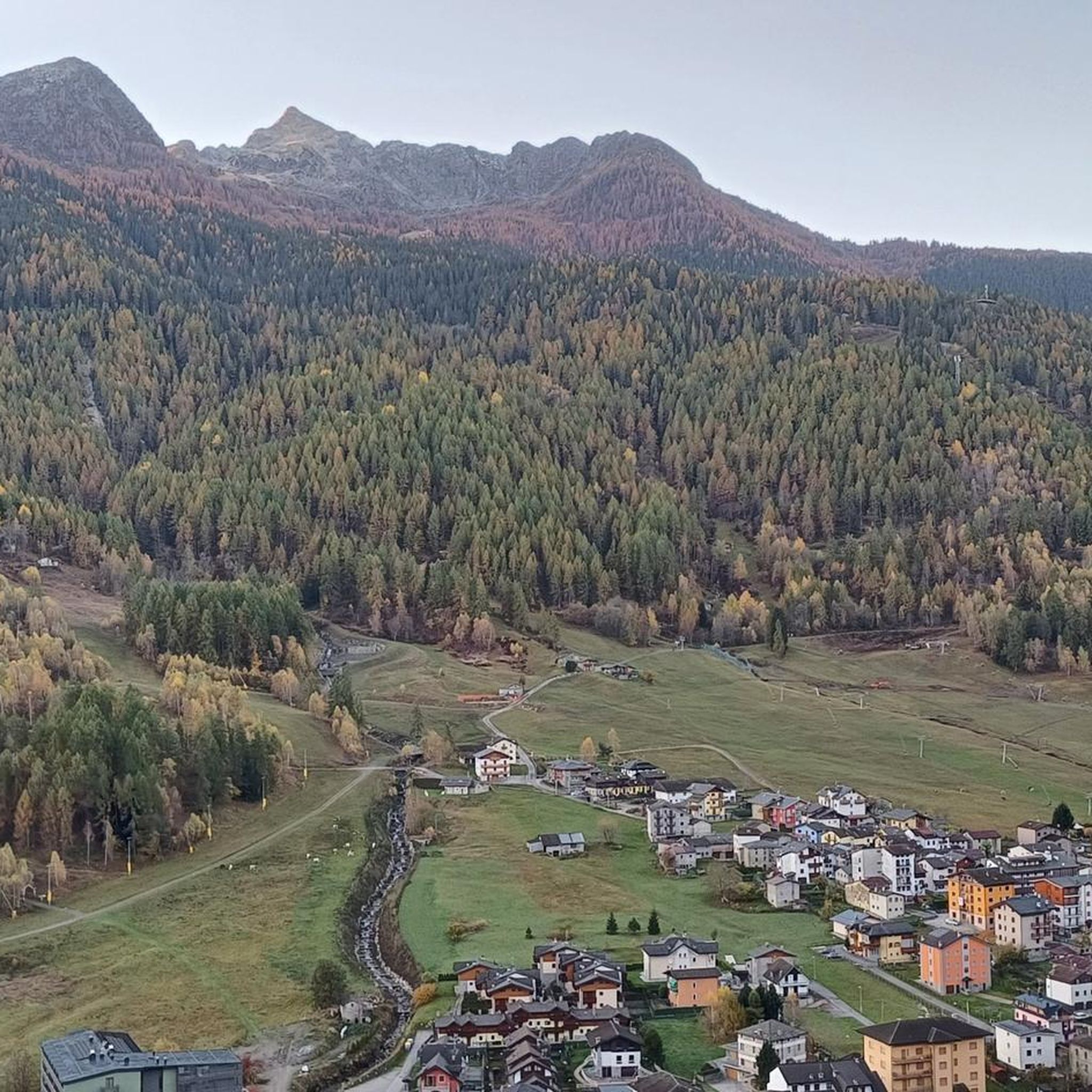
No traffic road cycling routes in Réserve Biologique Dirigée Du Vallon Des Moixoses traverse a landscape characterized by mature forests and glacial valleys within the Parc Naturel Régional des Pyrénées Catalanes. The region features varied topography, with mountain peaks providing a dramatic backdrop, including the Massif du Canigou. Road cyclists encounter winding roads and terrain that ranges from challenging ascents to more gradual paths. The area is known for its natural beauty, offering diverse scenery for cycling.
Best no traffic road cycling routes in Réserve Biologique Dirigée Du Vallon Des Moixoses
- The most popular no traffic road cycling route is Saint-Cyprien Beach – Laroque-des-Albères loop from Sorède, a 31.3 miles (50.3 km) trail that takes 2 hours 16 minutes to complete, offering a moderate challenge through varied terrain.
- Another top favourite among local road cyclists is Argelès-sur-Mer Old Town – Under the Bridge loop from Laroque-des-Albères, a moderate 15.4 miles (24.7 km) path. This route provides views of coastal areas and local towns.
- Local road cyclists also love the Saint-André Church, Sorède – Ortaffa loop from Saint-André, a 12.1 miles (19.5 km) trail leading through rural landscapes, often completed in about 49 minutes.
- Road cycling in Réserve Biologique Dirigée Du Vallon Des Moixoses is defined by winding roads, views of mountain peaks, and mature forests. The network offers options for different ability levels, from easy loops to more challenging routes.
- The routes in Réserve Biologique Dirigée Du Vallon Des Moixoses are highly rated by the komoot community with an average score of 4.3 stars from more than 300 reviews. More than 9,000 road cyclists have used komoot to explore Réserve Biologique Dirigée Du Vallon Des Moixoses's varied terrain.
Last updated: July 9, 2026
4.0
(3)
48
riders
52.7km
02:31
190m
190m
Moderate road ride. Good fitness required. Some segments of this route may be unpaved and difficult to ride.
5.0
(1)
15
riders
24.5km
01:09
150m
150m
Easy road ride. Great for any fitness level. Mostly well-paved surfaces and easy to ride.

Sign up for free
6
riders
20.0km
00:53
160m
160m
Easy road ride. Great for any fitness level. Mostly well-paved surfaces and easy to ride.
28
riders
Easy road ride. Great for any fitness level. Mostly well-paved surfaces and easy to ride.
11
riders
16.1km
00:44
180m
180m
Easy road ride. Great for any fitness level. Mostly well-paved surfaces and easy to ride.
Get access to more routes and recommendations from other explorers.
Sign up for free
Already have an account?
Our route recommendations are based on thousands of hikes, rides, and runs completed by other people on komoot.
Start today with a free account
Your next adventure awaits.
Login or Signup
Popular around Réserve Biologique Dirigée Du Vallon Des Moixoses

Tips from the Community

Not recommended. Very bad roads for a road bike and especially very busy and partly dangerous.
0
0


Allows you to cross the Villeneuve road safely
0
0

Good and fast service even for technically complex damage to the mountain bike engine.
0
0
B.S Cycles, good service even for technically demanding repairs on the Brose motor of the mountain bike.
0
0


This listed cemetery is distinguished by its heritage character and its Saint-Saturnin church, which dates from the 12th century. It is embellished by the mountainous landscape in the background.
0
0

The cycle path between Sorède and Argelès-sur-Mer, about 8 to 10 kilometres long, connects the mountainous interior with the Mediterranean coast, offering a picturesque and accessible route for cyclists of all levels.
1
0
Frequently Asked Questions
How many no traffic road cycling routes are available in Réserve Biologique Dirigée Du Vallon Des Moixoses?
There are over 10 dedicated no traffic road cycling routes in and around the Réserve Biologique Dirigée Du Vallon Des Moixoses, offering a variety of distances and difficulty levels for a peaceful ride.
What is the best time of year for no traffic road cycling in this region?
The Pyrénées-Orientales region generally offers good cycling conditions from spring through autumn. While specific seasonal considerations for the Réserve Biologique Dirigée Du Vallon Des Moixoses itself are not detailed, the broader Parc Naturel Régional des Pyrénées Catalanes is known for its varied climate. Spring and early autumn typically provide pleasant temperatures and less extreme weather, ideal for exploring the winding roads and scenic vistas.
What do other road cyclists enjoy most about cycling in Réserve Biologique Dirigée Du Vallon Des Moixoses?
The area is highly rated by the komoot community, with an average score of 4.27 stars from over 300 reviews. Cyclists often praise the region's diverse landscapes, the challenge of its mountain passes, and the opportunity to experience the natural beauty of the Pyrenees away from heavy traffic.
Are there any easy or family-friendly no traffic road cycling routes?
Yes, there are 5 easy routes available. For instance, the Saint-André Church, Sorède – Ortaffa loop from Saint-André is an easy option, covering just under 20 km with minimal elevation gain, making it suitable for a relaxed ride.
Are there challenging no traffic road cycling routes for experienced riders?
Absolutely. The region, part of the Pyrénées Catalanes, is known for its challenging terrain and mythical cols. For a difficult route, consider the Banyuls Pass – Collioure loop from Argelès-sur-Mer, which spans over 112 km with nearly 2000 meters of elevation gain, offering a significant test for experienced cyclists.
What kind of terrain and elevation can I expect on these routes?
The Réserve Biologique Dirigée Du Vallon Des Moixoses and its surroundings offer varied terrain. You'll find routes with gentle undulations, such as the Argelès-sur-Mer Old Town – Under the Bridge loop from Laroque-des-Albères with about 150 meters of ascent over 24 km. However, the broader region is characterized by significant mountain passes and challenging climbs, with some peaks exceeding 2,900 meters in the Pyrénées Catalanes, providing options for all levels of climbing ambition.
Are there any circular no traffic road cycling routes available?
Many of the routes in this guide are designed as loops, allowing you to start and end at the same point. Examples include the Saint-Cyprien Beach – Laroque-des-Albères loop from Sorède, which offers a moderate 50 km ride, and the Laroque-des-Albères – Sorède -Villelongue loop from Argelès-sur-Mer.
What landmarks or viewpoints can I see along the no traffic road cycling routes?
While cycling in the area, you can encounter several notable points of interest. These include the Coll de l'Estaca, a mountain pass offering scenic views, and the impressive Pic dels Quatre Termes summit. The dominant Massif du Canigou also provides a dramatic backdrop throughout the Pyrénées-Orientales.
Is parking available near the no traffic road cycling routes?
Given the region's popularity for outdoor activities, parking is generally available in the towns and villages that serve as starting points for these routes, such as Sorède, Argelès-sur-Mer, or Laroque-des-Albères. It is advisable to check local signage for specific parking regulations.
Are dogs allowed on the no traffic road cycling routes?
While the Réserve Biologique Dirigée Du Vallon Des Moixoses is a protected natural area, specific regulations regarding dogs on cycling routes can vary. Generally, dogs on a leash are often permitted on public roads and designated paths. However, it's always best to check local park rules or specific route guidelines, especially within a biological reserve, to ensure compliance and respect for wildlife.
Are there places to eat or stay near the no traffic road cycling routes?
Yes, the towns and villages surrounding the Réserve Biologique Dirigée Du Vallon Des Moixoses, such as Sorède, Argelès-sur-Mer, and Céret, offer a range of amenities including cafes, restaurants, and various accommodation options like gîtes and camping sites. These provide convenient bases for your cycling adventures.
Are there any specific regulations or permits needed for cycling in the Réserve Biologique Dirigée Du Vallon Des Moixoses?
As a Réserve Biologique Dirigée, there may be specific regulations in place to protect the natural environment. While general road cycling on public roads is usually permitted, access to certain sensitive areas or trails within the reserve might be restricted or require permits. It's always recommended to consult the official website of the Parc Naturel Régional des Pyrénées Catalanes or local tourist information for the most up-to-date regulations regarding cycling within the reserve boundaries.
Most popular routes in Réserve Biologique Dirigée Du Vallon Des Moixoses
Most popular attractions in Réserve Biologique Dirigée Du Vallon Des Moixoses

Get inspired with the komoot mobile app


Explore more
Browse the best Road cycling routes in other regions.
