The best traffic-free bike rides in Dattenhauser Ried
4.3
(16)
54
riders
16
rides
Gravel biking in Dattenhauser Ried offers routes through a unique natural landscape, characterized as the largest fen (Niedermoor) in the Swabian Alb. This area features flat, moor-like terrain and extensive wet meadows, with cycling primarily on designated gravel roads and paths. As a nature reserve, the region emphasizes ecological preservation, providing opportunities for rides through a sensitive ecosystem. The landscape includes Juramoore, which are ancient fens, and is sustained by rainfall and groundwater.
Best no traffic gravel bike trails in…
Last updated: July 9, 2026
2
riders
35.5km
02:09
290m
300m
Moderate gravel ride. Good fitness required. Mostly paved surfaces. Suitable for all skill levels.
3
riders
Moderate gravel ride. Good fitness required. Mostly paved surfaces. Suitable for all skill levels.

Sign up for free
5.0
(1)
1
riders
Hard gravel ride. Great for any fitness level. You may need to push your bike for some segments of this route.
3.5
(2)
4
riders
Moderate gravel ride. Good fitness required. Mostly paved surfaces. Suitable for all skill levels.
3
riders
Moderate gravel ride. Good fitness required. Mostly paved surfaces. Suitable for all skill levels.
Get access to more routes and recommendations from other explorers.
Sign up for free
Already have an account?
Our route recommendations are based on thousands of hikes, rides, and runs completed by other people on komoot.
Start today with a free account
Your next adventure awaits.
Login or Signup
Popular around Dattenhauser Ried
Tips from the Community


The 1,000 mm gauge Härtsfeld Railway from Neresheim to Dillingen/Donau served the Härtsfeld on the eastern Swabian Jura in Baden-Württemberg from 1901 until its closure in 1972. After the closure of the "Schättere", the track facilities were completely dismantled and the vehicles scrapped. In 1984, the "Freundeskreis Schättere" was formed, which emerged a year later as the Härtsfeld-Museumsbahn e.V. (HMB). Original vehicles and some identically constructed vehicles were purchased and restored, tracks and switches were laid, and a museum was established in the former Neresheim station building. On May 16, 1996, the first groundbreaking ceremony for the reconstruction of the first, 3 km long section took place, which was then officially opened on October 20, 2001, on the hundredth birthday of the railway. A second section of approx. 2.6 km to the Härtsfeldsee was built between 2007 and 2021 and officially opened on August 1, 2021. The third section to Dischingen is yet to be built. From June 20 - 21, 2026, the 1,000 mm gauge tank locomotive "RUR"🚂 from the Selfkantbahn narrow-gauge railway museum in Gangelt-Schierwaldenrath was a guest. It was built in 1899 by the Henschel & Sohn locomotive factory in Kassel for the Dürener Dampfstraßenbahn (Düren Steam Tramway). It is one of the few surviving tank steam locomotives developed for inner-city tram operation. After its later conversion to a steam storage locomotive, it served as a works locomotive in the Schoeller paper mill in Birkesdorf before coming to the Selfkantbahn in 1972 as a non-operational exhibit. Its handover to the partner company KLEINBAAN Service of the Dutch narrow-gauge enthusiast Wim Pater in 2013 enabled its complete restoration to its original condition as a fired wet steam locomotive. The RUR is the only surviving steam locomotive of the formerly eight 1,000 mm gauge narrow-gauge railways in the Rhenish Bay and, at 126 years old, is the oldest operational steam locomotive in the Rhineland. It is based at the Selfkantbahn and runs on selected operating days and makes guest appearances at other 1,000 mm gauge museum railways.
0
0

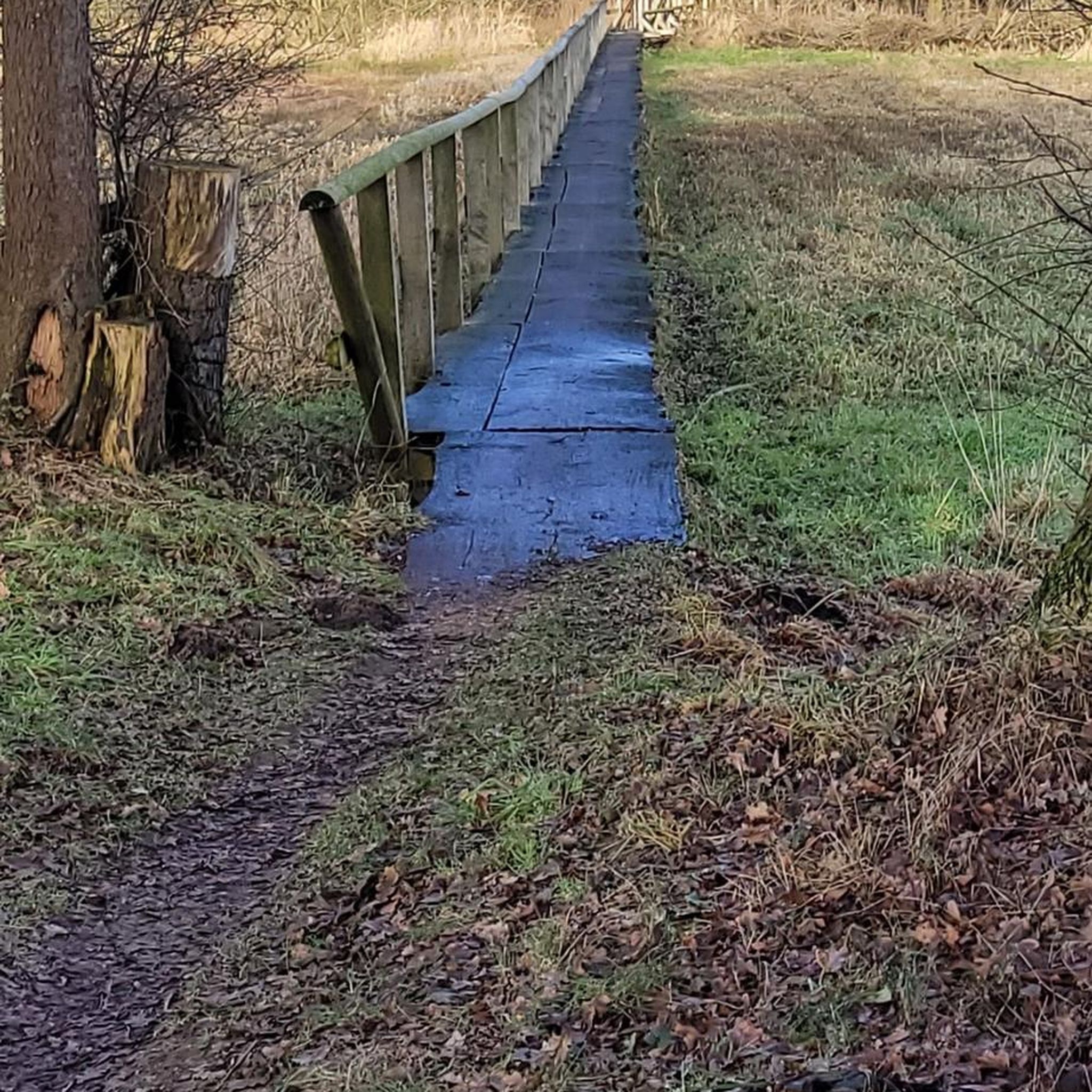
The renaturalization was very successful. There are some very beautiful spots with rest areas.
0
0

Beautiful path, good for walking or cycling.
0
0

Very nice tour through the valley and great stop at the Pfannental Haus
0
0

The Brenz still has something natural about it!
1
0
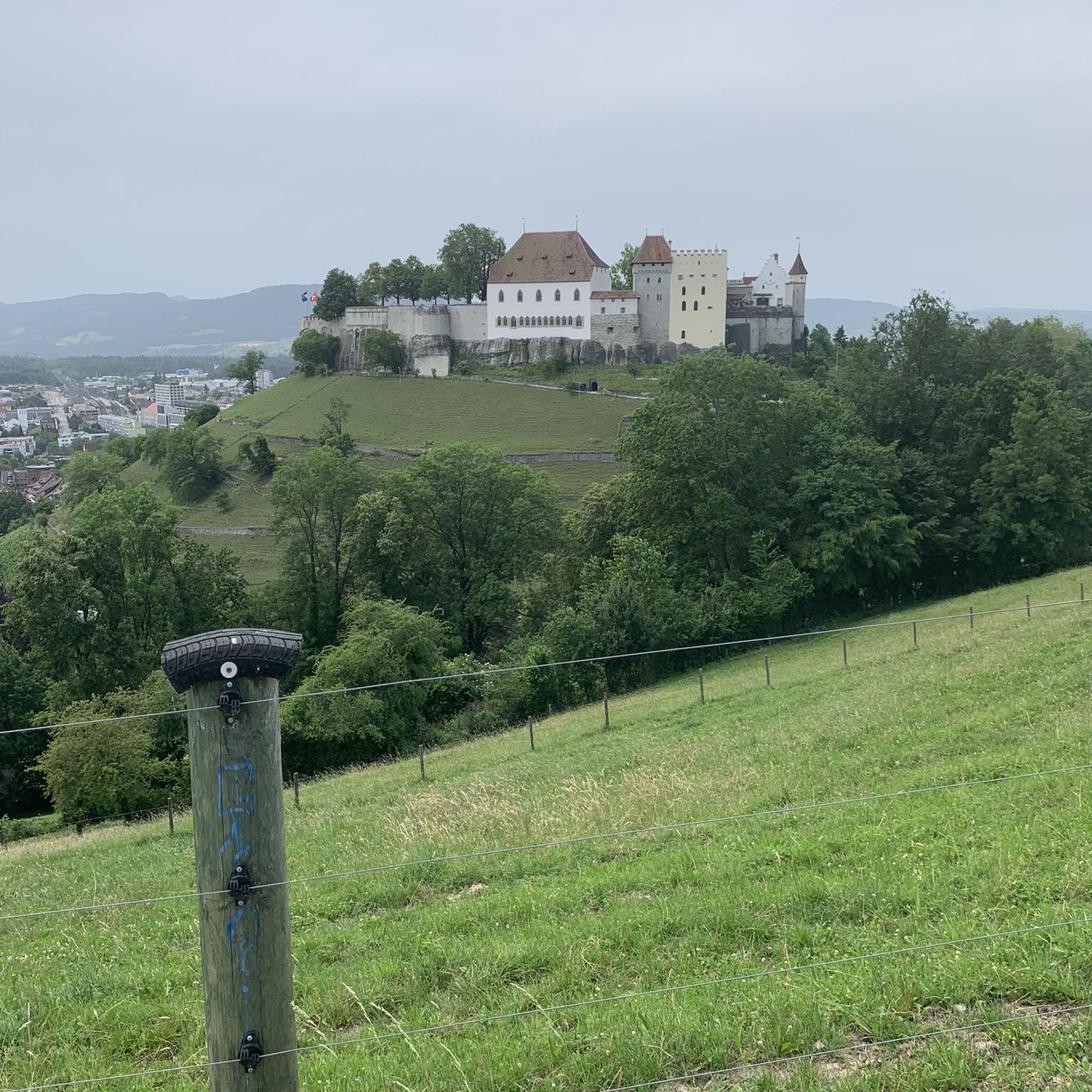
The strength of the walls and the view are impressive.
1
0
Frequently Asked Questions
How many no-traffic gravel bike trails are available in Dattenhauser Ried?
There are 17 curated no-traffic gravel bike trails in Dattenhauser Ried, offering a range of experiences from easy to difficult. This includes 2 easy, 11 moderate, and 4 difficult routes.
What kind of terrain can I expect on gravel bike trails in Dattenhauser Ried?
The terrain in Dattenhauser Ried is characterized by flat, moor-like landscapes and extensive wet meadows. You'll primarily ride on good gravel roads and field paths, which are suitable for gravel biking while respecting the nature reserve's sensitive ecosystem.
Are there any circular gravel bike routes in Dattenhauser Ried?
Yes, many of the gravel bike routes in Dattenhauser Ried are circular. For example, you can explore the Egau River – Pfannental Valley loop from Bachhagel, which is a moderate 35.4 km ride, or the Brenz Riverside Trail in Bächingen – Brenz River near Hermaringen loop from Bachhagel, covering nearly 40 km.
What are the regulations for cycling in the Dattenhauser Ried nature reserve?
As Dattenhauser Ried is a designated nature reserve, cycling is generally permitted only on marked roads and paths. It's crucial to stay on these designated routes to protect the sensitive ecosystem. Please avoid leaving paths, operating motorized vehicles, making excessive noise, or letting dogs roam unleashed.
What can I see or explore along the gravel bike trails in Dattenhauser Ried?
Dattenhauser Ried offers unique natural features. You can expect to see rare flora like gentians and orchids in the moist meadows, and observe numerous bird species, including ground-nesting birds, in the open, low-wooded areas. An observation tower at the southern edge provides panoramic views over the fen, ideal for birdwatching.
Are there any family-friendly gravel biking options in Dattenhauser Ried?
While specific 'easy' routes for very young children might be limited, the flat terrain and good gravel roads make many sections suitable for families with older children or those comfortable with moderate distances. Always check the route difficulty and length before heading out. The Oberbechingen Wayside Chapel – Ried Chapel loop from Bachhagel is a shorter option at 13.4 km, though it's rated difficult due to technical sections.
What is the best time of year for gravel biking in Dattenhauser Ried?
The best time for gravel biking in Dattenhauser Ried is generally during spring and autumn when migratory birds are present, and the unique flora is in bloom. Summer can also be pleasant, but be mindful of potential heat. The fen's moist nature means paths can be wet after rain, so check weather conditions.
What do other gravel bikers enjoy most about Dattenhauser Ried?
The komoot community highly rates Dattenhauser Ried, with an average score of 4.39 stars from 15 ratings. Riders often praise the tranquility, the unique natural landscape of the fen, and the opportunity for peaceful rides away from traffic on well-maintained gravel paths.
Are there any challenging gravel bike trails for experienced riders?
Yes, Dattenhauser Ried offers several challenging routes. For instance, the Oberbechingen Wayside Chapel – Ried Chapel loop from Bachhagel is rated difficult, as is the Western shore of the Härtsfeldsee – Seehaus Härtsfeldsee loop from Burg Katzenstein, which covers 38.6 km with significant elevation changes.
Can I reach Dattenhauser Ried by public transport for gravel biking?
While the region is generally accessible, specific public transport connections directly to trailheads for gravel biking might be limited. It's advisable to research local bus or train services to nearby towns like Bachhagel or Zöschingen and plan your route from there, or consider driving to a suitable parking spot.
Where can I find parking for gravel biking in Dattenhauser Ried?
Parking is typically available at the starting points of many routes or in nearby villages. For example, routes like the Egau River – Pfannental Valley loop start from Bachhagel, where you can usually find parking. Always check specific route details for recommended parking locations.
Most popular routes in Dattenhauser Ried

Get inspired with the komoot mobile app


Explore more
Browse the best Gravel rides in other regions.
