Attractions and Places To See around Natural Park Dosenmoor - Top 13
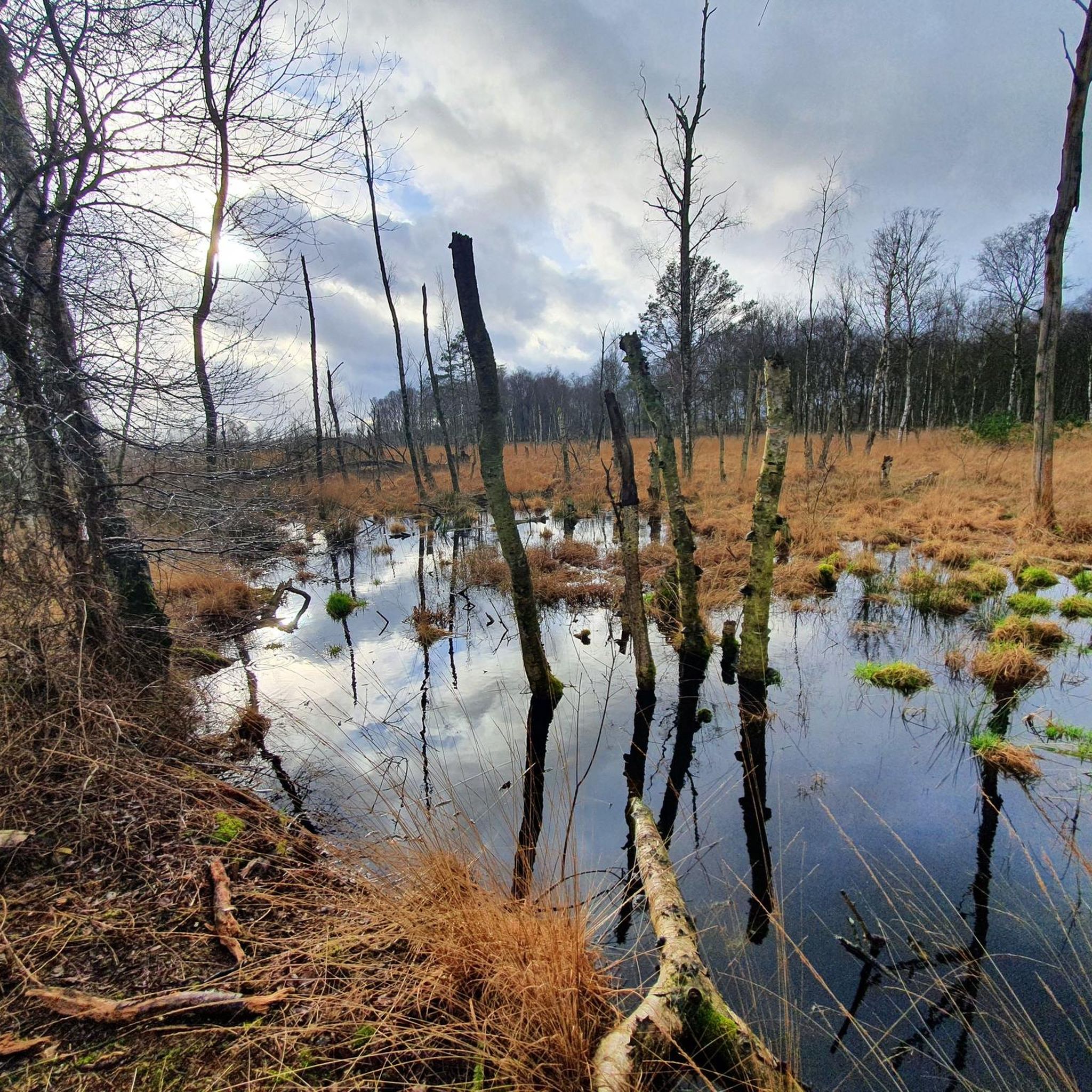
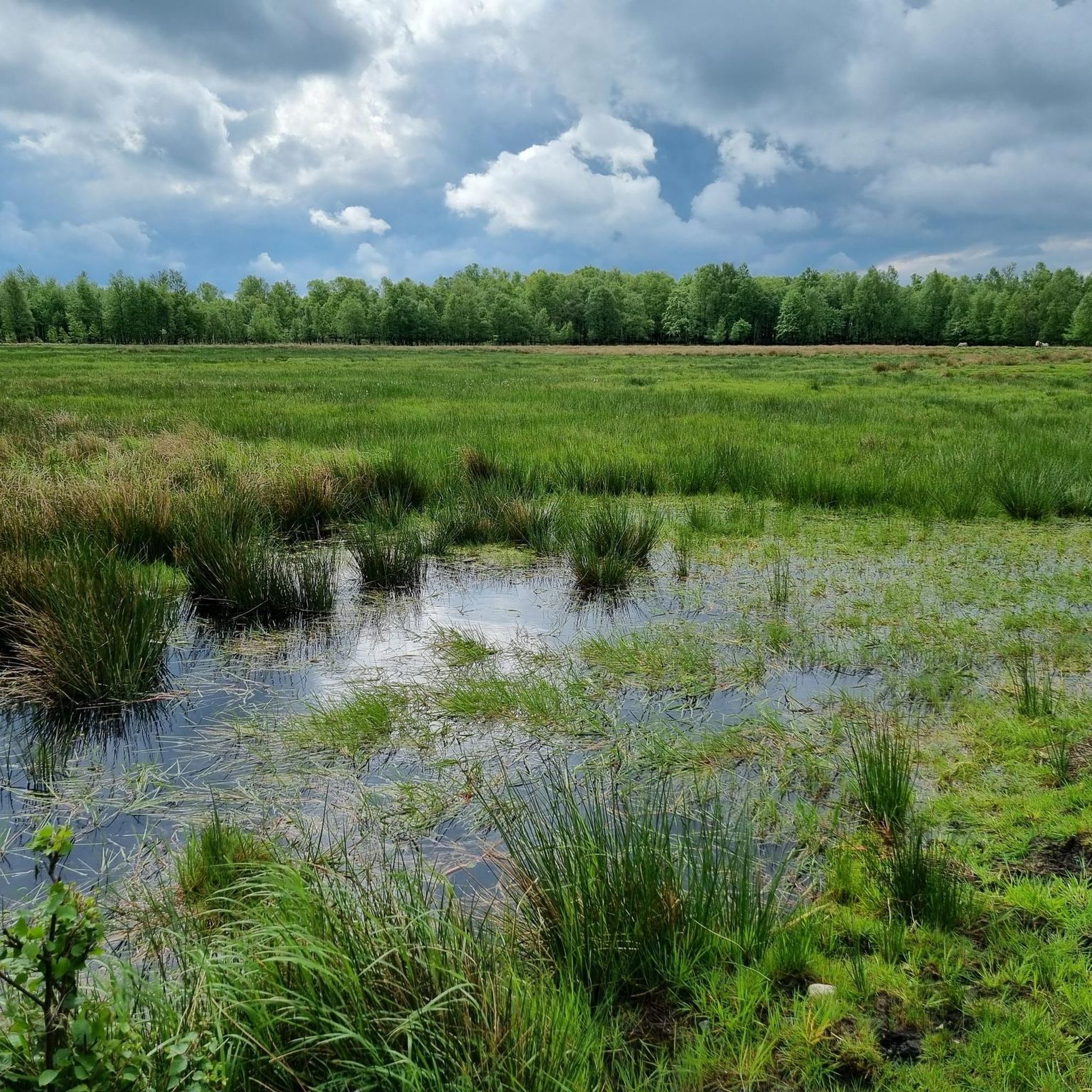
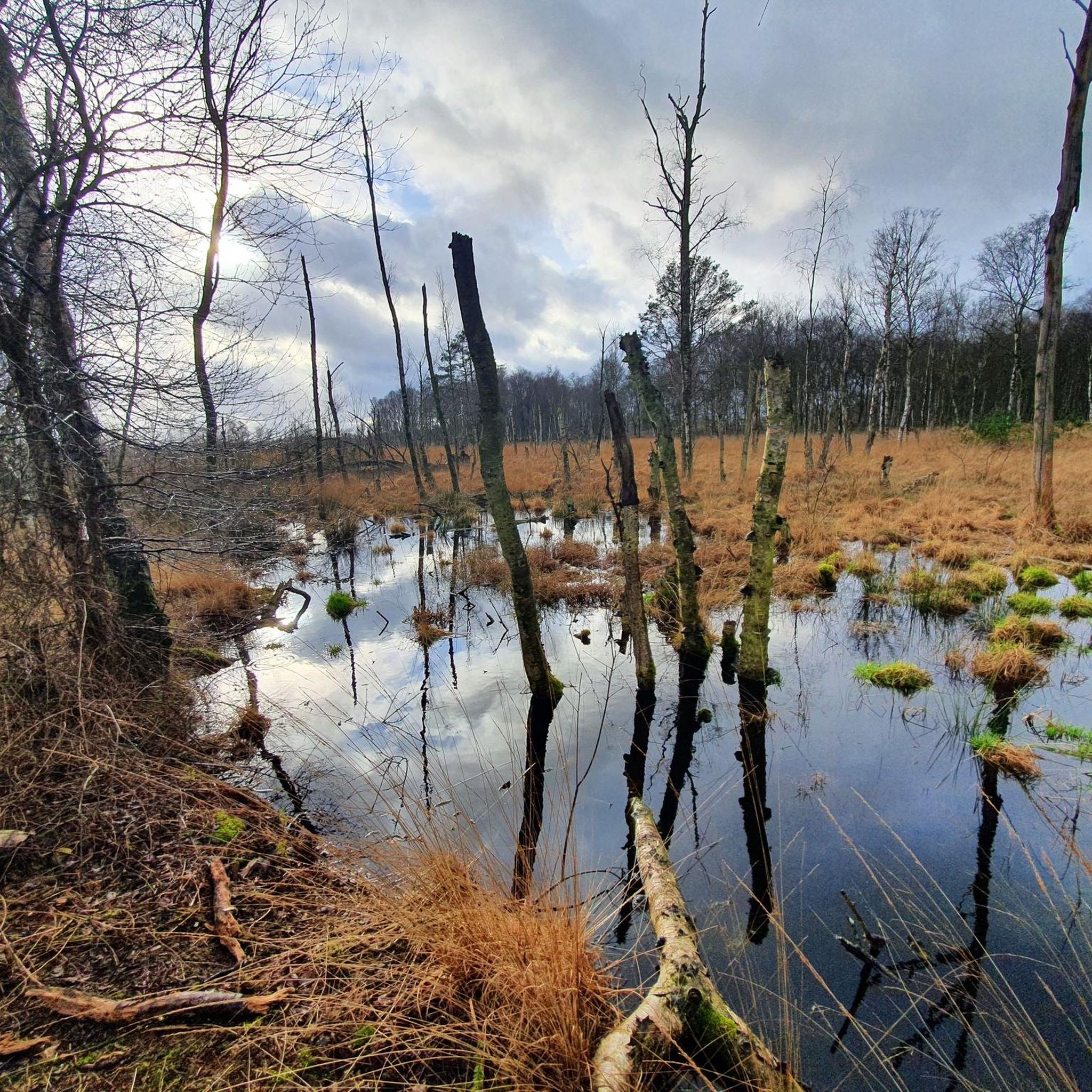
Best attractions and places to see around Natural Park Dosenmoor, located north of Neumünster, Schleswig-Holstein, is renowned as the largest and best-preserved raised bog in the region. This unique natural area spans 521 hectares and features a distinctive "clock-glass-shaped bulge" elevated above the surrounding landscape. Visitors can explore its diverse attractions, including notable natural features, various points of interest, and cultural sites. The park offers well-developed circular paths for hiking and cycling.
Best attractions and places to see around Natural…
Last updated: July 6, 2026
Boardwalk in the Dosenmoor Nature Reserve
Highlight • Trail
Translated by Google •
Tip by

Dosenmoor Nature Reserve
Highlight • Natural
Translated by Google •
Tip by
Sign up now to discover places like this
Get recommendations on the best single tracks, peaks, & plenty of other exciting outdoor places.
Sign up for free
Dosenmoor Boardwalk
Highlight • Natural Monument
Translated by Google •
Tip by

Wattenbek Staff Discovery Site
Highlight • Historical Site
Translated by Google •
Tip by

Dosenmoor Information Centre
Highlight • Rest Area
Translated by Google •
Tip by

Sign up for free to discover even more attractions around Natural Park Dosenmoor.
Sign up for free
Already have an account?
Start today with a free account
Your next adventure awaits.
Login or Signup
Tips from the Community

The moor is well-equipped with information panels. This one also explains the Wattenbeck staff. It appears to be a very old, treated staff that has survived the centuries in the moor remarkably well.
0
0
The information center seemed very deserted on a weekend at the end of November. It's probably only open seasonally. But: the information center does indeed exist. It's likely more active during the summer months.
0
0

Impressive moorland landscape. A bit bumpy to drive.
1
0

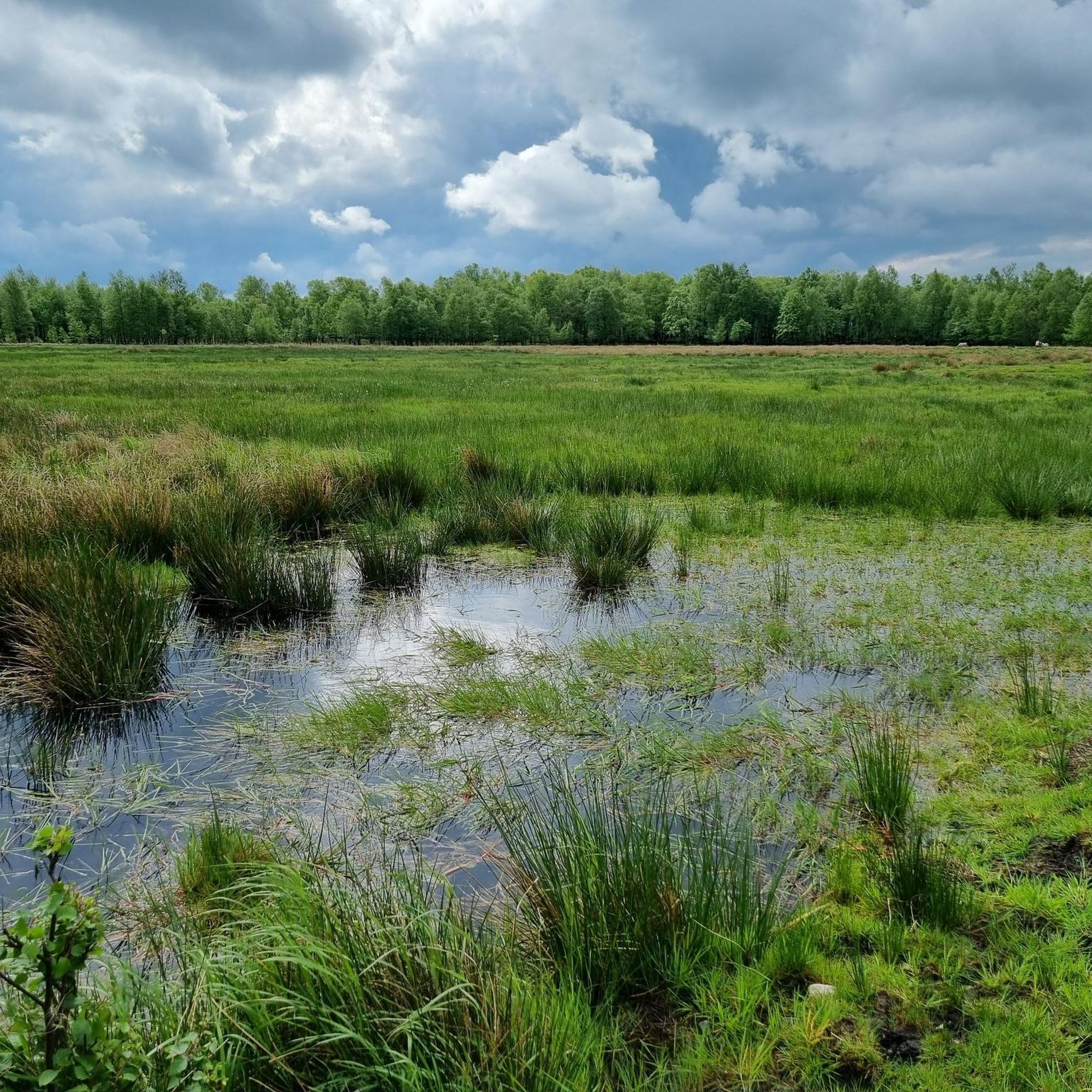
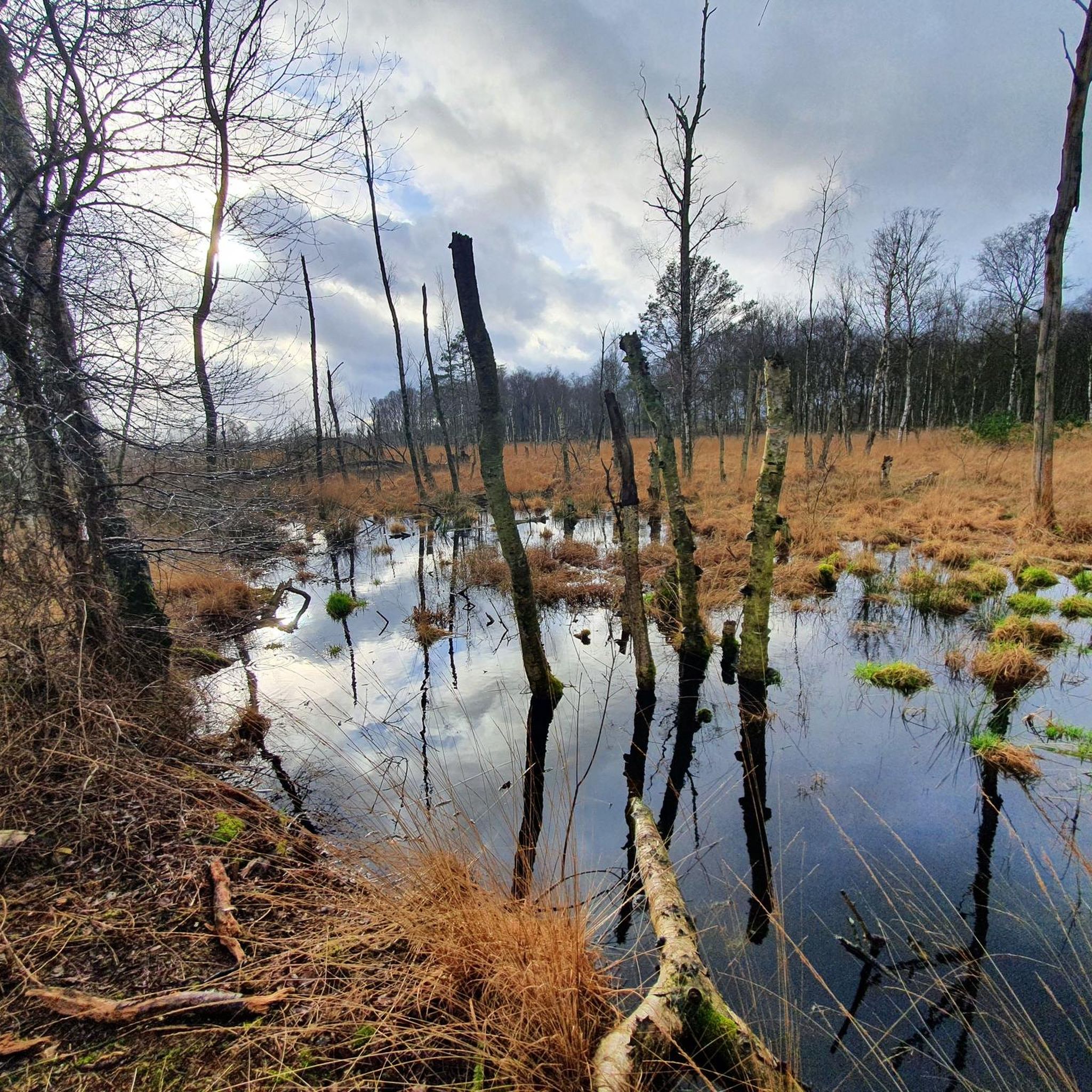
The Dosenmoor nature reserve in the north of Neumünster is the largest and best preserved raised bog in Schleswig-Holstein! A walk around the most beautiful paths: 120 minutes by foot or 30 minutes by bike, past cotton grass, bell heather, sundew, peat pits and hand-cut peat. The Dosenmoor near Neumünster-Einfeld is considered the best preserved Atlantic plateau raised bog in Schleswig-Holstein and also the largest raised bog in the eastern hill country. The nature reserve, which was secured by state ordinance in 1981, still has its full and original size of 521 hectares. This means that the raised bog is still clearly recognizable as such in the landscape today. In addition, standing in the centre, you can also experience the hourglass-shaped bulge of the treeless raised bog, which rises above the surrounding landscape. Since the 18th century, peat has also been used by farmers in Dosenmoor, and with it a continuous, deep-reaching
1
0

very informative board about the staff found here
1
0

“It is not known what the staff ultimately served. The experts vary between calling it a cult staff, consecration staff, messenger staff or shepherd's throwing stack. - The assumption that it is a cult or consecration staff could be contradicted by the fact that it is an isolated find. - If there had been a messenger staff, the message would have been recorded with less effort. - Throwing sticks were usually thickened at one end, were easily lost or got stuck in trees. The risk of losing such an ornate staff would be far too high. It is most likely that the Wattenbeker staff was simply used for daily driving of cattle. The staff as well as the Wattenbek local files with the correspondence and research results from Hans Hingst are now in the Archaeological State Museum Gottorf Castle preserved.” [Information board]
3
1
“Nothing is known anywhere in the world from the Iron Age that is comparable to the Wattenbeker Staff. The large number of figures skillfully cut into wood, which dynamically represent an impressive scene, are considered particularly unique and significant: • over 20 rushing, mostly horned animals, * two human figures (perhaps shepherds) as well as the legs of a third person and - presumably - two dogs, * a series of 53 notches as well * a web-like pattern that divides the group of animals. According to the opinions of the Heidelberg ethnologist Dauvel (1954) and the representative of the Jessen State Hunting Association (1958), the row of notches could represent numbers, while the net pattern more likely indicates a net hunt. Interesting are Jessen's interpretations that the net is broken through by the animals and only the legs of the net post can be seen because it lies under the net." [Information board]
5
1

The Dosenmoor is located north of Neumünster, right next to the Einfelder See, and covers an area of 521 hectares. It is one of the best preserved raised bogs in Schleswig-Holstein and invites those seeking relaxation to its hiking trails, viewing areas and an educational trail. Many rare plants and animals are adapted to the special living conditions in the raised bog and can be easily observed from some of the trails. For example, you might notice blue frogs at the waters from March to April. These are the colorful male moor frogs. The blue coloring can only be observed at this time of year, when the frog man calls for his chosen one. Although the Dosenmoor is one of the best preserved in our country and some rewetting measures have already been implemented, it still shows many traces of human intervention in the natural system, such as the subsidence of the bog, which was caused by drainage. The drained bog was previously used to extract peat. The Doosenmoor has been a nature reserve since 1982 and has been re-wetted since then. Sheep and goats graze here so that the areas do not grow over again, but provide light and space for the typical moor plants such as peat mosses, heather plants and the rare sundew. The Dosenmoor offers a great diversity of species, especially birds. A walk on the paths through the Dosenmoor is definitely a worthwhile experience. https://www.stiftungsland.de/was-wir-tun/erlebnisraumgestalter/karte/stiftungslandgebiete/dosenmoor/
12
1
Frequently Asked Questions
What makes Natural Park Dosenmoor a unique natural area?
Natural Park Dosenmoor is renowned as the largest and best-preserved raised bog (Hochmoor) in Schleswig-Holstein. It spans 521 hectares and features a distinctive "clock-glass-shaped bulge" elevated above the surrounding landscape, making it a unique ecosystem. The park is part of the European ecological network "Natura 2000" (FFH area) due to its ecological significance.
What kind of wildlife can I expect to see in Natural Park Dosenmoor?
The Dosenmoor is a haven for wildlife, serving as a breeding ground for approximately 90 bird species, including cranes, snipe, and whinchats. You might also spot amphibians like the moor frog (males turn blue during mating season), sand lizards, slow worms, and grass snakes. Dragonflies such as the Bog Hawker are also common. Galloways (cattle) sometimes help maintain vegetation in peripheral areas.
What unique plants grow in Natural Park Dosenmoor?
The raised bog ecosystem supports specialized flora. You can find plants like cotton grass, bell heaths, sundew, white beak reed, cranberry, rosemary heath, and various sphagnum moss species. Cotton grass is particularly beautiful when it blooms at the beginning of May.
Are there specific viewpoints or natural attractions within the Dosenmoor?
Yes, a prominent feature is the Boardwalk in the Dosenmoor Nature Reserve, a beautifully laid out wooden path with information boards that leads directly into the moor. This provides excellent views and insights into its formation. The Dosenmoor Nature Reserve itself offers opportunities to observe the unique ecosystem.
Are there walking or hiking trails available in Natural Park Dosenmoor?
Yes, the park offers several well-developed circular paths, perfect for hiking and walking, with options for varying lengths. The Boardwalk in the Dosenmoor Nature Reserve is a popular trail. Additionally, the Bürgerwald Am Dosenmoor features a tree educational path with information boards.
What outdoor activities can I do near Natural Park Dosenmoor?
Beyond walking and hiking within the park, the surrounding area offers various outdoor activities. You can find numerous running trails, such as the 'Dosenmoor Nature Reserve – Dosenmoor Boardwalk loop from Großharrie'. For cycling enthusiasts, there are routes like the 'Village Bay on Einfelder See – Schülper Moor loop from Einfeld'. Gravel biking is also popular, with routes like 'Großharrie village – West shore of Lake Einfelder loop from Einfeld'. You can explore more routes in the komoot guides for Running Trails around Natural Park Dosenmoor, Cycling around Natural Park Dosenmoor, and Gravel biking around Natural Park Dosenmoor.
Are there any historical or cultural sites to visit in the Dosenmoor area?
Yes, a key cultural attraction is the Infozentrum Dosenmoor e.V. (Dosenmoor Information Center), housed in the former peat factory in Neumünster-Einfeld. It provides insights into the raised bog ecosystem, the history of peat extraction, and regeneration efforts. Another point of interest is the Wattenbek Staff Discovery Site, where an info panel discusses the mysterious purpose of an ancient staff found in the moor, dated to 221 CE.
Are there family-friendly activities or trails in Dosenmoor?
Many attractions in Natural Park Dosenmoor are considered family-friendly. The Boardwalk in the Dosenmoor Nature Reserve and the Dosenmoor Nature Reserve itself offer accessible paths for families. The Bürgerwald Am Dosenmoor Tree Trail is also a great option for an educational walk with children.
Where can I park when visiting Natural Park Dosenmoor?
There is dedicated parking available at Dosenmoor Parking. It serves as a good starting point for walks and hikes into the moor. Be aware that the small parking lot can get very full on weekends.
What is the best time of year to visit Natural Park Dosenmoor?
The Dosenmoor offers a unique experience in every season. However, early May is particularly beautiful when the cotton grass blooms. If you plan to visit after a period of rain, it's advisable to wear rubber boots due to the boggy terrain.
Is Natural Park Dosenmoor accessible by public transport?
While the guide does not specify direct public transport routes to the heart of the Dosenmoor, the Infozentrum Dosenmoor e.V. is located in Neumünster-Einfeld, which is generally accessible by public transport. From there, you might need to walk or cycle to reach the main trails.
Is Natural Park Dosenmoor suitable for visitors with limited mobility?
The Boardwalk in the Dosenmoor Nature Reserve provides a wooden path directly into the moor, which can be more accessible than natural bog trails. The Dosenmoor Parking highlight is also noted as wheelchair accessible, suggesting some infrastructure for visitors with limited mobility.
What do visitors particularly enjoy about the Dosenmoor?
Visitors appreciate the Dosenmoor for its unique natural environment and the well-maintained paths. The Boardwalk in the Dosenmoor Nature Reserve is often highlighted for its informative signs and beautiful views. The historical significance of sites like the Wattenbek Staff Discovery Site also adds to the visitor experience, offering a blend of nature and culture.
Most popular routes around Natural Park Dosenmoor
Most popular attractions around Natural Park Dosenmoor

Get inspired with the komoot mobile app


Explore more
Still not found the Highlight you’re looking for? See guides of the top attractions in other regions:
