The best traffic-free bike rides in Dune Du Perroquet
4.3
(23)
375
riders
4
rides
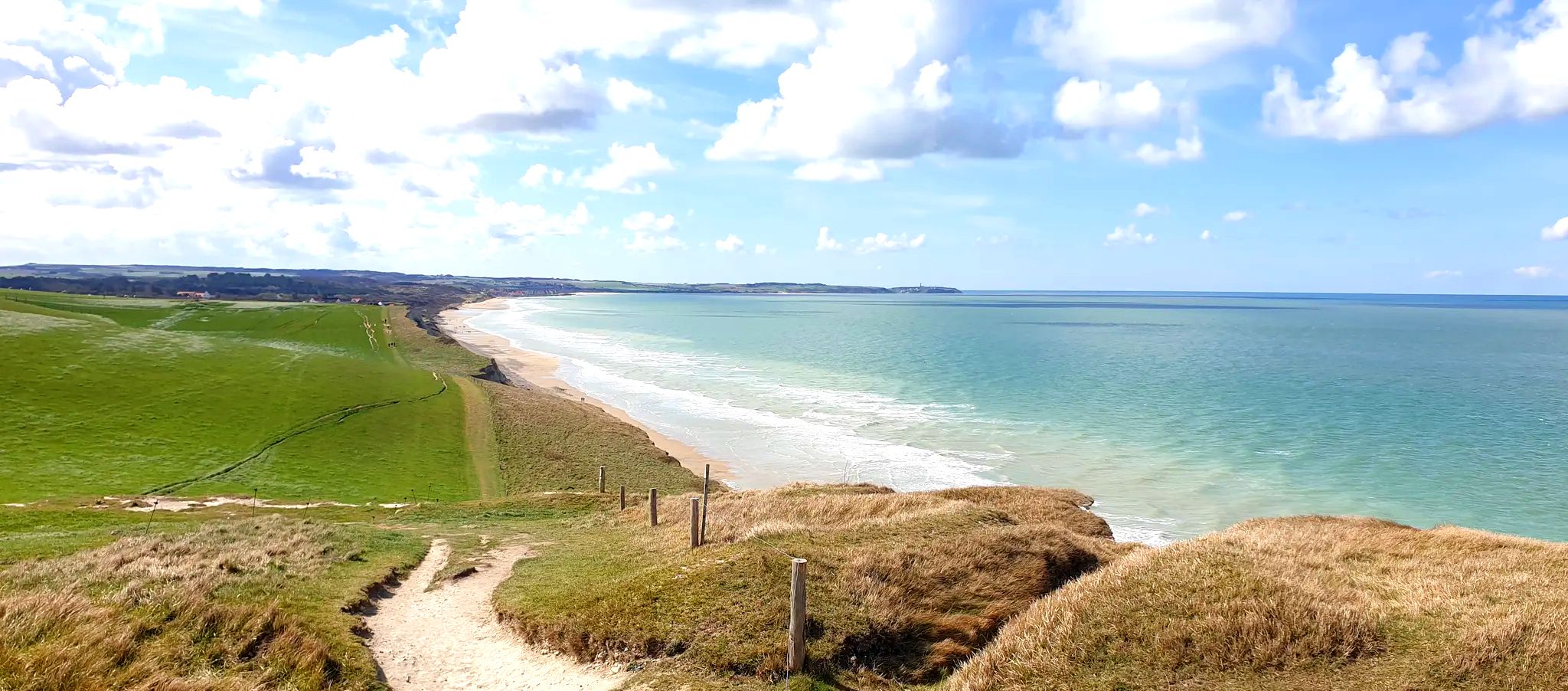
Gravel biking in Dune Du Perroquet offers diverse landscapes at the northernmost point of France. The region is characterized by expansive sandy beaches and dynamic dune systems, including one of the largest mobile dunes on the Western European coastline. Gravel routes often traverse protected dune environments and unpaved segments, providing varied terrain. This area is ideal for exploring coastal and inland dune environments on no traffic gravel bike trails.
Best no traffic gravel bike trails in Dune Du Perroquet
- The…
Last updated: July 9, 2026
15
riders
Moderate gravel ride. Good fitness required. Mostly paved surfaces. Suitable for all skill levels.
3
riders
9.06km
00:34
30m
30m
Easy gravel ride. Great for any fitness level. Mostly paved surfaces. Suitable for all skill levels.

Sign up for free
5.0
(1)
2
riders
Easy gravel ride. Great for any fitness level. Mostly paved surfaces. Suitable for all skill levels.
5.0
(2)
13
riders
27.0km
01:18
40m
40m
Easy gravel ride. Great for any fitness level. Mostly paved surfaces. Suitable for all skill levels.
4.7
(3)
22
riders
Moderate gravel ride. Good fitness required. Mostly paved surfaces. Suitable for all skill levels.
Our route recommendations are based on thousands of hikes, rides, and runs completed by other people on komoot.
Start today with a free account
Your next adventure awaits.
Login or Signup

Other adventures in Dune Du Perroquet

Tips from the Community

Starting point of our bike tour along the Belgian coast...
0
0

I like the sea and I like being here!
0
0

There is a small bar along the bike route. Perfect for a stopover.
0
0

Zuydcoote station was a railway station along the Dunkerque-Locale - Bray-Dunes railway line in the French municipality of Zuidkote. The last tourist trains ran between De Panne and Dunkirk around 1992. Source: Wikipedia The information board provides extensive information about the old railway line and the station building.
0
0

Endless beach with promenade and bike path.
0
0
Beautiful former train station, with a place to stop for a drink right next door.
0
0
These striking statues can be placed alongside monuments like the Statue of Liberty (New York) or Christ the Redeemer (Rio de Janeiro) thanks to their heroic-realistic character. Originally, such statues served as guides, but now they've become true must-sees. The three heads are also true wiseguys: each stubbornly looks in a different direction: towards France, England, or the Belgian countryside.
0
0
With only a pedestal for a body and their identical faces, the Three Wise Men of De Panne brave the elements. Their monolithic stature towers over the coastline. They fit into a tradition of realistic, public sculptures with a heroic function, such as the Statue of Liberty in New York Harbor, the Cristo Redentor in Rio de Janeiro, or, in the distant past, the Colossus of Rhodes. They stand as guardians or guardian angels for those sailing the sea, and as symbolic protectors of a port or coastal city. Originally serving as a welcoming beacon or guidepost, these statues have become a tourist attraction over time, from a point of reference to the destination itself. Originally, "wisdom" was a colloquial term for a scholar or wise person; now, it's used to describe a know-it-all who confuses wisdom with arrogance. With "The Three Wise Men of De Panne," Jos de Gruyter and Harald Thys have combined the original meaning with an extremely literal interpretation: the "pointing" of the nose. Nothing is as effectively guiding as a human nose; as laughable and banal as it is insurmountable and fundamental. Over each other's heads, the wise men look towards England, France, and the interior respectively, their gaze fixed on infinity. The thoughts, observations, and enigmatic knowledge of their gigantic minds likely extend from these three areas and reach much further. Source: https://www.dekust.be/beaufort-de-drie-wijsneuzen-van-de-panne
4
0
Frequently Asked Questions
How many no traffic gravel bike trails are available in Dune Du Perroquet?
There are 7 dedicated no traffic gravel bike trails in Dune Du Perroquet featured in this guide, offering a range of experiences from easy to difficult.
What kind of terrain can I expect on the no traffic gravel bike trails in Dune Du Perroquet?
The terrain is quite diverse, featuring stretches along immense sandy beaches, through protected dune systems, and along well-signposted paths. You'll encounter a mix of unpaved segments, gravel, and potentially some paved sections, especially if you venture onto parts of the larger Vélomaritime cycling route. The landscape is shaped by dynamic dunes, offering varied surfaces and scenic views.
What is the best season for gravel biking in Dune Du Perroquet?
The region is enjoyable throughout many seasons. Spring and autumn offer pleasant temperatures and fewer crowds, making them ideal for exploring the dunes and coastal paths. Summer can be great for combining biking with beach activities, but be mindful of potential heat and increased visitors. Always check local weather conditions before heading out.
Are there any easy, beginner-friendly no traffic gravel bike routes in the area?
Yes, there is one easy route available, and several moderate options that beginners with some fitness might enjoy. For a moderate but accessible ride, consider the "Along the Marchand Dune – Grand Large Footbridge loop from Bray-Dunes", which covers 32 km with minimal elevation gain.
What do other gravel bikers enjoy most about the no traffic trails in Dune Du Perroquet?
The area is highly rated by the komoot community, with an average score of 4.04 stars. Reviewers often praise the unique combination of coastal and dune landscapes, the quiet, car-free paths, and the opportunity to experience rich biodiversity. The sense of space and freedom on the expansive beaches is also frequently highlighted.
Are there any circular no traffic gravel bike routes in Dune Du Perroquet?
Yes, many of the routes in this guide are circular, allowing you to start and end at the same point. For example, the "Lower Colme Canal – Bois des Forts loop from Ghyvelde" is a 43.5 km circular route that takes you through varied landscapes.
Can I bring my dog on the no traffic gravel bike trails in Dune Du Perroquet?
Yes, Dune Du Perroquet features a designated dog-friendly beach zone, and many trails within the nature reserve are accessible for dogs, provided they are kept on a leash to protect the fragile dune environment and wildlife. Always check local signage for specific restrictions.
Are the no traffic gravel bike trails in Dune Du Perroquet suitable for families with children?
Many of the well-signposted paths through the nature reserve are suitable for families, especially those seeking a peaceful ride away from traffic. The varied terrain and natural beauty offer an engaging experience for all ages. Consider shorter, easier routes for younger children. The "Along the Marchand Dune – Grand Large Footbridge loop from Bray-Dunes" could be a good option for families.
What interesting landmarks or natural features can I see along the no traffic gravel bike trails?
The region is rich in natural beauty and historical elements. You can explore the dynamic dune systems, which are home to diverse flora and fauna. Along the beach, you might spot remnants of World War II bunkers like the "Bunker b 47" and even shipwrecks at low tide. The "Vélomaritime cycle route to Bray-Dunes" also offers scenic coastal views.
Where can I park my car when accessing the no traffic gravel bike trails in Dune Du Perroquet?
Bray-Dunes, as the main access point to Dune Du Perroquet, offers various parking options. Look for designated parking areas near the beach or town center, which often provide convenient access to the trailheads. Specific parking information for individual routes can often be found on their respective komoot tour pages.
How can I reach the no traffic gravel bike trails in Dune Du Perroquet using public transport?
Bray-Dunes is accessible by public transport, primarily buses connecting from larger towns like Dunkirk. From Dunkirk, you can take a bus to Bray-Dunes, which will bring you close to the starting points of many trails. Check local bus schedules for the most up-to-date information on routes and timings.
Are there any longer, more challenging no traffic gravel bike routes for experienced riders?
Yes, for experienced riders looking for a longer challenge, the "Frontzate path through the greenery – Yser River Pathway loop from Koksijde" is a difficult 80 km route with over 100 meters of elevation gain, offering an extensive exploration of the region's car-free paths.
Most popular routes in Dune Du Perroquet
Most popular attractions in Dune Du Perroquet

Get inspired with the komoot mobile app


Explore more
Browse the best Gravel rides in other regions.
