Top 20 Caves in the Bezirk Neunkirchen
Caves in the Bezirk Neunkirchen offer diverse underground experiences within Lower Austria. This region is characterized by its varied topography, from the Vienna Basin's edge to the Wechsel mountains, providing conditions for different cave types. The area features both thermal and dripstone caves, alongside rock formations and grottoes. These natural formations contribute to the region's appeal for outdoor exploration.
Best caves in the Bezirk Neunkirchen
- The most popular caves is Luckerte Wand Rock Formation and Viewpoint, a viewpoint that…
Last updated: July 7, 2026
Luckerte Wand Rock Formation and Viewpoint
Highlight • Viewpoint
Translated by Google •
Tip by

Falkenstein Cave
Highlight • Cave
Translated by Google •
Tip by

Sign up now to discover places like this
Get recommendations on the best single tracks, peaks, & plenty of other exciting outdoor places.
Sign up for free
Mountain Church and Cave Church Pitten
Highlight • Religious Site
Translated by Google •
Tip by
Hermann Cave
Highlight • Cave
Translated by Google •
Tip by

Raxeishöhle Ice Cave
Highlight • Cave
Translated by Google •
Tip by

Ruprechtsloch Cave
Highlight • Cave
Translated by Google •
Tip by

Wildenauersteig, Hohe Wand
Highlight • Climb
Translated by Google •
Tip by

Kulmriegel Cave (Marian Grotto)
Highlight • Cave
Kulmriegel Cave, Cat.No. 2871/13
Translated by Google •
Tip by
Herrengrotte Cave
Highlight • Cave
During the siege of Vienna in 1529, Janissary troops, marauding volunteers, who plundered in a wide area, also visited Schwarzau, it is known …
Translated by Google •
Tip by
Gaiskirchlein Cave Chapel
Highlight • Religious Site
Translated by Google •
Tip by
Sign up for free to discover even more caves in the Bezirk Neunkirchen.
Sign up for free
Already have an account?
Start today with a free account
Your next adventure awaits.
Login or Signup
Popular around Bezirk Neunkirchen
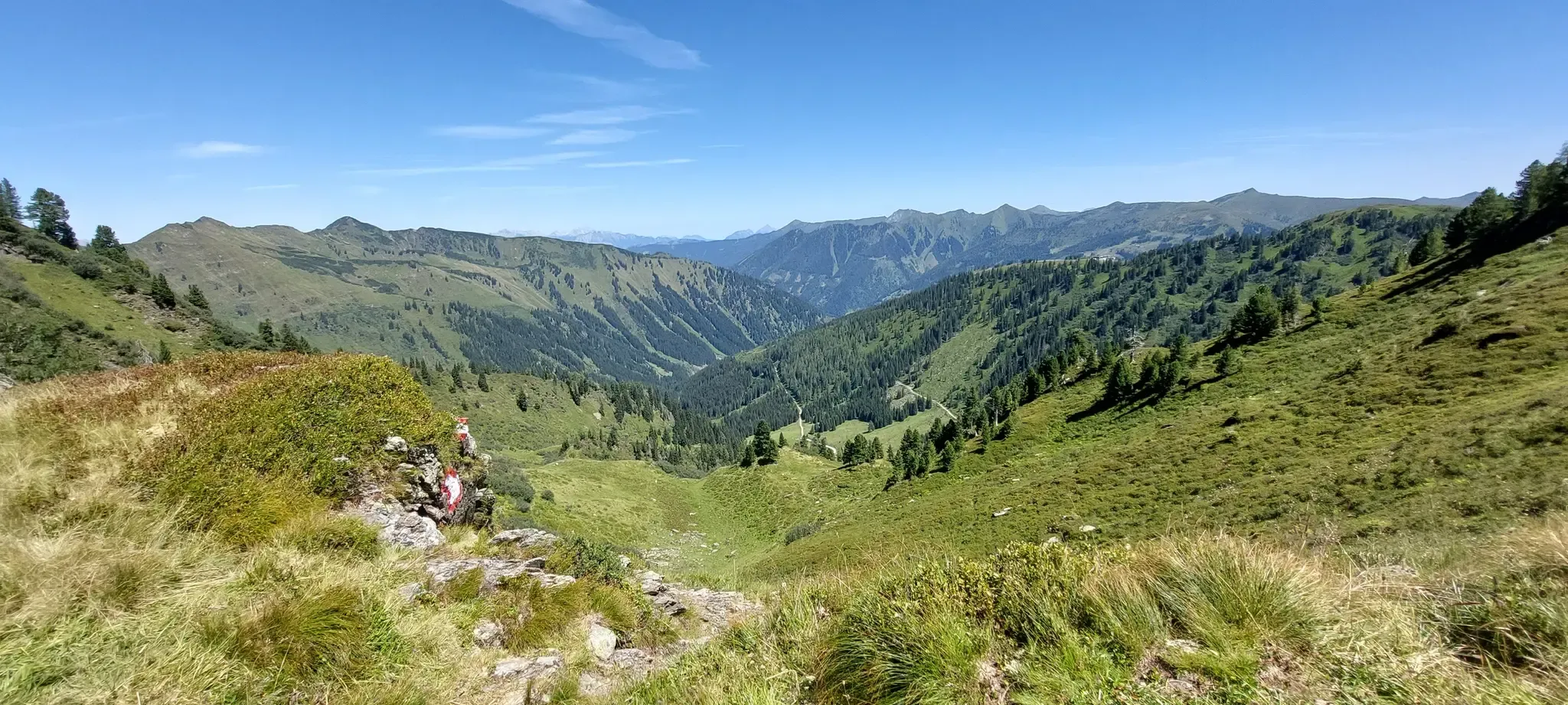
Central Alps Trail Eastern Section – Discover Austria
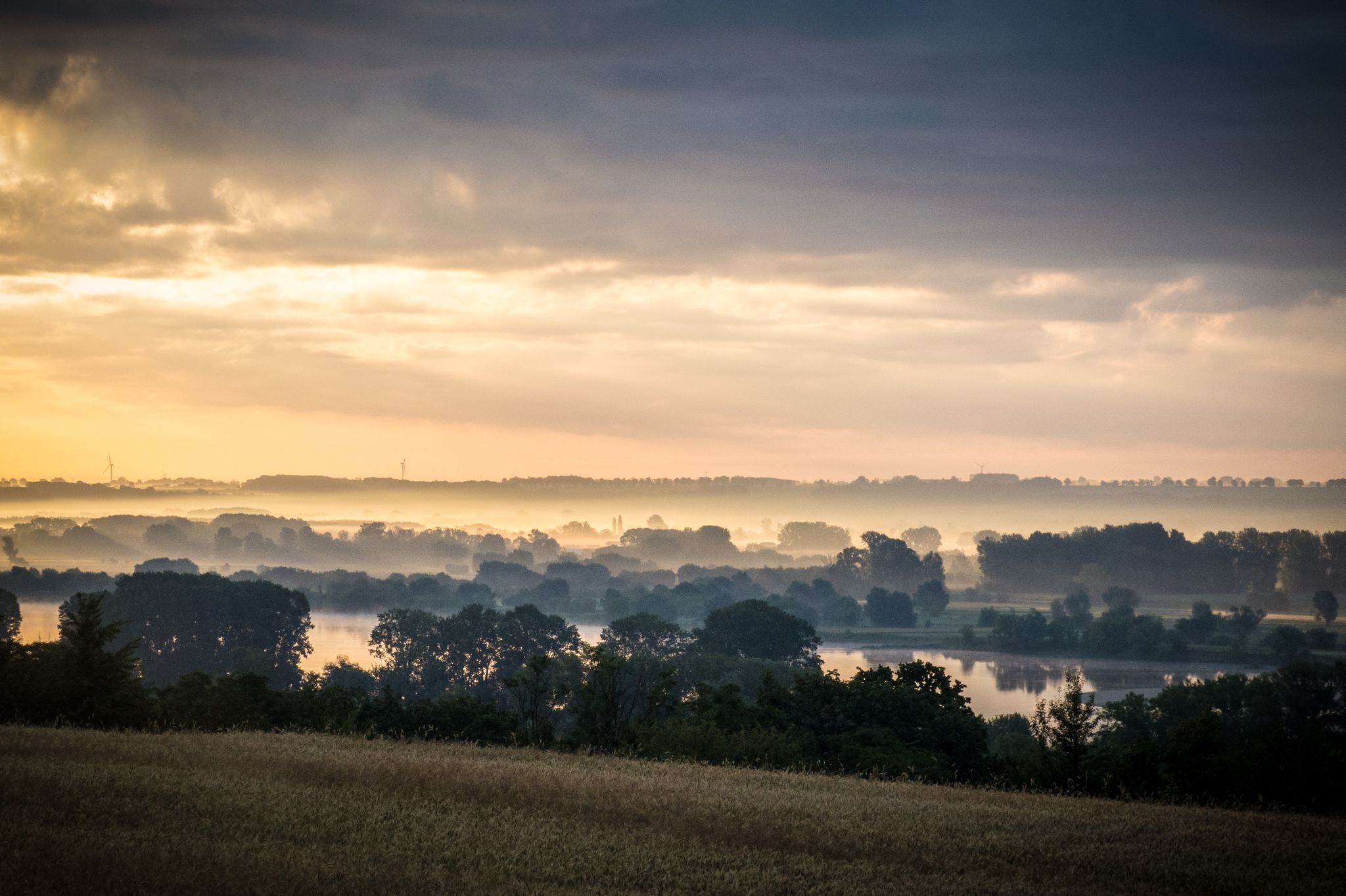
EuroVelo 9 – The Amber Route from the Baltic to Adriatic Sea
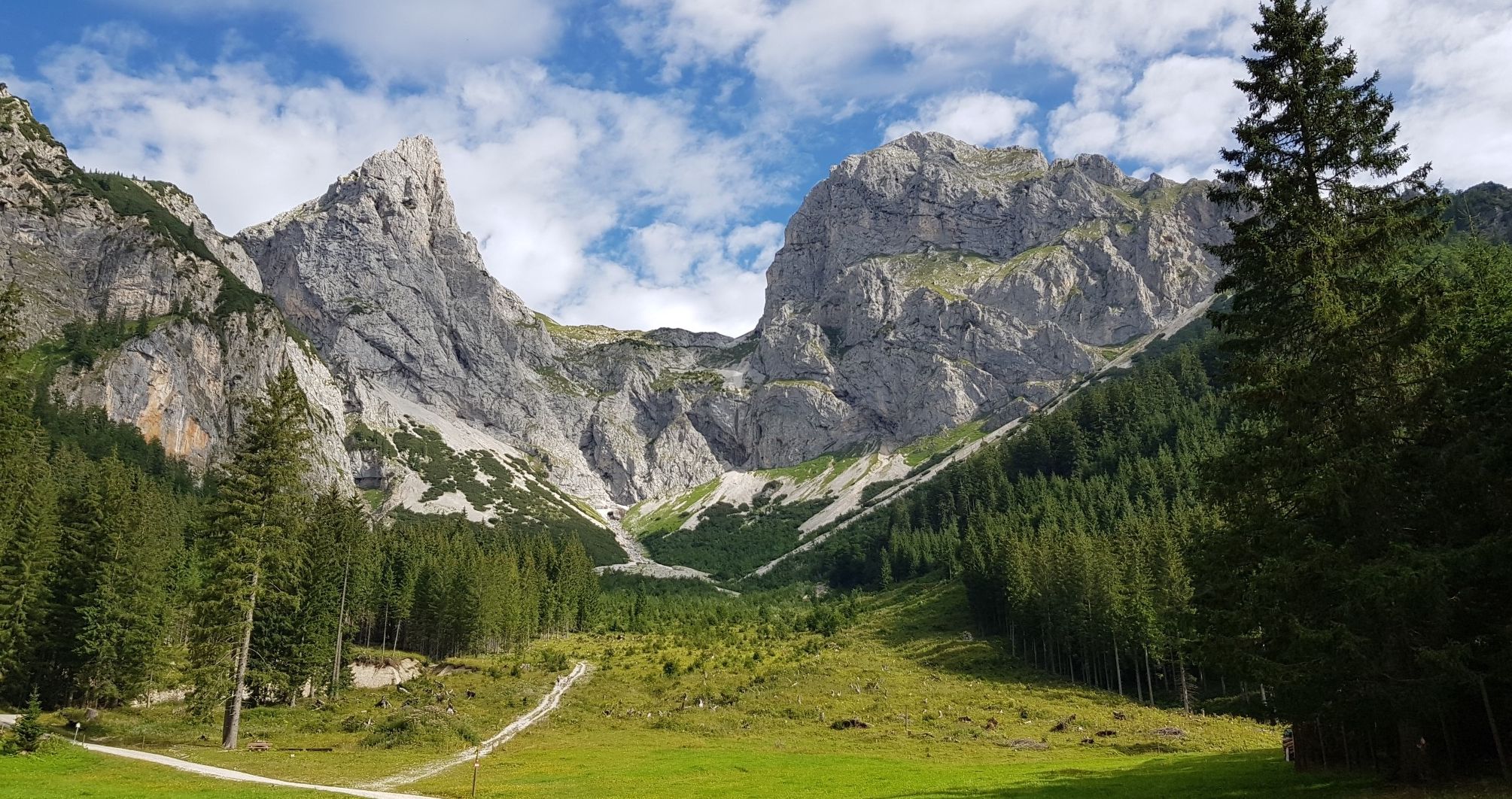
North Alpine Trail 01 – Hike across Austria in 49 days
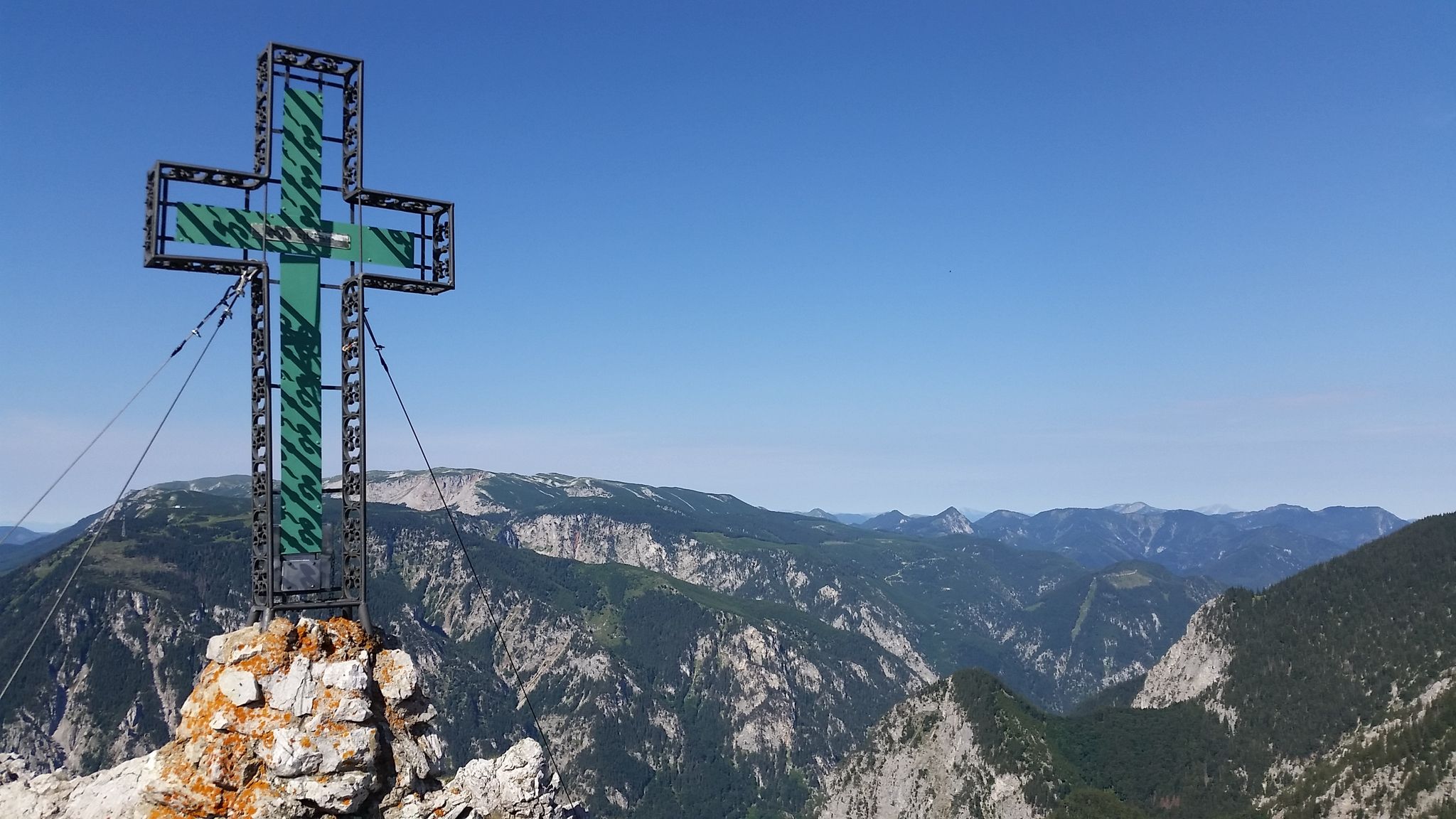
Viennese Alpenbogen – Lower Austria's most beautiful peaks
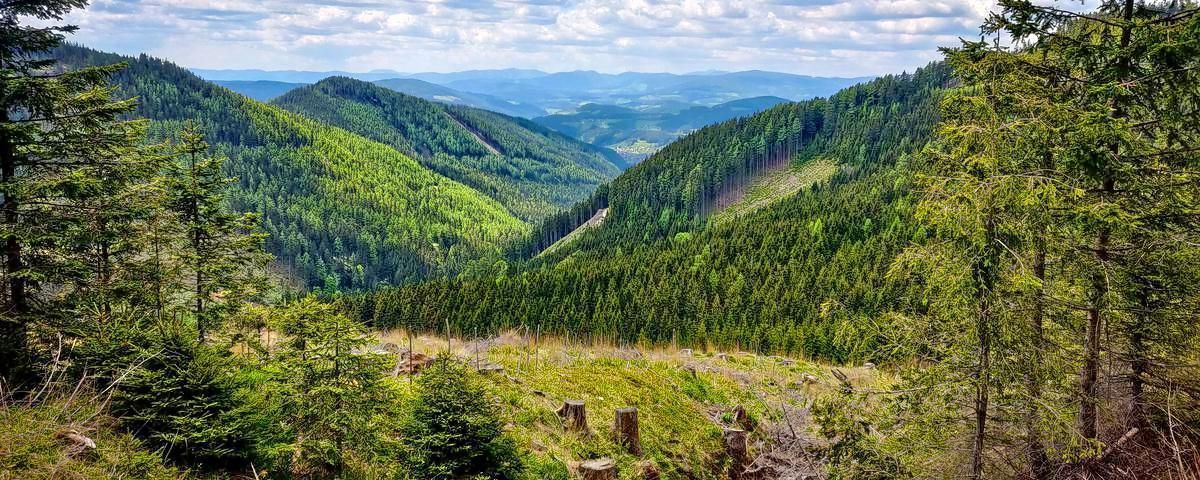
Alpannonia – Crossing borders from Austria to Hungary
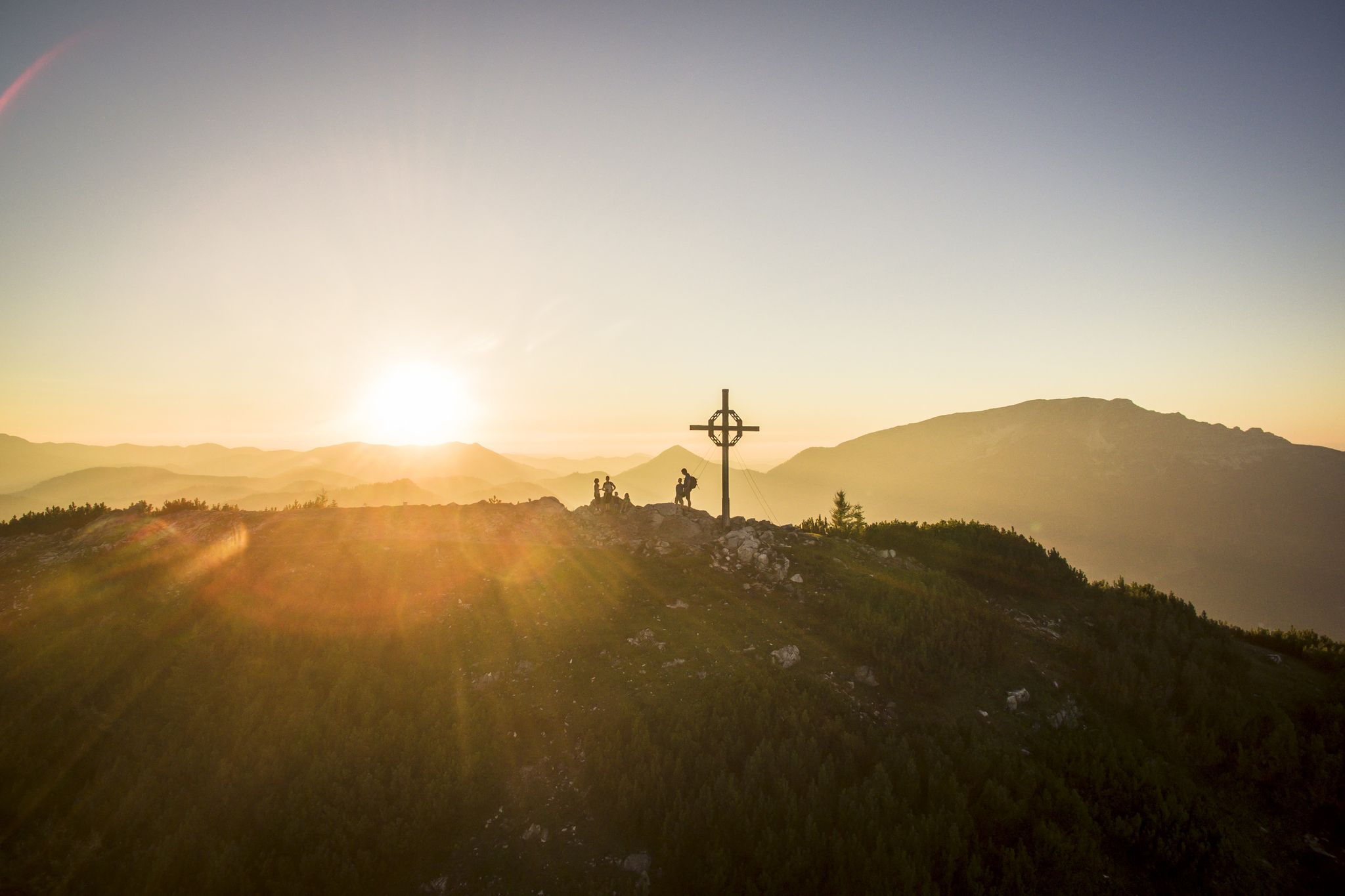
Hiking with a view – certified hiking villages in Lower Austria
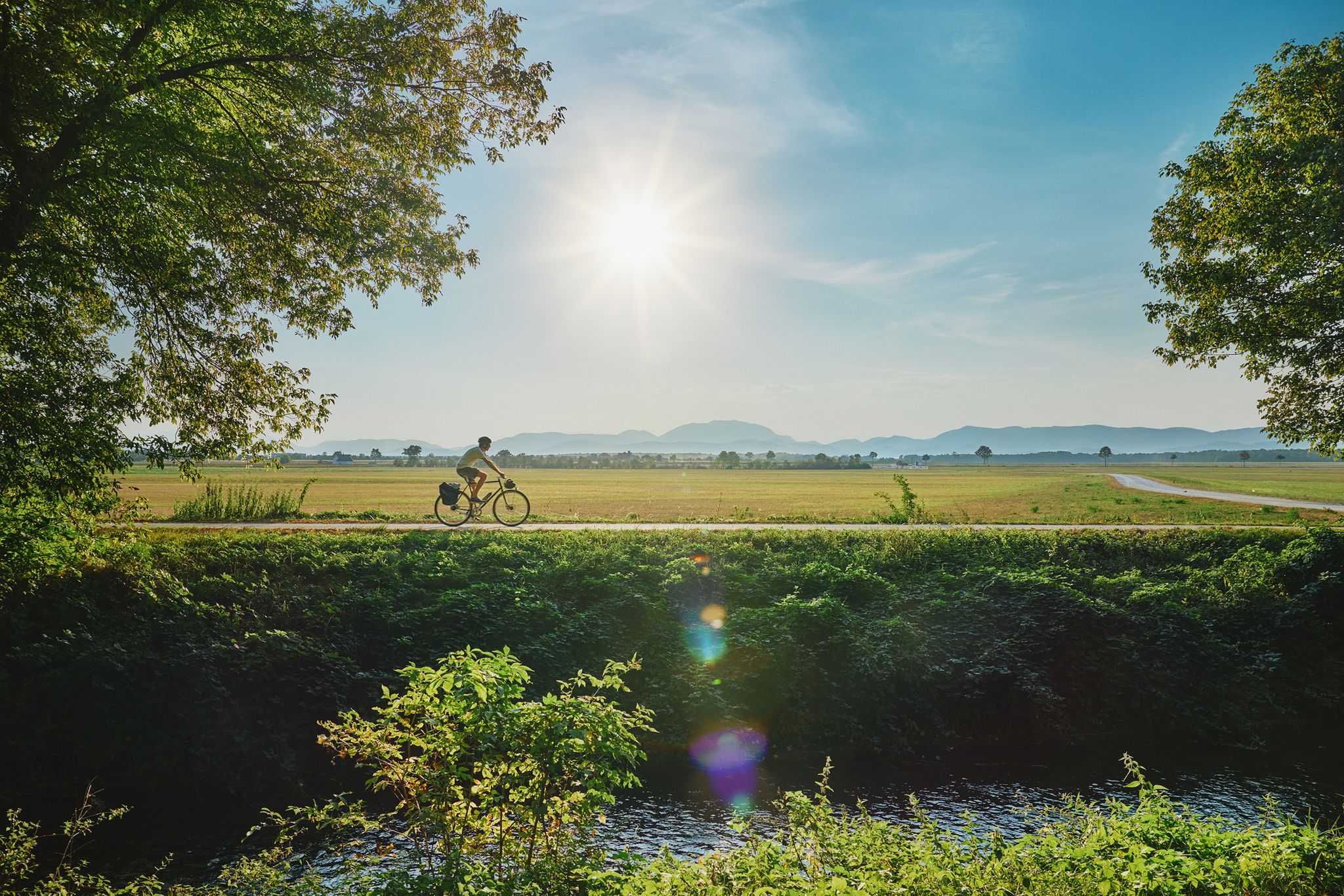
Superb cycling in the Vienna Alps – every day a new route
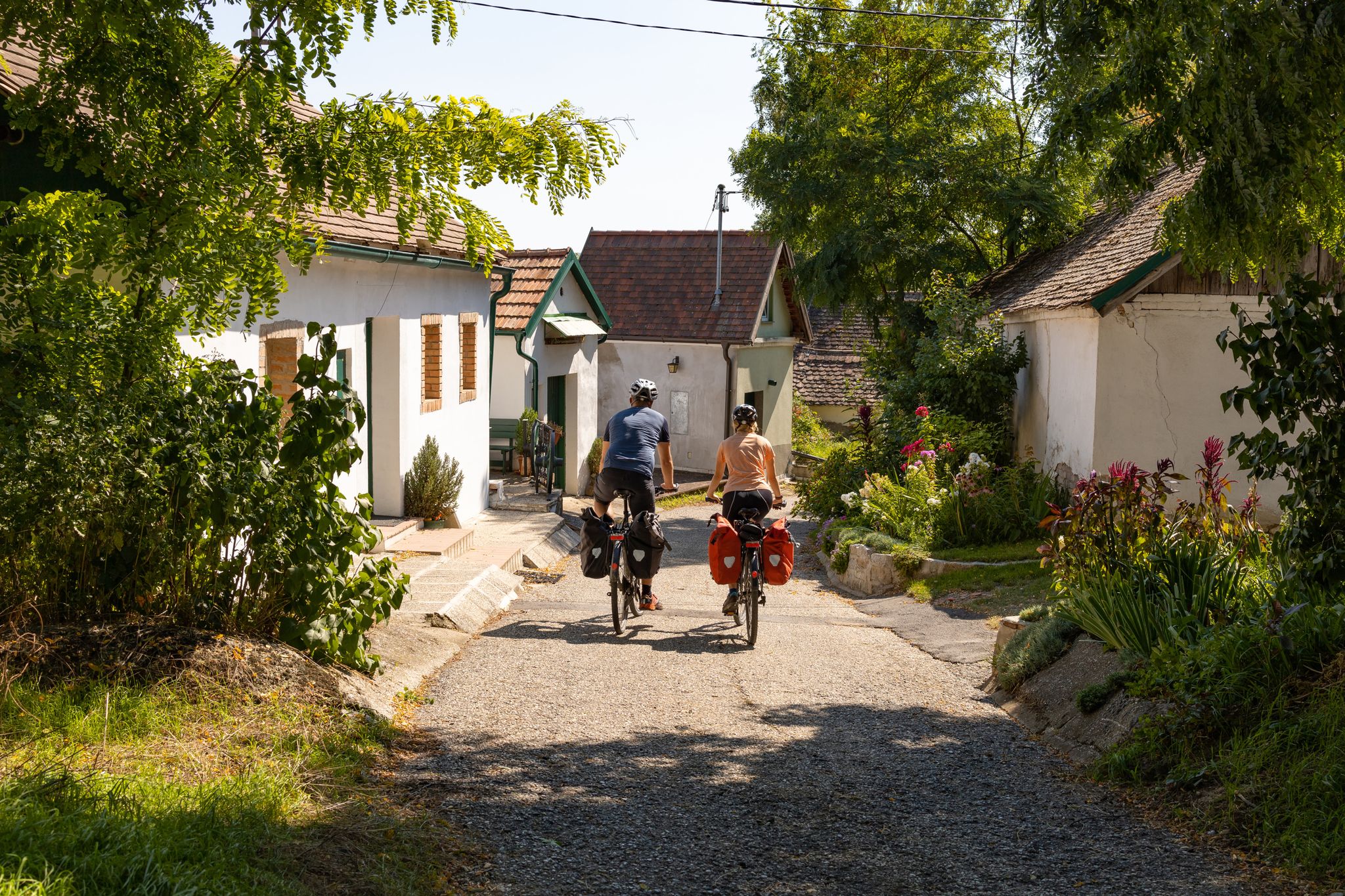
The most beautiful bike discovery Tours in Lower Austria
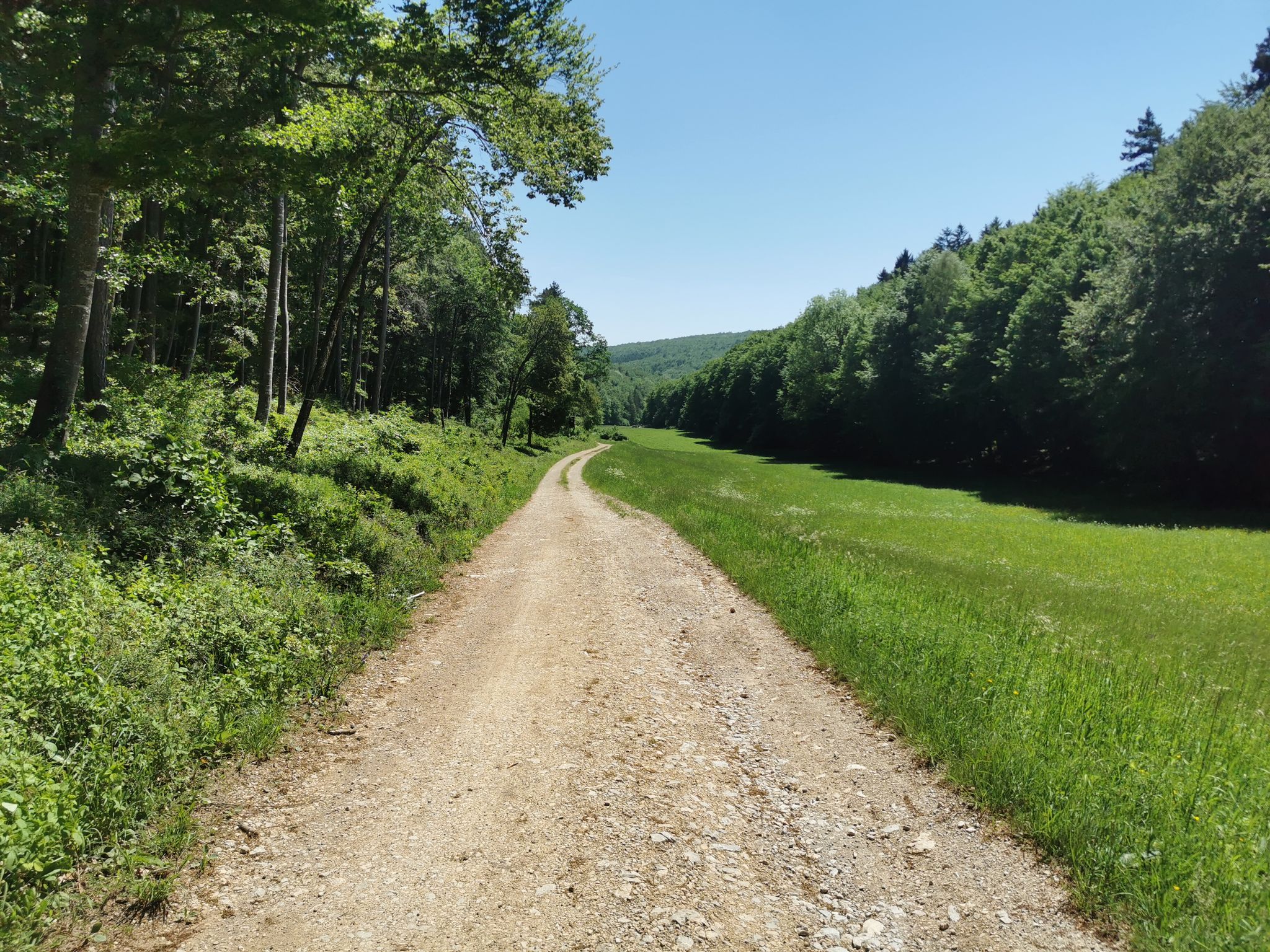
Hills and valleys – gravel bike tours in the Vienna Woods
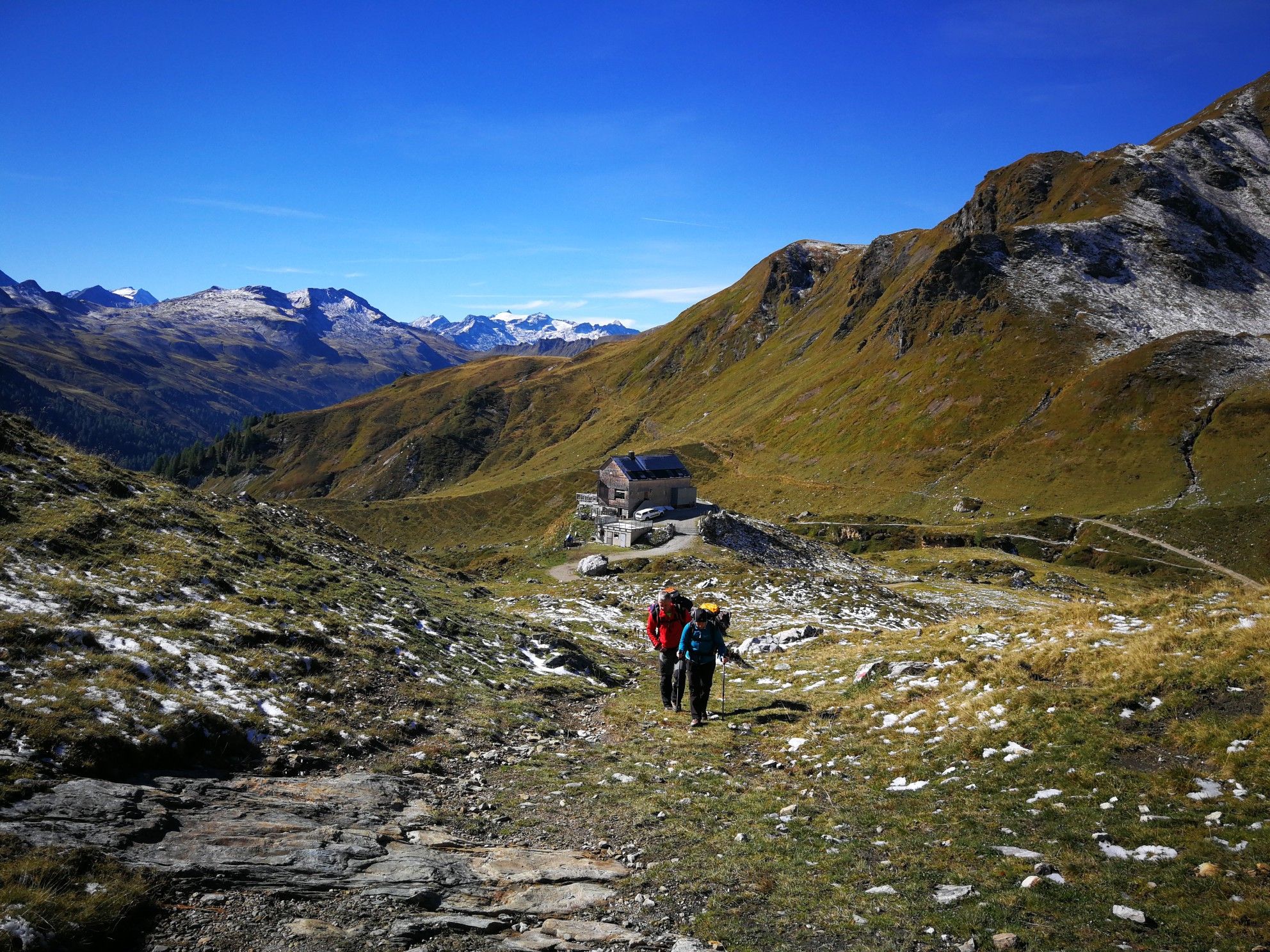
Lower Austria to Carinthia — our favourite huts in Austria
Other adventures in the Bezirk Neunkirchen


Tips from the Community

A church below the castle ("sub castello") is first mentioned from 1000 AD onwards and is likely to be one of the oldest Christian places of worship in the region. The rock cave behind the mountain church is dedicated to Saints Peter and Paul.
0
0

The Gaiskirchlein is a unique rock chapel that blends quietly and unobtrusively into its surroundings. The small space is surprisingly peaceful, and the view of the landscape makes the stop even more worthwhile. It's ideal for pausing briefly, taking a photo, and then continuing on your way at a relaxed pace.
5
0
The Falkenstein Cave is a small, exciting detour carved into the rock face, resembling a hidden window into nature. Inside, it's usually noticeably cooler, and the view out over the forest and slopes has an adventurous feel. Perfect for a quick stop – a quick look inside, a breath of fresh air, and then back onto the trail.
5
0

The cave's passages are more than four kilometers long and extend over several levels. Hermannshöhle is a show cave and can be visited with a guided tour.
0
0

The Ruprechtsloch at the Großer Otter. A shaft cave known for its cave legend.
0
0

Passing the beautiful climbing wall you can't miss the entrance
1
0

Curious chapel in the rock
1
0
Super nice view of Schneeberg, Rax and Schneealpe
1
0
Frequently Asked Questions
What are some of the most unique caves to visit in the Bezirk Neunkirchen?
The Bezirk Neunkirchen offers diverse cave experiences. The Eisensteinhöhle in Bad Fischau-Brunn is a thermal cave system known for its constant warm temperature, unique 'pearl sinter' formations, and reddish-brown clay deposits. The Hermann Cave near Kirchberg am Wechsel is Lower Austria's largest dripstone cave, featuring impressive stalactites and stalagmites, and serves as a crucial wintering ground for 17 bat species.
Are there family-friendly caves in the Bezirk Neunkirchen?
Yes, the Hermann Cave is considered a family-friendly excursion destination, offering electrically lit guided tours that typically last about 1 hour and 15 minutes. The Einhornhöhle near Willendorf is also open seasonally and can be a good option for families.
What kind of geological features can I expect to see in the caves of this region?
The caves in Bezirk Neunkirchen showcase varied geological features. The Eisensteinhöhle is notable for its thermal influence, leading to unique calcite crystals and 'pearl sinter' formations. The Hermann Cave is renowned for its extensive dripstone formations, including stalactites, stalagmites, and 'Bergmilch' (moonmilk) deposits. Other caves might feature rock formations, grottoes, and narrow crevices.
What should I wear when visiting caves in the Bezirk Neunkirchen?
For caves like the Eisensteinhöhle, which involves descents via clay steps and iron ladders, it's advisable to wear old, sturdy clothing and bring wellies and a helmet with a headlamp. For show caves like the Hermann Cave, comfortable walking shoes and a light jacket are usually sufficient, as cave temperatures are consistently cool.
Are there any historical or cultural sites related to caves in the area?
Yes, the region has several sites with historical and cultural significance. The Mountain Church and Cave Church Pitten features a rare cave church with frescoes from the 13th century, believed to have been a place of worship in pre-Christian times. The Gaiskirchlein Cave Chapel near Breitenstein is a rock grotto with an altar, offering a tranquil spot.
What are the opening times for caves like Eisensteinhöhle and Hermannshöhle?
The Eisensteinhöhle and Hermann Cave operate with guided tours and specific opening hours. It is highly recommended to check their official websites for current schedules and to book tours in advance. For the Hermann Cave, you can find details at hermannshoehle.at. The Einhornhöhle is open seasonally from Easter to the end of September on Sundays and public holidays.
Can I bring my dog to the caves in Bezirk Neunkirchen?
Dog policies vary significantly between caves. Show caves like the Hermann Cave typically do not allow dogs inside for safety and ecological reasons (especially due to bats). For other caves or grottoes, it's best to check with the specific site beforehand. Generally, dogs are not permitted inside developed cave systems.
Are there any accessible caves for visitors with mobility challenges?
Many natural caves, especially those with narrow passages, uneven terrain, or ladders like the Eisensteinhöhle, require sure-footedness and physical fitness. Show caves like the Hermann Cave are more developed but may still have stairs or uneven surfaces. It's best to contact individual cave operators directly to inquire about specific accessibility features.
What outdoor activities can I do near the caves in Bezirk Neunkirchen?
The region around the caves offers various outdoor activities. You can find numerous hiking opportunities, including waterfall hikes and mountain hikes. For cyclists, there are also MTB trails available. Some areas, like the Hohe Wand, feature via ferratas such as the Wildenauersteig, which incorporate cave elements for experienced climbers.
Where can I find viewpoints or rock formations in addition to caves?
Beyond traditional caves, the Bezirk Neunkirchen features impressive rock formations and viewpoints. The Luckerte Wand Rock Formation and Viewpoint offers panoramic views of the Schneeberg, with a distinctive hole through the rock. The Kulmriegel Cave (Marian Grotto) is also a notable rock formation with an 8-meter wide entrance.
Are there any challenging cave experiences for adventurers?
Yes, for those seeking more adventurous cave experiences, the Eisensteinhöhle offers guided tours that require sure-footedness and physical fitness, involving descents via clay steps and four iron ladders. Additionally, via ferratas like the Wildenauersteig on the Hohe Wand incorporate vertical cave shafts and spectacular vertical caves, suitable for experienced climbers.
What is the best time of year to visit the caves in Bezirk Neunkirchen?
The best time to visit depends on the specific cave. Show caves like the Hermann Cave are generally open from spring to autumn. The Einhornhöhle is open seasonally from Easter to the end of September. Caves maintain a constant cool temperature year-round, making them a good option even on hot summer days. Always check the individual cave's operating schedule before planning your visit.
Most popular routes in the Bezirk Neunkirchen
Most popular attractions in the Bezirk Neunkirchen

Get inspired with the komoot mobile app


Didn’t find what you were looking for?
Discover more caves in the Bezirk Neunkirchen region by region:
Explore more
Extend your search for the best caves by checking out these guides of the top ones in the Bezirk Neunkirchen:
