Naturpark Flusslandschaft Peenetal
Naturpark Flusslandschaft Peenetal
The best traffic-free bike rides in Naturpark Flusslandschaft Peenetal
4.5
(267)
2,775
riders
28
rides
No traffic road cycling routes in Naturpark Flusslandschaft Peenetal traverse a largely flat terrain, with elevations typically ranging from -2 to 38 meters, making it suitable for relaxed cycling. The region is characterized by the Peene River Valley, one of Central Europe's largest continuous fenland areas, offering unspoiled natural scenery. Cyclists will encounter a landscape shaped by low moors, forests, and wet meadows, providing diverse environments for exploration. The extensive network of cycling paths is well-suited for road bikes, allowing…
Last updated: October 25, 2026
14
riders
41.7km
01:49
210m
210m
Moderate road ride. Some segments of this route may be unpaved and difficult to ride.
5
riders
57.8km
02:36
140m
130m
Moderate road ride. Good fitness required. Some segments of this route may be unpaved and difficult to ride.

5.0
(2)
7
riders
45.2km
01:47
120m
120m
Easy road ride. Mostly well-paved surfaces and easy to ride.
9
riders
48.6km
01:57
130m
130m
Moderate road ride. Some segments of this route may be unpaved and difficult to ride.
4.3
(7)
7
riders
28.8km
01:07
80m
80m
Easy road ride. Mostly well-paved surfaces and easy to ride.
Get access to more routes and recommendations from other explorers.
Already have an account?
Our route recommendations are based on thousands of hikes, rides, and runs completed by other people on komoot.
Start today with a free account
Your next adventure awaits.
Popular around Naturpark Flusslandschaft Peenetal
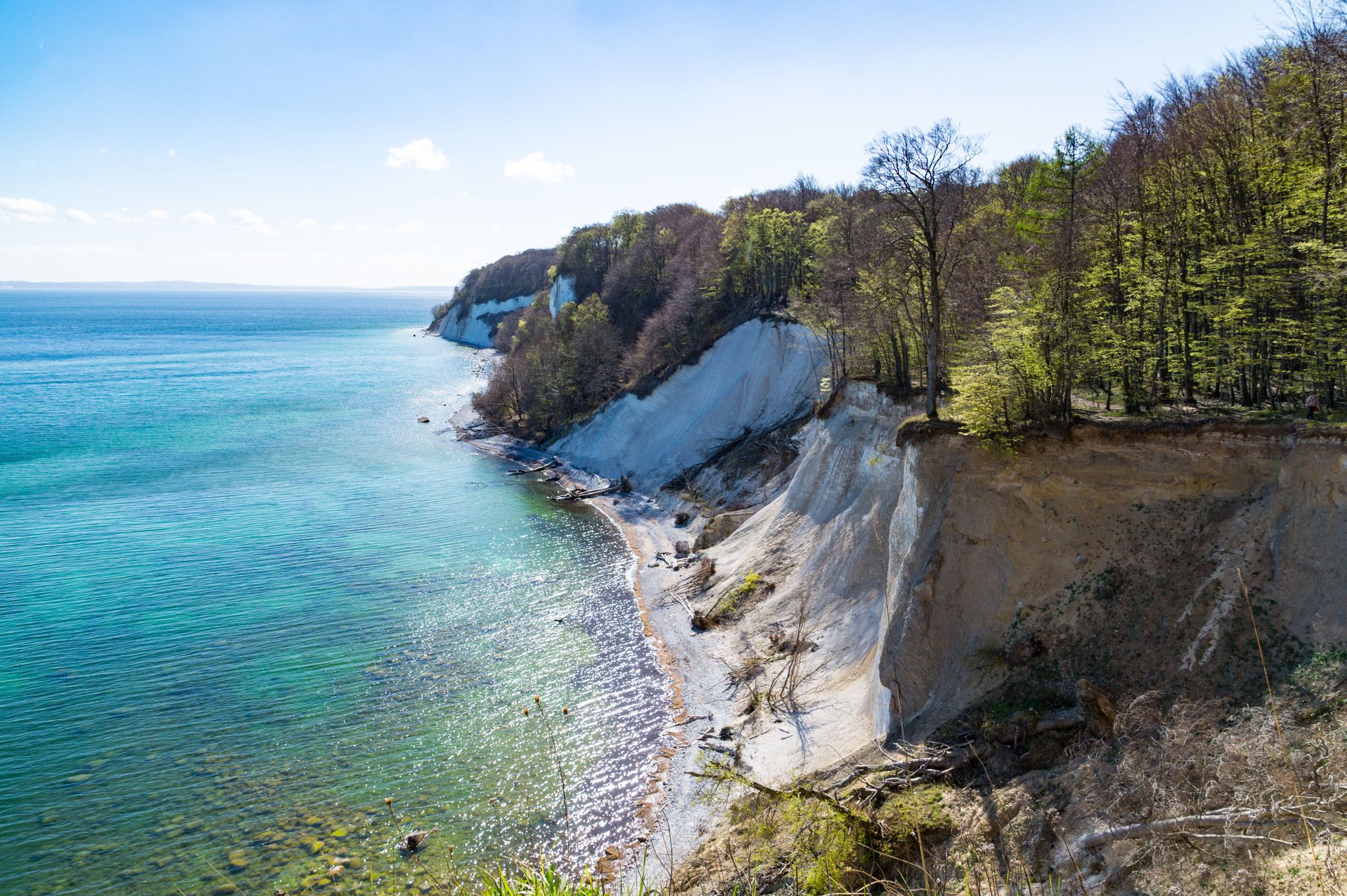
The National Natural Landscapes in Mecklenburg-Vorpommern
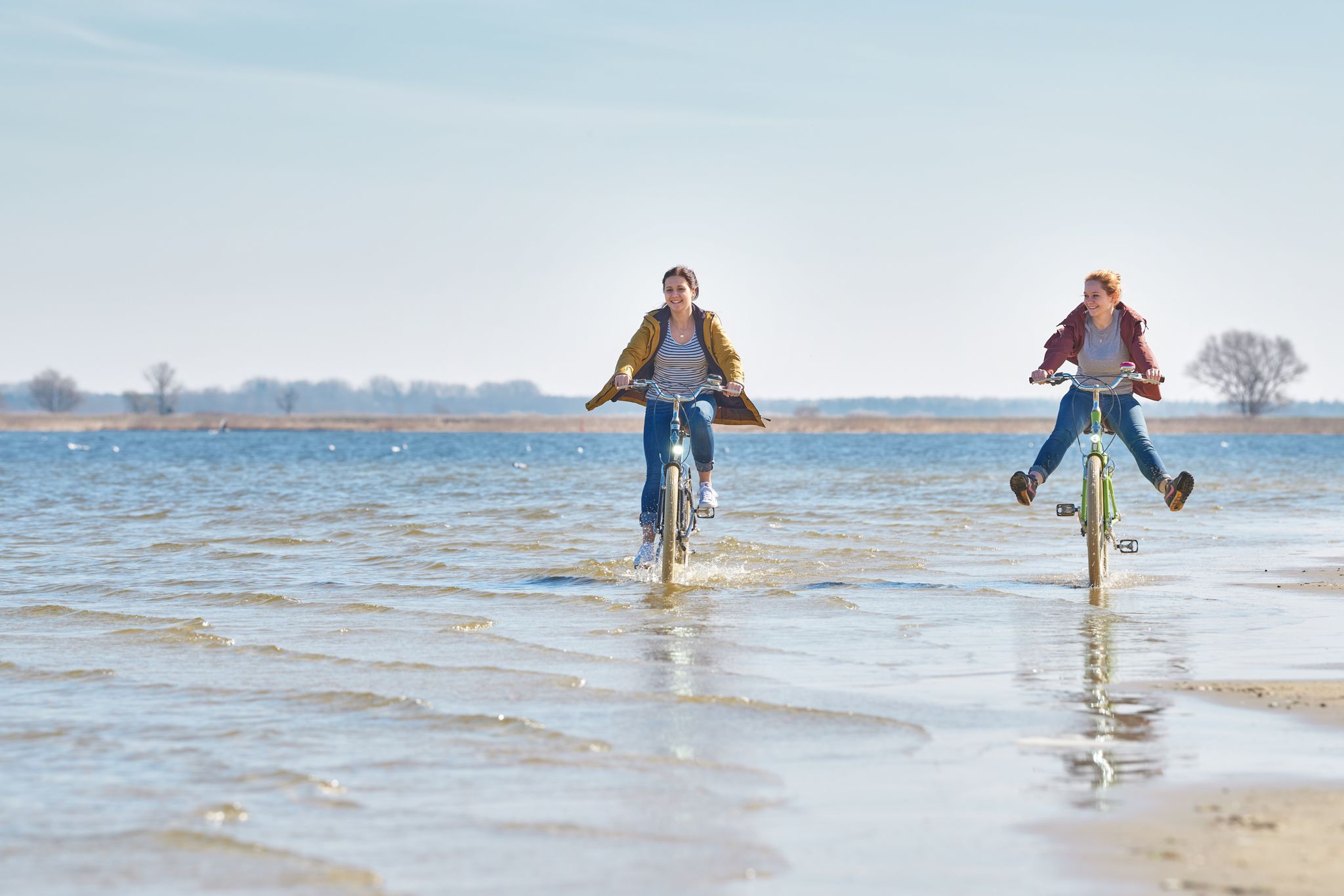
Rivers, moors, the sea and more - the most beautiful cycling routes in Western Pomerania
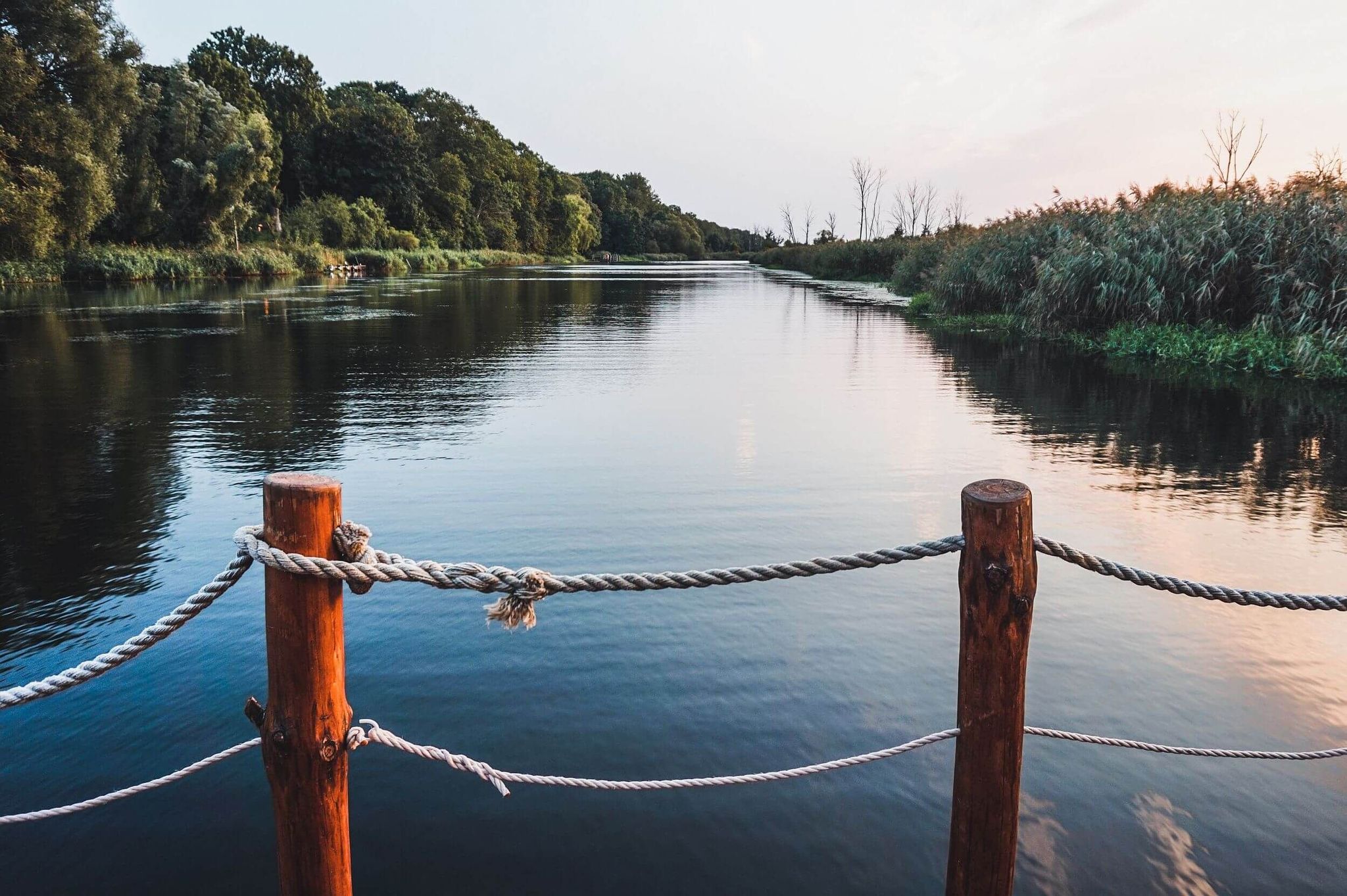
Peenetal-Rundweg
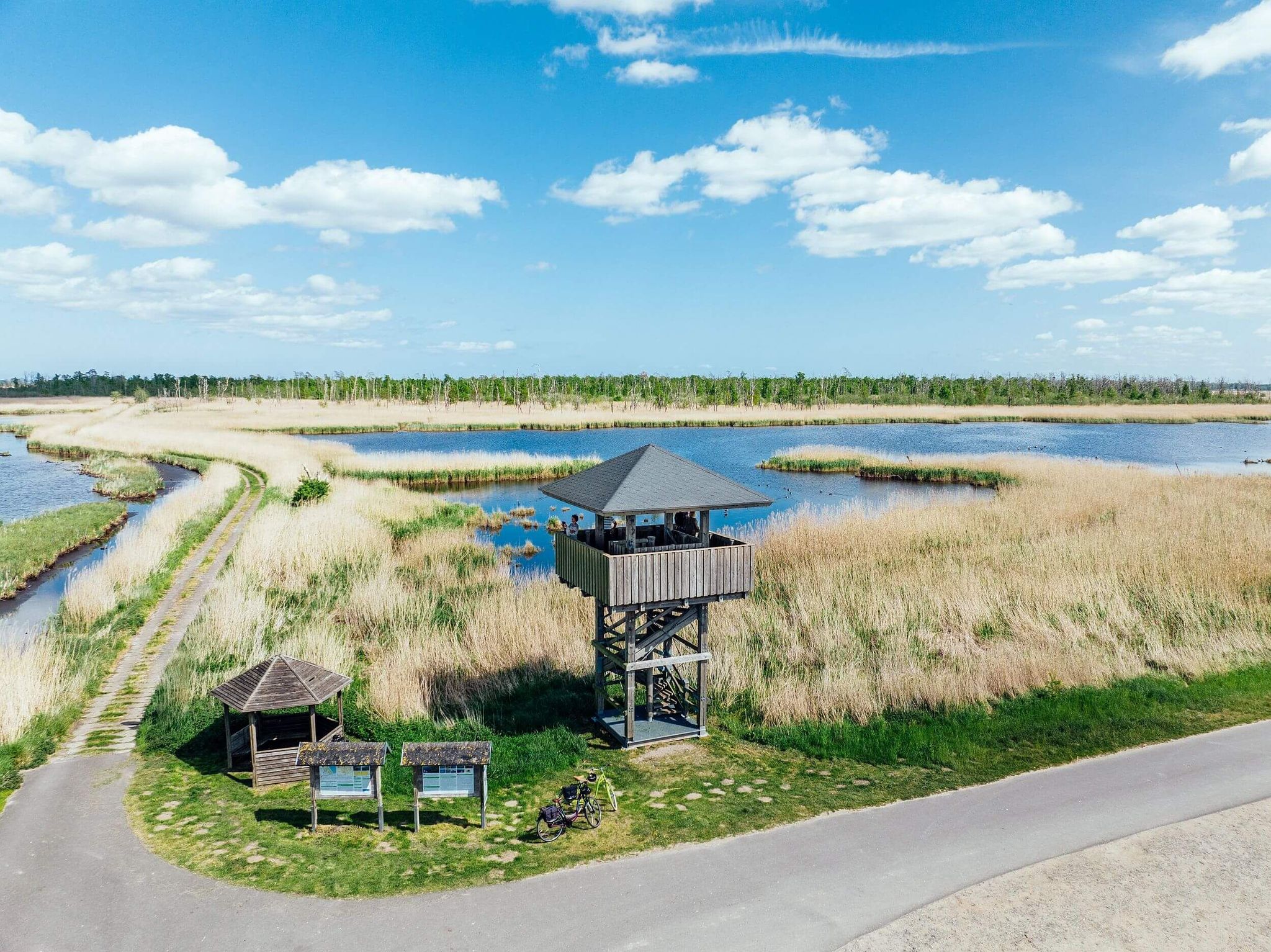
Stettiner Haff-Rundweg
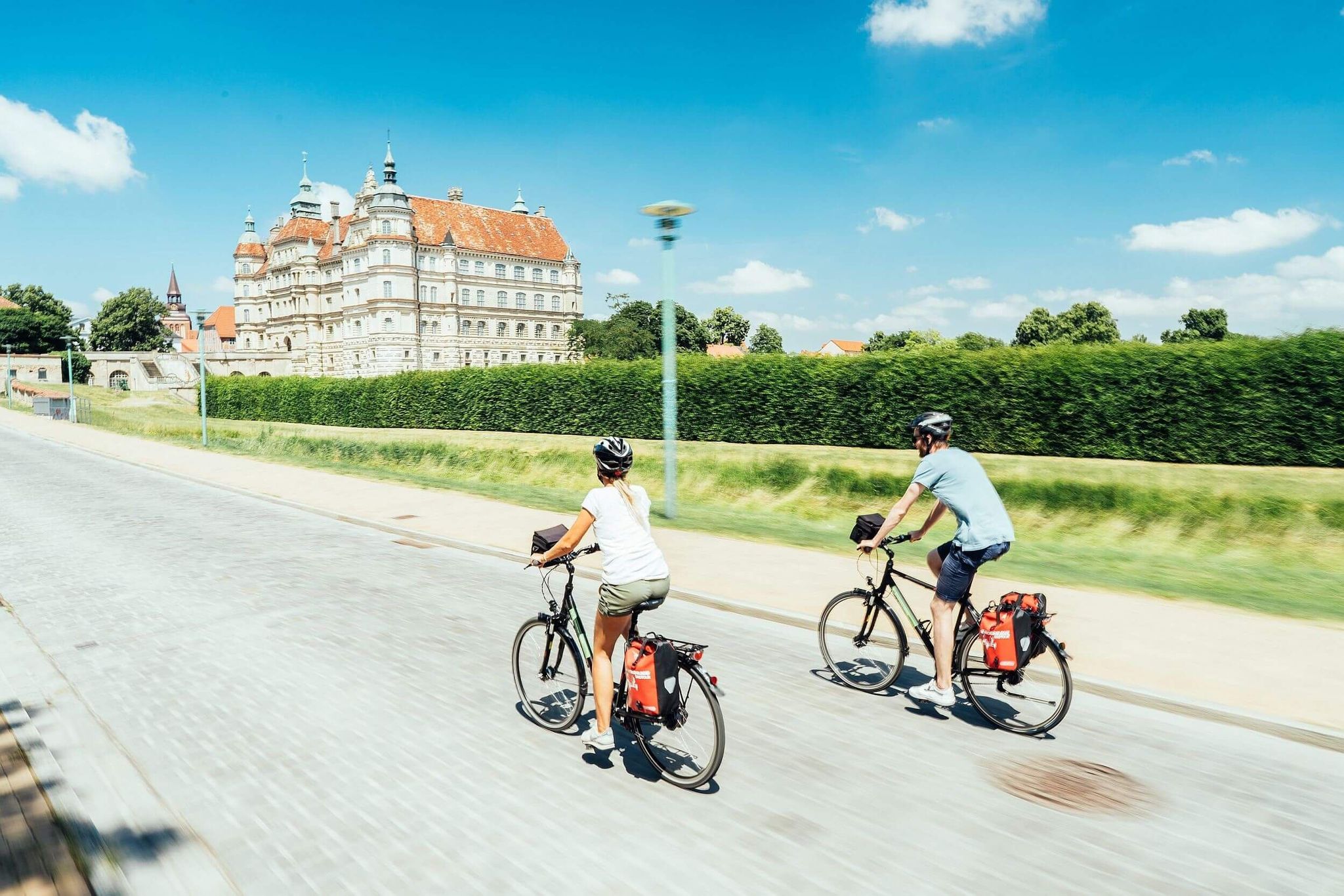
Radweg Hamburg-Rügen: Von der Elbe zur Ostsee
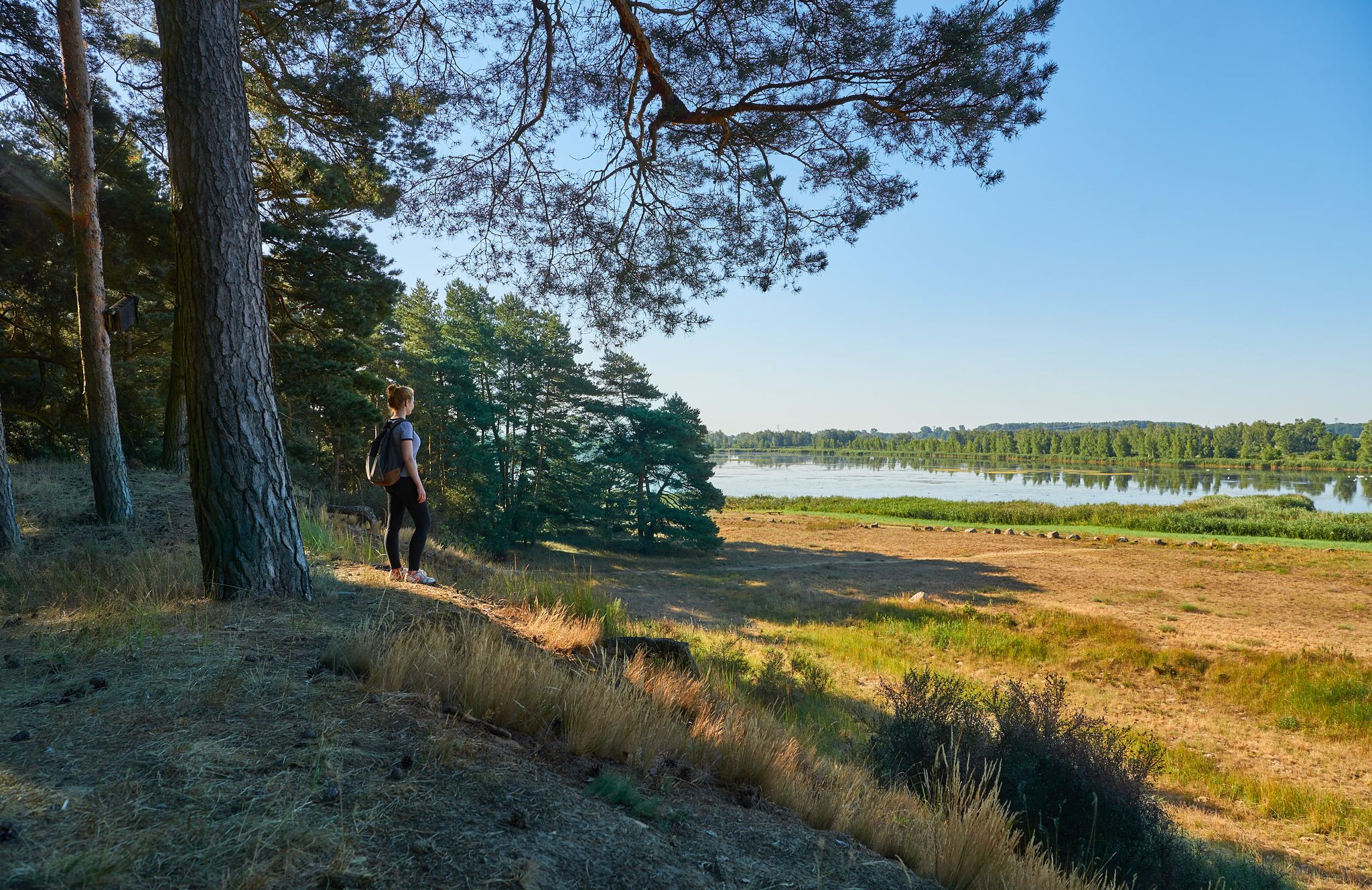
Naturparke, Küsten- & Kulturlandschaft – auf Wandertour in Vorpommern

Traffic-free bike rides in Naturpark Flusslandschaft Peenetal

Traffic-free bike rides in Naturpark Flusslandschaft Peenetal
Other adventures in Naturpark Flusslandschaft Peenetal


Tips from the Community

The original manor house probably dates from the first half of the 18th century. In 1924, the predecessor building burned down and was rebuilt in 1926 in a modified form on the foundation walls. During the Nazi era, it served as a "farmstead school for the training of young female farmers". After 1945, refugees and resettlers moved in first; later it continued to be used for residential purposes. During the GDR era, there were various uses.
0
0
Built in 1796 as a guesthouse for the estate (single-storey with a hipped roof). Today it is also used for tourism and has been renovated.
0
0
Striking are the three towers of different heights and shapes: the dominant southwestern octagonal tower, the northeastern rectangular tower with an octagonal top and visible clock (from the farmyard), and a smaller, round northwestern tower. In addition, there are various gables and risalits that nevertheless lead to a cohesive effect. The park is by Peter Joseph Lenné (design around 1840, implementation parallel to construction).
0
0
The place Schmarsow („Smarsowe“) was first documented in 1249. The name is presumably derived from the Slavic word smardz (morel mushroom). From the 14th century (from approx. 1325) it belonged as a knightly fief to the von Maltzahn family (also spelled Moltzan) and was part of the possessions of the nearby Osten castle on the Tollense. The Osten castle was destroyed or abandoned during the Thirty Years' War. The current castle was built by Joachim Philipp von Parsenow at the end of the 17th century. The exact construction period could not be proven by written sources, but was dated by dendrochronological studies (annual ring analyses) on the staircase, ceiling beams, and roof structure to the years 1697/1698 or 1697–1699, respectively.
0
0

The Protestant church of Spantekow consists of a plastered hall building from the 15th century with a half-timbered tower from 1734. The interior is impressive with its magnificent Renaissance pulpit and various carved figures. We were lucky, the church was locked, but the key was in the lock.
0
0
The Volkspark is well-suited for relaxed walks, nature observation, and as a family-friendly recreational area.
0
0
The church was originally built as a fortified church by farmers from Meesig after the Thirty Years' War. It was first documented in 1255 and originally belonged to the Verchen Monastery before being reintegrated into the Verchen parish.
0
0

The manor house dominates the village's single-family residential area. It is an extremely solidly constructed three-winged structure, built in 1698/98 by Joachim von Parsenow on much older foundations. Source: https://gutshaeuser.de/de/guts_herrenhaeuser/gutshaeuser_s/gutshaus_herrenhaus_schloss_schmarsow
1
0
Frequently Asked Questions
How many no-traffic road cycling routes are available in Naturpark Flusslandschaft Peenetal?
There are over 30 dedicated no-traffic road cycling routes in Naturpark Flusslandschaft Peenetal, offering a variety of options for different skill levels. You'll find 11 easy routes and 19 moderate routes to explore.
What is the typical terrain and elevation like for road cycling in this region?
The Naturpark Flusslandschaft Peenetal is known for its exceptionally flat terrain, with elevations generally ranging from -2 to 38 meters. This makes it ideal for relaxed road cycling without challenging climbs, allowing you to cover longer distances comfortably.
Are there any family-friendly no-traffic road cycling routes?
Yes, the flat terrain of the Naturpark makes many routes suitable for families. For an easy and enjoyable ride, consider the St. Marienkirche Kölzin loop from Gützkow, which is 44 km long and has minimal elevation gain.
What kind of natural features can I expect to see along the no-traffic road cycling routes?
The region, often called the 'Amazon of the North,' is characterized by the Peene River Valley, extensive fenlands, low moors, forests, and wet meadows. You can spot diverse wildlife, including white-tailed eagles and beavers. Highlights like the Peenetal Moor Nature Reserve and the Restored Polder Wetlands in Peenetal Nature Park offer great opportunities to experience this unique biodiversity.
Are there any historical landmarks or cultural attractions along the routes?
Absolutely! The region is rich in history. You can cycle past historic sites such as castles, manor houses, village churches, and monastery ruins. The Alt Plestlin Church – View of Schloss Kartlow loop from Demmin is a moderate route that takes you past some of these charming historical points of interest.
What do other road cyclists enjoy the most about road cycling in Naturpark Flusslandschaft Peenetal?
The area is highly rated by the komoot community, with an average score of 4.4 stars. Reviewers often praise the quiet, traffic-free paths, the stunning natural landscapes of the Peene Valley, and the ease of cycling due to the flat terrain, which allows for long, relaxed tours.
Are there any observation points or viewpoints along the no-traffic road cycling routes?
Yes, there are several facilities designed for appreciating the natural surroundings. You can find observation towers and platforms, such as the Observation Tower with View of the Peene Moor or the Observation Platform at the Restored Menzliner Polder, offering excellent views of the wetlands and wildlife.
Can I find loop routes for no-traffic road cycling in the Naturpark Flusslandschaft Peenetal?
Yes, many of the no-traffic road cycling routes are designed as loops, allowing you to start and end at the same point. An example is the View of Lake Kummerow – Kummerow Harbor loop from Verchen, a moderate 28.8 km route.
What is the best time of year to go road cycling in Naturpark Flusslandschaft Peenetal?
The best time to cycle is generally from spring to autumn (April to October) when the weather is mild and the natural landscape is most vibrant. The Aalbude ferry, which can be used to extend tours, also operates during this period.
Are there towns along the routes where I can find amenities?
Yes, charming towns like Anklam, Demmin, and Loitz serve as excellent starting points or stops along your routes. They offer amenities such as bakeries, ice cream shops, and pleasant market squares. The Town Hall of Anklam – Steintor Anklam loop from Anklam is a moderate route that starts and ends in Anklam.
Are there any specific bridges or ferries that are part of the cycling experience?
Yes, the Zecherin Bridge, a beautiful blue bridge connecting Usedom Island with the mainland, offers scenic views. Additionally, the Aalbude ferry operates from April to October, providing an opportunity to cross the water and vary your cycling tours.
Most popular routes in Naturpark Flusslandschaft Peenetal
Most popular attractions in Naturpark Flusslandschaft Peenetal

Get inspired with the komoot mobile app


Explore more
Browse the best Road cycling routes in other regions.
