Attractions and Places To See around the River Shannon - Top 20
Best attractions and places to see around the River Shannon offer a diverse range of historical, cultural, and natural features. The River Shannon, Ireland's longest river, flows through a landscape rich in ancient sites and significant landmarks. This region provides opportunities to explore medieval castles, monastic ruins, and unique geological formations. The area serves as a central point for discovering the heritage and natural beauty of Ireland.
Best attractions and places to see around the River Shannon
- The most popular…
Last updated: September 26, 2026
King John's Castle
Highlight • Castle
Tip by

St Mary's Cathedral, Limerick
Highlight • Religious Site
Translated by Google •
Tip by

Sign up now to discover places like this
Get recommendations on the best single tracks, peaks, & plenty of other exciting outdoor places.
Clonmacnoise Monastery
Highlight • Historical Site
Translated by Google •
Tip by

Athlone Castle
Highlight • Castle
Translated by Google •
Tip by

Dockers Monument
Highlight • Monument
Translated by Google •
Tip by
Whispering Arch, Clonmacnoise Cathedral
Highlight • Historical Site
It is said that people used to secretly exchange vows of love here.
Translated by Google •
Tip by

Portumna Friary Ruins
Highlight • Historical Site
Translated by Google •
Tip by

Clonmacnoise Castle Ruins
Highlight • Castle
Translated by Google •
Tip by

The Locke Bar
Highlight • Pub
Translated by Google •
Tip by

Cross of the Scriptures (Clonmacnoise)
Highlight • Monument
Translated by Google •
Tip by

Sign up for free to discover even more attractions around the River Shannon.
Already have an account?
Start today with a free account
Your next adventure awaits.
Popular around Shannon
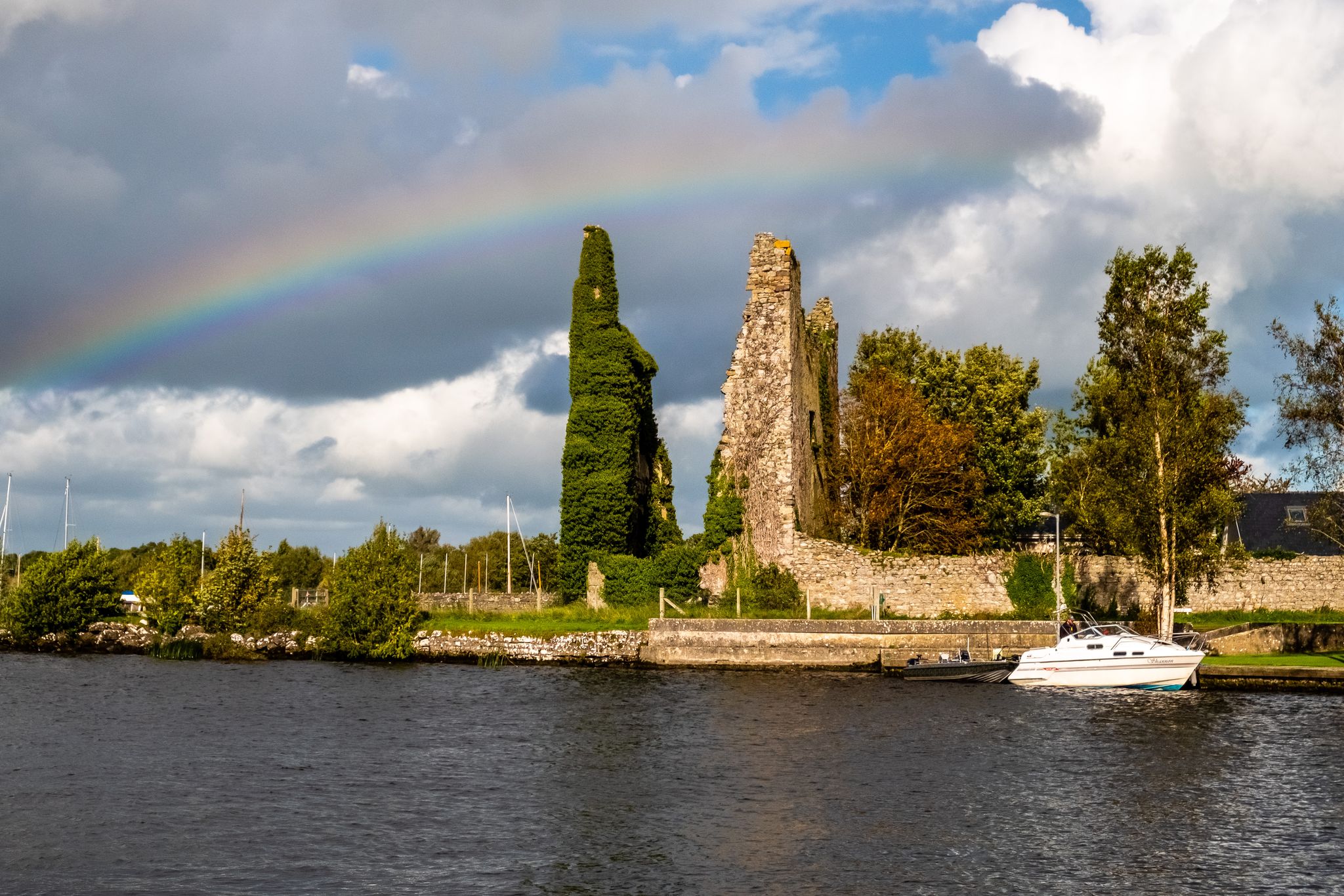
Lough Derg Way
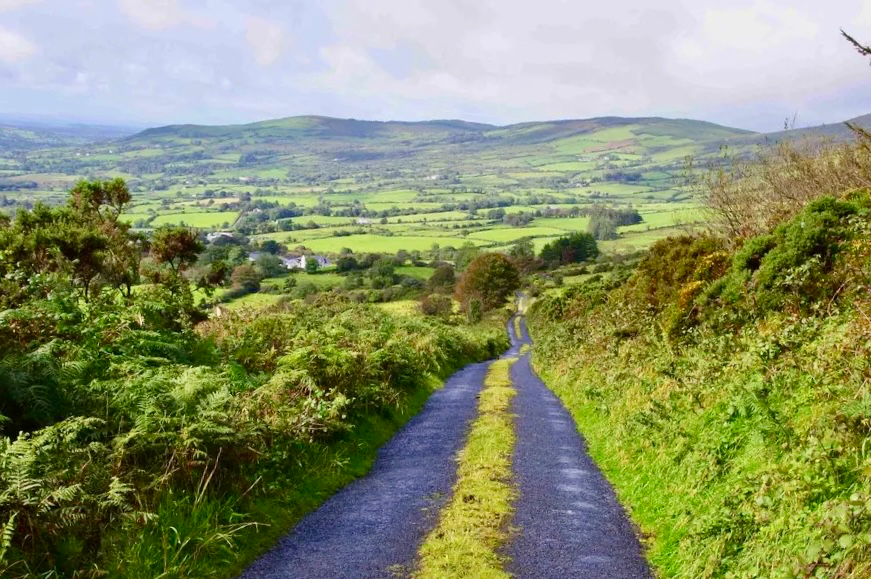
East Clare Way – exploring Ireland’s hidden heart
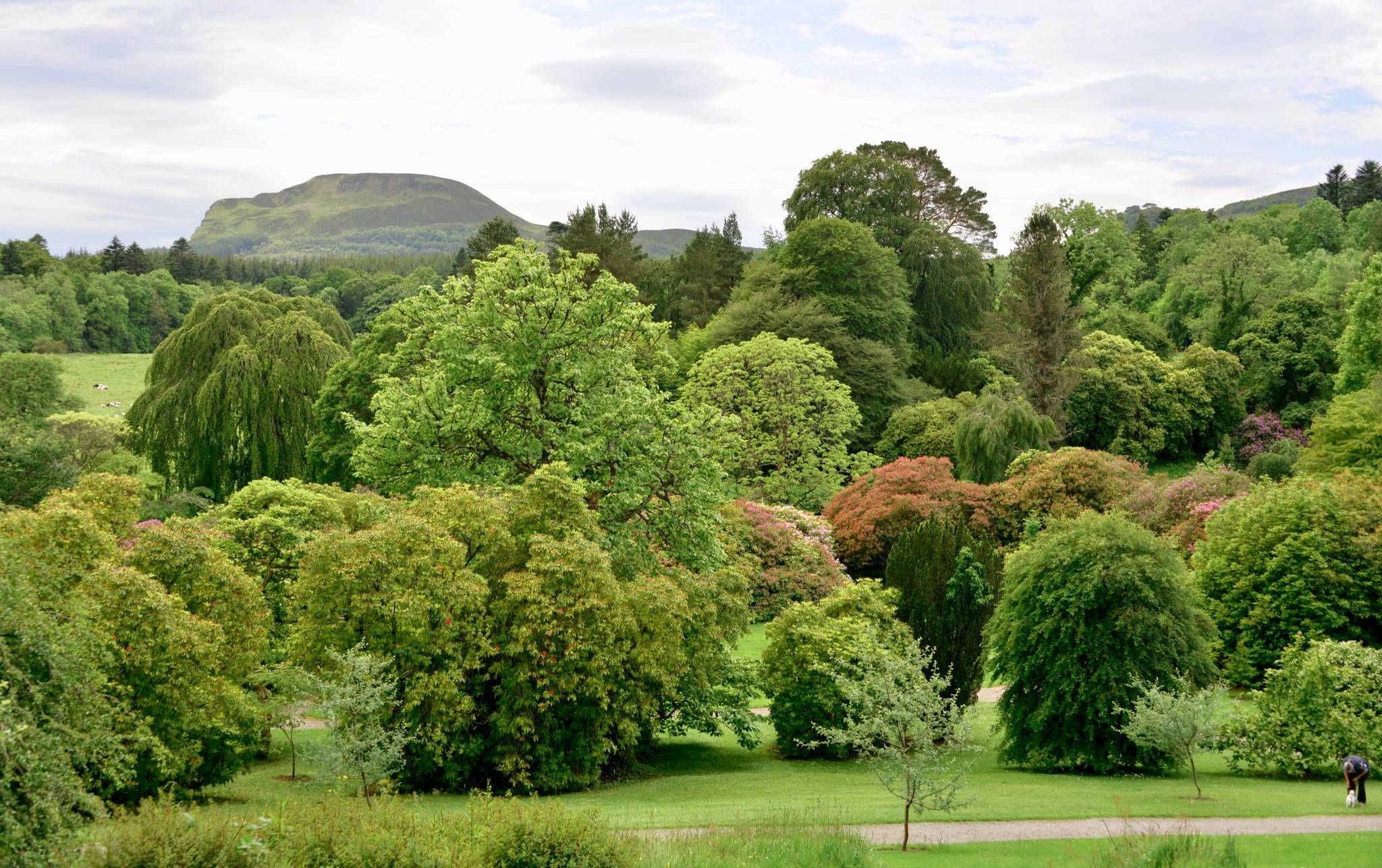
Kingfisher Trail – Explore Ireland's diverse history and nature by bike
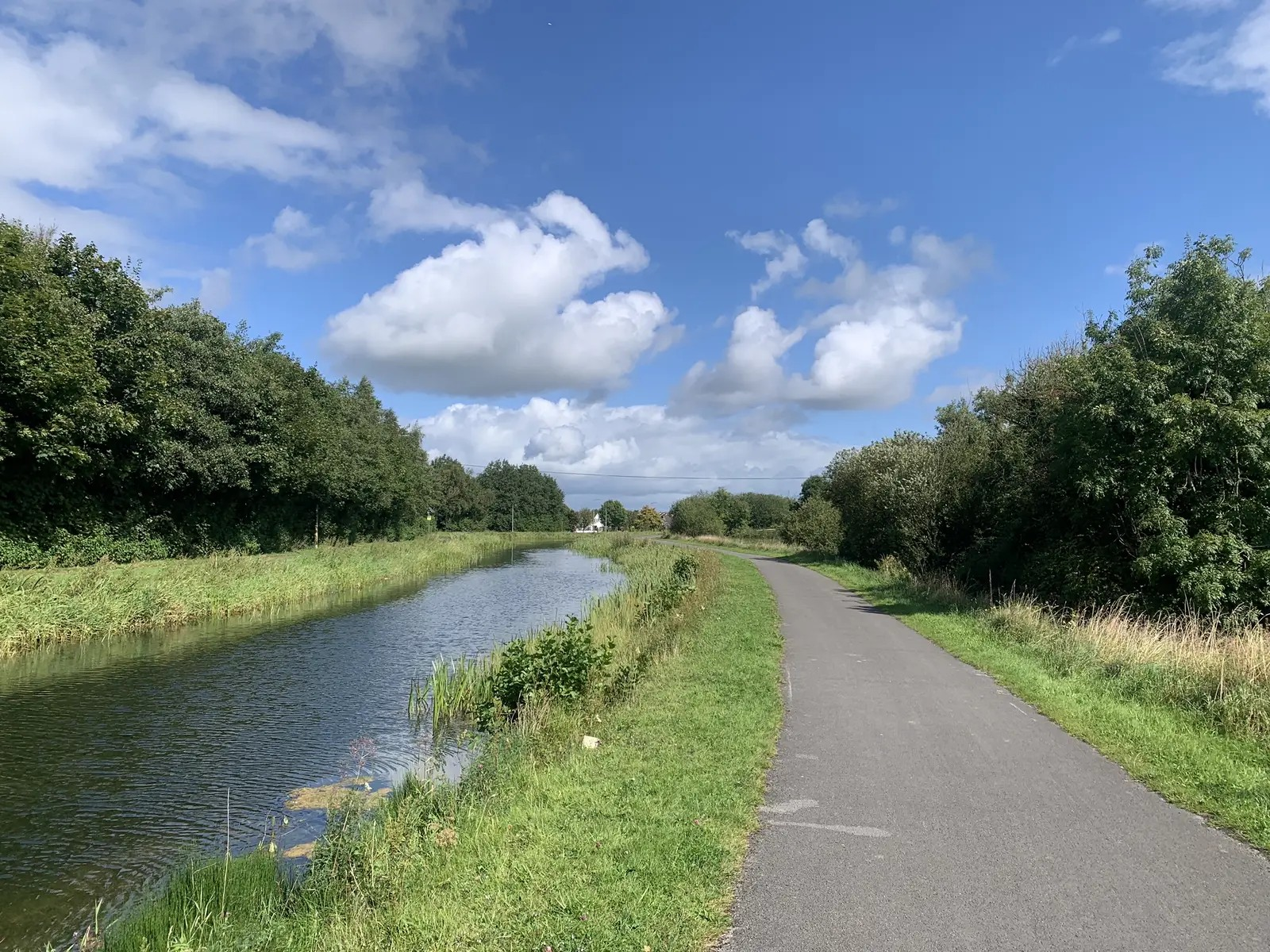
Old Rail Trail Greenway — a ride through central Ireland's heritage
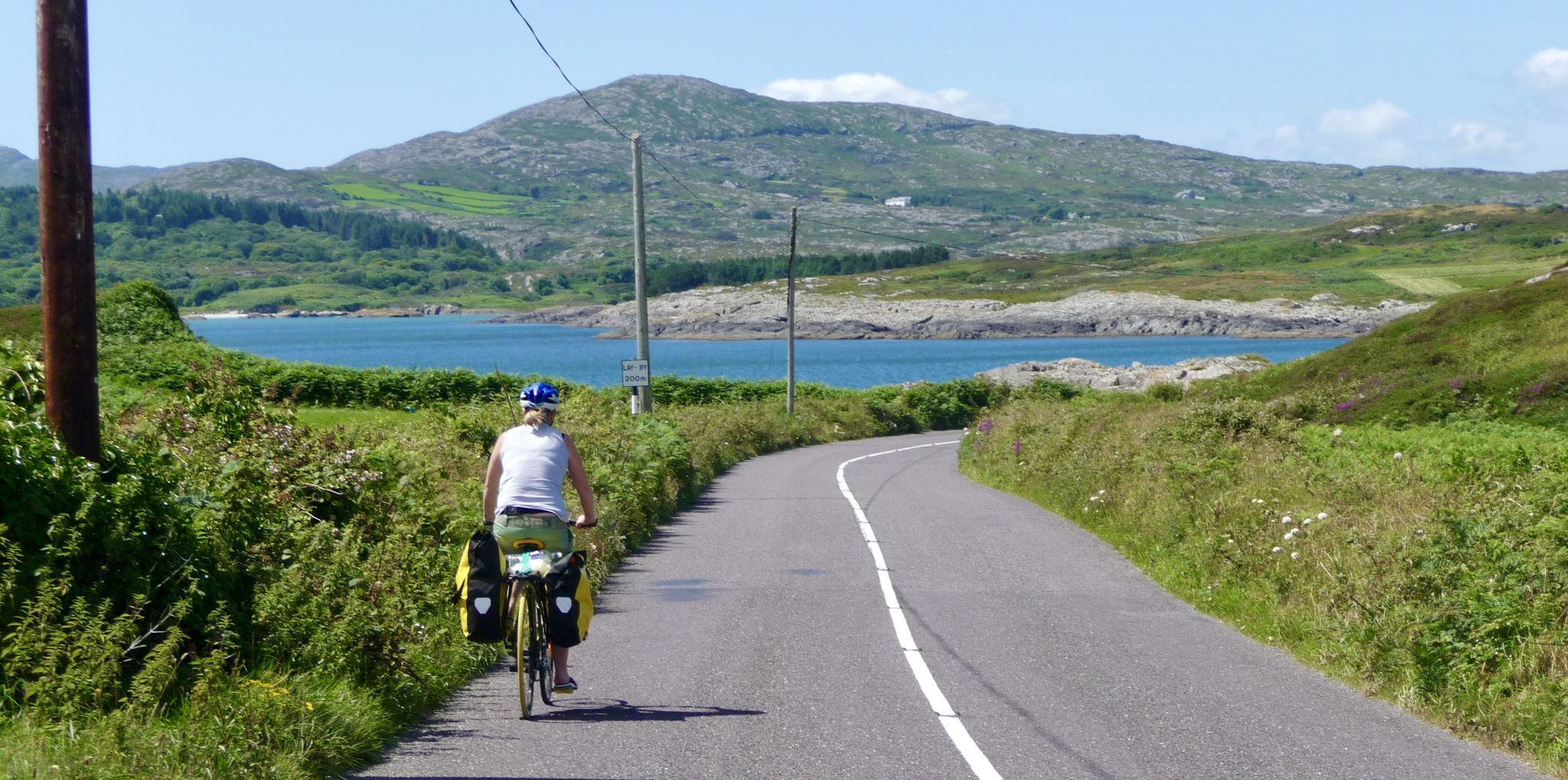
Discover beautiful Ireland – cycle end-to-end from Mizen to Malin
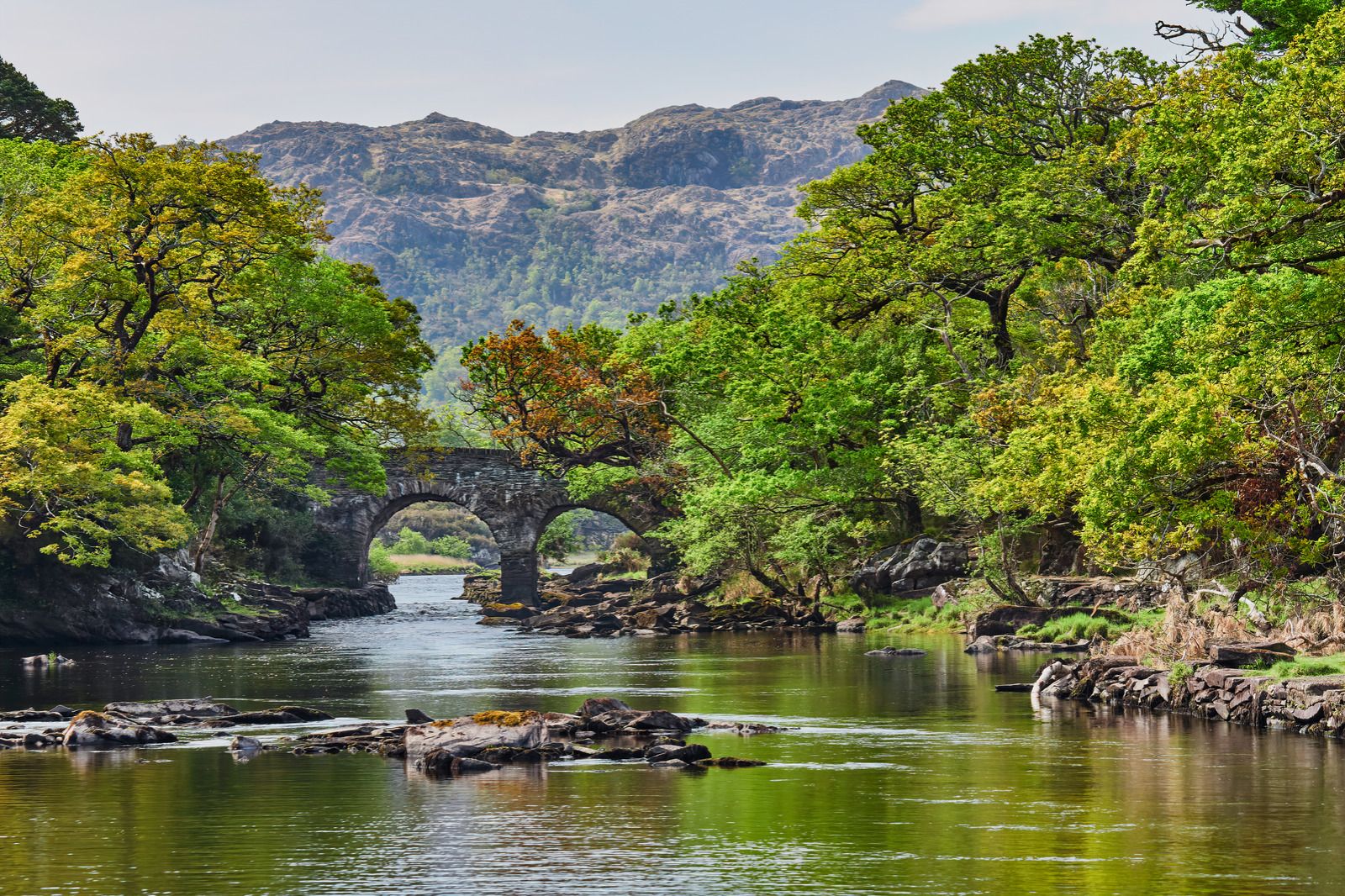
Follow the water - Along Ireland's rivers and lakes
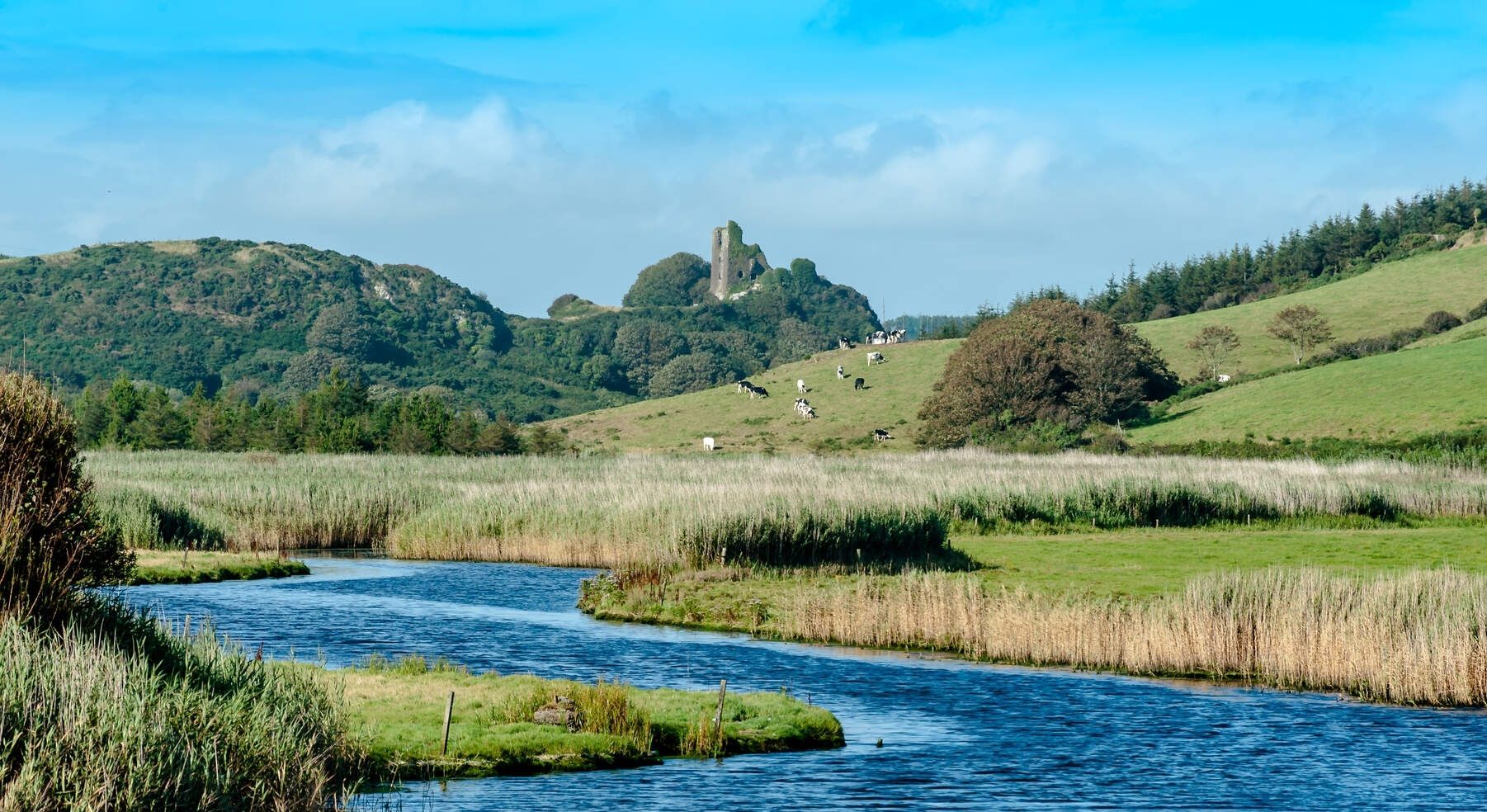
Ireland's blue rivers and lakes – walks along the water
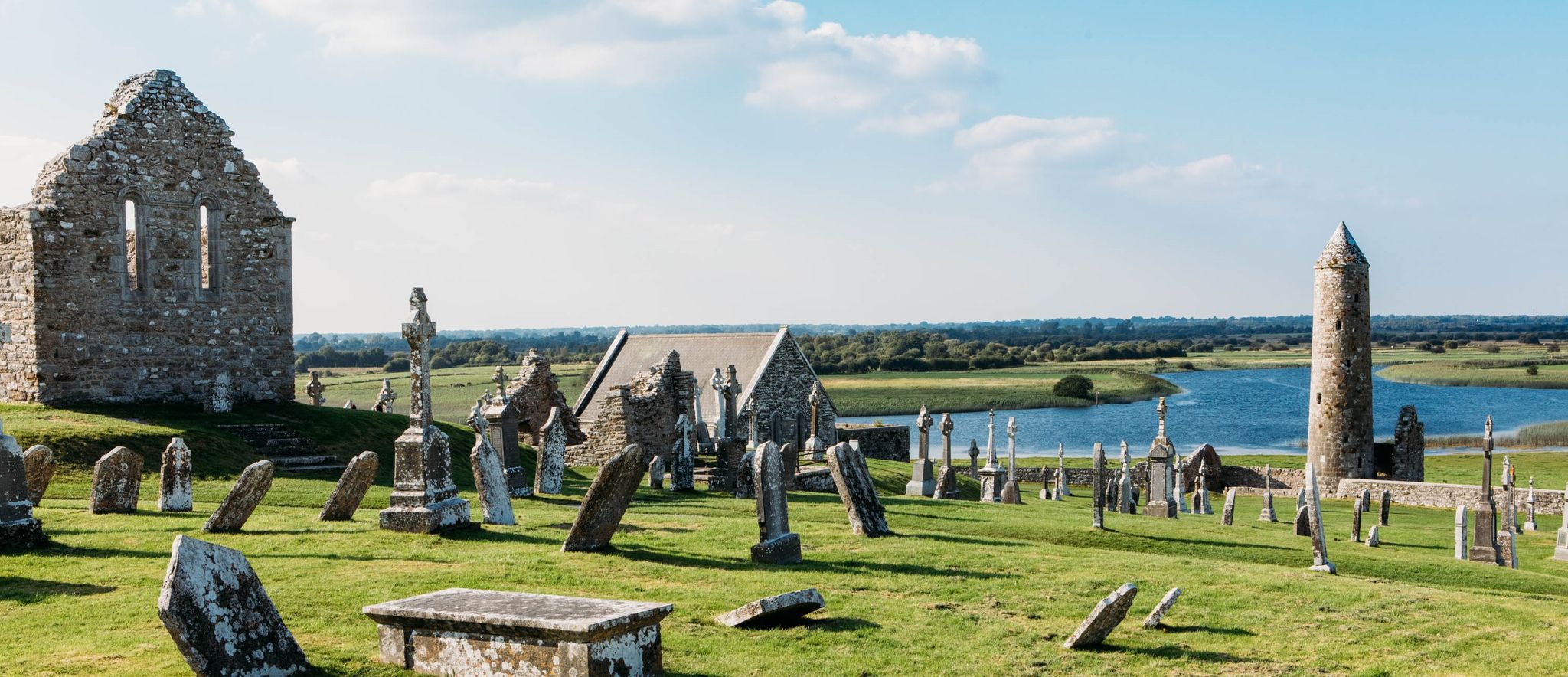
Discover Ireland's past – historical walks on the Emerald Isle
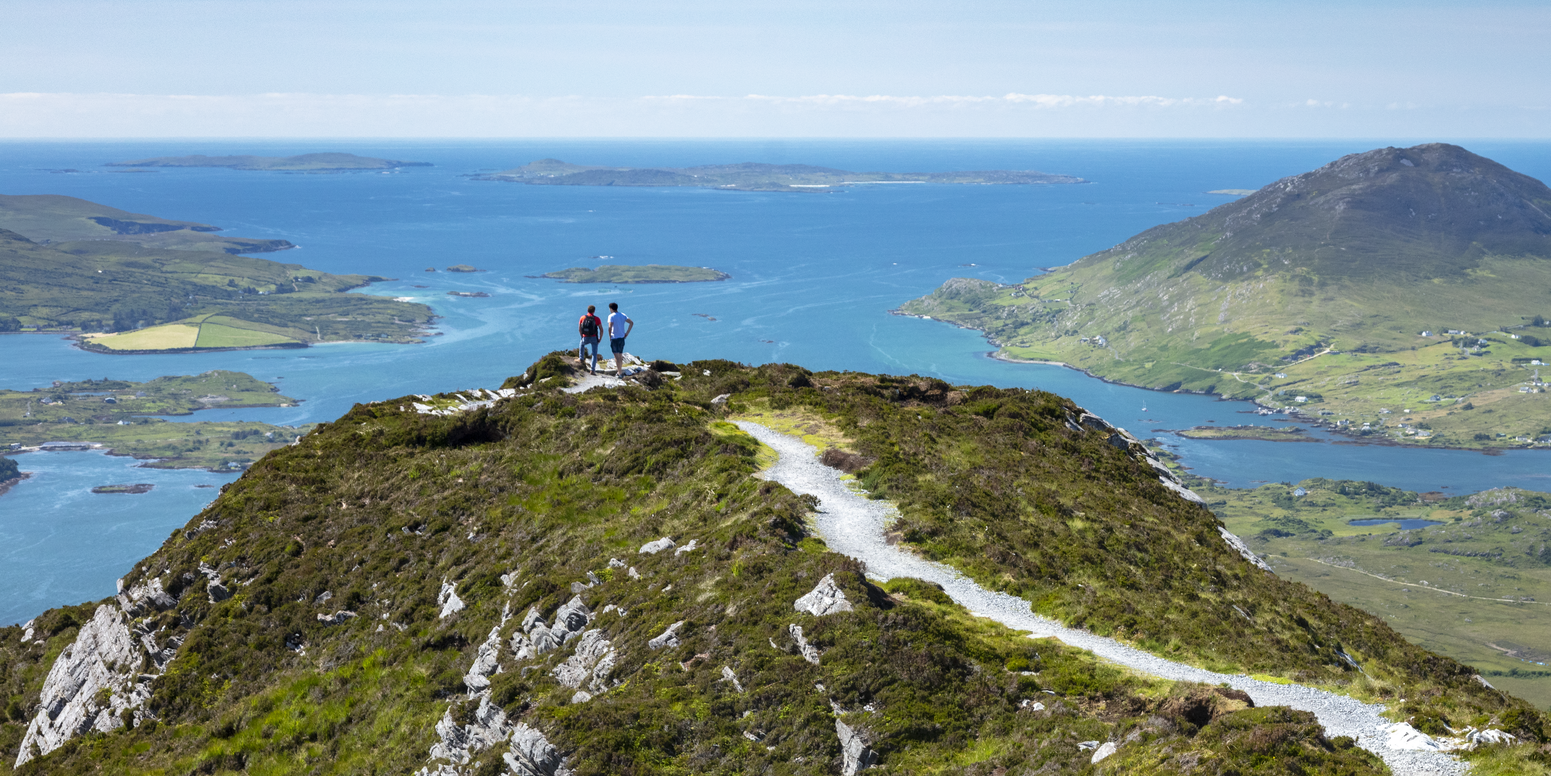
Between waves and peaks — to the best views in Ireland
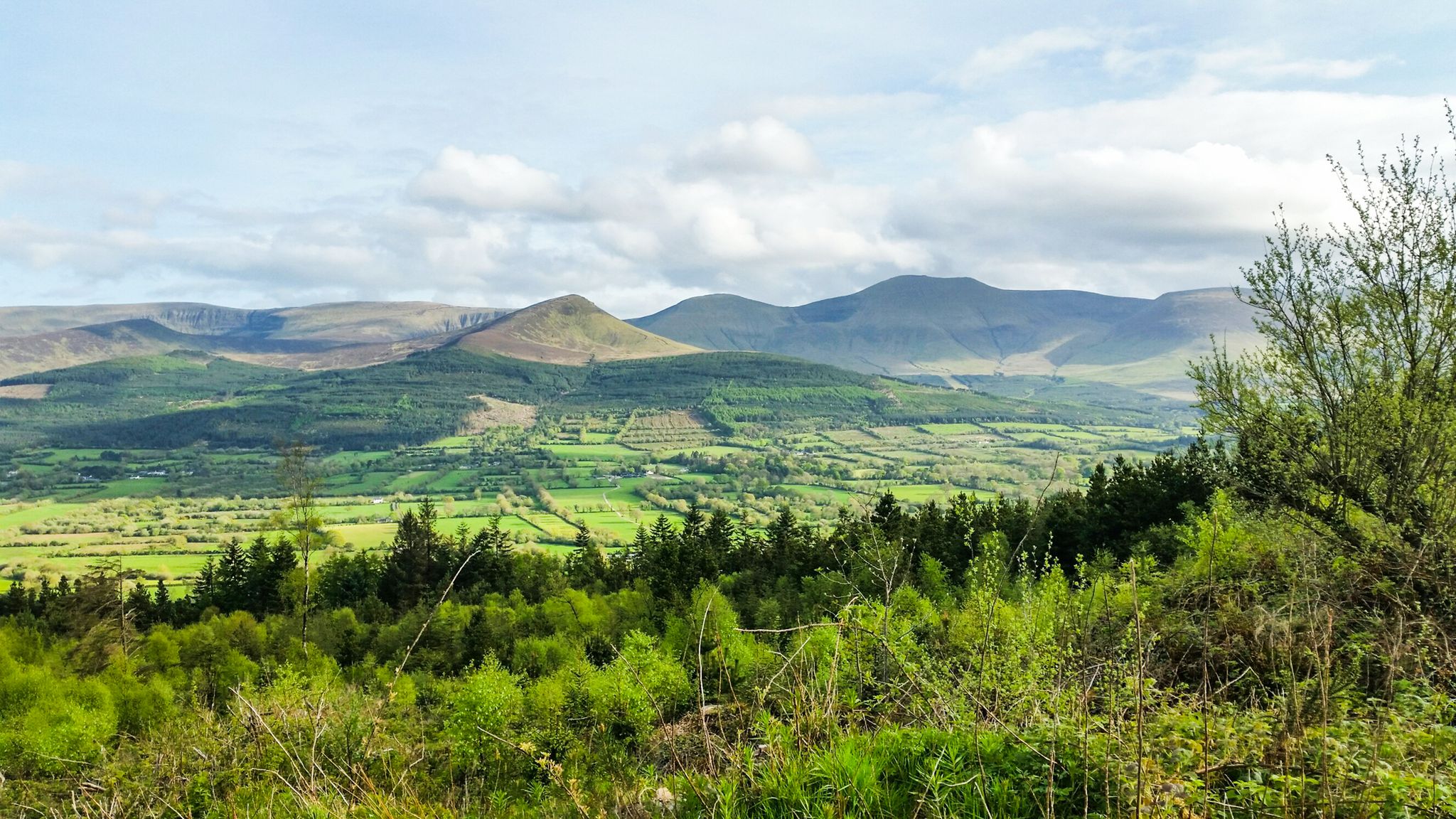
Hiking through the heart of the Emerald Isle – discover central Ireland
Other adventures around the River Shannon


Tips from the Community

Monument dedicated to the dockworkers
2
0
Impressive fortress with museum about Limerick's history
2
0

The castle is amazing and there is something to discover everywhere
3
0

On the ground of the 'Monastery Clonmacnoise' stands the Cathedral Temple McDermot. The north doorway often called the "Whispering Arch", dating to the mid-15th century. This ornate Gothic doorway dating to the fifteenth century is apparently a popular spot for wedding proposals. Folklore has it that the doorway once had a very unusual use: Lepers would stand at one side of the doorway and whisper their sins into the half pipe in the architrave. The priest would stand at the other side of the arch, far enough away to avoid infection, listening to the confession emerging from the architrave. https://www.sonicwonders.org/clonmacnoise-whispering-arch/ The cathedral is the largest of the churches at Clonmacnoise. Rory O'Connor, the last High King of Ireland, was buried near the altar in 1198, joining his father Turlough. Most of the graves currently seen in the church are those of the Coghlan family, whose patriarch extensively rebuilt the cathedral in the mid-seventeenth century.
1
0

King John's Castle (Irish: Caisleán Luimnigh) also known as Limerick Castle is a 13th-century castle located on King's Island in Limerick, Ireland, next to the River Shannon. Although the site dates back to 922 when the Vikings lived on the Island, the castle itself was built on the orders of King John of England in 1200. Some of the external walls, towers and fortifications remain, and the site is open for visitors. The remains of a Viking settlement were uncovered during archaeological excavations at the site in 1900. https://en.m.wikipedia.org/wiki/King_John%27s_Castle_(Limerick)
7
1

There is an entry fee to see inside. The grounds and the church are interesting outside for those unfamiliar with more than 300 years of history.
2
1
Aside from the Dockers sculpture, most of Duhan’s work as an artist revolves around the naked human figure. He remembers his time at Limerick City School of Art with fondness, he says, but he is mostly self-taught, acquiring his skills as and when needed to fulfil his vision. From 1982, he taught at the National College of Art and Design, but he retired six years ago, when he turned sixty. “I used to finish work at the college around 4.30pm, then I’d go to my studio in Temple Bar and work away until midnight, unless I caught a pint on the way home. Now I have my own studio at home, and I can work away all day if I want.”
2
0
Technology has long since replaced the need for human labour on the docks, with most of the unloading of cargo ships being done by cranes. But there were many former dockers among the hundreds that gathered for the unveiling of the sculpture by the Mayor of Limerick Kevin Keily on 18th June 2010. Mike Duhan's river-side sculpture. Mike Duhan's river-side sculpture. Duhan admits to having missed the occasion. “There was a mix-up with a car,” he says. “But my brother Johnny was there to represent me. Johnny’s a songwriter; he performed that song he wrote for Christy Moore, The Voyage, and I think everyone was very happy with that. I finally made it down in time for the after-party.” The reaction to the sculpture has been overwhelmingly positive. “I’m told it’s the most photographed object in Limerick city,” says Duhan. “But an artist is never really finished with his work. I’d still love to go down with an angle grinder and smooth out some edges I’m not happy with.”
2
0
Frequently Asked Questions
What historical castles can I visit around the River Shannon?
The region is rich in historical castles. You can explore the 13th-century King John's Castle in Limerick, considered one of Europe's best-preserved Norman castles. Further upriver, Athlone Castle, a National Monument, has defended the town for 750 years. Just a short drive from Shannon, the meticulously restored 15th-century Bunratty Castle offers a glimpse into medieval Irish life, complete with period furnishings. Knappogue Castle is another significant historical landmark nearby.
Are there any significant monastic sites or religious buildings to visit?
Yes, the area features several important religious sites. The Clonmacnoise Monastery, a former religious center with origins in the 6th century, showcases ruins of chapels, churches, and an 11th-century round tower. In Limerick, St Mary's Cathedral, dedicated in 1168, is one of Ireland's most important medieval structures. You can also visit Quin Abbey, an impressive ruin near Ennis, or Scattery Island, home to a monastery founded by St. Senan in the early 6th century.
What natural features and landscapes can I explore near the River Shannon?
The region boasts diverse natural beauty. The iconic Cliffs of Moher, about an hour's drive from Shannon, offer breathtaking views of the Atlantic. The Burren, a unique limestone landscape, is home to over 70% of Ireland's flower species. The Loop Head Peninsula provides wild coastal scenery, including a famous lighthouse and the Bridges of Ross. For woodland walks, Dromore Wood Nature Reserve and Cratloe Wood Forest Park offer trails through ancient forests and past lakes.
What cultural attractions are available beyond castles and monasteries?
Limerick City offers the Hunt Museum, showcasing a diverse collection of over 2,000 artifacts from various eras, including works by Picasso and Yeats. Near Shannon Airport, the Shannon Aviation Museum provides insights into aviation history. For a deeper dive into Irish heritage, Craggaunowen – The Living Past is an open-air museum interpreting Ireland's prehistoric and early Christian past with life-size reconstructions. The Michael Cusack Centre in Carron is dedicated to the founder of the Gaelic Athletic Association.
Are there family-friendly attractions around the River Shannon?
Absolutely! Many attractions cater to families. King John's Castle and Athlone Castle offer interactive exhibits. Bunratty Folk Park, adjacent to Bunratty Castle, recreates 19th-century Irish village life with costumed actors. Craggaunowen – The Living Past provides an engaging historical experience for all ages. The Shannon Aviation Museum also has a 'Discovery Experience' for younger visitors.
What outdoor activities and trails can I find near these attractions?
The River Shannon region is excellent for outdoor activities. You can find numerous trails for running, mountain biking, and hiking. For running, explore routes like the Moylussa & Ballycuggaran loop or the Limerick Three Bridges loop, as detailed in the Running Trails around the River Shannon guide. Mountain biking enthusiasts can check out trails in Ballycuggaran Forest or Woodcock Hill, found in the MTB Trails around the River Shannon guide. For easier walks, the Easy hikes around the River Shannon guide features options like the Shannon Banks Nature Trail or the Killaloe Town loop.
Are there any wheelchair-accessible attractions?
Yes, several attractions offer wheelchair accessibility. Athlone Castle is noted as wheelchair accessible. In Limerick, the Dockers Monument and Tait's Clock are also accessible. Many natural areas and forest parks may have accessible paths, but it's always best to check specific trail conditions beforehand.
Where can I find traditional Irish pubs or places to eat near the attractions?
Limerick City, a short drive from Shannon, offers a vibrant scene with numerous restaurants and pubs. A historic and popular spot is Durty Nelly's, located near Bunratty Castle, known for its traditional Irish fare and atmosphere. The Locke Bar in Limerick is another option for food and drink.
What is The Burren and why is it unique?
The Burren, approximately a 40-minute drive from Shannon, is a truly unique and mysterious landscape characterized by vast expanses of limestone rock. It's remarkable for its geological formations, which were formed between 359 and 299 million years ago. What makes it even more special is its biodiversity; it's home to over 70% of Ireland's flower species, with Arctic, Alpine, and Mediterranean plants growing side-by-side.
What are some lesser-known historical gems in the area?
Beyond the major sites, you can discover hidden gems like Poulnabrone Dolmen, an iconic 5,000-year-old megalithic tomb located in The Burren. Scattery Island, at the mouth of the Shannon Estuary, offers a tranquil environment to explore monastic sites and historical ruins, including an 1814 artillery battery. Quin Abbey, near Ennis, also provides a fascinating insight into medieval monastic life with its intricate stone carvings.
Can I see wildlife along the River Shannon?
Yes, the River Shannon and its surrounding areas support diverse wildlife. You might spot bottlenose dolphins in the Shannon Estuary. The various forest parks and nature reserves, such as Dromore Wood Nature Reserve, are home to a variety of bird species and other local fauna. Walking along the river banks or through the forest tracks provides opportunities for wildlife spotting.
What is the best way to experience the River Shannon itself?
The River Shannon is a significant natural feature. You can experience it through various forest walks and trails along its banks, such as those in Foynes Recreation Site, Two-Mile-Gate Lakeside Park, Raheen Woods, and Portumna Forest Park. These areas offer opportunities for walks, picnics, and enjoying the scenic beauty of Ireland's longest river. Boat tours are also available in some areas, offering a different perspective of the river and its surroundings.
Most popular routes around the River Shannon

Get inspired with the komoot mobile app


Explore more
Still not found the Highlight you’re looking for? See guides of the top attractions in other regions:
