Attractions and Places To See around the Morava - Top 20
Best attractions and places to see around the Morava region include a diverse range of natural and historical sites. This area, situated along the Morava river, features significant bridges, historical castles, and prominent natural summits. Visitors can explore viewpoints offering expansive vistas and monuments that reflect the region's rich past. The landscape provides opportunities for various outdoor activities, making it a destination for those interested in both cultural heritage and natural exploration.
Best attractions and places to see around the Morava
- The most popular attractions is Freedom Cycling Bridge (Cyklomost Slobody), a bridge that spans the March river. This 500-meter-long bridge is suitable for cyclists and pedestrians and is accessible year-round.
- Another must-see spot is Králický Sněžník Summit, a natural monument and viewpoint. This peak, at 1425 meters, offers views in all directions and is located on the Polish-Czech border.
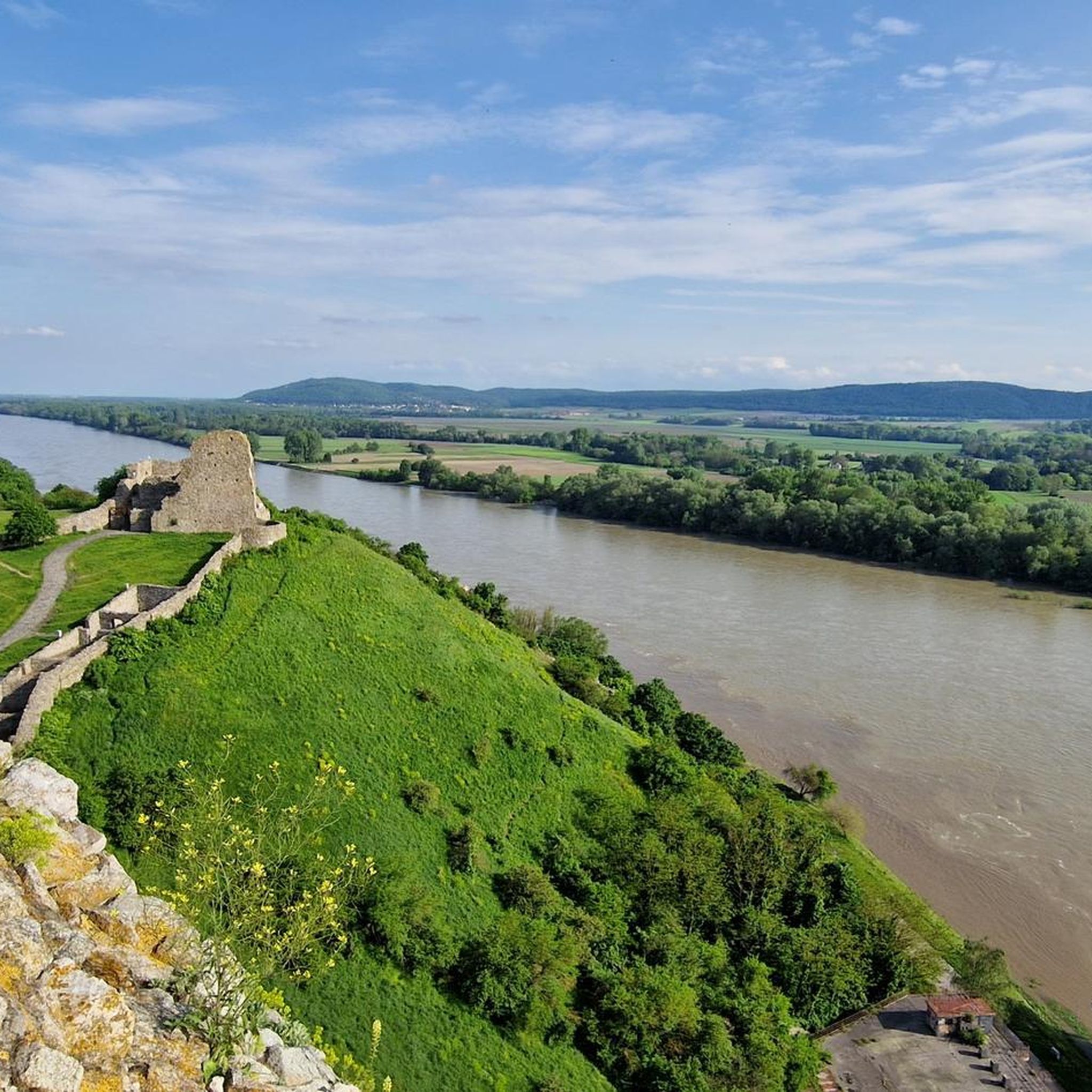
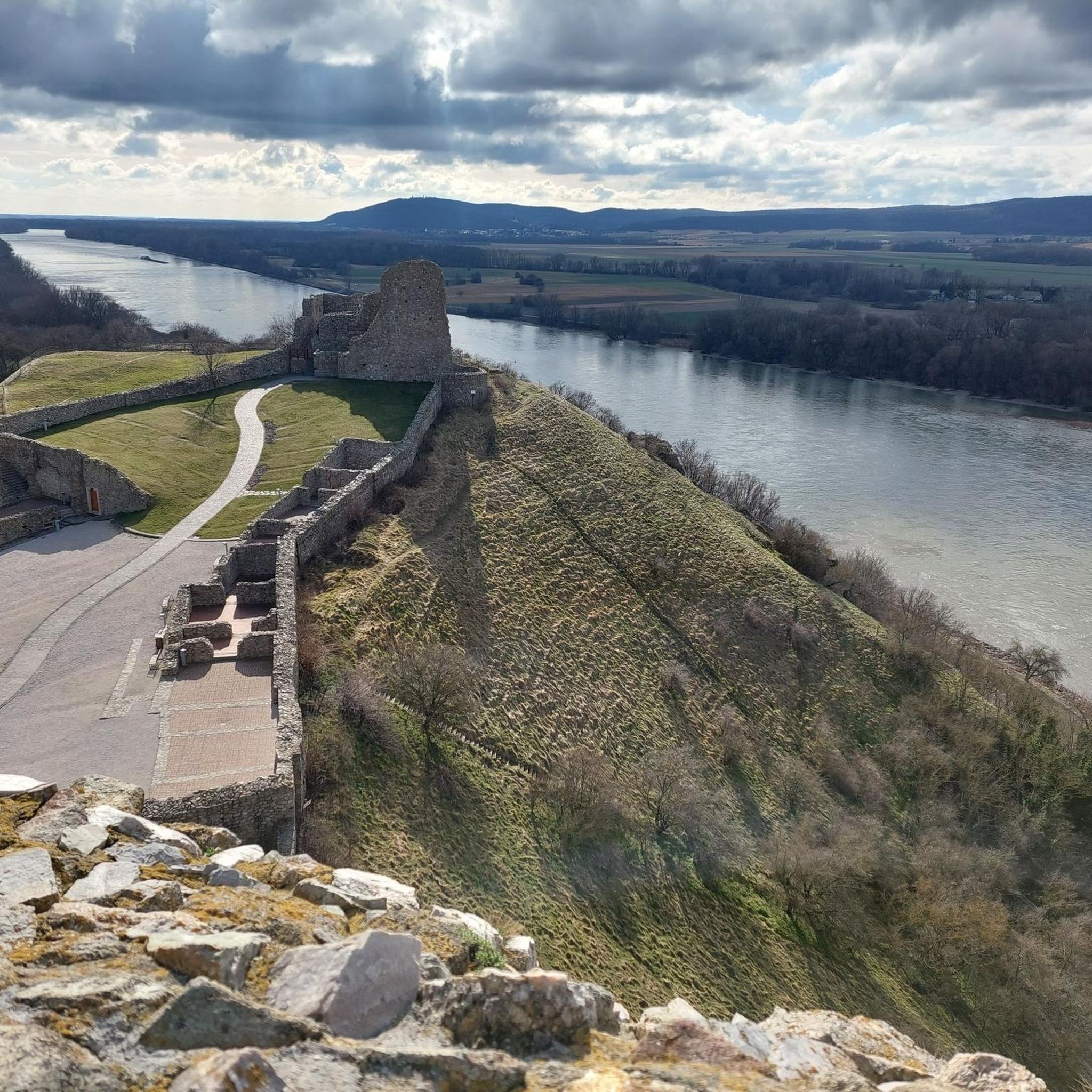
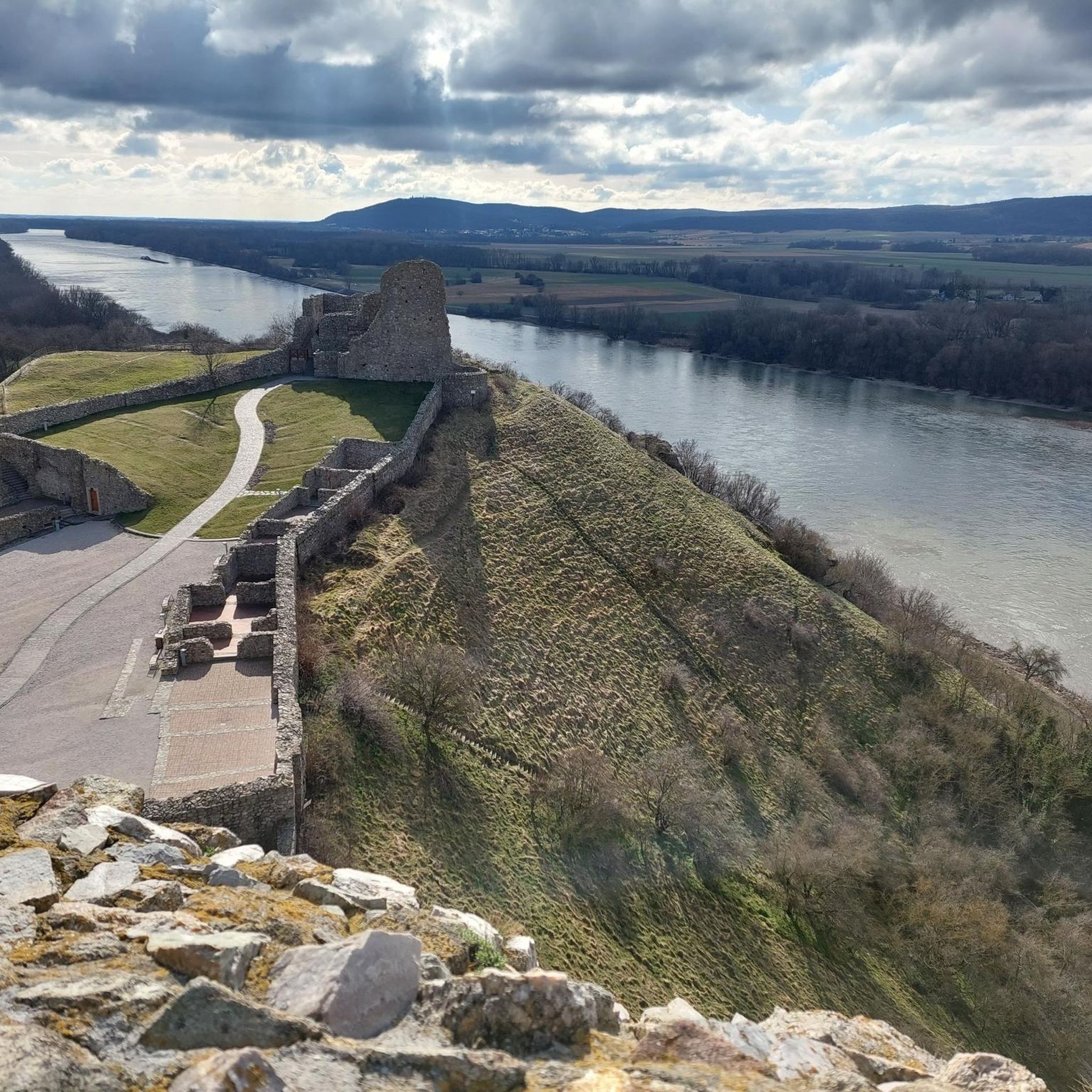
- Visitors also love Devín Castle, a historical site and viewpoint. This castle, once a Roman military base, is now a restored monument with expositions on Slavic history and offers views of the Morava and Danube rivers.
- Morava is known for its historical sites, natural summits, and impressive bridges. The region offers a variety of attractions to see and explore, from ancient castles to modern engineering marvels and scenic mountain peaks.
- The attractions around the Morava are appreciated by the komoot community, with more than 200 highlights documented, accompanied by over 370 photos and more than 500 upvotes.
Last updated: May 9, 2026
Freedom Cycling Bridge (Cyklomost Slobody)
Highlight • Bridge
Translated by Google •
Tip by

Devín Castle
Highlight • Castle
Translated by Google •
Tip by

Sign up now to discover places like this
Get recommendations on the best single tracks, peaks, & plenty of other exciting outdoor places.
Sign up for free
Králický Sněžník Summit
Highlight • Summit
Translated by Google •
Tip by

PTTK shelter "Na Śnieżniku."
Highlight • Mountain Hut
Translated by Google •
Tip by

Angern an der March–Záhorská Ves Ferry
Highlight • Bridge
Translated by Google •
Tip by

Śnieżnik Viewing Tower
Highlight • Viewpoint
Translated by Google •
Tip by

Austria–Slovakia Bicycle Bridge
Highlight • Bridge
Translated by Google •
Tip by

Sky Bridge 721 Dolní Morava
Highlight • Bridge
Translated by Google •
Tip by

Devínska Kobyla Observation Tower
Highlight • Viewpoint
Translated by Google •
Tip by

Olomouc Astronomical Clock
Highlight • Monument
northern façade of the town hall. It forms its architectural frame
a niche topped with a pointed arch, reaching almost 14 meters
height. The current strange appearance of the astronomical clock in
the style of socialist realism bears no resemblance to its former history,
nor artistic and scientific value, not even movable wealth
figures that in the past were accompanied by music
they attracted attention with their colorfulness
Translated by Google •
Tip by

Sign up for free to discover even more attractions around the Morava.
Sign up for free
Already have an account?
Start today with a free account
Your next adventure awaits.
Login or Signup
Popular around Morava
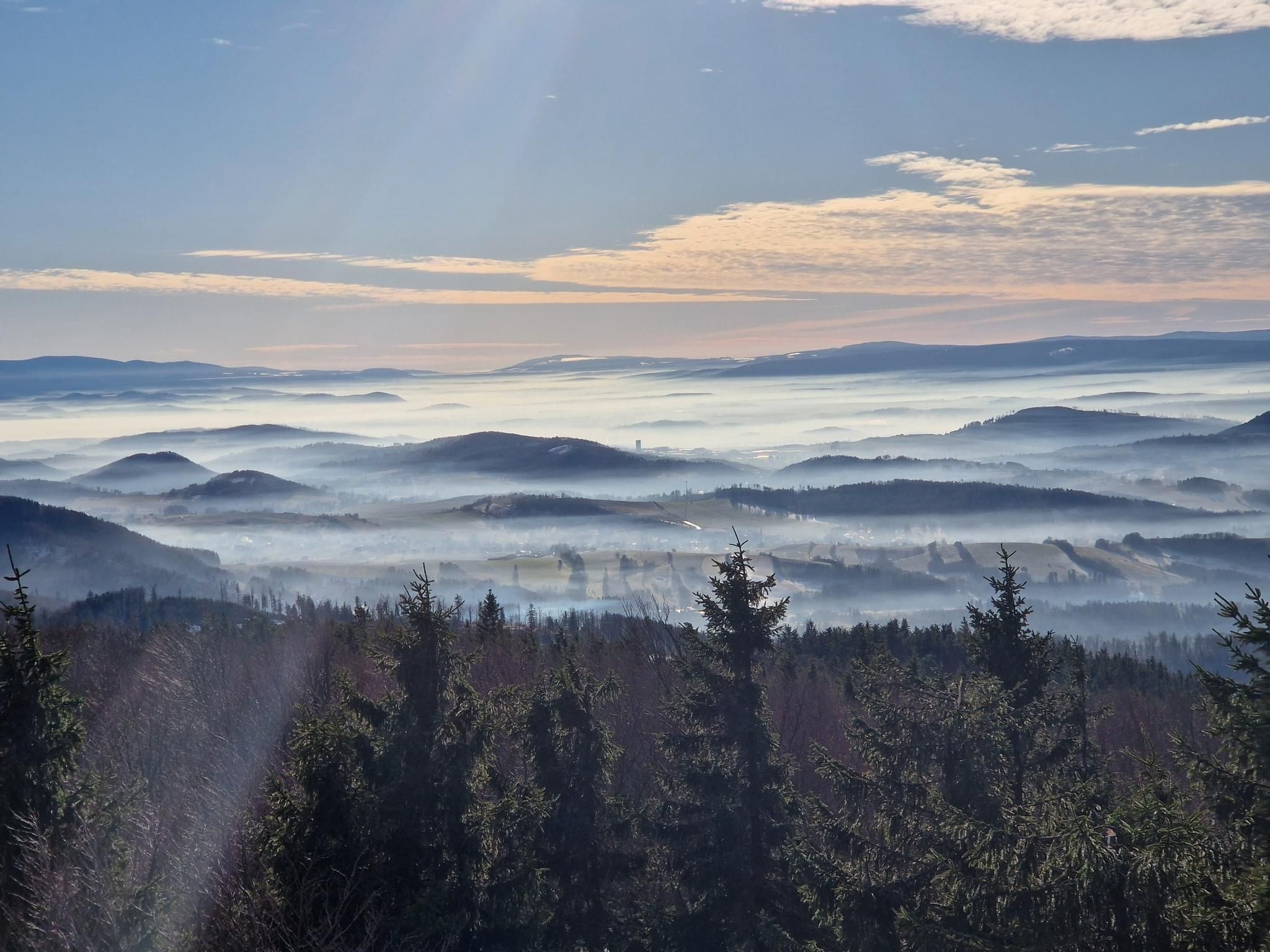
The Main Sudeten Route – a great Polish mountain adventure
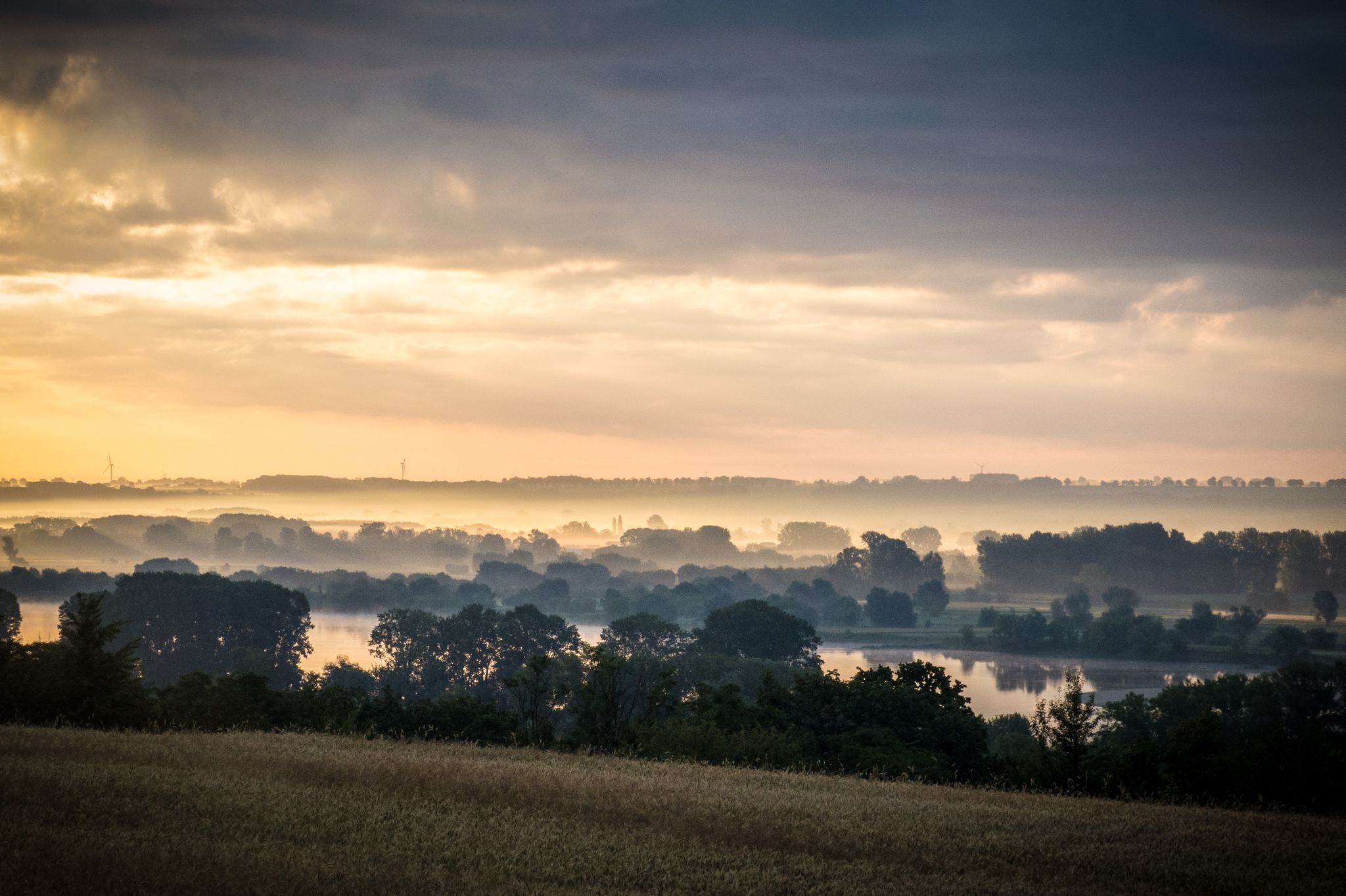
EuroVelo 9 – The Amber Route from the Baltic to Adriatic Sea
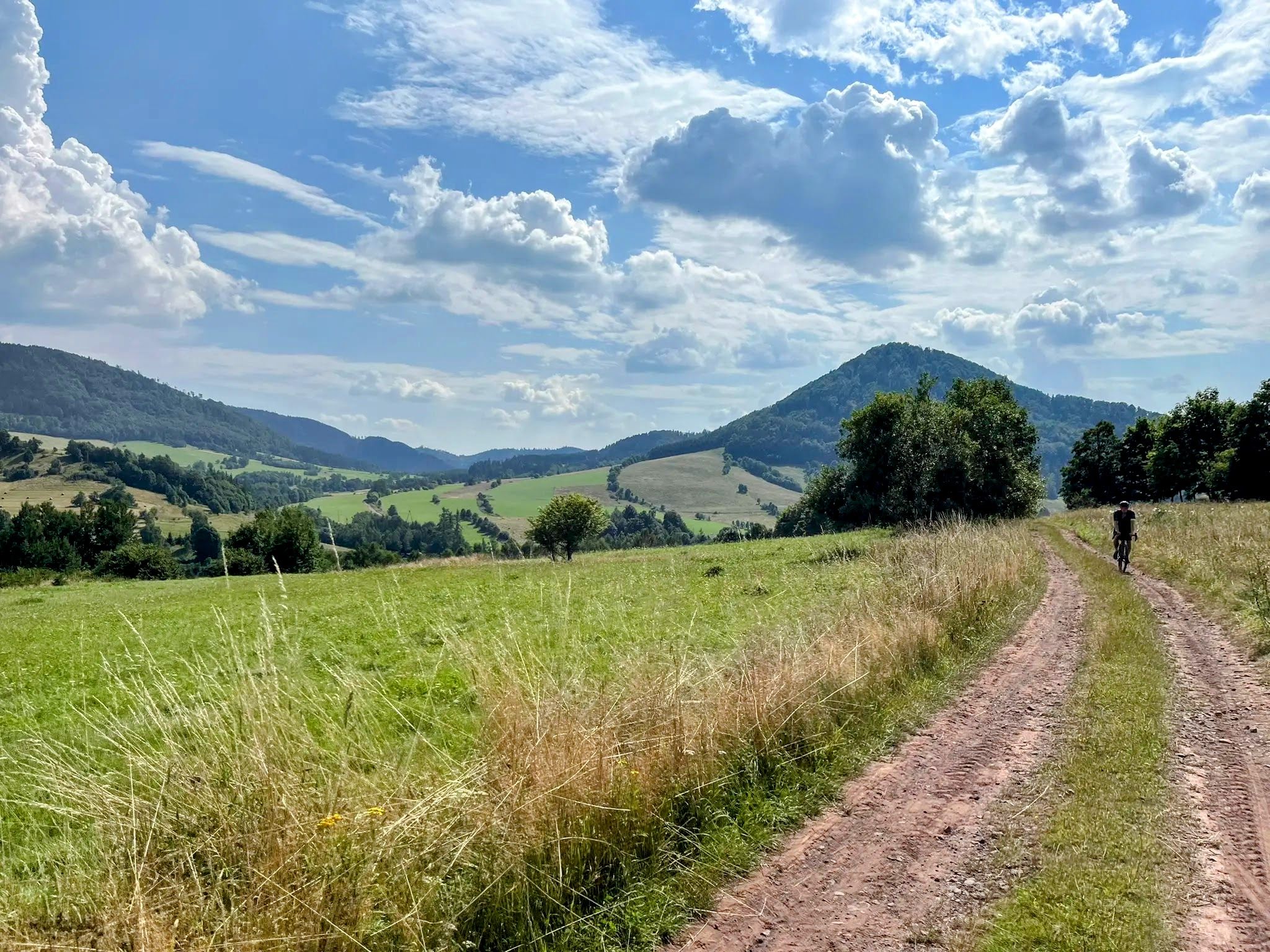
Sudetes Without Borders - Ultra Sudety Gravel Race (USGR)
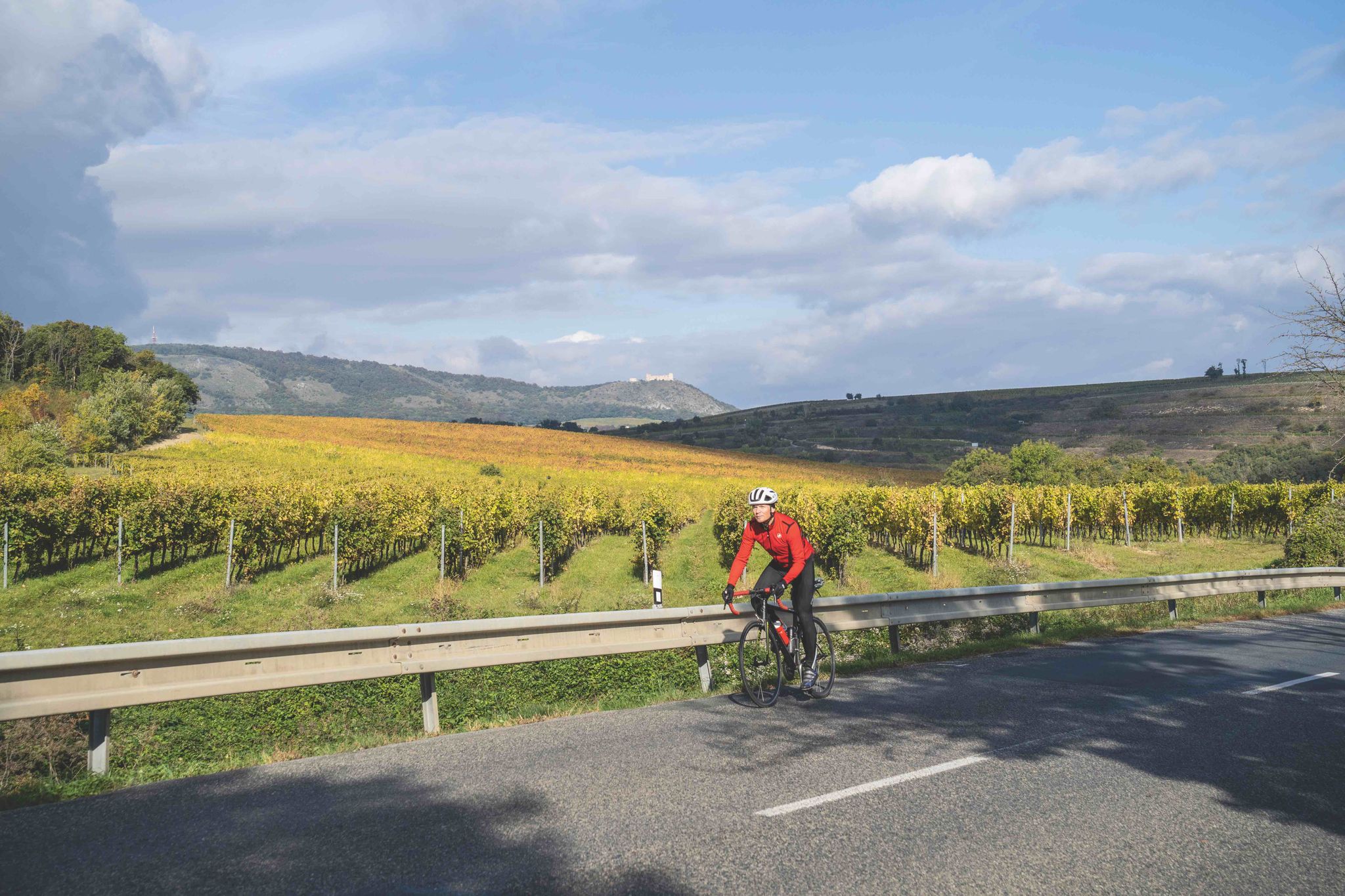
Fine asphalt and bumpy roads in the Czech Republic - with TOUR in Moravia
Gentle hills and enchanting forests -– cycling in Eastern Moravia
Hiking around the Morava
Cycling around the Morava
MTB Trails around the Morava
Road Cycling Routes around the Morava
Running Trails around the Morava
Other adventures around the Morava


Tips from the Community

This has a capacity of 40 tons (6 cars and 30 pedestrians).
1
0

The first mention of the development of Śnieżnik Mountain dates back to 1809, when the owner of Międzygórze, Count Wilhelm von Magnis, built barns and shepherd's huts on the mountain pasture below Śnieżnik. In 1838, Międzygórze was purchased by Princess Marianna of Orange, the Lady of Kamieniec Ząbkowicki – daughter of the King of the Netherlands and wife of a Prussian prince. In 1840, she invited her father, King Wilhelm, with whom she reached the summit of Śnieżnik on July 20th. In 1869, the Duchess took over the land on the mountain pasture below Śnieżnik. She commissioned a highlander from Switzerland to build a Swiss mountain hut (Schweizerei am Schneeberg or Schweizerei auf dem Schneeberg) on the mountain pasture below Śnieżnik, which now forms the main part of the mountain hut. Construction was completed in 1871. The building initially served as a tourist inn, with 50 beds and a large dining hall. In the following years, the buildings were modernized several times. In 1872, utility rooms were built on the site of an old dairy farm. In 1880, a meteorological station was opened at the inn. In the 1930s, the inn had 30 beds. After World War II, the building stood empty until 1946. The dilapidated buildings were taken over by "Orbis," renaming it "Szwajcarka." In 1947, the Polish Tatra Mountain Shelter Board took over. The following summer, a shelter was opened, named "Na Śnieżniku" to distinguish it from the "Szwajcarka" shelter in Rudawy Janowickie. In 1950, the building became the property of the Polish Tourist and Sightseeing Society. At that time, the shelter had 63 beds. In the 1980s, the shelter was thoroughly modernized and renovated thanks to the efforts of its then-lessee, Zbigniew Fastnacht, who managed the facility from 1982 to 2001. After his death, in recognition of his achievements, the shelter was named after him.
1
1

The climb is not easy, but the view makes up for it.
7
0
Far-sightedness guaranteed in good weather, only the dirt of the other visitors trickles down on your head🤭
7
0

Spectacular observation tower and view, an official MTB trail leads to the tower.
1
0

It is better to book a place to stay in advance, the food is OK, the prices are like in other shelters in Poland, you have to take into account that there is no Wi-Fi on the premises of the shelter, and the mobile internet is so-so.
2
0

A big blender in the background
1
0

The highest peak (1425m) in the Eastern Sudetes and the Śnieżnik Massif - is located on the Polish-Czech border. Králický Sněžník is of course the Czech equivalent of "Śnieżnik". Great views in every direction - there is also a great observation tower at the top, which is worth climbing (if you haven't had enough of climbing yet...)
3
0
Frequently Asked Questions
What kind of outdoor activities can I do around the Morava region?
The Morava region offers a variety of outdoor activities, particularly hiking and cycling. You can explore challenging waterfall hikes, or opt for easier walking routes. For cyclists, there are numerous paths, including those crossing impressive bridges like the Freedom Cycling Bridge (Cyklomost Slobody). Mountain biking is also popular, with dedicated MTB trails available.
Are there any family-friendly attractions in the Morava region?
Yes, the Morava region has attractions suitable for families. The Angern an der March–Záhorská Ves Ferry is a unique experience, and the Olomouc Astronomical Clock is a fascinating historical site that can be enjoyed by all ages. Many of the cycling paths, such as those accessible via the Freedom Cycling Bridge, are also suitable for family outings.
What historical sites can I visit in the Morava region?
The Morava region is rich in history. A prominent historical site is Devín Castle, which served as a Roman military base and now features expositions on Slavic history, offering views of the Morava and Danube rivers. The Olomouc Astronomical Clock is another significant historical monument.
Where can I find the best viewpoints in the Morava area?
For breathtaking views, head to the Králický Sněžník Summit, which offers panoramic vistas from its 1425-meter peak and has an observation tower. The Śnieżnik Observation Tower and the Devínska Kobyla Observation Tower also provide excellent vantage points. Additionally, Devín Castle offers scenic views of the river confluence.
Are there any wheelchair-accessible trails or attractions?
Yes, some attractions in the Morava region are designed to be wheelchair accessible. The Freedom Cycling Bridge (Cyklomost Slobody) and the Austria–Slovakia Bicycle Bridge are both suitable for wheelchairs and offer pleasant routes along the river.
What is the best time of year to visit the Morava region?
The Morava region is generally best visited from late spring to early autumn (May to October) for outdoor activities like hiking and cycling, when the weather is mild and trails are clear. However, attractions like the Freedom Cycling Bridge are accessible year-round, and some areas may offer winter activities or scenic views under snow.
What are some unique natural features to explore in the Morava region?
Beyond its historical sites, the Morava region boasts significant natural features. The Králický Sněžník Summit is a natural monument offering diverse flora and fauna. The confluence of the Morava and Danube rivers, visible from Devín Castle, is also a notable natural landmark.
Are there places to eat or stay overnight near the attractions?
Yes, for those exploring the higher elevations, the PTTK shelter "Na Śnieżniku." offers accommodation and a restaurant. Many towns and villages throughout the Morava region will also provide various dining and lodging options.
What is the Sky Bridge 721 Dolní Morava?
The Sky Bridge 721 Dolní Morava is a remarkable modern engineering marvel in the region. It is the longest suspension bridge in the world, spanning 721 meters. It offers an exhilarating experience and panoramic views, with a capacity for up to 500 people at a time.
Can I find cycling routes that cross the Morava river?
Absolutely. The Morava region is well-suited for cycling, with several bridges designed for cyclists and pedestrians. The Freedom Cycling Bridge (Cyklomost Slobody) is a 500-meter-long bridge over the March river, perfect for cycling. Another option is the Austria–Slovakia Bicycle Bridge, which provides a route towards Devínska Kobyla.
What are some of the more challenging hikes in the Morava region?
For experienced hikers, the Morava region offers several challenging routes. Hikes around the Králický Sněžník Summit can be demanding, with routes like the 23 km loop from Velká Morava. You can find more difficult options in the waterfall hikes guide, including a 21 km loop from Międzygórze to the Śnieżnik Observation Tower.
Are dogs allowed on trails and at attractions in the Morava region?
While specific rules vary by attraction and trail, many outdoor areas and trails in the Morava region are dog-friendly, especially hiking and walking routes. It's always recommended to keep dogs on a leash and check specific regulations for indoor attractions or protected natural areas before visiting.
Most popular routes around the Morava
Most popular attractions around the Morava

Get inspired with the komoot mobile app


Explore more
Still not found the Highlight you’re looking for? See guides of the top attractions in other regions:
